
The Kitchen Chemistry pH Test
A simple, reliable method to determine if your soil is acidic, alkaline, or neutral using common household staples.
This test relies on basic chemical reactions. Vinegar (Acetic Acid) reacts with alkaline soil (Carbonates), while Baking Soda (Sodium Bicarbonate) reacts with acidic soil. The intensity of the “fizz” tells us exactly where your soil sits on the spectrum.
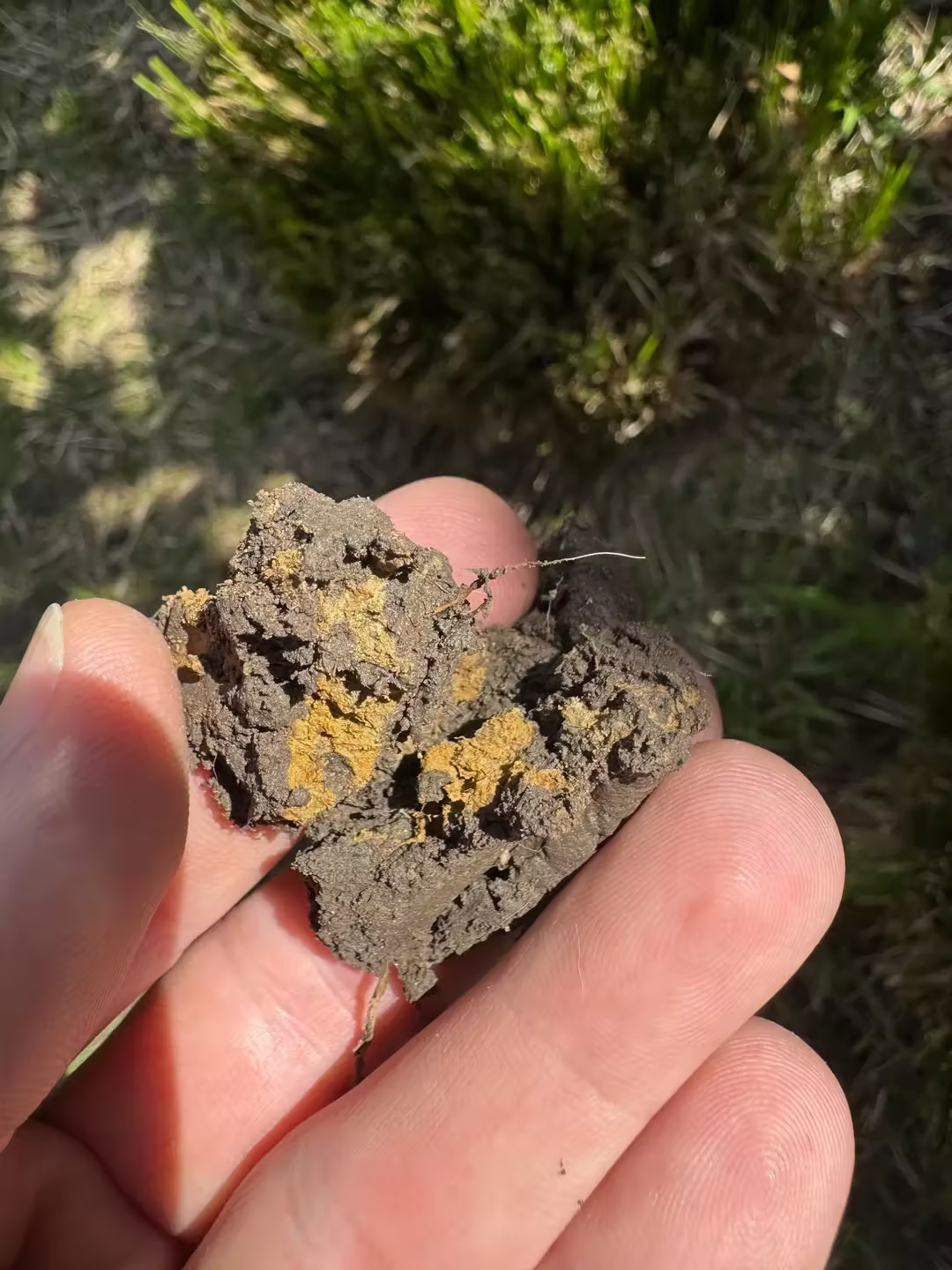
The Step-by-Step Guide
What You’ll Need:
- Two clean glass jars or bowls.
- Distilled water (Tap water can be slightly acidic or alkaline, which may skew your results).
- White vinegar.
- Baking soda.
- Two fresh soil samples from your yard (taken from 4–6 inches deep).
The Process
- The Alkalinity Test: Place your first soil sample in a jar and add 1/2 cup of white vinegar. If the soil bubbles or fizzes, you have Alkaline Soil (pH > 7.0).
- The Acidity Test: If the first test had no reaction, take your second sample and add enough distilled water to make a “muddy” consistency. Pour 1/2 cup of baking soda on top. If it bubbles or fizzes, you have Acidic Soil (pH < 7.0).
- The Neutral Result: If neither test produces a reaction, your soil is Neutral (approximately 7.0). This is the ideal state for most North American turfgrasses.
Watch the Process: Visualizing the Reaction
Finalizing Your Calibration
Now that you have your results, it is time to feed this data back into the Turf Wizard. Click the button below to return to your quiz. Once there, select “I know my pH state” and then either select your pH state or enter the numeric value that matches your test reaction:
| Your Kitchen Result | Use This pH Number |
|---|---|
| Baking Soda Fizzed (Acidic) | 5.5 |
| Vinegar Fizzed (Alkaline) | 7.5 |
| No Reaction (Neutral) | 6.5 |
Pro-Tip:
If you had a very “violent” fizz, you can move your number slightly (e.g., 5.0 for very acidic or 8.0 for very alkaline). If the fizz was weak, stay with the numbers listed above.
While kitchen chemistry is great for identifying your soil’s general state (Acidic vs. Alkaline), we recommend a professional lab test once every two years for a full nutrient breakdown.