
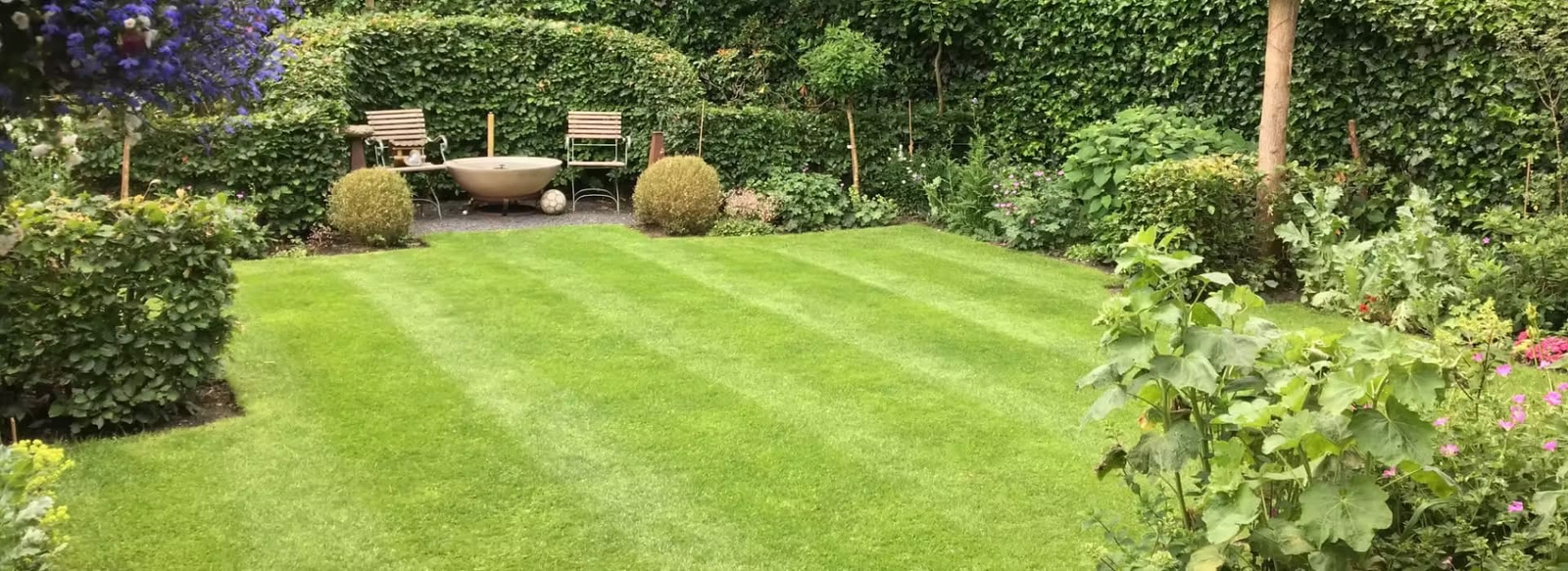
University-level yard science, simplified for the home landscape. We turn professional horticulture research into clear, DIY-friendly steps for your backyard.
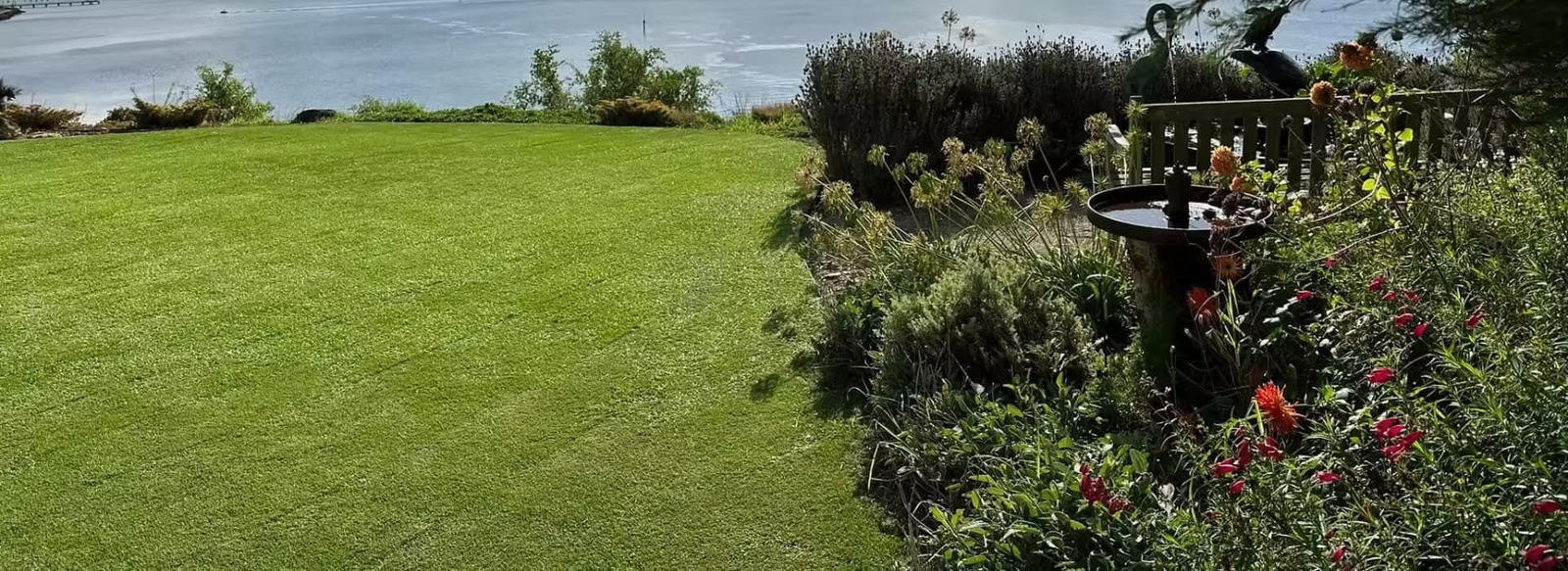
Cut through the confusion of conflicting forum advice and local myths. Get the facts you need to treat your lawn and plants with total certainty.
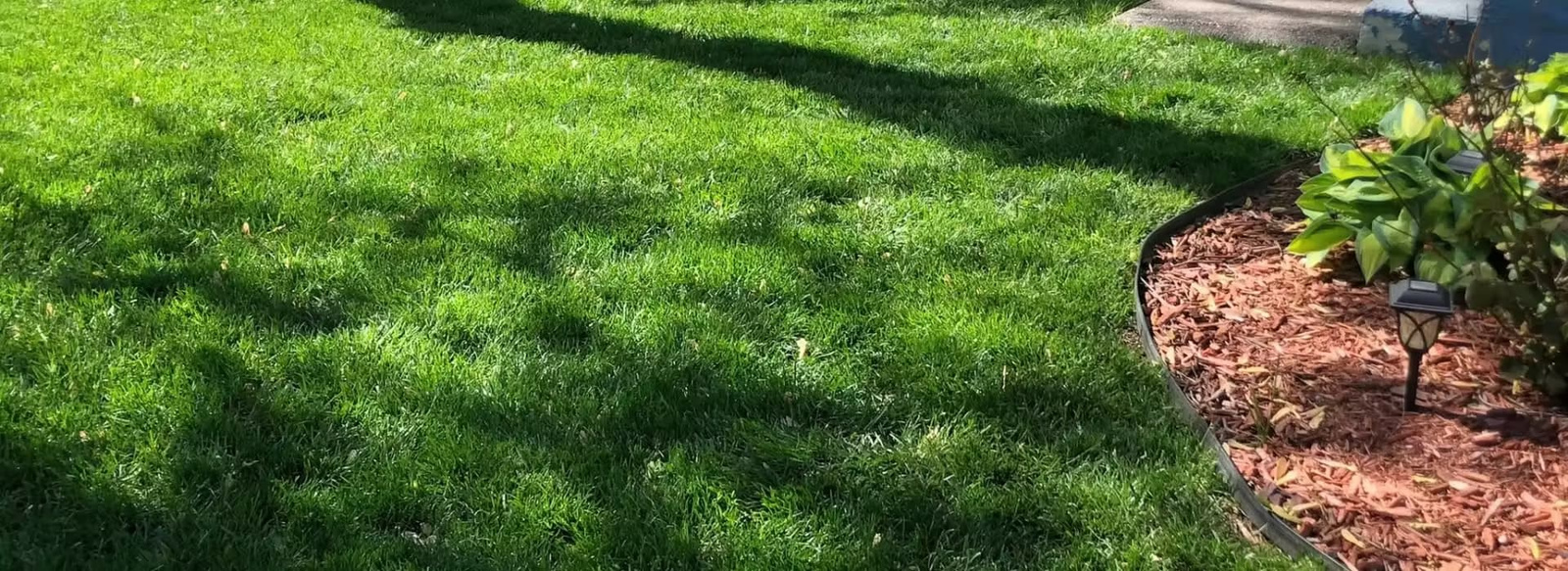
The science you need, without the sales pitch. We provide objective data and honest answers so you can invest in your yard, not just a bottle of chemicals.
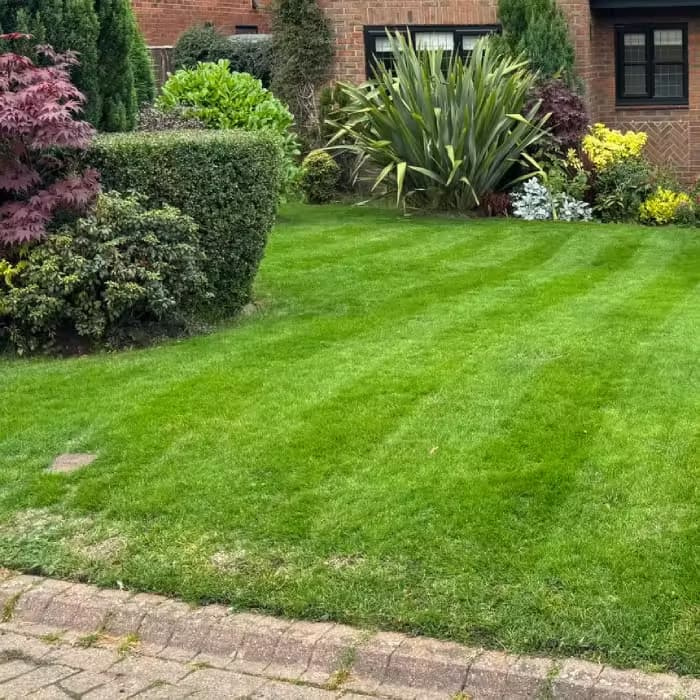
Dream big. Grow better.
My Fine Yard was built to help. We believe that every homeowner deserves a beautiful outdoor space without the stress of second-guessing. That’s why we’ve stepped in to do the heavy lifting for you. Whether you are tending to delicate flowers or caring for a towering shade tree, we bring everything together in one place to make your journey easier.
We’ve organized the research and designed the resources so you can stop searching for answers and start loving your yard. If you want to see the heart behind our mission or need a hand with a specific project, we are here for you.
The Digital Toolbox
A beautiful landscape is grounded in data rather than just “green thumb” luck. We’ve built these tools to help you decode your yard’s unique Microclimate and Substrate (the soil and organic layers beneath your turf and ornamental beds). Whether you’re hunting for the right grass Genotype to survive heavy shade or selecting plants for your specific Hardiness Zone, our Logic Models bring university-grade science to your weekend projects.
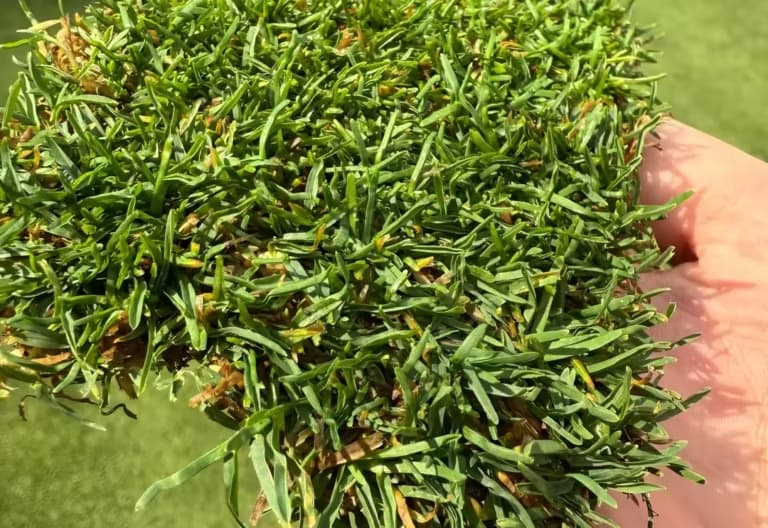
Our Turf Match Tool
Most “all-purpose” seed mixes are a biological gamble because nature doesn’t do “one size fits all.” Our Logic Model removes the guesswork by cross-referencing your site’s unique data against a library of grass Genotypes to find your ideal fit. We provide a ranked breakdown of compatible matches—highlighting specific Cultivars that offer the best resistance to your local pests and climate stressors while ensuring your selection is scientifically backed to thrive in your specific soil.
Find Your MatchPrecision Utilities
Deepen your property analysis with university-grade tools. From identifying your specific Microclimate to comparing the resilience of different grass species, these modules provide the technical data required for a high-performance yard.
Verified Solutions for Common Problems
Unreliable gardening advice often leads to wasted effort and expensive mistakes. We address the common doubts and insecurities homeowners face—from Heat Stress to Fungal Pathogens—by providing Evidence-Based solutions. These guides blend university research with practical DIY steps to give you the confidence and technical data required to resolve problems and maintain a professional-grade yard.
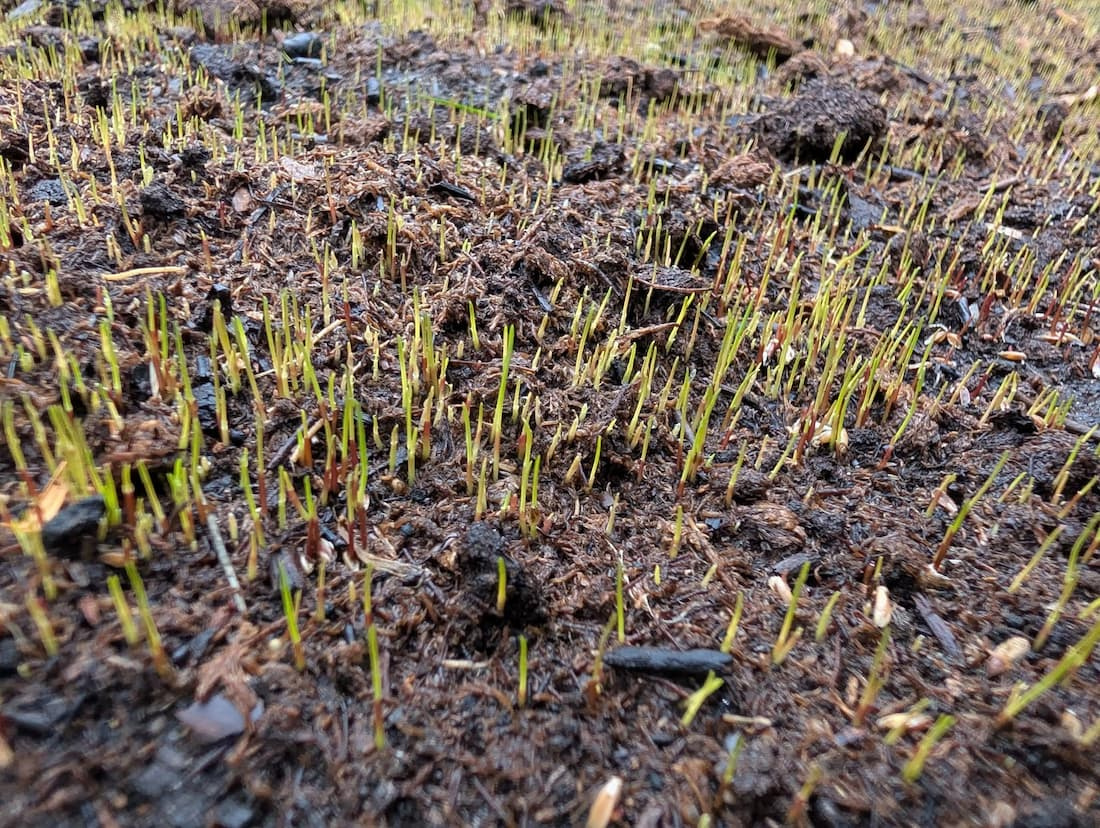
How to Establish a New Lawn From Bare Soil to First Mow
Bare soil doesn’t turn into a lawn just because you scattered seed or rolled out sod — it becomes one based on a handful of specific steps done in the right order, matched to your specific grass. This guide walks through soil prep, seeding or planting method, starter fertilizer, watering as the grass grows, and knowing when it’s actually safe to mow, for both cool-season and warm-season lawns.
Read Article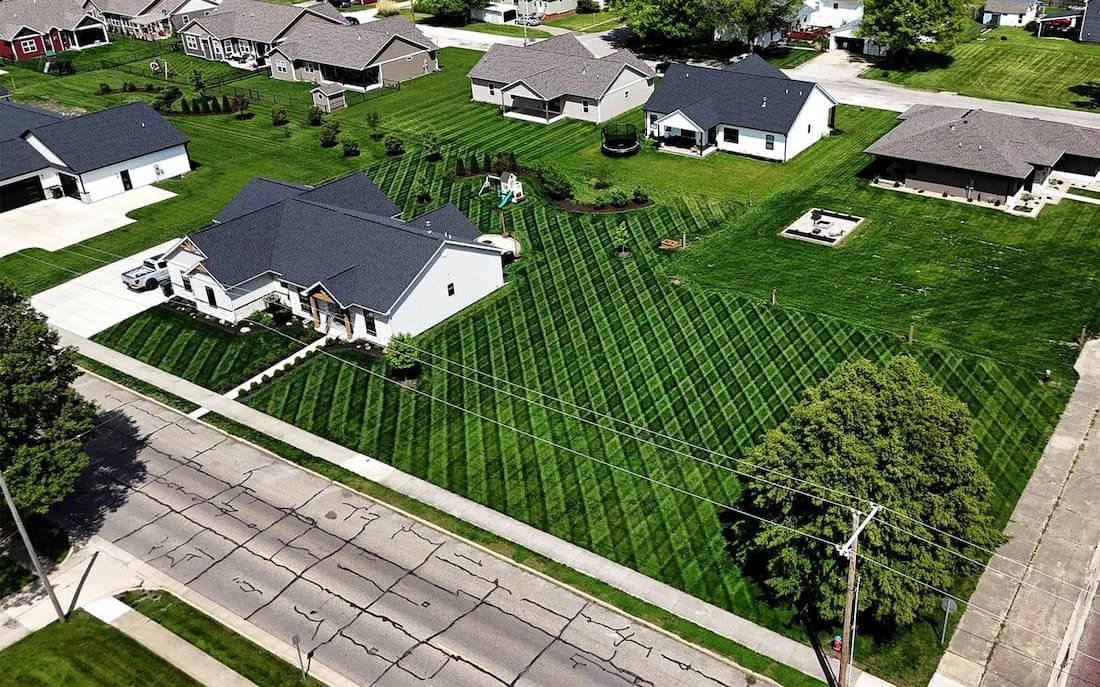
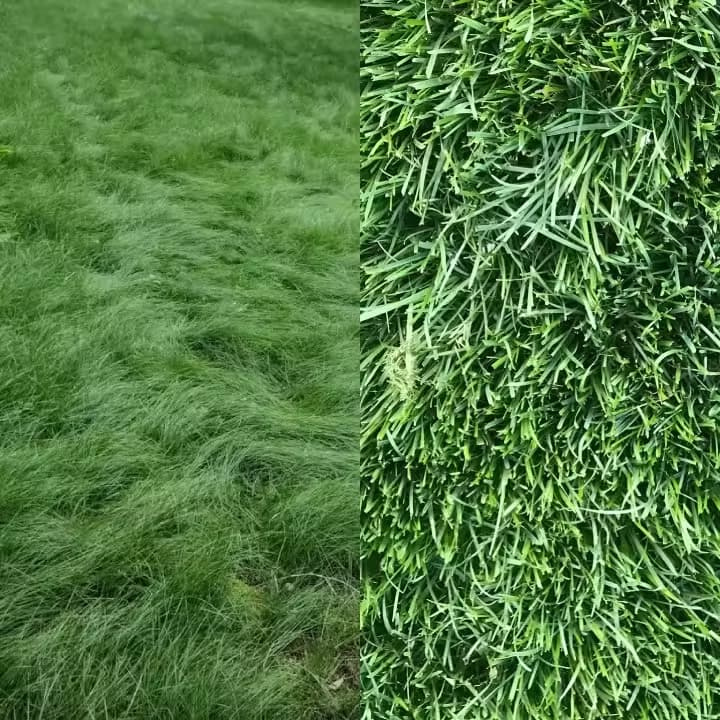
Cool Season vs Warm Season Lawn and Landscape Guide
Your lawn and your flower beds don’t follow the same calendar — one runs on a cool-season engine, the other on a warm-season one, and using the wrong playbook on either can do real damage. This guide helps you figure out which system you actually have and how to care for it correctly, plus how the same cool/warm split applies to your ornamental beds.
Read Article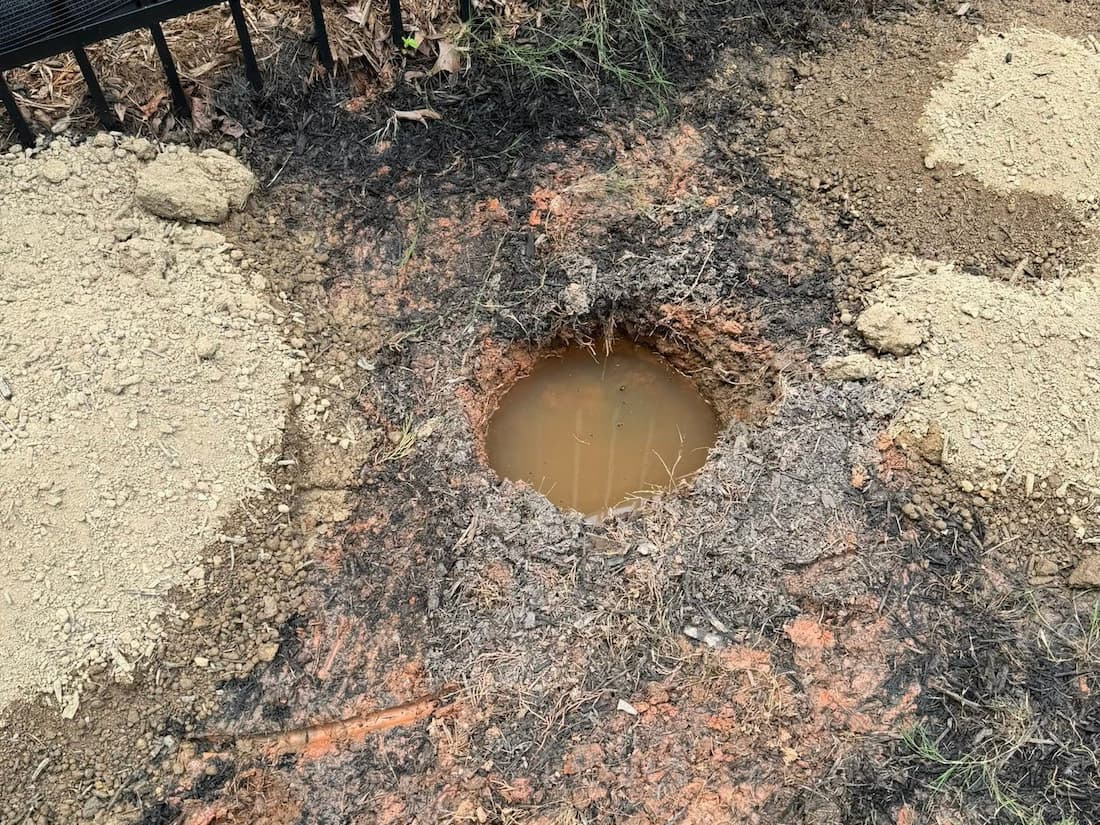
The Hole You Dug Is Killing Your New Plants
A shrub that looked fine all summer and stalled the next year usually didn’t fail because of the plant, the weather, or the nursery. It failed because the hole it went into was a container — smooth-walled, water-holding, and impossible to root out of.
Read Article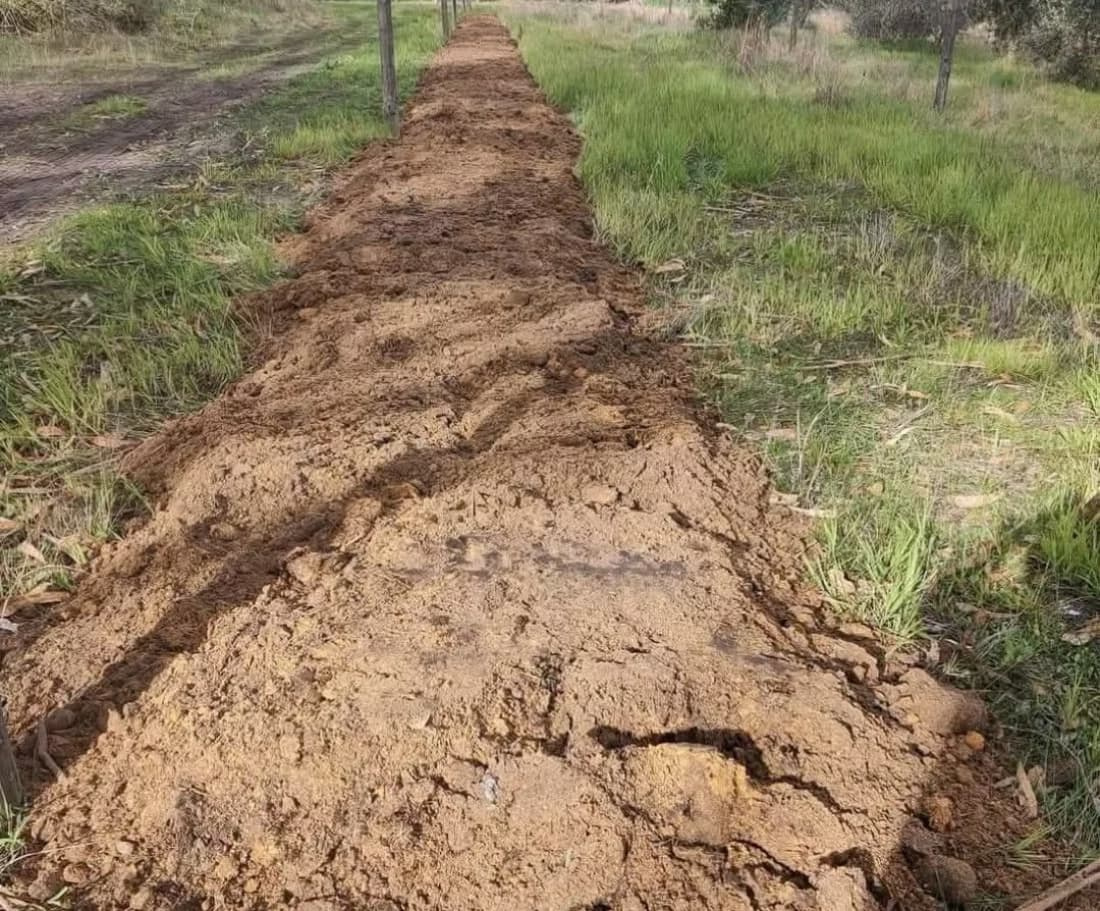
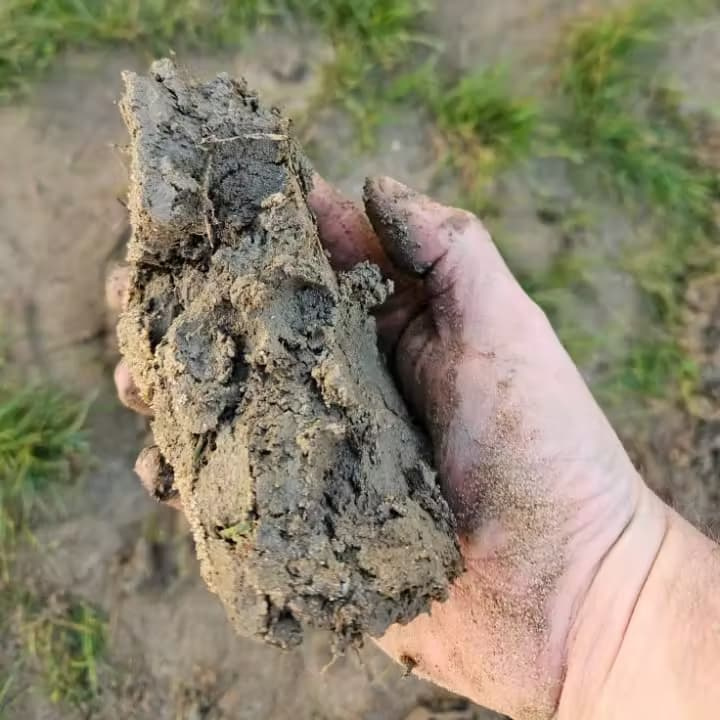
What You Can Actually Change About Bad Soil
Heavy clay and loose sand feel like permanent sentences, and half of that is true. What your soil is made of will not change. How those particles are arranged will — and that is the half that decides whether anything grows.
Read Article
Why Your Plants Survive Winter and Die in July
Your hardiness zone is built from one number — the coldest night of an average year. It says nothing about the hottest afternoon, which is what actually kills most plants people lose. Here’s how to read the other half of the map.
Read Article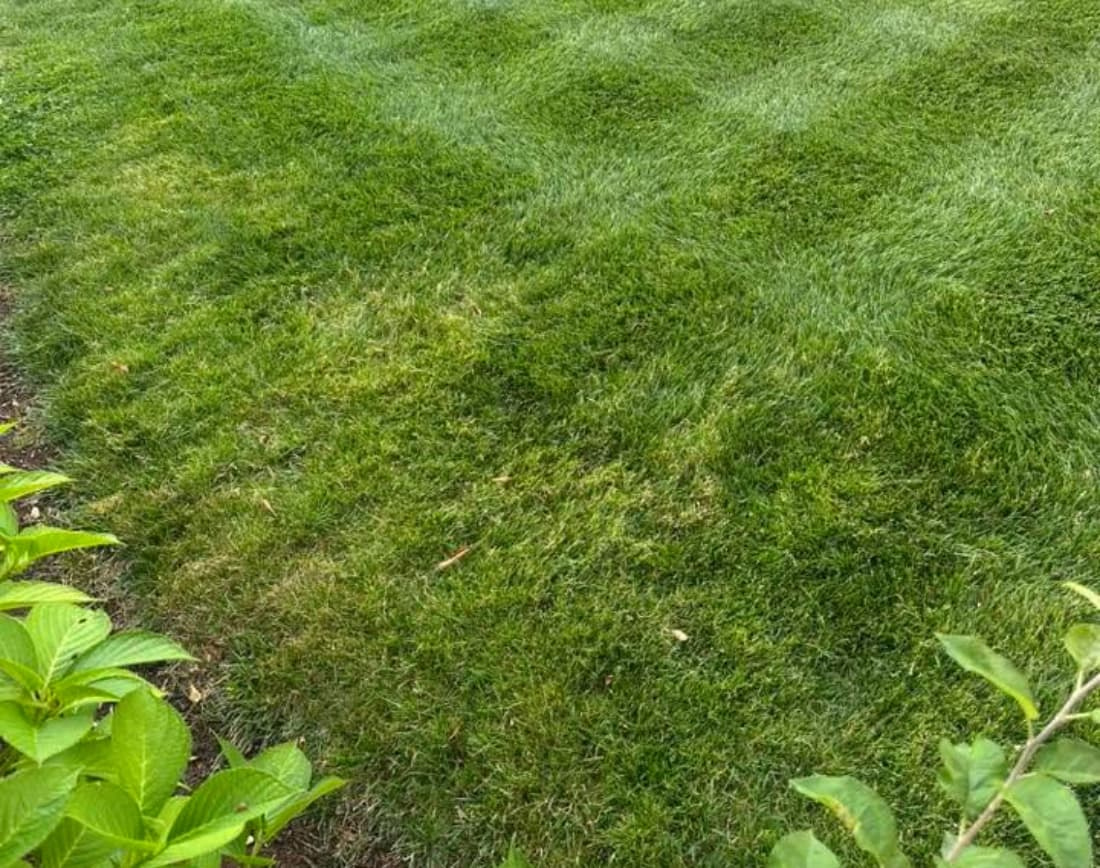
Why Poa Annua Keeps Coming Back — and the 3-Year Plan That Finally Ends the Cycle
You’ve pulled it. You’ve sprayed it. You’ve watched the little white seedheads mock you every single spring. And every fall, like clockwork, it’s back — in the lawn, in the beds, in the cracks you didn’t know you had. Here’s the hard truth nobody at the big-box store will tell you: you’re not losing because you’re doing it wrong — you’re losing because you’re fighting the wrong enemy on the wrong timeline. Poa annua isn’t a one-season problem, and once you understand why, the three-year plan below stops feeling like a chore and starts feeling like a countdown.
Read Article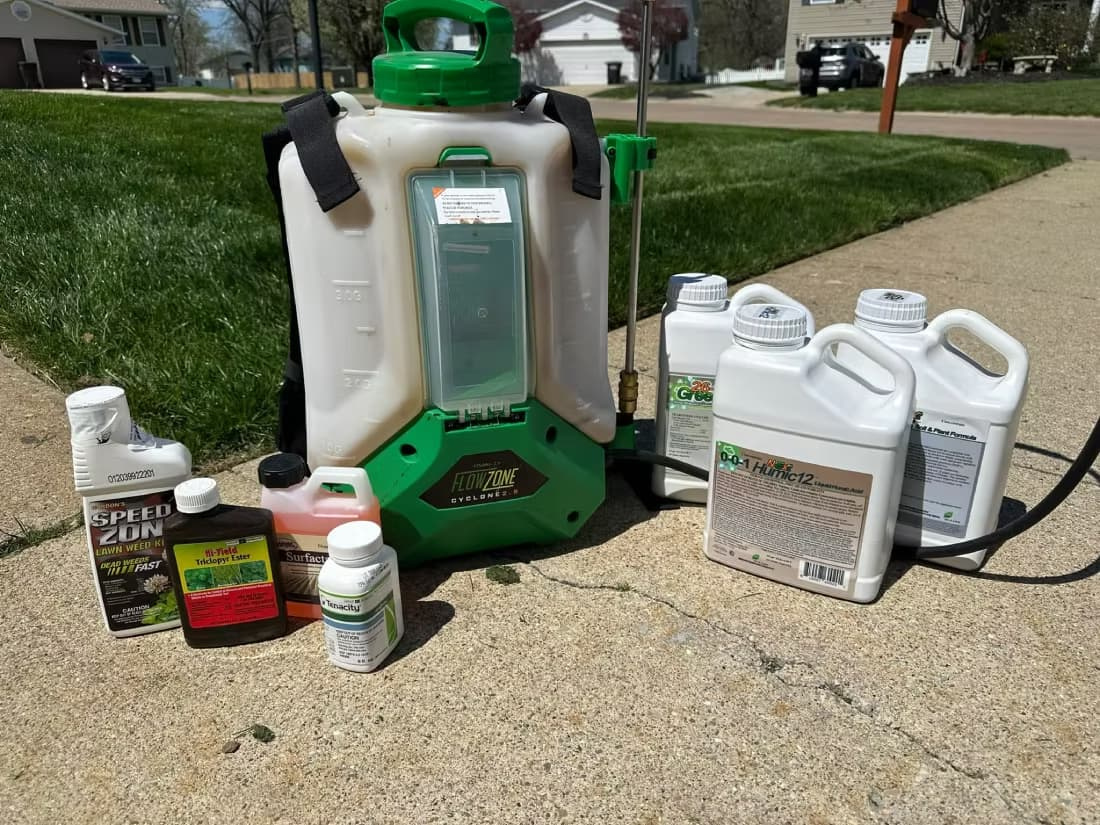
How to Apply Herbicides Correctly in Your Lawn and Garden Beds
Getting real results from a weed product has almost nothing to do with the brand on the bottle and everything to do with matching the method to the moment — the right chemistry, in the right place, at the right time. Learn how to apply herbicides correctly across both your lawn and your garden beds, whether you’re stopping weeds before they sprout or killing the ones already growing, without wasting product or harming the plants you want to keep.
Read Article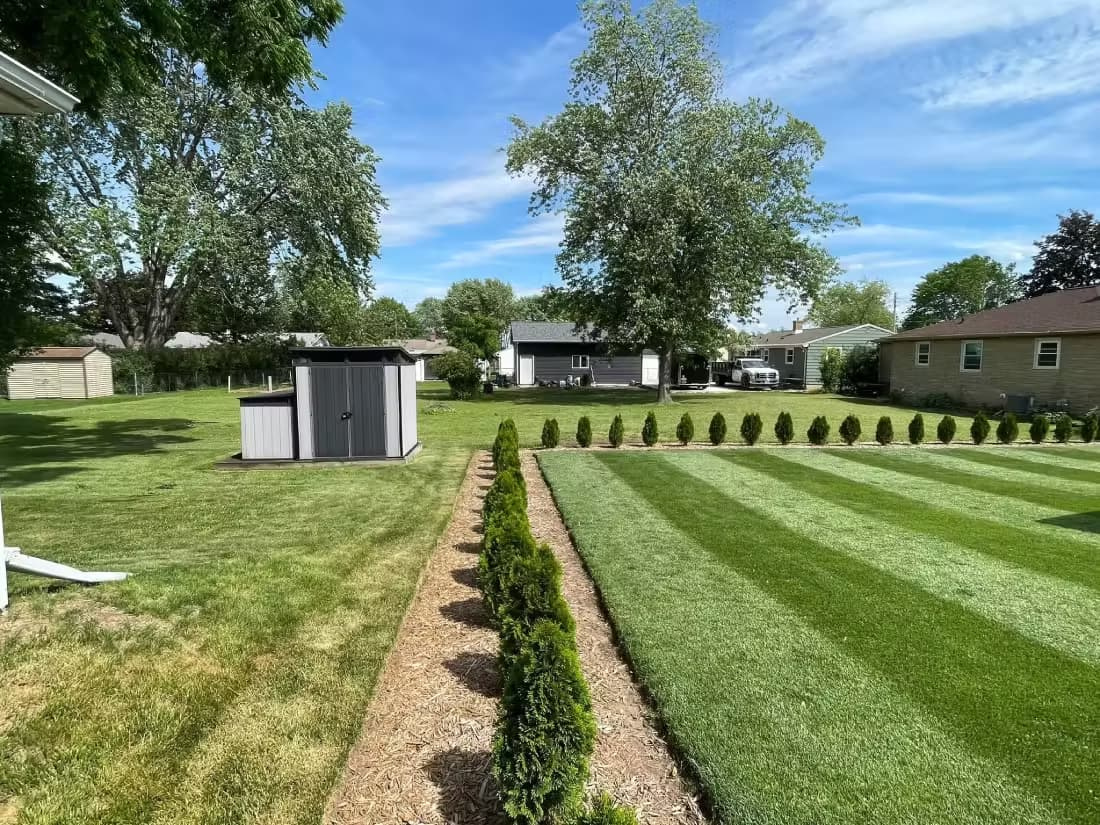
How to Kill Weeds Where Two Lawns Meet Without Harming Your Neighbor’s Grass
Controlling weeds along a shared property line is where good intentions quietly backfire—the season that’s safe for your own lawn is often the season the lawn next door is most easily harmed. Learn the seasonal timing collision behind most fence-line damage, and the two habits that prevent it—reading what’s actually in the bottle and spraying directed instead of broadcast—so you can clear the weeds without hurting your grass, your neighbor’s, or the peace between you.
Read Article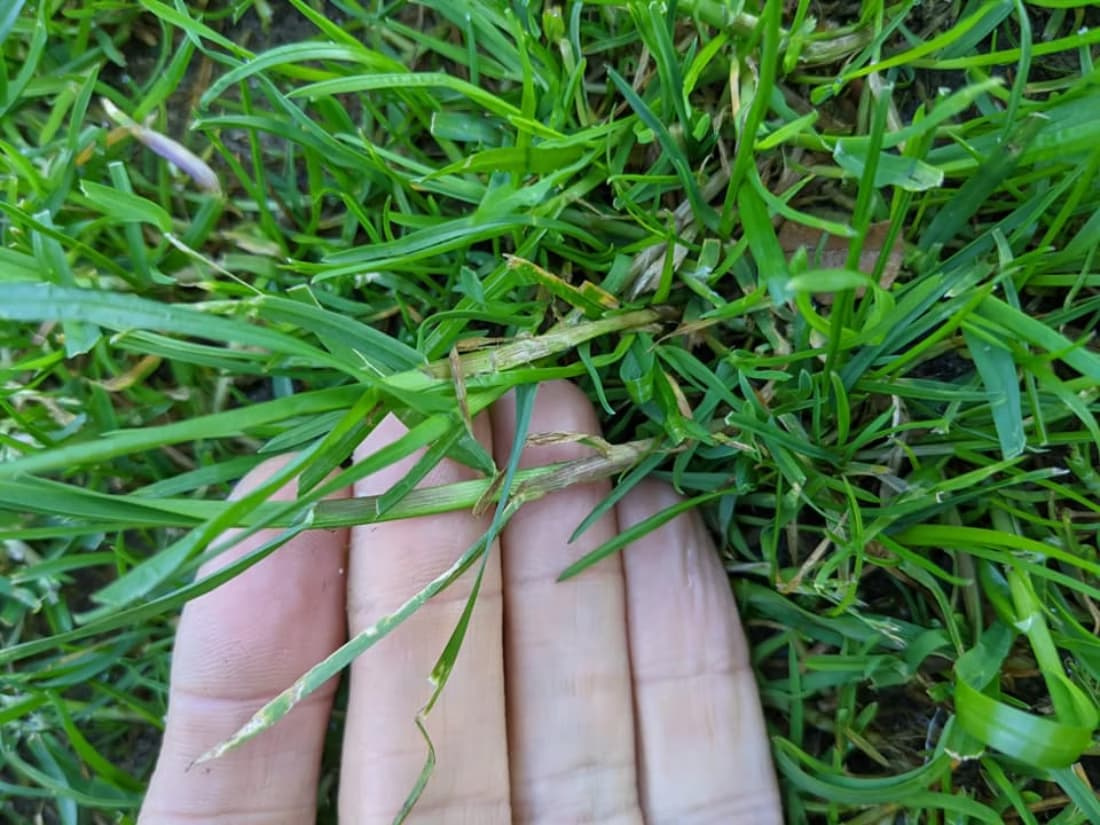
The Truth About One-and-Done Weed Control
Most homeowners lose the fight against weeds not because they work too little, but because they act before they understand. One-and-done weed control is real — but it only works when identification, timing, and the right tool all line up. This guide explains how that sequence works across your lawn and your ornamental beds, and how each weed page in the MFY hub puts it into practice for your specific invader.
Read Article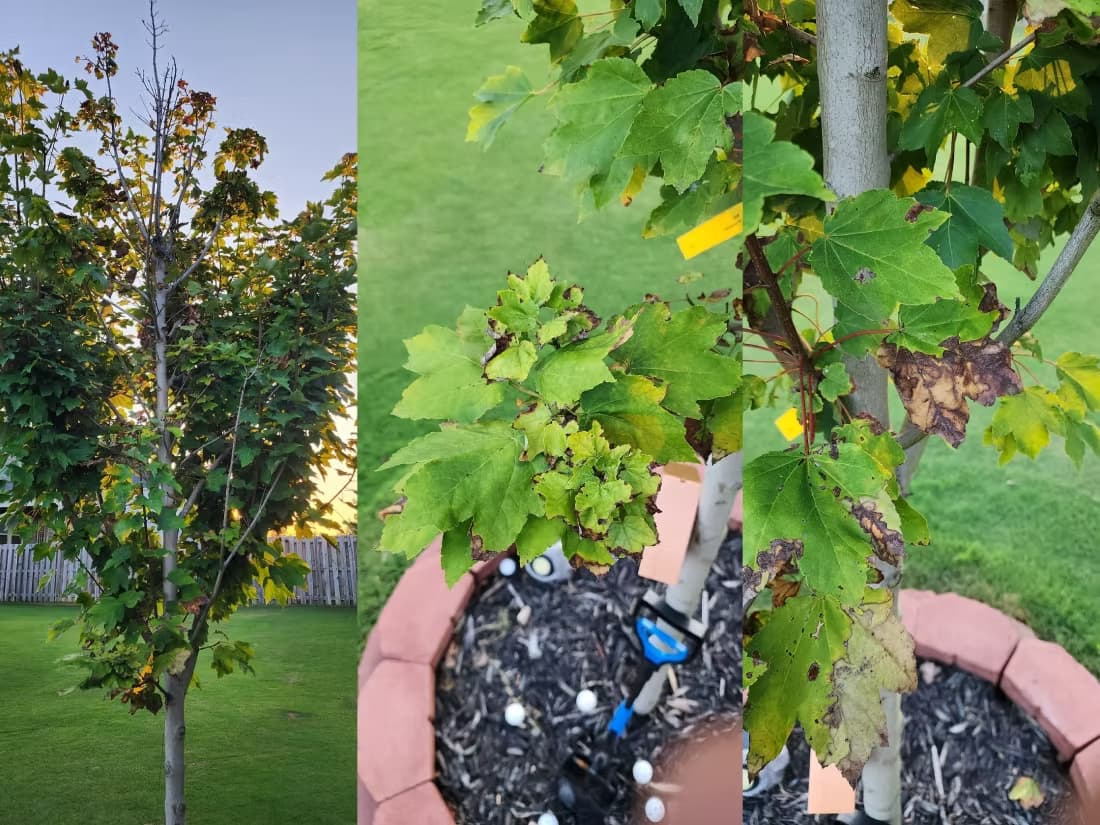
Solving the Mystery of the False Evidence in Your Lawn and Landscape
A brown leaf or a yellowing lawn is rarely what it seems. When symptoms act as decoys, a calm, forensic approach brings clarity to the confusion. Learn how to look past the surface to find the quiet truth of what your plants are truly asking for.
Read Article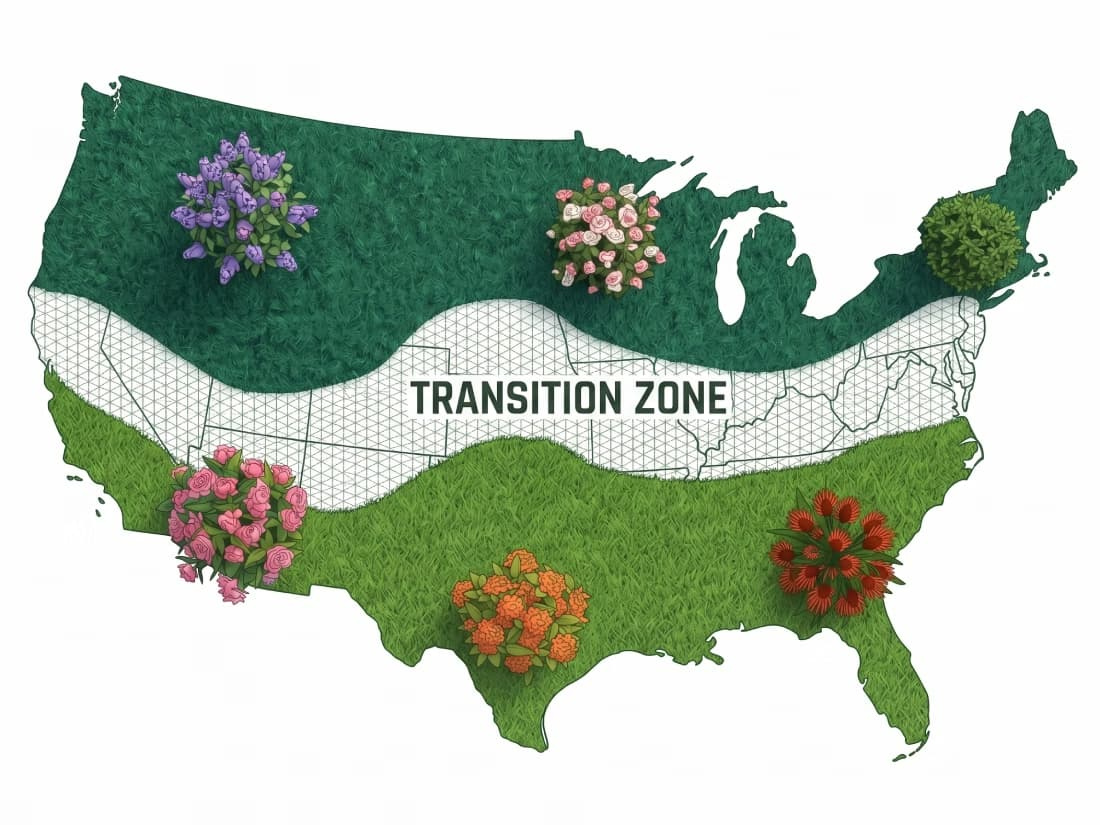
Living in the Middle: The Deep-Dive Guide to Transition Zone Lawns and Landscapes
The Transition Zone is a biological tug-of-war where neither northern nor southern species perfectly adapt. By using resilient “bridge” species and mastering maintenance levers like the Mowing Pivot, you can transform a struggling yard into a healthy landscape.
Read Article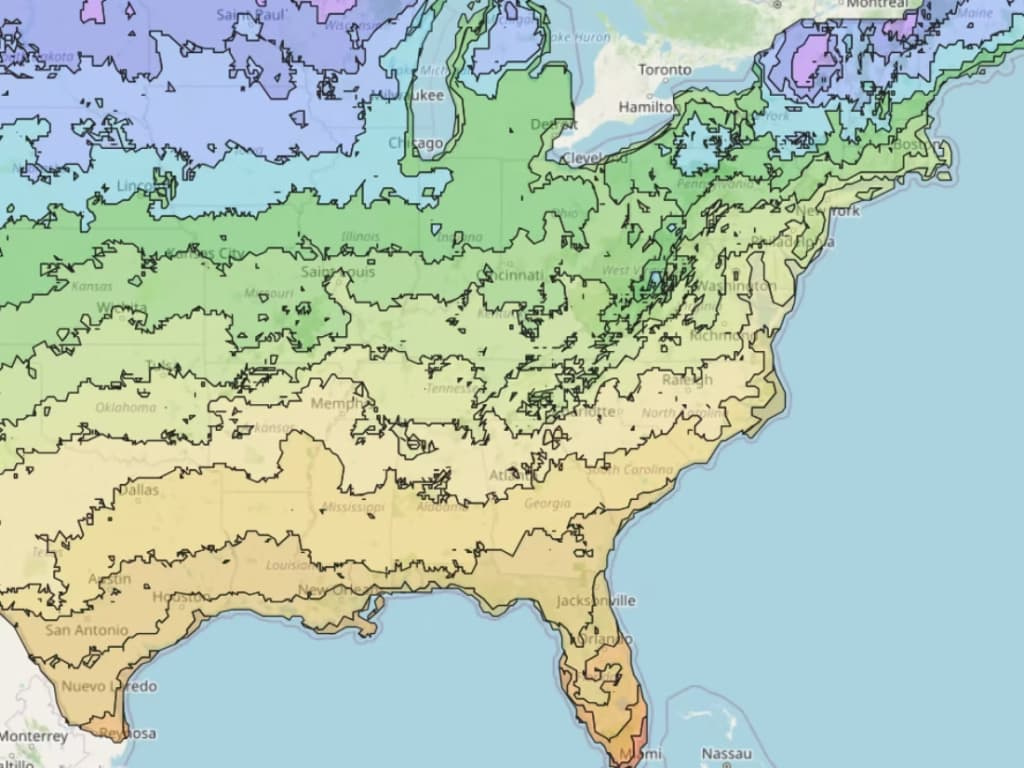
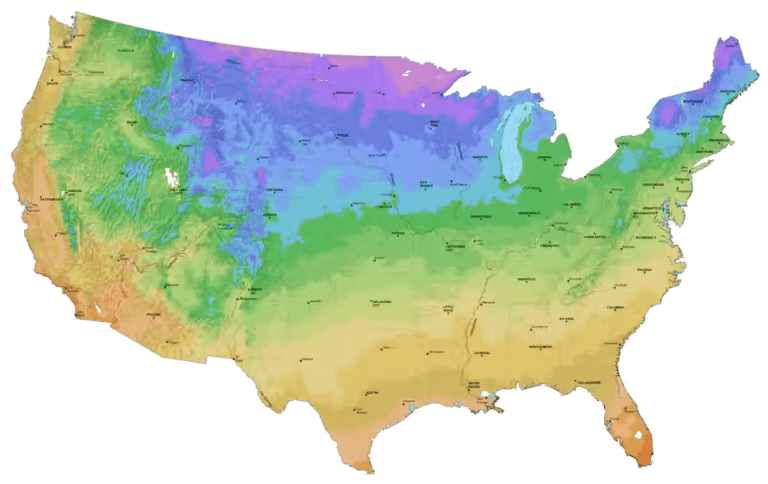
What Your Hardiness Zone Really Means for Your Lawn and Plants
Uncover the foundation of a resilient landscape by mastering the science of hardiness zones. Learn how these climate boundaries are calculated and why understanding your local temperature limits is the first step toward choosing plants that thrive year after year.
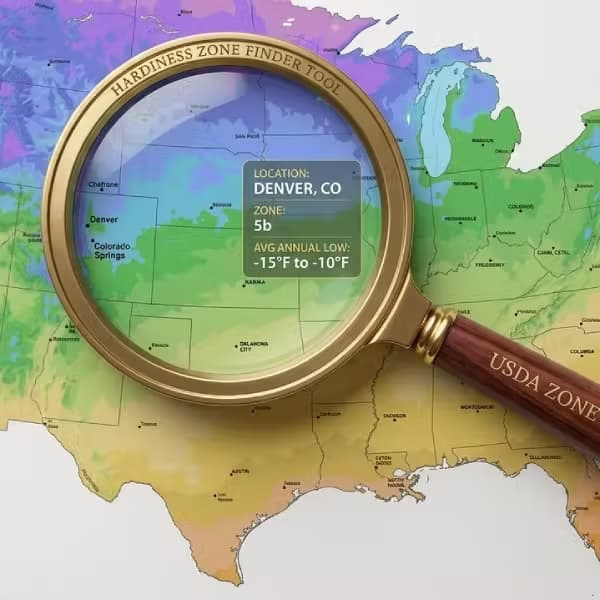
Read ArticleThe USDA Hardiness Zones Simplified
Most gardening maps tell you where you live, but they don’t always tell you how to grow there. We’ve taken the standard USDA zones and turned them into detailed, easy-to-use guides that uncover the Subzones most people overlook. By matching interactive maps with local planting calendars, we help you understand the science of your backyard’s Microclimate so you can garden with total confidence.
Core Botanical & Soil Hubs
Turfgrass Hub
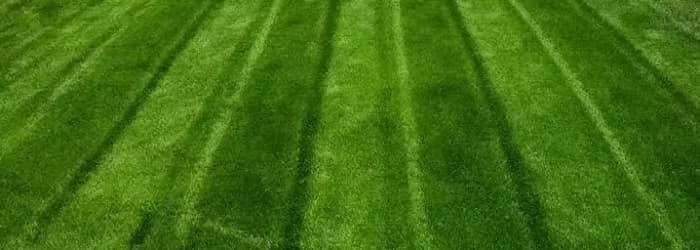
Your lawn is a complex living Ecosystem rather than just a patch of green. This guide breaks down the specific Genotypes and growth habits—like Rhizomatous spreading—that allow certain species to thrive where others fail. Find out which grass types are genetically built for your specific landscape.
Weed Hub
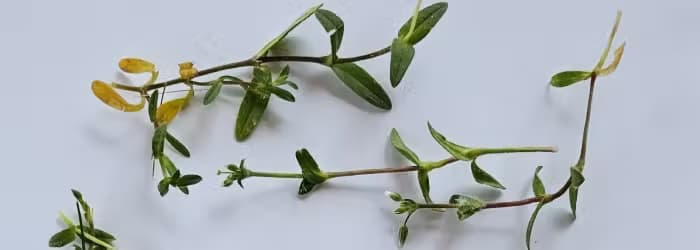
Weeds are often just biological messengers telling you something about your soil. Instead of just reacting, you can learn to identify the Biological Triggers that allow these opportunistic plants to move in. We’ve cataloged the most common invaders to help you understand why they appear and how to manage them scientifically.
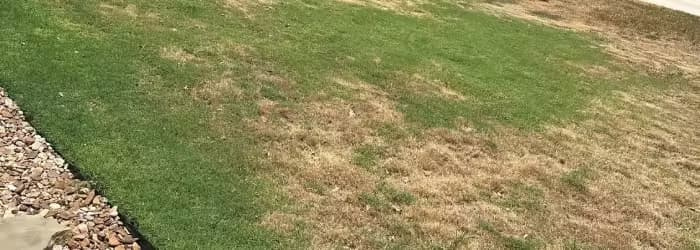
Abiotic Disorder Hub
Not every brown spot on a leaf is caused by a bug or a fungus. Many yard problems come from Abiotic stressors—non-living factors like salt drift, heat scorch, or nutrient deficiencies. This hub helps you distinguish between a spreading Pathogen and a simple environmental stressor that needs a different fix.
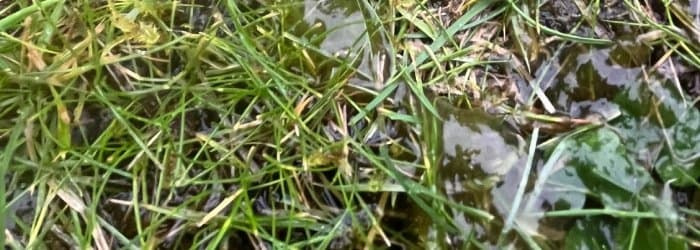
Disease Hub
Disease only strikes when three things line up: a susceptible plant, a living Pathogen, and the weather it needs. This is the Disease Triangle, and breaking any side of it stops an outbreak. Learn to confirm the culprit, rule out its look-alikes, and change the conditions that let it spread.
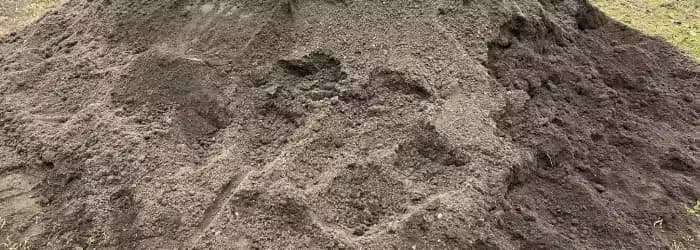
Soil Texture Hub
The physical “bones” of your property are determined by the ratio of Sand, Silt, and Clay in your ground. This Substrate dictates how your yard breathes, drains, and holds onto moisture. Learn how the literal foundation of your landscape influences the health of every root and blade above it.
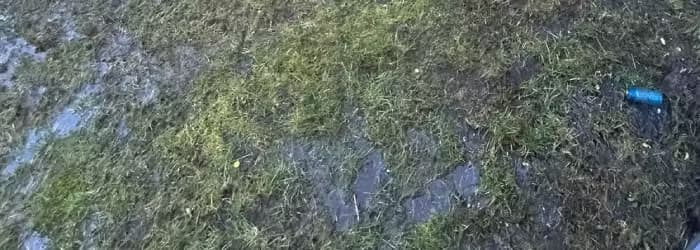
Soil Condition Hub
Beyond the physical texture, your soil has its own unique chemistry and Microbial life. From managing pH levels to understanding organic matter, this guide explores the “hidden” factors that determine your yard’s fertility. Discover how the internal condition of your soil creates the environment for a high-performance landscape.
Ongoing Botanical Research
A high-performance yard is a living classroom. We are currently in the lab gathering the latest data on ornamental plants and local pests. Because science is always moving forward, these sections stay in an “Active Research” state—giving you a front-row seat to the most current Botanical and Entomological findings available.
PlantsPests
Stay Rooted in Science
The horticultural world is constantly evolving, with new climate-resilient Cultivars and soil breakthroughs emerging every season. To ensure your yard remains on the cutting edge of Evidence-Based care, our team stays active in the professional community—distilling complex University Extension research into simple, localized alerts. We act as your scouts in the field, providing advanced DIY strategies tailored specifically to your patch of earth.
Join our network to receive these research-backed updates for your exact Hardiness Subzone.
Not sure what your subzone is? Try our Zone Finder tool.