
Environmental Stress
The physiology of survival under extreme conditions. Learn why drought, heat, cold, and winter exposure damage lawns and landscape plants, and how to choose species and adjust care to help your yard withstand and recover from seasonal extremes.
Updated: September 17, 2026
Categories: Turfgrass Management, Environmental Stress
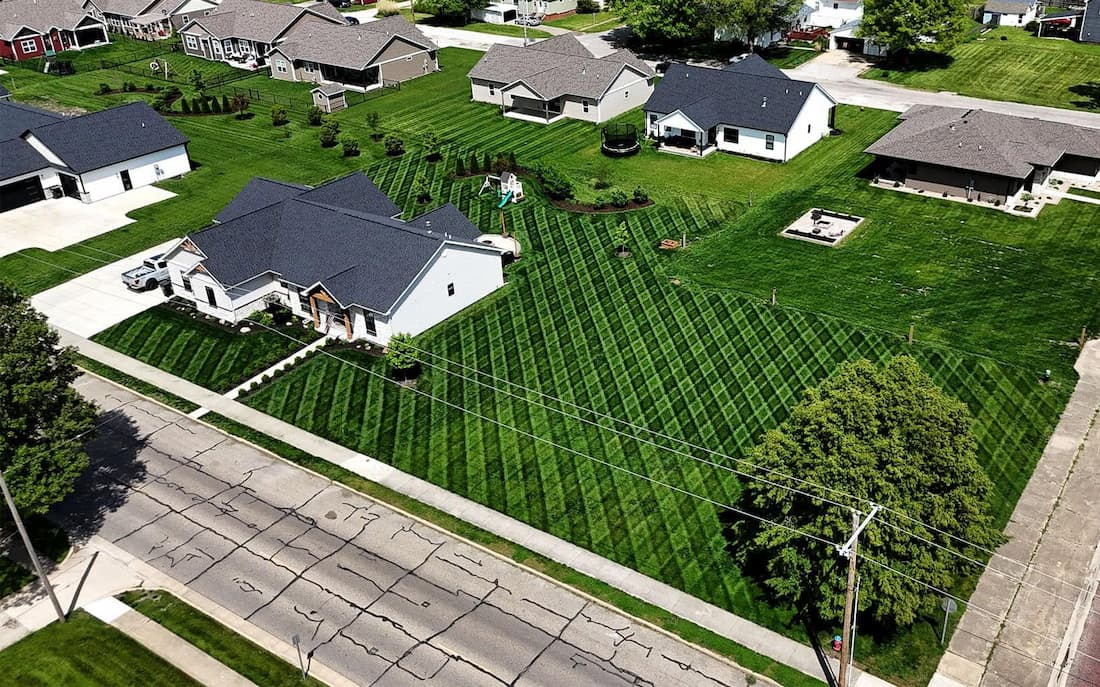
Cool Season vs Warm Season Lawn and Landscape Guide
Your lawn and your flower beds don't follow the same calendar — one runs on a cool-season engine, the other on a warm-season one, and using the wrong playbook on either can do real damage. This guide helps you figure out which system you actually have and how to care for it correctly, plus how the same cool/warm split applies to your ornamental beds.
Updated: September 17, 2026
Categories: Environmental Stress
Why Your Plants Survive Winter and Die in July
Your hardiness zone is built from one number — the coldest night of an average year. It says nothing about the hottest afternoon, which is what actually kills most plants people lose. Here's how to read the other half of the map.
Updated: September 17, 2026
Categories: Environmental Stress, Ornamental & Landscape Care, Turfgrass Management
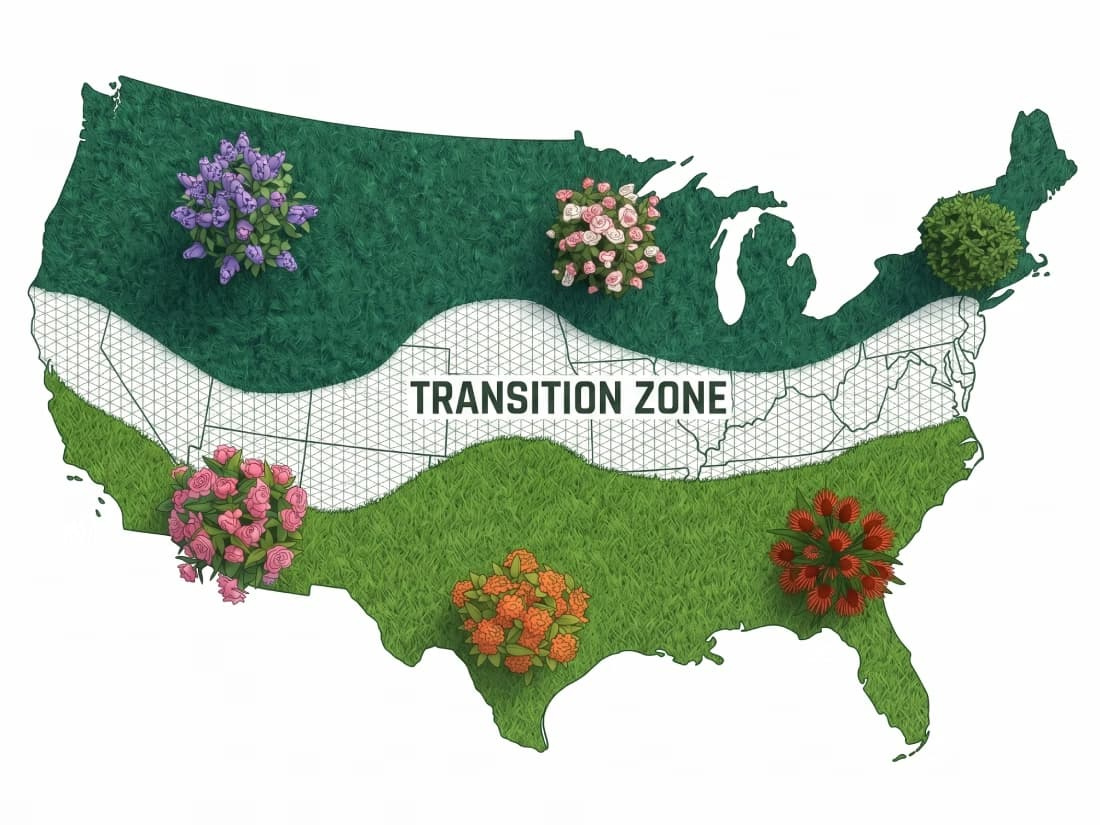
Living in the Middle: The Deep-Dive Guide to Transition Zone Lawns and Landscapes
The Transition Zone is a biological tug-of-war where neither northern nor southern species perfectly adapt. By using resilient "bridge" species and mastering maintenance levers like the Mowing Pivot, you can transform a struggling yard into a healthy landscape.
Updated: September 17, 2026
Categories: Gardening Science, Environmental Stress
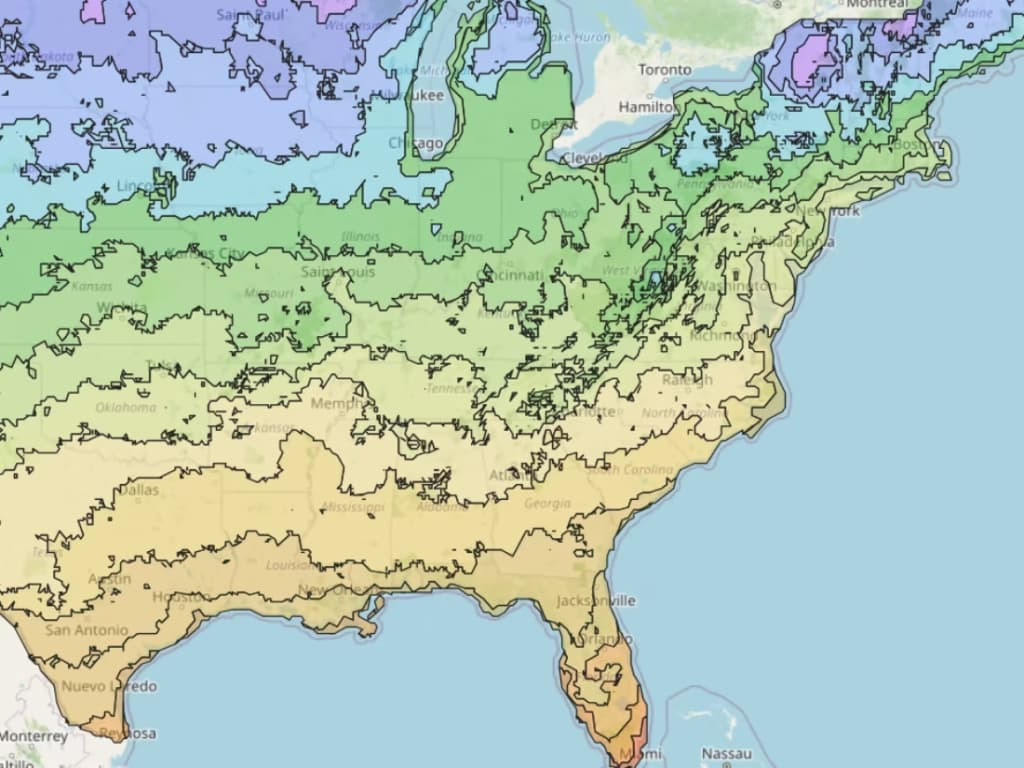
What Your Hardiness Zone Really Means for Your Lawn and Plants
Uncover the foundation of a resilient landscape by mastering the science of hardiness zones. Learn how these climate boundaries are calculated and why understanding your local temperature limits is the first step toward choosing plants that thrive year after year.