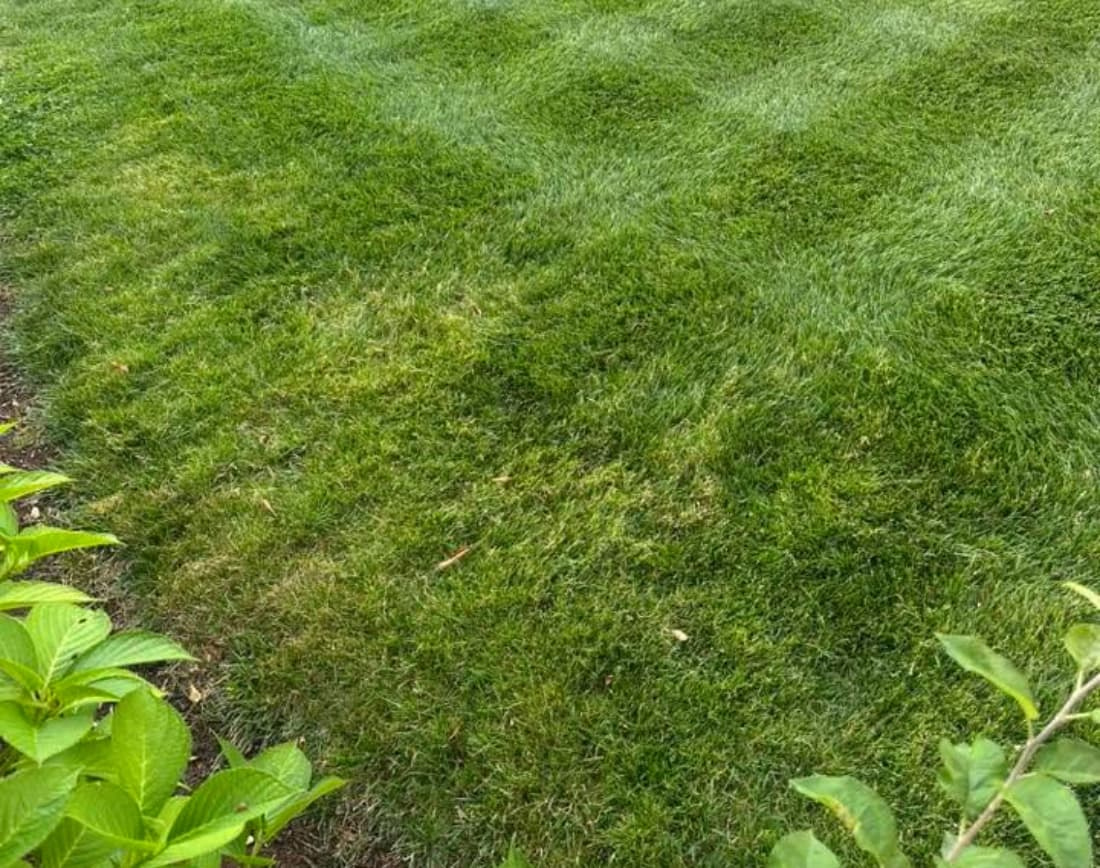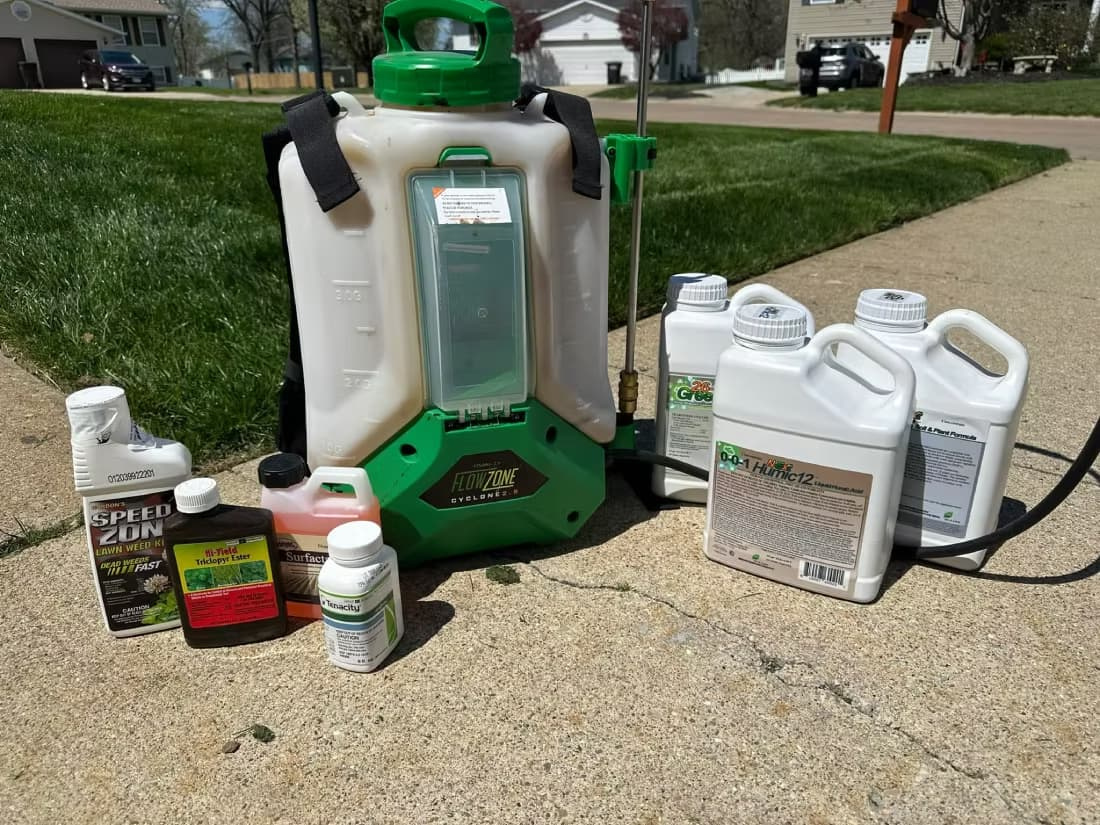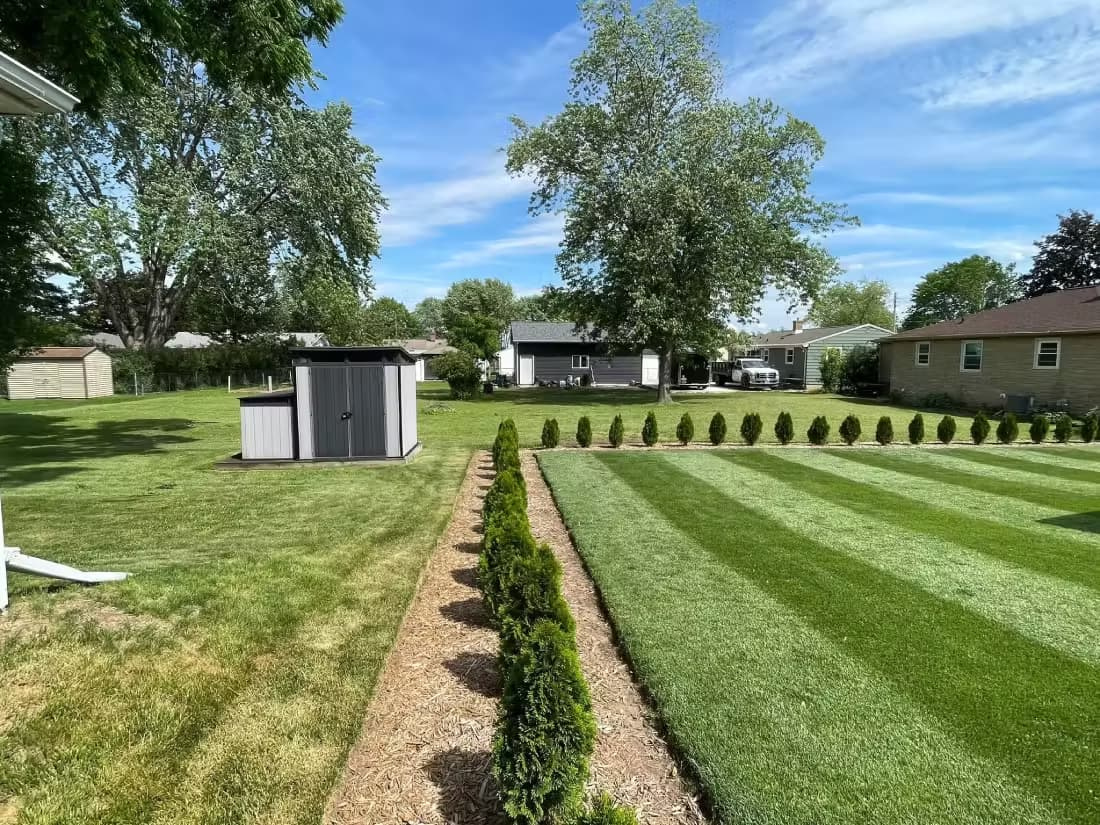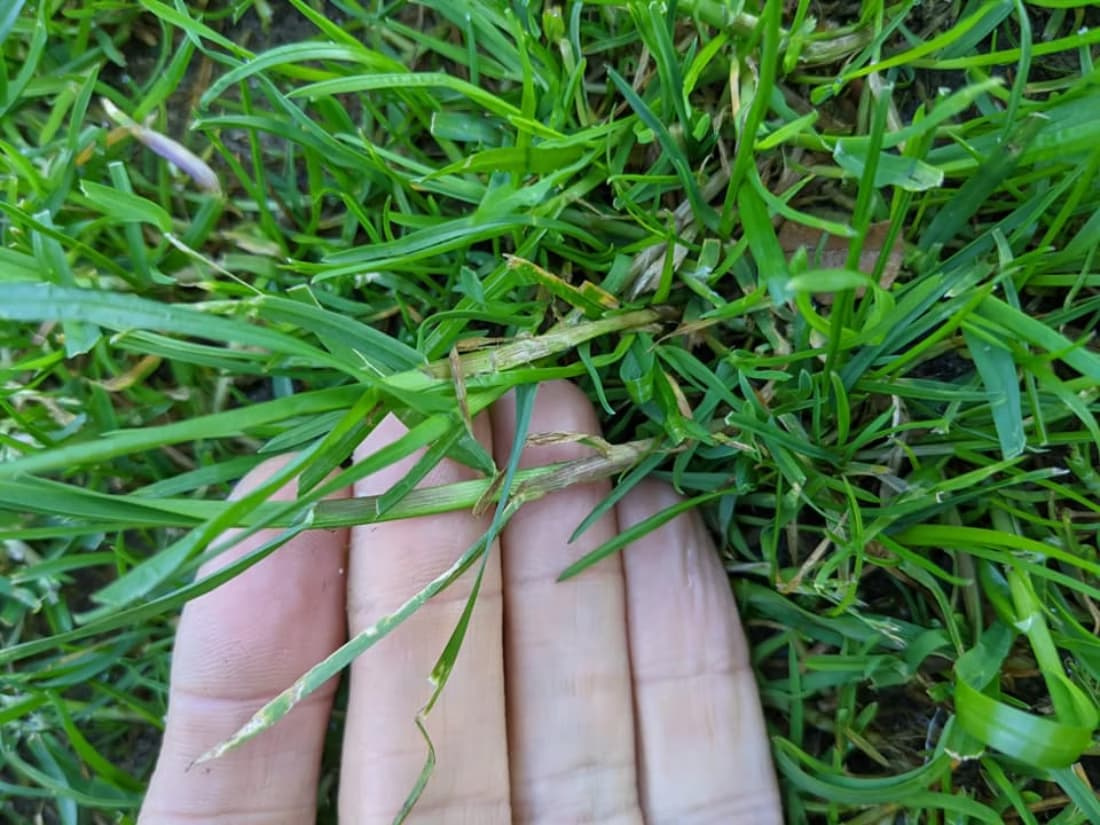
The moment a lush lawn turns straw-colored or a vibrant shrub begins to wilt, homeowners often find themselves caught in a crossfire of quick-fix theories. This usually triggers a battle between the “Water More” advocates, who view every brown leaf as a sign of thirst, and the “Pathogen Patrol,” who see every patch as a fungal emergency requiring immediate chemical warfare. Caught between suggestions to drench the soil or spray the canopy, many fall into a cycle of reactive treatments that address the symptom while completely ignoring the underlying cause.
Spend any time reading comment sections and gardening groups and the same pattern shows up again and again. For lawns, the advice usually splits into two camps: feed it more nitrogen because it looks hungry, or spray a fungicide because it looks sick. Neither camp tends to ask why the grass looks that way in the first place. For trees and shrubs, the split runs differently. One side reaches for the hose the moment a leaf wilts. The other reaches for a chemical the moment a leaf curls. Both sides are reacting to the symptom, not the cause, and that’s exactly the trap this guide is built to help you avoid.
Here’s how that first, obvious guess usually compares to what’s actually going on underneath it:
Symptom The Obvious Guess The Forensic Reality Yellowing Tips Needs Nitrogen Iron Chlorosis — a high pH lockout, not hunger Brown Patches Needs Fungicide Often hydrophobic soil or grub damage instead Wilting in Heat Needs Water Sometimes root rot, or vascular damage from months earlier Curled Leaves Pest Attack Frequently herbicide drift or simple heat stress In every row, the wrong guess doesn’t just waste time. It actively makes the real problem worse, which is the whole reason this guide exists.
MFY Advice: The Forensic Sequence
The key to stopping the cycle of reactive treatments is to look for specific diagnostic “signatures” before taking action.
First, ignore the overall color and look at the “geography” of the stress: if yellowing appears on the newest, youngest leaves while the older growth stays green, you are likely facing a micronutrient lockout like Iron Chlorosis. Adding Nitrogen in this scenario is a mistake, since it forces rapid growth that the plant’s compromised system cannot support, accelerating its decline.
Second, verify the root connection. If a brown patch in your lawn pulls up easily like a loose piece of carpet, you aren’t dealing with a fungal disease; you have a subterranean pest problem. Similarly, if a tree or shrub collapses suddenly in the heat of July, it is rarely an acute infection. You are likely seeing a “physiological ghost,” the delayed failure of vascular tissue that was actually damaged by a freeze or a spring cold snap months earlier. Always investigate the soil and the stem before you treat the leaf.
Table of Contents
Finding the Primary Mover and the Truth Behind the Lying Leaf
Plants speak a limited language. Whether a root system is drowning in saturated soil or struggling with a chemical lockout, the leaf often sends the same distress signal: it turns brown and scorched. This is the “Lying Leaf” concept. Because symptoms are often decoys, your first instinct is your most dangerous enemy.
To find the truth, you must search for the Primary Mover. In forensic diagnostics, we recognize that a healthy plant is a biological fortress. Diseases and pests are rarely the original cause of a problem; they are “Secondary Invaders” that only gain entry once an environmental stressor has unlocked the gate. Treating a pest without addressing the stressor that invited it is like mopping a floor while the faucet is still running.
Using the Map and the Calendar as Your First Filters
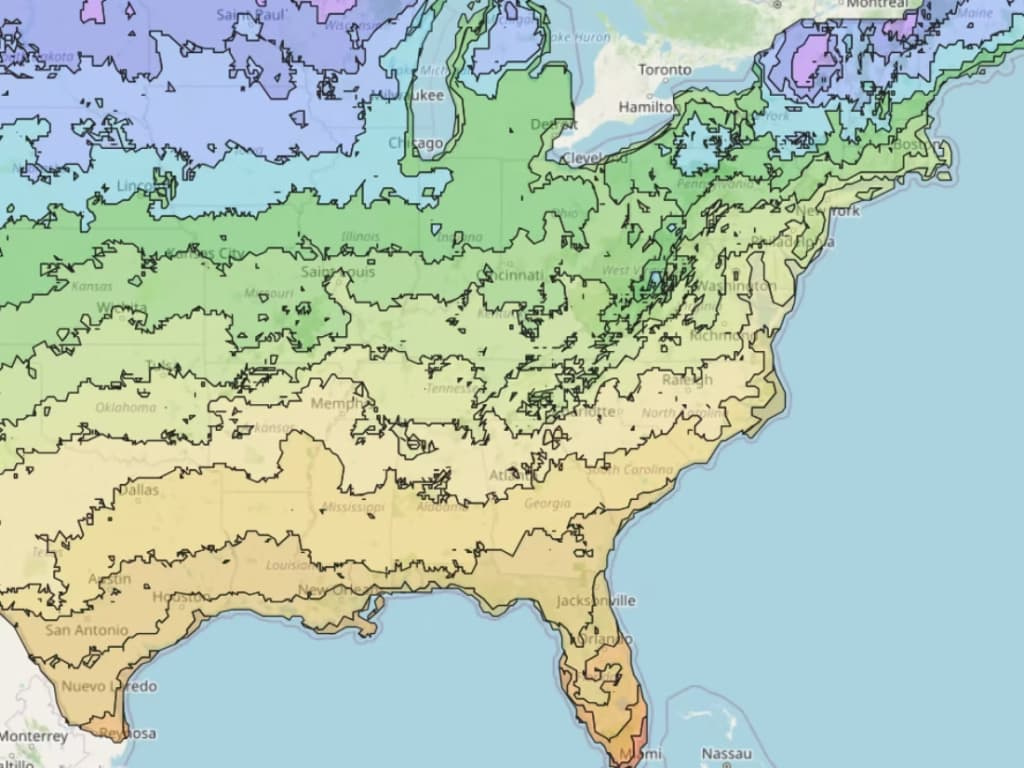
Before you inspect a single leaf, you must look at the calendar and the map. In forensic horticulture, these aren’t just background details; they are the primary filters that allow you to rule out impossible suspects. If a symptom appears outside of a pathogen’s known environmental window, the “disease” you think you see is almost certainly a mechanical or physiological disorder.
Your USDA Hardiness Zone defines the “biological envelope” of your landscape. When a homeowner engages in “Zone Pushing,” planting species rated for warmer climates, the plant lives in a state of permanent metabolic exhaustion. This chronic stress thins cell walls and weakens chemical defense signals, making the plant a target. In these cases, the primary mover isn’t the opportunistic pest you find on the branch; it is the metabolic exhaustion caused by a climate the plant was never designed to endure.
The calendar is often the most honest witness in an investigation. Many symptoms are “physiological ghosts” that manifest long after the injurious event has passed, and they tend to follow the lawn and the landscape on different schedules.
The Spring Lockout — Lawn
Yellowing in early spring is frequently a “False Deficiency.” Cold soil temperatures, below 55°F, render microbes sluggish and nutrients insoluble. The solution isn’t more fertilizer; it is patience for soil warming.
The July Ghost — Trees & Shrubs
A plant that collapses in the heat of summer is often a victim of the “Thaw-Expansion Hypothesis.” Winter freeze-thaw cycles create microscopic gas bubbles inside the plant’s plumbing, the xylem. These bubbles stay hidden during the cool spring but cause a total vascular failure the moment summer’s demand for water peaks.
The Winter Salt Index — Ornamentals
Spring “scorch” on plants near driveways is rarely a disease; it is often the result of a plummeting potassium-to-sodium (K⁺:Na⁺) ratio caused by winter de-icing salts.
Even within the correct zone, microclimates can create localized anomalies. A shrub planted against a south-facing brick wall exists in a “Heat Island,” experiencing temperatures up to 15°F higher than the rest of the yard. This intensified radiation can trigger thermal scorch that mimics drought, even when the soil is moist. The same trap catches a strip of lawn next to a driveway or sidewalk.
By filtering your observations through the lens of your specific zone and the season’s recent weather, you can dismiss most ghost symptoms before you ever touch the soil. What’s left after that filter is where the case really opens: the shape of the damage on the ground.
Reading the Geometry and Geography of the Damage
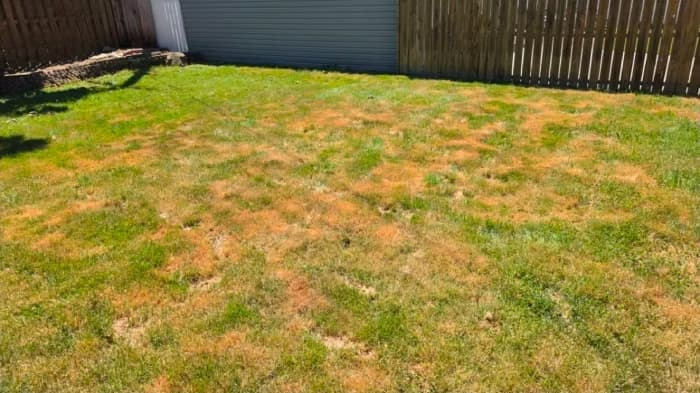
Once the calendar and the map have ruled out the impossible, the next clue isn’t on the plant — it’s around it. The physical pattern of the stress is often more honest than the symptom itself, and reading it correctly before you start testing soil and tugging at roots can save you an entire afternoon of investigating the wrong category of suspect.
The Geometry of Scorch
Biotic issues — pests or fungi — spread in random, circular, or “messy” patches because they are living organisms following biological growth. Abiotic issues created by human infrastructure, like a broken sprinkler head or heat radiating from a sidewalk, often create straight lines or hard geometric angles that no living organism could replicate.
The Host-Family Filter
Pathogens are specialists. If a disease affects your Kentucky bluegrass but ignores your neighboring fescue, it is likely a species-specific pathogen. If the damage crosses the line — hitting the grass, the roses, and the maple tree simultaneously — you are looking at a universal stressor like herbicide drift, and the case widens from a single plant to the whole yard.
This is also the point where the investigation splits into two distinct shapes. A lawn problem and a landscape problem rarely get solved with the same sequence, because grass and woody plants hide their evidence in different places and on different timelines. Below are the two walkthroughs.
Module 1: The Lawn Investigation
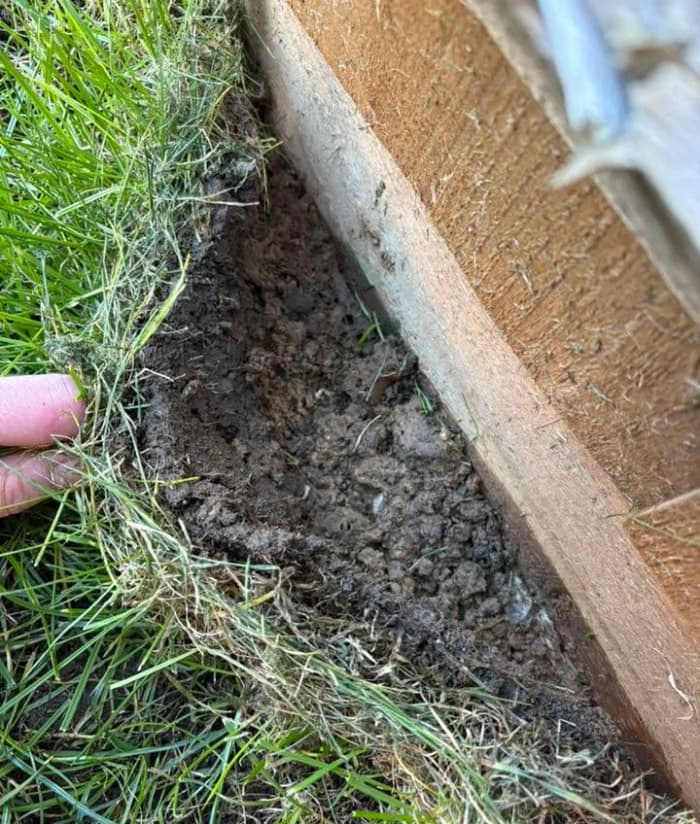
The Journey: A Bottom-Up Process of Elimination
In a lawn environment, the truth is usually buried. Use this vertical sequence to rule out categories of stress, one at a time, from the roots up to the blade tip.
- The Anchor Check (the Tug Test)
Grab a handful of stressed turf and pull. If it slides out with zero resistance, like a loose piece of carpet, your case is closed: it is a root-zone pest, like grubs. If it remains firmly anchored, you have ruled out root-eaters, and the investigation moves underground. - The Resistance Check (the Screwdriver Test)
If the grass is anchored, check for mechanical suffocation. Attempt to push a 6-inch screwdriver into the patch. If it cannot penetrate, the primary mover is soil compaction. This limits oxygen, causing roots to “melt” and mimic drought even when the soil is technically damp. If it slides in easily, the soil structure is fine, and the only suspect left is chemical. - The Leaf Map (the Nutrition Check)
If the soil is soft and the grass is anchored, read the blade. If yellowing is on the youngest, newest blades, it is an iron lockout. If it starts on the oldest, bottom leaves, the plant is scavenging its own nitrogen to survive.
The Lawn Nuance: Drilling Down to the Culprit
Once you’ve identified the category, use these tie-breakers to confirm the exact culprit.
Drought vs. Dormancy
Look for the “Footprinting Signature.” If grass blades lose elasticity and fail to spring back after being stepped on, it is a drought crisis. If they are brown but resilient underfoot, it is likely seasonal dormancy doing exactly what it’s supposed to do.
The Iron-Nitrogen Trap
If you have an iron lockout — yellow new growth — adding nitrogen is a fatal error. It triggers a “Physiological Dilution Effect,” causing the plant to grow biomass it cannot support with chlorophyll. That biomass becomes a drain rather than a gain, and the lawn’s health crashes faster than if you had done nothing at all.
Module 2: The Ornamental Investigation
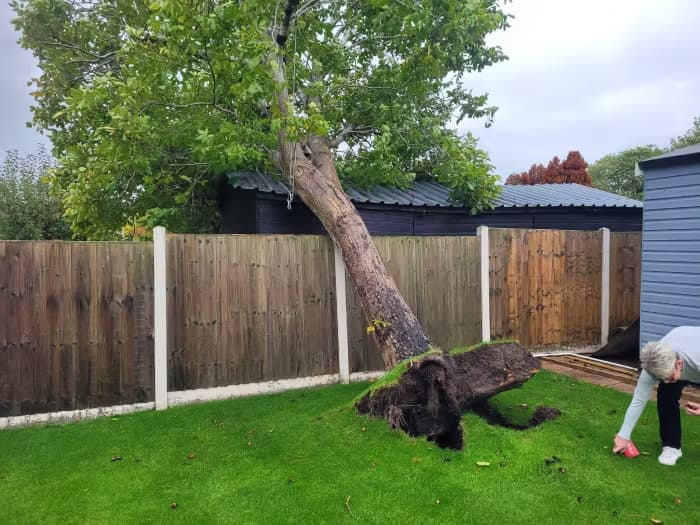
The Journey: A Timeline-Based Process of Elimination
For trees and shrubs, the investigation focuses on structural integrity and historical trauma. Wood holds onto its injuries far longer than a blade of grass does, so this walkthrough moves from the ground up and then backward through the calendar.
- The Foundation Audit (the Root Flare)
Look at the base. If it looks like a telephone pole going straight into the ground, without a widening flare, it was planted too deep. This creates an environment for Stem Girdling Roots — biological tourniquets that wrap around the trunk and choke it slowly. If the flare is missing, the primary mover is structural, and chasing a leaf disease here is a waste of time. - The Physical Trauma Check (the Trunk)
Inspect the lower 12 inches for mower scuffs or string trimmer nicks. Mechanical damage here severs the phloem, the tissue that carries energy from the leaves down to the roots. If you find scars, the plant is in a vascular crisis that no fungicide can fix. - The Cold Case File (the July Ghost)
If the flare and trunk are clean, look backward. A tree collapsing in July often suffered a late-spring freeze. This physiological time lag means the plumbing was damaged months ago and has finally hit its breaking point under summer’s demand.
The Ornamental Nuance: Drilling Down to the Culprit
Heat Scorch vs. Herbicide Drift
Use the Flattening Test. If you can manually smooth out a curled leaf and it relaxes back into shape, it is likely moisture stress. If the leaf is leathery, brittle, or stuck in a permanent corkscrew shape, it has been hit by a chemical growth regulator.
The 10-to-2 Thinning
If you suspect girdling roots, look for thinning at the very peak of the canopy — the 10 o’clock to 2 o’clock position. Because the tourniquet restricts the entire system, the parts furthest from the roots suffer first.
The Salt Index
If scorch appears only on the side facing a road or sidewalk, the primary mover is winter de-icing salt, not a current disease.
Reading the Deeper Signatures
The two walkthroughs above will solve most cases. But every so often, the physical tests still tie. The roots are anchored, the soil is soft, the flare looks fine, and the symptom still doesn’t have a confirmed cause. That’s the point where the investigation moves from what you can see and feel to what’s happening at a chemical and cellular level. None of what follows replaces the physical tests; it’s the layer you reach for once those tests run out of answers.
The Cross-Species Overlap and the Universal Primary Mover
When a symptom appears on your lawn and your landscaping at the same time, the diagnostic priority shifts instantly. Most biological pathogens and pests are host-specific. A fungus that attacks Kentucky bluegrass rarely jumps to a boxwood. When symptoms cross the species line, you are no longer looking for a biological killer but a universal environmental stressor that has compromised the entire yard at once.
The Chemical Cloud
If you notice leaf cupping on your shrubs at the same time your lawn looks twisted or corkscrewed, you are likely witnessing herbicide drift or volatility. Common lawn weed killers containing 2,4-D or Dicamba can turn into a gas on hot days and travel across the yard, affecting almost everything in their path regardless of species.
The Subterranean Swamp
If a specific area shows yellowing grass and wilting ornamentals together, the primary mover is likely beneath your feet. Poor drainage or a low spot creates an oxygen-starved environment underground. Both turf and trees will simultaneously exhibit “drowning” symptoms — yellowing, stunted growth, and a distinctive rotten-egg smell from the soil — long before a pathogen ever arrives.
The Atmospheric Pulse
Extreme weather events don’t discriminate between plant types. If you see scorched leaf tips on your maples and straw-colored tips on your grass after a temperature spike, the cause is atmospheric drought. The air is pulling moisture out of the leaves faster than the roots can replace it, causing a synchronized crisis across the entire landscape.
The Salt Index and Runoff Patterns
A scorched lawn edge that mirrors a line of brown needles on a nearby evergreen hedge is a classic sign of salt stress. Sodium and potassium compete for the same entry points into plant cells. When sodium wins, the plant loses the potassium it needs to manage water in its leaves. De-icing salts dissolve into spring runoff and create a toxic zone along that drainage path, burning every plant in it the same way — whether it’s grass or hedge.
The Molecular Map of Chlorosis
Earlier, the Lawn Nuance taught you to separate a nitrogen-hungry lawn from an iron-locked one by checking whether the yellowing started on the old leaves or the new ones. Trees and shrubs share that same iron trap, but they add a second suspect that looks almost identical: manganese.
Both nutrients get locked out of soil the same way — when pH climbs above about 6.5 — and both cause new growth to lose its color while older leaves stay green. The way to tell them apart is to look closer at the pattern between the veins. Iron deficiency leaves a sharp, fine network of dark green veins against pale yellow tissue, almost like a green spiderweb laid over yellow paper. Classic examples are azaleas and pin oaks. Manganese deficiency is blurrier: instead of fine veins, you’ll see broad bands of green hugging the major veins, with the yellow spreading out further between them. Red and silver maples are common candidates, and the symptom sometimes doesn’t show up until later in summer.
If you want real certainty, there’s a forensic trick borrowed from extension labs: mix a weak 5% solution of iron sulfate and spray it on one branch, then the same strength of manganese sulfate on a different branch. Whichever branch greens back up within about ten days tells you which nutrient was actually missing.
When a Curled Leaf Is Lying
The Flattening Test gave you a fast field check for curled leaves: smooth it out, and if it relaxes, it’s stress; if it stays locked in a corkscrew, it’s chemical. Here’s the mechanism behind why that test works.
Herbicides like 2,4-D and Dicamba don’t simply stress a plant the way heat or drought does. They mimic one of the plant’s own growth hormones and hijack it, forcing cells to expand and twist in directions they were never meant to grow. That’s why the damage doesn’t relax back to normal: the cell structure itself got rebuilt wrong, not just bent temporarily. A true corkscrew twist in the stem or leaf stalk is a signature almost unique to chemical damage and is rarely seen in viral plant diseases, which tend to show up as mottled color and stunting instead of twisting.
One more clue on hot days: some herbicide formulations turn into an invisible gas once temperatures climb past the mid-80s and can drift for a surprising distance on the wind. That’s why you’ll sometimes see the same corkscrew damage on totally unrelated plants several yards apart, with no obvious spray pattern connecting them. If the curling shows up on a hot, still day across several unrelated species at once, drift is the leading suspect over disease.
The Hand Lens Trick
A scattering of tiny, pale specks across a leaf — called stippling — has two very different possible causes: spider mites or ozone, an invisible air pollutant. Both produce a similar dusty, faded look from a distance. A cheap 10x hand lens, the kind jewelers use, settles the case in under a minute.
Flip the leaf over and inspect the underside first, since that’s where mites always start feeding. If you see fine silk webbing, tiny round eggs, or pale shed skins scattered among moving specks of green, red, or orange, you’ve found a living pest. If the underside is completely clean, turn your attention to the top of the leaf instead. Ozone damage shows up as small purple-red, yellow, or black speckles spread evenly across the entire upper surface, with no webbing, no eggs, and nothing moving. Ozone tends to peak on hot, still, high-traffic days, so a stippled leaf that shows up after a stretch of stagnant summer air — with a perfectly clean underside — points toward pollution rather than pests.
When the Field Investigation Ends and the Lab Begins
Every detective eventually runs into a case where the physical and chemical clues still point two directions at once. That’s not a failure of the method; it’s the signal to bring in outside testing rather than keep guessing.
For woody plants, the branch-spray trick described above is a useful middle step before a full lab test. For lawns, or for a final answer on any plant when the stakes are high, a real soil test or plant tissue analysis is worth the modest cost. It will tell you the actual pH, nutrient levels, and salinity of your soil rather than asking you to infer them from a leaf — and it turns your forensic sequence into the closest thing a homeowner can get to a courtroom-grade verdict.
Safety & Sensitivity Audit: Protecting Your Home and Environment
A diagnosis is only useful if acting on it is safe — both for your landscape and for you.
Never apply a chemical fix on a guess, and never stack two guesses at once. If you spray a suspected fungicide and add fertilizer in the same week, you’ll never know which one helped, which one hurt, or whether the real problem went untouched the entire time. Treat one suspected cause, wait for a real response, then reassess.
Be especially careful with anything containing 2,4-D or Dicamba on hot days. These can vaporize and drift well beyond your property line once temperatures climb into the mid-80s, putting your own ornamentals — or a neighbor’s garden — at risk from a treatment meant only for the lawn. Calm, cooler mornings are the safer window.
Some cases belong to a professional rather than a weekend project. A large tree with extensive trunk damage, suspected root rot near a structure, dieback close to power lines, or any situation where a chemical might have entered a storm drain or water source are all good reasons to call a certified arborist or your local extension office. The forensic sequence in this guide is built to make you a sharper first responder to your own yard — not a replacement for professional judgment when the stakes get larger than a lawn.
By following this forensic sequence, you move from guessing to verifying. Once you have identified the primary mover, you can navigate to our specific Abiotic Disorder or Weed pages to implement the scientifically correct solution. Remember: a diagnosis is a permanent cure; a guess is just an expensive delay.
Sources
This guide draws on physiological research and extension publications including Penn State Extension, Ohioline (Ohio State University Extension), Purdue Extension, the University of Minnesota Extension, North Dakota State University Extension, the University of Georgia CAES Field Report, UC IPM and UC ANR, UMass Amherst Turf Program, Kansas State University Horticulture Resource Center, the University of Kentucky Extension, Texas A&M Landscape IPM, the University of Arizona ACIS Community IPM, the Morton Arboretum, Ask IFAS (University of Florida), Clemson HGIC, and peer-reviewed research indexed through PubMed Central and the American Society for Horticultural Science journals.