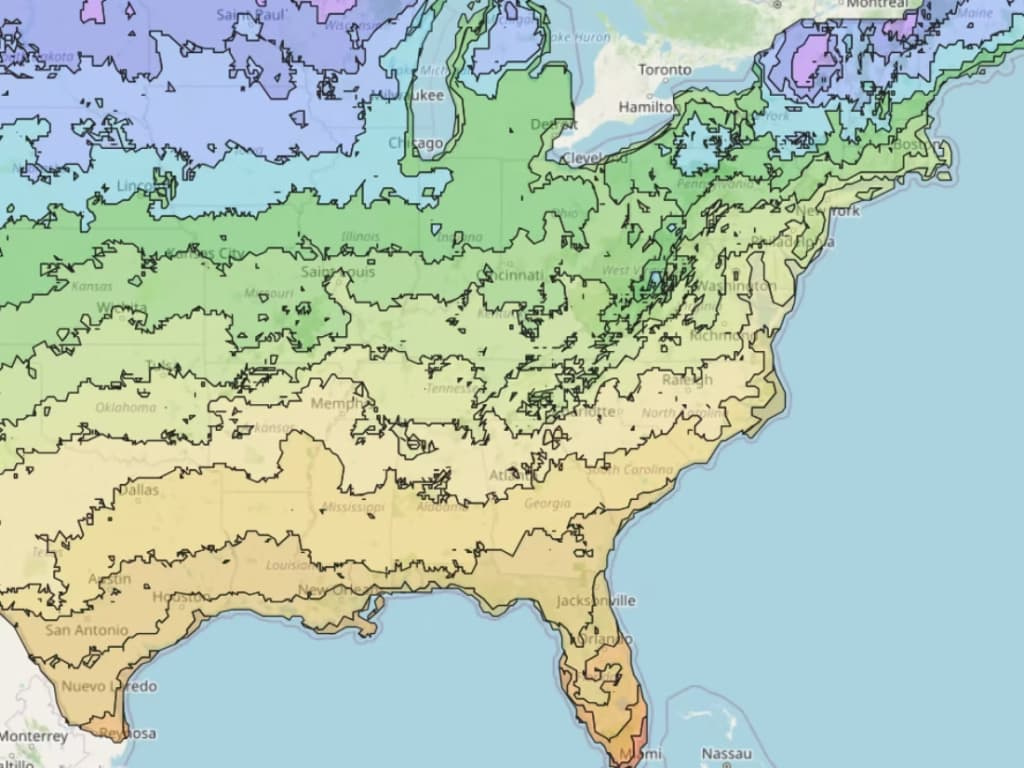
“Why did my Zone 7 plant die when the map says I live in Zone 7?” is a common source of frustration for many homeowners. This often leads to a debate between gardeners who advocate for “Zone Pushing”—the practice of experimenting with plants from warmer regions—and those who suggest “gardening for the colder neighbor” just to be safe. Between conflicting advice on using heavy mulch for protection and the confusion over recent map updates, many find themselves caught in a “Border Anxiety” loop, wondering if their yard follows the rules of their zip code or the unpredictable rules of the zone next door.
The MFY Advice: Don’t Let a Zip Code Break Your Heart
Buying plants based on a zip code search is like picking a partner based on their height—it’s a start, but it doesn’t tell you if they’ll survive a rough winter. Most homeowners treat the hardiness map like a brick wall, but an experienced investigator knows it’s more like a shifting frontier. According to Wisconsin Horticulture, these maps are just statistical averages of the single coldest night of the year, meaning they can easily mask those rare “killing events” that actually end up taking out your landscape.
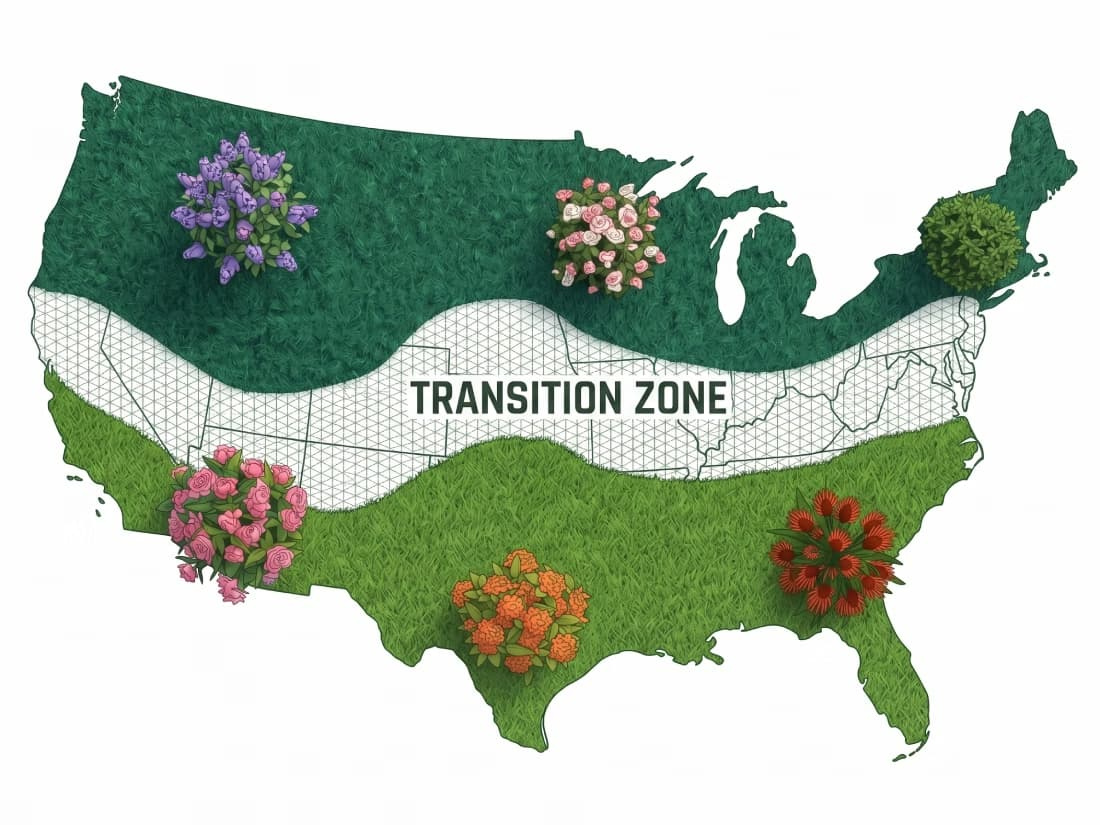
The truth is, those little plastic tags you see at the nursery are dangerously simple. They might say “Zone 7,” but they don’t know that your yard has a low spot that collects frost like a bucket. To stop guessing and start investigating, don’t just look for your number—look for the “color borders” on the map. If the USDA Hardiness Zone Finder shows you live within 10 or 15 miles of a colder zone, you are officially in a “high-risk” area. Our rule: If you’re on the line, ignore your zip code and “plant for the colder neighbor”. It’s the cheapest insurance policy you’ll ever buy for your yard.
Table of Contents
The War Inside the Cells: Building Your Yard’s Defense
Winter isn’t just “cold”—it’s a biological battle for your plants. At the cellular level, your shrubs and grass are trying to manage water so they don’t literally explode.
The Sugar Shield
When the days get shorter in late summer, your plants enter “Stage 1” of acclimation. They stop growing and start pumping themselves full of soluble sugars and Potassium (K+). This acts like a natural antifreeze, lowering the freezing point of their internal fluids. This is why you must stop fertilizing with high nitrogen in late August. High nitrogen “drugs” the plant into staying awake and growing new, watery leaves instead of building its sugar shield. If you want your plants to survive, you have to let them get sleepy.
The “Pushed Ice” Strategy
If ice forms inside a cell, it’s game over—the cell wall ruptures and the tissue dies. Truly hardy plants have a “superpower”: they move that ice outside into the spaces between cells, where it can’t do any damage. Research from NC State shows that Potassium is the key to maintaining the “electrical gates” that move this water around. Using a “Winterizer” fertilizer (low-Nitrogen/high-Potassium) in October or November isn’t just marketing—it’s giving your plants the raw materials they need to manage that ice.
The Soda Can Effect
Water expands when it freezes. If your plants take a “big drink” (called crown hydration) during a warm February thaw and then get hit by a sudden freeze, that water expands and pops the plant’s cells like a soda can left in the freezer. Penn State Extension notes this is the #1 killer of lawns in late winter. You can’t control the weather, but you can control the drainage. If you have low spots where water puddles, your grass is forced to sit in a “death slurry” of ice and water. Fixing your lawn’s drainage in the fall is the only way to prevent this February disaster.
Why Your Lawn and Your Garden Live by Different Rules
In the survival game, your grass and your shrubs are playing on two different fields. If you treat them the same, you’re going to lose one of them by April.
For your lawn, it’s all about the “Crown.”
The crown is the heart of the grass plant, sitting right at the soil surface where all new growth originates. Because this is the plant’s command center, if the crown dies, the whole plant is gone forever.
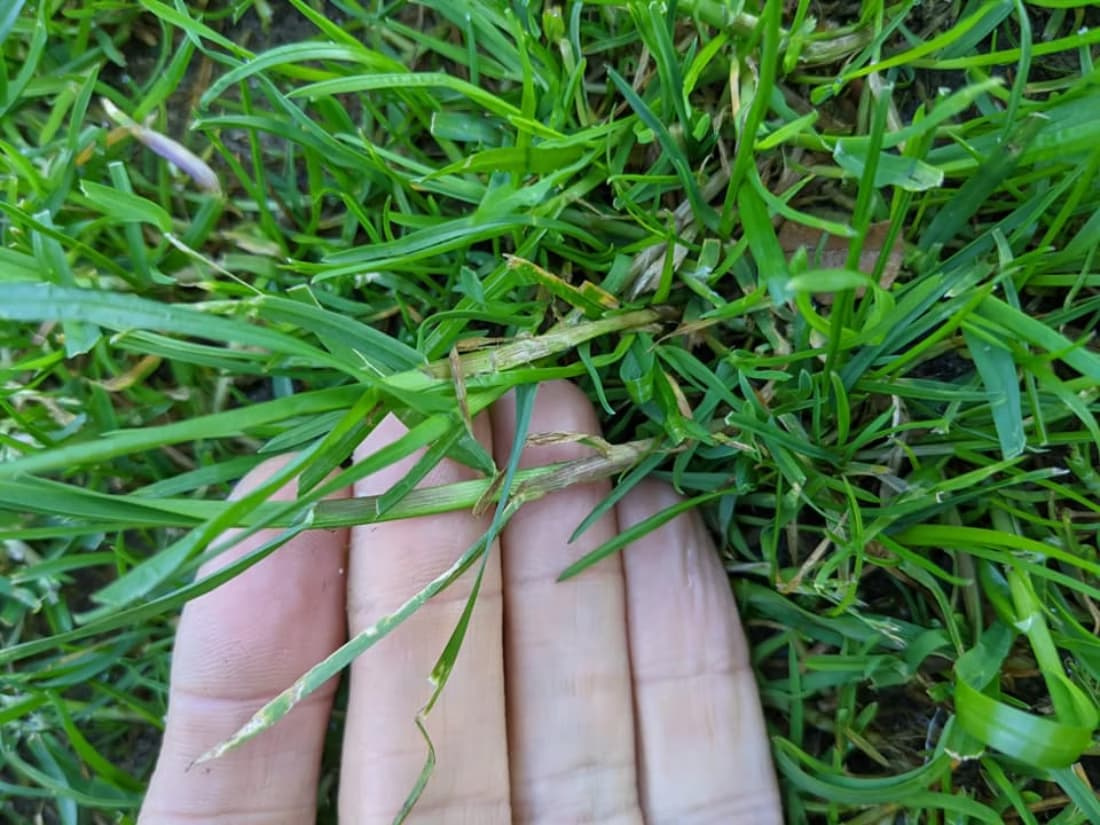
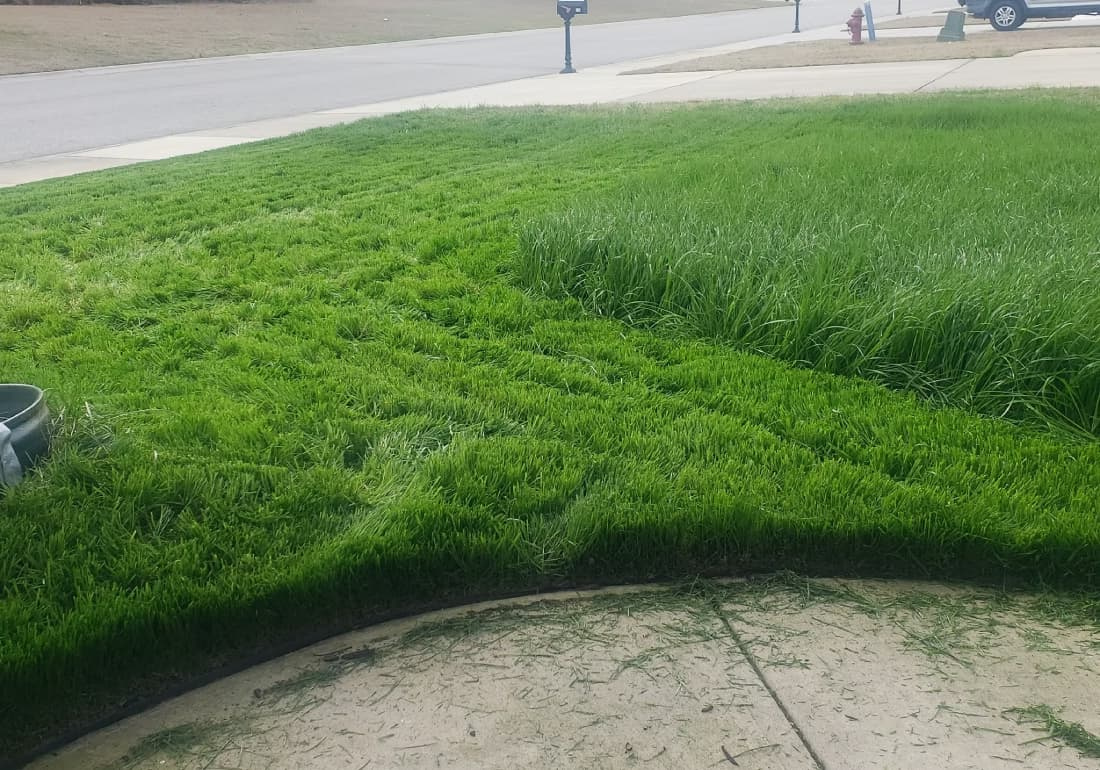
Different grasses have different “low-temperature hardiness” rankings, which determines how much winter abuse they can take. For example, Creeping Bentgrass is a winter warrior that can survive being encased in solid ice for over 150 days. Meanwhile, Annual Bluegrass (Poa annua) is a bit of a diva; it starts “waking up” too early during winter thaws, making it the prime target for a lethal freeze. The USGA points out that this opportunistic growth makes it one of the most vulnerable species on your property. While Poa annua is a gambler that tries to wake up early, Perennial Ryegrass is a “bunch-type” grass, which means it grows in isolated clumps rather than spreading out via runners. This creates a major survival hurdle: if a patch of Ryegrass dies over the winter, it has zero capacity to “crawl” back and fill in the hole. Unlike other grasses that can repair themselves through lateral growth, Ryegrass has no backup plan. If you see bare brown patches in a Ryegrass lawn come April, those spots are a permanent dead end—the only way to fix them is to get out there and manually re-seed the area yourself.
In the depths of winter, the crown becomes a brittle, frozen “soda can”. Because of this mechanical fragility, you must never walk on frozen grass. Walking on it literally shatters the frozen hearts of the plants, leaving behind mysterious brown footprints that won’t show up until the spring thaw. If the grass feels crunchy underfoot, stay off it. If you aren’t sure if a patch of your lawn survived, perform a “Tug Test”: pull on a brown patch; if it comes up roots and all with no resistance, it’s dead; if it stays anchored, it’s just dormant and waiting for spring.
The Ice Coffin: Death by Suffocation
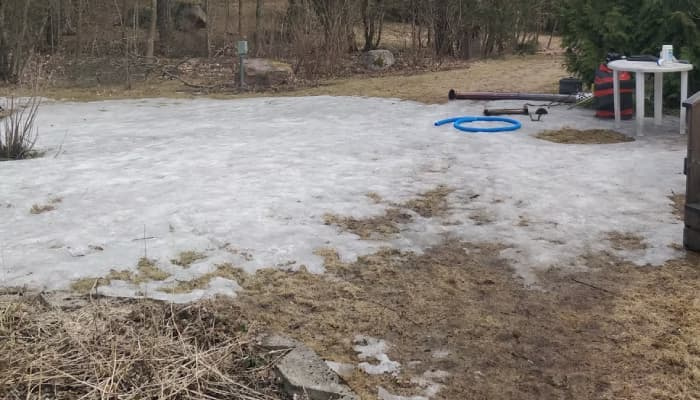
Sometimes, it’s not the cold that kills—it’s the lack of air. A solid sheet of ice acts like a lid on a coffin, trapping toxic gases like butanol and carbon dioxide that the grass naturally produces while it tries to “breathe”. This is the primary cause of “delayed death“—your lawn may look perfectly green through the ice because the cold is preserving the tissue, but as soon as the thaw hits, the accumulated toxins take their toll and the grass dies. While tough grasses like Creeping Bentgrass can survive this for 150 days, sensitive species like Poa annua often suffocate after just 30 to 45 days.
The MFY Advice: Avoid piling heavy, shoveled snow onto sensitive areas or low spots in your yard. Packing the snow down increases the risk that it will turn into a solid, impermeable ice sheet, cutting off your lawn’s air supply and trapping those lethal gases.
For your ornamentals, it’s about “Freezer Burn” and “Heaving.”
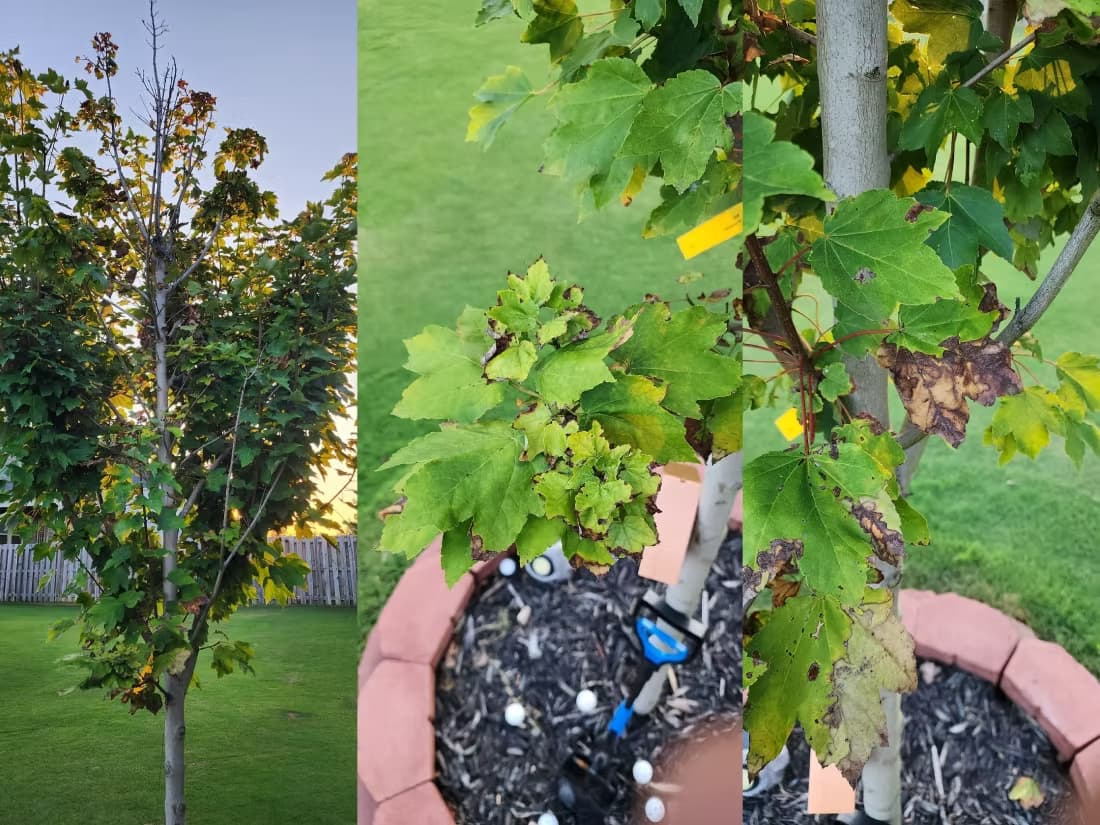
Evergreens and shrubs don’t usually die from the cold itself; they die from a specialized type of thirst called desiccation. Think of it as a biological drying out. When the ground is frozen solid, the “pipes” are closed, and your plants can’t drink. If a dry winter wind starts blowing, it acts like a giant hair dryer, sucking moisture right out of the leaves. Since the roots are locked in ice, they have no way to replace that lost water, leading to what looks like a scorched, brown landscape by spring.
Those generic plant tags at the store won’t tell you if your yard is a “wind tunnel,” which is why understanding your subzone (the “a” and “b” sections) is so critical. That tiny 5°F difference is often the line between a thriving hedge and a row of dead sticks.
To win this battle, you have to master two specific defensive moves:
- The “Final Soak”: To give your plants a full tank of gas before winter, you need to perform a deep watering. For the best results, do not just aim for “late fall”—time this soak for after the first light frost but before the ground officially freezes solid. This ensures the soil is fully saturated and provides a thermal buffer for the roots before the water becomes inaccessible ice.
- Preventing Frost Heaving: Watch out for the soil “popping” your plants. Frost Heaving happens when the ground expands and contracts during temperature swings, literally ejecting new plants or bulbs out of the dirt like a cork. A 4–6 inch layer of mulch acts as a weighted blanket, stabilizing soil temperatures and keeping those roots safely tucked away.
For a deeper dive into protecting your investment from “freezer burn,” you can find extensive details at the Morton Arboretum.
How to Perform the Final Soak
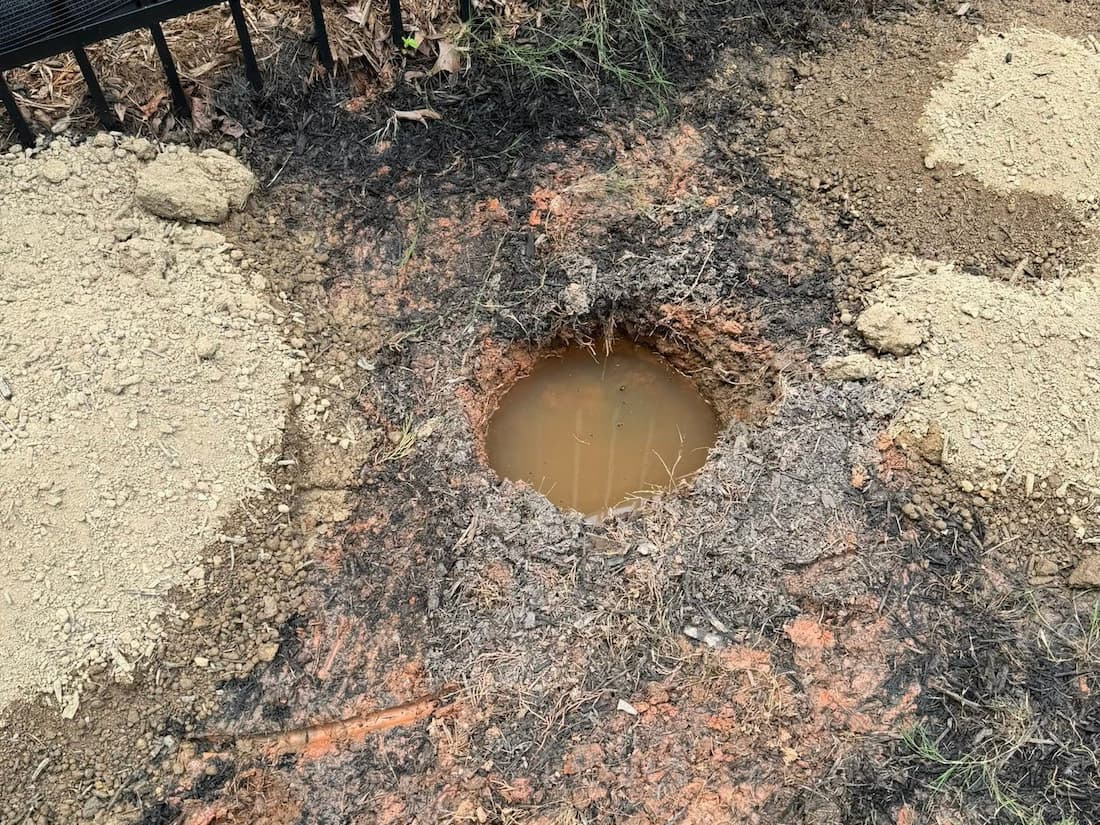
Aim for a morning deep soak so the soil absorbs moisture while temperatures are higher and any water on the leaves or lawn surface dries before freezing night temperatures arrive. You are looking for hydrated soil rather than standing puddles to avoid triggering the Soda Can Effect. To verify the moisture, dig a 2–3 inch deep hole near your plants and squeeze a handful of the soil from that depth; it should hold its shape without being dripping wet or muddy.
Prioritize evergreens and anything planted within the last year, as these plants continue losing moisture through their leaves and are the first to succumb to desiccation if they enter a freeze with empty tanks.
The Chemical Drought: Salt Shields
If you live near a busy road or have a sidewalk to clear, you’re likely fighting a hidden enemy: salt. Standard rock salt (sodium chloride) is a brutal desiccant. When it dissolves into your soil, it creates a “chemical drought” by pulling moisture away from the roots—even if the ground is wet. This makes your plants work twice as hard to stay hydrated when they are already struggling to drink.
To prevent this, swap your standard rock salt for calcium chloride. It melts ice at much lower temperatures and is far less aggressive on your soil’s delicate chemistry. If you’re dealing with road spray from the city, a simple burlap screen can act as a physical “Salt Shield,” stopping that salt-laden mist from ever touching your leaves.
The Secret Geography of Your Backyard
If you want to play like the pros, you have to look at your yard’s topography. Cold air behaves exactly like water—it’s heavy, and it flows downhill.
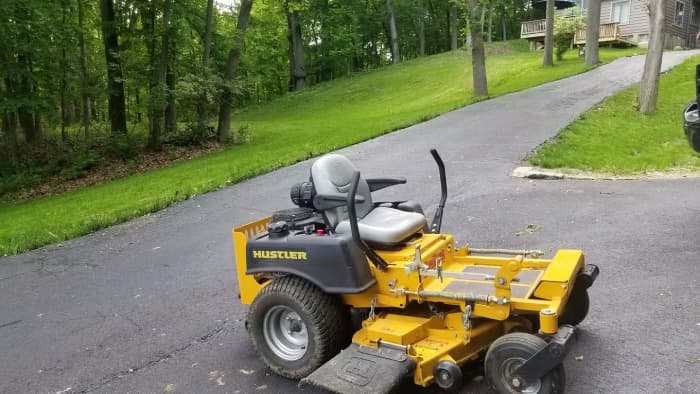
On clear, still nights, the coldest air will pool in the lowest parts of your yard. These are frost pockets, and they can actually be half a zone colder than the rest of your property. If you’re planting something “borderline,” always put it on higher ground or near a south-facing brick wall that acts as a “heat island”. You can even use the Soil Profile Builder to see if your dirt is helping or hurting; healthy, well-draining soil prevents the “wet feet” that make plants more likely to die in a freeze.
The “Second Layer” of Pro Secrets
- The Urban Advantage: If you live in a city, the concrete around you holds onto heat. This Urban Heat Island effect can make your yard up to 12.6°F warmer than the countryside, effectively giving you an “extra” half-zone to play with.
- The Thermal Belt: If your yard is on a slope, the middle section is usually the “sweet spot”. It stays warmer than the valley floor (where cold air pools) and is more protected than the windy ridge at the top.
- Snow is a Blanket: Don’t hate the snow. A good layer of snow is like a down comforter for your grass. MSU Extension explains that it keeps the soil temperature stable near 32°F, even when the air is -10°F. The most dangerous winters are actually the ones with no snow at all.
- Sunscald Protection: For young trees, use white reflective guards to prevent the bark from “waking up” during a sunny winter day and splitting when the temperature drops at night.
Mastering your climate means graduating from a casual gardener to a true landscape detective. Your hardiness zone is a great baseline, but the survival of your lawn and ornamentals depends on you noticing the small stuff—the way the wind hits your hedges or how the frost settles in your low spots. You aren’t just following a map; you’re mastering your own little corner of the world. You’ve got the science and the “border logic” to win the war inside the cells and keep your investment thriving year after year.
Safety & Sensitivity Audit: Protecting Your Home and Environment
- Stop the Late Feeding: Do not apply high-nitrogen fertilizer in the late fall. It forces your plants to grow new, watery tissue that isn’t ready for winter. You want them focused on building their “sugar shields,” not growing new leaves.
- Fix the Puddles Now: Since Crown Hydration is the #1 lawn killer, you must fix drainage issues before the ground freezes. If water sits in a low spot, it becomes a “death slurry” that will pop your grass cells like bubbles. Dive into our Soil Condition Hub and Soil Texture Hub to learn how to keep things moving.
- Water Before the Lock: If the fall has been dry, give your plants a deep soak before the first hard freeze. Hydrated plants are much more resistant to winter wind burn.
- Choose Your De-Icer Wisely: Opt for calcium chloride over rock salt to protect your soil health.