
USDA Hardiness Zone Finder
Every thriving landscape starts with a single number. Use this tool to quickly find your local Hardiness Zone and see how your neighborhood’s weather patterns impact your plants. We’ve simplified the science so you can focus on growing with confidence, knowing exactly which Genotypes are built for your specific backyard.
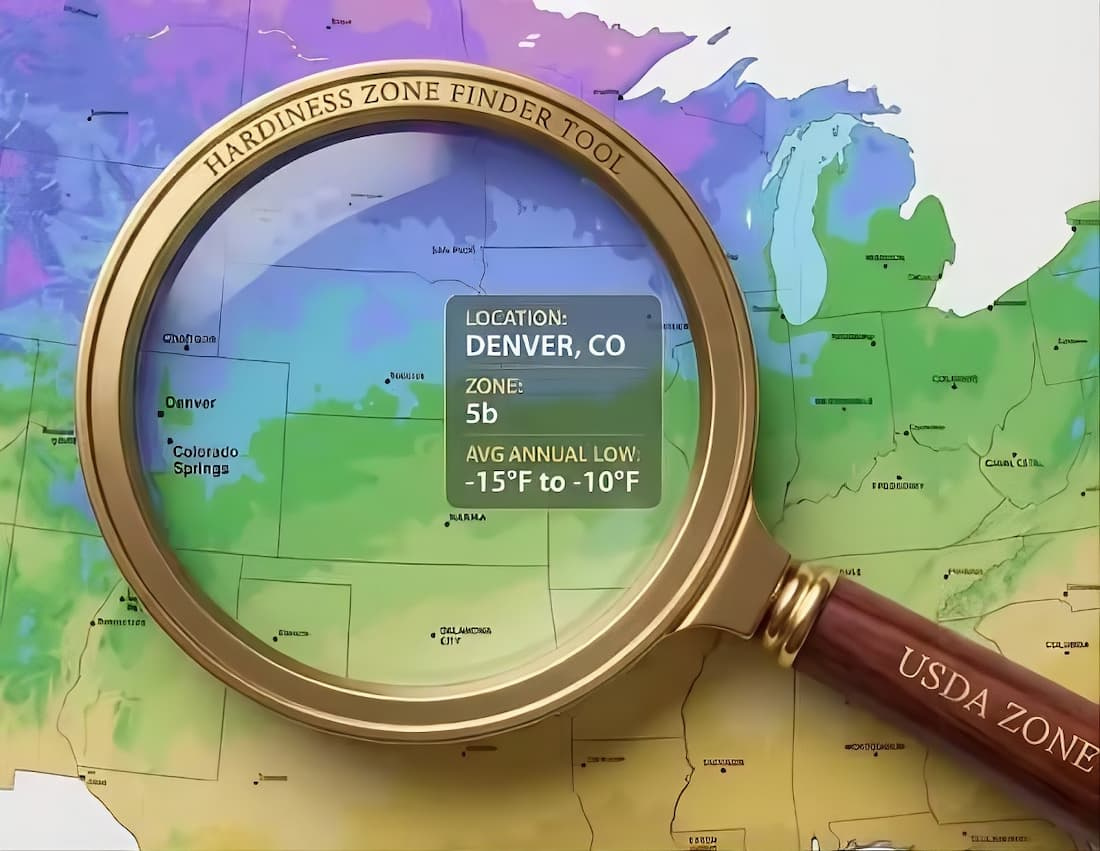
Find Your Yard’s Hardiness Zone
Get your local climate data in an instant. Your Hardiness Zone acts as a survival guide for your yard, telling you exactly which plants can handle your local winter. To skip the guesswork, simply enter your five-digit ZIP code into the tool to identify your specific zone and Subzone immediately. It is the quickest way to make sure your plants are a perfect match for your environment.
Enter your zip code below
A ZIP code offers precision, but the interactive map below provides the geographic context needed for professional results. Use it to verify the Border Rule: if you live near a boundary, local microclimates can shift your conditions into the neighboring zone. The map also reveals your Climate Buffer, showing if your yard is a warm pocket susceptible to sudden temperature swings from colder surrounding regions.
Put Your Data to Work
We offer a selection of other research tools to help you master your landscape. You might want to find a matching grass Genotype for your lawn or learn how to test your soil Substrate using simple items from your kitchen. These modules are designed to help you build a professional-grade profile of your property.
Turf Match ToolSoil Profile ToolThe Botanical Research Registry
Go beyond the quick search. Access the full data for every subzone, including the specific maintenance calendars and interactive maps you need for deep-dive research into your local Ecology.
See Zone Hub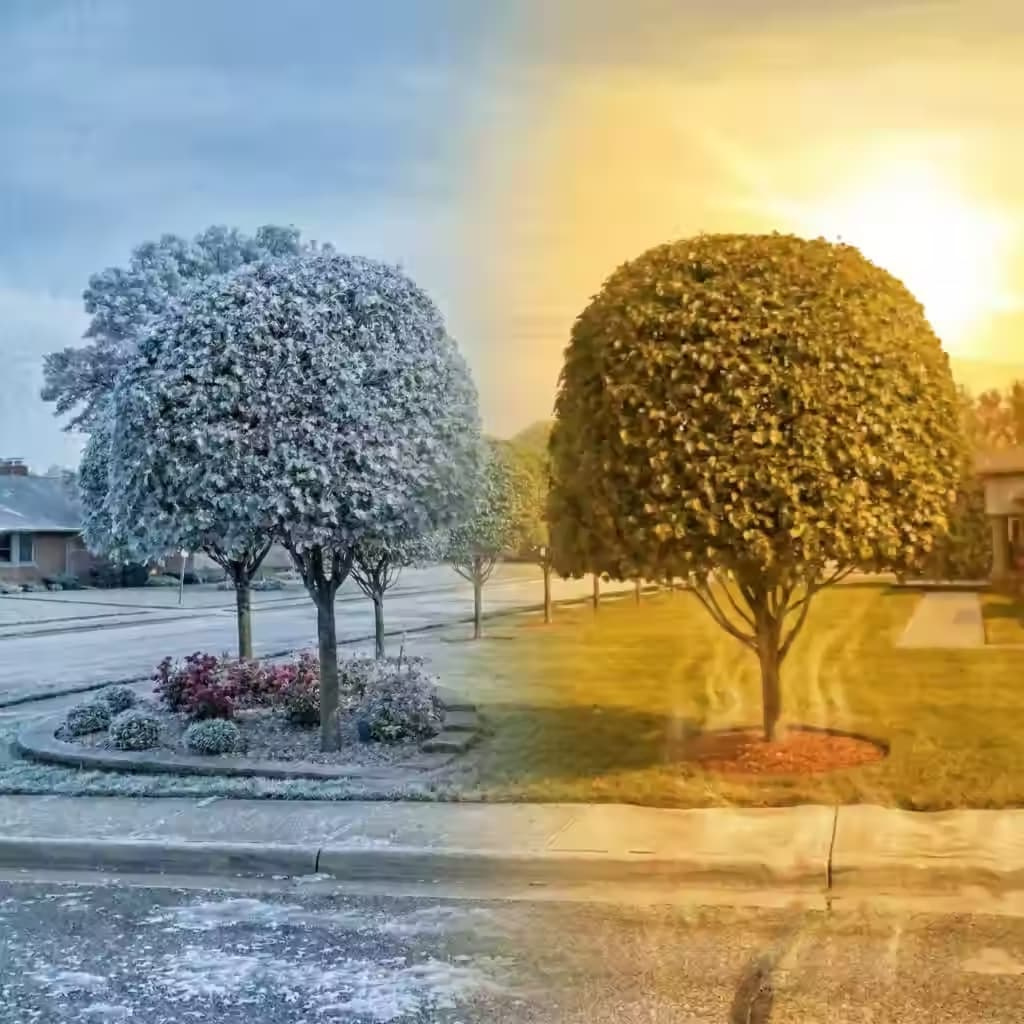
The Hidden Side of Hardiness
Finding your zone tells you if a plant can survive a freezing night, but it doesn’t say if it can handle a scorching afternoon. The USDA map only looks at the coldest day of the year, which is just one part of the puzzle. To keep your yard healthy all summer, you also need to understand how Heat Stress and high Ambient Temperatures affect your plants. We’ve put together a guide to help you see the “other half” of the climate map so you don’t lose a great plant to a summer heatwave.
Learn More