
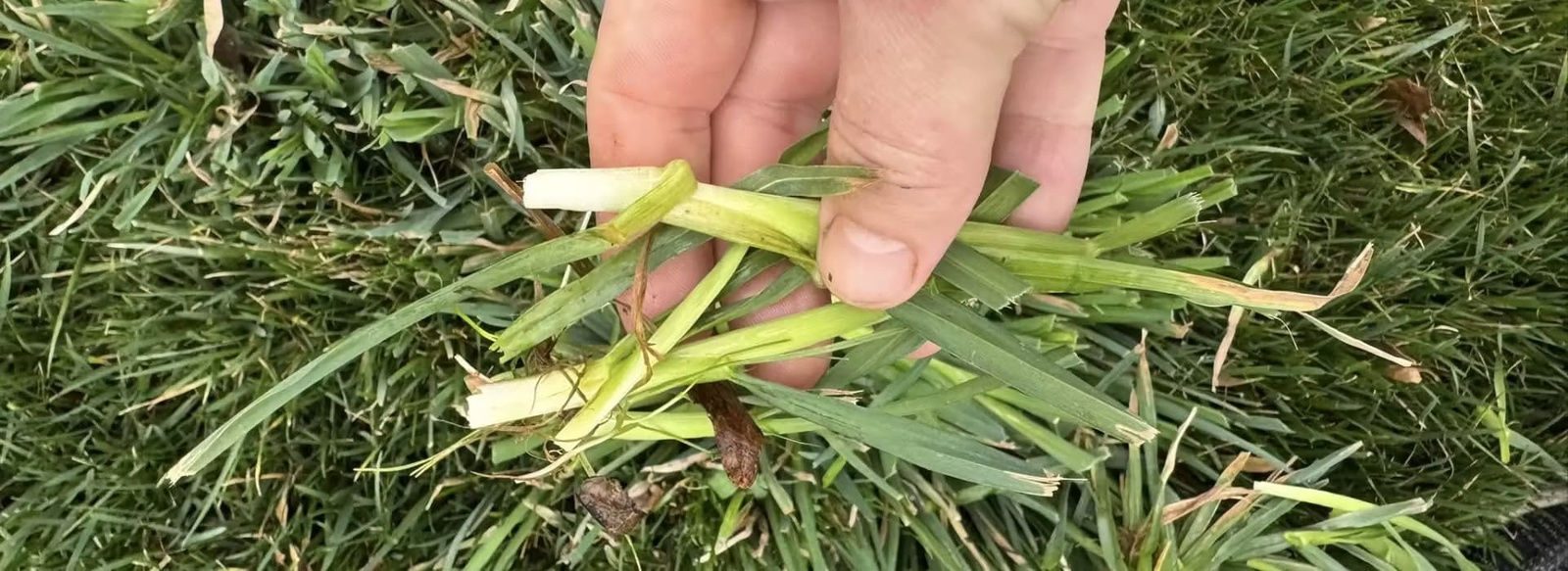
Weed Hub
Your definitive guide to identifying and outsmarting every yard invader. From forensic ID profiles to tactical battle plans, this hub provides the scientific intelligence needed to reclaim your landscape. Because lawn and garden environments require different approaches, we provide specialized guidance for each so you can stop the guesswork and finally enjoy your fine yard again.
The Tactical Guide to Weed Identification and Control
Identifying a yard invader is only half the battle; real victory comes from knowing how to eliminate it safely. This hub provides forensic identification and professional eradication strategies designed to remove the stress from yard maintenance. We offer research-backed logic for both maintained lawns and garden beds, ensuring you use the right tool for your specific environment.
Explore the registry below to find your specific weed and access expert-vetted action plans. Our structured database helps you identify growth stages and execute a surgical removal strategy for any scale of invasion. Stop the guesswork, reclaim your landscape, and return your focus to growing a truly fine yard.
Choose Your Battleground: Lawn vs. Garden
The secret to a pristine landscape isn’t just knowing the weed—it’s knowing the environment it’s invading. Because a weed in your turf requires a completely different “battle plan” than one in your mulch, our database provides specialized, context-aware strategies for both. Whether you are performing surgical removal in your lawn or protecting sensitive ornamentals in your flower beds, the registry below connects you with the precise, research-backed logic needed for your specific location. Select your intruder to unlock the context-specific solution you need to reclaim your yard.
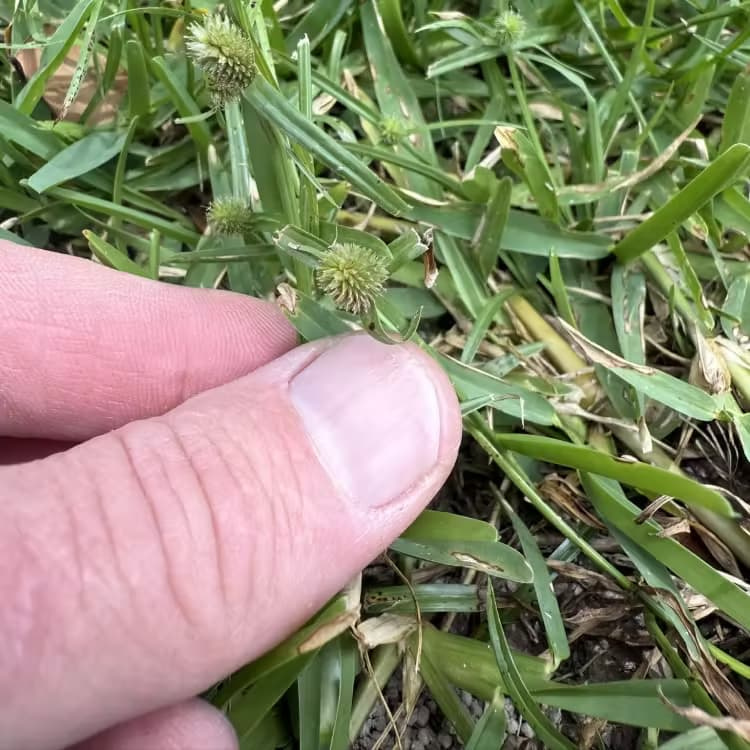
The Weed Control & Solutions Registry
Explore our collection of yard invaders and their management profiles. Each card identifies the threat and offers specialized strategies for both lawns and garden beds. Select a weed to access the research-backed “Battle Plan” tailored specifically for your environment.
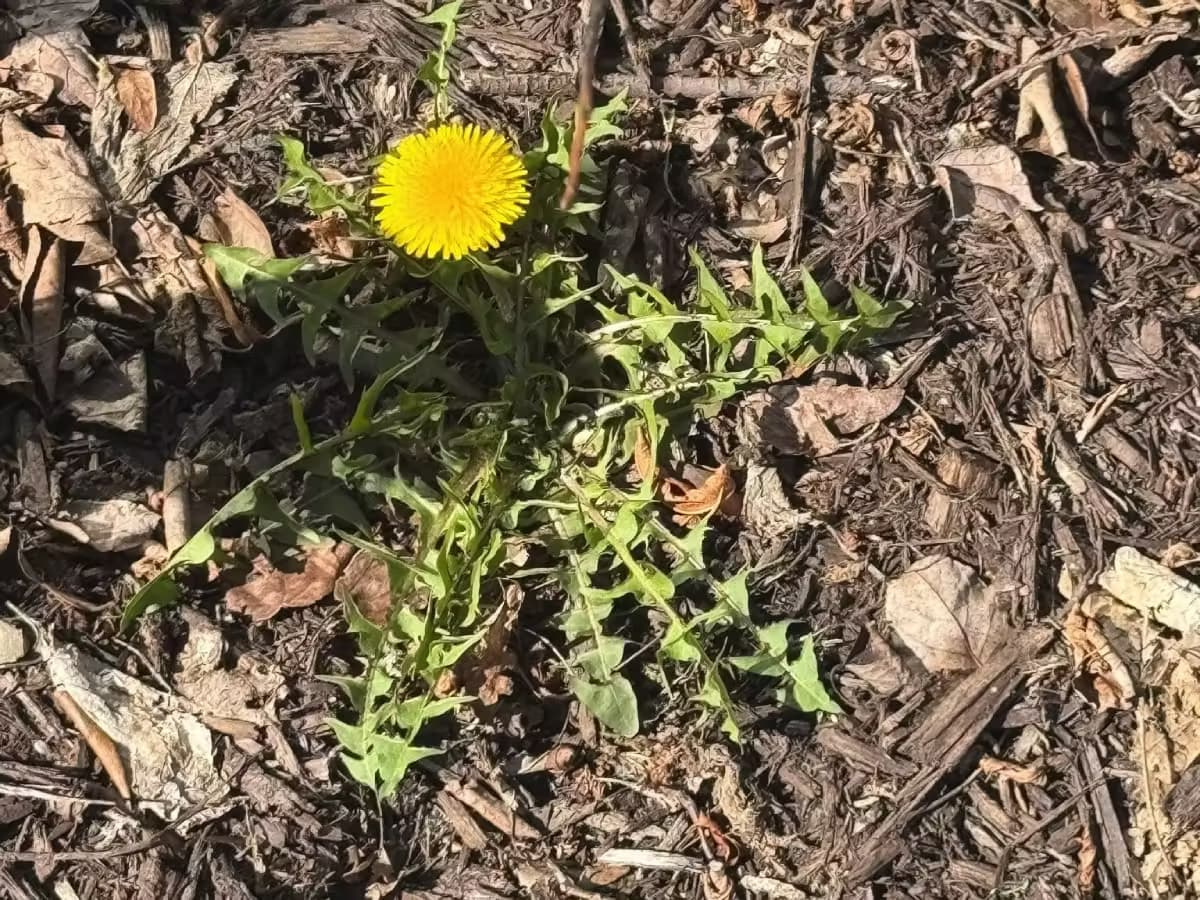
Dandelion
Weed Type: Broadleaf
Life Cycle: Simple Perennial
Pull: Yes, With Caution
Small flower, deep problem
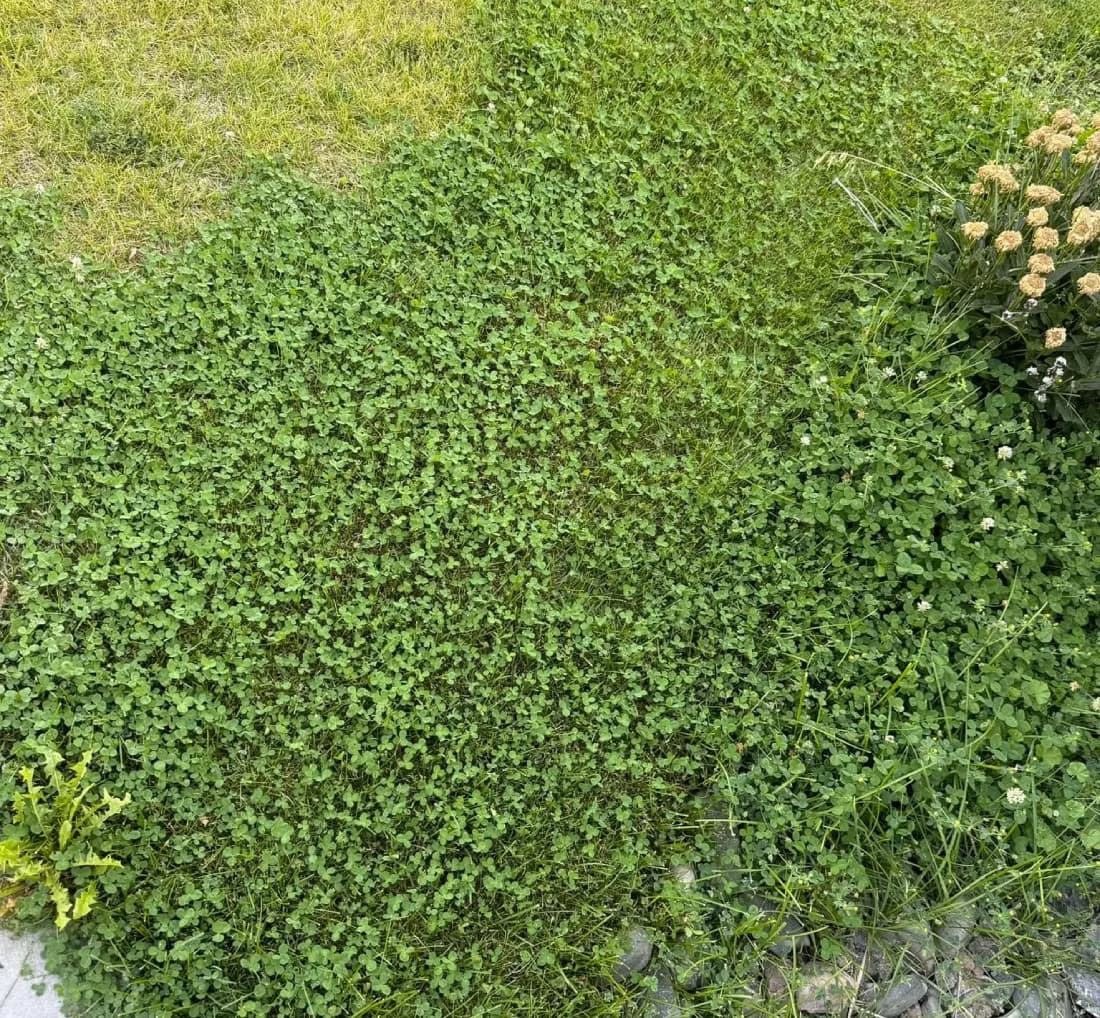
White Clover
Weed Type: Broadleaf
Life Cycle: Stoloniferous perennial (a legume)
Pull: With caution — only young, isolated plants
The lawn’s nitrogen thief
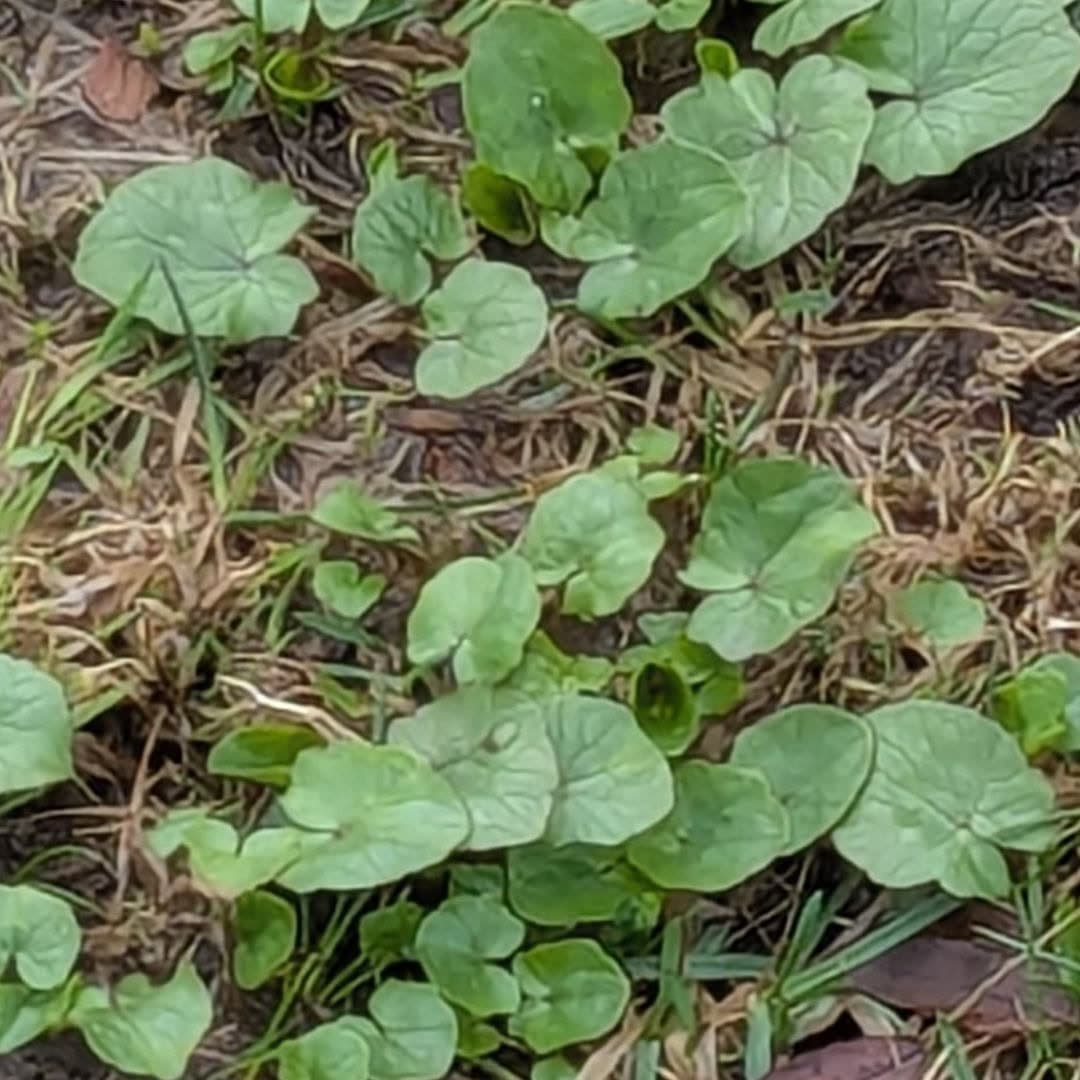
Creeping Charlie (Ground Ivy)
Weed Type: Broadleaf
Life Cycle: Stoloniferous perennial
Pull: With Caution
Every node a new plant
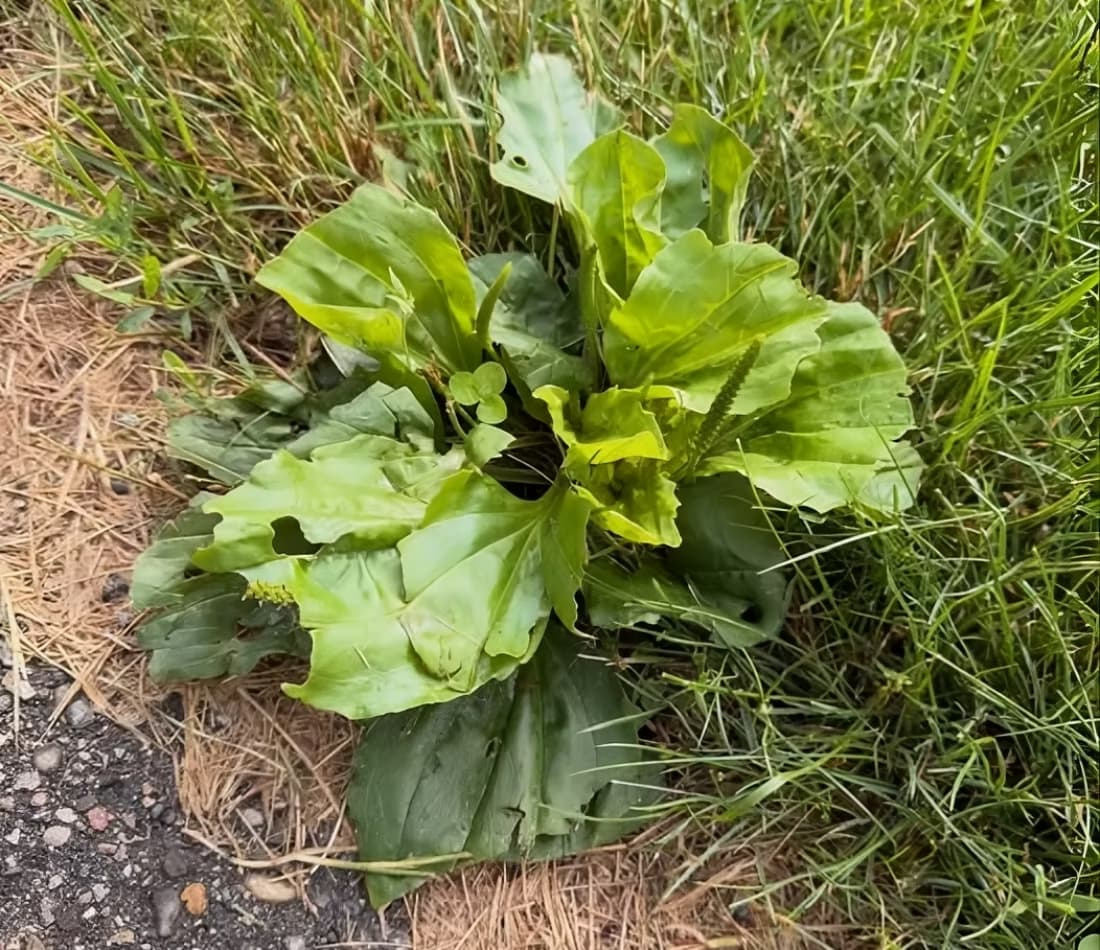
Broadleaf Plantain
Weed Type: Broadleaf
Life Cycle: Simple perennial
Pull: With Caution
The hard-pack multiplier
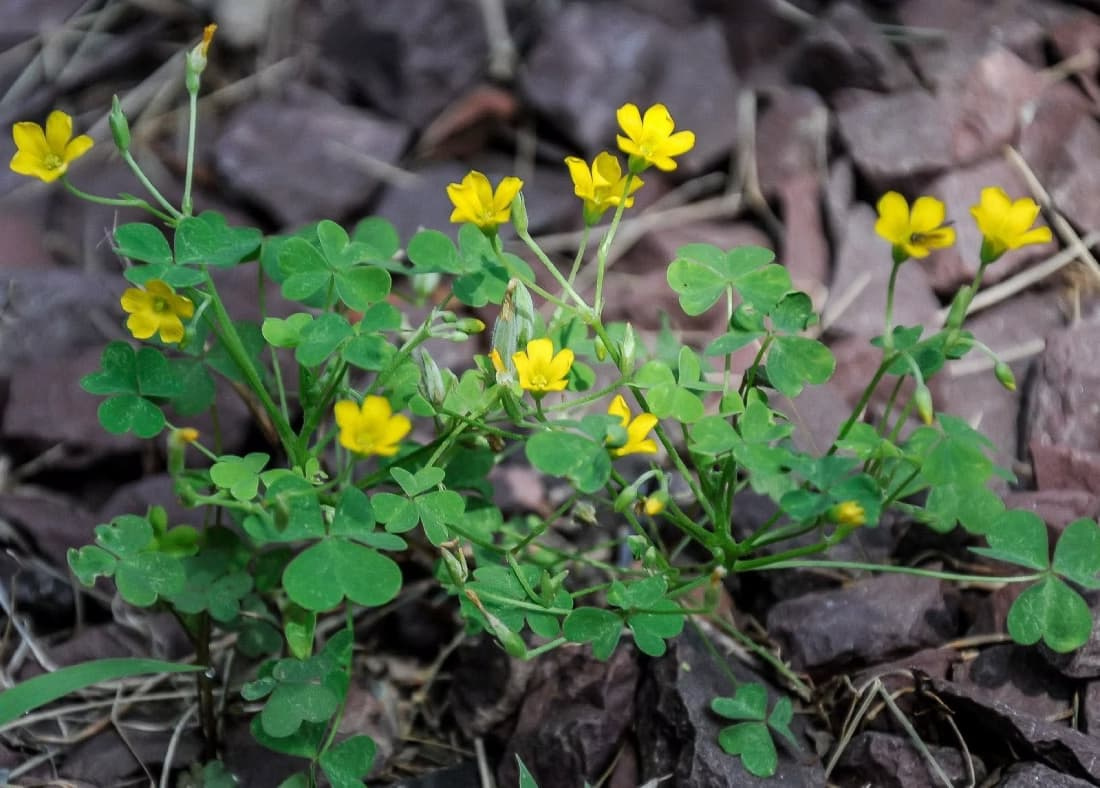
Oxalis (Wood Sorrel)
Weed Type: Broadleaf
Life Cycle: Simple perennial (behaves like a summer annual in the coldest zones)
Pull: With Caution
The weed that seeds itself when you pull it
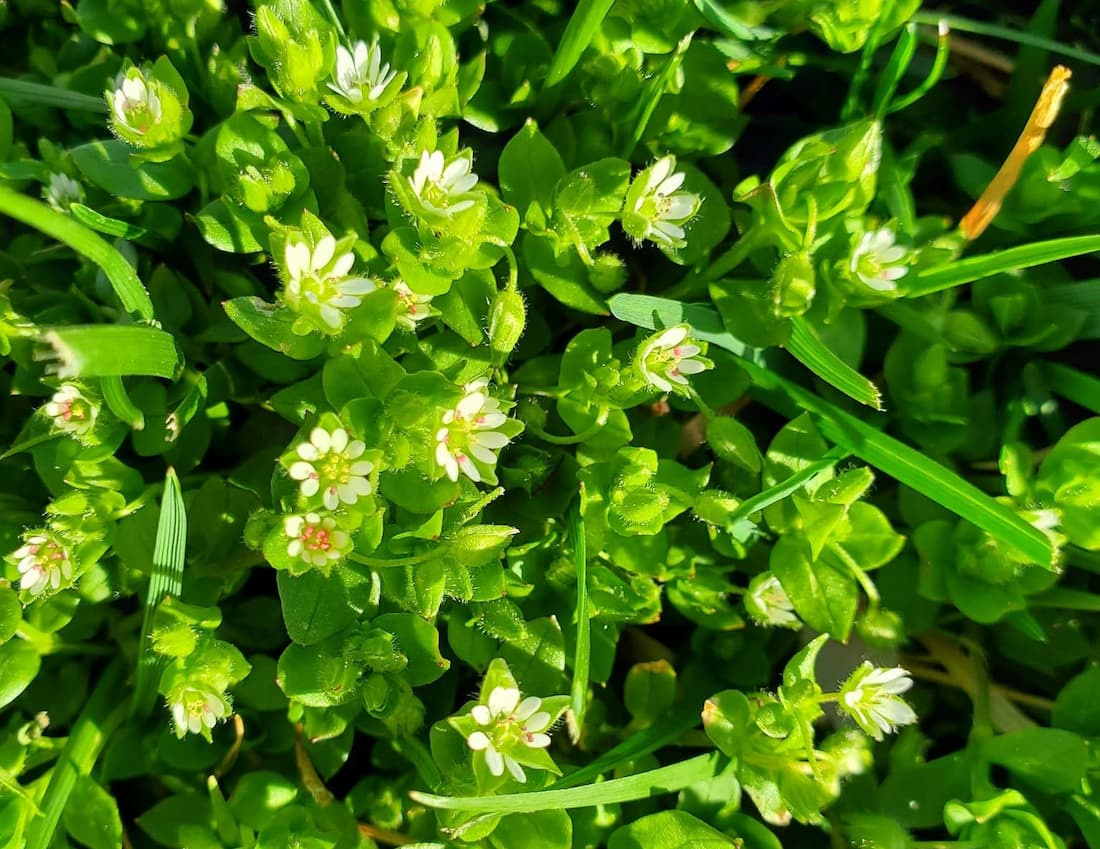
Common Chickweed
Weed Type: Broadleaf
Life Cycle: Winter annual (occasionally a short-lived perennial in cool, humid, coastal areas)
Pull: With Caution
The winter mat that reroots
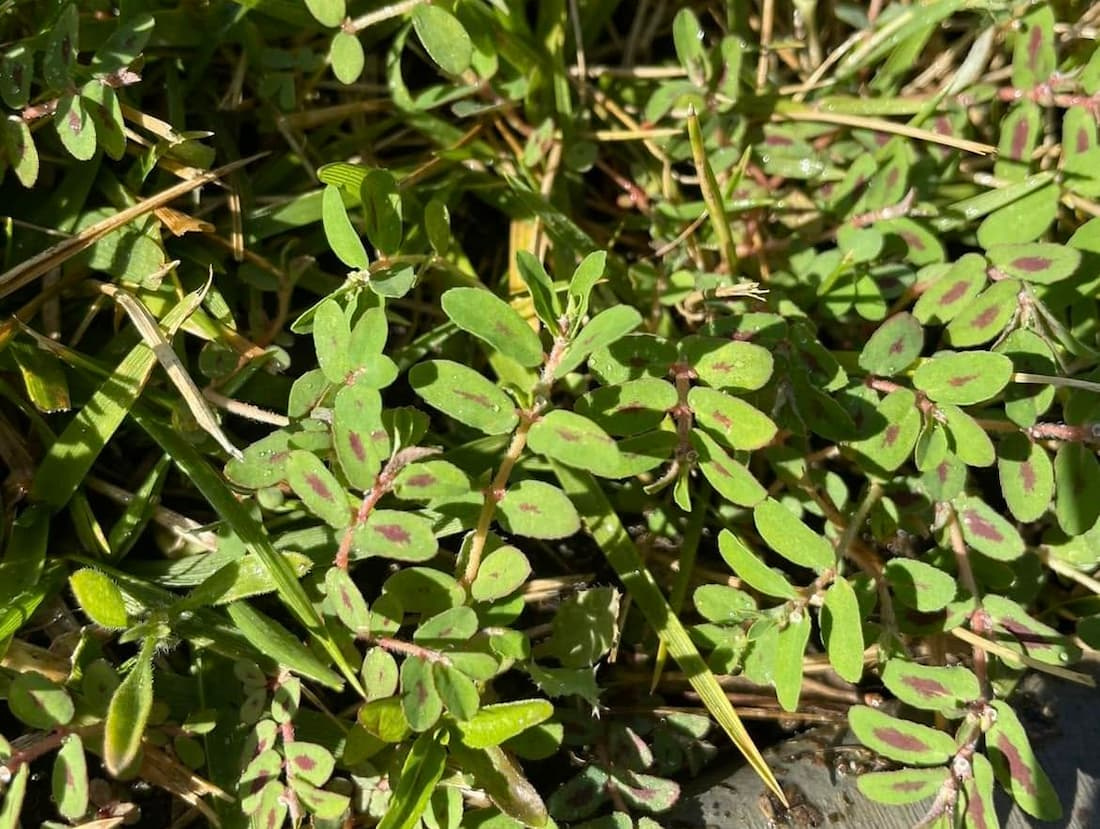
Spotted Spurge
Weed Type: Broadleaf
Life Cycle: Summer annual
Pull: Yes, with caution (before it sets seed)
The pre-emergent escape artist
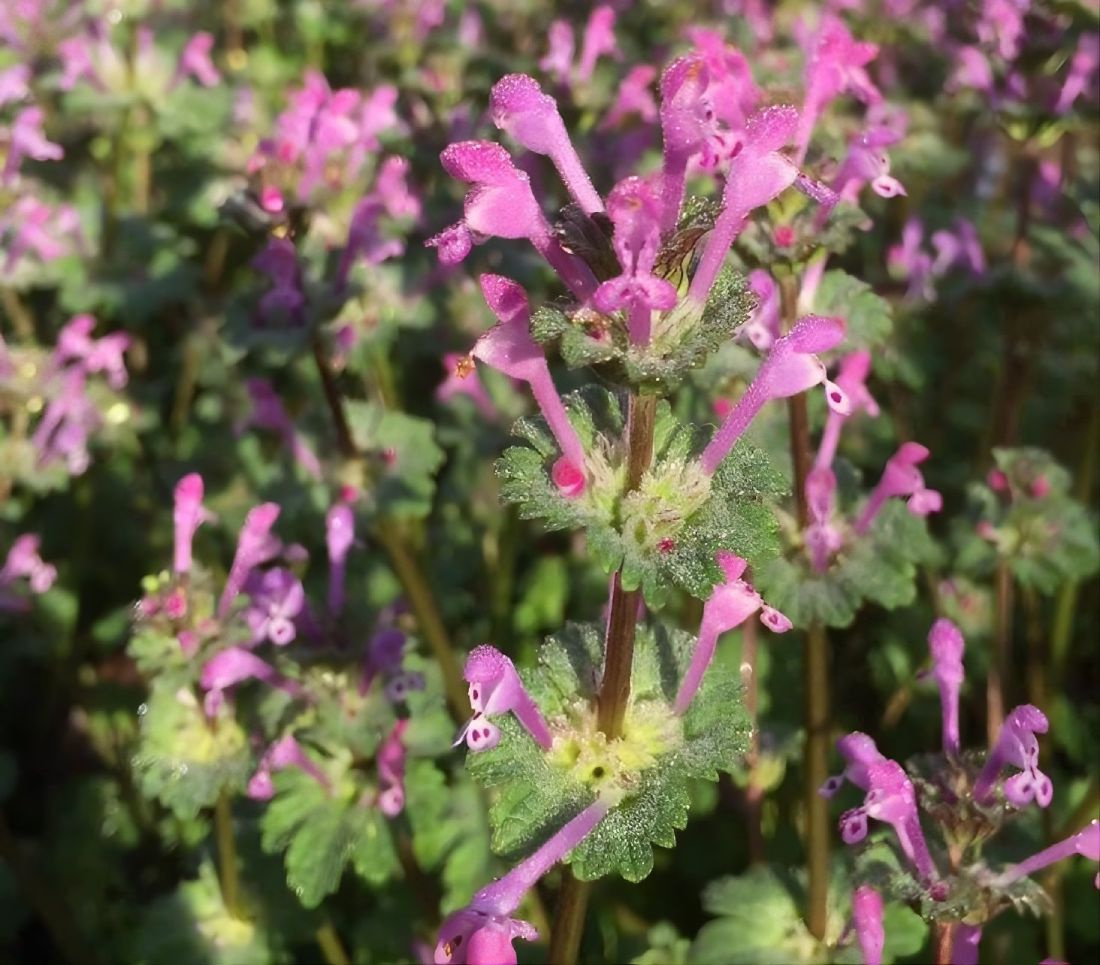
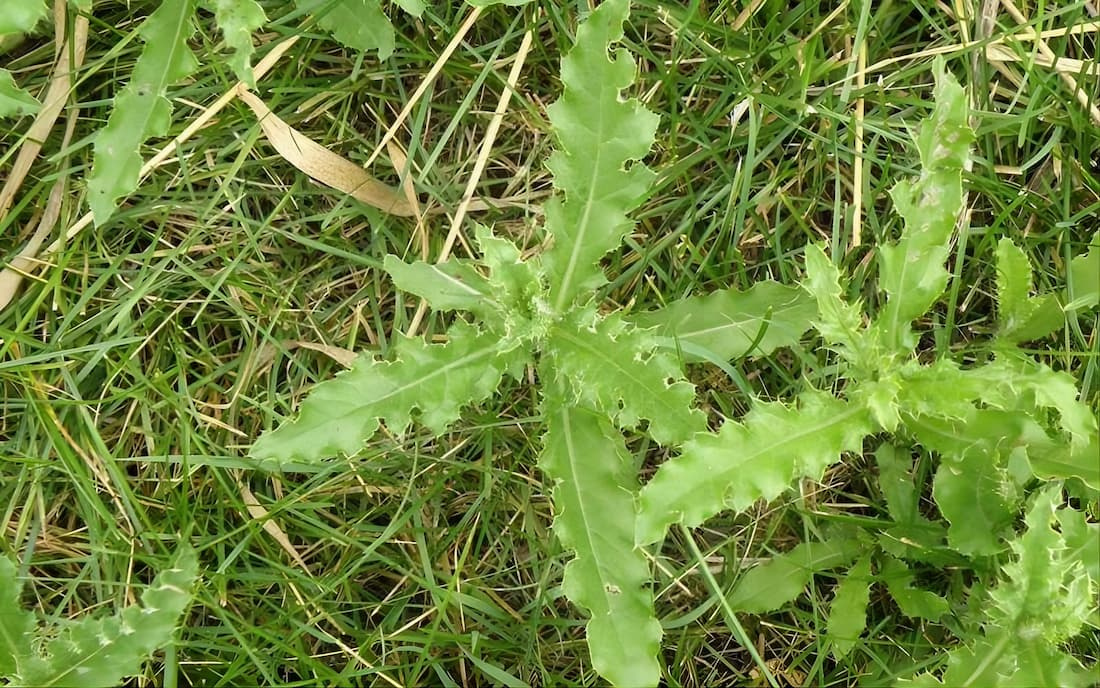
Canada Thistle
Weed Type: Broadleaf (thistle, sunflower family)
Life Cycle: Rhizomatous perennial (creeping-root)
Pull: No — pulling an established patch makes it denser
The creeping-root colony
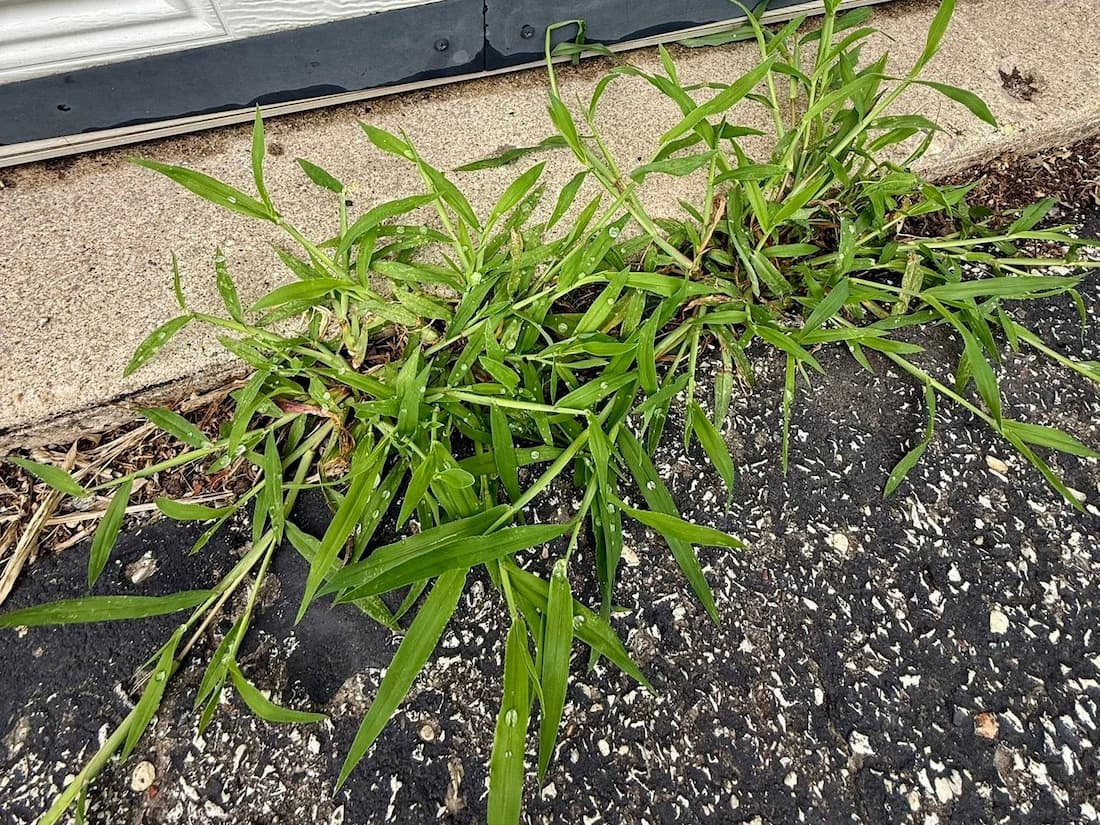
Crabgrass (Large/Smooth)
Weed Type: Grass
Life Cycle: Summer annual
Pull: With Caution
Beaten only by timing
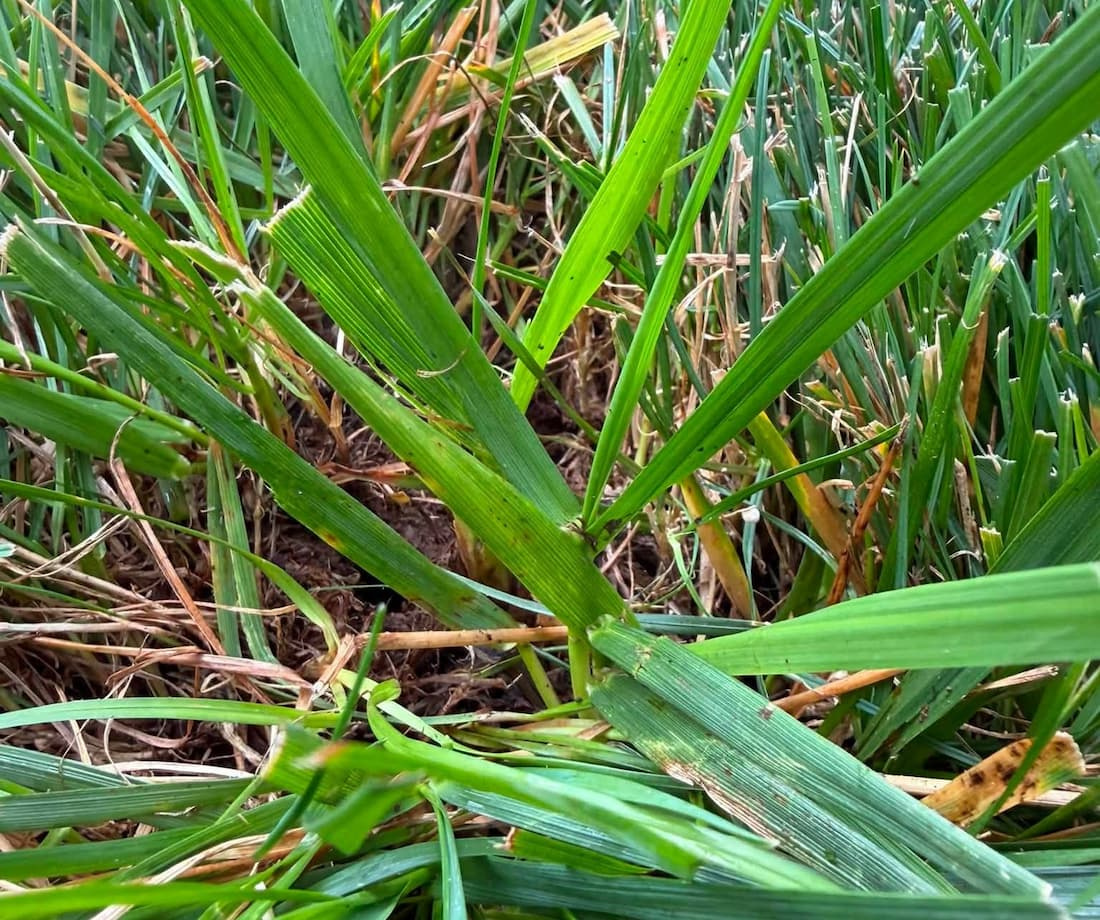
Quackgrass
Weed Type: Grass
Life Cycle: Rhizomatous perennial
Pull: No — pulling and digging multiply it
Chop it, spread it
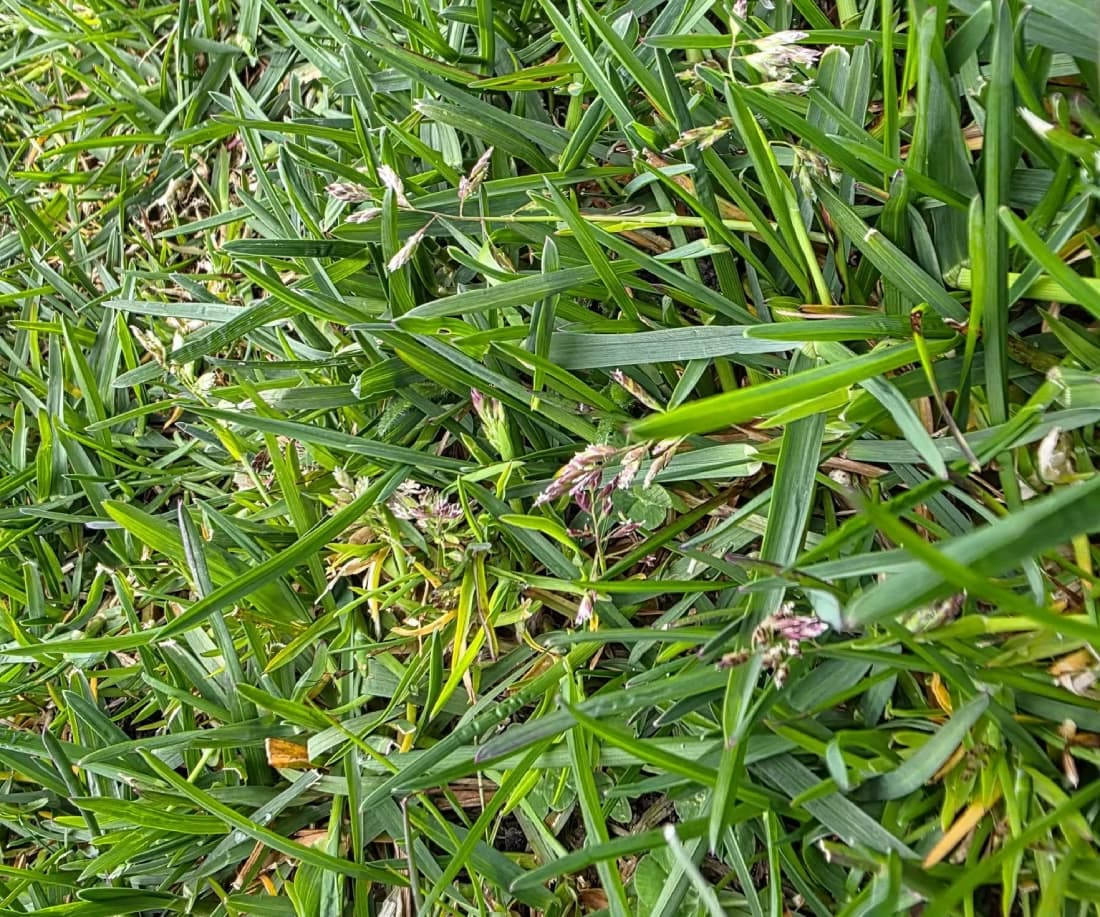
Annual Bluegrass (Poa Annua)
Weed Type: Grass
Life Cycle: Winter annual (a creeping perennial form exists, but only on golf greens)
Pull: With Caution
The winter seed machine
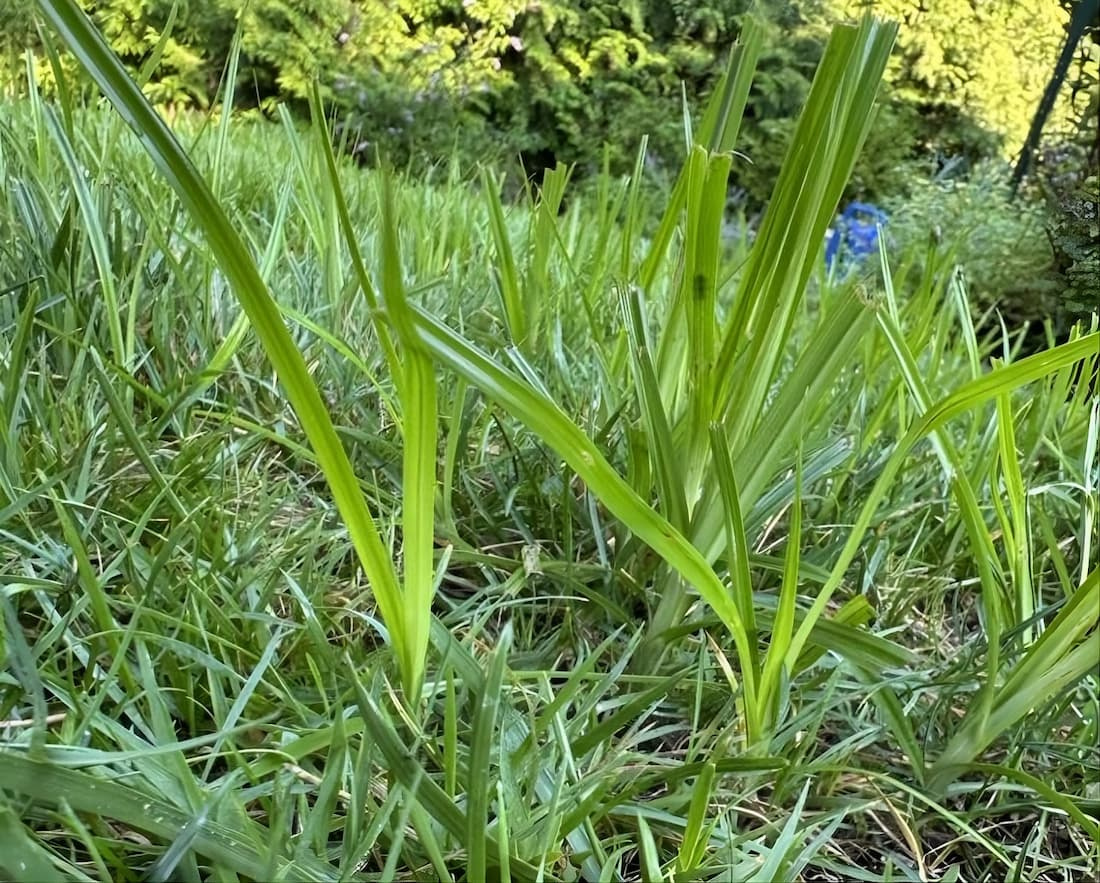
Yellow Nutsedge
Weed Type: Sedge (not a grass, not a broadleaf)
Life Cycle: Tuberous perennial
Pull: No
The pull-and-multiply trap
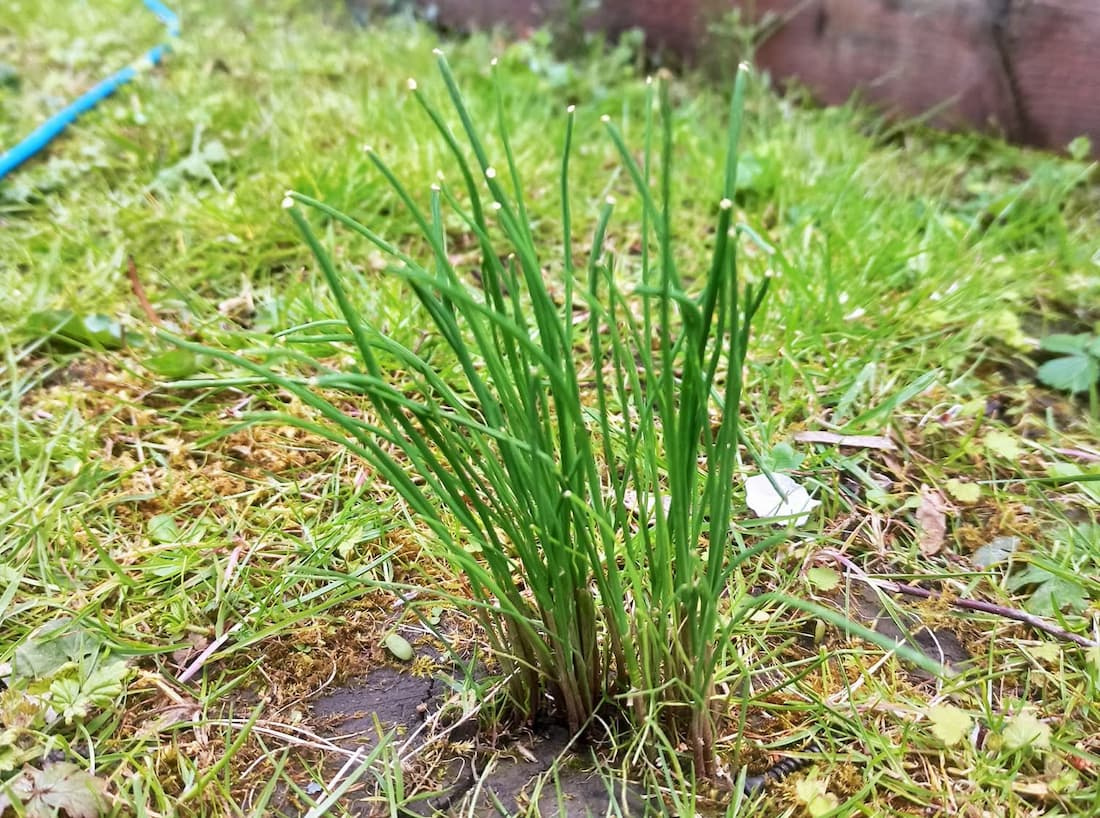
Wild Garlic
Weed Type: Bulb-forming monocot (Allium) — not a true grass or broadleaf
Life Cycle: Bulbous perennial
Pull: No
The five-year comeback
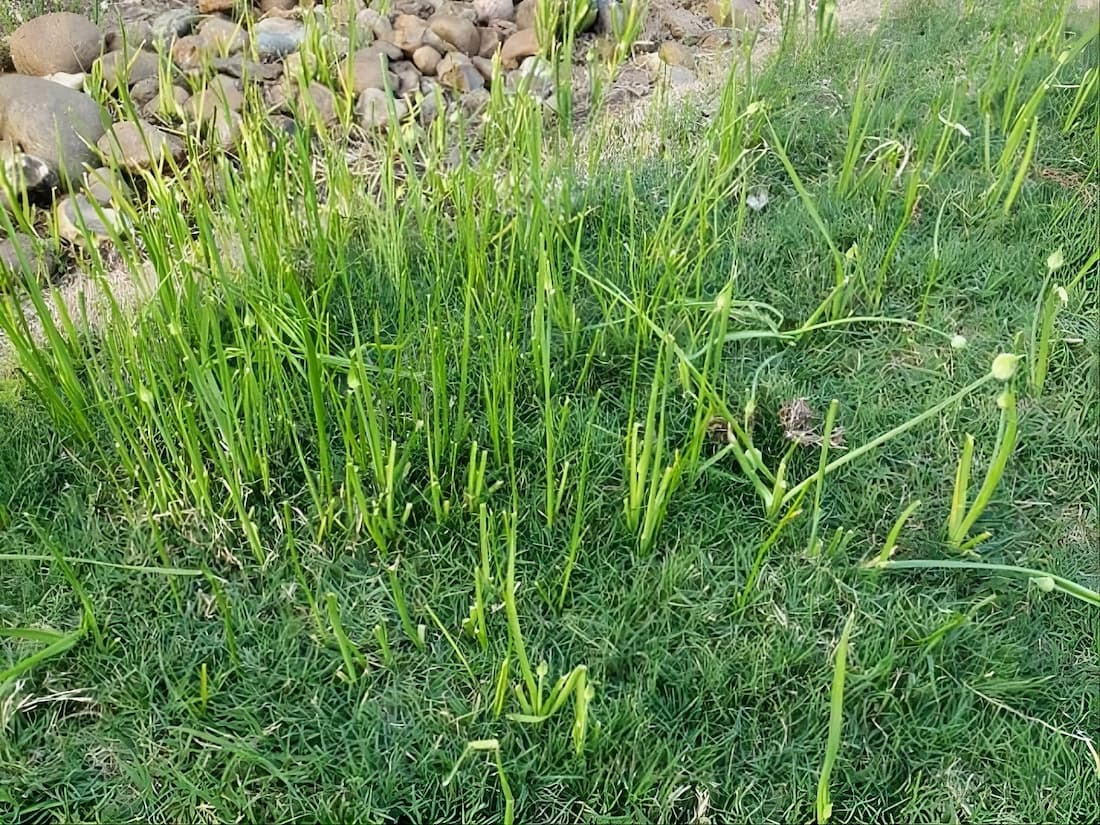
Wild Onion
Weed Type: Monocot — an onion relative, not a true grass, sedge, or broadleaf (controlled with broadleaf/systemic chemistry, not grass herbicides)
Life Cycle: Bulbous perennial (cool-season active)
Pull: No (With Caution)
Snaps off, grows back
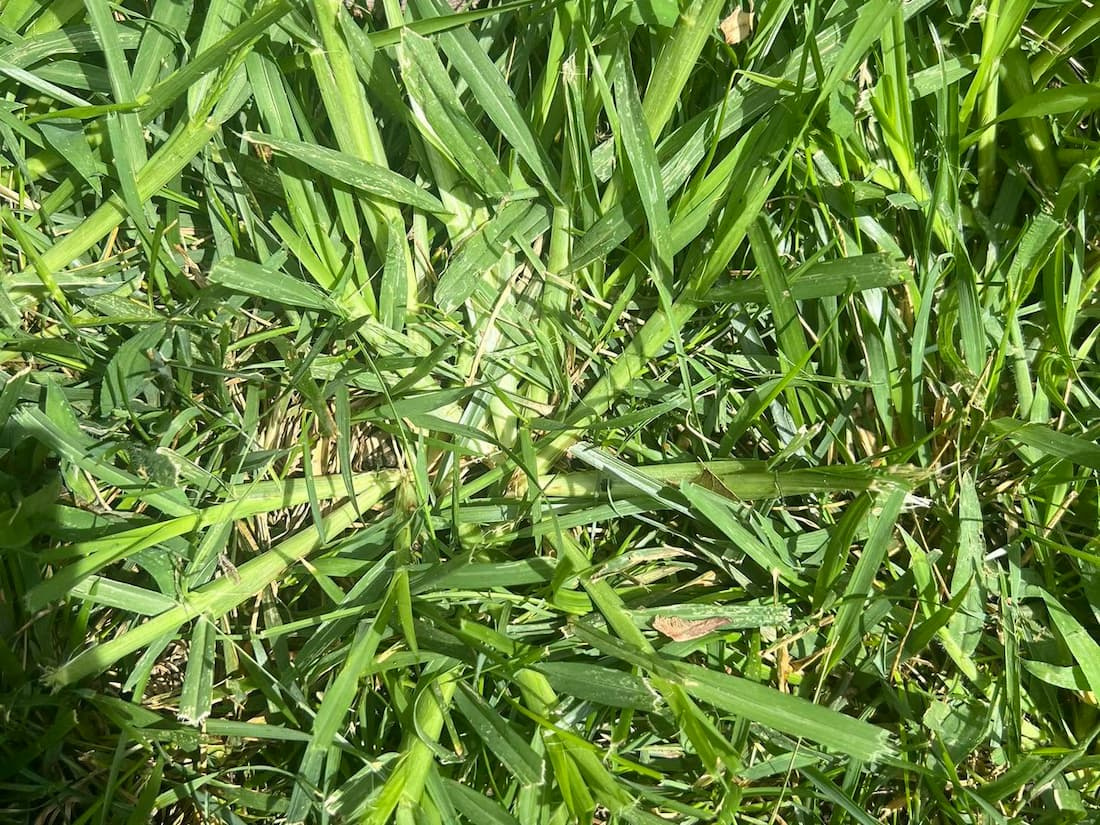
Goosegrass
Weed Type: Grass
Life Cycle: Summer annual (can act as a short-lived perennial only in frost-free areas like south Florida)
Pull: With Caution
The Crabgrass impostor
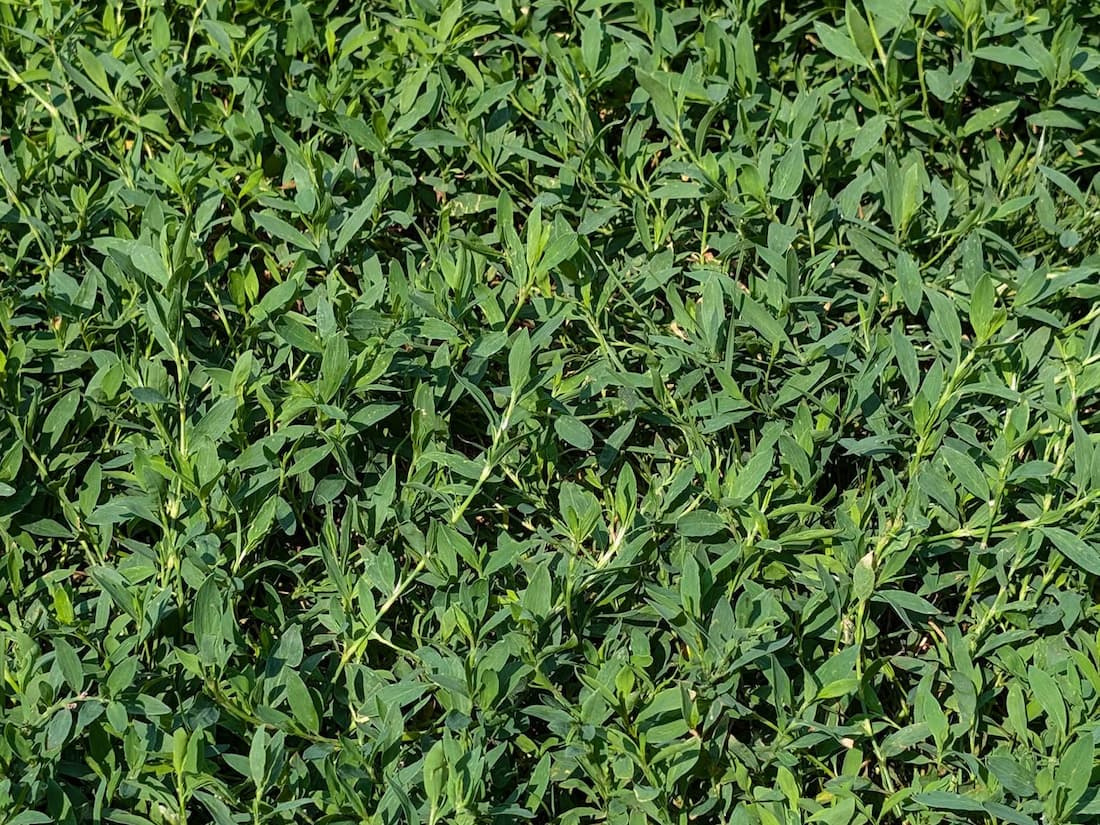
Prostrate Knotweed
Weed Type: Broadleaf
Life Cycle: Summer annual
Pull: With Caution
Up before your preventer
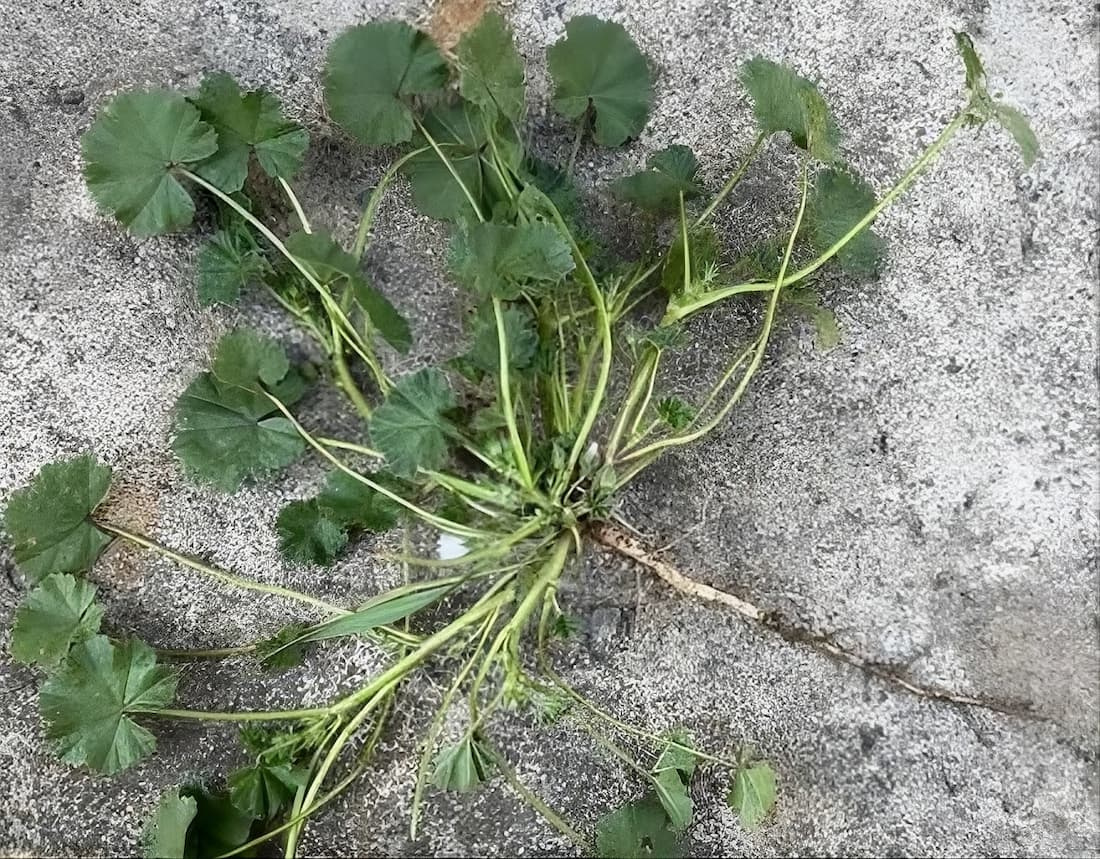
Common Mallow
Weed Type: Broadleaf
Life Cycle: Winter annual / biennial / short-lived perennial (highly plastic — behaves perennial in the warm South)
Pull: With Caution
The decades-deep seed bank
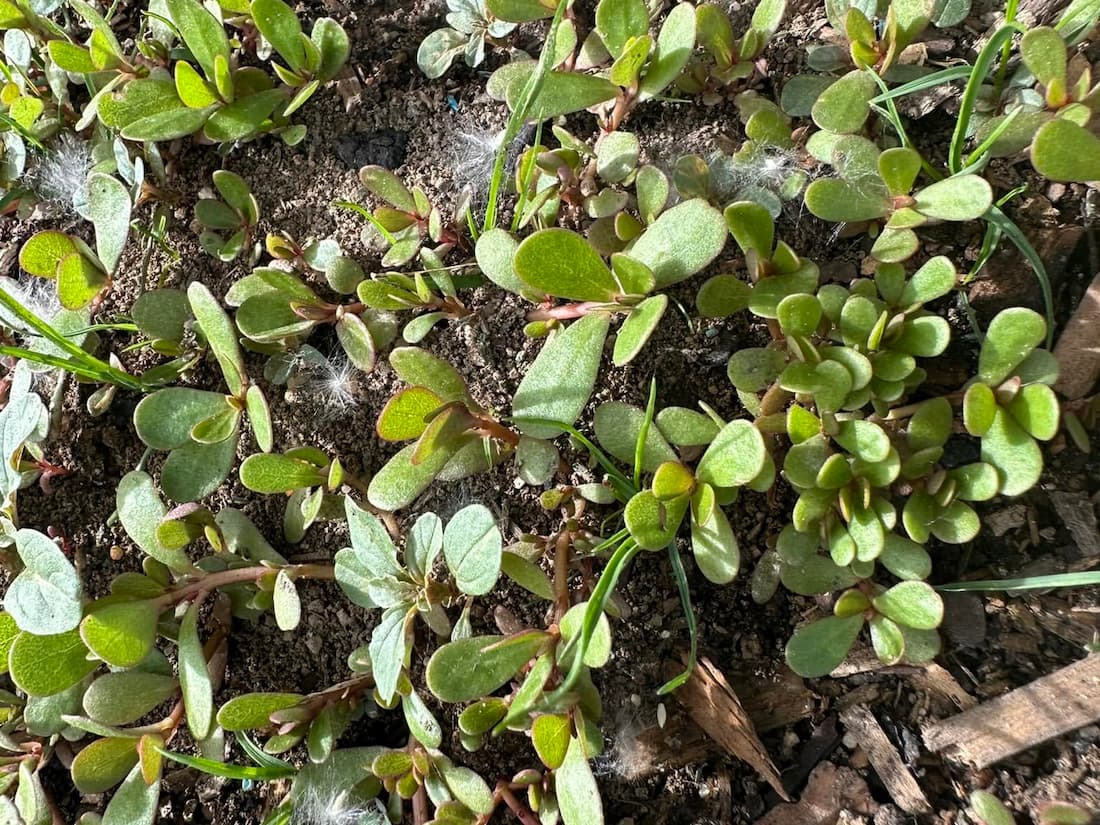
Common Purslane
Weed Type: Broadleaf
Life Cycle: Summer annual
Pull: With Caution
The weed that regrows from what you pull
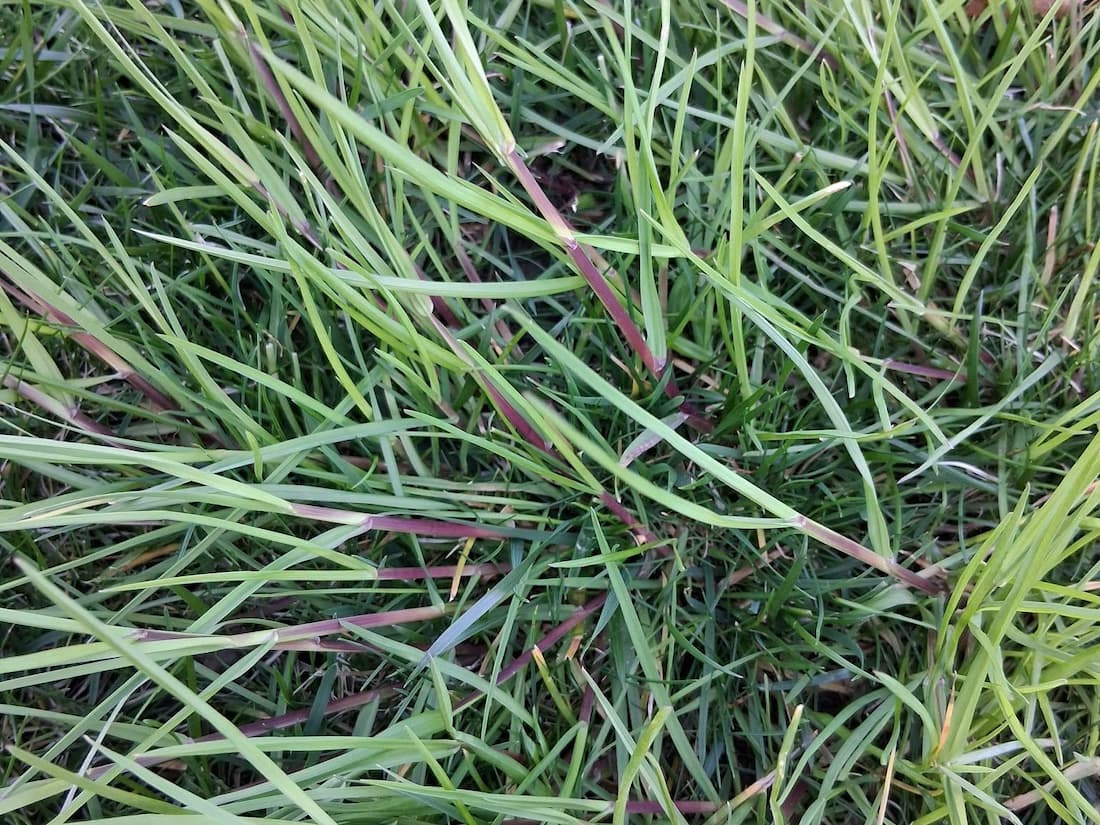
Rough Bluegrass
Weed Type: Grass
Life Cycle: Cool-season perennial (spreads by stolons)
Pull: With Caution
The grass you can’t spray away
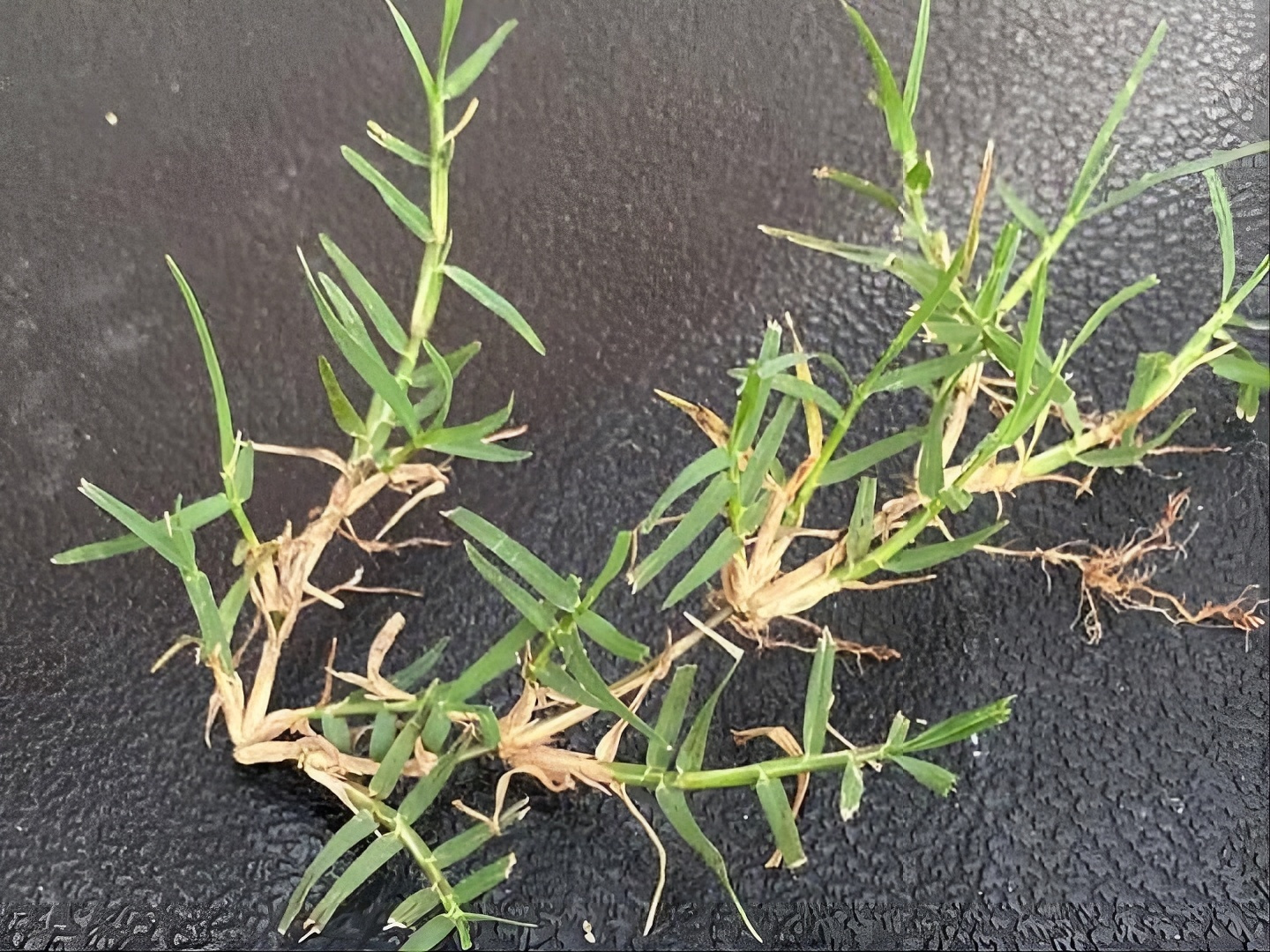
Kikuyugrass
Weed Type: Grass
Life Cycle: Perennial — spreads by stolons and rhizomes
Pull: With Caution
One node, one new plant
The Root Cause: Soil & Environment
Weeds are symptoms of soil imbalances. While a “Battle Plan” provides a quick fix, permanent prevention requires addressing the environment that invited them. Identifying your soil’s traits allows you to eliminate conditions like compaction or acidity that favor weeds over your plants.
Explore our soil hubs to master the drainage, pH, and nutrients needed for a healthy, weed-free landscape.
Soil Profile Tool
Identifying your soil is the key to precision maintenance. Use the MFY builder to document your yard’s unique layers and gain a clear picture of your property’s hidden environment.
Build Profile
Stop the Cycle: Safe & Effective Weed Control
Dealing with weeds shouldn’t mean saturating your yard in chemicals. Most homeowners get stuck in a frustrating cycle where weeds keep returning despite heavy spraying. Our “One-and-Done” strategy focuses on surgical precision to protect your family and soil while stopping the invasion for good.
By timing your treatment to the weed’s biological weakness, you can achieve a pristine landscape using the lowest effective dose. This targeted approach ensures your lawn stays healthy and your local ecosystem remains balanced.