
Soil Condition Hub
Your definitive guide to the dynamic, living health of your landscape. This hub tracks the biological and chemical levers that define your soil’s current state, providing direct access to detailed profiles for every critical health vital. Access structured, data-backed insights into conditions like salinity, pH, and compaction for a comprehensive understanding of how your ground is behaving and exactly what it needs to thrive.
The Dynamics of Soil Condition
Soil condition represents the active, living health of your landscape, shaped by the biological and chemical processes occurring within the ground. Unlike soil texture, which remains a fixed environmental constant, these conditions are dynamic variables that shift based on weather, management, and time. These “vitals” act as the biological and chemical levers of your yard, determining whether nutrients are actually accessible to root systems or if oxygen and water can penetrate the surface. Understanding this shifting state is the difference between fighting a “problem” and managing a foundation that is responsive to your care.
The MFY registry categorizes soil conditions—from pH imbalances and high salinity to structural compaction—providing a data-backed look at how each state affects your yard’s performance. While texture dictates your land’s physical capacity, its condition determines its current performance, influencing everything from microbial activity to the efficiency of your fertilization. By identifying your soil’s current state, you move away from reactive troubleshooting and toward proactive stewardship of your property’s health. This hub serves as a comprehensive directory of these active profiles, offering the technical insights needed to master the biological and chemical environment of the ground you are working with.
Does Soil Chemistry Feel Like a Foreign Language?
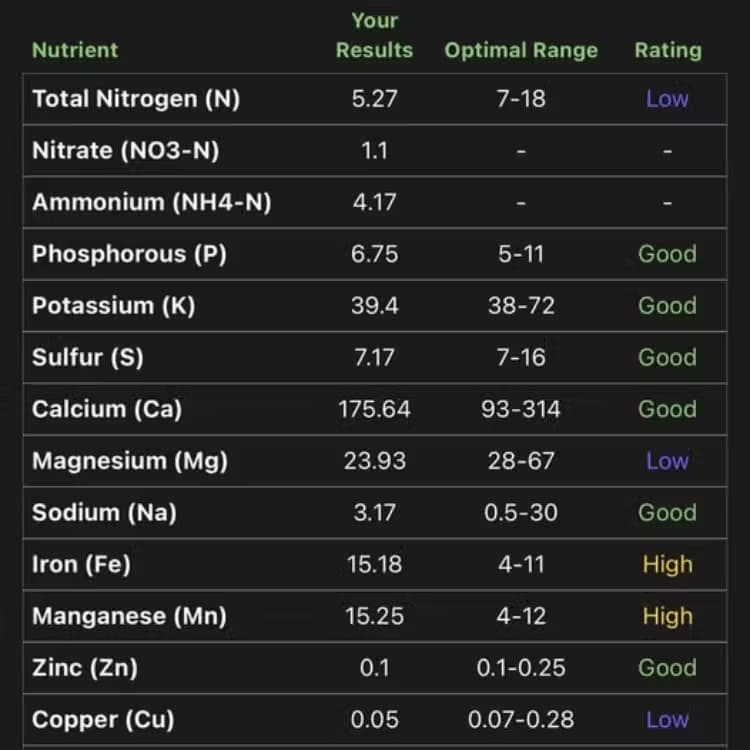
We developed a tool that doesn’t feel like a science project, even though its engine is powered by data-backed research and proven methods. Decoding chemical symbols and parts-per-million values can feel like reading a foreign language, but understanding your ground shouldn’t require a degree.
Our tool is free to use, no account creation is required, and it translates complex lab jargon into a clear, actionable profile. We help you create a personalized “vitals” report that you can always come back to, giving you a permanent reference for your property’s health. See for yourself how our simplified analysis can help you finally understand the truth about your soil’s performance.
Explore the Soil Condition Profiles
We explain each soil condition in detail to help you navigate the shifting health of your land. The cards below guide you to an individual profile for each condition, where we explore the biological and chemical levers that dictate your yard’s performance. Use this registry to monitor your ground’s health vitals and master the specific, data-backed actions needed to keep your landscape in peak condition.
Hydrological (Water)
Waterlogged/Poor Drainage
Observations: Standing water, spongy turf, rotten-egg smell
Remediation Difficulty: High
Recovery Timeline: Multi-year
Diagnostic Method: Under 1 inch/hour
Water cannot leave, so roots suffocate and the soil turns sour
Hydrophobic (Water-Repellent)
Observations: Water beads on the surface and runs off
Remediation Difficulty: Low
Recovery Timeline: Seasonal
Diagnostic Method: Beads over 60 sec
Soil that repels water instead of absorbing it, leaving patches permanently dry
Chemical (PH & Minerals)
Acidic (Low pH)
Observations: Moss spreading through thinning turf
Remediation Difficulty: Moderate
Recovery Timeline: Multi-year
Diagnostic Method: pH below 6.0
Where moss takes over, phosphorus locks up, and aluminum turns toxic
Alkaline (High pH)
Observations: Yellow leaves with dark green veins
Remediation Difficulty: High
Recovery Timeline: Multi-year
Diagnostic Method: pH 7.3+, no fizz
High pH without free lime, which means it can actually be corrected
Neutral pH
Observations: Dense turf, deep roots, plenty of earthworms
Remediation Difficulty: Low
Recovery Timeline: Short-term
Diagnostic Method: pH 6.0 to 7.2
Your soil test came back fine, so here is what to do with that
High Salinity (Salty Soil)
Observations: White crust on soil, scorched leaf tips
Remediation Difficulty: High
Recovery Timeline: Seasonal
Diagnostic Method: EC above 4 dS/m
Salt in the root zone stops plants drinking, even in wet soil
Calcareous (Chalky)
Observations: White leaves with green veins, chalky fragments
Remediation Difficulty: High
Recovery Timeline: Multi-year
Diagnostic Method: Fizzes with vinegar
Chalky soil with free lime in it, which cannot be acidified at any practical rate
Physical (Structure)
Compacted
Observations: Thin turf, standing water, plantain and knotweed
Remediation Difficulty: Moderate
Recovery Timeline: Multi-year
Diagnostic Method: Stops at 2 inches
Squeezed so tight that neither roots nor water can move through it
High Organic Matter (Mucky/Peaty)
Observations: Black spongy soil, ground sinking each year
Remediation Difficulty: High
Recovery Timeline: Multi-year
Diagnostic Method: Over 20% organic
Bog soil that sinks when you drain it and repels water when it dries
Rocky or Shallow
Observations: Shovel hits rock, turf browns days after rain
Remediation Difficulty: High
Recovery Timeline: Multi-year
Diagnostic Method: Rock under 6 inches
Not enough soil to root into, and the one limit you cannot amend away
Nutritional
Low-Nutrient (Poor Soil)
Observations: Pale thin turf, clover and dandelion spreading
Remediation Difficulty: Moderate
Recovery Timeline: Multi-year
Diagnostic Method: CEC below 10
Nothing to hold nutrients, so fertilizer washes straight through
Expanding Your Landscape Insight
The biological success of your landscape depends on managing the active health vitals that allow your species to thrive. By aligning your plant and turfgrass choices with your soil’s current biological and chemical levers, you ensure your yard remains resilient and responsive to your care. Access our specialized databases to discover which varieties are best suited for your property’s specific profile.
Explore TurfsExplore PlantsThe Physical Foundation
While soil conditions are dynamic and shift with your management, your ground’s texture is a permanent physical trait. Understand the fixed mineral structure of your land and how it dictates long-term drainage and aeration.
Explore Soil Textures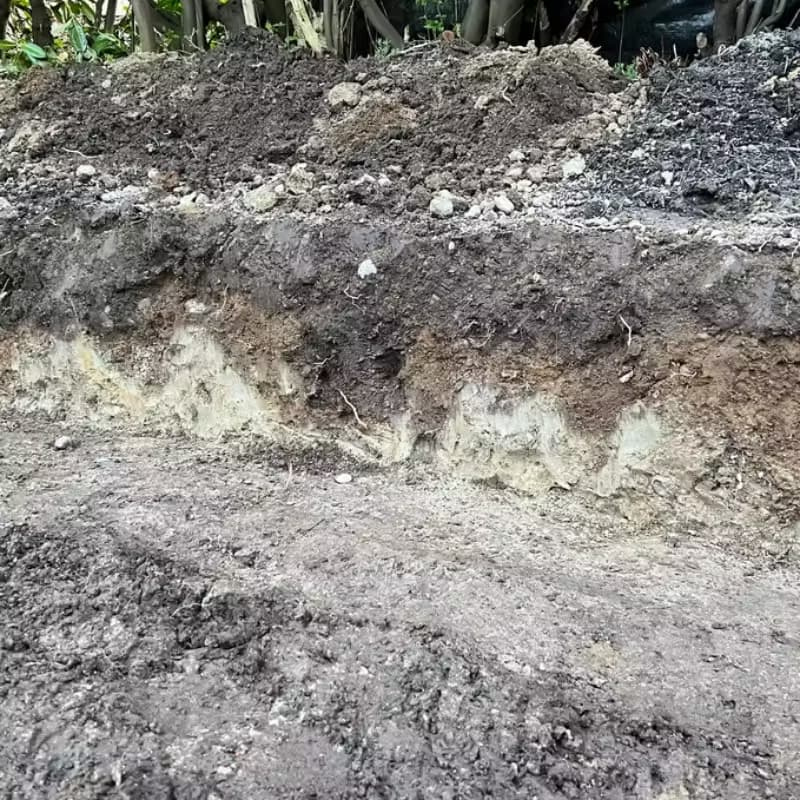
The “Clay Pot” Trap: Why Your New Plants Aren’t Growing
The most common hurdle homeowners face isn’t a lack of “green thumb”—it’s the frustration of planting into compacted soil. When you dig a hole in compressed ground, you’re essentially creating a smooth-walled “clay pot” that traps water and prevents roots from ever escaping. Even the best nursery-grown plants will eventually suffocate in these conditions. We’ve analyzed the most frequent landscape failures to help you identify when your ground is too tight for growth and how to fix the structure before you put another plant in the hole.
Learn How