
Observations: Standing water, spongy turf, rotten-egg smell
Waterlogged/Poor Drainage
Water cannot leave, so roots suffocate and the soil turns sour
Waterlogged/Poor Drainage At-a-Glance
Diagnostic Threshold
Under 1 inch/hour
Remediation Difficulty
High
Recovery Timeline
Multi-year
How to Identify Waterlogged/Poor Drainage
Waterlogged soil has water filling the pore spaces that should hold air. Once the soil goes past field capacity, oxygen is displaced, and root growth stops — not from too much water directly, but from the lack of oxygen that follows.
You will see water pooling long after rain stops, turf that feels spongy underfoot, algal scum, and moss creeping in. Dig into it and the soil is dark and dull and smells of rotten eggs. That smell is hydrogen sulfide, produced by bacteria that have run out of oxygen and switched to breathing sulfate instead.
The test costs nothing. Dig a hole 12 inches deep and wide, fill it, let it soak overnight, refill it in the morning and time the drop. Under 1 inch per hour is poor drainage. Under half an inch per hour is severe.
Forensic Signs
Confirming evidence, and how to rule out the conditions that look similar:
- A rotten-egg smell from freshly dug soil. This is definitive — hydrogen sulfide only forms when soil has been oxygen-free for a while.
- Dull gray, blue-gray, or greenish-gray subsoil. Called gleying, it happens when bacteria strip oxygen from iron minerals and the soil loses its rust color.
- Orange or rust-colored mottles among the gray, marking old root channels where oxygen occasionally reached.
- Earthworms on the surface after rain, driven up by suffocation.
- Moss, algae, and turf that stays flattened where you walked.
- Soil that is wet all the way down. Hydrophobic Soil looks similar from above but is dry and dusty immediately under the puddle.
Where It Shows Up
Waterlogging is about landscape position first. Low spots, swales, foot slopes, and the depressions left behind by residential grading collect water that has nowhere to go.
Fine-textured soils make it worse because their pore networks are narrow and slow. Clay, Silty Clay, Silty Clay Loam, and Clay Loam are the classes where a low spot becomes a standing problem rather than a passing puddle.
Three other causes are worth checking before you blame the soil. A high seasonal water table means drainage has nowhere to discharge. A dense subsoil pan, often left by construction equipment, blocks water several inches down while the surface looks fine. And over-irrigation produces the same symptoms on soil that drains perfectly well — check your controller before you dig a trench.
Why Precision Matters: Treating the Root Cause
Noticing that your grass looks "off" or that water is pooling is a great start, but in yard care, the symptoms of different conditions often look exactly the same. Guessing whether your soil is acidic or just low on nutrients often leads to wasted effort and money on treatments that don't work. To truly fix a problem, you need a precise diagnostic that moves beyond a simple hunch.
We’ve built a specialized tool to give you that clarity. It’s completely free (and always will be), requires no signup or email, and is designed so you can return to your results whenever you need to adjust your recovery plan.
The MFY Soil Profile Builder
Our tool helps you move from observing a symptom to identifying the actual condition. By guiding you through simple field tests and sensory checks—like checking your soil’s pH or physical resistance—the tool handles the interpretation for you, delivering a clear diagnostic profile. This ensures you aren't just treating the "look" of your yard, but are addressing the specific state of your soil so it can get back to supporting healthy growth.
Build Your ProfileThe Diagnostic & Recovery Roadmap
Plants do not drown in water. They suffocate. Roots need oxygen to respire, and once the pore spaces fill, the supply is cut off within a day or two. After that roots switch to a fermentation pathway that burns through their stored carbohydrates and produces alcohol, and root tips start dying within 48 to 72 hours. Everything on this page follows from that clock.
Biological Impact
Root tips break down within 48 to 72 hours of saturation. Most cool-season turfgrasses die back after 4 to 7 days of continuous summer submersion — though the same lawn survives far longer under cool spring or fall water, because everything is metabolizing more slowly.
Meanwhile the pathogens that need these conditions move in. Pythium root rot and Phytophthora are water molds, and saturated soil is what they are built for. Aerobic fungi and nitrifying bacteria go quiet, and earthworms leave or suffocate.
Chemical Blockade
Starved of oxygen, soil microbes start breathing other things in a fixed order. Nitrate goes first, converted to nitrogen gas and lost to the air — so a wet spell costs you fertilizer you already paid for.
Manganese and iron oxides are reduced next into soluble forms that can reach toxic concentrations. Soil pH drifts toward neutral. Phosphorus availability actually rises slightly as iron phosphates dissolve, but by then the roots are too damaged to take up anything.
Immediate Stabilization
Before any drainage work, stop the damage this week.
- Turn the irrigation system off completely. Over-watering causes more waterlogged lawns than bad soil does.
- Sink a garden fork 4 to 6 inches deep across the wet area and rock it gently. It opens temporary channels for air to reach the roots.
- Divert surface runoff away with a temporary berm or shallow swale so nothing new arrives.
- Keep all foot traffic and mowers off. Saturated soil compacts under any weight, which makes drainage worse permanently.
- Raise the mowing height. More leaf area means more water pulled out through transpiration.
Structural Remediation
Real correction means building a physical path for water to leave. All three options work; they differ in cost and disruption.
- French drain — 4-inch perforated pipe in geotextile fabric, bedded in washed drain rock, sloped at least 1 percent to an outfall. Roughly $20 to $35 per linear foot. Works the day it is finished.
- Regrading — reshaping to at least 2 percent fall away from beds and foundations. Around $1,000 to $4,000 per 1,000 sq ft.
- Rain garden — an excavated basin backfilled with roughly 70 percent coarse sand, 15 percent fines, 15 percent compost. About $5 to $15 per sq ft.
- When not to bother: if the seasonal water table sits within 6 inches of the surface and there is no lower point to drain to, subsurface drainage has nowhere to discharge. Switch to wet-site plants or raised beds instead.
Prevention Rhythm
Keeping drainage channels open is cheaper than rebuilding them.
- Core aerate every fall with hollow tines pulling plugs to 3 inches, to maintain vertical drainage pores.
- Topdress a quarter inch of mature compost right after aerating so the channels stay open.
- Keep thatch under half an inch. A thick thatch layer holds water at the surface like a sponge.
- Audit the irrigation system twice a year against actual weather rather than leaving a fixed schedule running.
- Stay off the lawn when it is saturated, in every season. This is the single biggest preventable cause.
The Strengths & Challenges of Waterlogged/Poor Drainage
The Bright Side:
Plants in these areas ride through summer heatwaves and droughts without the wilting seen on freely drained soil.
Supports a genuinely beautiful wetland plant palette that dry sites simply cannot grow.
Needs no summer irrigation at all, which removes both cost and one whole maintenance job.
Wet areas can be turned into rain gardens that manage runoff for the whole property rather than being a defect.
The Main Hurdles:
Root tips start dying within 48 to 72 hours of saturation, and most cool-season turf is lost after 4 to 7 days.
Encourages Pythium and Phytophthora root rots, which are water molds that thrive in exactly these conditions.
Loses applied nitrogen to the air as microbes strip oxygen from nitrate during saturated spells.
Proper correction means installed drainage, which is the most expensive fix on this hub.
Condition Compatibility & Relationships
Plants That Love This Condition
Wetland plants do not merely put up with saturation — they have internal air channels called aerenchyma running from leaf to root tip, which pipe oxygen down to roots the soil cannot supply. That is the mechanism, and it is why these species look better in a wet spot than anything you could rescue with drainage.
Trees
- River Birch — a floodplain native, genuinely at home in seasonally saturated ground.
- Red Maple — adaptable across the whole moisture range, from standing water to summer dryness.
- Bald Cypress and Swamp White Oak — both built for wet ground and long-lived where other trees fail.
Shrubs and perennials
- Inkberry Holly — a wet-tolerant evergreen, which is a rare and useful combination.
- Buttonbush and Red Twig Dogwood — both handle extended standing water and spread to hold ground.
- Louisiana Iris and Siberian Iris — reliable, showy, and they multiply in conditions that kill most perennials.
- Joe-Pye Weed and Swamp Milkweed — deep-rooted natives that thrive here and support pollinators.
Grasses That Love This Condition
Very few turfgrasses genuinely tolerate saturation, and the ones that do have the same anatomy as wetland plants — internal air channels carrying oxygen down to the roots.
- Seashore Paspalum — the most saturation-tolerant turfgrass available, with well-developed root aerenchyma. Limited to warm coastal regions, but where it fits it handles conditions nothing else will.
- Rough Bluegrass — genuinely tolerant of wet shade, which is the combination most cool-season lawns fail at. It is coarse-textured and spreads by stolons, so it patches rather than blending, but in a chronic wet spot that is a fair trade.
- Bermudagrass — surprisingly tolerant of periodic flooding for a warm-season grass, and it recovers aggressively once water recedes.
Be realistic about the limits. If an area holds standing water for days at a time every season, no turfgrass will hold there long term, and a rain garden or wetland planting will look better for a fraction of the ongoing effort.
Plants That Struggle In This Condition
The plants that die here have fine surface roots and no way to move oxygen down to them. What actually kills them is usually a water mold — Phytophthora or Pythium — which needs saturated soil to spread, so the plant is lost to disease rather than to the water directly.
- Japanese Maple — fine roots and no saturation tolerance whatsoever. One of the most common expensive losses in a wet spot.
- Boxwood — root rot is its principal killer and poor drainage is the principal cause.
- Lavender and Rosemary — Mediterranean shrubs that rot over a wet winter even where they handle the summer easily.
- Flowering Dogwood and Azalea — both want moisture without saturation, which is a narrower requirement than it sounds.
Raised beds 8 to 12 inches above grade with free-draining fill will grow all of these. Do not amend the planting hole alone — that creates a basin that collects water and drowns the plant faster.
Grasses That Struggle In This Condition
Most lawn grasses fail in saturated soil. Two are worth naming because they are so widely planted that people assume they will cope.
- Fine Fescues — the least saturation-tolerant common cool-season grass by a clear margin. They have no root aerenchyma and their crowns rot quickly in wet ground. Their reputation as the low-input choice comes entirely from well-drained sites.
- Kentucky Bluegrass — dies back after 4 to 7 days of summer submersion and is slow to recolonize the bare patch afterward, so wet spots tend to become permanent thin areas.
- Creeping Bentgrass — sometimes suggested because it tolerates moisture, but it needs daily mowing and preventive fungicide, and Pythium pressure in wet soil is exactly what it is most vulnerable to.
Before reseeding a wet area, fix the drainage or change the plan. Reseeding the same grass into the same conditions gets the same result.
Deep Dives & Practical Guides
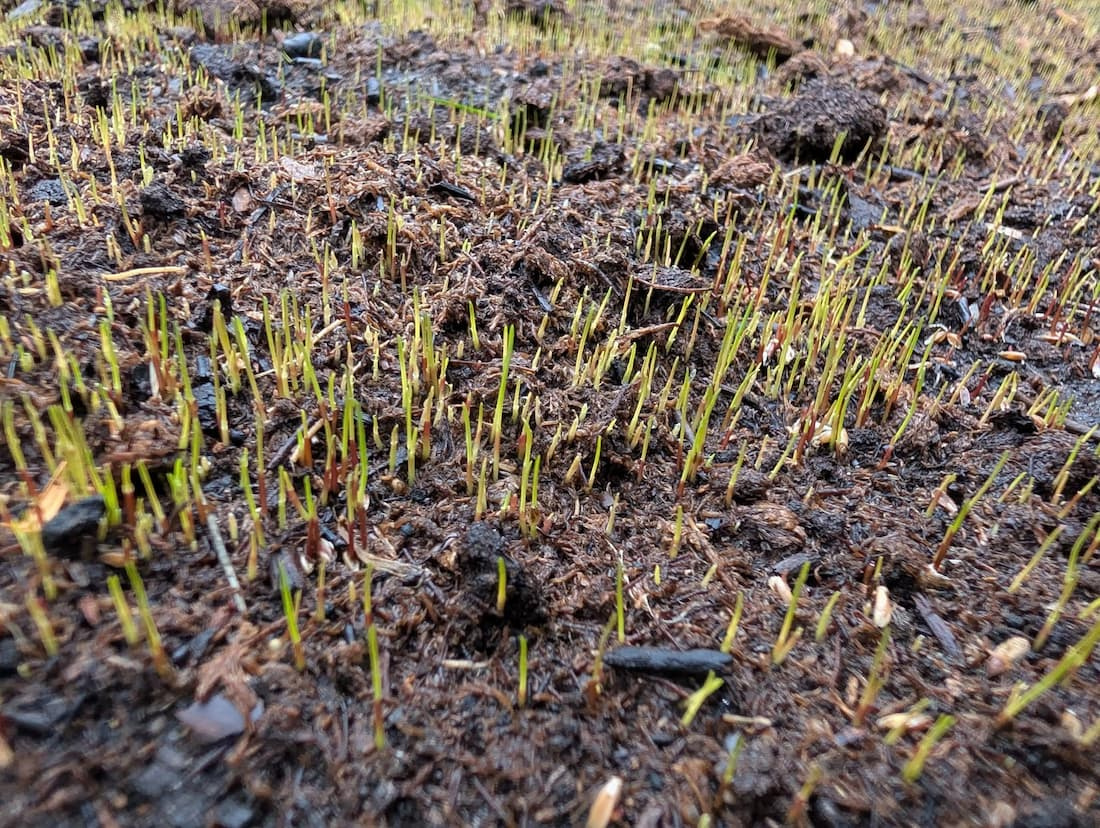
How to Establish a New Lawn From Bare Soil to First Mow
Bare soil doesn't turn into a lawn just because you scattered seed or rolled out sod — it becomes one based on a handful of specific steps done in the right order, matched to your specific grass. This guide walks through soil prep, seeding or planting method, starter fertilizer, watering as the grass grows, and knowing when it's actually safe to mow, for both cool-season and warm-season lawns.
Read Article
Cool Season vs Warm Season Lawn and Landscape Guide
Your lawn and your flower beds don't follow the same calendar — one runs on a cool-season engine, the other on a warm-season one, and using the wrong playbook on either can do real damage. This guide helps you figure out which system you actually have and how to care for it correctly, plus how the same cool/warm split applies to your ornamental beds.
Read Article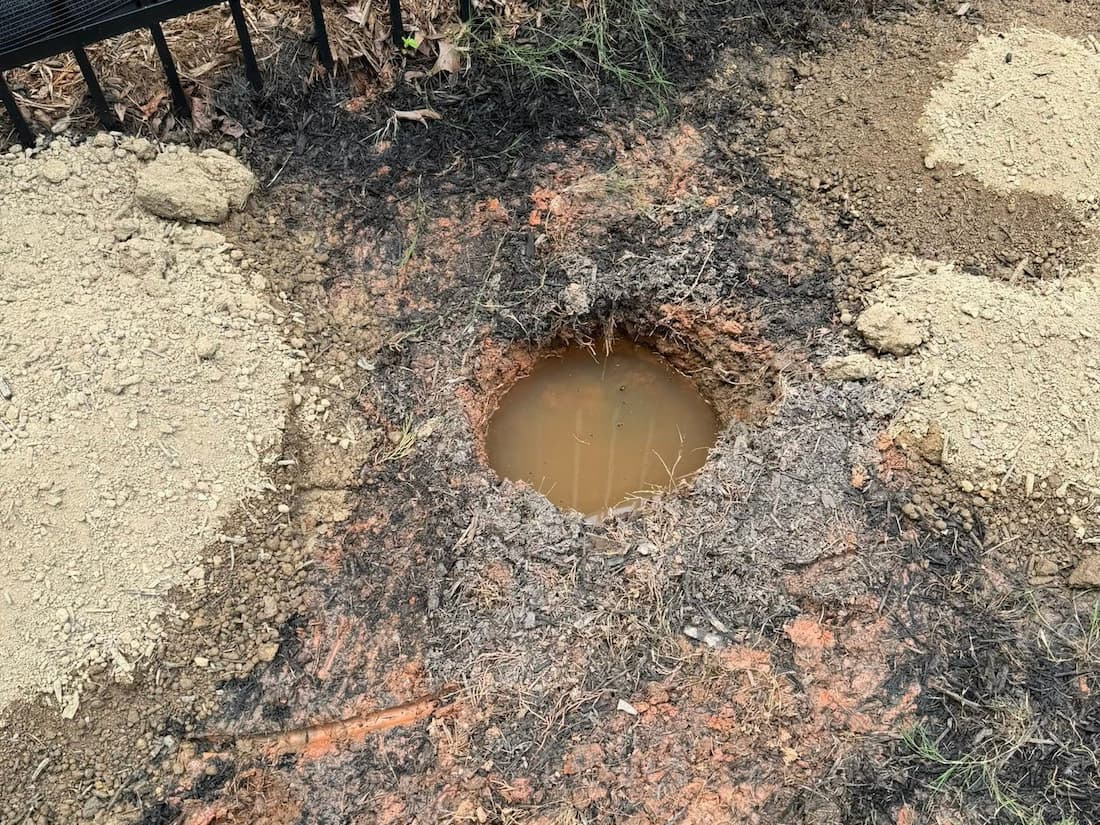
The Hole You Dug Is Killing Your New Plants
A shrub that looked fine all summer and stalled the next year usually didn't fail because of the plant, the weather, or the nursery. It failed because the hole it went into was a container — smooth-walled, water-holding, and impossible to root out of.
Read Article
What You Can Actually Change About Bad Soil
Heavy clay and loose sand feel like permanent sentences, and half of that is true. What your soil is made of will not change. How those particles are arranged will — and that is the half that decides whether anything grows.
Read Article
Why Your Plants Survive Winter and Die in July
Your hardiness zone is built from one number — the coldest night of an average year. It says nothing about the hottest afternoon, which is what actually kills most plants people lose. Here's how to read the other half of the map.
Read Article
Why Poa Annua Keeps Coming Back — and the 3-Year Plan That Finally Ends the Cycle
You've pulled it. You've sprayed it. You've watched the little white seedheads mock you every single spring. And every fall, like clockwork, it's back — in the lawn, in the beds, in the cracks you didn't know you had. Here's the hard truth nobody at the big-box store will tell you: you're not losing because you're doing it wrong — you're losing because you're fighting the wrong enemy on the wrong timeline. Poa annua isn't a one-season problem, and once you understand why, the three-year plan below stops feeling like a chore and starts feeling like a countdown.
Read Article
How to Apply Herbicides Correctly in Your Lawn and Garden Beds
Getting real results from a weed product has almost nothing to do with the brand on the bottle and everything to do with matching the method to the moment — the right chemistry, in the right place, at the right time. Learn how to apply herbicides correctly across both your lawn and your garden beds, whether you’re stopping weeds before they sprout or killing the ones already growing, without wasting product or harming the plants you want to keep.
Read Article
How to Kill Weeds Where Two Lawns Meet Without Harming Your Neighbor’s Grass
Controlling weeds along a shared property line is where good intentions quietly backfire—the season that's safe for your own lawn is often the season the lawn next door is most easily harmed. Learn the seasonal timing collision behind most fence-line damage, and the two habits that prevent it—reading what's actually in the bottle and spraying directed instead of broadcast—so you can clear the weeds without hurting your grass, your neighbor's, or the peace between you.
Read Article
The Truth About One-and-Done Weed Control
Most homeowners lose the fight against weeds not because they work too little, but because they act before they understand. One-and-done weed control is real — but it only works when identification, timing, and the right tool all line up. This guide explains how that sequence works across your lawn and your ornamental beds, and how each weed page in the MFY hub puts it into practice for your specific invader.
Read Article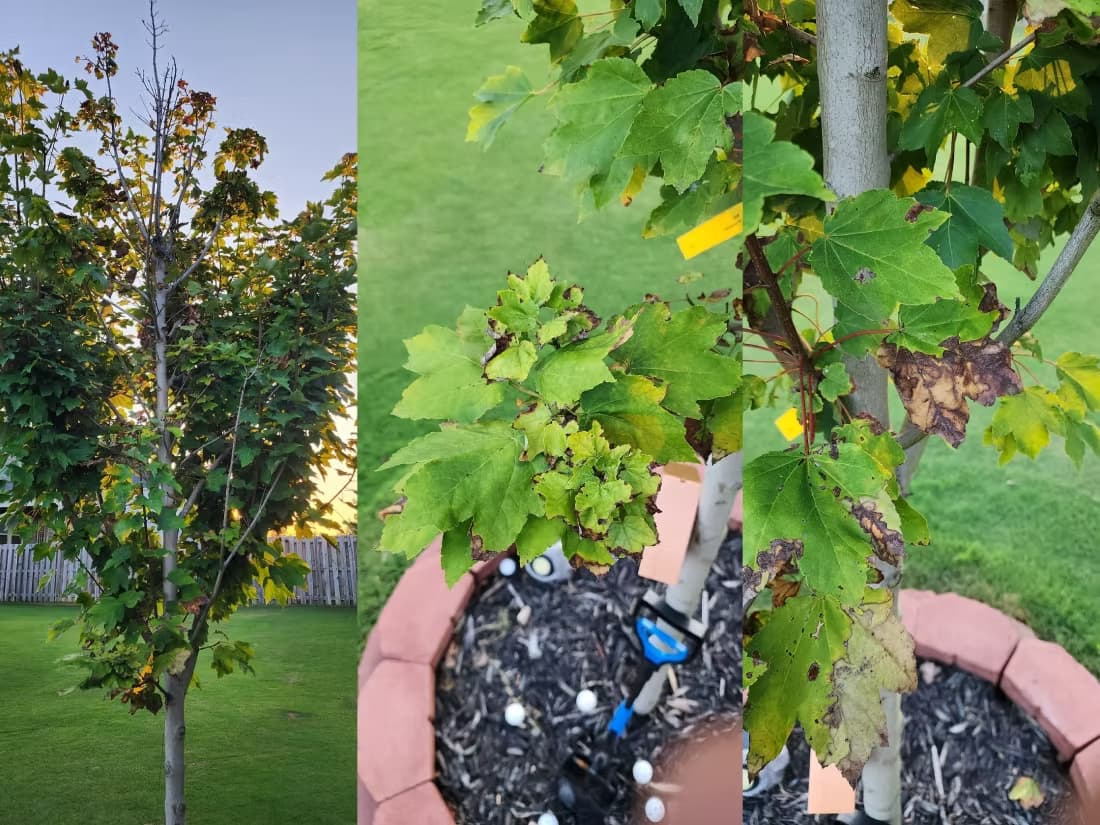
Solving the Mystery of the False Evidence in Your Lawn and Landscape
A brown leaf or a yellowing lawn is rarely what it seems. When symptoms act as decoys, a calm, forensic approach brings clarity to the confusion. Learn how to look past the surface to find the quiet truth of what your plants are truly asking for.
Read Article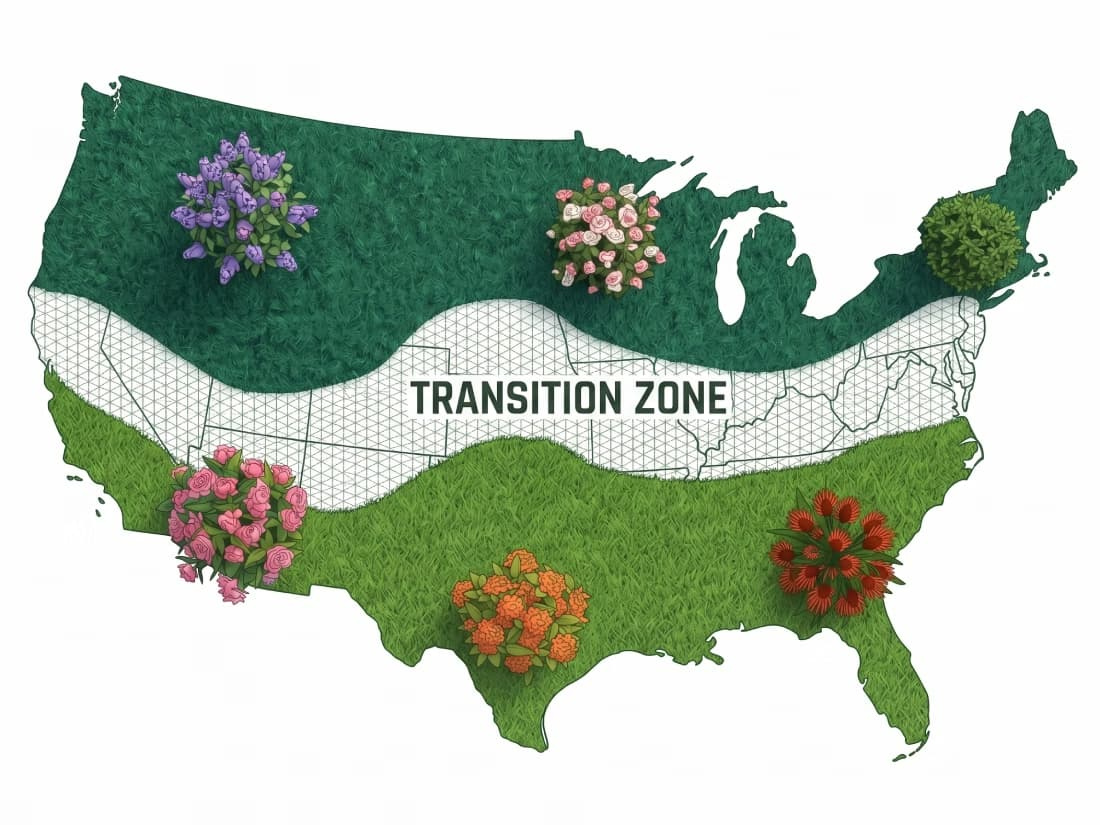
Living in the Middle: The Deep-Dive Guide to Transition Zone Lawns and Landscapes
The Transition Zone is a biological tug-of-war where neither northern nor southern species perfectly adapt. By using resilient "bridge" species and mastering maintenance levers like the Mowing Pivot, you can transform a struggling yard into a healthy landscape.
Read Article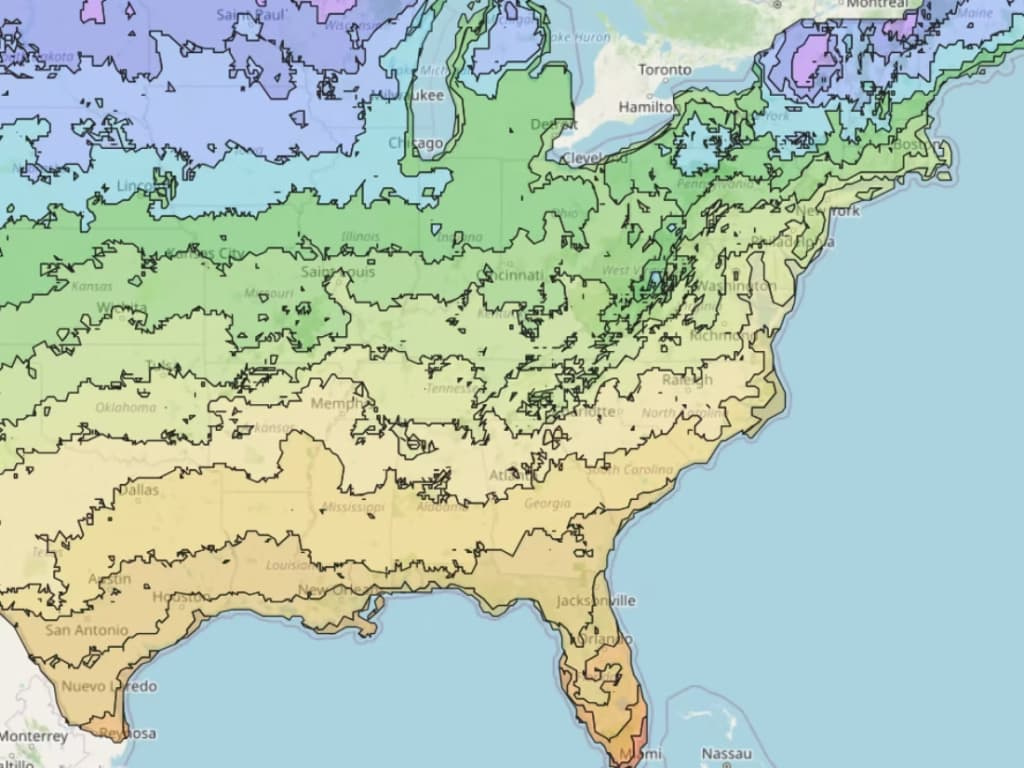
What Your Hardiness Zone Really Means for Your Lawn and Plants
Uncover the foundation of a resilient landscape by mastering the science of hardiness zones. Learn how these climate boundaries are calculated and why understanding your local temperature limits is the first step toward choosing plants that thrive year after year.
Read ArticleFrequently Asked Questions
These FAQs replace forum guesswork with research-backed data from leading agricultural institutions. We provide proven facts to ensure your yard care is grounded in the science of how your soil actually works.
Run a perc test. Dig a hole 12 inches deep and 12 inches wide, fill it with water and let it soak overnight so the surrounding soil is saturated. Next morning refill it to 12 inches and record the water level each hour. Dropping less than 1 inch per hour is poor drainage; less than half an inch per hour is severe. That is a soil property, not a weather event, and it will not change on its own.
That is hydrogen sulfide, and it is a reliable diagnosis. When soil runs out of oxygen, certain bacteria switch to breathing sulfate instead, and hydrogen sulfide is the byproduct. You only get that smell after the soil has been oxygen-free for a sustained period, so it confirms this is chronic rather than a one-off wet week. Look for gray or blue-gray subsoil color at the same time — the two travel together.
Usually the opposite, and the reason is worth understanding. Water does not readily cross a boundary between two different soil textures. Put gravel under a planting hole or sand over clay and water stops at the interface instead of passing through, so it sits in the root zone rather than draining. This is why gravel in the bottom of a pot makes drainage worse, not better. If you are adding topsoil, blend the bottom inch into the existing soil rather than leaving a clean layer.
Root tips begin dying within 48 to 72 hours of full saturation. Most cool-season grasses like Kentucky bluegrass are lost after 4 to 7 days of continuous summer submersion. Temperature matters enormously — the same lawn underwater in cool spring or fall weather survives considerably longer, because everything is metabolizing more slowly and using less oxygen. Summer flooding is the dangerous kind.
Compare the cost against the alternative. A French drain runs about $20 to $35 per linear foot and works immediately, which is worth it for a wet patch across a lawn you use. But if the seasonal water table sits within 6 inches of the surface and there is nowhere lower on the property to drain to, the pipe has no outfall and the money is wasted. In that case a rain garden or a wet-site planting is the better answer.
Sometimes, and it depends on the cause. If the water is sitting because compaction closed off the surface pores, then yes — annual core aeration plus compost topdressing will restore drainage over two to five years. If the water is sitting because the spot is the lowest point in the yard, or because the water table is high, aeration does nothing at all. Run the perc test in an unaffected part of the lawn too. If that drains fine, you have a compaction problem rather than a soil problem.
Scientific Authority
This profile is built on soil science and real-world field trials. Every tip—from watering to feeding—is backed by university research to ensure your soil’s 'hardware' stays healthy and sustainable for the long term.
Primary Resources
- USDA-NRCS — Soil Survey Manual, Chapter 3: Examination and Description of Soil Profiles
- USDA-NRCS — Field Indicators of Hydric Soils in the United States
- USDA-NRCS — Soil Health Guide: Soil Bulk Density, Moisture, and Aeration
- Penn State Extension — Managing Wet Soils in the Home Landscape
- University of Minnesota Extension — Rain Gardens and Bioretention Design
- NC State Extension — Soils and Plant Nutrients, Extension Gardener Handbook
- Purdue University Extension — Turfgrass Water Management and Drainage
- Colorado State University Extension — Soils, Fertilizers, and Soil Amendments (Colorado Master Gardener)
- USDA-NRCS — Illustrated Guide to Soil Taxonomy