
Scientific Name: Festuca spp.
Common Names: Fine fescue, fine-leaf fescue; covers strong creeping red, slender creeping red, Chewings, hard, and sheep fescue
Fine Fescue
The shade-and-neglect grass — the most shade-tolerant, lowest-input cool-season lawn there is.
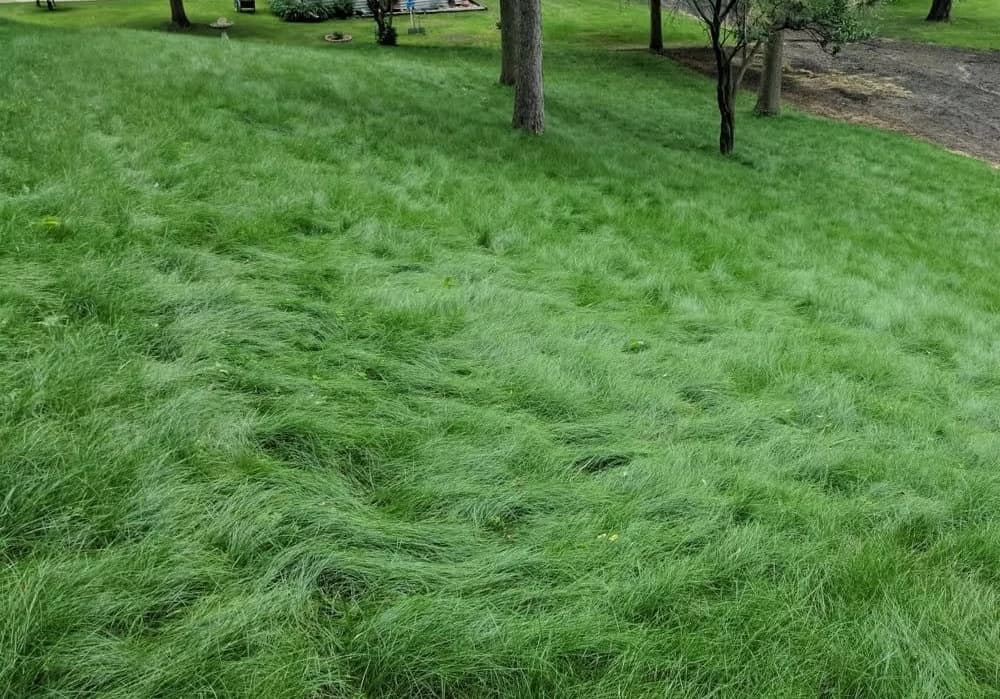
Fine Fescue At-a-Glance
Hardiness Zone Min
Zone 3
Water Requirement
Low
Sun Requirement
Shade Tolerant
Wear Tolerance
Low
Establishment Speed
Slow
Labor Intensity
Low
Fine Fescue Is Really Five Grasses
Here is the first thing to know: “fine fescue” is not one grass. It is a group of five closely related cool-season grasses that all share one feature — a needle-thin leaf, folded and about a sixteenth of an inch wide or less. Beyond that leaf, they split into two camps that behave very differently, and knowing which camp is in your seed bag is the whole game.
Three of the five — Chewings, hard, and sheep fescue — are bunch grasses. They grow in tight clumps and stay put; they cannot send out runners to fill a bare spot. The other two — strong and slender creeping red fescue — spread underground by rhizomes and slowly heal their own thin patches. That one difference decides how you repair the lawn, whether it builds thatch, and how you keep it thick.
What ties them together is a shared talent for hard, low-resource sites. Fine fescue thrives on dry, poor, acidic soil under trees, watered rarely and fed almost never — exactly where thirstier grasses like Kentucky bluegrass give up. That is its identity and its reason to exist: the most shade-tolerant, lowest-input cool-season lawn grass there is. The rest of this page keeps pointing back to those two facts — it is really five grasses, and it is built for neglect.
Gallery
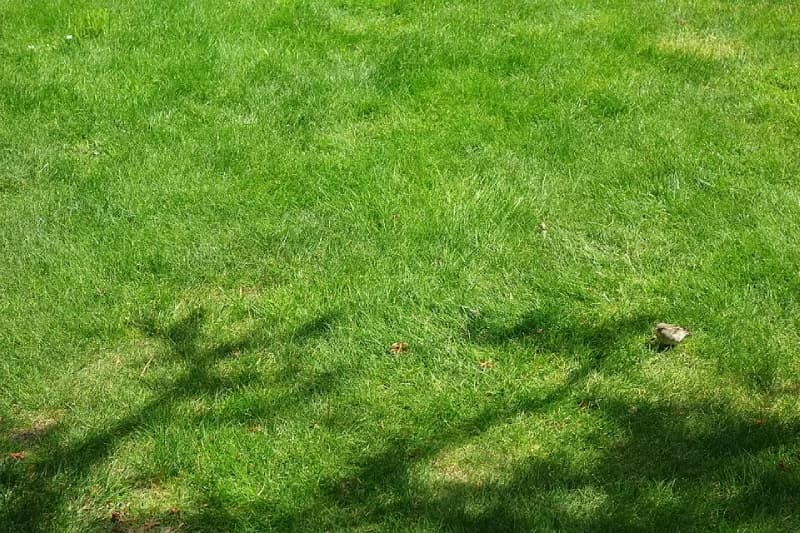
A dense stand of Chewings fescue (Festuca rubra subsp. commutata) demonstrating fine leaf texture and shade tolerance.
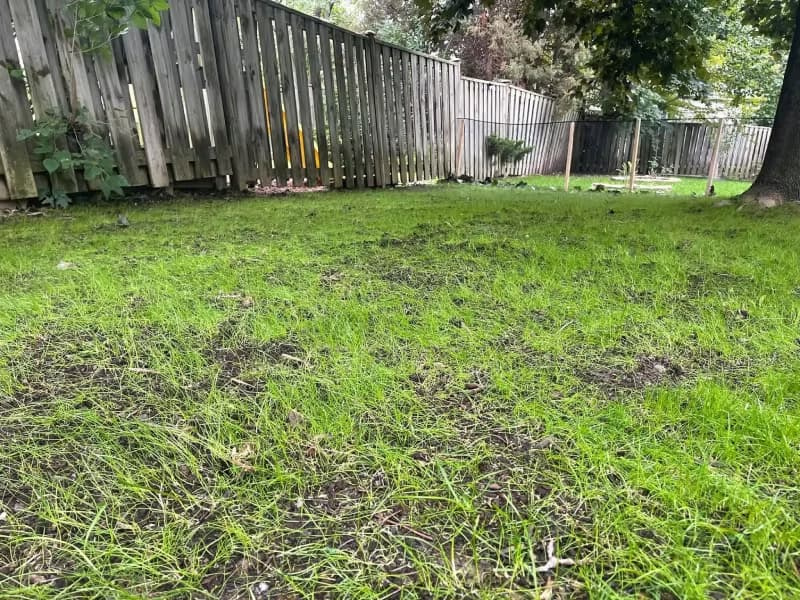
Early establishment of a cool-season mix featuring fine fescues, perennial ryegrass, and Kentucky bluegrass in a shaded lawn area.
Telling It Apart
Fine fescue is one of the easiest lawn grasses to recognize once you look at a single blade: it is needle-thin — a sixteenth of an inch (1.5 mm) or less — folded in the bud, with a barely-there membranous ligule, no auricles, and a rough, open sheath. Color runs from the medium green of creeping red and Chewings to the gray-green of hard and the powdery blue-green of sheep.
In a real lawn, only one or two grasses get confused with it:
- Tall fescue is the common mix-up by name, but it’s the opposite look — coarse, flat, wide blades (an eighth to a quarter inch) with prominent veins and rolled buds. If the blade is wide and flat, it isn’t fine fescue.
- Creeping bentgrass can invade as patches of very fine, light-green turf, but it rolls in the bud, has a tall obvious ligule, and spreads by above-ground runners — fine fescue is folded, nearly ligule-less, and has no stolons.
To tell the fine fescues apart from each other, check for rhizomes and look at the sheath: the creeping reds have underground rhizomes and a fused tiller sheath; Chewings is a bunch grass but shares that fused sheath; hard and sheep are bunch grasses with an overlapping sheath, with hard a dark gray-green and sheep a stiffer, powdery blue-green.
Where fine fescue sits against the other cool-season grasses is its whole selling point: needle-fine texture, excellent shade tolerance, good drought tolerance by dormancy, and extremely low input — traded against poor-to-fair wear tolerance. It is the low-input, shade, and drought champion, and the wrong grass for a high-traffic lawn.
Identification Photos
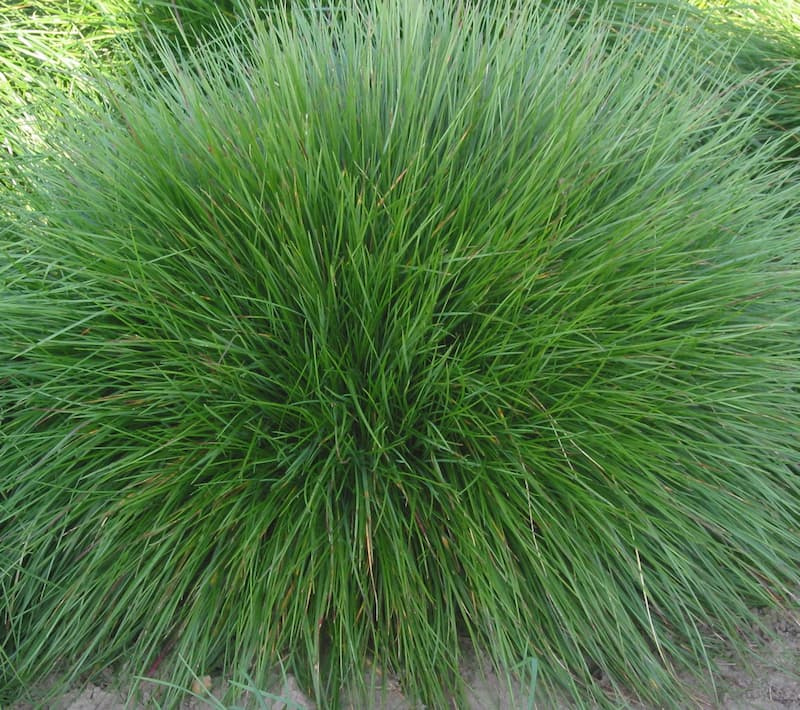
Look For: A tight bunch of very fine leaves with no runners. Chewings fescue (Festuca rubra subsp. commutata) is the bunch-type form of red fescue, while creeping red fescue spreads by short rhizomes.
“File:Gewoon roodzwenkgras Festuca rubra var. commutata.jpg” by Rasbak is licensed under CC BY-SA 3.0.
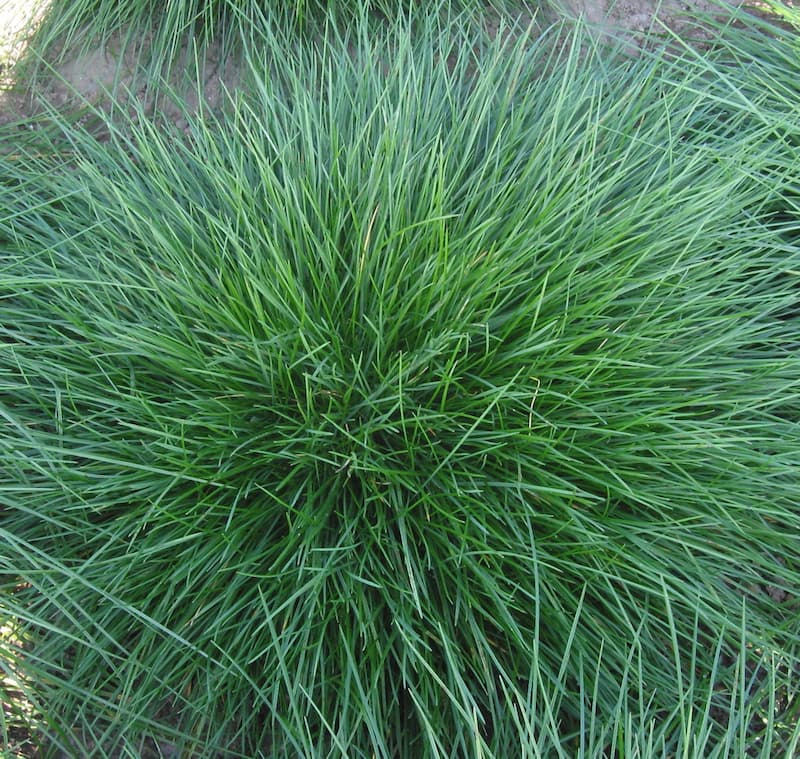
Key Identifier: Hair-fine leaves. Fine fescue blades are so narrow they look like thin threads, giving a soft, fountain-like texture.
“File:Roodzwenkgras met fijne uitlopers Festuca rubra var. trichophylla.jpg” by Rasbak is licensed under CC BY-SA 3.0.
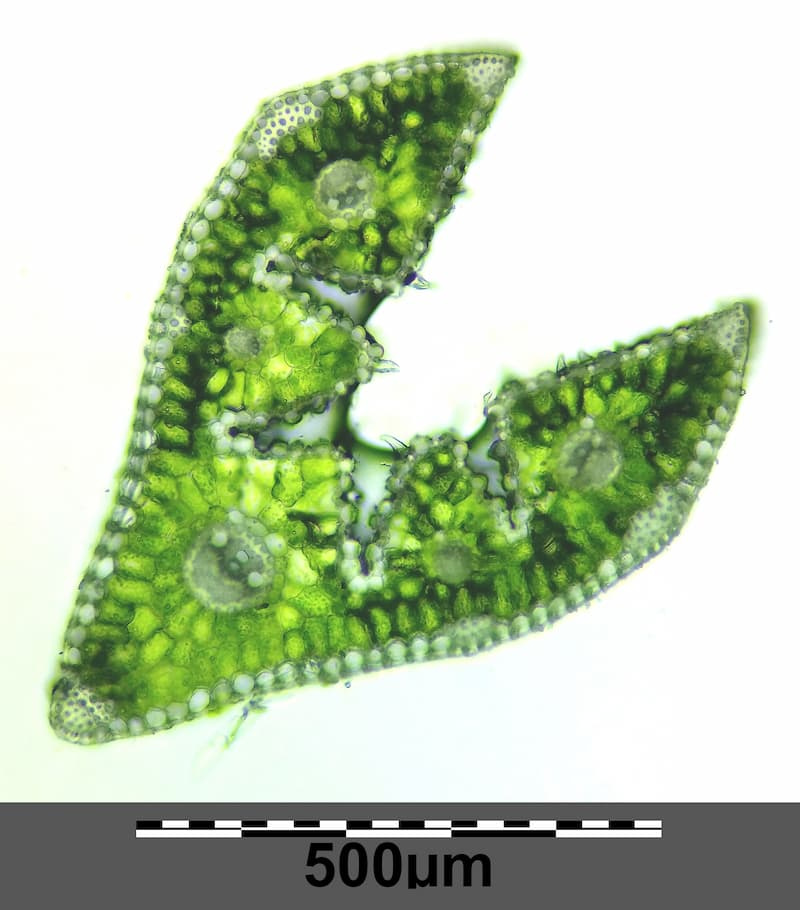
Diagnostic Feature: Folded or rolled blades. Cut across, a fine fescue leaf folds or rolls inward, which is why the blades look like needles in the field.
“Festuca rubra subsp. rubra sl18” by Stefan.lefnaer is licensed under CC BY-SA 4.0.
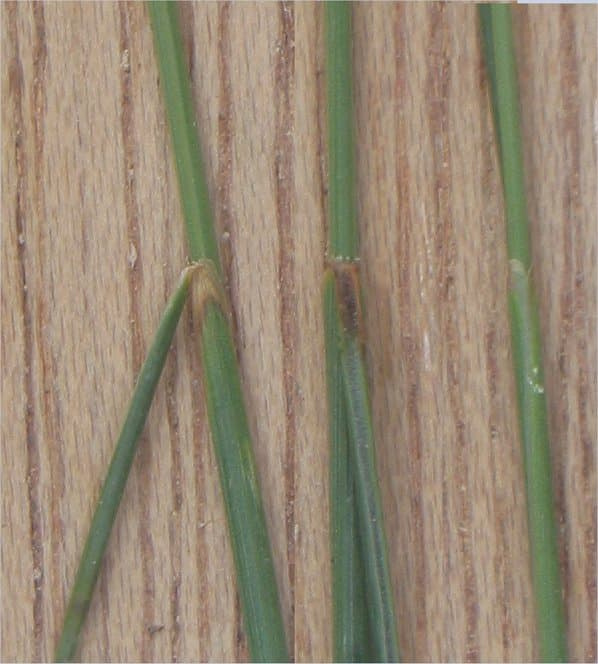
Look For: Very narrow, bristle-like blades that meet the stem with no auricles and only a tiny ligule. Hard and sheep fescues have the stiffest, thinnest blades of the fine fescues.
“Ruig schapengras ligula (Festuca ovina subsp. hirtula)” by Rasbak is licensed under CC BY-SA 3.0.
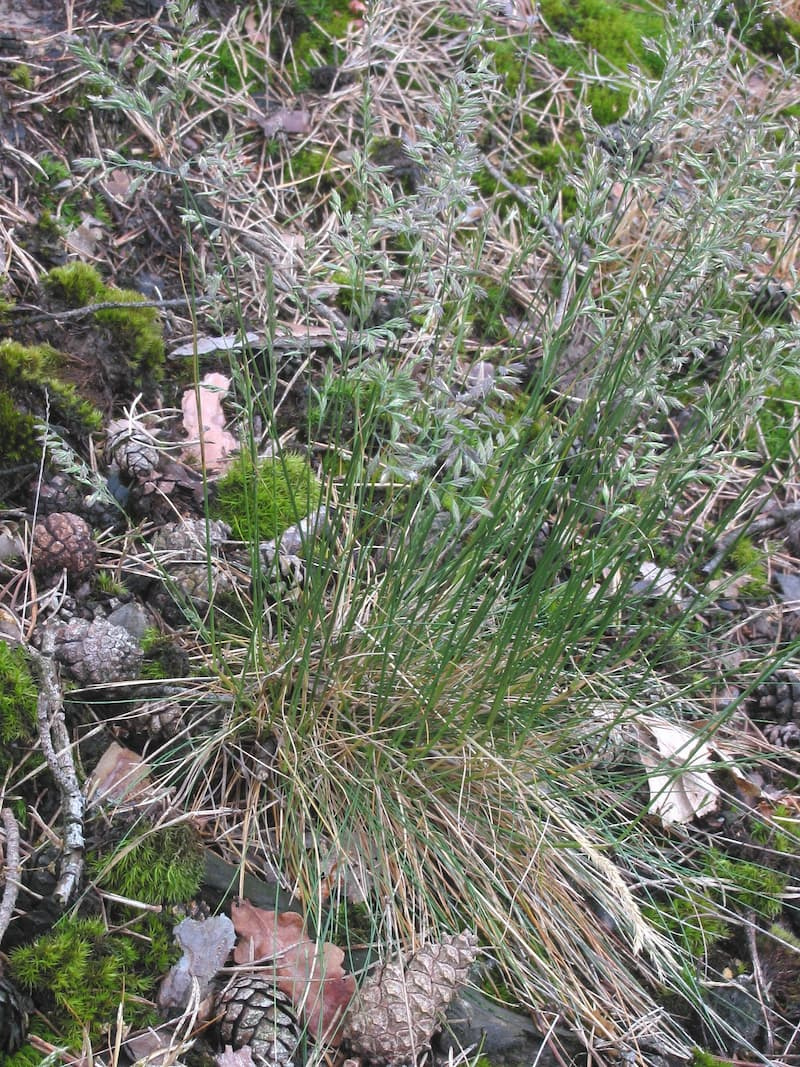
Key Identifier: Tight, stiff tufts. Hard and sheep fescues grow as dense bunches of fine, bluish-green leaves and cope with dry, poor soil.
“Ruig schapengras plant (Festuca ovina subsp. hirtula)” by Rasbak is licensed under CC BY-SA 3.0.
Is Fine Fescue Right For Your Yard?
Advantages:
The best shade tolerance of any cool-season lawn grass. Where bluegrass and ryegrass thin under trees, fine fescue holds.
The lowest input of any cool-season lawn grass. 0.5–2.0 pounds of nitrogen a year, some years none, and rare watering.
Real drought survival. Low water use plus true dormancy — it stays green weeks longer than bluegrass and rides out a 2–3 month drought tan but alive.
Needle-fine texture for a soft, refined look.
Built-in insect resistance from endophytes in most improved cultivars — chinch bugs, sod webworms, and adult billbugs, without pesticides, and safe for pets and people.
A no-mow meadow option — left long, it flops into a soft, waving stand.
Two problem-solvers inside the group: slender creeping red for salt, strong creeping red for self-repairing cover.
Best If:
- Have shade, or dry, poor, acidic soil under trees where other grasses fail.
- Want a low-water, low-feed, low-mow lawn and are happy to do less.
- Live in a cool climate (zones 3–7).
- Want a soft, no-mow meadow look.
- Need to solve salt (slender creeping red) or want self-healing cover (strong creeping red).
Disadvantages:
Fails in heat and humidity. Above the mid-80s°F by day and 70°F at night it thins and collapses — out of the question for open, sunny lawns in the Deep South.
Poor wear and traffic tolerance. The needle leaves bruise and tear; it is the wrong grass for kids, dogs, or sports.
Slow to establish — up to six months to a dense lawn, with a long window of exposed soil where weeds get in.
Cannot take wet feet. Heavy, saturated, poorly drained soil rots the crowns.
Chemically sensitive — reacts to herbicide rates that tougher lawns ignore, and recovers slowly.
Bunch types can’t self-repair — Chewings, hard, and sheep need periodic overseeding to stay dense.
Disease-prone when overfed in heat — the fastest way to lose it.
Avoid If:
- You live somewhere hot and humid, or hot with dry full sun (the Deep South, the hot edge of the transition zone).
- Your lawn takes real traffic — children, dogs, or games.
- Your soil is heavy, wet, or poorly drained.
- You want a fast, instant lawn, or you want sod.
Is It Safe for Pets and Kids?
No toxicity to pets or people. Endophyte alkaloids in some cultivars affect only livestock grazing large amounts of the straw. Creeping red is among the more dog-urine-tolerant cool-season grasses; bunch types leave dead urine spots that need overseeding
Where It Grows and Where It Fails
Fine fescue is the shade-and-neglect grass. It is the most shade-tolerant, lowest-input cool-season lawn grass there is, and it thrives in the exact spots where Kentucky bluegrass and ryegrass quit: dry, poor, acidic soil under trees, watered rarely and fed almost never. That is its whole identity, and it is the reason to plant it.
It grows best in USDA zones 3 through 7. In zone 8 it hangs on only in shade, and past that it is out of its range. The hard limit is heat plus humidity. When summer days sit above the mid-80s°F and nights stay above 70°F, fine fescue thins and collapses — partly because heat stops its growth, and partly because warm, humid air keeps the leaf blades damp long enough for disease to take hold. That is why the Deep South and the hot, humid edge of the transition zone are off the table for open, sunny lawns.
By climate, plainly:
- Cool and humid (northern U.S.): excellent. This is home.
- Cool and dry (north-central and interior West): excellent. Its low water use is a real advantage.
- Warm and humid (Southeast): unsuitable. Heat and disease thin it out fast.
- Warm and dry (hot desert sun): unsuitable in full sun.
- Transition zone: marginal — only cool, shaded, low-traffic spots, and prone to failing in an open summer lawn.
The heat limit is not the same for every fine fescue. Hard fescue is the toughest in heat and drought and the best pick for a dry, sunny slope. Sheep fescue survives drought too, but by going dormant and brown early rather than staying green. The two creeping red fescues are the most heat-sensitive of the group, so they belong in cool, shaded settings, not hot ones.
Getting Established
Fine fescue is grown from seed, full stop. There is no sod, plug, or sprig option for a home lawn — the specialty sod that exists is for golf-course bunker faces and steep banks, not yards. So establishment is entirely a seeding decision.
Seed a pure fine fescue lawn at about 5 pounds per 1,000 square feet (the workable range is 3 to 6). The seed is tiny — red fescue runs around 546,000 seeds per pound, more than double tall fescue — so it carries very little stored energy and must be planted shallow, no deeper than a quarter inch. Bury it deeper and the shoots never reach the surface, and you get a thin, patchy stand.
Seed in late summer to early fall, roughly early August through mid-September. This is the best window by a wide margin: the soil is still warm enough for fast germination, fall rain and cooling air carry the seedlings, there is a full season to root before winter, and summer weeds like crabgrass have stopped germinating so the young grass isn’t fighting for space. Early spring (mid-March to mid-April) is a distant second, and its weaknesses are real — working wet spring soil compacts it, heavy rain washes the light seed away, spring weeds compete hard, and the shallow-rooted seedlings are thrown straight into their first summer, which can kill them.
Expect a slow start. Under good moisture and soil temperatures of 59–77°F, seed germinates in 5 to 12 days — faster than Kentucky bluegrass, slower than ryegrass. Hard and sheep fescue are the slowpokes at 7 to 14 days. Germination is the easy part; the grass knits together slowly, and it can take up to six months of care to build a dense lawn. Keep the seedbed consistently moist at first, then shift to deep, infrequent watering once roots take hold so the roots chase the water down. Go very light on nitrogen — 0.25 to 1.0 pound per 1,000 square feet in the first two months, and no more than 0.5 to 1.0 pound total the first year. Overfeeding a young fine fescue backfires: it forces soft, watery top growth at the expense of roots, leaving the seedlings weak against traffic, drought, and disease.
Because the stand is thin for months, mowing is your main weed defense during establishment. Make the first cut once seedlings reach 3 to 4 inches, never scalp below 3 inches, and mow 2 to 3 times a month at 3–4 inches through the first year to shade out weeds and thicken the turf.
The no-mow option. Left uncut, fine fescue grows to 6–12 inches and flops into a soft, waving meadow — one of the classic uses of the grass. It takes a deliberate setup: kill the existing lawn completely first (aggressive Kentucky bluegrass will otherwise outrun the slow fescues), mow the dead turf down to about an inch, remove the debris, and lightly rough up the soil for seed contact. For a sunny no-mow area, load the mix toward the bunch types (hard, sheep, Chewings); for a shaded one, favor the creeping reds and Chewings. Seed at 3 to 5 pounds per 1,000 square feet — the ultra-low 0.25–1.0 pound rate you’ll see quoted is only for golf-course roughs and makes a poor home lawn.
Killing the old lawn uses a non-selective herbicide — the brand on the bottle no longer tells you what’s inside. See “Weeds In This Grass” below, and read the active-ingredient panel before you buy.
Keeping It Healthy
The theme of fine fescue maintenance is do less. The single most common way people ruin this grass is by treating it like a high-input lawn — too much water, too much fertilizer, mowed too short. Every recommendation below traces back to that.
Mowing. For a standard lawn, mow at 2.5 to 4 inches, and keep the taller end — a higher canopy shades the soil and smothers weed seeds before they sprout. In shaded areas, raise the height another half-inch to an inch so the grass keeps more leaf to gather the little light it gets. Follow the one-third rule every time; scalping below 2 inches shortens the roots, thins the stand, and lets crabgrass, dandelions, and knotweed move in. The species differ at the low end: Chewings and slender creeping red take close mowing well, strong creeping red is fine, but hard and sheep resist close cutting. Never mow under heat or drought stress — dry blades bruise and crowns crush under mower wheels, leaving dead tracks that take months to heal. Wait until the lawn has had at least an inch of rain or water before a summer mow. Leave the clippings — they’re over 90% water, break down without building thatch, and return roughly a pound of nitrogen per 1,000 square feet a year on their own.
Feeding. This is the defining number: fine fescue wants only 0.5 to 2.0 pounds of nitrogen per 1,000 square feet per year, and some years a mature stand needs none. Penn State and Rutgers put the practical target at 1 to 2 pounds; hard and sheep do best under 1. Compare that to Kentucky bluegrass at 2 to 4 pounds and you see the point — fine fescue’s low appetite is a feature, because it stays dense while nitrogen-hungry weeds around it stay starved. Time it to fall (late August through early October), which feeds roots and builds the carbohydrate reserves that carry the grass through winter. Late spring (May to late June) is the backup window. Never push growth with nitrogen in early April, and never fertilize in the July–August heat — stressed grass can’t use it and it just leaches away. Overfertilizing is the number-one failure mode, and it fails through disease: past 2 pounds a year the blades turn soft and watery, which is exactly what leaf spot, dollar spot, red thread, brown patch, and summer patch feed on. To hold summer patch in check, stay under 2 pounds and use an acidifying nitrogen source like ammonium sulfate.
Watering. Fine fescue needs very little; in its range a mature lawn seldom needs watering except in a long, hot, dry spell. Its drought trick is dormancy — it stays green for at least 28 days without water (Kentucky bluegrass browns after about 7), and when a real drought sets in it turns tan and goes dormant to survive, not because it’s dying. Dormant fine fescue can hold on for 2 to 3 months. If a drought runs past 4 weeks with no rain, give it a half-inch of water — just enough to keep the crowns alive without forcing it out of dormancy. The flip side is the bigger risk for most people: fine fescue cannot stand “wet feet.” Saturated, heavy, poorly drained soil drowns the roots and rots the crowns, and warm, wet soil is a disease incubator. Water deeply and infrequently, before dawn, so the blades dry fast at sunrise.
Thatch. Whether you ever need to dethatch depends entirely on which fine fescue you have. The bunch types (Chewings, hard, sheep) barely build thatch and rarely need removal. The creeping reds spread by rhizomes that can pile up an organic layer, so a strong- or slender-creeping-red lawn may need thatch removed roughly every 2–5 years. When you do it, core-aerate rather than power-rake — hollow tines pull plugs, relieve compaction, and improve water movement, while power raking shreds crowns and relieves nothing. Only cultivate when the grass is actively growing, mid-August through September; never in the June–early-August heat.
Endophytes — a built-in insect defense. Many fine fescue cultivars carry endophytes: harmless fungi (Epichloë) that live inside the leaves and stems and make compounds that repel leaf- and stem-feeding insects. Hard, Chewings, and strong creeping red are the main carriers; slender creeping red sometimes carries them; sheep rarely does. Endophyte-enhanced seed gives natural resistance to chinch bugs, sod webworms, and adult billbugs without pesticides — and it’s harmless to pets and people (the alkaloids only matter for livestock grazing large amounts of the straw). Two catches, both important. First, endophytes are alive and die in warm storage, so buy seed with a test date within the last 6–9 months and store it cool and dry. Second, endophytes live only in the above-ground parts, so they do nothing against root feeders (see “What Goes Wrong”).
Overseeding the bunch types. One job is unavoidable for Chewings, hard, and sheep: they can’t spread to fill a bare spot from a dog, a bug, or disease, so those lawns need periodic overseeding with endophyte-enhanced cultivars to stay dense. (The sources don’t pin down a set interval for bunch fine fescue.)
What Goes Wrong
Most of what goes wrong is the same story from a different angle: heat, humidity, and too much nitrogen. That combination — the “decline stack” — turns a low-care grass into a disease-prone one, because heavy feeding makes the blades soft just as hot, wet weather gives fungus the moisture it needs.
Diseases worth knowing:
- Red thread shows up in cool, rainy spring and fall on under-fed lawns — tan patches with a pink cast and tiny red threads on the leaf tips. The fix is counterintuitive: a little nitrogen so the grass grows past it.
- Dollar spot hits on warm days with heavy dew, especially on dry, lean soil — silver-dollar-sized bleached spots with hourglass lesions. Strong creeping red is far more prone than Chewings or hard. Light, regular feeding and removing morning dew help.
- Leaf spot and melting-out works in cool, wet, overcast spring and fall — spots with purple borders that rot down into the crowns and thin the lawn. Avoid quick-release spring nitrogen, mow higher, and aerate to cut the thatch it overwinters in.
- Summer patch is the serious one: a root and crown disease that strikes when air tops 90°F and soil tops 80°F, leaving sunken straw-colored patches over 3 feet across. Hard fescue is exceptionally susceptible; Chewings is notably more resistant. Keep nitrogen under 2 pounds a year, use ammonium sulfate, hold soil pH near 6.0, core-aerate compacted soil, and stop mowing under heat stress.
- Brown patch is less of a problem here than on tall fescue, but mature stands can get it in hot, muggy weather. Ease off nitrogen in the heat and water early.
- Powdery mildew coats blades with a white, flour-dusted look in deep, still shade — prune limbs for light and airflow, feed lightly.
- Rust is the odd one out: worst on drought-stressed, underfed grass — general yellowing with orange pustules that rub off. A September feeding grows the grass past it.
Insects — the root feeders endophytes miss. Endophyte-enhanced seed handles the leaf and stem feeders, but it does nothing below ground. White grubs chew the roots (turf peels up like a loose carpet; treat preventively mid-June to early July) and billbug larvae feed on crowns and roots (2–3 inch dead spots with tell-tale sawdust-like frass at the stem base).
Non-living problems. Beyond disease, fine fescue’s troubles are heat decline (above 85–90°F it fades to gray-green and thins in the sun), true drought death versus dormancy, scalping, and several winter kills at the cold edge of the range — wind desiccation on bare sites, crown hydration in late-winter thaws (the most destructive), ice encasement over 90 days, and direct freeze if the grass never hardened off. In deep shade under a dense canopy (less than about 4 hours of light) it thins to bare soil that moss and algae then claim.
Telling look-alike problems apart. From a distance, brown is brown. Up close: true drought dormancy is uniform and widespread and greens back up when watered; summer decline is gradual, gray-green, and concentrated in the hot, sunny, high-traffic spots; disease and insects show as irregular patches, rings, or arcs of brown mixed with green. To settle dormant-versus-dead, dig a 2-inch plug of the brown turf, keep it watered indoors under light, and watch — it greens up in 5–10 days if it was only dormant.
Weeds In This Grass
The best weed control is the lawn itself. Fine fescue’s low-nitrogen habit starves the nitrogen-hungry weeds it grows beside; its dense canopy in dry shade holds ground where weeds would otherwise take bare dirt; and an unmown stand forms a light-blocking blanket that stops many annual weed seeds from sprouting. Some cultivars are even mildly allelopathic, releasing root compounds that suppress dandelion and annual bluegrass. The weak spots are the slow grow-in (months of exposed soil) and summer heat-thinning that opens the canopy to crabgrass and spurge.
When you do reach for a herbicide, know that fine fescue is more chemically sensitive than Kentucky bluegrass or tall fescue — the same rate a bluegrass lawn shrugs off can thin a fine fescue one. The specifics that matter:
- On established turf, the standard three-way broadleaf mixes (2,4-D + MCPP + dicamba) are safe. Prefer spot-treating tough weeds (violet, ground ivy, white clover) with triclopyr over blanket spraying, because fine fescue recovers slowly from chemical stress. Keep dicamba well outside the drip line of trees — on the sandy soils fine fescue likes, it leaches down to tree roots.
- Fine fescue has a genuine, useful tolerance to two grass-killers — sethoxydim and fluazifop can be sprayed over the top to remove invading grasses. Quinclorac is also safe at label rate: Purdue field trials found under 20% injury across every grass tested. But mesotrione injures it, and clethodim likely injures it (this caution rests on a single non-university source and clethodim’s known chemistry — treat it as probable, not proven). Two preemergents to avoid outright: oxadiazon and benefin + trifluralin both injure fine fescue. Apply grassy and broadleaf products on separate days rather than tank-mixing them.
- Pre-emergents (prodiamine, dithiopyr, pendimethalin) are fine on an established lawn but must not go down on new seedlings until the grass is well rooted and mowed — and any residual pre-emergent blocks new seed, so plan overseeding around it.
For weed-by-weed programs, see the individual MFY weed pages: crabgrass, dandelion, white clover, annual bluegrass, yellow nutsedge, goosegrass, spotted spurge, creeping charlie.
One renovation caution, because the brand name misleads. If you renovate by killing everything first, the wait before you can reseed depends on the active ingredient, not the bottle. True glyphosate binds to soil on contact and leaves no residue, so you can reseed fine fescue in as little as 7–14 days. But many products sold as “Roundup” no longer contain glyphosate — reformulated blends use ingredients that linger, forcing a 28-day wait (triclopyr + fluazifop + diquat) or as long as 4–12 months (imazapic, a soil sterilant that also injures nearby trees and should never go on a lawn). Read the active-ingredient panel before you buy, and match your reseeding date to what’s actually in it.
Subtypes
Strong Creeping Red Fescue
The one fine fescue that grows back into its own bare spots, and the standard pick for an ordinary shaded lawn.
Best For: A shaded or part-shaded yard in Zones 3–7 that actually gets used — kids cutting the same corner to the driveway, a wheelbarrow track, a dog. It is also the fine fescue to use as the fescue share of a sun-and-shade mix, because it blends into bluegrass and ryegrass instead of standing out as a separate texture.
Tradeoff: You get self-repair, but also the worst dollar spot in the group and a rhizome thatch layer the bunch fescues never build.
Slender Creeping Red Fescue
The fine fescue bred for salt — ocean spray, winter road salt, or brackish irrigation water.
Best For: A lawn within reach of salt: coastal spray, a walk or driveway edge that gets de-iced all winter, a strip along a salted road, or a yard watered from a brackish or reclaimed source. Everything else fine fescue is good at — shade, low input, needle-fine texture — still applies.
Tradeoff: You have to go looking for it, since it is a sliver of the retail seed market, and its short rhizomes repair damage far slower than strong creeping red.
Chewings Fescue
The densest and most upright fine fescue, and the one to lean on under heavy tree shade.
Best For: A lawn under a mature canopy getting roughly two to four hours of direct sun or a full day of filtered light, where you want an even, tidy surface rather than a thin one. It is also the fine fescue that holds the tightest cut if you like a shorter lawn.
Tradeoff: It is a bunch grass, so a dog spot or a grub patch stays a bare spot until you overseed it.
Hard Fescue
The fine fescue that stays green through heat and drought instead of browning out — the one for a dry, sunny slope.
Best For: A dry, sunny slope, a hell strip, or any patch of poor, gravelly, well-drained ground you would rather stop watering and stop feeding. It is the only fine fescue that holds its color through a hot, dry summer rather than going dormant.
Tradeoff: Exceptionally susceptible to summer patch — the root disease that kills fine fescue outright when a summer turns hot and humid.
Sheep Fescue
The stiff, powdery blue-green tussock in a no-mow, bee lawn or roadside planting — a meadow grass, not a lawn grass.
Best For: Anyone looking at blue-gray clumps in a low-input planting and wondering what they are, or reading the back of a mix bag and deciding whether the sheep fescue percentage matters. Nobody is shopping for a sheep fescue lawn, and this page is not going to talk you into one.
Tradeoff: It grows in hard tussocks that never knit into a surface, and it browns out at the first real heat — which is why it makes a meadow and not a lawn.
The Seasonal Care Calendar

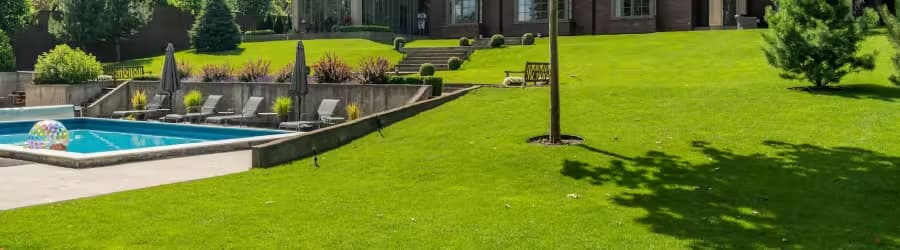
Spring (Mar-May)
Spring Starts Slow
Fine fescue greens up slowly, later than ryegrass or tall fescue — resist the urge to force it early with fertilizer. Mow at height and follow the one-third rule. Late spring (May to late June) is your backup feeding window if you missed fall.
Summer (Jun-Aug)
Summer Is the Stress Season
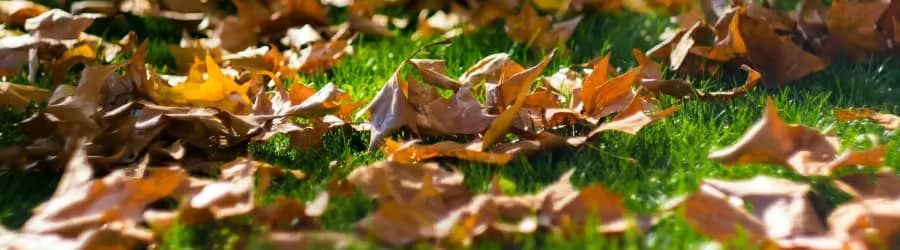
Above 90°F growth nearly stops and heat-driven root disease can thin it, so the plan is to back off: stop pushing it, keep traffic off, and don’t mow, dethatch, or aerate in the heat. Water only if a drought runs past four weeks, and then just a half-inch to hold the crowns.
Fall (Sep-Nov)
Fall Is the Main Event
Seed, overseed, and renovate from mid-August to mid-September. Feed in fall (late August through early October, sweet spot September–October) to build winter reserves — but skip heavy mid-fall nitrogen, which keeps the grass from hardening off.
Winter (Dec-Feb)
Winter Mostly Rests
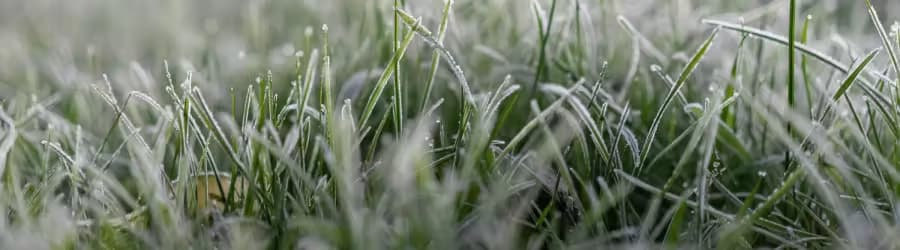
Excellent cold hardiness; it holds a medium-to-dark green through mild winters and goes dormant and tan only under hard cold. On exposed, wind-swept sites without snow cover it can dry out and brown, so avoid that late nitrogen. A missed fall seeding can go down as a dormant seeding in late fall, once soil drops below 40°F, and freeze-thaw works the seed in for spring.
Fine Fescue Versus the Other Cool-Season Grasses
Pick fine fescue for shade, dry poor soil, and low input — and pick something else for a busy, sunny lawn.
- Versus Kentucky bluegrass: bluegrass is the sunny, self-repairing lawn that recovers from traffic by rhizome, but it wants 2–4 pounds of nitrogen, plenty of water, and full sun, and it thins badly in shade. Fine fescue is the reverse — shade and drought champion, a fraction of the feeding, but fragile underfoot.
- Versus tall fescue: tall fescue is the tough one — good traffic tolerance, real heat tolerance, and a deep root system — but it is coarse, wants more water, and prefers sun to part shade. If your problem is a busy lawn in a warm spot, that’s tall fescue’s job; if it’s a shady, low-care spot, it’s fine fescue’s.
- Versus perennial ryegrass: ryegrass establishes fast and wears well, which is why it shows up in mixes, but it needs more input and has a narrower climate range. Fine fescue is slower to start and weaker underfoot, but far more shade- and drought-tolerant and far cheaper to keep.
In one line: fine fescue is the low-input, shade, and drought specialist, not the all-purpose lawn.
Find Your Precision Match
Choosing between species requires balancing your specific soil profile, local micro-climate, and maintenance goals. Use our Turf Match Tool to generate a data-backed recommendation for your specific yard.
Start Your MatchTechnical Specifications
Scientific Name: Festuca spp.
Common Names: Fine fescue, fine-leaf fescue; covers strong creeping red, slender creeping red, Chewings, hard, and sheep fescue
Family: Poaceae (grass family); genus Festuca
Origin: Circumboreal — native across Europe, Asia, and North America; lawn cultivars are of European origin and treated as introduced
Season Type: Cool-Season
Growth Habit: Bunch-type (tuft-forming)
Growth Rate: Slow
Texture: Very Fine
Root System Depth: Shallow — 13 to 17 inches average, with 66–84% of root mass in the top 3 inches
Spread Mechanism Intensity: Split by subtype: strong creeping red spreads by thick, numerous rhizomes (slow-to-moderate self-repair); slender creeping red by short, weak rhizomes; Chewings, hard, and sheep are bunch-type with no lateral spread (density held by overseeding)
Typical Lifespan & Invasiveness Risk: Long-lived cool-season perennial. Low invasiveness — slow to establish and slow-spreading; the creeping reds self-repair modestly by rhizome but do not aggressively invade (they are outrun by Kentucky bluegrass, not the reverse)
Hardiness Zone Min: Zone 3
Hardiness Zone Max: Zone 8
Hardiness Zone Notes: Ideal in Zones 3–7; Zone 8 is a shade-only stretch; fails past Zone 8. The southern limit is heat plus humidity, not cold. Hard fescue tolerates the warm edge best; the creeping reds are the most heat-sensitive.
Cold Tolerance Rating: Very High
Winter Color Profile: Dormant
Climate Cool Humid: Excellent
Climate Cool Arid: Excellent
Climate Warm Humid: Unsuitable
Climate Warm Arid: Unsuitable
Climate Transition: Poor
Sun Requirement: Shade Tolerant
Shade Tolerance: Very High
Water Requirement: Low
Drought Survival Strategy: Both (avoidance then dormancy)
Soil Texture Fit:
Sand
Loamy Sand
Sandy Loam
Loam
pH Survival Min: 4.9
pH Optimal Min: 5.5
pH Optimal Max: 6.5
Wet Feet Tolerance: Very Low
Compaction Tolerance: Low
Salinity Tolerance: Low
Wear Tolerance: Low
Recovery: Low
Recovery Mechanism: Bunch-type (no lateral spread)
Input Intensity: Low
Labor Intensity: Low
Thatch Production: Low
Annual N Figure: 0.5–2.0 lb N per 1,000 sq ft per year (hard/sheep <1.0; creeping reds/Chewings 1–2; some years zero for a mature stand). Penn State / Rutgers target 1–2 lb
Urine Resistance: Moderate
Establishment Methods:
Seed
Germination Speed: Moderate (7–14 days)
Establishment Speed: Slow
Seeding Rate: ~5 lb per 1,000 sq ft for a standard lawn (workable range 3–6); no-mow 3–5 lb. The ultra-low 0.25–1.0 lb rate is for golf-course roughs only and makes a poor home lawn
Improved Cultivar Availability: High
Deep Dives & Practical Guides
How to Establish a New Lawn From Bare Soil to First Mow
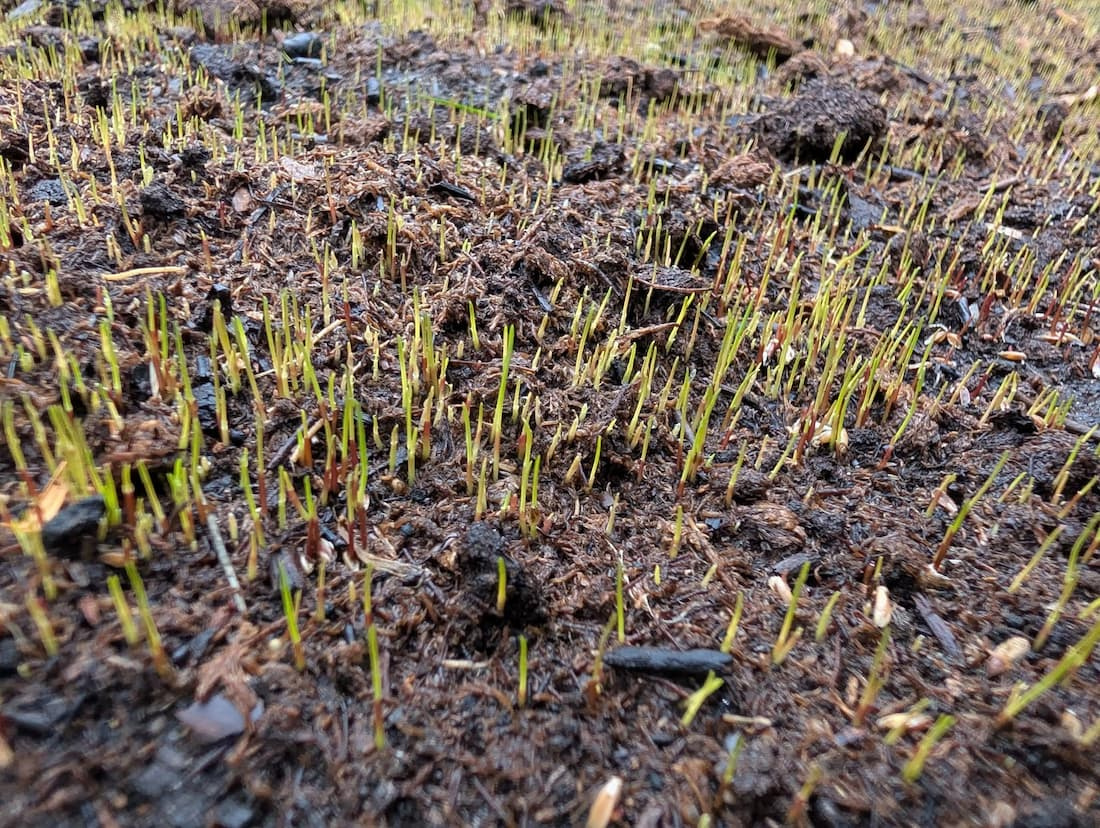
Bare soil doesn't turn into a lawn just because you scattered seed or rolled out sod — it becomes one based on a handful of specific steps done in the right order, matched to your specific grass. This guide walks through soil prep, seeding or planting method, starter fertilizer, watering as the grass grows, and knowing when it's actually safe to mow, for both cool-season and warm-season lawns.
Read Article
Cool Season vs Warm Season Lawn and Landscape Guide
Your lawn and your flower beds don't follow the same calendar — one runs on a cool-season engine, the other on a warm-season one, and using the wrong playbook on either can do real damage. This guide helps you figure out which system you actually have and how to care for it correctly, plus how the same cool/warm split applies to your ornamental beds.
Read Article
The Hole You Dug Is Killing Your New Plants
A shrub that looked fine all summer and stalled the next year usually didn't fail because of the plant, the weather, or the nursery. It failed because the hole it went into was a container — smooth-walled, water-holding, and impossible to root out of.
Read Article
What You Can Actually Change About Bad Soil
Heavy clay and loose sand feel like permanent sentences, and half of that is true. What your soil is made of will not change. How those particles are arranged will — and that is the half that decides whether anything grows.
Read Article
Why Your Plants Survive Winter and Die in July
Your hardiness zone is built from one number — the coldest night of an average year. It says nothing about the hottest afternoon, which is what actually kills most plants people lose. Here's how to read the other half of the map.
Read Article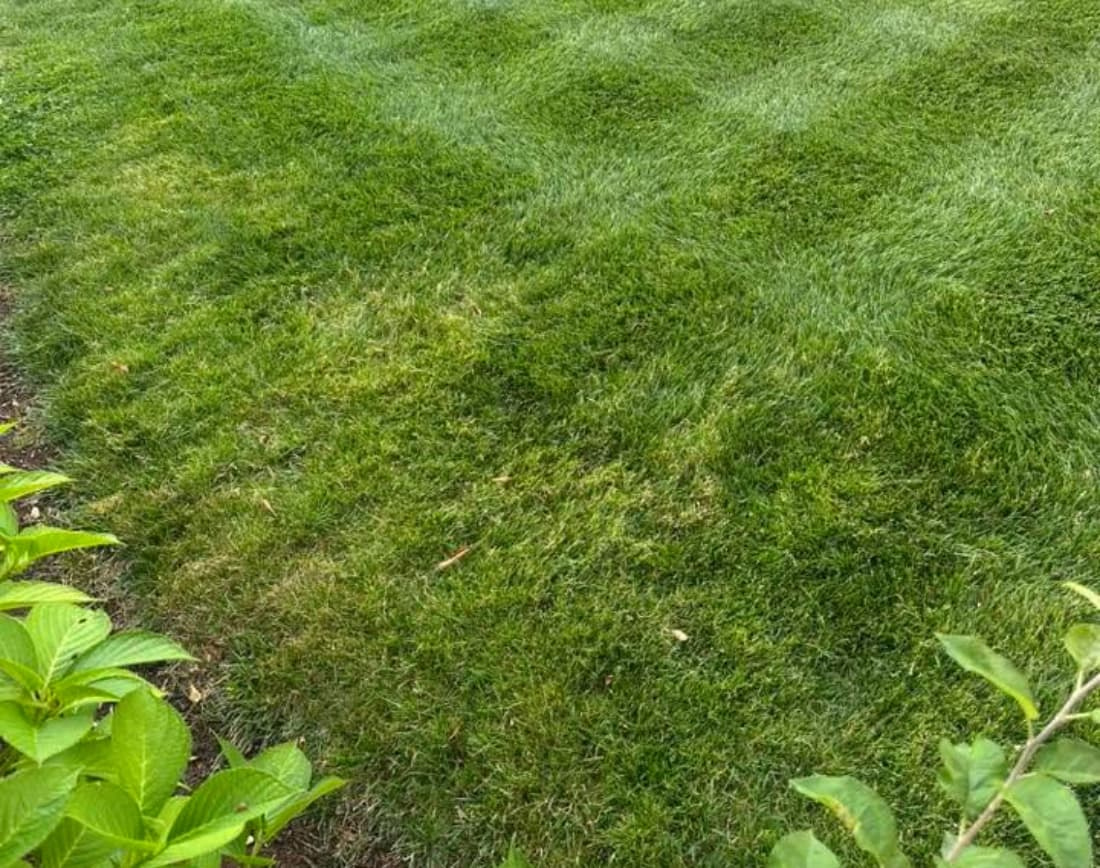
Why Poa Annua Keeps Coming Back — and the 3-Year Plan That Finally Ends the Cycle
You've pulled it. You've sprayed it. You've watched the little white seedheads mock you every single spring. And every fall, like clockwork, it's back — in the lawn, in the beds, in the cracks you didn't know you had. Here's the hard truth nobody at the big-box store will tell you: you're not losing because you're doing it wrong — you're losing because you're fighting the wrong enemy on the wrong timeline. Poa annua isn't a one-season problem, and once you understand why, the three-year plan below stops feeling like a chore and starts feeling like a countdown.
Read Article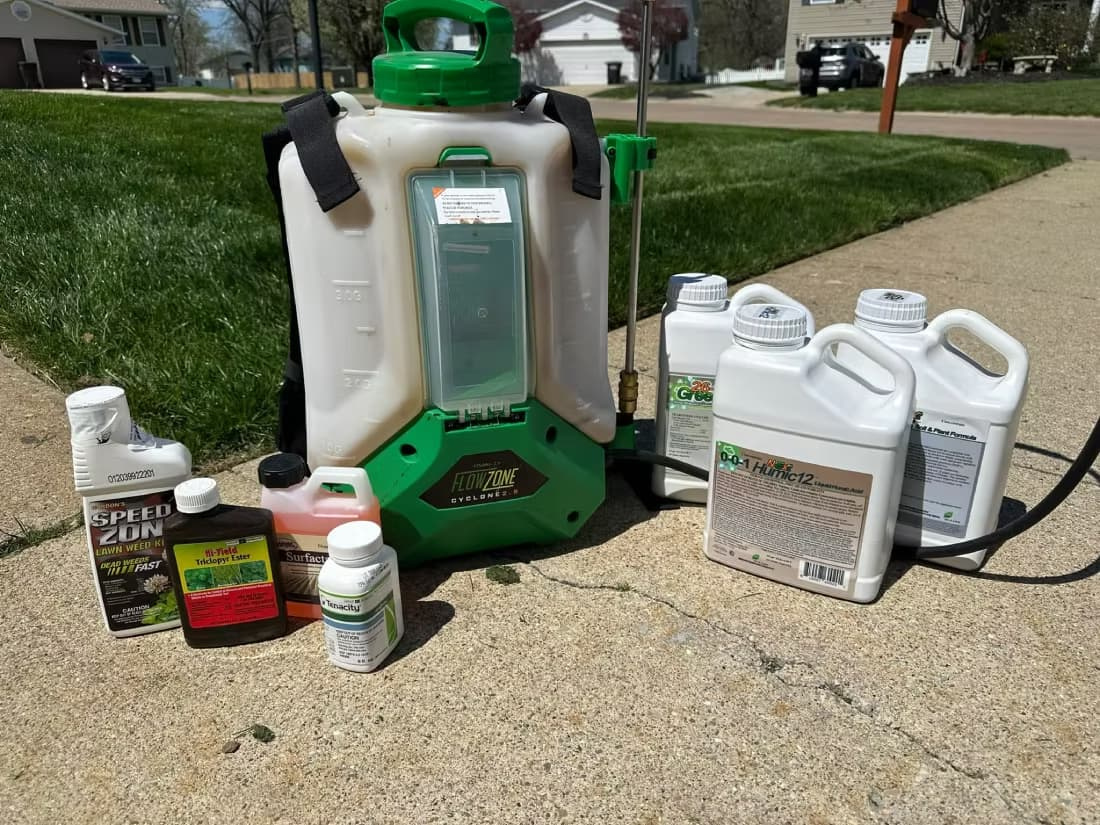
How to Apply Herbicides Correctly in Your Lawn and Garden Beds
Getting real results from a weed product has almost nothing to do with the brand on the bottle and everything to do with matching the method to the moment — the right chemistry, in the right place, at the right time. Learn how to apply herbicides correctly across both your lawn and your garden beds, whether you’re stopping weeds before they sprout or killing the ones already growing, without wasting product or harming the plants you want to keep.
Read Article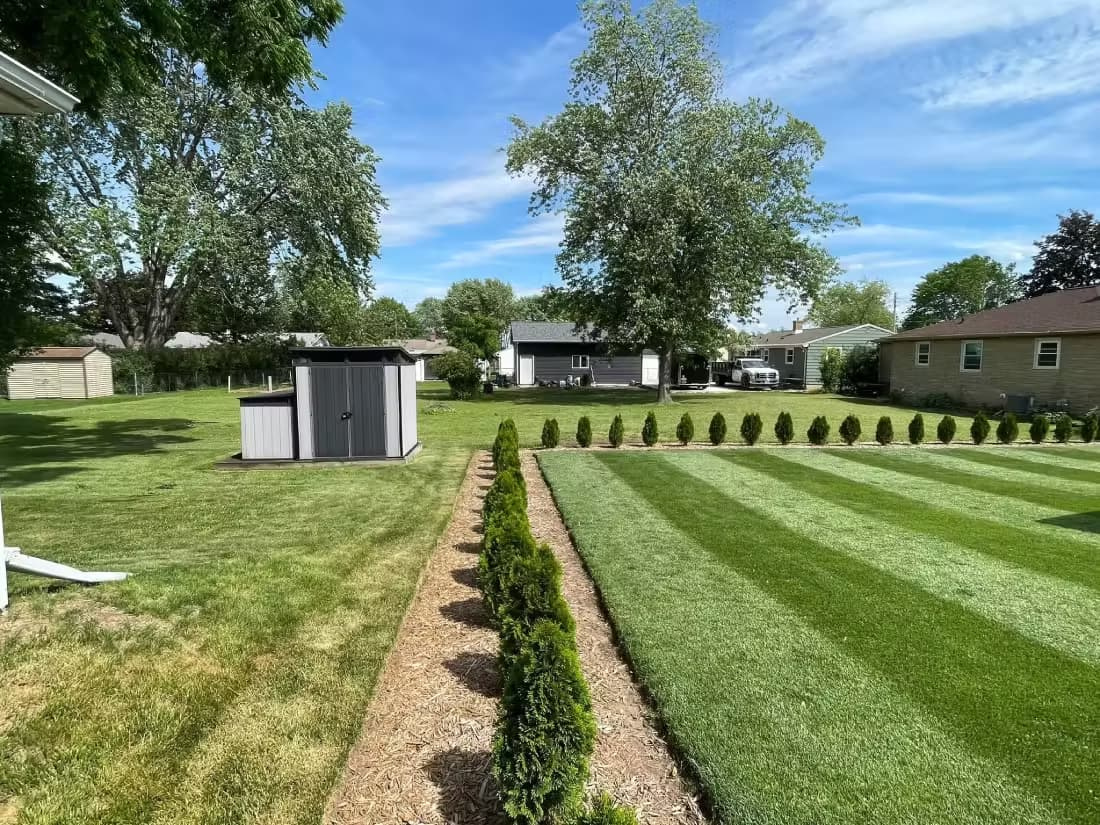
How to Kill Weeds Where Two Lawns Meet Without Harming Your Neighbor’s Grass
Controlling weeds along a shared property line is where good intentions quietly backfire—the season that's safe for your own lawn is often the season the lawn next door is most easily harmed. Learn the seasonal timing collision behind most fence-line damage, and the two habits that prevent it—reading what's actually in the bottle and spraying directed instead of broadcast—so you can clear the weeds without hurting your grass, your neighbor's, or the peace between you.
Read Article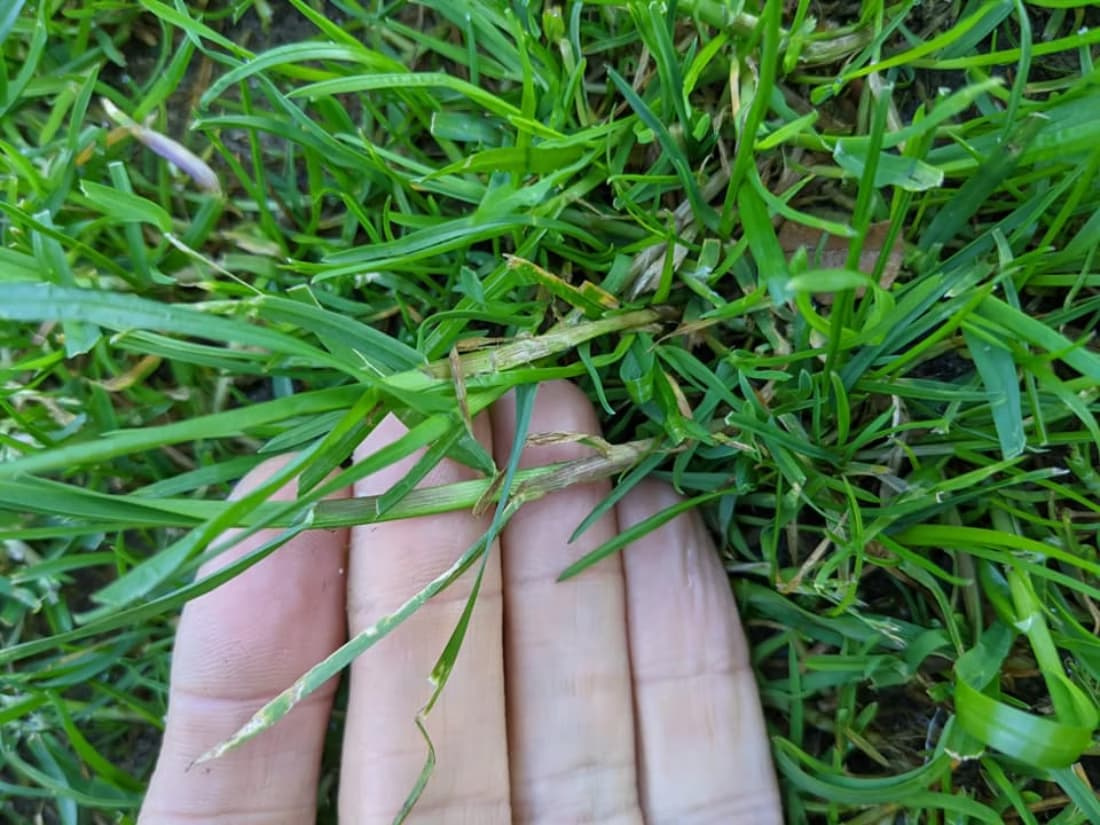
The Truth About One-and-Done Weed Control
Most homeowners lose the fight against weeds not because they work too little, but because they act before they understand. One-and-done weed control is real — but it only works when identification, timing, and the right tool all line up. This guide explains how that sequence works across your lawn and your ornamental beds, and how each weed page in the MFY hub puts it into practice for your specific invader.
Read Article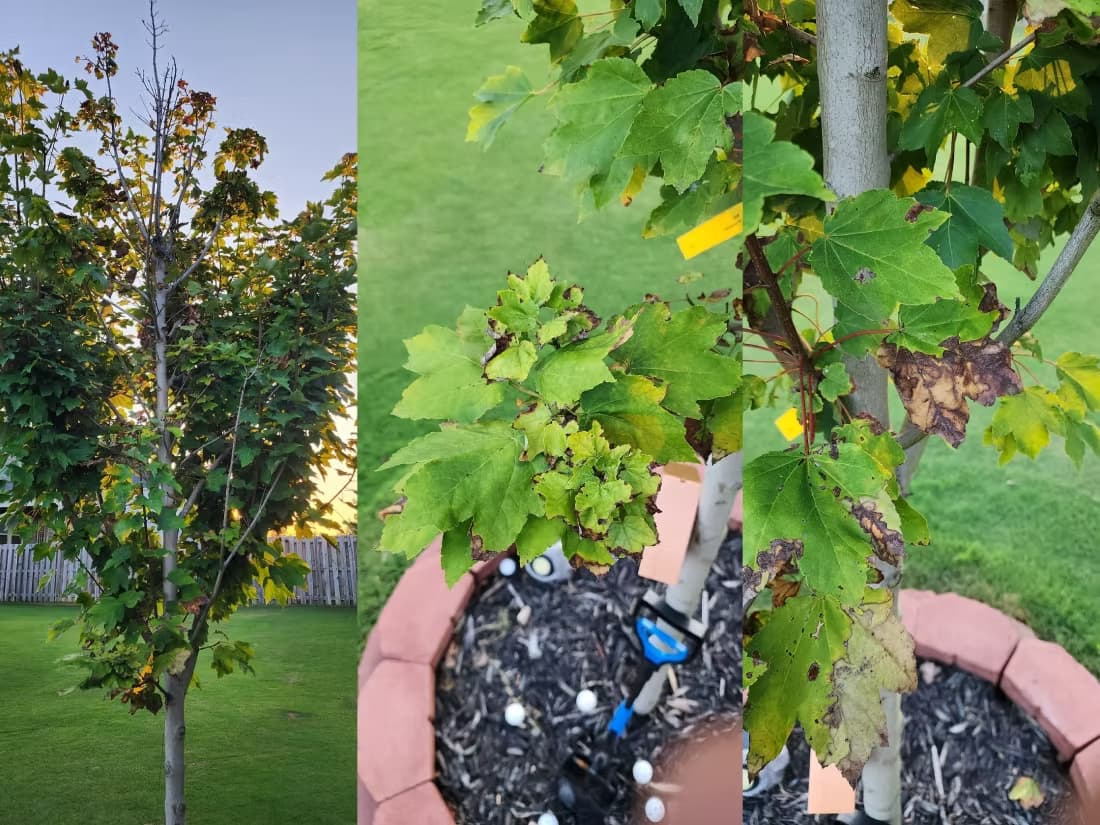
Solving the Mystery of the False Evidence in Your Lawn and Landscape
A brown leaf or a yellowing lawn is rarely what it seems. When symptoms act as decoys, a calm, forensic approach brings clarity to the confusion. Learn how to look past the surface to find the quiet truth of what your plants are truly asking for.
Read Article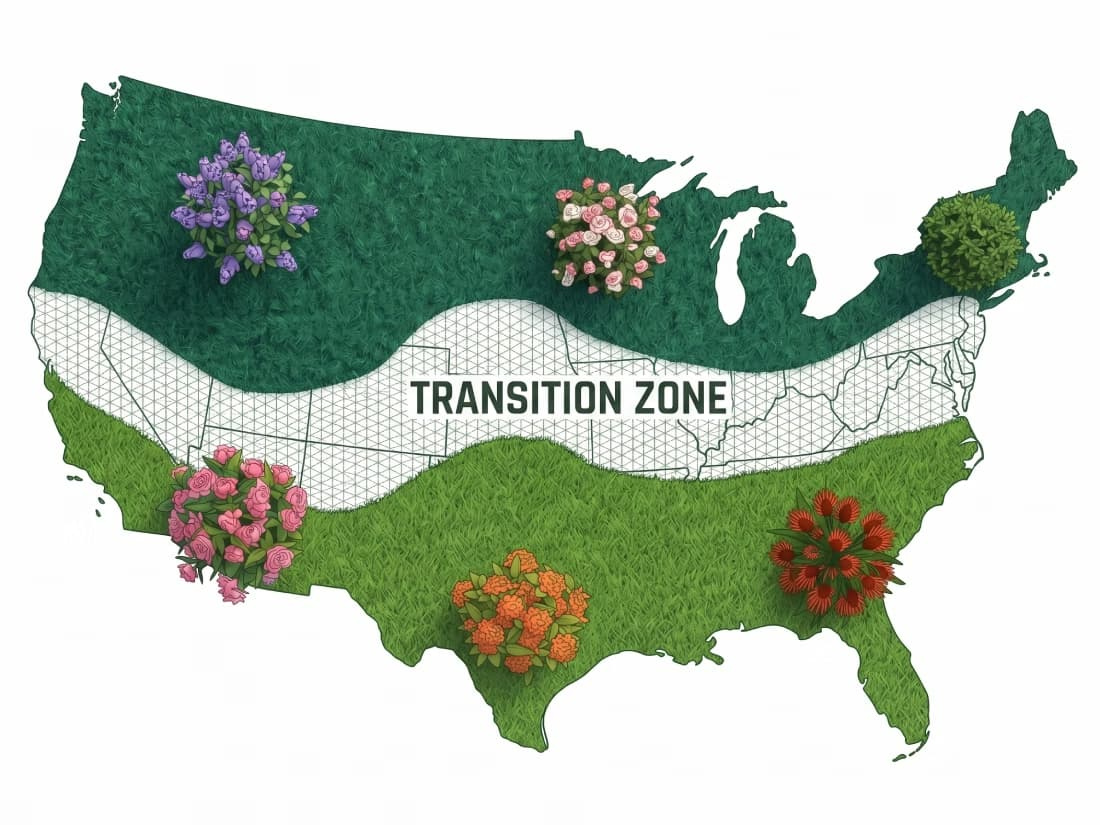
Living in the Middle: The Deep-Dive Guide to Transition Zone Lawns and Landscapes
The Transition Zone is a biological tug-of-war where neither northern nor southern species perfectly adapt. By using resilient "bridge" species and mastering maintenance levers like the Mowing Pivot, you can transform a struggling yard into a healthy landscape.
Read Article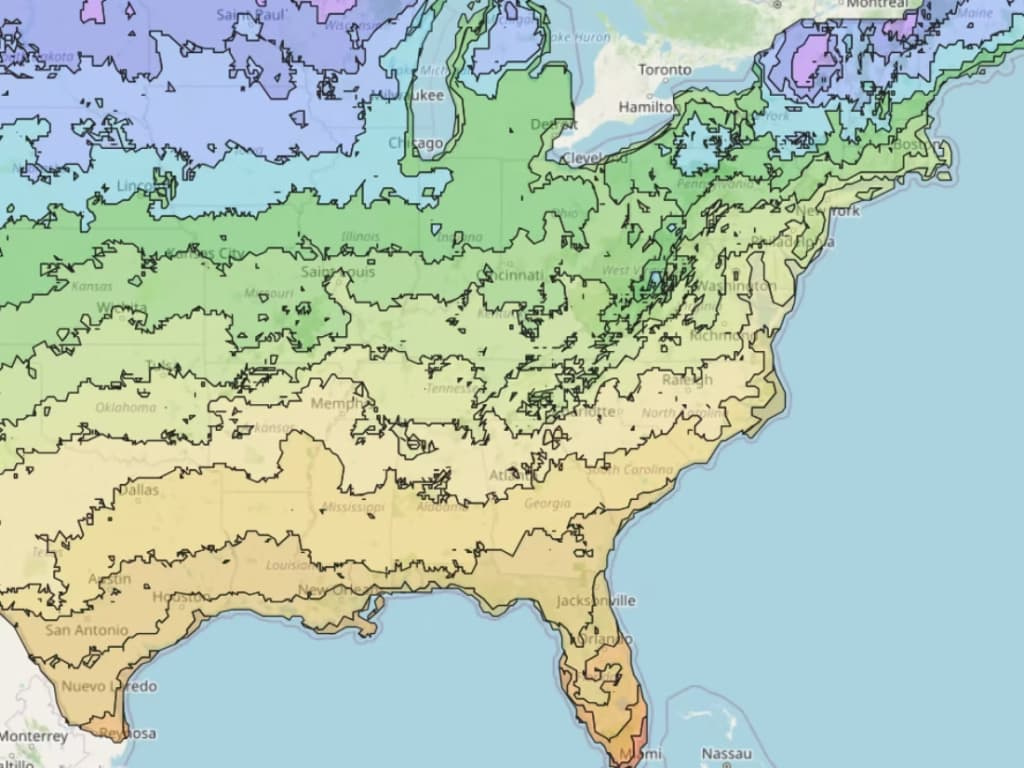
What Your Hardiness Zone Really Means for Your Lawn and Plants
Uncover the foundation of a resilient landscape by mastering the science of hardiness zones. Learn how these climate boundaries are calculated and why understanding your local temperature limits is the first step toward choosing plants that thrive year after year.
Read ArticleFrequently Asked Questions
Our maintenance and establishment guidance is derived from long-term agronomic field studies and turfgrass performance data from top research institutions.
Chewings fescue — it has the densest canopy and the highest shade tolerance of the group. For a shady lawn, buy a blend that is 50–90% fine fescue by weight, not a generic “Sun & Shade” bag.
Only the creeping reds (strong and slender) — they spread slowly by underground rhizomes. Chewings, hard, and sheep are bunch grasses that can’t spread laterally, so those lawns need periodic overseeding.
No — it fails in heat plus humidity. It’s ideal in zones 3–7, hangs on in zone 8 only in shade, and is out of its range past that. In warm climates, look at a warm-season grass instead.
Rarely. In its range a mature lawn seldom needs watering. It survives drought by going dormant and tan; if a dry spell runs past four weeks, a single half-inch keeps the crowns alive.
Only if you have a creeping-red lawn, roughly every 2–5 years, and by core-aerating rather than power-raking. The bunch types barely build thatch.
Yes. The endophytes in improved cultivars only affect livestock grazing large amounts of the straw, not pets or people. Creeping red is also among the more dog-urine-tolerant cool-season grasses.
Scientific Authority
This profile is grounded in turfgrass agronomy and soil science. Every recommendation—from irrigation requirements to nutrient management—is verified against agricultural research data to ensure optimal plant health and environmental sustainability in the Transition Zone.
Primary Resources
- University of Minnesota Extension — Fine Fescue / low-input & salt-tolerant lawn publications
- Purdue University Turfgrass Extension
- Penn State Extension — Turfgrass
- Rutgers (NJAES) Turfgrass — fine fescue trials
- University of Illinois Extension
- UConn Extension
- University of Wisconsin — Turf
- Colorado State University Extension — dog-urine & turf
- NTEP — National Turfgrass Evaluation Program, fine fescue trials