
Hard Fescue
The fine fescue that stays green through heat and drought instead of browning out — the one for a dry, sunny slope.
Is Hard Fescue Right For Your Yard?
Best For:
Tradeoff:
What Makes It Different
Every fine fescue survives drought. Only this one keeps performing through it. The other four handle a dry summer by going tan and dormant and waiting; hard fescue holds color and keeps growing. It rates 7 of 9 for heat against 3 or 4 for everything else.
The mechanism is not deep roots, whatever the bag says. Fine fescue roots are shallow — 13 to 17 inches, with 66–84% of the mass in the top three. What hard fescue has is very low water use and tissue that tolerates heat instead of shutting down. Planted side by side, university observation ranks fine fescue drought resistance sheep first, hard second, then the creeping reds.
The cost arrives as a single disease. Hard fescue is exceptionally susceptible to summer patch, a root and crown rot that strikes when air passes 90°F and soil passes 80°F, leaving sunken straw-colored patches over three feet across. The irony is exact: the hot, sunny site where you choose hard fescue is the site that triggers it. Chewings, the other bunch option, resists it.
And one thing catches people out. It drowns. The most drought-proof grass on this roster is also the least tolerant of wet feet — heavy, poorly drained or seasonally soggy ground kills it.
Who It’s For
The sites nothing else wants. A south-facing slope you would rather not drag a hose up. The strip between sidewalk and street. Gravelly, sandy, infertile ground. Anywhere you have decided to stop irrigating and stop fertilizing and accept whatever survives — hard fescue is the one most likely to still look like turf afterward. It is also the backbone of no-mow and bee lawn mixes, growing slowly enough to need very little cutting while holding up in full sun where the creeping reds thin.
It stretches the range slightly, too. The canonical fine fescue review notes hard and sheep have better drought and heat tolerance than the red fescues and so may perform in warmer, drier climates — the western side of the transition zone, or a Mediterranean one. Everywhere else the type page’s transition-zone warning stands.
Go elsewhere if the ground stays wet, if you want a short formal cut, or if the yard is shaded and takes damage — Chewings is denser in shade, strong creeping red repairs itself.
The Cultivars
| Cultivar | How it’s sold | What it’s good at | Notes |
| Tenacious | Standalone from specialist seed suppliers | A Rutgers release aimed squarely at this subtype’s weaknesses — the supplier reports mesotrione resistance, strong seedling vigour, better mowability, and resistance to leaf spot, red thread and summer patch | The summer patch claim is supplier-stated, but Rutgers has published peer-reviewed work showing summer patch tolerance is heritable and breedable in hard fescue, so the program behind it is real |
| Beacon II | Blend component in elite low-input mixes; no standalone retail found | The breeder reports drought tolerance second to none in recent NTEP trials, a dense year-round sward, and aggressive establishment | A-LIST approved — independently tested under reduced inputs. Supersedes plain Beacon, which has no current retail presence |
| Gladiator | Standalone from specialist seed suppliers; also in bee lawn and low-grow fescue mixes | Wear tolerance and low-input performance; the supplier reports rapid establishment and resistance to fusarium patch, leaf spot, dollar spot and red thread | One of the two easiest hard fescues for a homeowner to buy by name, and a standard entry in university research plots |
| Jetty | Blend component; no standalone retail found | The breeder reports the highest NTEP shade tolerance of any hard fescue, plus low-mow ability and one of the darkest colors in the class | A-LIST approved. Worth asking for if your site is dry and partly shaded |
| Sword II | Sold by conservation and reclamation seed houses | Another Rutgers line — improved mowability, disease resistance and seedling vigour | Supersedes plain Sword, which the roster still names. Sold mainly for roadside and revegetation work |
| Reliant IV | Sold in 50 lb bags through mass and agricultural retail; also a blend component | A widely distributed workhorse rather than a specialist | Unusual in this group for being reachable outside specialist channels, if you can use 50 lb |
| Rescue 911 | Available through a wholesale seed cooperative | Color — rated first for genetic color among 26 hard fescue entries in NTEP’s 1998 trial | That figure comes from a 2002 final report. Genuinely old; treat as historical, not current |
| Gotham, Resolute, Nordic, Spartan II | On state DOT approved-cultivar lists; no consumer standalone found | — | Real cultivars still in professional circulation, but not something to plan a purchase around |
| Bighorn GT | Blend component in bee lawn and low-input mixes | Carries a glyphosate-tolerance designation | Filed under sheep fescue in some references but sold and listed as hard fescue by its supplier and by state DOT lists — see the Sheep Fescue page on why that keeps happening |
| Durar, common hard, and anything marked VNS | Conservation and bargain channels | — | Avoid. Durar is an old reclamation release, bred for cover rather than turf. VNS means Variety Not Stated, which is how unimproved seed reaches a bag |
Two of these — Tenacious and Sword II — come out of a Rutgers program working directly on hard fescue’s known faults: slow establishment, poor mowability, summer patch. Choosing between an old name and a new one here, the new one is likely genuinely better rather than repackaged.
What Changes In Care
- Feed less than any other fine fescue. Under 1 lb of nitrogen per 1,000 sq ft per year, against 1–2 for the creeping reds and Chewings. Some years none at all. This is not just thrift — nitrogen is what feeds summer patch.
- Run the summer patch program, because you will need it. Hold nitrogen under that ceiling, use an acidifying source such as ammonium sulfate, keep soil pH near 6.0, core-aerate compacted ground in the August–September window, and stop mowing once the lawn is under heat stress.
- Mow high, and expect to mow rarely. Hard fescue resists close cutting — it cannot survive putting-green heights however you feed it — so stay at the top of the type page’s 2.5–4 in range. Slow growth means far fewer cuts than a bluegrass lawn.
- Overseed to hold density. Bunch habit, so damage waits for seed. No dethatching cycle though — hard and sheep are the lowest thatch producers of the five.
- You have one herbicide option the others don’t. The university low-input turf team lists hard fescue as tolerating mesotrione, the active in several at-seeding weed products, where fine fescue as a group is normally injured by it. Useful during grow-in — but check the label rate, and see the Notes: this contradicts the type page as written.
Before You Buy
- Check the drainage before anything else. The guardrail specific to hard fescue: it is drought-proof and it drowns. If water sits on the site after rain, choose something else.
- Buy a blend of three to five unrelated improved cultivars. For a sunny site, extension blending practice is roughly 40% hard, 40% Chewings, 20% strong creeping red.
- Expect a slow start. It germinates in 7–14 days and establishes weakly after — slower than any of the reds. Seed mid-August to mid-September, and treat spring seeding as a last resort here more than elsewhere.
- Buy endophyte-enhanced seed and check the test date. Hard fescue is a reliable endophyte carrier, so the insect resistance is worth having — but endophytes die within roughly six to nine months of warm storage, and big-box packaging rarely shows the date.
- Refuse Durar, common hard and anything labeled VNS. Reclamation and unimproved seed gives the clumpiness without the turf quality.
- If you are killing the old planting first, read the active-ingredient panel. Consumer “Roundup” no longer reliably means glyphosate: true glyphosate lets you reseed in 7–14 days, reformulated blends 28, imazapic far longer.
Deep Dives & Practical Guides
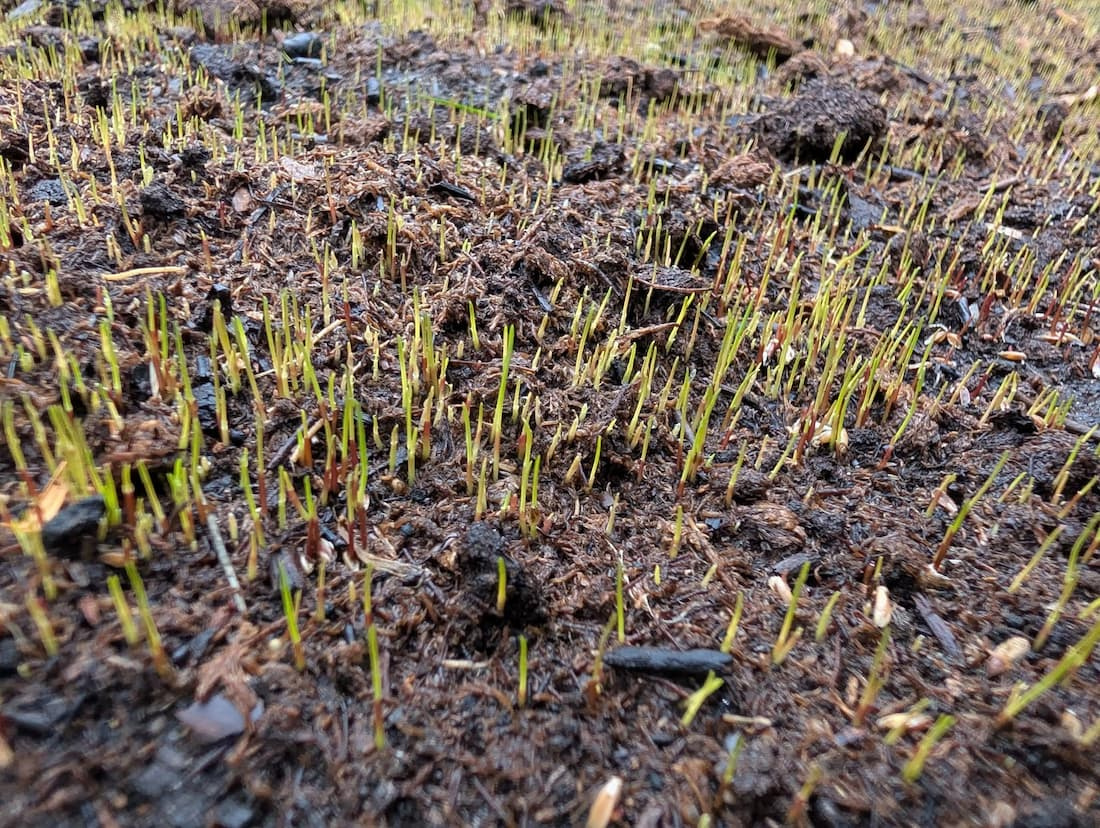
How to Establish a New Lawn From Bare Soil to First Mow
Bare soil doesn't turn into a lawn just because you scattered seed or rolled out sod — it becomes one based on a handful of specific steps done in the right order, matched to your specific grass. This guide walks through soil prep, seeding or planting method, starter fertilizer, watering as the grass grows, and knowing when it's actually safe to mow, for both cool-season and warm-season lawns.
Read Article
Cool Season vs Warm Season Lawn and Landscape Guide
Your lawn and your flower beds don't follow the same calendar — one runs on a cool-season engine, the other on a warm-season one, and using the wrong playbook on either can do real damage. This guide helps you figure out which system you actually have and how to care for it correctly, plus how the same cool/warm split applies to your ornamental beds.
Read Article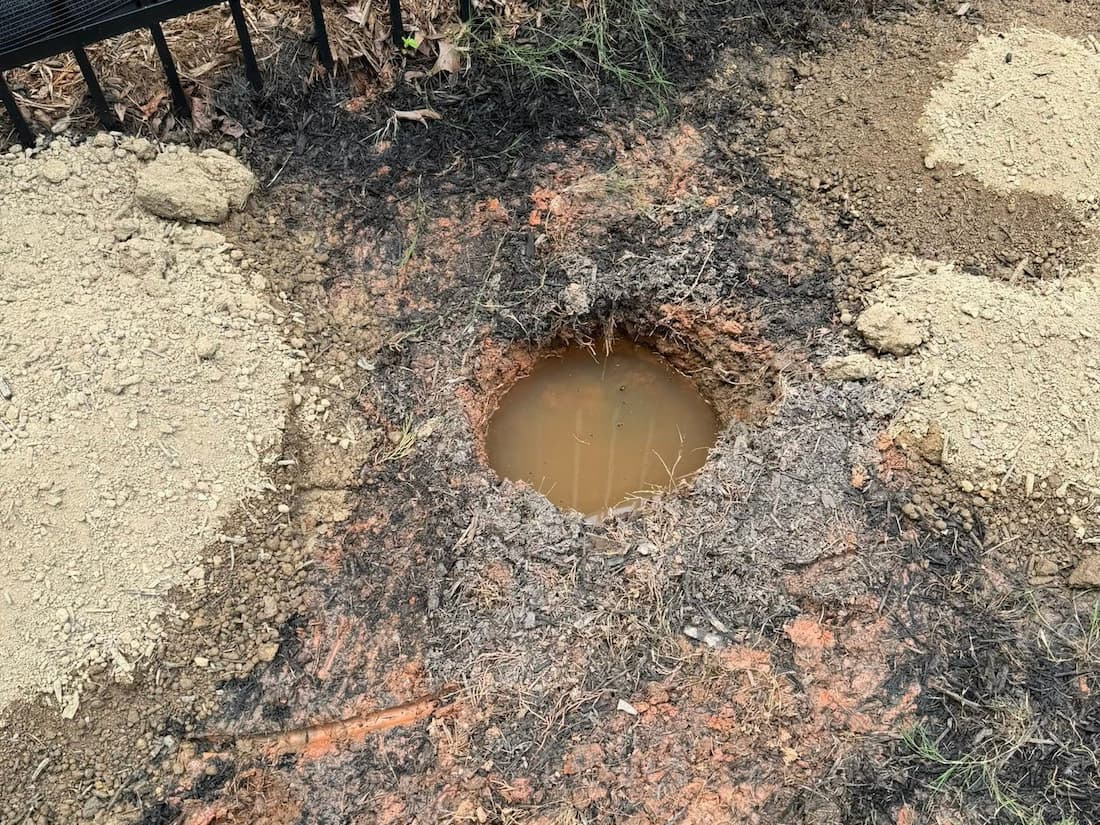
The Hole You Dug Is Killing Your New Plants
A shrub that looked fine all summer and stalled the next year usually didn't fail because of the plant, the weather, or the nursery. It failed because the hole it went into was a container — smooth-walled, water-holding, and impossible to root out of.
Read Article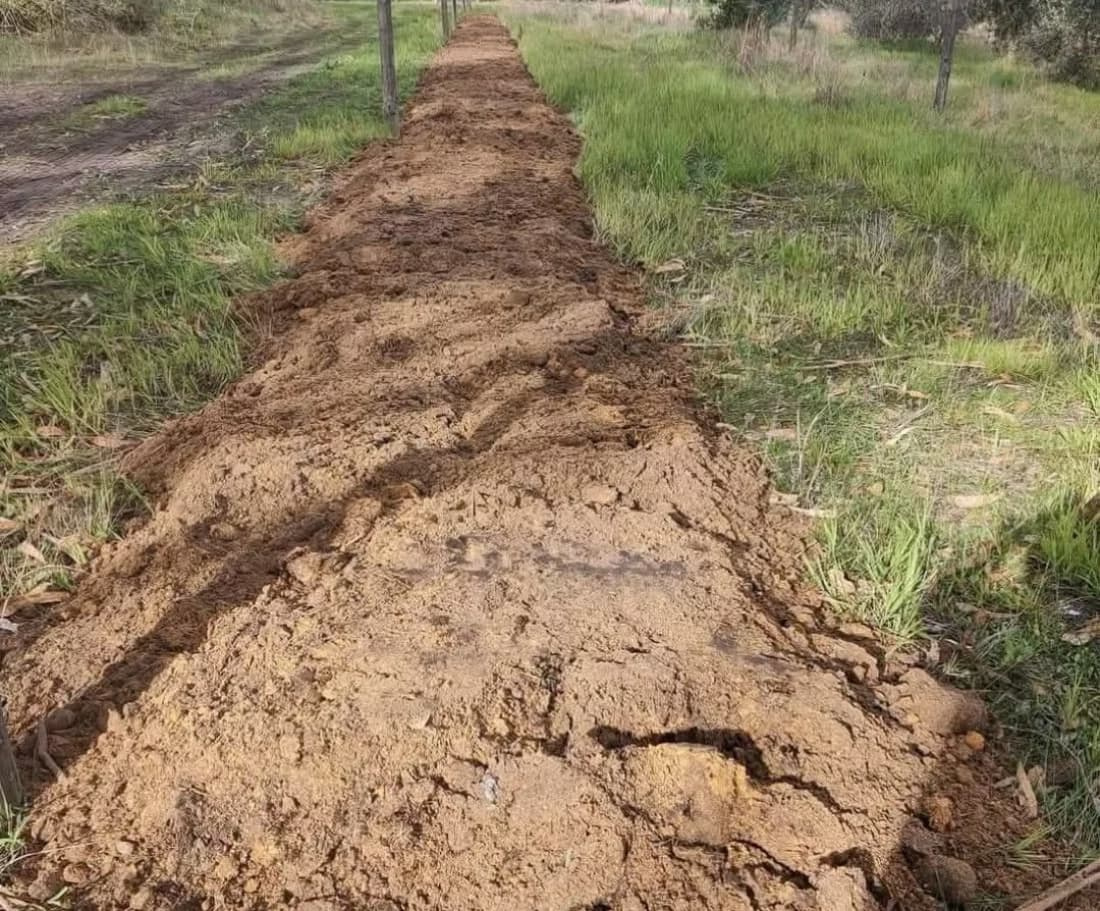
What You Can Actually Change About Bad Soil
Heavy clay and loose sand feel like permanent sentences, and half of that is true. What your soil is made of will not change. How those particles are arranged will — and that is the half that decides whether anything grows.
Read Article
Why Your Plants Survive Winter and Die in July
Your hardiness zone is built from one number — the coldest night of an average year. It says nothing about the hottest afternoon, which is what actually kills most plants people lose. Here's how to read the other half of the map.
Read Article
Why Poa Annua Keeps Coming Back — and the 3-Year Plan That Finally Ends the Cycle
You've pulled it. You've sprayed it. You've watched the little white seedheads mock you every single spring. And every fall, like clockwork, it's back — in the lawn, in the beds, in the cracks you didn't know you had. Here's the hard truth nobody at the big-box store will tell you: you're not losing because you're doing it wrong — you're losing because you're fighting the wrong enemy on the wrong timeline. Poa annua isn't a one-season problem, and once you understand why, the three-year plan below stops feeling like a chore and starts feeling like a countdown.
Read Article
How to Apply Herbicides Correctly in Your Lawn and Garden Beds
Getting real results from a weed product has almost nothing to do with the brand on the bottle and everything to do with matching the method to the moment — the right chemistry, in the right place, at the right time. Learn how to apply herbicides correctly across both your lawn and your garden beds, whether you’re stopping weeds before they sprout or killing the ones already growing, without wasting product or harming the plants you want to keep.
Read Article
How to Kill Weeds Where Two Lawns Meet Without Harming Your Neighbor’s Grass
Controlling weeds along a shared property line is where good intentions quietly backfire—the season that's safe for your own lawn is often the season the lawn next door is most easily harmed. Learn the seasonal timing collision behind most fence-line damage, and the two habits that prevent it—reading what's actually in the bottle and spraying directed instead of broadcast—so you can clear the weeds without hurting your grass, your neighbor's, or the peace between you.
Read Article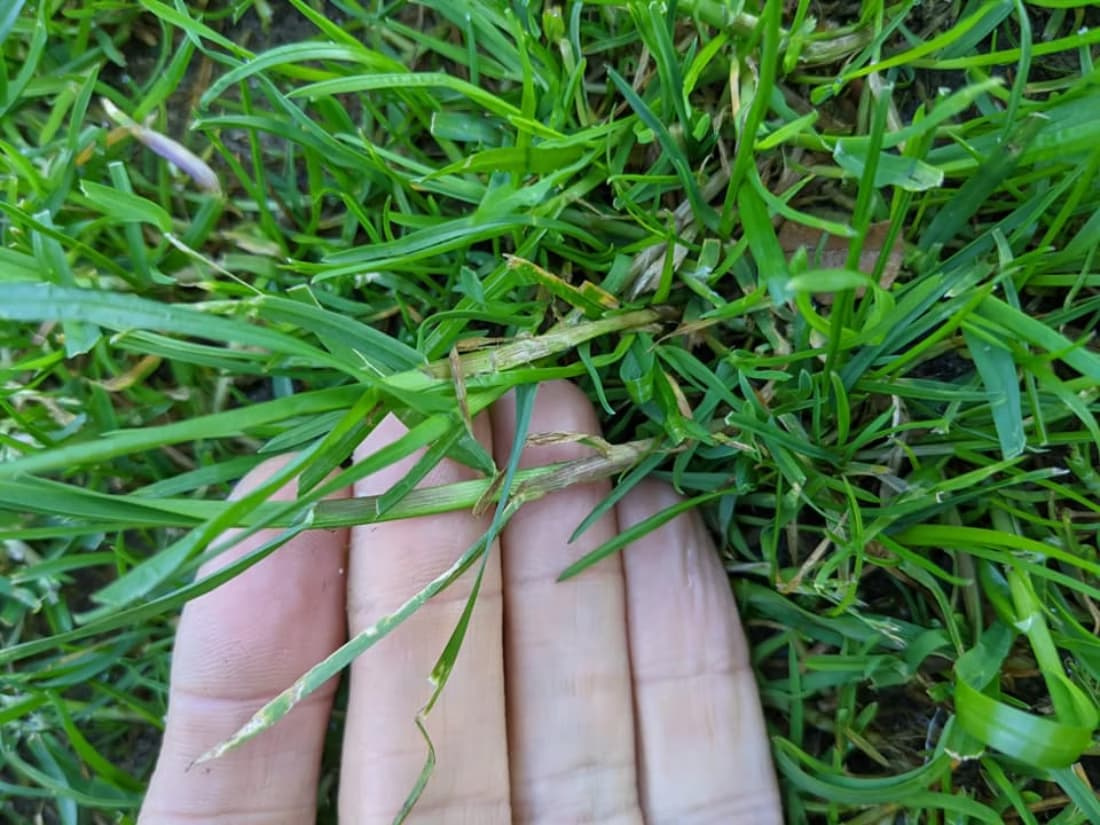
The Truth About One-and-Done Weed Control
Most homeowners lose the fight against weeds not because they work too little, but because they act before they understand. One-and-done weed control is real — but it only works when identification, timing, and the right tool all line up. This guide explains how that sequence works across your lawn and your ornamental beds, and how each weed page in the MFY hub puts it into practice for your specific invader.
Read Article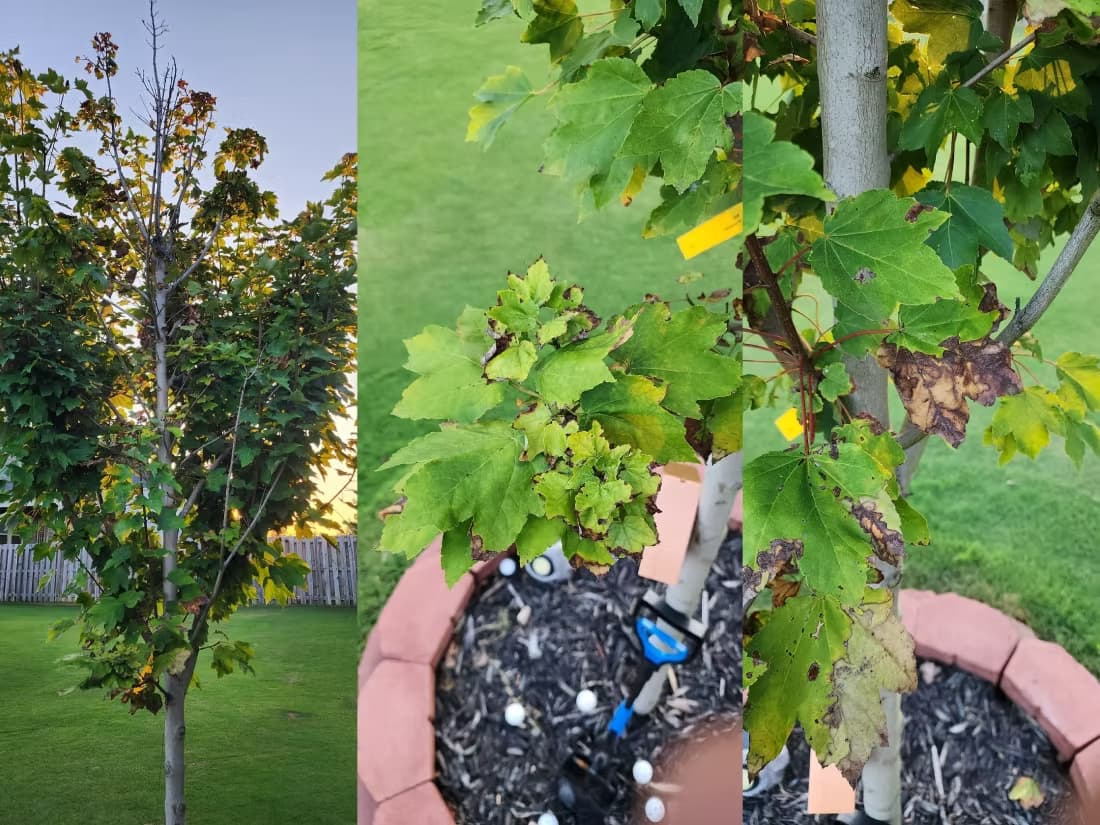
Solving the Mystery of the False Evidence in Your Lawn and Landscape
A brown leaf or a yellowing lawn is rarely what it seems. When symptoms act as decoys, a calm, forensic approach brings clarity to the confusion. Learn how to look past the surface to find the quiet truth of what your plants are truly asking for.
Read Article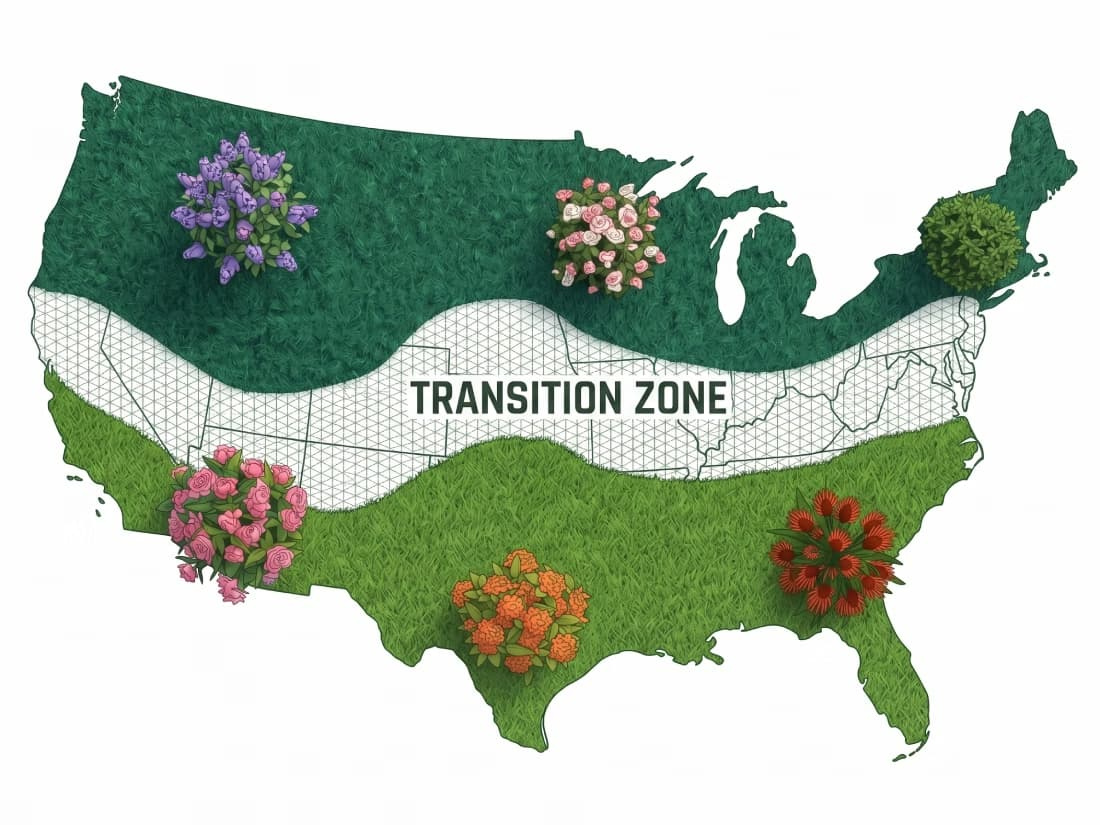
Living in the Middle: The Deep-Dive Guide to Transition Zone Lawns and Landscapes
The Transition Zone is a biological tug-of-war where neither northern nor southern species perfectly adapt. By using resilient "bridge" species and mastering maintenance levers like the Mowing Pivot, you can transform a struggling yard into a healthy landscape.
Read Article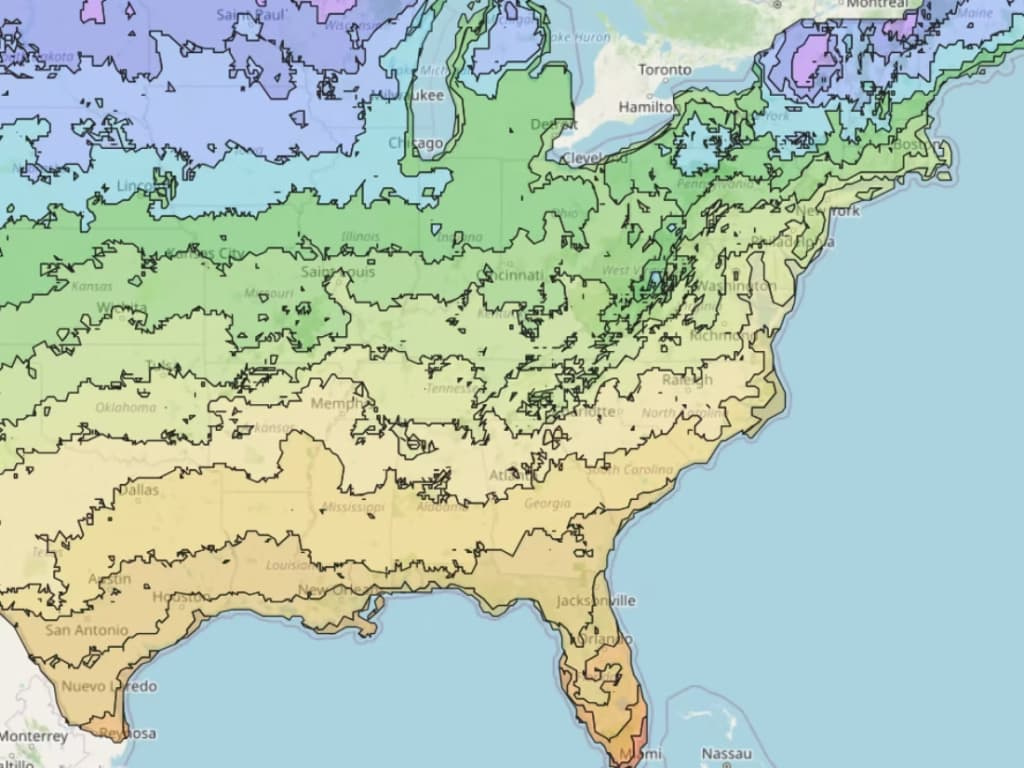
What Your Hardiness Zone Really Means for Your Lawn and Plants
Uncover the foundation of a resilient landscape by mastering the science of hardiness zones. Learn how these climate boundaries are calculated and why understanding your local temperature limits is the first step toward choosing plants that thrive year after year.
Read Article