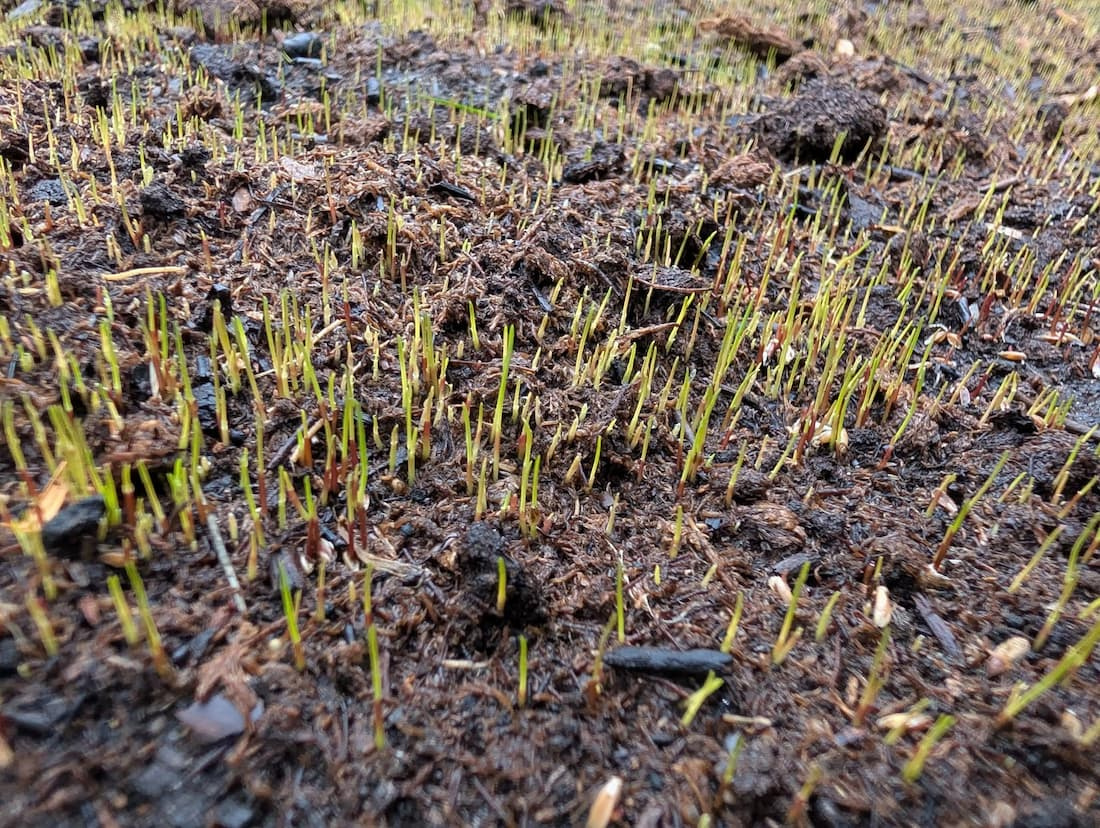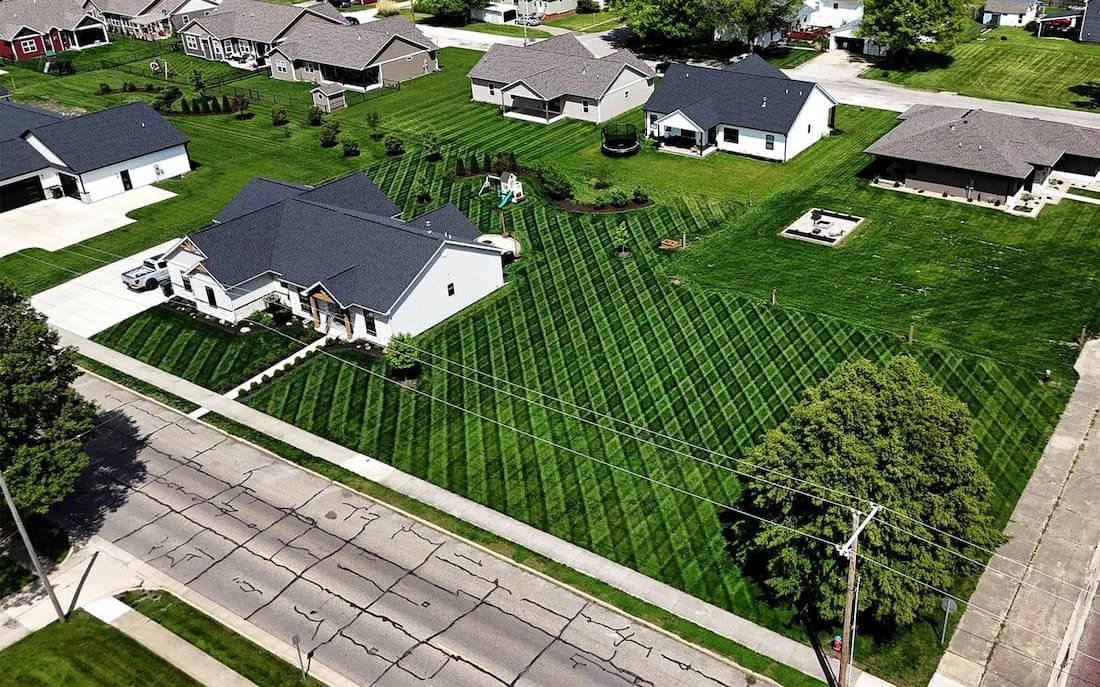
The Transition Zone is an “Identity Crisis” where neighbors argue over Fescue vs. Bermuda while gardeners mourn “hardy” shrubs that scorched in July or split in a February freeze. It is a cycle of “Summer Panic”—over-watering turf that may actually have fungus or watching prize ornamentals melt in the high-VPD “Sauna East.” We often fall for “magic bullet” products or big-box store cultivars built for the deep North or South but doomed in the middle. Here, the mystery of why a healthy plant suddenly fails isn’t a lack of luck; it’s a conflict of survival settings in a climate that refuses to pick a side.
The MFY Advice: Stop Chasing the “Unicorn” and Manage the “Stress Pivot”
Most homeowners fail in the Transition Zone because they are looking for a plant that loves their climate. The biological reality is that no species loves this region—they merely tolerate it. According to horticultural research from NC State and Kansas State, this area is an “ecotone,” a volatile meeting point where northern and southern air masses collide. Treating your yard like a static environment is a recipe for total turf failure.
The truth is, your landscape is in a constant state of physiological defense. Whether you choose cool-season (C3) or warm-season (C4) species, you are simply choosing which “Failure Pivot” you want to manage. If you plant Fescue, you aren’t growing grass in July; you are managing a “Photosynthesis Stall” where the plant burns its own energy reserves just to survive the night. If you plant Bermudagrass, your focus isn’t the summer heat, but preventing “Winter Kill” when mid-winter warm spells trick the plant into rehydrating its crown before a sharp freeze.
Our Rule: Stop managing for the 90% “average” day and start managing for the 10% “extreme” event. Success in the Middle depends on identifying your regional stressor: if you are in the Humid East, your “lever” is managing nocturnal heat and fungal pressure; if you are in the Arid West, your lever is managing the Vapor Pressure Deficit (VPD) to prevent environmental scorch. Don’t buy a plant because it looks good in a catalog—buy it because you have a scientific justification for how to keep it alive during the 10 days of the year it will hate living in your yard.
Table of Contents
The Metabolism of Failure: Why Your Yard Fights for Air and Energy
In the Transition Zone, you aren’t just managing “plants”; you are managing biological limits. This region is a botanical ecotone—a high-friction meeting point where the freezing winds of the North clash with the humid air of the South. Because of this, your landscape exists in a perpetual state of physiological strain.
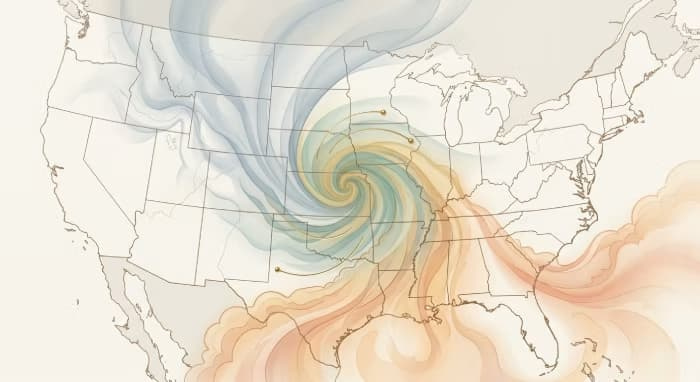
The Summer Energy Deficit
For cool-season (C3) grasses like Tall Fescue, the struggle begins at the Photosynthesis Stall point.
- Energy Depletion: Between 85°F and 90°F, these plants stop fixing carbon into sugars efficiently.
- Root Respiration: While food production stops, the plant’s metabolism actually speeds up, burning through carbohydrate reserves stored in the crown just to maintain basic cellular functions.
- Wet Wilt: In heavy clay, heat-stressed roots can become so deprived of oxygen that they stop functioning. This creates a paradox where the grass wilts in wet soil because it literally cannot “breathe”.
Ornamental plants face a similar crisis driven by Vapor Pressure Deficit (VPD)—the “thirstiness” of the air.
- The Scorch Mechanism: As temperatures rise, the air’s moisture-holding capacity doubles for every 20°F increase.
- Stomatal Closure: To prevent drying out, plants close their stomates (leaf pores). This halts the transpiration cooling system—essentially “turning off the AC”—which causes leaf tissue to cook under the sun, resulting in visible brown edges.
The Winter Thirst Paradox
Winter in the Transition Zone is often deadlier than summer due to Desiccation.
- The “Frozen Straw” Effect: Broadleaf evergreens like Boxwoods continue to lose water through their leaves all winter. If the ground is frozen, the roots cannot replace that moisture, leading to “winter burn”.
- Crown Hydration: Warm-season (C4) grasses like Bermuda are susceptible to “Winter Kill” during mid-winter warm spells. The plant rehydrates in the sun, but if a sudden freeze follows, water inside the cells turns to ice. These ice crystals puncture cell walls, leading to permanent death of the crown.
Biological Failure Thresholds
| Stressor | C3 (Cool-Season) | C4 (Warm-Season) | Ornamentals |
|---|---|---|---|
| Heat Failure | Photosynthesis Stall / Carb Depletion | Highly Tolerant | Stomatal Closure / Tissue Scorch |
| Cold Failure | Desiccation (Winter Burn) | Crown Hydration / Ice Damage | Frost Heaving / Stem Cracking |
| Moisture | “Wet Wilt” in saturated clay | High Drought Tolerance | “Wet Feet” (Root drowning) |
Understanding these limits is the first step in moving from reactive panic to proactive management. Your yard isn’t failing because you lack a “green thumb”; it’s failing because it has reached a hard biological limit.
The Strategy for a Resilient Transition Zone Landscape
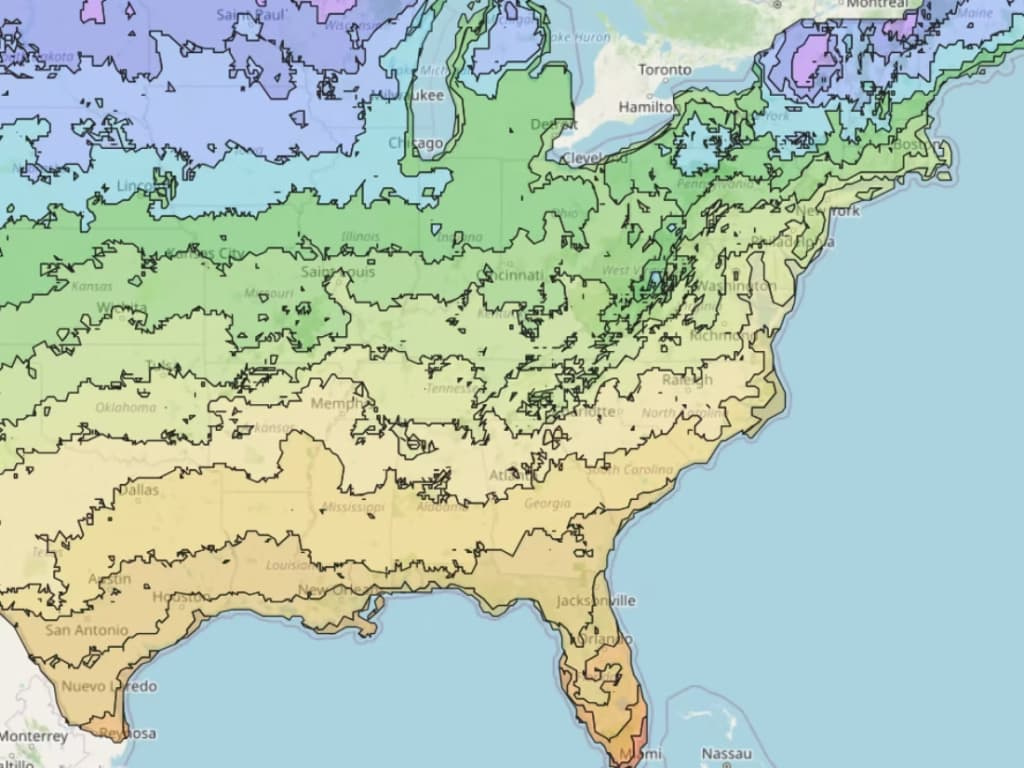
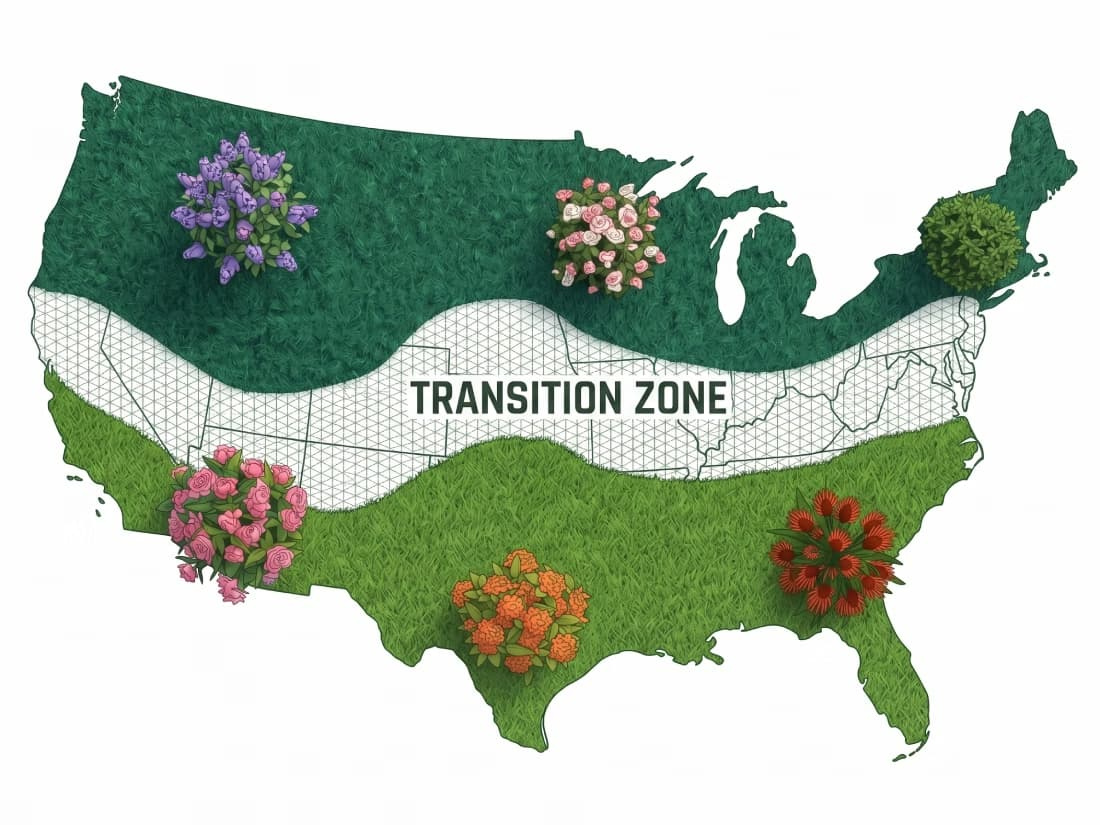
The Transition Zone is not just one single climate. It is a massive area that covers states like Virginia and North Carolina in the East and stretches all the way across the country to Missouri and Kansas in the West. Because this region sits right between the cold North and the warm South, it is a “meeting place” where different types of air masses constantly collide. This means the weather your yard faces in the humid Mid-Atlantic is very different from what a yard faces on the dry Great Plains.
In the Humid East, your landscape deals with a “sauna effect” where the air is heavy with moisture. The biggest problem in this region is that summer nights often stay above 70°F. This prevents cool-season grasses and plants from cooling down, which causes them to burn through their energy reserves much too fast. In the Arid West, the air is much drier and “thirstier.” In these western regions, the dry winds and high heat can pull moisture out of the ground and the leaf pores almost as fast as it falls from the sky.
To keep your yard healthy, your strategy must match these specific regional pressures. If you live in the East, your main job is helping your plants survive the muggy heat and the diseases that love damp, warm weather. If you live in the West, your focus shifts to managing “environmental scorch” and making sure your plants don’t dry out when the high Vapor Pressure Deficit—the drying power of the air—starts pulling water out of the leaves.
To successfully manage this tug-of-war with the weather, you have to start by picking the right “team” of plants for your specific side of the zone. In the following sections, we will look at which grass mixes work best for this tricky environment and how to choose the toughest plants and shrubs for your garden beds.
Picking the Right Grass for the Middle Ground
In the Transition Zone, you are choosing a grass that will eventually face a season it hates. Your goal is to pick a species that has the best “survival settings” for your specific yard.
Cool Season Success and Struggles
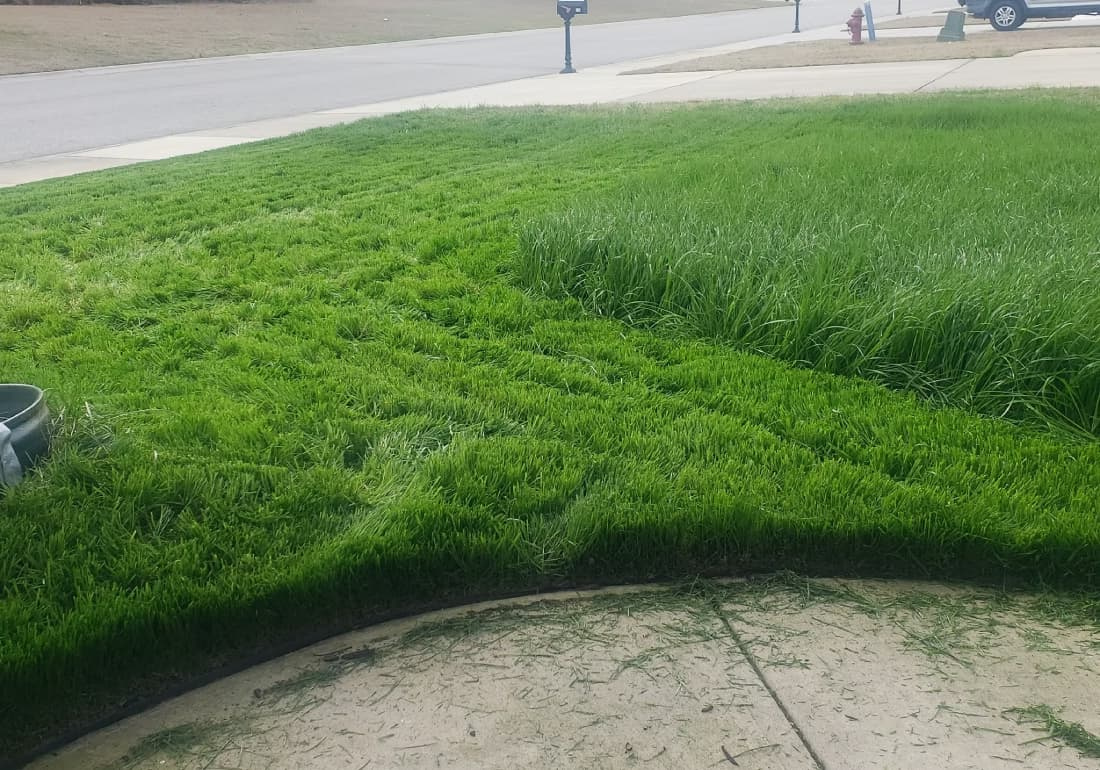
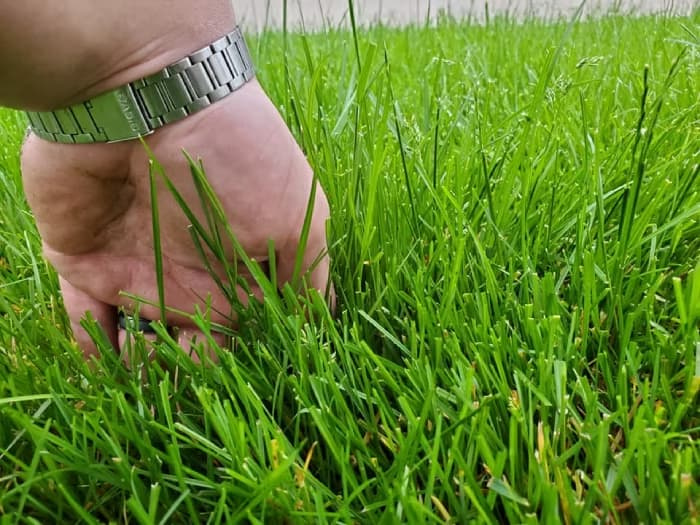
Choosing a cool-season lawn like Tall Fescue is essentially a lifestyle choice in the Transition Zone. If you talk to veteran homeowners in this region, they will tell you that you are trading a “Green Winter” for a “High-Stress Summer.” While your neighbors with Bermudagrass are looking at a brown, dormant yard from November to March, yours will be the only one on the block that looks like a golf course. However, that beauty comes with a practical “summer tax” that requires you to have a solid plan.
One of the most common pieces of “garage-talk” advice for Fescue owners involves the Summer Vacation Trap. If you typically travel or spend weeks away from home during the “dog days” of July and August, your lawn is at its highest risk. Because these grasses hit a Photosynthesis Stall when temps stay above 85°F, they are on biological life support. If you aren’t there to manage the irrigation, a single week of 95-degree heat and dry winds can push the lawn past the point of no return. In this zone, a cool-season lawn and an automatic, smart irrigation system are a package deal; you need the ability to deliver deep, infrequent drinks to those deep roots even when you aren’t there to see the grass wilting.
Another real-world trick is the Mower Umbrella. In the forums, you’ll often hear people say to “hide your mower’s lower settings” once the calendar hits June. By raising your mowing height to 4 inches or more, you are creating a canopy that shades the soil. This isn’t just about looks; it is a thermodynamic lever. That extra inch of grass can keep the temperature at the soil surface—where the delicate “crown” of the plant lives—up to 10 degrees cooler than a short-clipped lawn. This simple pivot can be the difference between your grass surviving the July heat or burning through its energy reserves and thinning out before fall.
Choosing the Right Cool Season Grass for Your Region
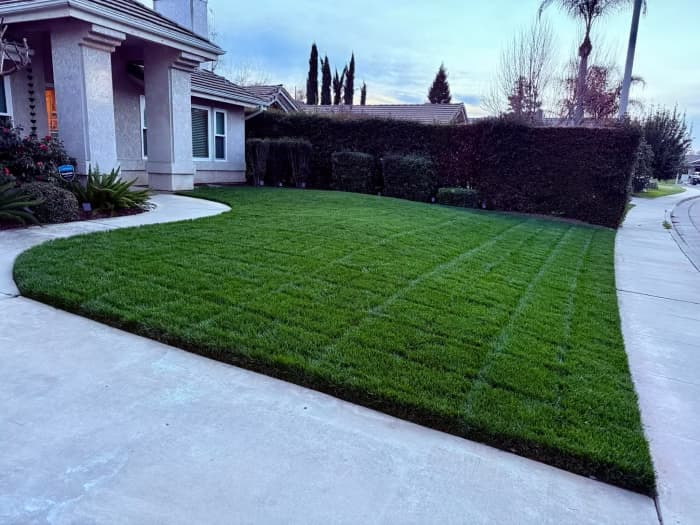
In the Transition Zone, your choice of grass is a decision about which “biological insurance policy” you want to carry. While Turf-Type Tall Fescue (TTTF) is the primary anchor for the region, the specific way you use it—and what you pair it with—changes based on whether you are fighting humidity or drought.
- The Humid East (NC, VA, MD): For this “sauna effect” climate, a Blend of Tall Fescue is the gold standard. A blend contains three or more different varieties of the same species. NC State TurfFiles notes that Tall Fescue is the “best adapted” option here because it handles the intense summer night heat and humidity better than any other northern grass. According to the 2024-25 Virginia Turfgrass Variety Recommendations, you should look for a blend containing at least 90-100% recommended varieties by weight to ensure maximum resistance to environmental stress.
- The Arid West (KS, MO, OK): In the dry, continental climate of the High Plains, the focus shifts to surviving high evaporation and “environmental scorch”. Kansas State University confirms that Tall Fescue is the “most heat- and drought-tolerant” choice because its massive root system can reach deep into the soil for moisture. However, for these western areas, the University of Missouri Extension recommends a Mixture of 90% Tall Fescue and 10% Kentucky Bluegrass. This specific mixture acts as a “safety net”: the Fescue handles the baking sun, while the Kentucky Bluegrass uses its spreading roots (rhizomes) to automatically fill in any bare patches or “holes” that might open up during a long dry spell.
While other cool-season grasses like Kentucky Bluegrass are valued for their “Excellent” cold hardiness and high recovery rates, the research indicates they are often too vulnerable to be grown alone in this zone due to their “Low” drought tolerance. By using these specific blends and mixtures, you are creating a diverse “team” that is biologically equipped to survive the Transition Zone’s extremes.
Selecting Your Warm Season Summer Specialist
Choosing a warm-season grass means you are prioritizing the hottest months of the year. While your neighbors with cool-season lawns are watching their grass “stall” in the July heat, your lawn will be in its peak growing phase. However, the trade-off is the “Brown Winter.” These grasses go dormant and turn the color of a paper grocery bag once the first hard frost hits, staying that way until the soil warms back up in late spring.
The Top Contenders: Bermuda and Zoysia
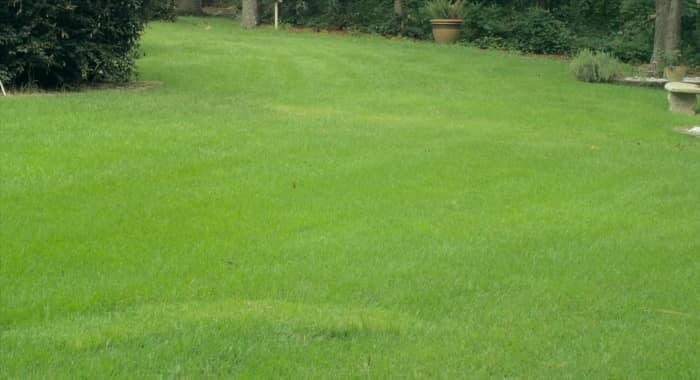
In the Transition Zone, the two most successful “summer specialists” are Bermudagrass and Zoysiagrass. These are preferred because they are biologically built to handle high heat and have been bred for better “cold hardiness”—the ability to survive the freezing winters of the Middle.
- Improved Bermudagrass: This is a high-performance choice that spreads quickly and can handle heavy foot traffic. Research from Kansas State University confirms it is exceptionally drought-tolerant. In the Arid West, it is a favorite because it can survive on much less water than Fescue.
- Zoysiagrass: This is often called the “luxury” grass of the transition zone. It grows more slowly than Bermuda but creates a very dense, carpet-like sod that feels great underfoot. It is also more shade-tolerant than Bermuda, making it a better choice if your yard has a few trees.
Regional Adjustments for Success
- The Humid East (NC, VA): In these regions, high humidity can lead to fungal issues. NC State TurfFiles recommends choosing “improved” cultivars of Bermuda and Zoysia that have been tested specifically for disease resistance in muggy climates.
- The Arid West (KS, MO, OK): Here, the threat is dry winter winds that can cause “Winter Desiccation.” According to the University of Missouri Extension, success in the western zone depends on choosing varieties with deep dormant stability, meaning they don’t try to “wake up” too early during a random February warm spell.
What to Avoid: The “Winter Kill” Danger List
You must be very careful about “Deep South” grasses like St. Augustine and Centipedegrass. While these are beautiful in Florida or Georgia, they are considered non-preferred in the Transition Zone.
The biological reason is a failure called Crown Hydration. In the middle of winter, the Transition Zone often gets a week of unseasonably warm weather. These southern grasses may “trick” themselves into rehydrating their cells. If a sharp freeze follows—which it almost always does—the water inside the plant’s cells turns to ice. These ice crystals act like tiny needles, puncturing the cell walls and killing the “crown” (the heart of the plant).
Why a Cultivar and not a Blend or a Mix?
Unlike cool-season grasses, where mixing different species is a common “safety net,” warm-season lawns are rarely mixed. You wouldn’t want to mix Bermudagrass and Zoysiagrass because they look and grow far too differently. Instead of a messy mixture, the best strategy is to select a single, high-quality cultivar that has been university-tested for your specific location.
Even blending different varieties of the same species—like mixing two types of Bermuda—is generally not recommended. Because these grasses are aggressive growers and are often genetically identical “clones,” they don’t work well as a team. This leads to three main problems:
- Aesthetic Patchiness: Different varieties have unique leaf widths and colors. If you blend a fine-textured Bermuda with a mid-textured one, your lawn will look like it has permanent spots rather than a smooth surface.
- The Dominance Struggle: Over time, the more aggressive variety will eventually choke out the other one, leading to an unstable and shifting lawn.
- Dormancy Clashes: Different varieties go to sleep in the winter and wake up in the spring at different times. A blended lawn might look brown and dormant in some spots while the rest is already green, making your yard look patchy during the most important months of the year.
The traditional standard for success in the Transition Zone is to skip the blends and invest in a single, superior cultivar like ‘Meyer’ Zoysia. This variety is famous for its “middle ground” performance, offering the best cold-hardiness to survive the random freezes that would kill off other southern grasses.
To make sure you are picking the right “star player” for your yard, you can use our Cultivar Comparison tool. This allows you to see the specific characteristics of different grasses side-by-side, so you can choose the best fit for your soil, sunlight, and local climate without the risks of blending.
The Best Times to Start Your Lawn
Timing is a “lever” that determines if your grass lives or dies. You want to plant when the grass has the longest possible time to grow before it hits a stressful season.
For Cool-Season Grasses, you must plant in the Early Fall. This window is specifically tied to the ideal soil temperature (ideally between 50°F and 65°F), which promotes aggressive root development while the “thirsty” air of summer has subsided. This timing gives the young plants two full growing seasons—fall and spring—to build up energy reserves before the summer heat hits. If you wait until spring, the grass will only have a few weeks to grow roots before the Photosynthesis Stall of July arrives, which usually leads to failure.
For Warm-Season Grasses, the best time is Late Spring or Early Summer. These grasses need the rising heat and long sunny days to grow quickly. By planting early in the summer, they can spread and get strong enough to survive the “Winter Thirst” of their first dormant season.
Professional Tools for a Better Lawn
Before you put a single seed in the ground, you should test your environment to make sure your “scientific justification” is solid. We provide several precision tools to help you stop guessing. The Soil Profile Builder helps you understand what is happening beneath the surface, while the Turf Match Selector narrows down which grass species fits your local humidity and heat levels. You can also use our Grass Comparison and Cultivar Comparison tools to see how different seeds perform in head-to-head testing. All of these resources are available in our Turfgrass Hub, which serves as your central command for a resilient landscape.
The Landscape Strategy: Managing the Scorch and the Shiver
In the Transition Zone, every shrub, tree, and perennial you plant is essentially a “dual-agent” being asked to perform in two extreme climates that don’t belong together. Your goal is to select species that possess the specific biological “survival settings” required to thrive in a yard that oscillates between a high-VPD summer sauna and a bone-dry, freezing winter.
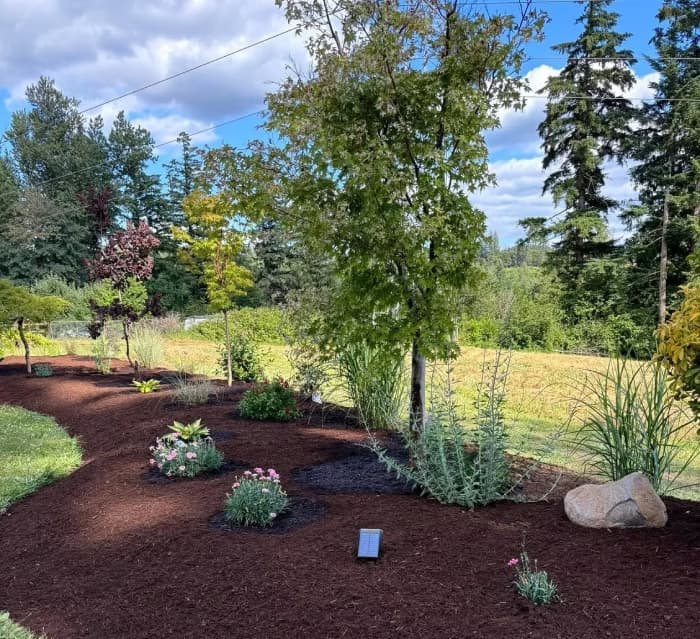
Shrub Success and Struggles
Shrubs are the “mid-fielders” of your landscape, but in the Transition Zone, they face a specific biological crisis: they must be able to transpire (cool themselves) during a humid 95°F July while simultaneously resisting Winter Desiccation (dehydration) when the ground is frozen.
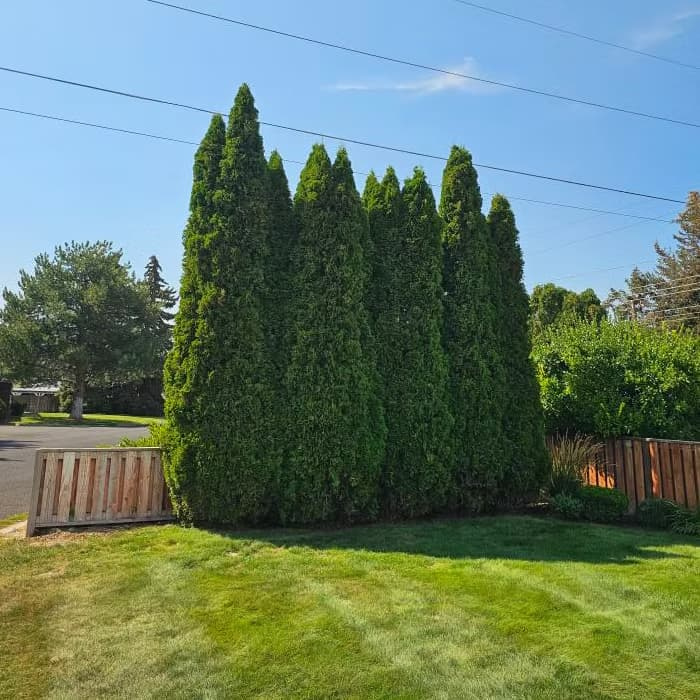
The Success Team: 10 Resilient Shrubs
The following species are preferred because they possess “sturdy metabolic brakes”—the ability to shut down water loss during high Vapor Pressure Deficit (VPD) events without structural collapse.
- Boxwood (Buxus): The traditional anchor. It works because it can handle significant pruning and maintains a dense canopy that shades its own root zone, though it requires winter moisture monitoring.
- Holly (Ilex): Preferred for its thick, waxy leaf cuticle. This “armor” acts as a physical barrier that slows down the rate at which the “thirsty” summer air can pull water out of the plant.
- Rhododendron: Excellent for the Humid East, provided they are given morning sun and afternoon shade to prevent the “Photosynthesis Stall.”
- Juniper: The “survivalist” of the group. It is naturally scorch-proof and can survive the dry winter winds of the Arid West better than almost any other evergreen.
- Abelia: Highly recommended for its heat tolerance and ability to thrive in the “sauna effect” of the Mid-Atlantic states.
- Viburnum: A diverse group that works because of its deep root potential and high adaptability to the “wet-spring/dry-summer” soil fluctuations of the zone.
- Spirea: Because it is deciduous, it avoids the “Winter Thirst” trap entirely by shedding its leaves and entering deep dormancy before the ground freezes.
- Panicle Hydrangea (H. paniculata): Unlike the “Bigleaf” varieties, Panicles are much more scorch-proof and can handle full sun in the Transition Zone without wilting every afternoon.
- Forsythia: A rugged survivor that handles the “Shiver” of the North easily and establishes roots quickly in the Fall Planting Window.
- Ninebark (Physocarpus): A native powerhouse that is biologically “hard-coded” to handle the erratic temperature swings and soil types found across the zone.
What to Avoid: The “Metabolic Mismatch”
To keep your landscape from failing, you must avoid shrubs that cannot handle the “Middle Ground” logic:
- Deep South Specialists (e.g., Gardenia, certain Camellias): Avoid these because of Crown Hydration. They often “wake up” during a February warm spell, pull water into their cells, and are then physically ruptured (killed) when the inevitable “Snap Freeze” returns.
- Deep North Specialists (e.g., certain Lilacs or Spruces): While they love the winter, they often succumb to Environmental Scorch in the summer. They lack the “hydraulic tank” capacity to keep up with the drying power of a 100°F day, leading to permanent leaf margin burn.
- The “Thirsty” Species: Avoid shrubs that require “constantly moist soil.” Unless you have a professional-grade, smart irrigation system, these plants will hit a biological wall during the summer drought periods when the soil moisture levels fluctuate wildly.
The Shrub Strategy
The secret to success with this team is Thermal Buffering. By applying a 3-inch layer of mulch, you protect the delicate root-to-shoot transition zone. This keeps the root temperature stable, allowing the plant to focus its energy on survival rather than recovering from “root-zone heat shock.”
Perennials: The Landscape’s Frontline Sensors
In the Transition Zone, perennials act as your yard’s “early warning system.” Because they lack the woody stems of shrubs or the massive root networks of trees, they are the first to react when the Vapor Pressure Deficit (VPD) spikes in July or when Frost Heaving occurs in January. Your goal is to pick a “Frontline Team” that can shut down its water use during a heatwave without completely collapsing.
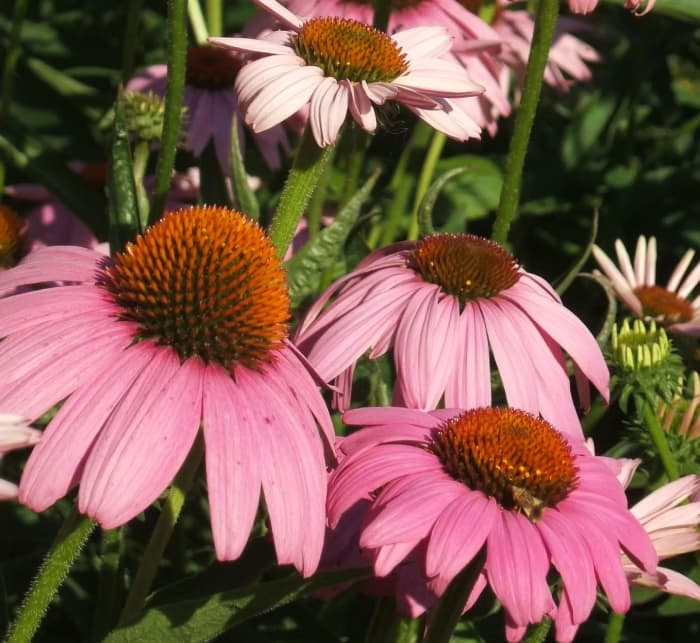
“The Purple Coneflower” by Tony Fischer Photography is licensed under CC BY 2.0.
The Success Team: 10 Scorch-Proof Perennials
These species are preferred because they possess “sturdy metabolic brakes”—they can sense the air becoming “thirstier” and transition into a temporary survival mode.
- Coneflower (Echinacea): A native powerhouse. It works because of its deep taproot, which acts as a “vertical anchor” to find moisture when the surface soil is baking.
- Stonecrop (Sedum): These are the “camels” of the perennial world. Their thick, fleshy leaves store water internally, allowing them to ignore the high evaporation rates of the Arid West.
- Black-eyed Susan (Rudbeckia): Extremely high heat tolerance. They are built for the “Sauna Effect” of the Humid East and won’t succumb to the mildew that kills more sensitive northern flowers.
- Coreopsis (Tickseed): A “low-metabolism” plant that can thrive in poor, rocky soils where other plants would starve for nutrients and water.
- Switchgrass (Panicum virgatum): Technically an ornamental grass, but a essential structural perennial. It is naturally “scorch-proof” and provides winter cover for the soil.
- Salvia: Preferred for its ability to handle high-VPD air. Its textured leaves are designed to break the wind at the leaf surface, reducing the speed at which moisture is extracted.
- Blanket Flower (Gaillardia): It thrives in the “thirstiest” parts of the zone, requiring almost no supplemental water once its roots are established.
- Daylily (Hemerocallis): These have tuberous roots that act like “underground reservoirs,” holding onto energy and water during erratic Transition Zone weather.
- Russian Sage (Perovskia): A champion of the Arid West. Its silver-grey foliage reflects solar radiation, keeping the plant cooler than dark-green species.
- Hellebore (Lenten Rose): Unique because it provides “Winter Success.” It handles the sudden “Shiver” of a snap freeze without the leaf-rupture issues found in southern evergreens.
What to Avoid: The “Hydraulic Failures”
To keep your garden from thinning out, you must avoid perennials that require a “Constant Moisture Index.”
- Wet-Foot Specialists (e.g., Astilbe, many Ferns): Unless your yard has a naturally boggy area, these will fail in the Transition Zone. They lack the biological mechanism to stop water from escaping their leaves; in a 95°F heatwave, they will “bleed” water until they wilt beyond recovery.
- Deep North Favourites (e.g., certain Delphiniums or Peonies): While they survive the winter, they often “cook” in the humid nights of the East. If the nighttime temperature stays above 70°F, these plants can’t cool down, leading to a metabolic exhaustion that kills them by August.
- Surface-Rooted Species: Avoid plants with very shallow, fibrous root systems unless you are prepared to use the Mulch Lever heavily. Without 3 inches of “Thermodynamic Blanket,” their roots will hit lethal temperatures during a July afternoon.
The Perennial Strategy: Managing the “Heave”
The biggest threat to perennials isn’t just the summer heat—it’s the Winter Heave. In the Transition Zone, the soil frequently freezes and thaws. This expansion and contraction can physically “eject” a perennial’s crown out of the ground, exposing the roots to the killing wind.
The Lever: Use Thermal Buffering (mulch) even after the plants have gone dormant. This keeps the soil temperature stable and “locks” the plants in place, preventing the soil from acting like a slow-motion piston that rips your perennials out of the earth.
Tree Success and Struggles
Trees are the highest-stakes investment in your yard. Because of their size and cost, a failure isn’t just a loss of money; it’s a loss of years of growth. In the Transition Zone, trees face a “Dual-Endurance” test: they must withstand the Summer Scorch that can stall their growth and the Winter Shiver that can dehydrate their trunks before they’ve had a chance to anchor.
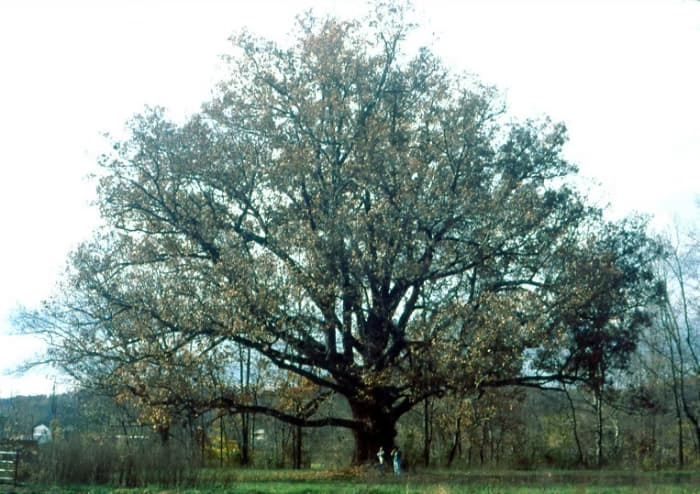
The Success Team: 5 Resilient Trees
These species are preferred because they are “Transition Zone Veterans”—they have evolved or been bred to handle the regional “Ecotone” extremes.
- Oak (Quercus species): Specifically White Oak or Bur Oak. These are the “Deep Anchors.” They work because they prioritize deep taproots that reach moisture levels far below the baking surface soil. Once established, they are virtually “scorch-proof.”
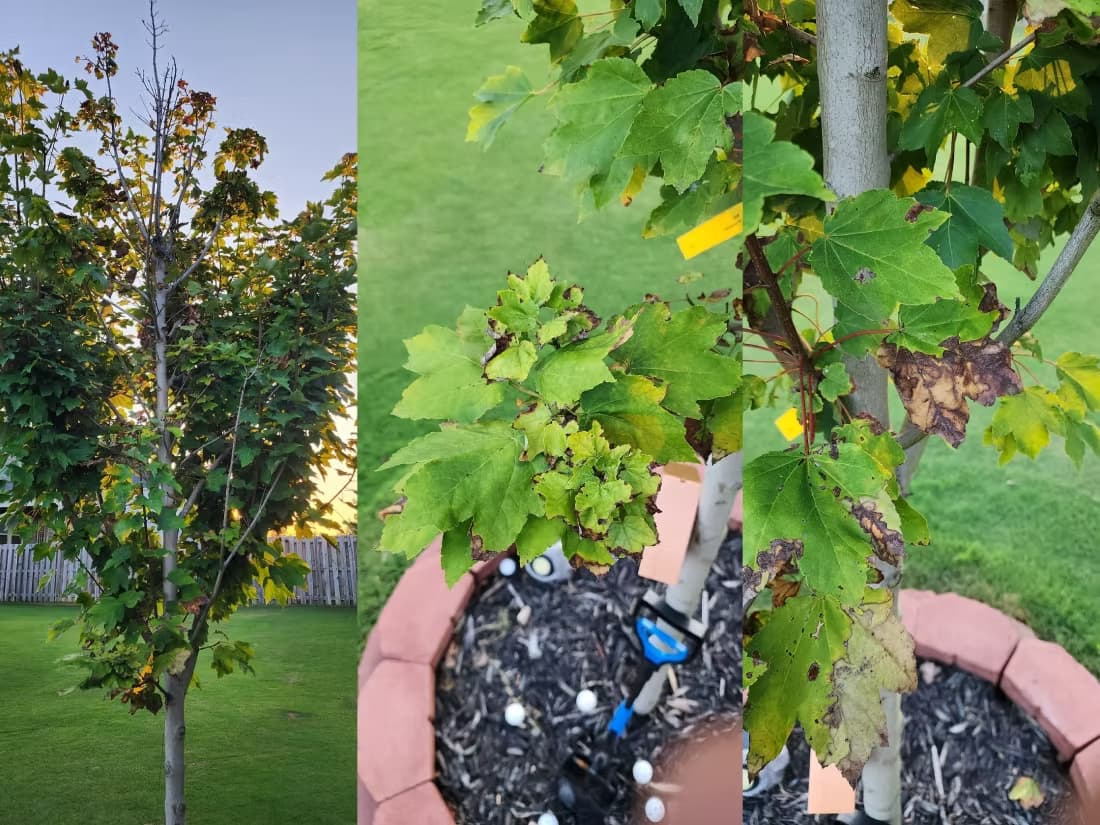
- Maple (Acer rubrum): The Red Maple is highly adaptable. It works because it can handle the “Wet Feet” of a humid Transition Zone spring but possesses enough metabolic flexibility to survive the dry spells of late summer.
- Dogwood (Cornus florida): A native specialist. It works because it has evolved to live in the “Understory,” making it the perfect choice for the shaded parts of your yard where other trees might struggle with low light.
- Redbud (Cercis canadensis): Known for its “Rugged Native” status. It is one of the first to bloom in the spring, and its heart-shaped leaves have a thick enough cuticle to resist the high-VPD air that causes other ornamental trees to wilt.
- Bald Cypress (Taxodium distichum): A “Deciduous Conifer” that is a secret weapon for this zone. Because it drops its needles in the winter, it avoids the Winter Desiccation (thirst) that kills northern evergreens, yet it remains completely unbothered by the 100°F “sauna” humidity of the East.
What to Avoid: The “Structural Failures”
- Fast-Growing “Brittle” Trees (e.g., Bradford Pear, Silver Maple): Avoid these because they prioritize vertical height over structural integrity. In the Transition Zone, our heavy ice storms and high-wind summer thunderstorms will easily snap their weak wood, leading to property damage.
- Cold-Climate Evergreens (e.g., Balsam Fir, Colorado Blue Spruce): While they look great in a Colorado postcard, they often “cook” in the humid nights of the East. They cannot handle the lack of nighttime cooling, which leads to Metabolic Exhaustion and needle drop by year three.
- Surface-Moisture Addicts (e.g., certain Willows): Unless planted near a permanent water source, these will hit a biological wall. Their roots stay too shallow; when the summer drought hits and the top 6 inches of soil bone-dry, the tree has no “backup tank” to draw from.
The Tree Strategy: The “Anchor” Lever
The single most important lever you have for tree success is the Fall Planting Window.
When you plant a tree in the spring, it is forced to grow leaves and roots simultaneously while fighting the rising heat. This is a recipe for failure. By planting in the Early Fall (late September to October), you allow the tree to focus 100% of its energy on Root Anchoring while the air is cool and the soil is still warm. This gives the tree two full “cool seasons” to build a massive root system before it has to face its first Transition Zone July.
Combine this timing with the Mulch Lever—a 3-inch ring of wood chips (avoiding the trunk)—to keep the soil temperatures stable and prevent the frost-heaving that can snap young, delicate “hair roots” during a winter freeze-thaw cycle.
The Second Layer Nuisance: Advanced Professional Tips
Once you’ve mastered species selection and timing, the “nuisance” layer is where you separate the enthusiasts from the professionals. This final tier is about managing the invisible biological triggers that dictate long-term performance.
- For Lawns: The “PGR” Energy Shift. Professional turf managers often use Plant Growth Regulators (PGRs) during the peak season. By chemically slowing down the vertical growth of the blades, you force the grass to redirect its energy into lateral density and root mass. This creates a tighter, more “scorch-proof” carpet that requires less mowing and holds moisture longer.
- For Plants: Avoiding the Late-Season Push. The most common advanced mistake is pruning or fertilizing with nitrogen in late August or September. This triggers a flush of succulent, new growth that doesn’t have time to “harden off” before the first frost. These tender shoots act like lightning rods for winter kill, drawing cold deep into the plant’s structure. In the Transition Zone, the pro move is to stop “pushing” growth by mid-summer and let the plant’s internal clock naturally prepare for the shiver.
By focusing on these subtle physiological levers—managing hormones in your lawn and timing your metabolic signals in the landscape—you move beyond simple maintenance and into true “Transition Zone” mastery.
Safety & Sensitivity Audit: Protecting Your Home and Environment
Before pulling the high-octane maintenance levers discussed above, run through this brief audit to ensure your “Transition Zone Masterplan” doesn’t create unintended liabilities for your property or the local ecosystem.
- Infrastructure Sensitivity: The 811 Protocol. Before digging for a new ‘Meyer’ Zoysia sod bed or planting a White Oak anchor, you must call 811. In this region, utility lines are often buried at varying depths due to historical frost-line shifts. A “hallucinated” guess on utility depth is a high-risk gamble that can result in a severed fiber line or worse.
- Environmental Sensitivity: The Pollinator Window. When applying fungal preventions or chemical growth regulators, timing is a critical ecological lever. Always apply treatments in the late evening after the wind has subsided and pollinators have returned to their hives. This minimizes “drift” and ensures your landscape remains a supportive habitat rather than a biological dead zone.
- Physical Safety: The 10:00 AM Threshold. The same high Vapor Pressure Deficit (VPD) that scorches your shrubs will dehydrate you just as quickly. Avoid heavy labor—like manual core aeration or sod laying—after 10:00 AM during a July heat spike. In the “Sauna East,” the humidity prevents your body from cooling itself through sweat, leading to rapid heat exhaustion before you even realize you’re in the “danger zone.”