
Turfgrass Management
Professional guides for growing and maintaining North American lawn grasses. We translate university research into clear steps for mowing, seeding, and establishing a resilient, healthy lawn that lasts.
Updated: September 17, 2026
Categories: Turfgrass Management, Watering & Irrigation
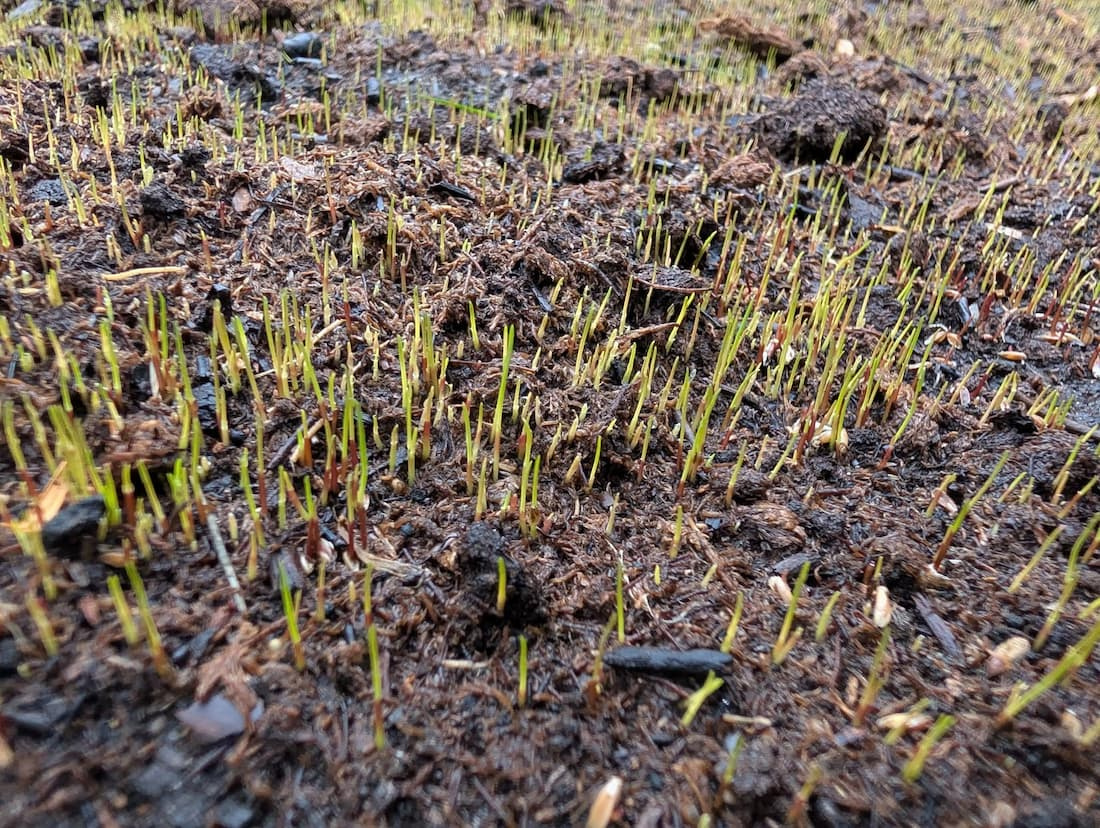
How to Establish a New Lawn From Bare Soil to First Mow
Bare soil doesn't turn into a lawn just because you scattered seed or rolled out sod — it becomes one based on a handful of specific steps done in the right order, matched to your specific grass. This guide walks through soil prep, seeding or planting method, starter fertilizer, watering as the grass grows, and knowing when it's actually safe to mow, for both cool-season and warm-season lawns.
Updated: September 17, 2026
Categories: Turfgrass Management, Environmental Stress
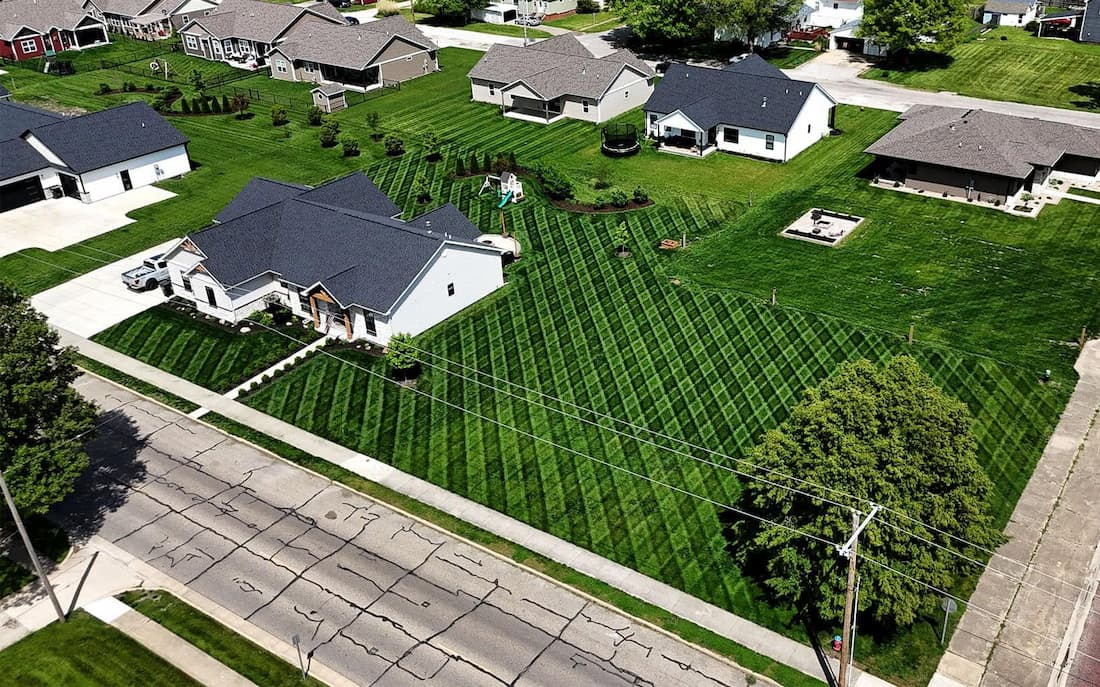
Cool Season vs Warm Season Lawn and Landscape Guide
Your lawn and your flower beds don't follow the same calendar — one runs on a cool-season engine, the other on a warm-season one, and using the wrong playbook on either can do real damage. This guide helps you figure out which system you actually have and how to care for it correctly, plus how the same cool/warm split applies to your ornamental beds.
Updated: October 13, 2026
Categories: Turfgrass Management, Lawn & Plant Health
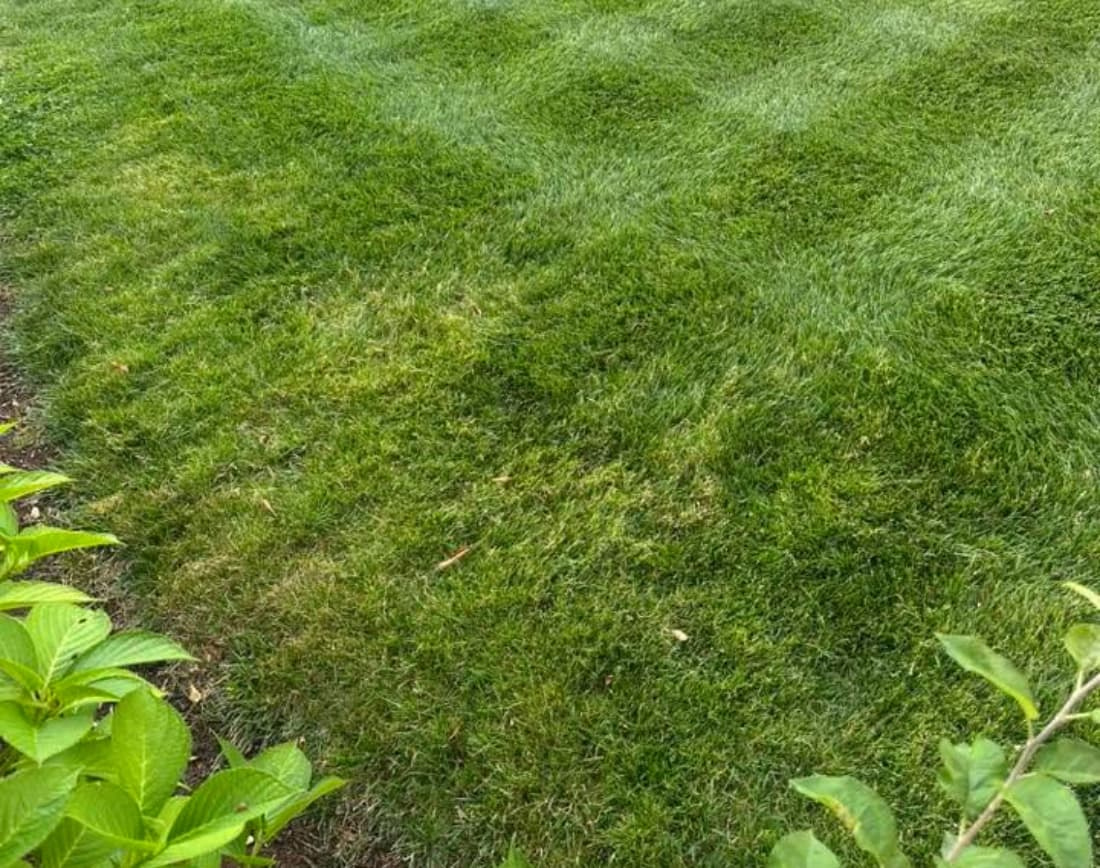
Why Poa Annua Keeps Coming Back — and the 3-Year Plan That Finally Ends the Cycle
You've pulled it. You've sprayed it. You've watched the little white seedheads mock you every single spring. And every fall, like clockwork, it's back — in the lawn, in the beds, in the cracks you didn't know you had. Here's the hard truth nobody at the big-box store will tell you: you're not losing because you're doing it wrong — you're losing because you're fighting the wrong enemy on the wrong timeline. Poa annua isn't a one-season problem, and once you understand why, the three-year plan below stops feeling like a chore and starts feeling like a countdown.
Updated: August 25, 2026
Categories: Gardening Science, Lawn & Plant Health, Turfgrass Management
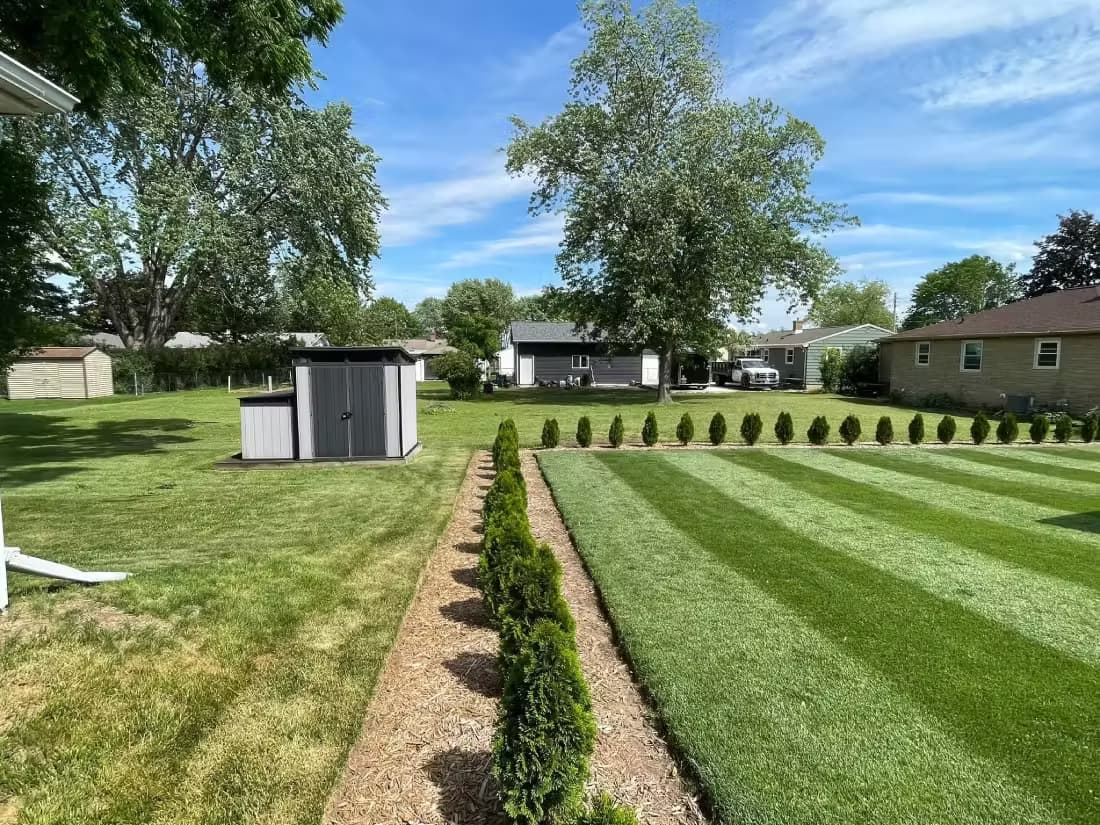
How to Kill Weeds Where Two Lawns Meet Without Harming Your Neighbor’s Grass
Controlling weeds along a shared property line is where good intentions quietly backfire—the season that's safe for your own lawn is often the season the lawn next door is most easily harmed. Learn the seasonal timing collision behind most fence-line damage, and the two habits that prevent it—reading what's actually in the bottle and spraying directed instead of broadcast—so you can clear the weeds without hurting your grass, your neighbor's, or the peace between you.
Updated: September 17, 2026
Categories: Environmental Stress, Ornamental & Landscape Care, Turfgrass Management
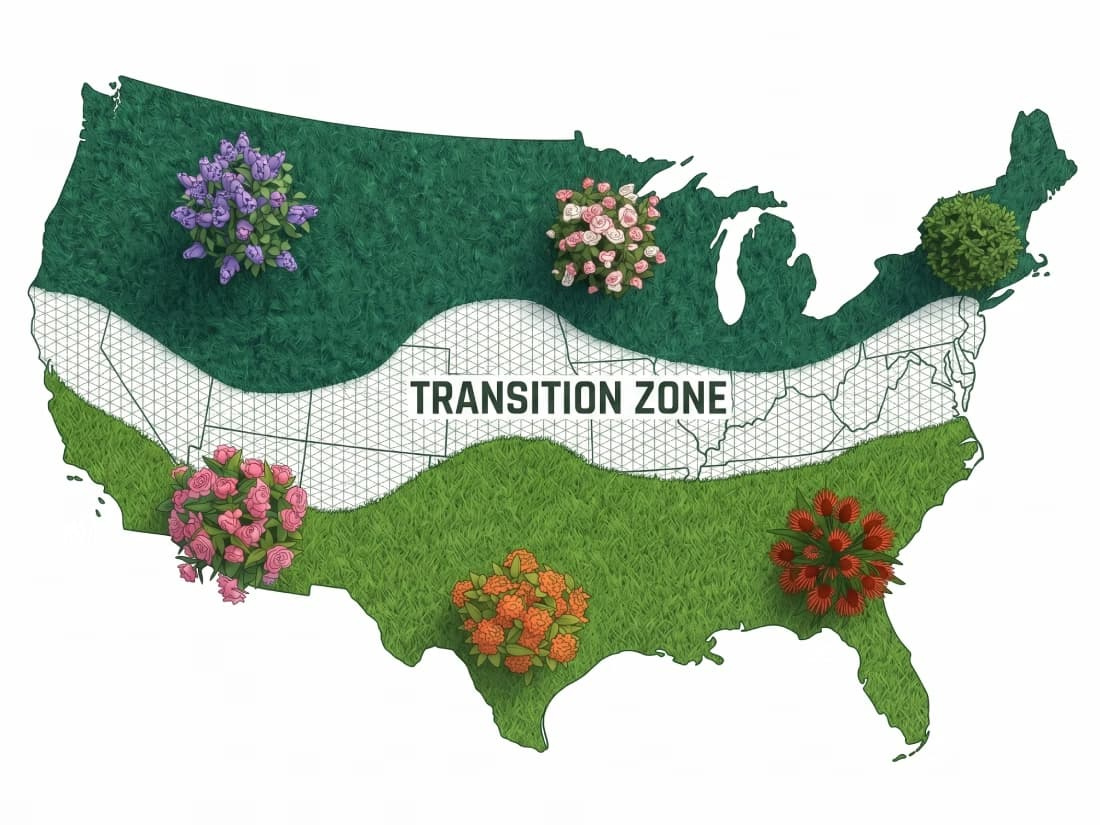
Living in the Middle: The Deep-Dive Guide to Transition Zone Lawns and Landscapes
The Transition Zone is a biological tug-of-war where neither northern nor southern species perfectly adapt. By using resilient "bridge" species and mastering maintenance levers like the Mowing Pivot, you can transform a struggling yard into a healthy landscape.
Updated: September 17, 2026
Categories: Turfgrass Management
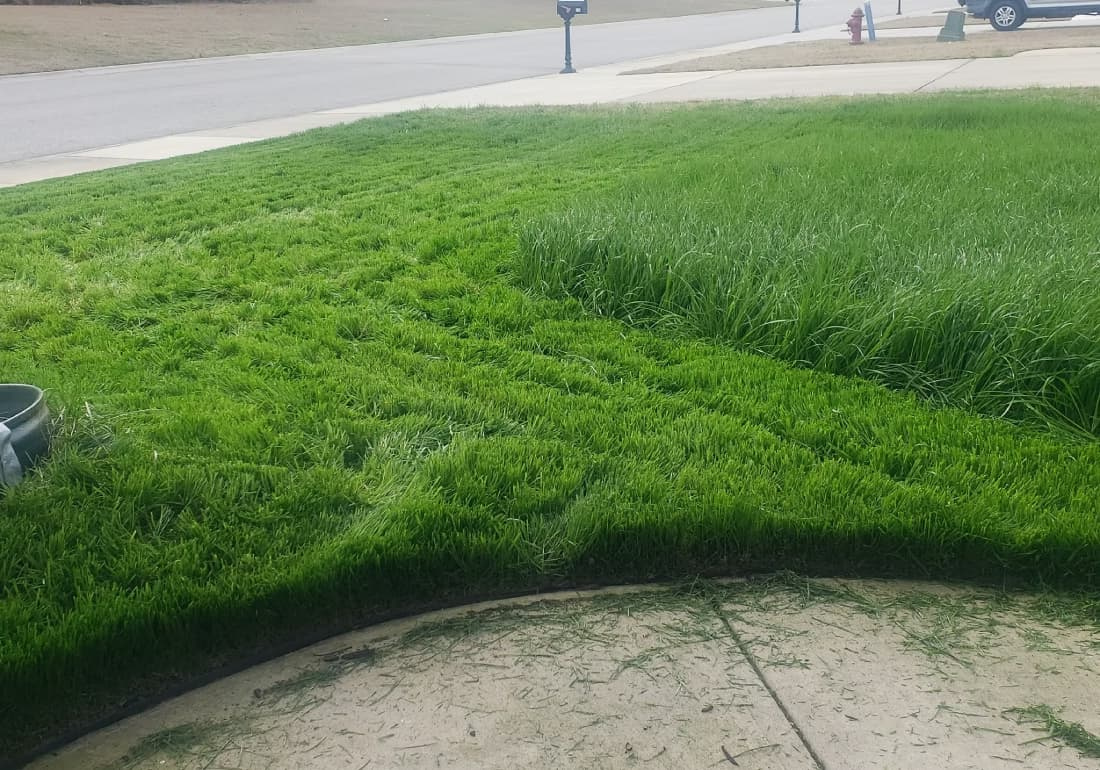
The One-Third Mowing Rule: A Species-Specific Guide to Mowing Heights
Stop guessing your lawn's health. While the one-third rule is the foundation, every grass species has its own threshold for stress. This guide provides exact 'mow-at' heights, seasonal frequency adjustments, and mower setting tips for over 12 grass types to ensure a professional-grade cut every time.
Updated: September 17, 2026
Categories: Turfgrass Management, Lawn & Plant Health
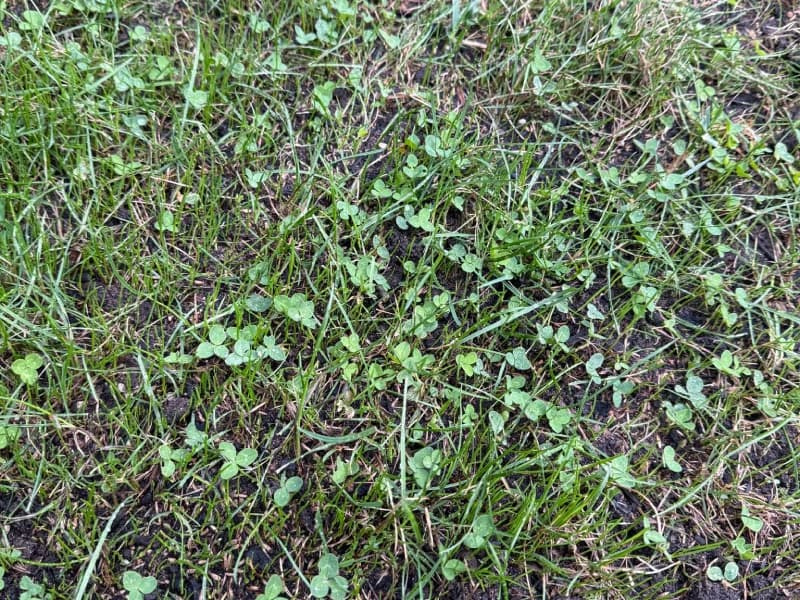
How to Kill Weeds in New Grass Without Killing the Grass
You spent weeks preparing the soil and watering your new seeds, only to see a "carpet of green" that looks more like a weed patch than a lawn. It is frustrating to watch weeds grow twice as fast as your tiny seedlings, leading to a "Panic Phase" where many homeowners make the mistake of spraying too early. Before you reach for the herbicide and risk killing your investment, you need to understand the precise timing required to save your new grass while clearing out the invaders.