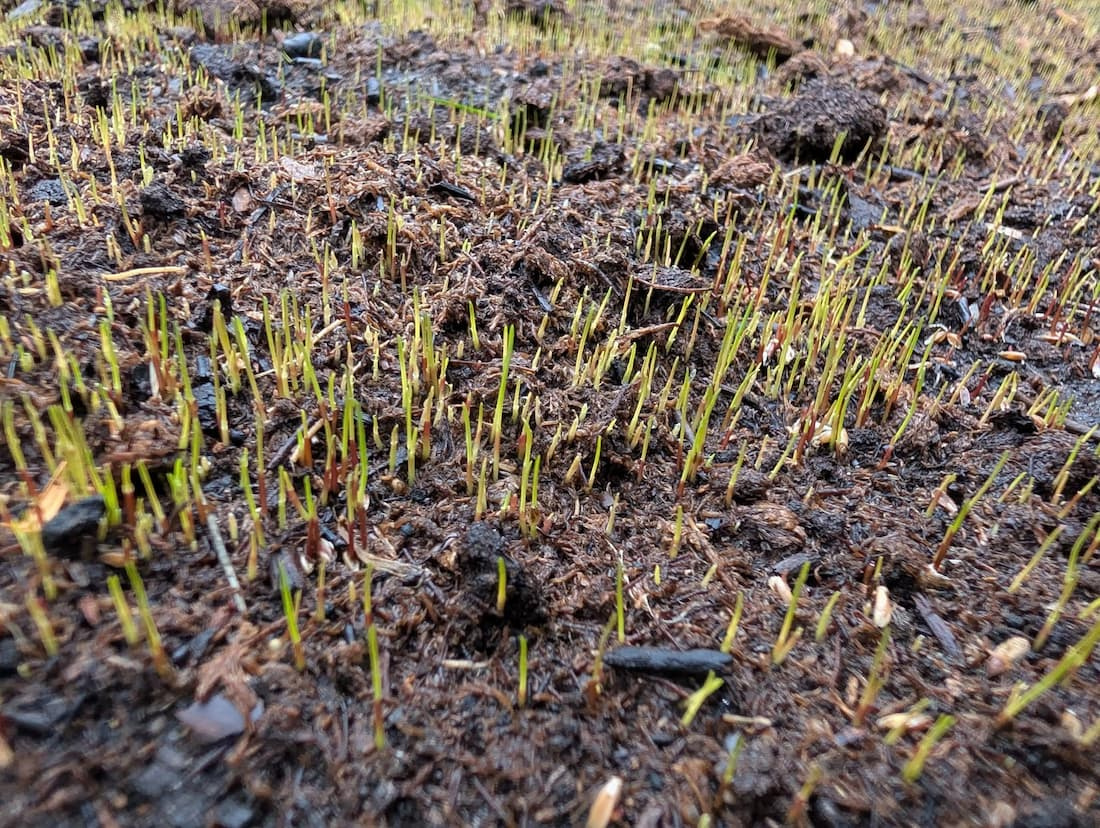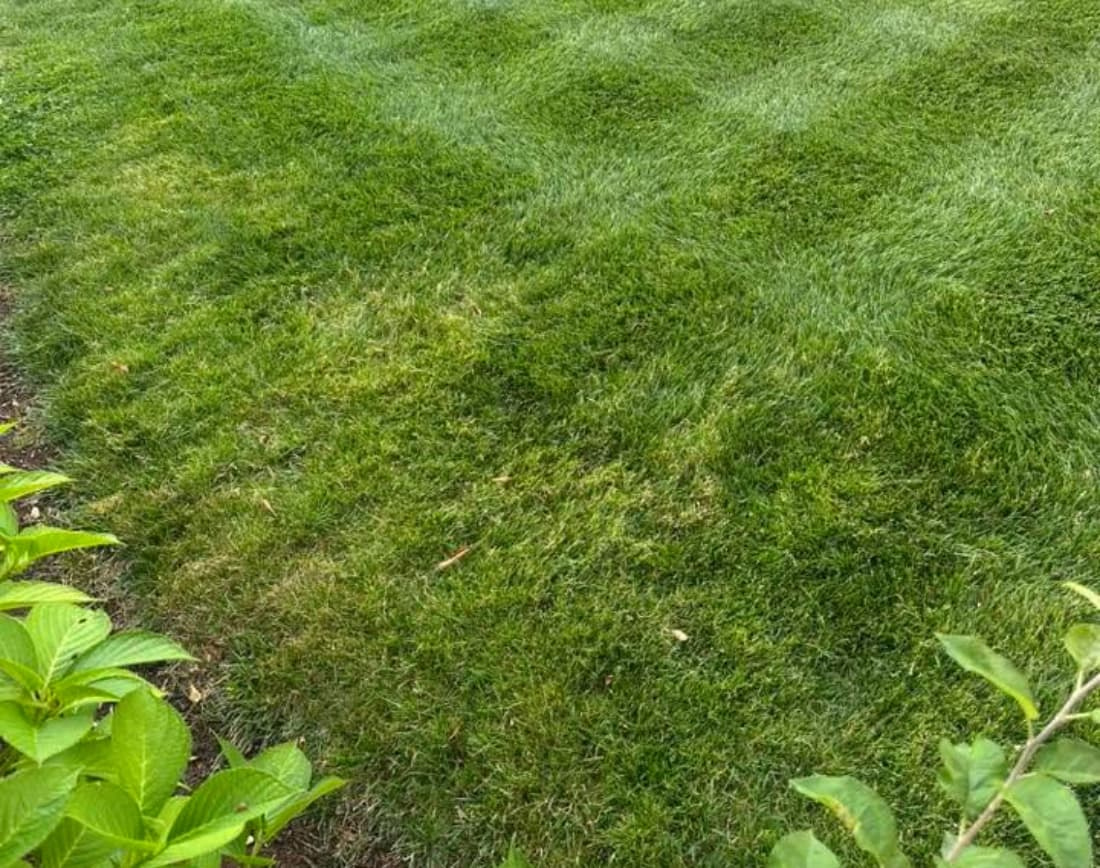
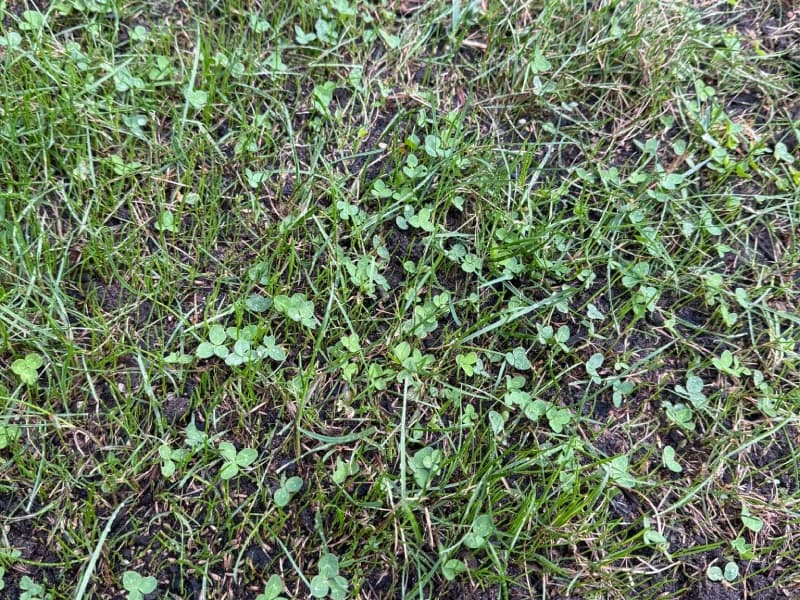
Seeing a carpet of Clover, Purslane, and Crabgrass sprout faster than your grass often leads to a ‘panic phase’ for homeowners. While many experienced growers suggest a ‘let it grow’ approach to avoid harming fragile seedlings, others rely on specialized seeding products to stop the invasion. The reality is that your lawn’s survival depends on timing: treating weeds too early can easily kill the very grass you are trying to protect.
MFY Advice: The Three-Mow Rule
To kill weeds without killing your new lawn, you must wait until the grass is strong enough to handle the chemicals. University research confirms that the safest strategy is the “Three-Mow Rule.” You should not apply standard liquid weed killers until you have mowed your new grass at least three times, which usually takes 28 to 35 days after it first sprouts.
Young grass seedlings lack the thick, waxy coating that older plants have. If you spray them too early, the chemicals can stop their roots from growing or cause the young stems to twist and die. If you see weeds during the first month, the safest options are to pull large weeds by hand or use a product containing Mesotrione at the exact time of seeding. Once you hit the three-mow milestone, your grass is mature enough to survive targeted weed treatments.
Table of Contents
Why Your New Lawn Is a Weed Magnet
If you look at an established, healthy lawn, you rarely see a sudden explosion of weeds. This is due to a scientific concept called competitive exclusion. In a mature lawn, the grass plants have a thick “canopy” (the top layer of leaves) and a deep root system that claims every inch of space, water, and sunlight.
When you start a new lawn, you are essentially creating a “blank slate” in nature, which triggers several biological responses that favor weeds over your grass.
The Exposed Seed Bank
The most common reason for a weed-filled new lawn is the dormant seed bank. Soil contains thousands of weed seeds per square foot that can survive for decades underground. When you tilled the soil, raked the surface, or cleared out old debris, you brought these buried seeds to the surface.
Research from NC State University shows that once these seeds are exposed to UV light and oxygen, they “wake up” and begin to grow immediately.
The “Perfect Storm” of Germination
To get your new grass to grow, you provided the exact conditions weeds like Crabgrass, Purslane, and Pigweed need to thrive:
- Constant Moisture: Watering multiple times a day.
- Nutrients: Using a “starter fertilizer” high in nitrogen and phosphorus.
- Space and Light: Bare soil allows 100% of the sunlight to reach the ground.
Because many common weeds are genetically programmed to grow faster than high-quality turfgrass, they often win the race to reach the surface first.
Lack of Canopy Competition
In a new lawn, there is no canopy to block the sun. University data on Daily Light Integral (DLI) shows that weeds thrive when light levels at the soil surface are high.
Until your new grass seedlings grow tall and thick enough to shade the ground, the soil remains a perfect incubator. While established lawns “choke out” invaders by stealing their light, your new seedlings are currently too small to put up a fight.
Scope: Zone and Season Applicability
Weed invasion in new grass is a universal challenge, but the specific “invaders” and the timing of the problem depend on where you live and when you plant. Whether you are growing grass in the cool north or the humid south, the biology of a “blank slate” lawn remains the same.
Does Your Climate Zone Matter?
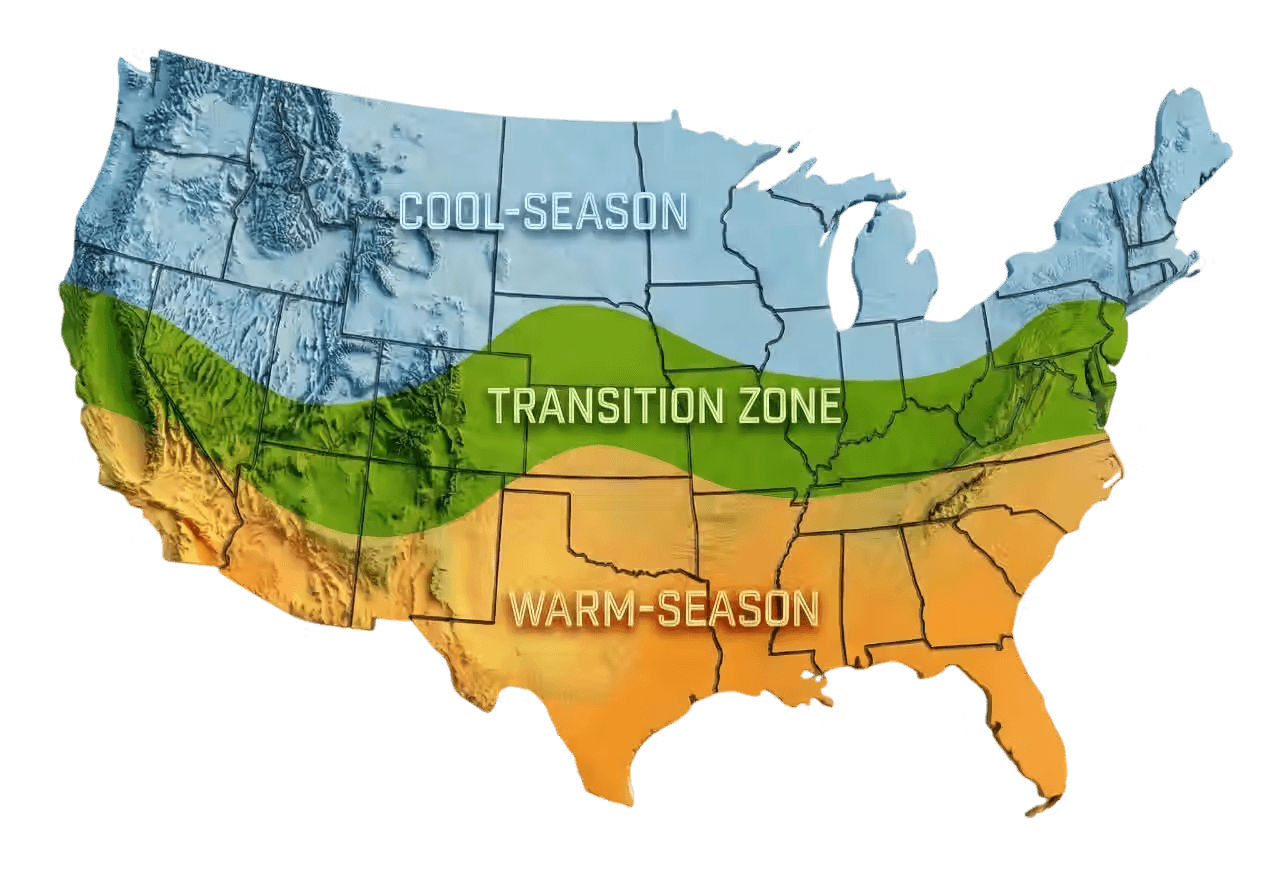
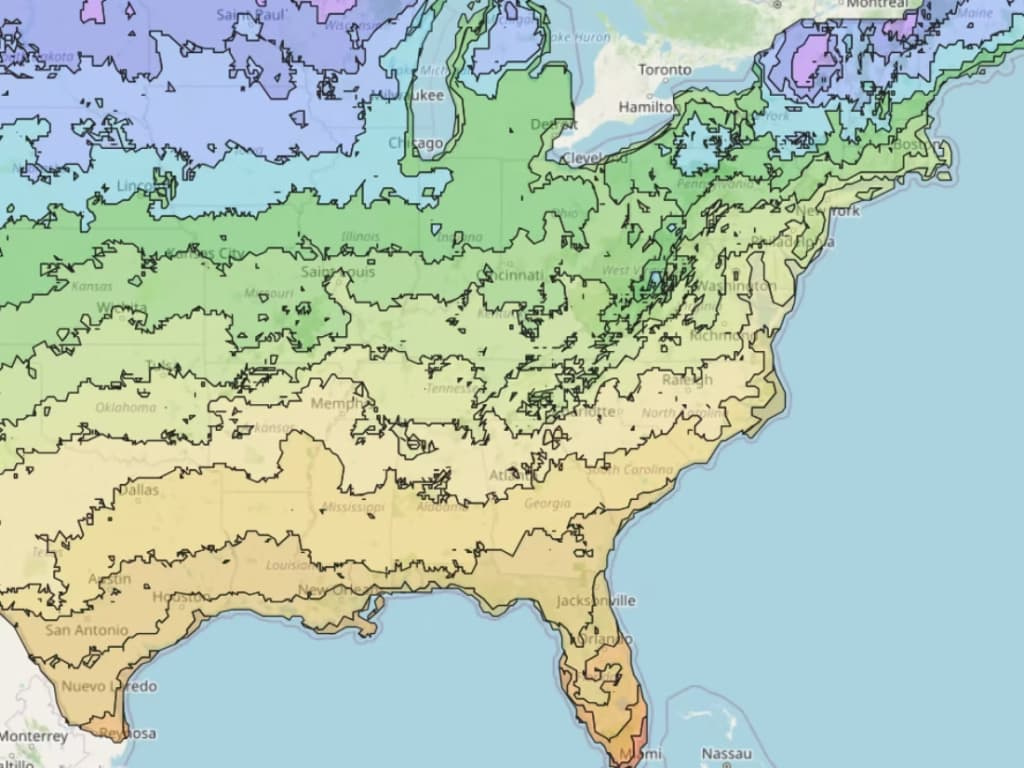
This issue affects every USDA Plant Hardiness Zone. However, the type of grass you are planting determines your risk level:
- Cool-Season Zones (Zones 1–7): If you are planting Kentucky Bluegrass or Tall Fescue, you usually seed in the fall. Your main rivals are winter annuals like Henbit or Common Chickweed. Because these grasses take 14 to 21 days to germinate, weeds often get a head start.
- Warm-Season Zones (Zones 8–11): If you are planting Bermuda or Zoysia, you typically seed in late spring. This is the “high-pressure” season for weeds. Heat-loving weeds like Crabgrass grow at incredible speeds in these zones, often doubling in size every few days.
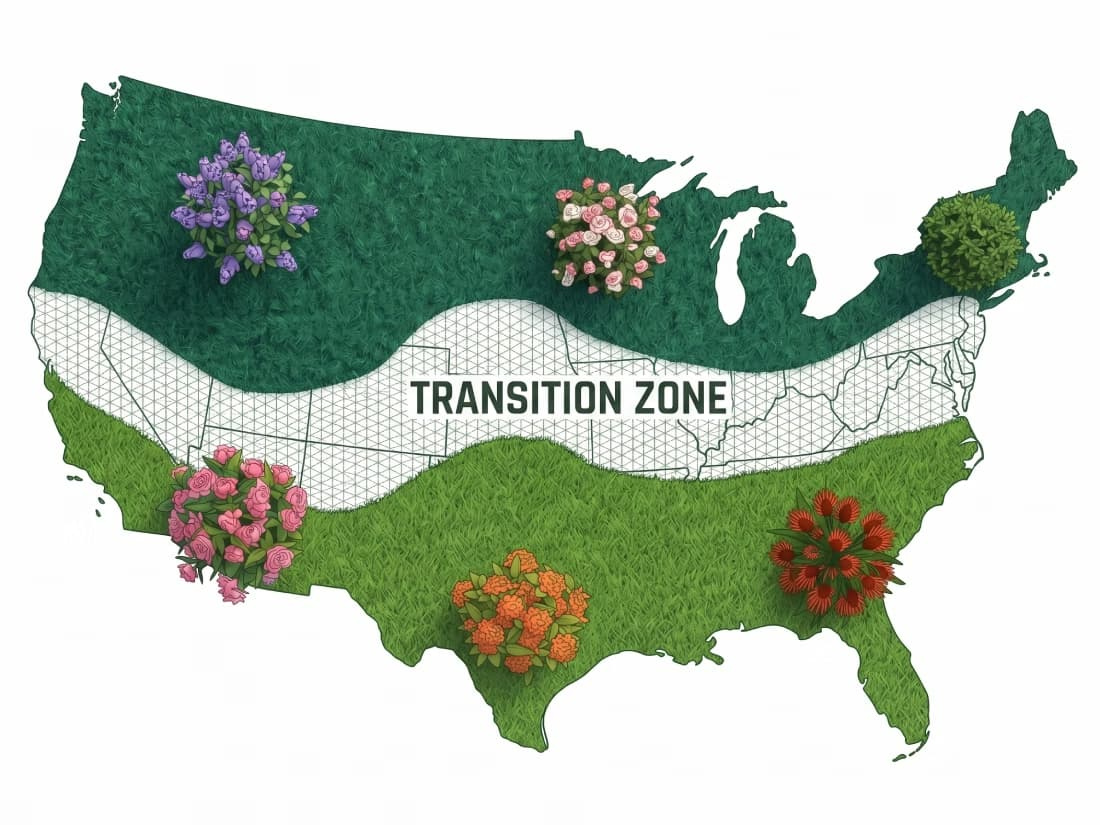
- The Transition Zone: If you live in the middle of the U.S., you may face both types of weeds simultaneously, making timing even more critical.
The Seasonal “Weed Window”
The season you choose for seeding changes the type of battle you will fight:
- Spring Seeding: This is the most difficult time. As soil temperatures rise above 55°F, millions of summer annual weed seeds wake up. Research from Purdue University Turfgrass Science indicates that spring-seeded lawns almost always require a chemical intervention or a specialized pre-emergent like Siduron.
- Fall Seeding: This is generally safer. While some weeds will appear, the dropping temperatures in late autumn will naturally kill off summer weeds like Crabgrass, giving your new grass room to breathe over the winter.
Tactical Strategy: Holding the Line and Striking Back
When you see weeds invading your new lawn, your first instinct is to kill them immediately. However, a tactical approach requires balancing the health of your fragile grass seedlings against the need to remove competition. University researchers categorize this into three distinct windows of opportunity.
Phase 1: The Prevention Window (At Seeding)
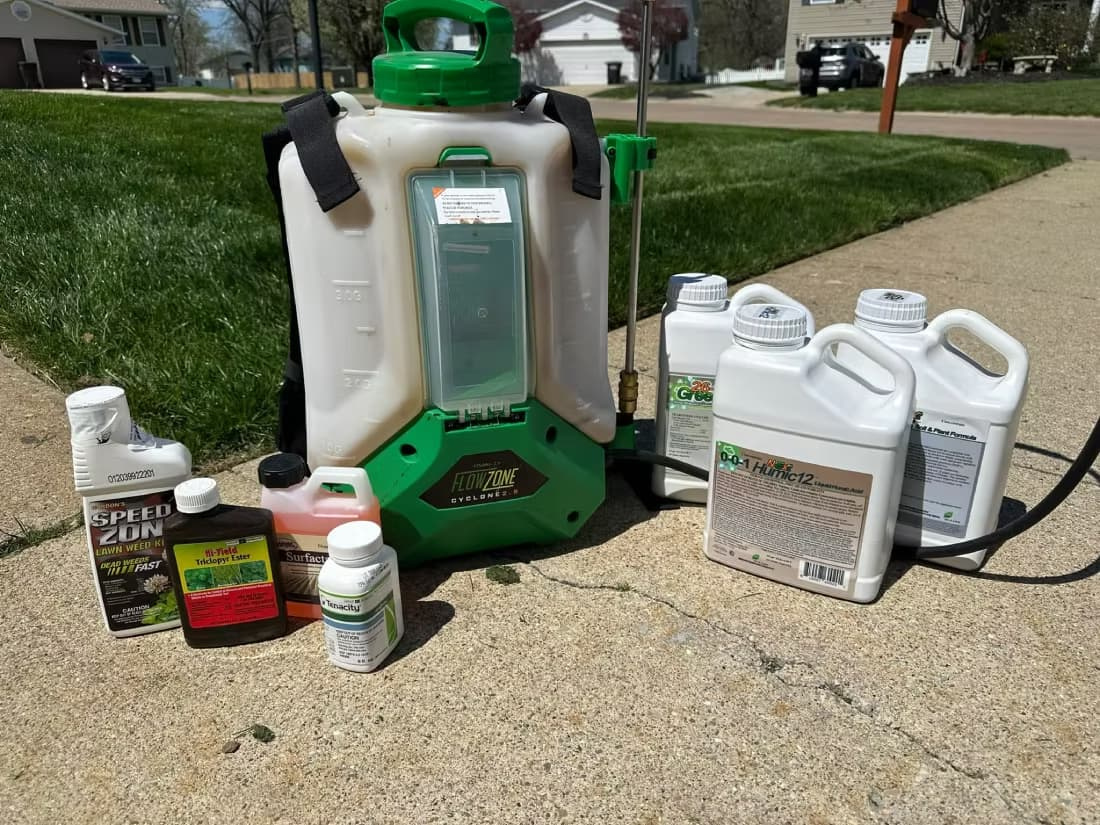
The most effective way to handle weeds is to stop them before they even sprout. Standard pre-emergents (like Prodiamine) will kill your new grass seeds, but there are two scientific exceptions:
- Mesotrione (Tenacity): This is the “gold standard” for new seedings. When applied at the time of planting, it creates a chemical barrier that allows grass to grow while stopping broadleaf weeds and Crabgrass.
- Siduron (Tupersan): One of the oldest and safest options for cool-season grasses. It specifically targets Crabgrass without harming your new Kentucky Bluegrass or Tall Fescue.
Phase 2: The “Hands-Off” Window (Sprout to 21 Days)
Once your grass sprouts, it enters its most vulnerable stage. During this period, the plant is focused on developing its first “true leaves” and a root system.
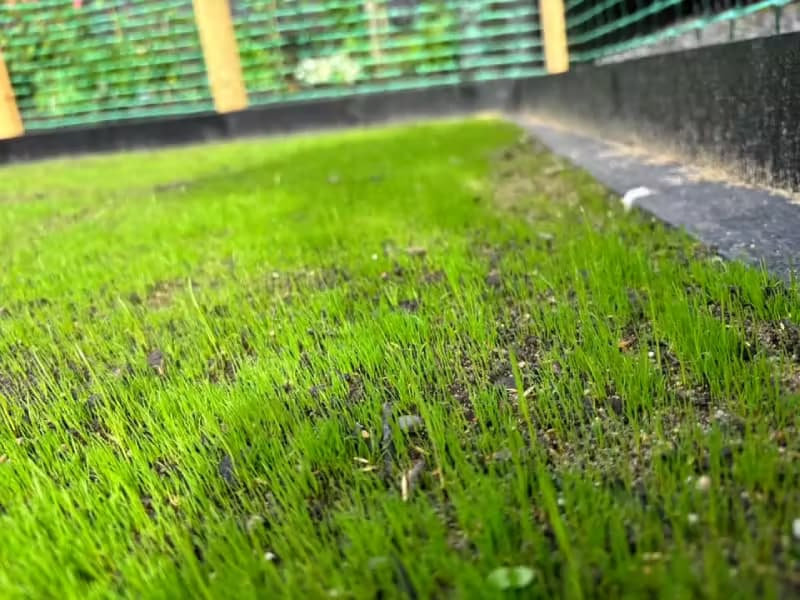
- Avoid All Herbicides: Unless you used a specialized product during Phase 1, you must stop all chemical applications. Even “weed and feed” products will stunt or kill seedlings during this phase.
- Hand Pulling: If large weeds like Dandelions or Bull Thistle appear, pull them by hand. Be careful not to disturb the soil around the nearby grass sprouts.
- Mowing High: Set your mower to its highest setting. Mowing early—once the grass reaches about 3 inches—actually helps by cutting off the heads of weeds before they can drop more seeds.
Phase 3: The Recovery Window (The Three-Mow Rule)
This is the point where you can finally go on the offensive. According to Purdue University Turfgrass Science, you are safe to use standard liquid weed killers once you have mowed the new lawn three times.
- Spot Treat: Instead of spraying the whole lawn, use a pressurized sprayer to hit only the weeds. This reduces the stress on your new grass.
- Check for Quinclorac: If you are fighting Crabgrass in Tall Fescue, products containing Quinclorac can often be used sooner than other chemicals, but always check the label for “days after emergence” requirements.
The transition from defense to offense is not a one-time event, but a seasonal shift in your lawn care strategy. By following this roadmap, you ensure that your new seedlings are protected during their most vulnerable weeks, allowing them to thicken into a dense canopy. Once that canopy is established and you’ve reached the three-mow milestone, your grass will have the biological strength to handle professional-grade treatments, effectively shutting the door on future weed invasions.
Safety & Sensitivity Audit: Protecting Your Home and Environment
Protecting your new lawn requires careful handling of herbicides to ensure the safety of your family and the environment.
- The “Dry” Rule: Keep children and pets off the grass until liquid sprays are completely dry or granular products have been watered in and dried.
- Watch the Temperature: Never spray when temperatures exceed 85°F. High heat makes young grass more sensitive to chemical burn (phytotoxicity).
- Check the Wind: Only spray on calm days to prevent herbicide drift from hitting nearby garden plants or neighboring properties.
- Prevent Runoff: Avoid applying chemicals if heavy rain is in the forecast within 24 hours to keep the product out of storm drains.
- Protect Pollinators: If weeds like White Clover are blooming, mow the flowers off before spraying to protect bees and other beneficial insects.