
Scientific Name: Zoysia spp. — Zoysia japonica Steud. (Japanese lawngrass), Zoysia matrella (L.) Merr. (manilagrass), Zoysia pacifica (Goudswaard) M. Hotta & S. Kuroki
Common Names: Zoysiagrass, zoysia grass, zoysia. By species: Japanese lawngrass and Korean lawngrass (Z. japonica), manilagrass (Z. matrella), mascarenegrass and Korean velvetgrass (Z. pacifica / Z. tenuifolia).
Zoysia Grass
The densest, most cold-hardy southern lawn grass, and the slowest one to arrive.
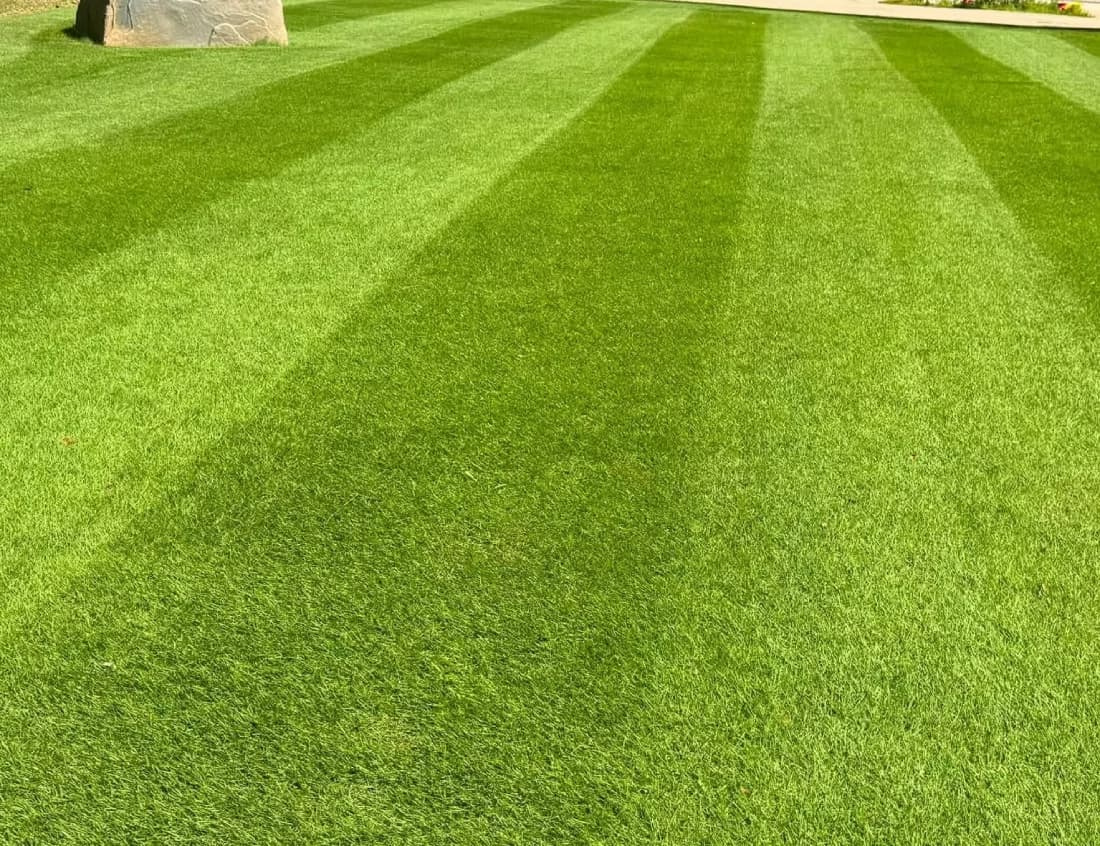
Zoysia Grass At-a-Glance
Hardiness Zone Min
Zone 5
Water Requirement
Low
Sun Requirement
Full Sun to Light Shade
Wear Tolerance
Very High
Establishment Speed
Slow
Labor Intensity
High
Breeding Cold Hardiness Into Fine Texture
Zoysiagrass is named for Karl von Zois, an Austrian botanist of the 1700s, and it came to American lawns from East and Southeast Asia. Zoysia matrella arrived from Japan in 1892 and Zoysia japonica from Korea in 1894. For the next fifty years it stayed a curiosity — beautiful, tough, and far too slow for anyone in a hurry.
The grass that changed that was ‘Meyer’, released in 1951 by the U.S. Department of Agriculture together with the U.S. Golf Association Green Section, and named for Frank N. Meyer, the USDA plant explorer who collected zoysia seed in Korea. ‘Meyer’ was advertised heavily as a miracle grass in newspapers and magazines, and the hype did real damage to the grass’s reputation. But the achievement underneath the advertising was genuine: for the first time the transition zone had a southern grass that reliably survived winter.
It came with a trade-off that the genus has never fully escaped. The cold-hardy species, Z. japonica, is the coarse one. The fine, dense, beautiful species, Z. matrella, is the one that freezes out. Every zoysia sold since has been a position on that single trade-off.
The attempts to bridge it are the rest of the story. In 1955 ‘Emerald’ came out of Tifton, Georgia — a cross between the coarse hardy species and the fine tender one, and the first serious try at having both. It was finer, and it still was not hardy enough for the upper transition zone. In the 1980s Texas A&M and the USDA collected more than 800 zoysia samples across Asia and widened the gene pool enormously. Then in 2004 Kansas State and Texas A&M AgriLife started a joint program aimed squarely at the problem: put matrella fine texture on ‘Meyer’-class cold-hardiness. It took eleven years. After a severe winter at Manhattan, Kansas in 2013, their selection and ‘Meyer’ both came through with more than 99 percent survival, while a large number of experimental fine matrella selections lost more than half their stand.
That history is why this site splits zoysia into subtype pages instead of treating it as one grass. Fine texture and cold-hardiness sit at opposite ends of the genus, and which end you need depends entirely on where you live. Buying “zoysia” without knowing which one is the single most expensive mistake available on this grass.
Gallery
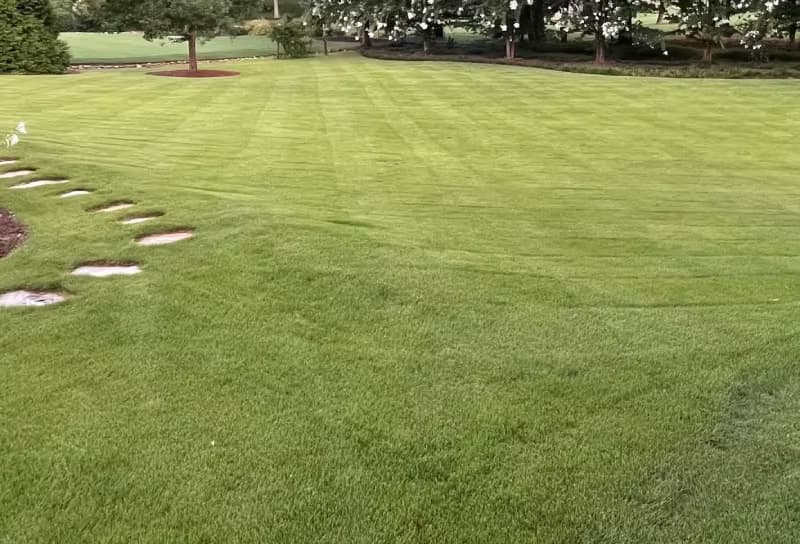
Broad zoysiagrass lawn integrated with stepping stone pathways and manicured landscape borders.
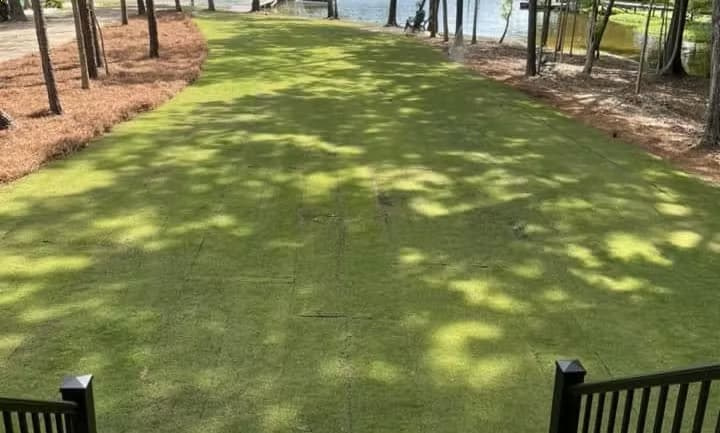
Ultra-fine textured Diamond zoysiagrass establishing under partial shade tree canopy.
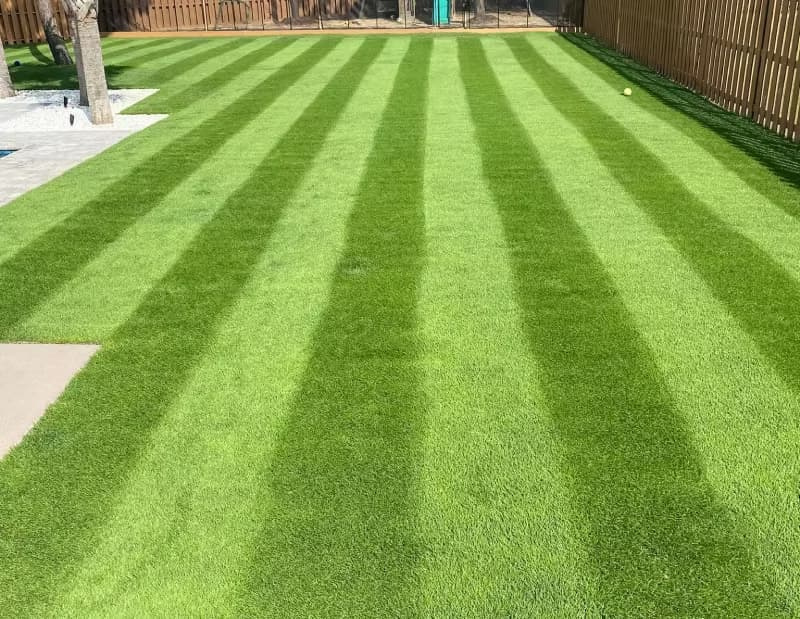
Innovation zoysiagrass lawn exhibiting high density, uniform growth, and sharp stripe definition.
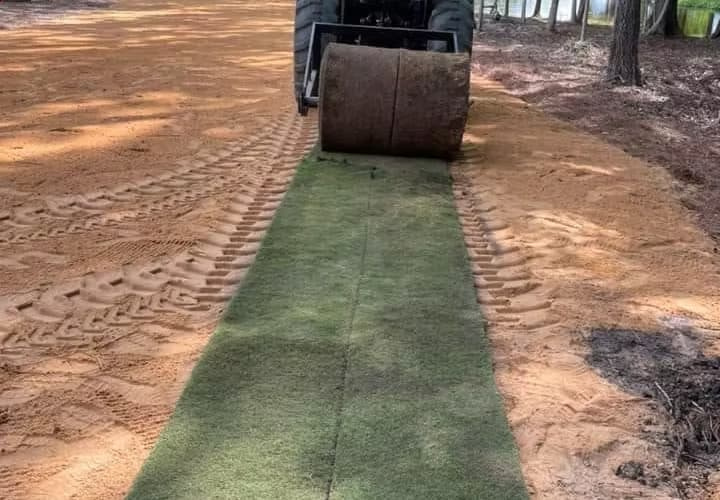
Commercial installation of big-roll Diamond zoysiagrass sod using heavy equipment over prepared soil.
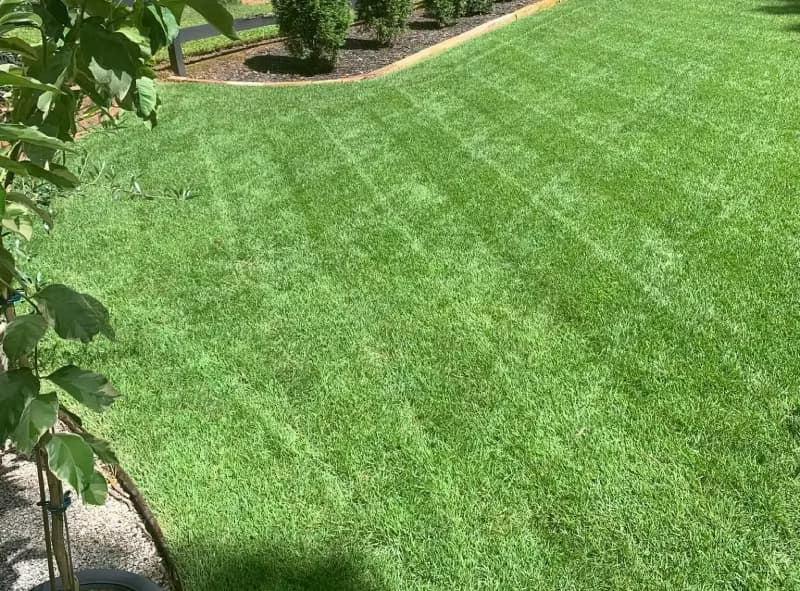
Zenith zoysiagrass maintained at a higher 3.5-inch cut height, showing its medium-coarse blade texture and density.
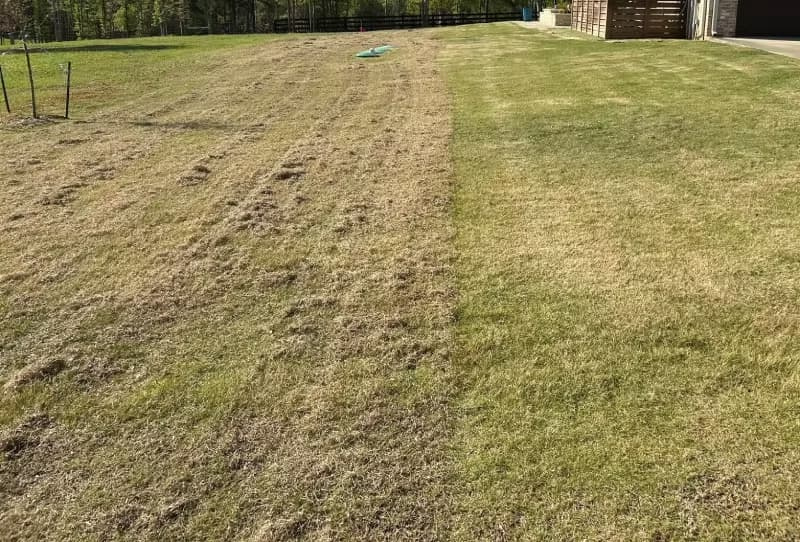
Spring dethatching maintenance on Zeon zoysiagrass, removing accumulated thatch layer to encourage fresh growth.
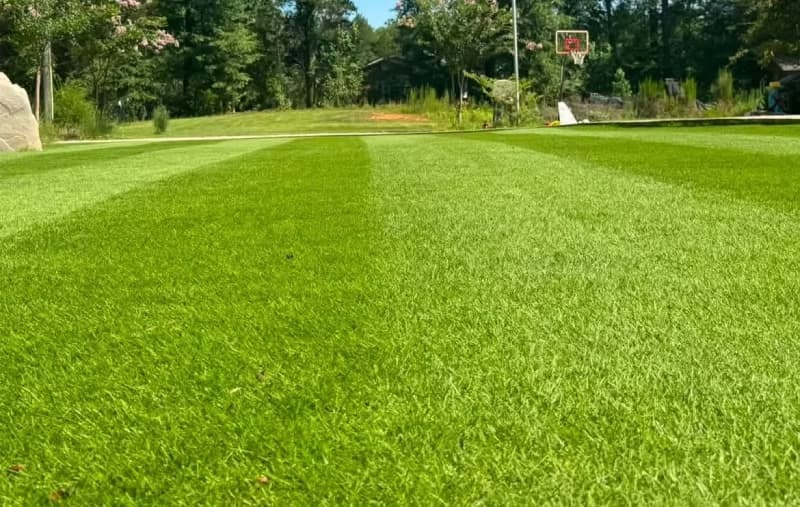
Reel-mowed Zeon zoysiagrass displaying its charakteristic fine blade texture, high turf density, and striping response.
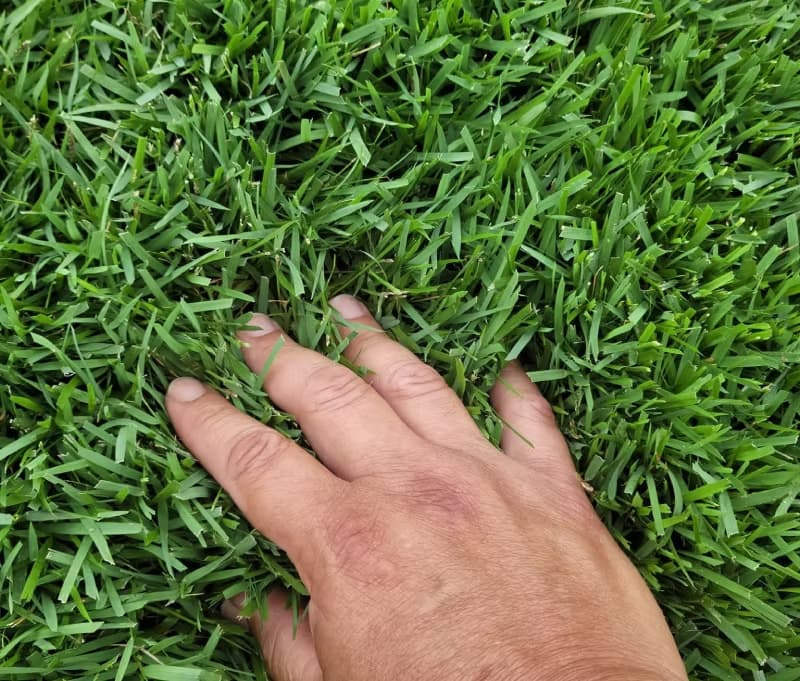
Macro view illustrating the carpet-like leaf density and firm feel of healthy zoysiagrass turf.
Telling It Apart
Zoysia has a distinctive signature once you know what to look for. Its young leaves are rolled in the bud, so a stem rolls smoothly and round between your fingers, like a tiny rolled newspaper. The ligule, where the blade meets the sheath, is a short membranous fringe of hairs about 0.008 inch long — you need a hand lens. There are no auricles, the collar is continuous and often fringed with long hairs, and there are fine stiff upright hairs on the upper blade near its base. The sheath is split with overlapping margins and may carry a tuft of hairs at the throat.
Underfoot a mature stand feels stiff and wiry and forms a dense, spongy mat, thanks to its high lignin content. Blade width is the species giveaway: coarse japonica runs 0.08 to 0.16 inch wide, while matrella and pacifica are needle-fine at roughly 0.04 to 0.08 inch.
The usual confusion is with bermudagrass, and the two are easy to separate once you have both in hand. Zoysia is stiff and wiry and resists being pressed flat; bermuda is soft and yields to the touch. Zoysia’s vernation is rolled, so the stem is round; bermuda’s is folded, so its stem feels flat and pops. Zoysia has upright hairs standing on the blade; bermuda is mostly smooth. Zoysia’s ligule is a microscopic fringe about 0.008 inch long; bermuda’s is a much longer fringe, roughly 0.04 to 0.12 inch. And zoysia is slow while bermuda is fast — in a summer drought zoysia browns within a week while bermuda’s deeper roots keep it green longer.
The second confusion is with St. Augustinegrass, which is coarser still. Its blades are wide and end in blunt, rounded tips where zoysia’s are sharp-pointed, it feels leathery and thick rather than stiff and wiry, and it spreads by surface stolons only, with no rhizomes at all. Both zoysia and bermuda have rhizomes as well as stolons; St. Augustine does not.
Finally, tell a good vegetative lawn from a seeded one. The only seeded cultivars are coarser, lighter green, and less dense than sodded types, and any lawn can throw genetic off-types from mutation, which show up as patches of noticeably different color or texture. In thin or stressed spots, watch for annual bluegrass, crabgrass, and goosegrass moving in.
Identification Photos
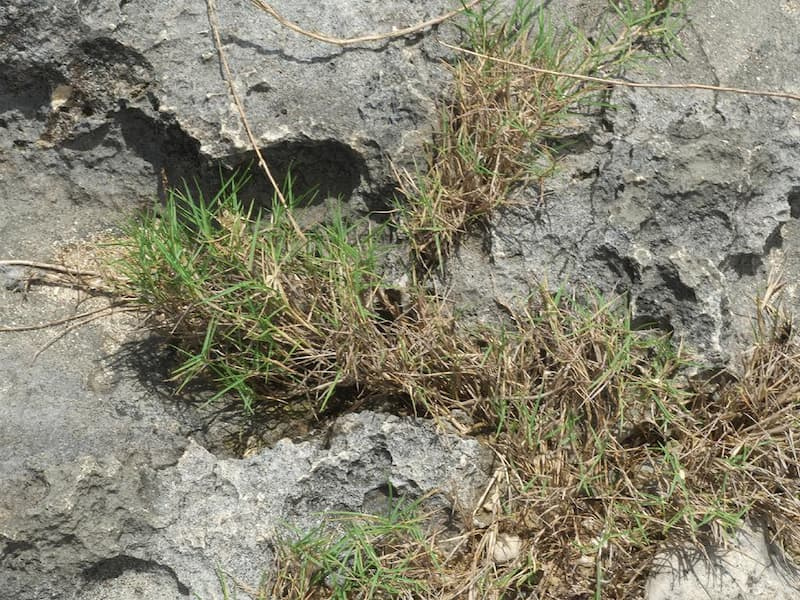
Key Identifier: Low, dense, wiry growth that spreads by stolons and rhizomes, even on poor, dry sites.
“Zoysia matrella kousyunsb06” by Keisotyo is licensed under CC BY 4.0.
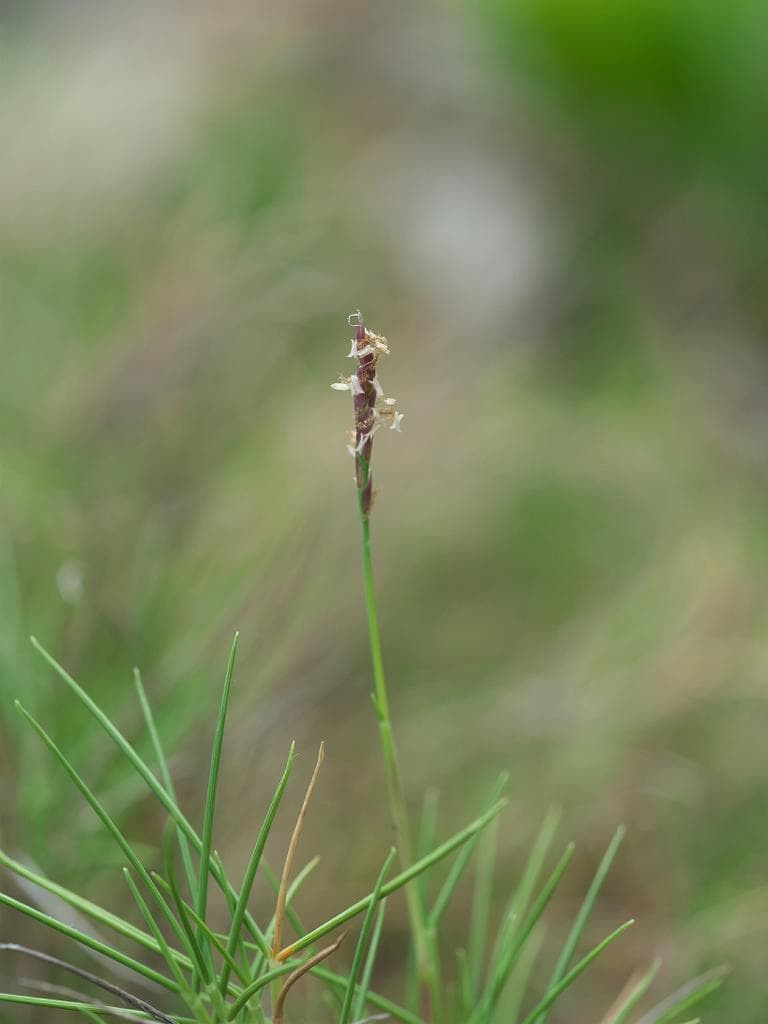
Look For: Extremely fine, wiry leaves. Fine-textured species such as Zoysia pacifica have needle-thin blades and form the densest, softest-looking zoysia turf.
“Zoysia pacifica kouraisb07” by Keisotyo is licensed under CC BY 4.0.
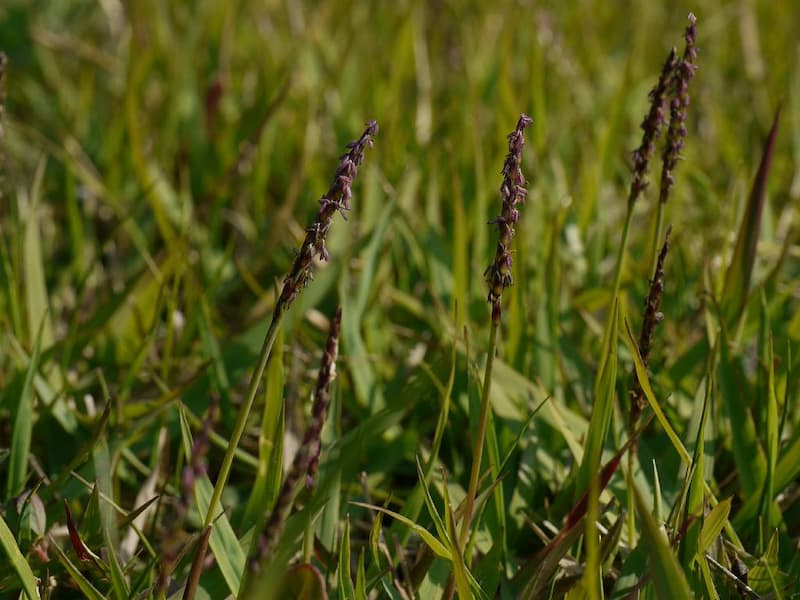
Look For: Narrow, cylindrical spikes standing above the turf in spring. The spikelets are packed on a single unbranched spike, unlike the finger-like branches of bermudagrass.
“Zoysia japonica siba03” by Keisotyo is licensed under CC BY 4.0.
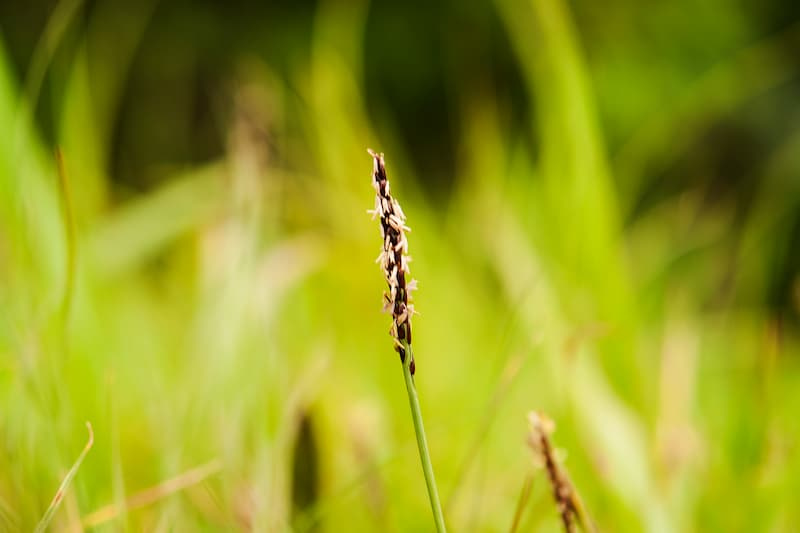
Key Identifier: One unbranched spike per stem. A zoysiagrass flowerhead is a single narrow spike, not a set of branches.
“Zoysia japonica 5” by bastus917 is licensed under CC BY-SA 2.0.
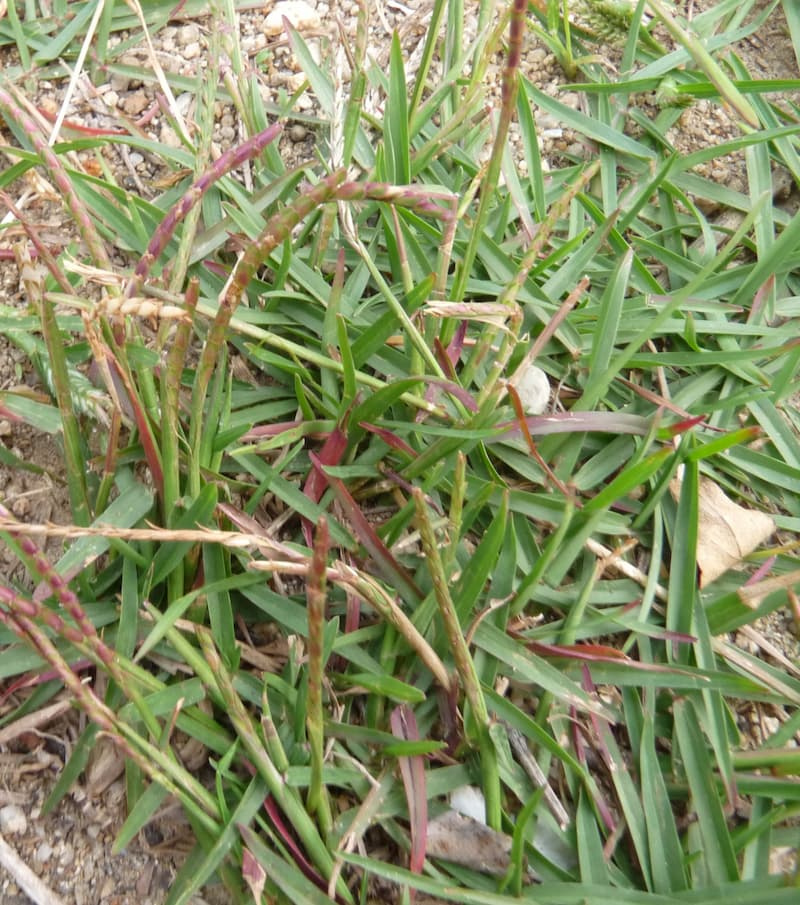
Diagnostic Feature: Stiff, sharp-pointed blades. Zoysiagrass leaves are rigid enough to feel prickly underfoot, which sets it apart from softer-textured lawn grasses.
“Zoysia japonica 1” by Show_ryu is licensed under CC BY-SA 3.0.
Is Zoysia Grass Right For Your Yard?
Advantages:
Genuinely low input. About 1 to 2 pounds of nitrogen per 1,000 square feet a year, roughly half what bermudagrass demands.
The most cold-hardy of the conventional southern grasses, which is why the transition zone has it at all.
Outstanding wear resistance. The lignin and silica that stiffen the blades also make them hard to damage.
Excellent weed suppression once mature. The canopy is dense enough to starve crabgrass and goosegrass seed of the light they need to germinate.
Survives drought reliably. It goes dormant and comes back — three to six weeks brown is uneventful for this grass.
Handles salt well, which makes it a real option for coastal lots with salt spray or brackish irrigation.
Tolerates dog urine better than most lawn grasses, and fills damaged spots back in over a few weeks of summer growth.
Grows in nearly any soil texture — sand, loam, or clay — as long as it drains.
Best If:
- You live in the transition zone and want a southern grass that reliably survives winter.
- You want a dense lawn that suppresses weeds on its own instead of on a herbicide schedule.
- Your yard takes real traffic — kids, dogs, a shortcut across the corner.
- You would rather spend on the installation once than fertilize heavily every year.
- You are on a coastal lot with salt spray or brackish irrigation.
- You can wait. Sod aside, this grass rewards a two-year time horizon.
- You are comfortable letting the lawn go brown and trusting it to come back.
Disadvantages:
Slow to establish, and there is no way around it. Plugs take one to two seasons on 6-inch centers and two to four years on 12-inch centers. Sod is fast but expensive.
It does not repair itself quickly. Wear resistance is excellent and recovery is poor — that gap is the defining structural weakness of the grass. Damage while dormant does not repair at all until the following summer.
Heavy thatch. The same lignin and silica that make it tough make its dead tissue slow to rot, and verticutting is a recurring chore with a narrow safe window.
Low input does not mean low labor. Silica dulls mower blades enough to need monthly sharpening, and the fine types need a reel mower.
A long brown season, with green-up noticeably later than bermudagrass. In the North it can be straw-colored more than half the year.
Large patch is a real and recurring cost in humid climates — fungicide plus careful watering and thatch management.
Will not tolerate wet feet. Poor drainage causes root rot, fuels large patch, and drives winterkill.
Yellows above pH 7.0 from iron chlorosis, which needs foliar iron rather than more nitrogen.
Buying it is genuinely confusing, because the three species differ enough that the wrong one fails outright.
Avoid If:
- You need a lawn quickly and cannot afford sod.
- Your yard holds water, drains poorly, or has low spots that stay saturated.
- You want green grass most of the year and a brown winter lawn would bother you.
- Your lawn takes damage that has to heal fast — zoysia will not fill a torn patch on any useful schedule.
- Your yard is heavily shaded, unless you are buying one of the shade-selected fine types on purpose.
- You want a fine-textured lawn and live in Zone 6 or colder. That combination is the one the genus handles worst.
- You are not willing to deal with thatch. It is not optional on this grass.
Is It Safe for Pets and Kids?
No toxicity to pets or livestock is documented for any Zoysia species in university extension literature. This is an explicit negative, not an unchecked field. The one caveat is mechanical rather than chemical: mature zoysia is stiff and wiry enough that some dogs dislike lying on it. Dog urine damage is comparatively minor, and its urine resistance is rated High.
Where It Grows and Where It Fails
Zoysiagrass is the most cold-hardy of the conventional southern lawn grasses, and that one fact is the reason it matters. It survives winters that kill bermudagrass and shrugs off the hot, humid summers that cook cool-season fescue, which makes it the go-to choice for the transition zone — the band across the middle of the country where neither northern nor southern grasses are fully comfortable. Buffalograss, a native prairie grass, is hardier still, but it is a different kind of lawn entirely; among the grasses people actually weigh zoysia against, nothing else comes close.
Extension services recommend it across USDA Zones 5 to 11, and it performs best in Zones 6 to 9.
That cold-hardiness is not uniform, and this is the first thing to get right before you buy. The three species form a strict ladder. Zoysia japonica is the toughest — acclimated plants take about 11 degrees F with little injury and hold on to roughly Zone 5b or 6. Zoysia matrella is noticeably more freeze-sensitive and is badly injured near 17 degrees F, realistically Zone 7b and south. Zoysia pacifica is the least hardy of all and grows only in frost-free Zones 10 and 11. Six degrees does not sound like much. It is the difference between a lawn that comes back in April and one you have to replant.
The mechanism behind that ladder is fall hardening. Through fall the plant pulls water out of its tissues and stockpiles carbohydrates in its crowns and runners. Anything that blocks hardening — a late shot of nitrogen, a late-summer planting, a scalping cut — leaves soft, water-filled tissue that ruptures when it freezes.
The honest failure mode at the north edge is winterkill, and every cause of it is something you control. Crown hydration is the main killer: crowns soak up water during a thaw, and ice ruptures the cells when it refreezes. It hits hardest in low, poorly drained spots where water pools. Winter desiccation dries out exposed, windy sites when the soil is frozen and roots cannot replace what the wind takes. And insufficient hardening — from late nitrogen, low mowing, heavy shade, or planting too late in summer — leaves the plant defenseless. Poor drainage shows up on that list twice, which is not an accident. Saturated soil is the through-line for both winterkill and this grass’s worst disease.
Across the country the fit looks like this. In the transition zone it is a top pick, but only the cold-hardy japonica types and cold-hardy hybrids belong there. In the warm, humid Southeast it thrives statewide, with one asterisk — humidity drives large patch, a real penalty you pay in fungicide and careful watering. In the warm, arid Southwest it does well but wants deep, infrequent watering to avoid browning early. In the cool, humid North it merely survives: the short season leaves it dormant and straw-colored for more than half the year, and it is often treated as a weed when it creeps into fescue lawns. In the cool, arid Mountain West it struggles, because high-pH soils lock up iron and turn the grass yellow.
Site requirements are specific, and violating them is what produces thin, weedy, disease-prone zoysia lawns. It needs a minimum of 4 to 6 hours of direct sun. The fine matrella types handle more shade — down to about 4 to 5 hours, or roughly 40 percent shade — while the coarse japonica types want a full 6 to 8 hours and thin out fast under trees.
It grows in almost any soil texture — sand, loam, or clay — but it flatly will not tolerate wet feet. Saturated soil suffocates the roots, rots them, and feeds large patch. It prefers slightly acidic ground, ideally pH 6.0 to 6.5, and survives roughly 5.0 to 8.0. Above pH 7.0 it yellows from iron chlorosis, which you correct with foliar iron, not with more nitrogen. Finally, it carries moderate-to-high salt tolerance, which makes it a genuinely good choice for coastal lots exposed to salt spray or brackish irrigation.
Getting Established
Because zoysia grows slowly, the planting method and the timing matter more here than for almost any other lawn grass. It is planted mainly from live plant tissue, with seed as a narrow exception.
Sodding is the default and the only way to get an instant lawn. It roots in two to three weeks and gives immediate erosion and weed control. The catch is cost — zoysia is slow at the sod farm too, so the sod is expensive.
Plugging is the budget path, and it asks for patience. Plugs about 2 inches across on 6-inch centers knit together in one to two growing seasons. Space them 12 inches apart to save money and you may wait two to four years for full cover. Sprigging — shredded runners planted without soil — is cheaper still and can cover in a single intensive season, but sprigs are fragile and die fast if the surface dries out, so they need near-constant moisture during grow-in.
*Seed is a japonica-only exception. Only two cultivars are widely sold as seed, ‘Zenith’ and ‘Compadre’, and the fine matrella and pacifica* types produce no viable seed at all. Even where seed exists it is a demanding path. Untreated seed germinates at under 10 percent, so it has to be chemically scarified, which lifts germination toward 90 percent. It needs light to germinate, so it is rolled into the surface rather than buried or raked in. It still takes 14 to 21 days to sprout and two-plus seasons to fill in. And because seed is genetically variable, the resulting lawn can be patchy in color and texture. Seeding rate is about 1 to 2 pounds of raw seed per 1,000 square feet, or 2 to 3 pounds if the seed is coated. For genetic uniformity in a vegetative lawn, buy certified blue-tag sod.
Timing is narrow. Plant late spring to early summer, around June 1. Plugs and sprigs go in between late April and June. Sod can be laid as late as September as long as it is warm enough for the sod to root. Avoid mid-August planting: it does not leave enough season for the stand to establish and harden, and winter injury follows.
One cultivar, not a blend. This is the opposite of the rule for cool-season lawns, and it surprises people. Zoysia is a monostand grass — it is sold and established as a single vegetative type, 100 percent of one thing. Extension actively discourages blending zoysia cultivars or mixing zoysia with another species, because different leaf widths, colors, and growth rates produce a patchy lawn you cannot mow evenly. The only documented exception is seeded blends used for soil stabilization, not home lawns. So the mixing ratio for zoysia is 100 to 0, and that is a finding rather than a missing number.
Surviving the long grow-in is the hardest part. New sod needs light water twice a day, about a quarter inch each time, for the first two to three weeks. Then shift to deep and infrequent — 1 to 1.5 inches a week, wetting the soil 4 to 6 inches down — to drive roots down instead of sideways.
Keep nitrogen modest. A high-phosphorus starter goes down before planting, but heavy nitrogen during grow-in pushes vertical leaf growth at the expense of the lateral runners you actually want, and it feeds weeds.
Weeds are the real threat during grow-in, because the canopy stays open for so long. Young zoysia is easily injured by most herbicides, so the safe tools are narrow. Granular oxadiazon can go down right after sprigging or plugging — it works through shoots rather than roots, so it does not stall the grass’s rooting — and siduron is safe on newly seeded zoysia. Otherwise, wait. Most pre-emergents have to be withheld for roughly a year on sprigs and plugs, and about three months on sod, and post-emergents until the lawn has been mowed three or four times.
If you are clearing existing vegetation first, a non-selective herbicide needs a 10 to 14 day wait before you plant. Note that the “Roundup” brand name no longer reliably means glyphosate — check the active-ingredient panel to confirm what is actually in the jug.
Keeping It Healthy
Mowing height is set by texture, not by preference. Coarse japonica types are cut at 1.0 to 2.5 inches and tolerate a standard rotary mower. Fine matrella types look their best at 0.5 to 1.5 inches, which usually means a reel mower, and the ultra-fine types want 0.25 to 0.5 inch with a reel only. Whatever the height, expect to sharpen the blade about monthly. Zoysia leaves are loaded with silica, which acts like microscopic glass and dulls a mower fast, and a dull blade shreds the tips, casts the lawn tan, and opens the door to disease. Never remove more than a third of the height at once.
Fertility is low, and low is the point. A mature zoysia lawn wants only 1 to 2 pounds of nitrogen per 1,000 square feet per year — roughly half what bermudagrass needs — with more, toward 3 to 4 pounds, reserved for highly leached sandy soils and the long Deep South season. Start about three weeks after the lawn is fully green, usually late May, and apply in split doses of half a pound to a pound every six to eight weeks. Stop all nitrogen by August 15 in the transition zone.
Late nitrogen is doubly harmful: it forces tender growth exactly when the plant should be hardening off for winter, and it feeds the large patch fungus living in the thatch. Instead, a fall application of potassium builds cold-hardiness, and foliar iron greens the lawn without pushing growth. Over-fertilizing is the classic zoysia mistake — it does not thicken the turf, it just accelerates thatch, disease, and mite damage.
Water deeply and rarely. Zoysia wants about 0.5 to 1.0 inch a week, more in hot full sun, applied to wet the soil 4 to 6 inches down, and it should be watered only when it starts to show stress. Shallow daily watering suffocates roots and builds a shallow root system that cannot handle summer.
When drought hits, zoysia rolls its leaves, fades to blue-gray, then browns and goes dormant — and dormant is not dead. It survives three to six weeks of drought on its protected crowns. A minimal quarter to half inch of water every two to three weeks keeps those crowns alive without forcing the grass to spend energy breaking dormancy.
Thatch is the defining maintenance chore. Zoysia’s stolons, rhizomes, and roots are rich in decay-resistant lignin and silica, so its dead tissue piles up faster than soil microbes can break it down. It forms a spongy tan layer between the green blades and the soil. Under about half an inch it is useful insulation. Over half an inch to an inch it behaves like a dry sponge, blocking water and fertilizer and forcing roots to grow in the thatch instead of the soil.
The fix is mechanical verticutting, blades set 1 to 2 inches apart, done only in late spring to early summer, May through June, when the grass is growing vigorously enough to heal. Never verticut in spring green-up or in fall — wounding the turf then spreads large patch. Core aeration through the growing season helps too, and as the soil plugs break down they seed the thatch with the microbes that decompose it.
Expect a long brown season. Zoysia browns at the first hard frost, stays straw-colored all winter, and greens up noticeably later in spring than bermudagrass. It is the most common complaint homeowners have about this grass. Resist the urge to overseed with ryegrass for winter color: the ryegrass competes for light and water just as the zoysia is trying to wake up, it releases growth-inhibiting chemicals as it dies back, and it invites rust. The combination can kill patches of the permanent lawn.
What Goes Wrong
*Large patch, caused by Rhizoctonia solani, is the disease that defines zoysia.* It switches on when thatch temperatures sit between 50 and 70 degrees F and leaves stay wet for many hours, which is why humid climates, heavy dew, poor drainage, excess nitrogen, and thick thatch all make it worse. The fungus infects in cool, wet fall weather but shows up dramatically at spring green-up as circular tan patches — a few feet to more than twenty feet across — ringed by a bright orange or yellow firing margin where it is invading fresh tissue.
The tell is the tug test: at that active edge the blades slide right out of the plant, because the fungus has rotted the base of the leaf sheath. Manage it by cutting late-season nitrogen, watering in the morning so leaves dry fast, keeping thatch down, avoiding spring and fall verticutting, and applying preventive fungicides such as azoxystrobin or propiconazole in the danger seasons.
The supporting cast: dollar spot, favored by low nitrogen and heavy dew; rust, driven by shade, drought stress, and low nitrogen; leaf spot, pushed by excess nitrogen and constantly wet foliage; and yellow tuft, a wet, shady, poorly drained problem.
On the insect side, the main pests are the hunting billbug and white grubs. Billbugs are diagnosed with a pull test — damaged stems snap off at the soil and leave a sawdust-like frass behind. White grubs peel the turf back like carpet and warrant treatment above roughly 5 to 8 grubs per square foot, using trichlorfon applied when the grubs are still small, in July and August. The zoysiagrass mite rolls leaves into tight arches and is essentially untreatable chemically, so resistance is a buying decision rather than a spraying decision, and excess nitrogen makes it worse. Twolined spittlebugs, rhodesgrass mealybugs, and wireworms round out the list.
Not everything brown is a pest. Winterkill, scalping (the mower sinking into spongy thatch and shaving the crowns), drought dormancy, and iron chlorosis (yellowing above pH 7.0) are all abiotic. Nematodes, especially the sting nematode, are a real problem in warm sandy soils, and susceptibility varies enough between types that zoysia should not be planted into sandy ground where nematodes are known without checking which type you are buying.
The most useful diagnostic skill on this grass is telling the three spring brown-outs apart, because guessing wrong wastes money. Large patch makes clean circles or doughnut rings with a bright orange margin, and its blades tug free from slimy, dark, rotted sheaths. Drought dormancy makes diffuse, irregular patches on high or sandy spots, with no colored margin; its blades stay firmly attached and its crowns stay firm and white inside. Winterkill shows up as irregular dead zones in low, wet, shaded, or high-traffic spots, with a sharp line between bleached-dead and living grass, and its crowns are black and mushy. Winterkill is the only one of the three where the grass is truly dead and has to be replanted.
Weeds In This Grass
A mature zoysia lawn is one of the best weed suppressors among lawn grasses. Its dense, tight canopy of stolons and rhizomes blocks light from reaching the soil, and because major weeds like crabgrass and goosegrass need direct light to trigger germination, a thick zoysia stand simply starves their seeds.
The flip side is the long, open grow-in window. Bare soil between plugs is wide open to weed invasion, and that stretch is the single biggest weed-pressure period in this grass’s life.
Zoysia’s herbicide tolerance is broad but has sharp exceptions worth knowing. It tolerates the common pre-emergents — dithiopyr, pendimethalin, prodiamine, and indaziflam once established — and the standard post-emergents for sedges and broadleaves, including halosulfuron, sulfentrazone, metsulfuron, and quinclorac.
It is injured by sethoxydim, by the bleaching herbicides mesotrione and topramezone (which turn it white), and by triclopyr in repeat applications. Atrazine is safe only when the grass is fully dormant. One note that follows the species split: the fine matrella types tolerate the grassy-weed herbicides fluazifop and fenoxaprop less well than the coarse japonica types, so those need reduced rates and a test spray first.
The new-stand restriction is important. Most pre-emergents halt root division and will cripple newly planted plugs or sprigs, so they are withheld for roughly a year on sprigs and plugs, and about three months on sod. The safe exceptions are granular oxadiazon and, on seeded lawns, siduron.
For an established lawn, sedges are handled with halosulfuron or sulfentrazone, broadleaves with metsulfuron or a three-way product — never in heat above about 85 to 90 degrees F — and bermudagrass contaminating a zoysia lawn with a safener-protected fluazifop mix.
Two renovation notes. To clear existing vegetation before planting zoysia, a non-selective herbicide needs a 10 to 14 day wait before you plant, and because the “Roundup” brand no longer reliably contains glyphosate, check the active-ingredient panel to confirm what you are buying. Going the other way, removing established zoysia is genuinely hard: its dense, deep rhizome mat stores enough energy to regrow after a single spray, so eradication usually takes three or more sequential glyphosate applications.
Subtypes
Cold-Hardy Coarse Zoysia
The half of the zoysia family that survives a real winter — and the only half you can buy as seed.
Best For: Transition-zone and southern lawns with 6 to 8 hours of direct sun, mowed with an ordinary rotary at 1 to 2.5 inches. It is the zoysia for a Zone 6 or 7 yard where surviving February, not looking manicured, is what decides whether the lawn is still there in May.
Tradeoff: A 2–4 mm blade you can see is coarse, and it thins out fast under trees.
Fine-Textured Shade Zoysia
The needle-fine zoysia that holds density under trees and takes salt — the best-looking lawn in the family, and the least winter-hardy.
Best For: Zone 7b and south, especially coastal lots with salt spray or brackish irrigation, and yards with real tree shade where a coarse zoysia goes thin. It suits someone who wants a manicured surface and will mow low and often to keep it.
Tradeoff: Loses over 88% to winterkill in Zone 6, and the look only holds with a reel mower.
Hybrid Zoysia
Fine-textured zoysia bred to survive a transition-zone winter — the bridge between the family's two halves.
Best For: Upper-transition-zone yards, roughly Zone 6 through 7, where the homeowner wants a fine, dense lawn but the winter would take out a matrella. It is the answer for someone who found Meyer too coarse and Zeon too tender.
Tradeoff: Vegetative only, sold through restricted licensed grower networks — and "hybrid" on a label guarantees nothing about cold-hardiness on its own.
The Seasonal Care Calendar

Spring (Mar-May)
Waiting Out A Late Green Up
Spring is the season zoysia tests your patience. It greens up later than almost anything else in the neighborhood, including bermudagrass, and the temptation is to do something about it. Mostly, do not.
Wait to fertilize. Hold nitrogen until about three weeks after the lawn is fully green — usually late May. Feeding a half-dormant lawn pushes weak growth and feeds the large patch fungus sitting in the thatch.
Do not verticut in spring. Wounding the turf during green-up is one of the most reliable ways to spread large patch. The safe dethatching window is later, in May and June, once the grass is growing vigorously.
Watch for large patch showing up now. It infected last fall but appears at green-up as tan circles ringed with a bright orange margin. If the blades tug free from slimy dark sheaths at that edge, that is what you have.
Do the diagnosis before you spend money. Brown at green-up is large patch, drought dormancy, or winterkill, and they are managed completely differently. Only winterkill needs replanting — check whether the crowns are black and mushy or firm and white.
Pre-emergent for crabgrass goes down on an established lawn before soil temperatures reach the low 50s. On a stand planted last year, hold off — most pre-emergents halt root division and will cripple it.
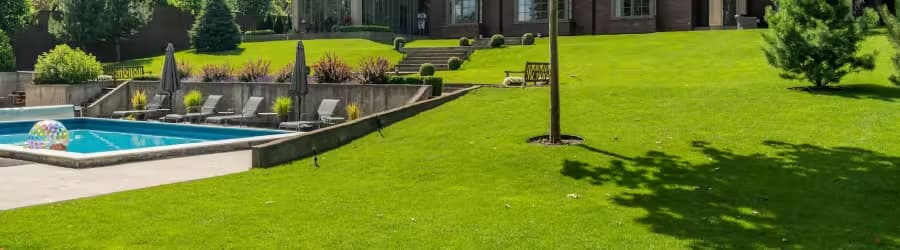
Summer (Jun-Aug)
The Only Season Zoysia Grows
Summer is when zoysia actually grows, and it is the only window for most of the work that matters.
Fertilize in split doses, half a pound to a pound of nitrogen per 1,000 square feet every six to eight weeks, staying inside the 1 to 2 pound annual budget.
Verticut now if you are going to. Late spring through early summer, May and June, is the safe window — the grass is growing fast enough to heal, and the large patch fungus is not active. Set blades 1 to 2 inches apart. Core aeration is also a summer job.
Water deeply and rarely. About 0.5 to 1.0 inch a week, more in hot full sun, wetting the soil 4 to 6 inches down. Water when the lawn shows stress rather than on a fixed schedule.
Sharpen the mower blade about monthly. The silica in zoysia leaves dulls blades faster than any other lawn grass, and a dull blade shreds the tips and casts the whole lawn tan.
If it browns, let it. Zoysia handles three to six weeks of drought dormancy without harm. A quarter to half inch of water every two to three weeks keeps the crowns alive without forcing it to break dormancy.
Treat white grubs in July and August while they are small, above roughly 5 to 8 per square foot. Summer is also the only time damaged spots fill in, so any repair you are counting on has to happen now.
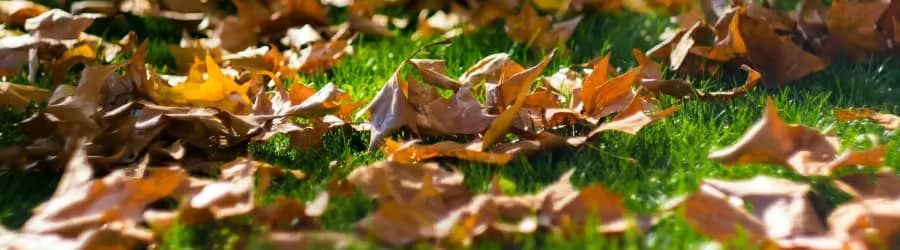
Fall (Sep-Nov)
Hardening Off Before First Frost
Fall is about one thing: getting the plant hardened off before the first freeze. What you do now decides whether the lawn survives winter.
Stop all nitrogen by August 15 in the transition zone. Late nitrogen forces tender growth exactly when the plant should be pulling water out of its tissues and stockpiling carbohydrates in its crowns, and it feeds the large patch fungus at the same time.
Apply potassium instead. A fall potassium application builds cold-hardiness. If the lawn looks pale and you want color without growth, foliar iron does that.
Do not verticut or dethatch. Fall wounding spreads large patch, which infects in exactly this cool, wet weather even though it will not show until spring.
Do not scalp the last mow. Cutting low going into winter removes the leaf area the plant needs and leaves crowns exposed. Keep the normal height.
Do not plant now. Mid-August is already too late for plugs and sprigs; there is not enough season left to establish and harden, and winter injury follows. Sod can go down as late as September if it is still warm enough to root.
Fix drainage now, while you can still see where water stands. Low, saturated spots are where crown hydration kills the lawn over winter.
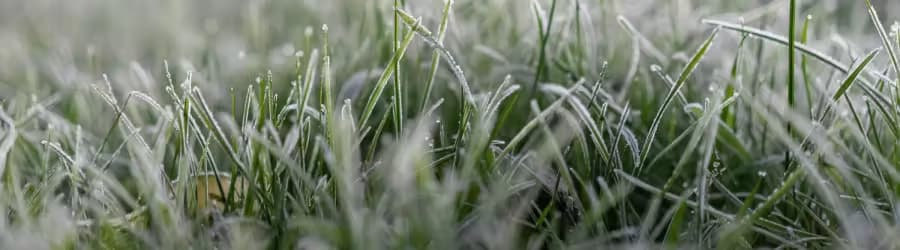
Winter (Dec-Feb)
Straw Colored And Still Alive
Zoysia browns at the first hard frost and stays straw-colored until late spring. This is normal, it is not a problem, and there is nothing to fix.
Do not overseed with ryegrass for winter color. It competes for light and water just as the zoysia is trying to wake up, it releases growth-inhibiting chemicals as it dies back, and it invites rust. The combination can kill patches of the permanent lawn — you trade a green winter for a thin summer.
Stay off it when it is frozen. Dormant zoysia has no ability to repair itself, so traffic damage taken in January is still there in June.
Watch the low spots. Crown hydration is the main winterkill mechanism: crowns take up water during a thaw and rupture when it refreezes. Anywhere water pools is where you will lose grass.
Nothing needs feeding, mowing, or watering. If the lawn is dormant and dry for a long stretch, a light watering keeps crowns from desiccating on exposed windy sites, but that is the extent of it.
Winter is the right time to plan. If you are putting in zoysia next year, this is when to decide which species you need and to order sod or plugs for a late-spring planting.
Zoysia Against Bermuda And Fescue
Against bermudagrass, zoysia trades speed for toughness and quiet. Bermuda establishes in a season where zoysia takes two, and bermuda repairs damage fast where zoysia barely repairs at all. In exchange, zoysia survives winters bermuda does not, takes about half the nitrogen, tolerates shade better, and produces a denser, stiffer turf that suppresses weeds on its own. If you need a lawn now, or you tear it up regularly, bermuda is the better grass. If you want the lawn to be low-drama for twenty years, zoysia is.
Against tall fescue in the transition zone, the choice is really about which half of the year you care about. Fescue stays green nearly year-round and is cheap to start from seed, but it thins under hot, humid summers and needs regular overseeding to stay thick. Zoysia is straw-colored for months and expensive to install, and then it does not thin. Fescue is the better lawn from October to May; zoysia is the better lawn from June to September.
Against St. Augustinegrass in the Deep South, zoysia is finer, denser, far more wear-tolerant, and much more cold-hardy. St. Augustine handles deeper shade and establishes faster. Zoysia is the better choice for a lawn that gets walked on; St. Augustine for a shaded lot where nothing else fills in.
Against centipedegrass, zoysia is the higher-performance and higher-effort option. Centipede is the true low-input lawn — less mowing, less fertilizer, less everything — but it is weak on traffic, weak on cold, and intolerant of high pH. Zoysia asks more work and gives more lawn.
Within the genus, the comparison that matters most is the species split. The coarse cold-hardy types survive the transition zone and mow with a rotary. The fine types are denser and more beautiful, handle more shade and more salt, and will not survive a Zone 6 winter. The cold-hardy fine hybrids exist specifically to resolve that conflict. Which one you need is a bigger decision than zoysia versus any other grass, and it is covered on the subtype pages.
Find Your Precision Match
Choosing between species requires balancing your specific soil profile, local micro-climate, and maintenance goals. Use our Turf Match Tool to generate a data-backed recommendation for your specific yard.
Start Your MatchTechnical Specifications
Scientific Name: Zoysia spp. — Zoysia japonica Steud. (Japanese lawngrass), Zoysia matrella (L.) Merr. (manilagrass), Zoysia pacifica (Goudswaard) M. Hotta & S. Kuroki
Common Names: Zoysiagrass, zoysia grass, zoysia. By species: Japanese lawngrass and Korean lawngrass (Z. japonica), manilagrass (Z. matrella), mascarenegrass and Korean velvetgrass (Z. pacifica / Z. tenuifolia).
Family: Poaceae (grass family), subfamily Chloridoideae, tribe Zoysieae
Origin: East and Southeast Asia — Japan, Korea, China, the Philippines, and Pacific islands. Z. matrella reached the United States from Japan in 1892 and Z. japonica from Korea in 1894 (Patton et al. 2017 review; UF/IFAS gives 1892 for manilagrass). Introduced, not native.
Season Type: Warm-Season
Growth Habit: Rhizomatous + Stoloniferous
Growth Rate: Slow
Texture: Fine
Root System Depth: No measured maximum rooting depth is published for zoysiagrass by any admissible source. What is documented: University of Georgia rates it comparatively shallow-rooted and says it needs more frequent watering than its reputation suggests, and a Texas A&M 60-day dry-down drove seven zoysia cultivars below 1.5 percent green cover while a bermudagrass cultivar held about 71 percent. Stolons and rhizomes sit in the top few inches, and irrigation targets wetting the top 4 to 6 inches. Treat the widespread "deep-rooted zoysia" claim as marketing, not measurement.
Spread Mechanism Intensity: Both stolons and rhizomes, but slow. Dual lateral spread is what makes the stand dense; the slow rate is what makes it take years. Plugs on 6-inch centers close in one to two growing seasons (Clemson HGIC); on 12-inch centers, two to four years.
Typical Lifespan & Invasiveness Risk: Perennial and effectively permanent once established — decades, with stands from the 1960s still in place. Within the lawn it is the aggressor, not the victim: it creeps into adjacent beds, walks, and neighboring lawns, and in the North it is routinely treated as a weed when it invades fescue. Removal is genuinely hard — the rhizome mat stores enough energy to regrow after a single spray, so eradication usually takes three or more sequential glyphosate applications. Outside the lawn, NC State records the genus as naturalized in several U.S. states including North Carolina, and in Central and South America. It is not listed as a noxious or prohibited weed, but "naturalized" plus "very hard to kill" is the honest risk profile for a boundary-sharing plant.
Hardiness Zone Min: Zone 5
Hardiness Zone Max: Zone 11
Hardiness Zone Notes: Extension recommends Zones 5 to 11; the grass actually performs best in Zones 6 to 9, and Zone 5 belongs only to the cold-hardy japonica types and cold-hardy hybrids on well-drained ground. The limiting mechanism at the north edge is winterkill, not absolute cold, and every cause of it is something the homeowner controls. Crown hydration is the main killer: crowns soak up water during a thaw and the cells rupture when it refreezes, which is why it strikes hardest in low, poorly drained spots. Winter desiccation dries out exposed, windy sites when the soil is frozen and roots cannot replace what is lost. Failed fall hardening — from late nitrogen, low mowing, heavy shade, or planting too late in summer — leaves soft tissue that cannot take a freeze. The species ladder runs japonica (acclimated, little injury near 11 degrees F) then matrella (badly injured near 17 degrees F) then pacifica (frost-free Zones 10 and 11 only). Poor drainage appears on this list twice and again under large patch, which is not a coincidence.
Cold Tolerance Rating: High
Winter Color Profile: Dormant
Climate Cool Humid: Poor
Climate Cool Arid: Poor
Climate Warm Humid: Excellent
Climate Warm Arid: Good
Climate Transition: Good
Sun Requirement: Full Sun to Light Shade
Shade Tolerance: Moderate
Water Requirement: Low
Drought Survival Strategy: True Dormancy
Soil Texture Fit:
Sand
Loamy Sand
Sandy Loam
Loam
Silt Loam
Clay Loam
Clay
pH Survival Min: 5
pH Optimal Min: 6
pH Optimal Max: 6.5
pH Stress Max: 8
Wet Feet Tolerance: Very Low
Compaction Tolerance: Low
Salinity Tolerance: High
Wear Tolerance: Very High
Recovery: Low
Recovery Mechanism: Rhizomes + Stolons
Input Intensity: Low
Labor Intensity: High
Thatch Production: Very High
Annual N Figure: Approx. 1 to 2 lb N per 1,000 sq ft per year is the home-lawn baseline, rising to approx. 3 to 4 lb only on highly leached sandy soils and through the Deep South's long season. Apply in split doses of half a pound to a pound every six to eight weeks.
Urine Resistance: High
Establishment Methods:
Seed
Sod
Sprigs
Plugs
Germination Speed: Slow (14–21 days)
Establishment Speed: Slow
Seeding Rate: Approx. 1 to 2 lb of raw seed per 1,000 sq ft, or 2 to 3 lb per 1,000 sq ft for coated seed (University of Missouri Extension G6706; Clemson HGIC gives 1 to 2 lb for 'Zenith'). Seed needs light to germinate, so roll it into the surface rather than raking it in. No routine overseeding rate applies — zoysia is not overseeded for repair, and winter overseeding with ryegrass is actively discouraged.
Improved Cultivar Availability: High
NTEP Note: NTEP zoysiagrass trials run at land-grant sites across the transition zone and the South, and active breeding programs sit at Kansas State, Texas A&M AgriLife, NC State, the University of Georgia, and Purdue.
Deep Dives & Practical Guides
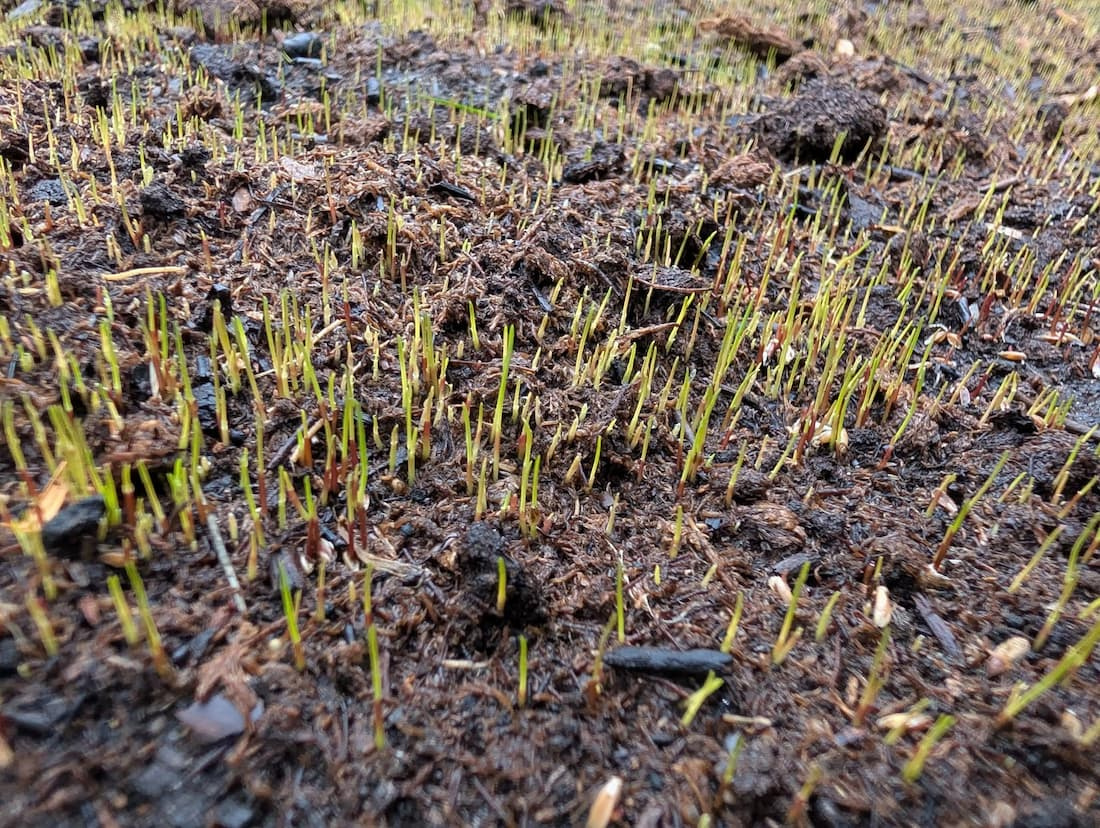
How to Establish a New Lawn From Bare Soil to First Mow
Bare soil doesn't turn into a lawn just because you scattered seed or rolled out sod — it becomes one based on a handful of specific steps done in the right order, matched to your specific grass. This guide walks through soil prep, seeding or planting method, starter fertilizer, watering as the grass grows, and knowing when it's actually safe to mow, for both cool-season and warm-season lawns.
Read Article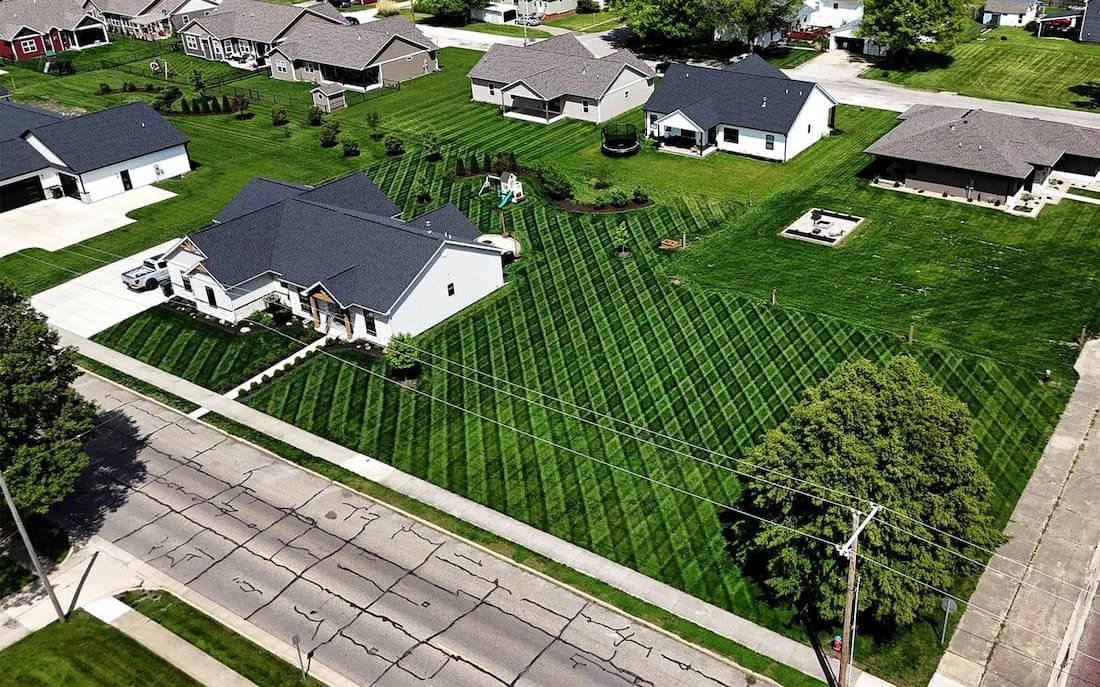
Cool Season vs Warm Season Lawn and Landscape Guide
Your lawn and your flower beds don't follow the same calendar — one runs on a cool-season engine, the other on a warm-season one, and using the wrong playbook on either can do real damage. This guide helps you figure out which system you actually have and how to care for it correctly, plus how the same cool/warm split applies to your ornamental beds.
Read Article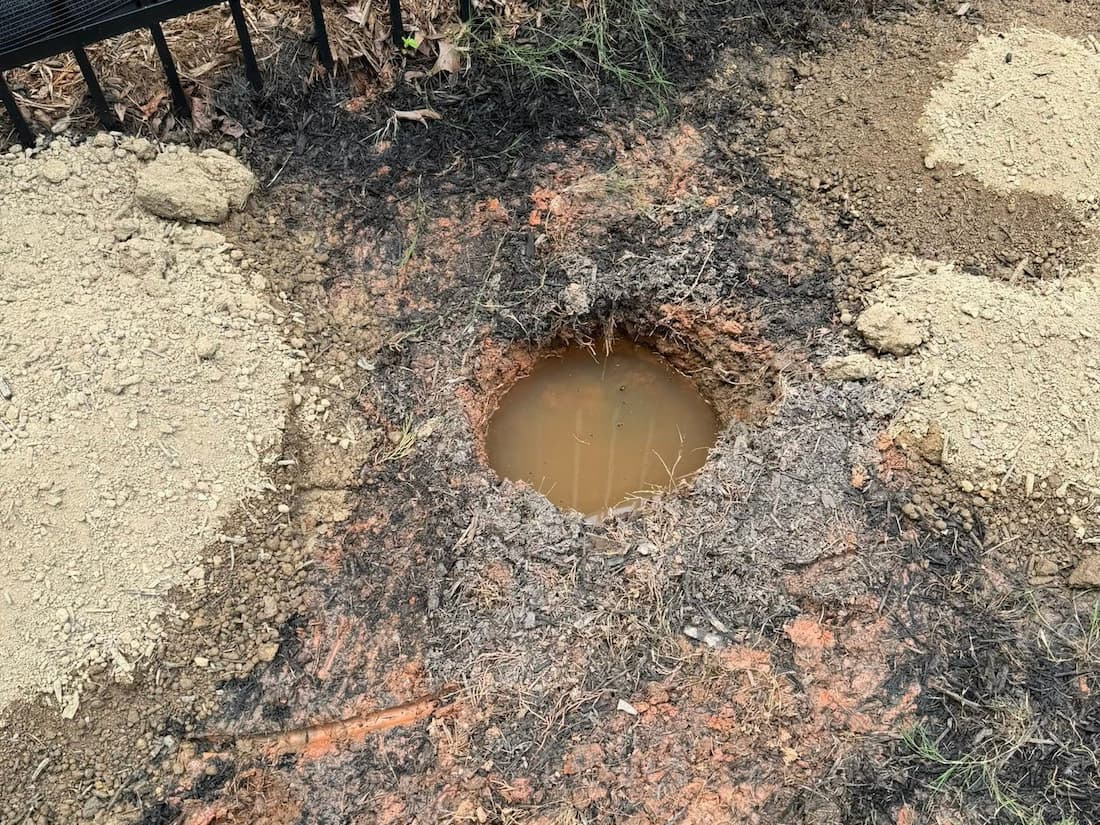
The Hole You Dug Is Killing Your New Plants
A shrub that looked fine all summer and stalled the next year usually didn't fail because of the plant, the weather, or the nursery. It failed because the hole it went into was a container — smooth-walled, water-holding, and impossible to root out of.
Read Article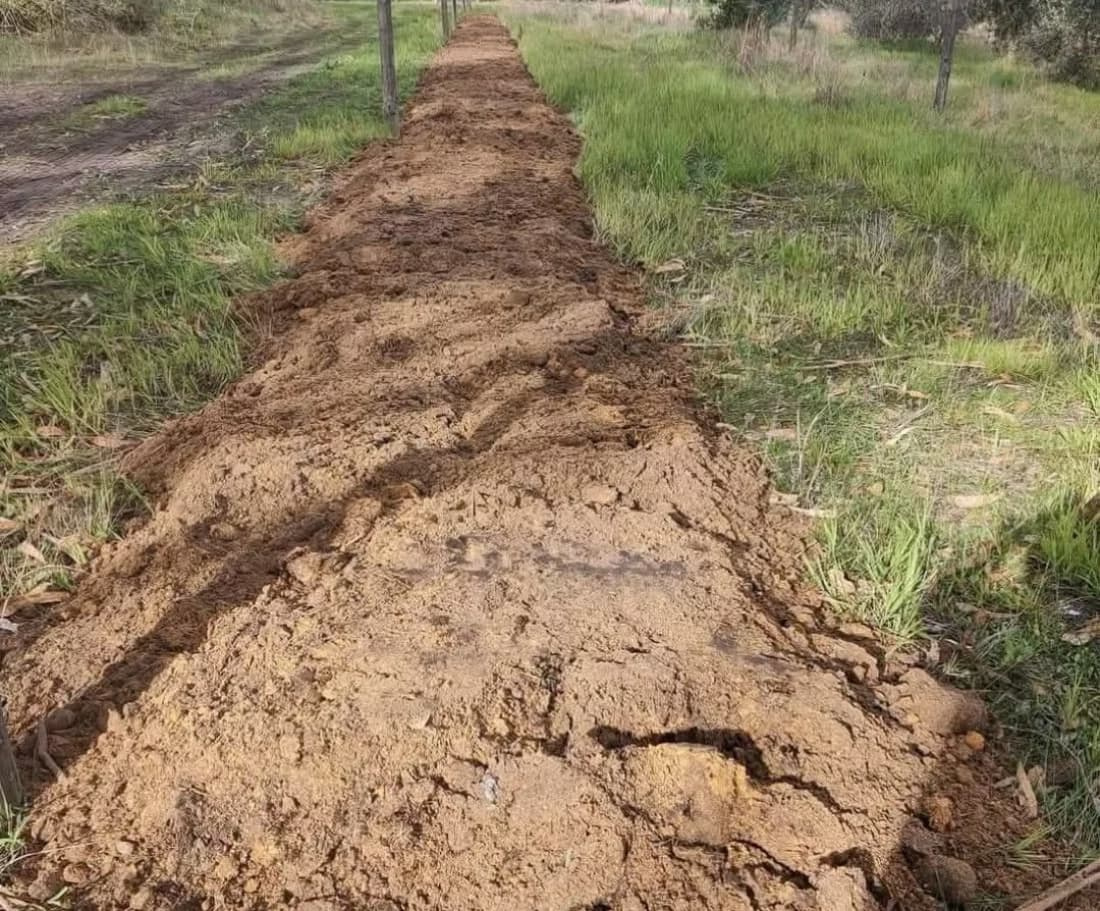
What You Can Actually Change About Bad Soil
Heavy clay and loose sand feel like permanent sentences, and half of that is true. What your soil is made of will not change. How those particles are arranged will — and that is the half that decides whether anything grows.
Read Article
Why Your Plants Survive Winter and Die in July
Your hardiness zone is built from one number — the coldest night of an average year. It says nothing about the hottest afternoon, which is what actually kills most plants people lose. Here's how to read the other half of the map.
Read Article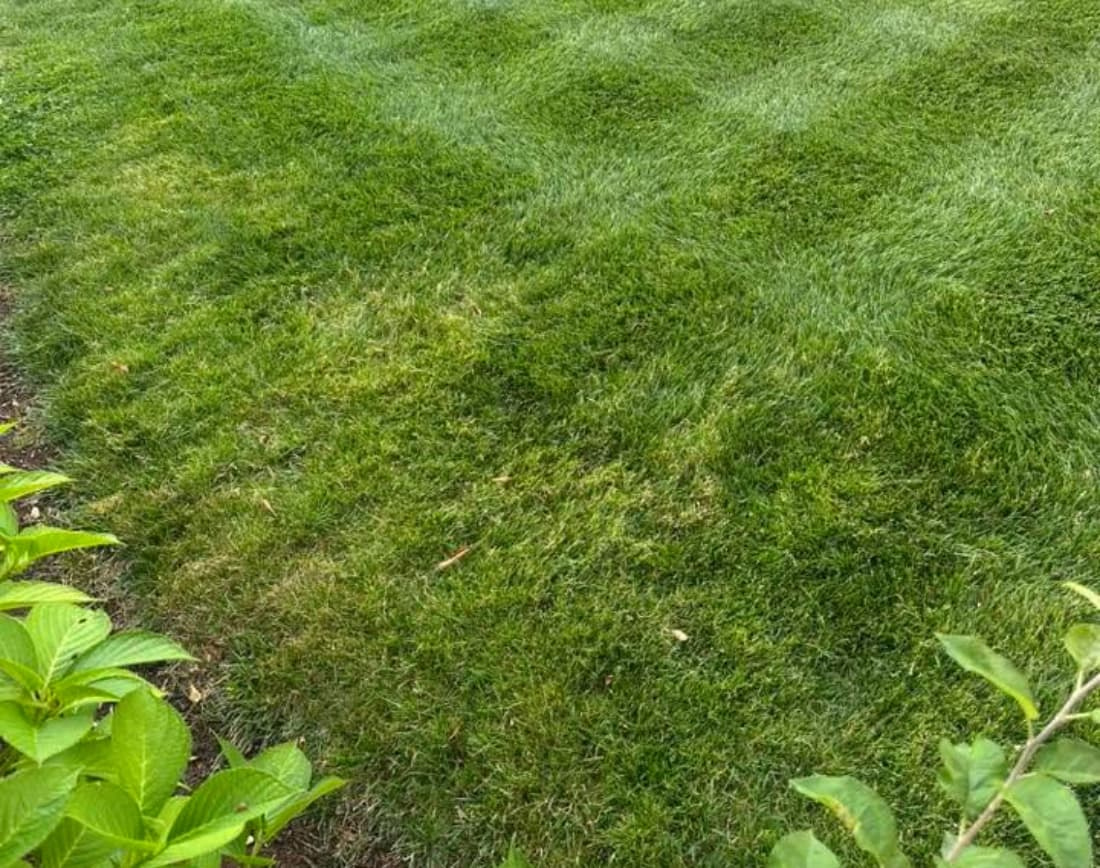
Why Poa Annua Keeps Coming Back — and the 3-Year Plan That Finally Ends the Cycle
You've pulled it. You've sprayed it. You've watched the little white seedheads mock you every single spring. And every fall, like clockwork, it's back — in the lawn, in the beds, in the cracks you didn't know you had. Here's the hard truth nobody at the big-box store will tell you: you're not losing because you're doing it wrong — you're losing because you're fighting the wrong enemy on the wrong timeline. Poa annua isn't a one-season problem, and once you understand why, the three-year plan below stops feeling like a chore and starts feeling like a countdown.
Read Article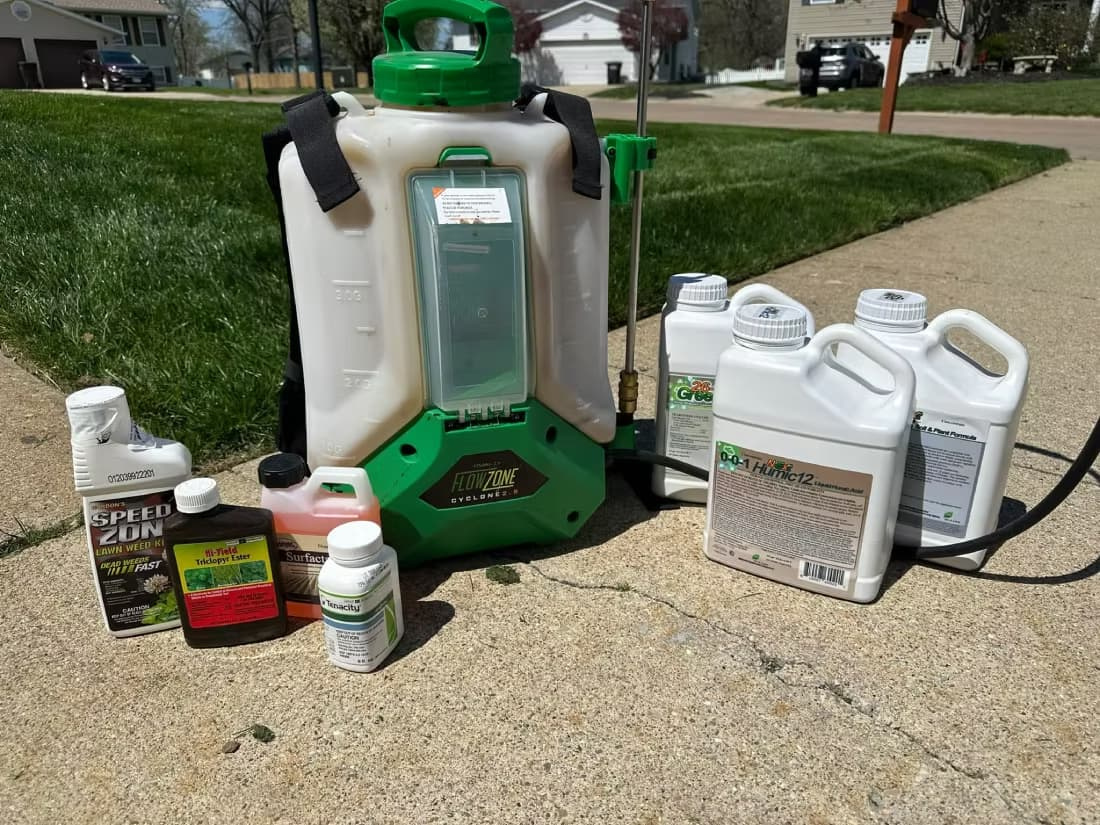
How to Apply Herbicides Correctly in Your Lawn and Garden Beds
Getting real results from a weed product has almost nothing to do with the brand on the bottle and everything to do with matching the method to the moment — the right chemistry, in the right place, at the right time. Learn how to apply herbicides correctly across both your lawn and your garden beds, whether you’re stopping weeds before they sprout or killing the ones already growing, without wasting product or harming the plants you want to keep.
Read Article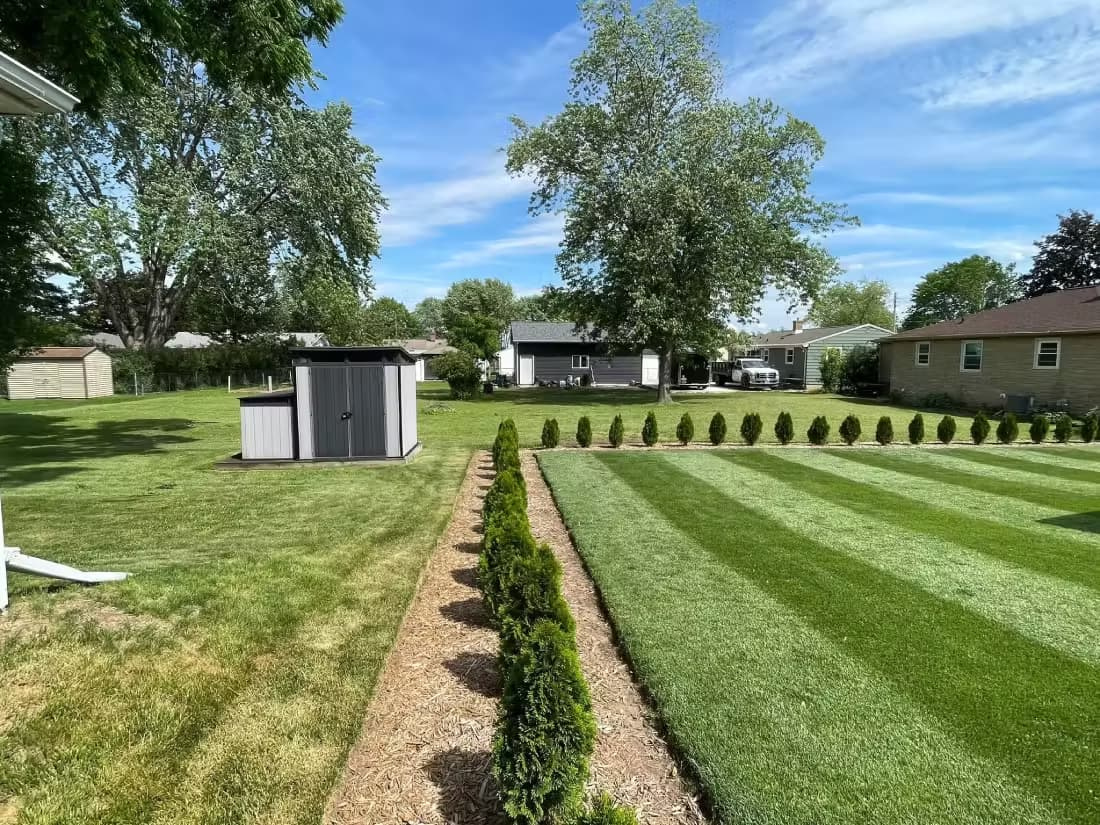
How to Kill Weeds Where Two Lawns Meet Without Harming Your Neighbor’s Grass
Controlling weeds along a shared property line is where good intentions quietly backfire—the season that's safe for your own lawn is often the season the lawn next door is most easily harmed. Learn the seasonal timing collision behind most fence-line damage, and the two habits that prevent it—reading what's actually in the bottle and spraying directed instead of broadcast—so you can clear the weeds without hurting your grass, your neighbor's, or the peace between you.
Read Article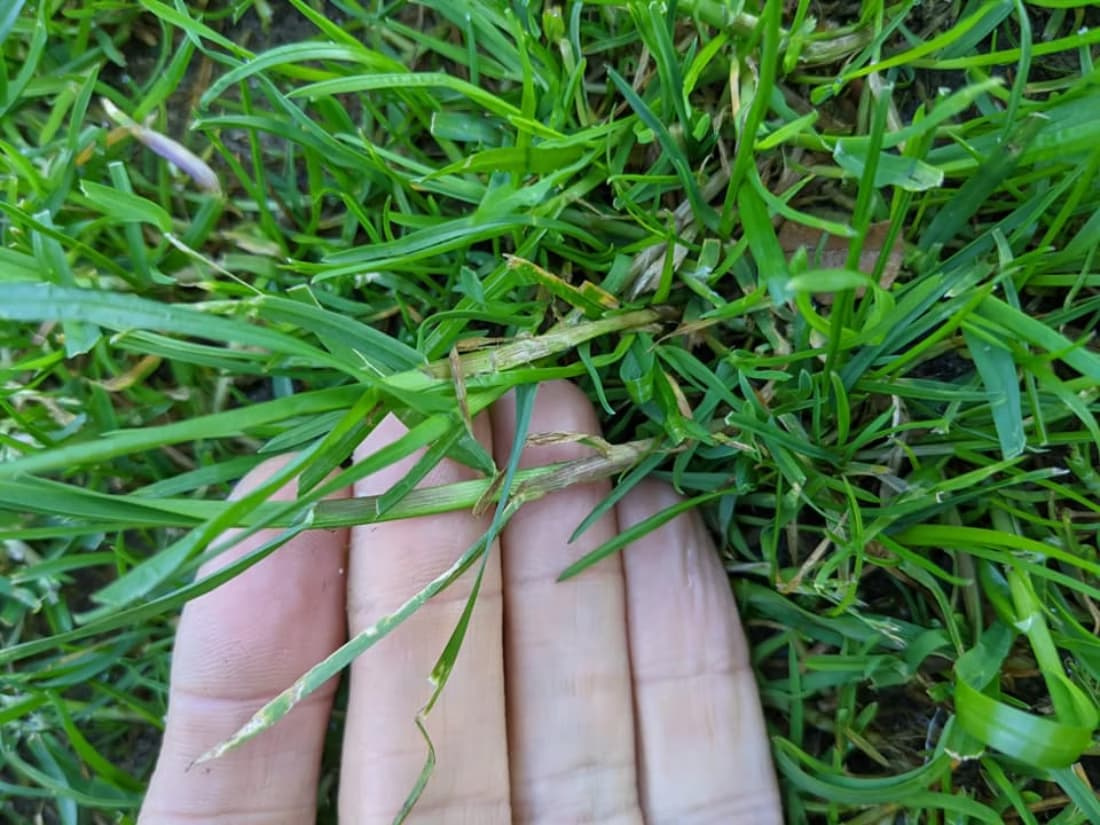
The Truth About One-and-Done Weed Control
Most homeowners lose the fight against weeds not because they work too little, but because they act before they understand. One-and-done weed control is real — but it only works when identification, timing, and the right tool all line up. This guide explains how that sequence works across your lawn and your ornamental beds, and how each weed page in the MFY hub puts it into practice for your specific invader.
Read Article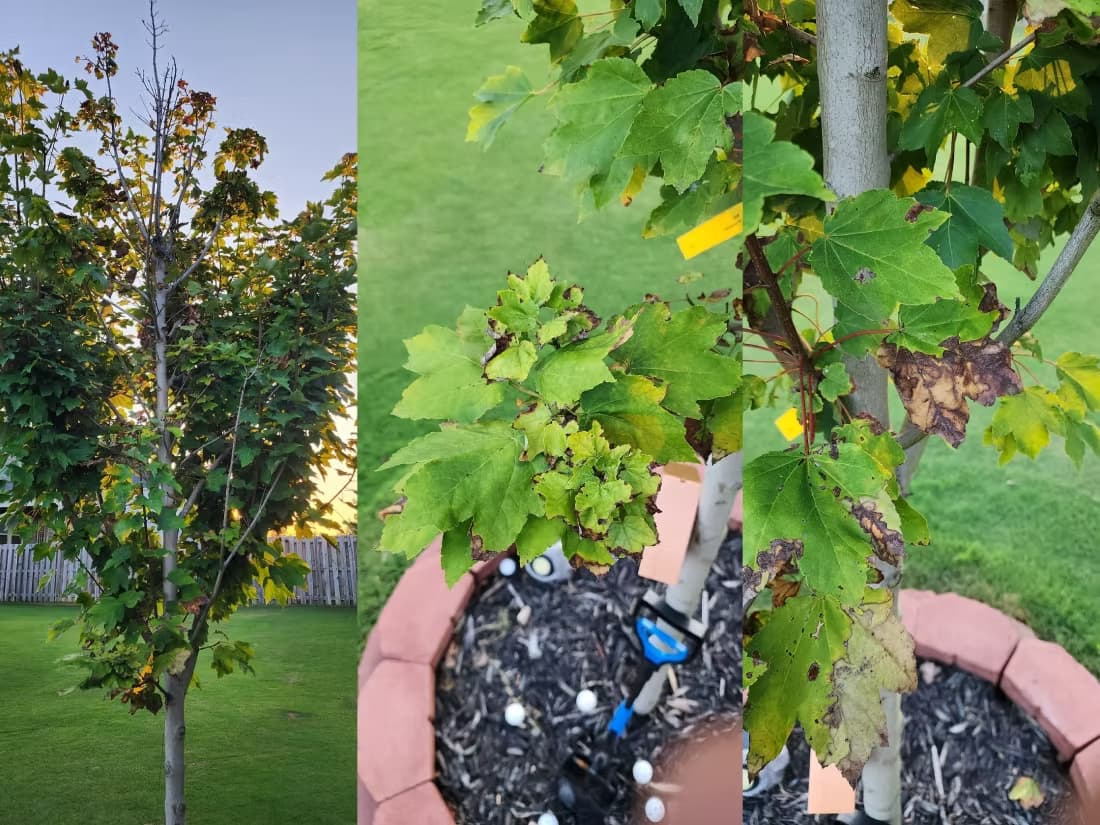
Solving the Mystery of the False Evidence in Your Lawn and Landscape
A brown leaf or a yellowing lawn is rarely what it seems. When symptoms act as decoys, a calm, forensic approach brings clarity to the confusion. Learn how to look past the surface to find the quiet truth of what your plants are truly asking for.
Read Article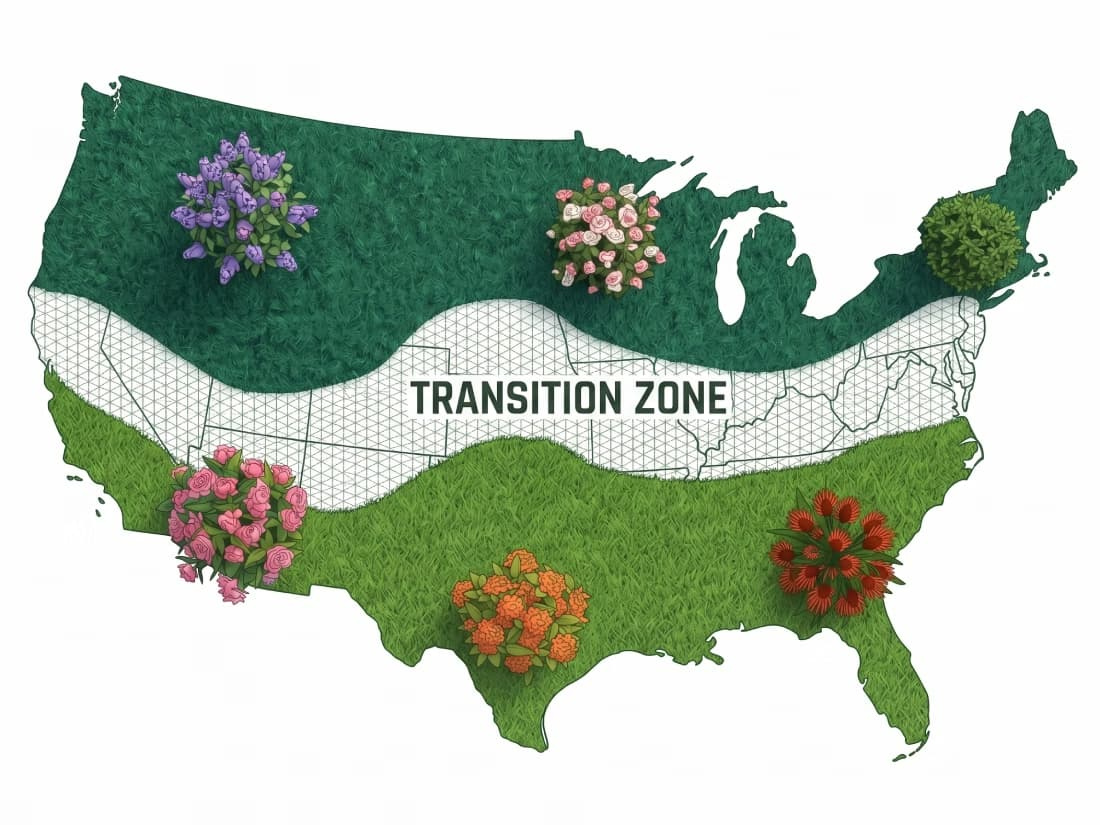
Living in the Middle: The Deep-Dive Guide to Transition Zone Lawns and Landscapes
The Transition Zone is a biological tug-of-war where neither northern nor southern species perfectly adapt. By using resilient "bridge" species and mastering maintenance levers like the Mowing Pivot, you can transform a struggling yard into a healthy landscape.
Read Article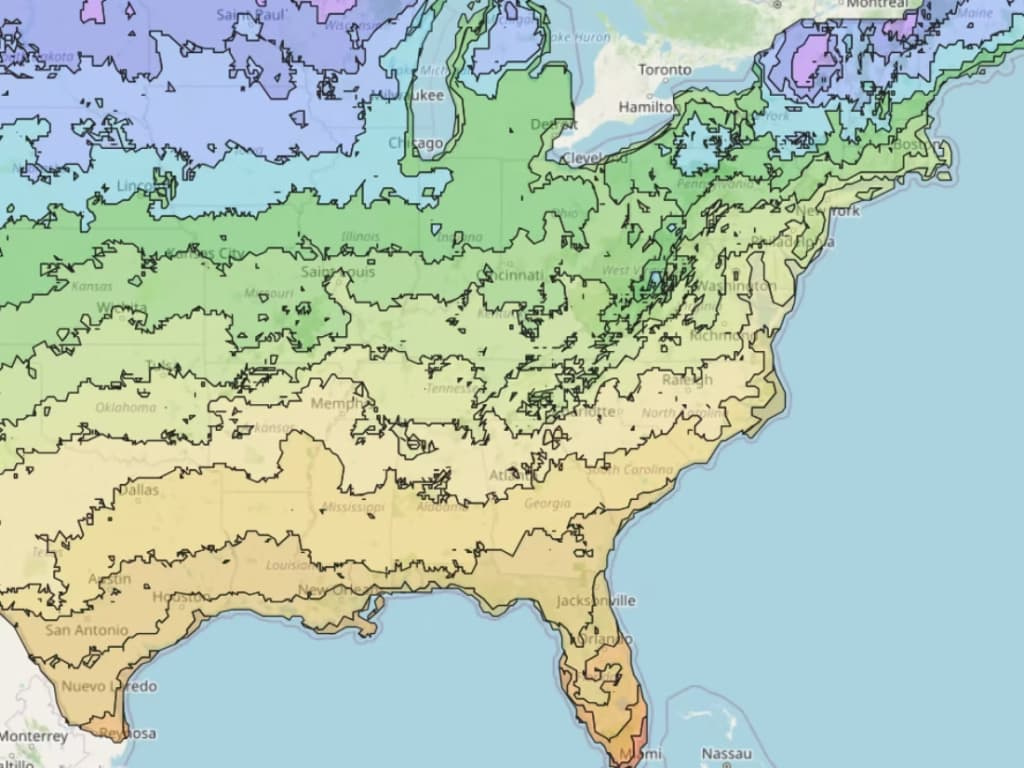
What Your Hardiness Zone Really Means for Your Lawn and Plants
Uncover the foundation of a resilient landscape by mastering the science of hardiness zones. Learn how these climate boundaries are calculated and why understanding your local temperature limits is the first step toward choosing plants that thrive year after year.
Read ArticleFrequently Asked Questions
Our maintenance and establishment guidance is derived from long-term agronomic field studies and turfgrass performance data from top research institutions.
Almost certainly dormant. Zoysia browns at the first hard frost and after about a week of summer drought, and both are normal. Check the crowns at the base of the plant: firm and white inside means dormant, black and mushy means dead. Dormant zoysia survives three to six weeks of drought comfortably and recovers fully on rewetting. The one case where it really is dead is winterkill, which shows up as irregular dead zones in low, wet, or shaded spots with a sharp line between bleached and living grass.
Yes and no, and the distinction matters. Zoysia survives drought excellently — it goes dormant and comes back. But it avoids drought poorly, because it is comparatively shallow-rooted. In a Texas A&M 60-day dry-down, seven zoysia cultivars fell below 1.5 percent green cover while a bermudagrass cultivar held about 71 percent. So if “drought tolerant” means the lawn stays green through a dry spell, zoysia is not that grass. If it means the lawn comes back without replanting, it is one of the best.
It is low input and high labor, and lumping those together is where people get misled. It needs about half the nitrogen bermudagrass does and very little water. But the silica in its leaves dulls mower blades enough to need sharpening about monthly, it produces more thatch than almost any lawn grass and needs verticutting in a narrow window, and the fine types need a reel mower. A cheap grass that costs you time is a different product from an expensive one that runs itself.
Generally no. Only the coarse japonica types produce viable seed at all, seeded lawns come out coarser and lighter than the surrounding sod, and seed takes 14 to 21 days to germinate and two seasons to fill in. The realistic repair is a plug or a piece of sod from the same type of lawn, done in early summer while the grass is actively growing. Nothing repairs during dormancy.
No. This is the single most common piece of bad advice on this grass. The ryegrass competes for light and water exactly as the zoysia is trying to green up, it releases growth-inhibiting chemicals as it dies back, and it invites rust disease. Together those can kill patches of the permanent lawn. You would be trading a green winter for a thin summer.
No, and this is the opposite of the rule for cool-season lawns. Zoysia is a monostand grass — one type, 100 percent. Extension actively discourages blending, because different leaf widths, colors, and growth rates give you a patchy lawn you cannot mow evenly. The only documented exception is seeded blends used for soil stabilization, not home lawns.
It depends entirely on which zoysia, which is why buying by genus name is risky. The genus floor is 4 to 6 hours of direct sun. The coarse cold-hardy types want a full 6 to 8 hours and thin out fast under trees. The fine types tolerate roughly 40 percent shade, or about 4 to 5 hours. Zoysia as a genus is better in shade than bermudagrass and worse than St. Augustinegrass, so if your yard is heavily shaded, you need to be choosing a specific shade-selected type on purpose.
Check your soil pH first. Above pH 7.0, zoysia yellows from iron chlorosis — the iron is present in the soil but chemically locked up where the plant cannot take it. The fix is foliar iron, not nitrogen. Adding nitrogen to a chlorotic lawn does not green it up and does push thatch, large patch, and mite damage. This is the standard failure pattern for zoysia on the alkaline soils of the Mountain West.
Scientific Authority
This profile is grounded in turfgrass agronomy and soil science. Every recommendation—from irrigation requirements to nutrient management—is verified against agricultural research data to ensure optimal plant health and environmental sustainability in the Transition Zone.
Primary Resources
- Clemson Cooperative Extension: Zoysiagrass (HGIC 1212)[cite: 1]
- NC State Extension TurfFiles: Zoysiagrass Profile[cite: 2]
- NC State Extension Gardener Plant Toolbox: Zoysia Profile[cite: 3]
- University of Missouri Extension: Zoysiagrass (G6706)[cite: 4]
- UF/IFAS Extension: Zoysiagrass for Florida Lawns (ENH11/LH011)[cite: 5]
- Purdue University Turfgrass Science: Patton & Reicher, “Zoysiagrass Species and Genotypes Differ in Their Winter Injury and Freeze Tolerance” (Crop Science, 2007)[cite: 6]
- Kansas State University Turf and Landscape: Cold-Hardy Fine-Textured Zoysiagrass Program (KSUZ 0802)[cite: 7]
- University of Arkansas System Division of Agriculture Cooperative Extension Service: Meyer Z-52 Zoysiagrass
- Crop Science (Patton, Schwartz & Kenworthy): “Zoysiagrass Species, History, Utilization, and Improvement in the United States: A Review” (2017)
- University of Georgia Extension: Zoysiagrass Water Use and Rooting
- Texas A&M AgriLife Research: Zoysiagrass Drought Dry-Down Trial
- LSU AgCenter: Zoysiagrass Culture and Large Patch Management