
Parent Species:
Strong Creeping Red Fescue
The one fine fescue that grows back into its own bare spots, and the standard pick for an ordinary shaded lawn.
Is Strong Creeping Red Fescue Right For Your Yard?
Best For:
Tradeoff:
What Makes It Different
It is the only fine fescue that closes its own bare spots. Strong creeping red fescue grows thick, long, numerous rhizomes — underground stems that push sideways out of the crown and send up a new plant a few inches away. Nothing else in the group does this at a useful rate. Slender creeping red has the same machinery, but short and weak. Chewings, hard and sheep have none at all and grow only where they already stand.
Set expectations correctly, though. This is repair, not aggression — a dog spot closes over a season, not in three weeks. You are buying a lawn that does not slowly go patchy on you, not one that races back from damage.
That habit costs you twice. The rhizomes leave an organic layer behind, so this is one of only two fine fescues that ever needs dethatching. And it is far more prone to dollar spot than Chewings or hard fescue — silver-dollar-sized bleached spots on warm days with heavy dew, worst on lean, dry soil.
Who It’s For
The plain, unremarkable shaded lawn. It is the default fine fescue because it asks nothing unusual of the site and forgives ordinary wear better than its siblings, since it grows back.
It is also the best fine fescue for a dog. Colorado State ranks creeping red as the second most urine-tolerant cool-season grass after tall fescue, and the rhizomes then close whatever damage does happen. On a Chewings or hard fescue lawn, every urine spot is a reseeding job.
Two things should send you to a sibling page instead. If the real problem at your site is salt — coastal spray, a salted walk or road edge, brackish irrigation — strong creeping red is only moderately salt tolerant, and slender creeping red is the answer. If it is deep, heavy shade under a closed canopy, Chewings holds a denser stand on less light.
The Cultivars
| Cultivar | How it’s sold | What it’s good at | Notes |
| Navigator III | Blend component (elite fine fescue mixes); no standalone retail found | Shade plus poorly irrigated, low-fertility sites; the breeder reports improved traffic stress and shade tolerance over Navigator II | The current generation. A-LIST approved, which is an independent low-input verification rather than a breeder claim |
| Celestial | Standalone from specialty seed retailers; also ~20% of Twin City Seed’s salt-tolerant STREETS mix | Drought and disease tolerance, good winter color, blends well | TWCA-certified for drought — again independent. Label runs 98% minimum purity, 90% minimum germination |
| Marvel | Standalone from Twin City Seed | Elite general-purpose line; endophyte-enhanced, so it carries insect resistance | The breeder recommends 15–35% of a general cool-season mix by weight — useful sizing if you are blending your own |
| Cardinal II | Blend component only; no standalone retail found | The breeder reports high NTEP turf-quality and color ratings, dark green, improved salt tolerance, tolerates lower mowing | A-LIST approved. Being pushed out of elite mixes by newer lines |
| Harbor MR | Blend component only; no standalone retail found | Mesotrione tolerance — the breeder reports little to no injury when mesotrione is applied at seeding, where older red fescues are damaged | Genuinely useful if it holds up, because mesotrione is the active in common seeding-time weed products. Breeder-stated; no NTEP or extension confirmation found. Not A-LIST |
| Navigator II | Blend component; largely phased out | — | Superseded by Navigator III. Fine if it is already in a bag you like; not worth seeking out |
| Garnet, Cindy Lou, Class One, Jasper II, Pathfinder, Shademaster III, Rosecity | No current retail or supplier listing found | — | Trial entries, contract-grown for sod producers, or discontinued. Do not plan a purchase around these names |
| Boreal, Oracle, Fenway, and anything marked VNS | Common in cheap bags | — | Avoid. Boreal is an old high-seed-yield line, not a turf selection. VNS means Variety Not Stated, so the bag can legally hold any of these |
Two things about that list. Almost none of these are sold under their own name to homeowners — big-box bags list fine fescue as an unnamed percentage on the back label, and named lines come from specialist online suppliers. And the market moves fast: a cultivar named in a three-year-old article is often already gone.
What Changes In Care
Three deltas from the fine fescue type page. Mowing and watering are unchanged.
- You will eventually have to dethatch. The bunch fine fescues barely build thatch; this one does, because rhizomes leave litter behind. Core-aerate every 2–5 years, mid-August through September. Pull plugs — never power-rake, which shreds crowns and relieves nothing.
- Feed at the top of the range, lightly and regularly. 1–2 lb of nitrogen per 1,000 sq ft per year, against under 1 lb for hard and sheep — and light regular feeding is also the dollar spot answer, since that disease works hardest on lean turf. Not license to pass 2 lb: over-feeding still kills more fine fescue than anything else.
- You do not need a scheduled overseeding. That is the payoff for the thatch. Chewings, hard and sheep lawns need periodic overseeding to hold density; this one holds it itself.
Before You Buy
- Buy a blend, never a single cultivar. Three to five unrelated improved cultivars. A one-cultivar fine fescue lawn is one disease away from failure, and with this subtype’s dollar spot record that is not theoretical.
- Watch the shade-mix dilution trap. A generic “Sun & Shade” bag is often about 75% bluegrass and ryegrass and only ~15% fine fescue. The sun grasses die in shade, and 15% cannot carry a shady lawn. For a genuinely shaded yard buy a mix that is 50–90% fine fescue by weight, and ignore the front label.
- Cap it near 40% when mixing with Kentucky bluegrass. Fine fescue germinates in 5–12 days against bluegrass’s 14–21, so any more and it crowds the bluegrass out before it starts.
- Skip anything labeled VNS. Variety Not Stated is the legal wrapper that lets unimproved common seed into a bag.
- Check the seed test date. Endophytes only stay alive roughly six to nine months in warm storage, though the seed still germinates long after. Specialist sellers print the test date on the analysis label; big-box packaging generally does not.
- Look for the certification language. Repacked homeowner bags do not carry the physical blue tag — the bulk sack did — but a good supplier states the seed came from a certified lot and prints an analysis label showing 85%+ germination and 0.00% weed and other crop seed.
If you are killing an old lawn first, read the active-ingredient panel. Consumer “Roundup” no longer reliably means glyphosate. True glyphosate lets you reseed in 7–14 days; reformulated blends can force a 28-day wait, and imazapic can hold the ground sterile for months.
Deep Dives & Practical Guides
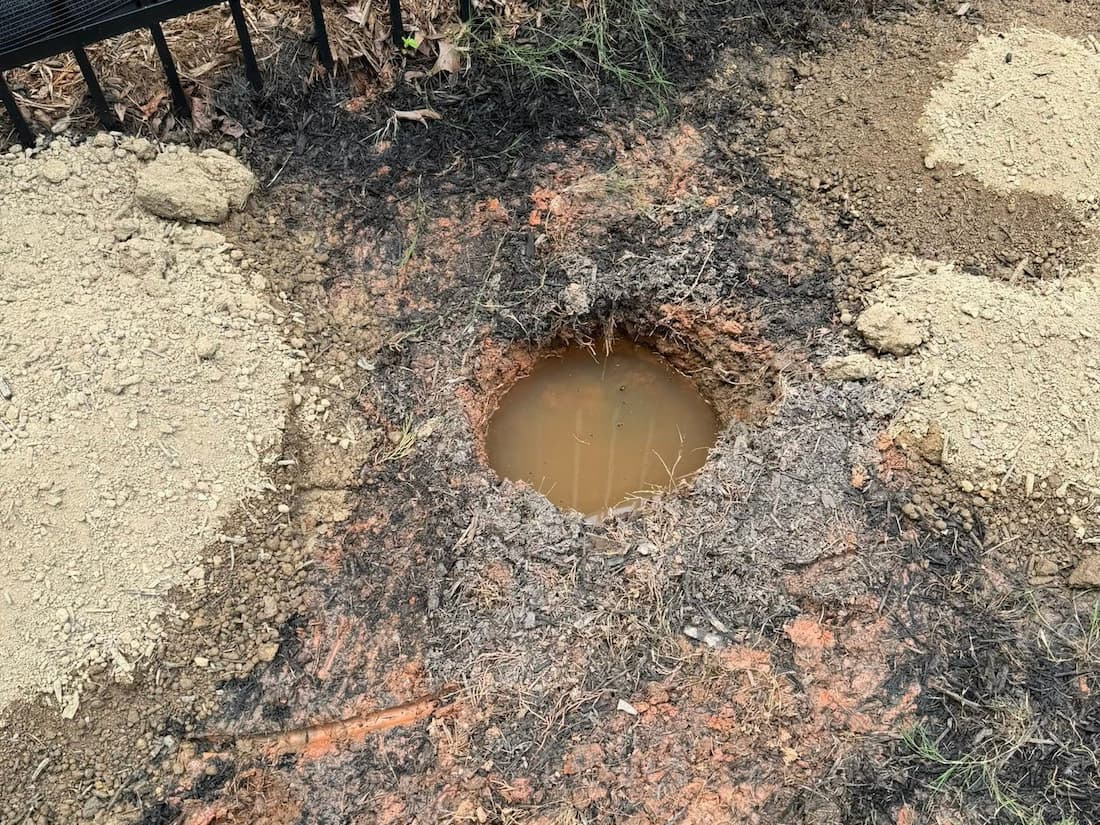
The Hole You Dug Is Killing Your New Plants
A shrub that looked fine all summer and stalled the next year usually didn't fail because of the plant, the weather, or the nursery. It failed because the hole it went into was a container — smooth-walled, water-holding, and impossible to root out of.
Read Article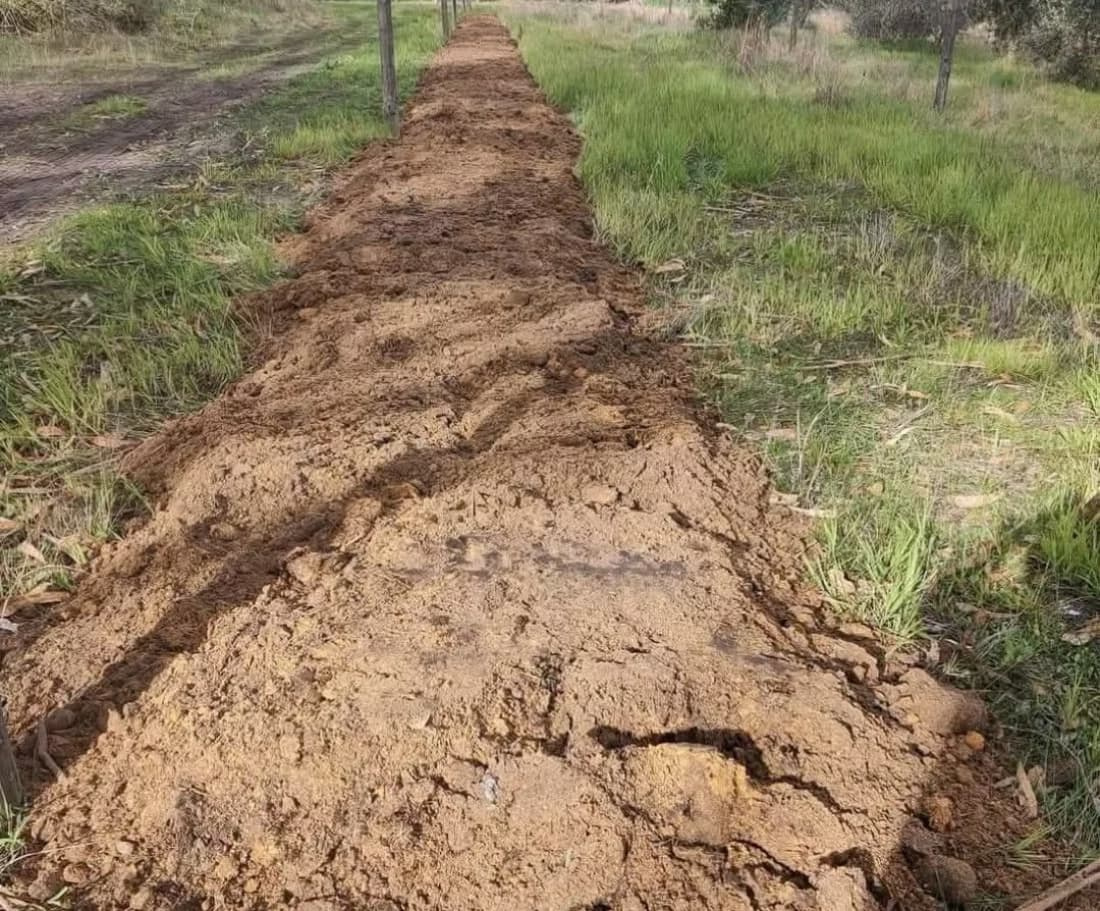
What You Can Actually Change About Bad Soil
Heavy clay and loose sand feel like permanent sentences, and half of that is true. What your soil is made of will not change. How those particles are arranged will — and that is the half that decides whether anything grows.
Read Article
Why Your Plants Survive Winter and Die in July
Your hardiness zone is built from one number — the coldest night of an average year. It says nothing about the hottest afternoon, which is what actually kills most plants people lose. Here's how to read the other half of the map.
Read Article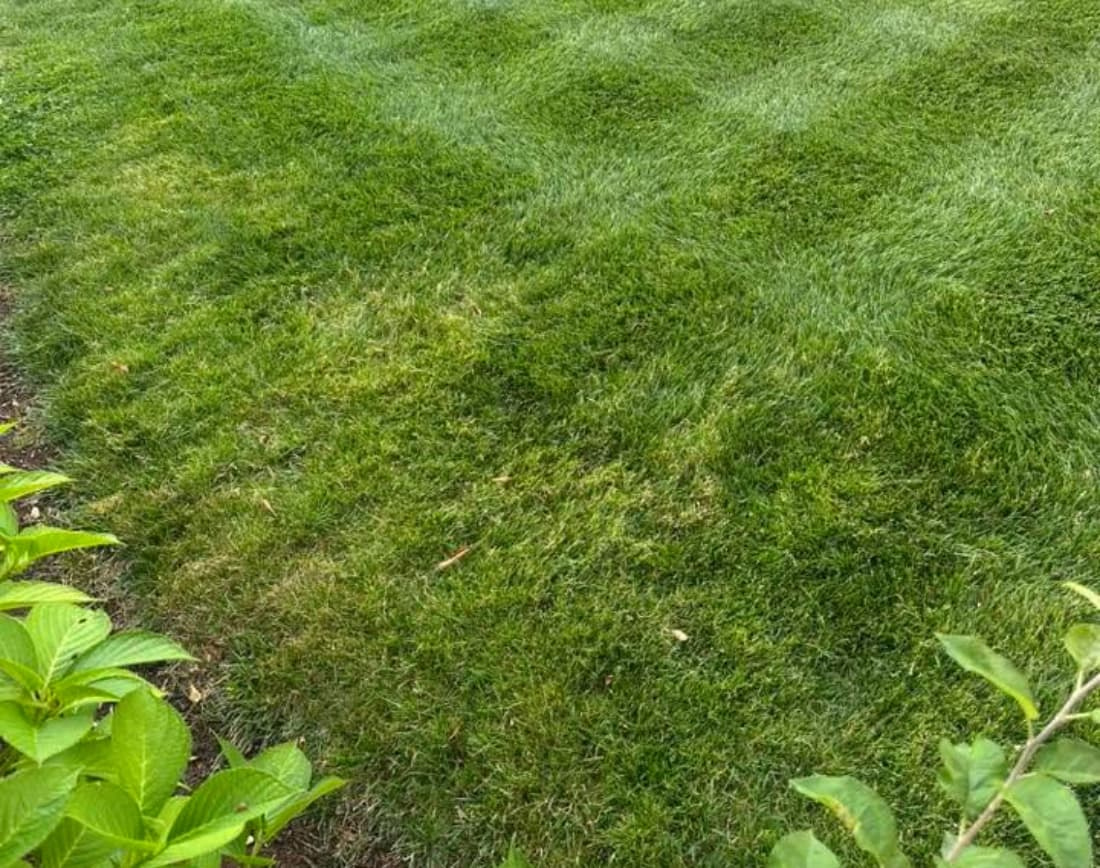
Why Poa Annua Keeps Coming Back — and the 3-Year Plan That Finally Ends the Cycle
You've pulled it. You've sprayed it. You've watched the little white seedheads mock you every single spring. And every fall, like clockwork, it's back — in the lawn, in the beds, in the cracks you didn't know you had. Here's the hard truth nobody at the big-box store will tell you: you're not losing because you're doing it wrong — you're losing because you're fighting the wrong enemy on the wrong timeline. Poa annua isn't a one-season problem, and once you understand why, the three-year plan below stops feeling like a chore and starts feeling like a countdown.
Read Article
How to Apply Herbicides Correctly in Your Lawn and Garden Beds
Getting real results from a weed product has almost nothing to do with the brand on the bottle and everything to do with matching the method to the moment — the right chemistry, in the right place, at the right time. Learn how to apply herbicides correctly across both your lawn and your garden beds, whether you’re stopping weeds before they sprout or killing the ones already growing, without wasting product or harming the plants you want to keep.
Read Article
How to Kill Weeds Where Two Lawns Meet Without Harming Your Neighbor’s Grass
Controlling weeds along a shared property line is where good intentions quietly backfire—the season that's safe for your own lawn is often the season the lawn next door is most easily harmed. Learn the seasonal timing collision behind most fence-line damage, and the two habits that prevent it—reading what's actually in the bottle and spraying directed instead of broadcast—so you can clear the weeds without hurting your grass, your neighbor's, or the peace between you.
Read Article
The Truth About One-and-Done Weed Control
Most homeowners lose the fight against weeds not because they work too little, but because they act before they understand. One-and-done weed control is real — but it only works when identification, timing, and the right tool all line up. This guide explains how that sequence works across your lawn and your ornamental beds, and how each weed page in the MFY hub puts it into practice for your specific invader.
Read Article
Solving the Mystery of the False Evidence in Your Lawn and Landscape
A brown leaf or a yellowing lawn is rarely what it seems. When symptoms act as decoys, a calm, forensic approach brings clarity to the confusion. Learn how to look past the surface to find the quiet truth of what your plants are truly asking for.
Read Article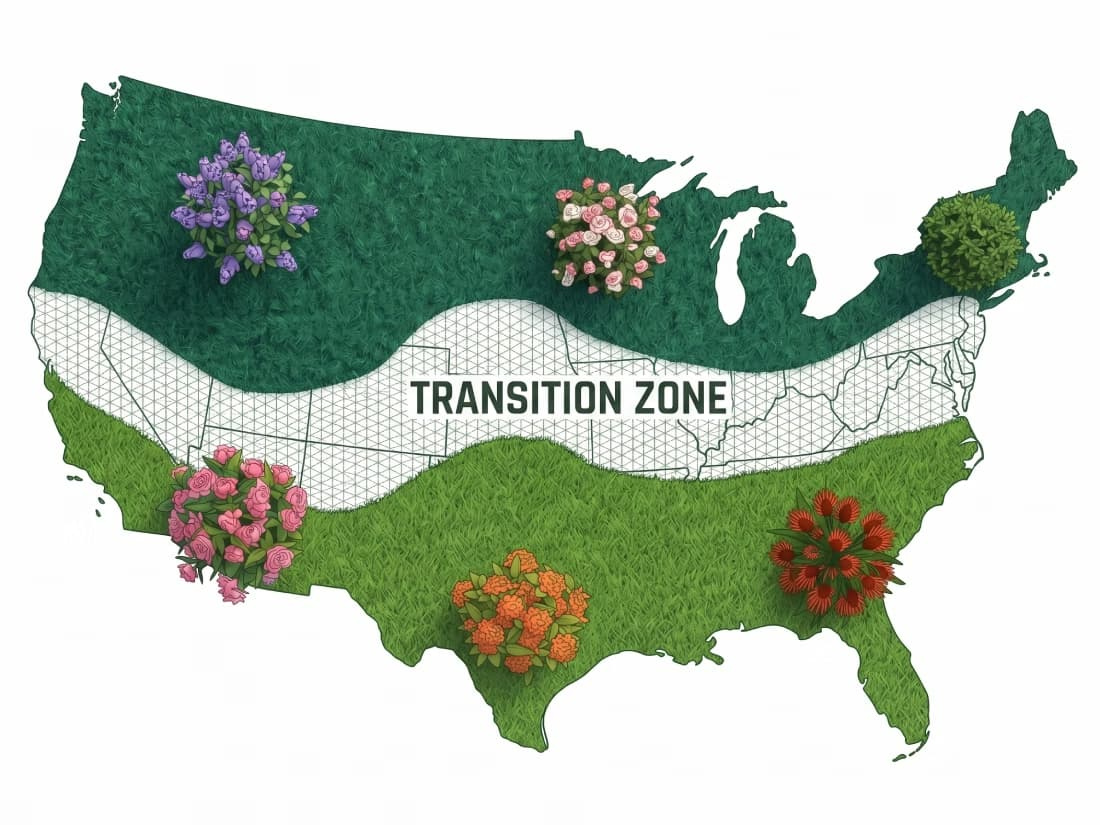
Living in the Middle: The Deep-Dive Guide to Transition Zone Lawns and Landscapes
The Transition Zone is a biological tug-of-war where neither northern nor southern species perfectly adapt. By using resilient "bridge" species and mastering maintenance levers like the Mowing Pivot, you can transform a struggling yard into a healthy landscape.
Read Article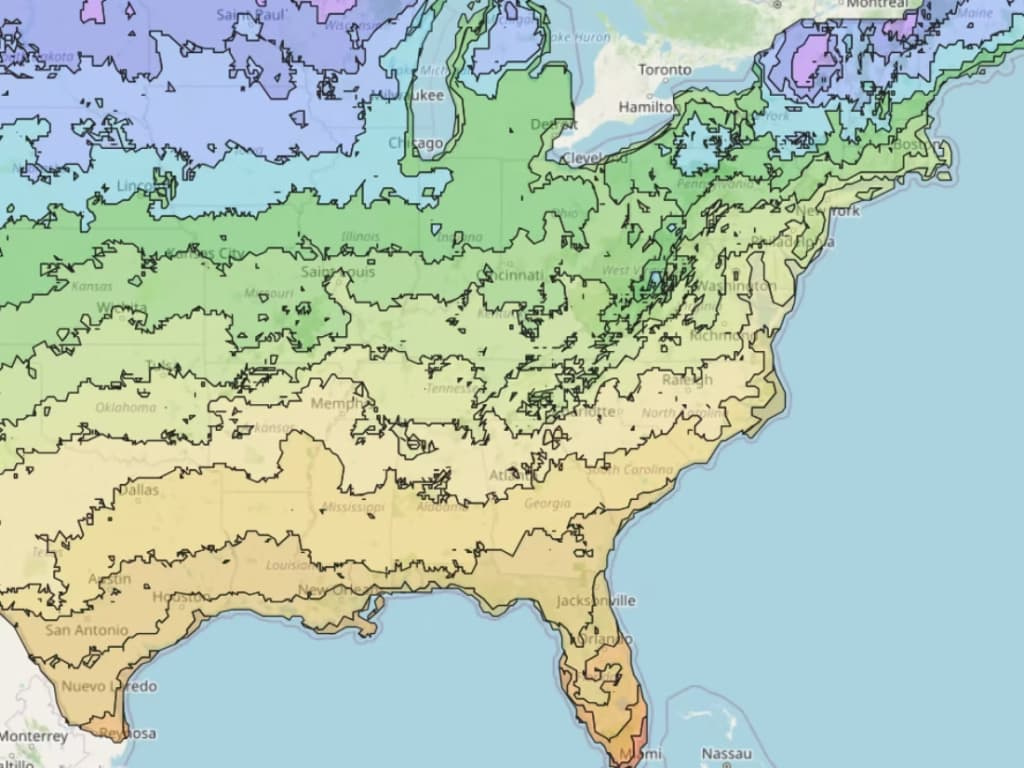
What Your Hardiness Zone Really Means for Your Lawn and Plants
Uncover the foundation of a resilient landscape by mastering the science of hardiness zones. Learn how these climate boundaries are calculated and why understanding your local temperature limits is the first step toward choosing plants that thrive year after year.
Read Article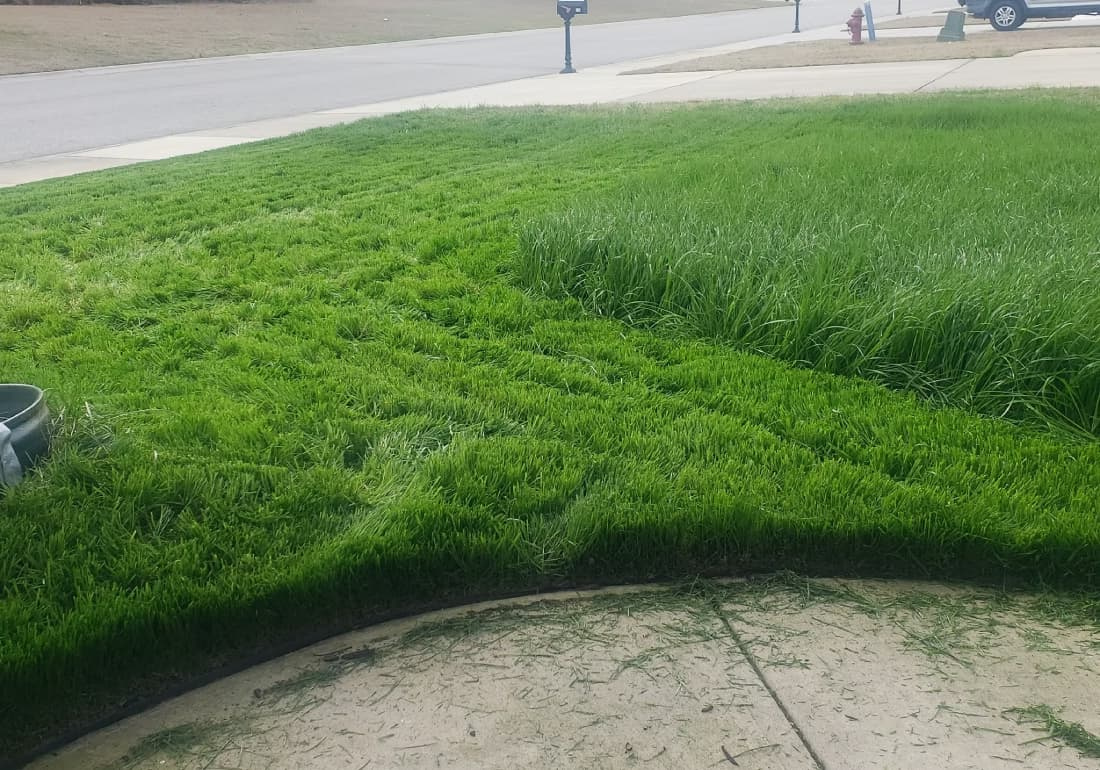
The One-Third Mowing Rule: A Species-Specific Guide to Mowing Heights
Stop guessing your lawn's health. While the one-third rule is the foundation, every grass species has its own threshold for stress. This guide provides exact 'mow-at' heights, seasonal frequency adjustments, and mower setting tips for over 12 grass types to ensure a professional-grade cut every time.
Read Article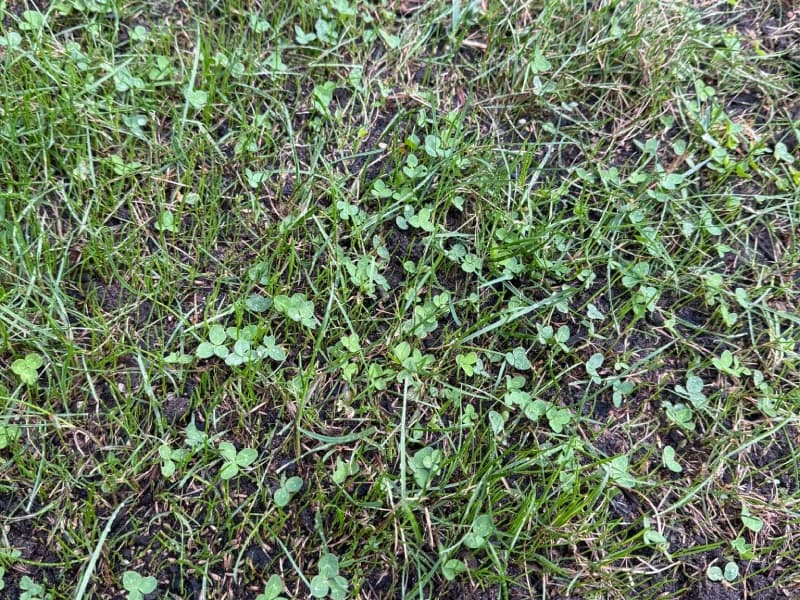
How to Kill Weeds in New Grass Without Killing the Grass
You spent weeks preparing the soil and watering your new seeds, only to see a "carpet of green" that looks more like a weed patch than a lawn. It is frustrating to watch weeds grow twice as fast as your tiny seedlings, leading to a "Panic Phase" where many homeowners make the mistake of spraying too early. Before you reach for the herbicide and risk killing your investment, you need to understand the precise timing required to save your new grass while clearing out the invaders.
Read Article