
Lawn and Plant Problem Identifier
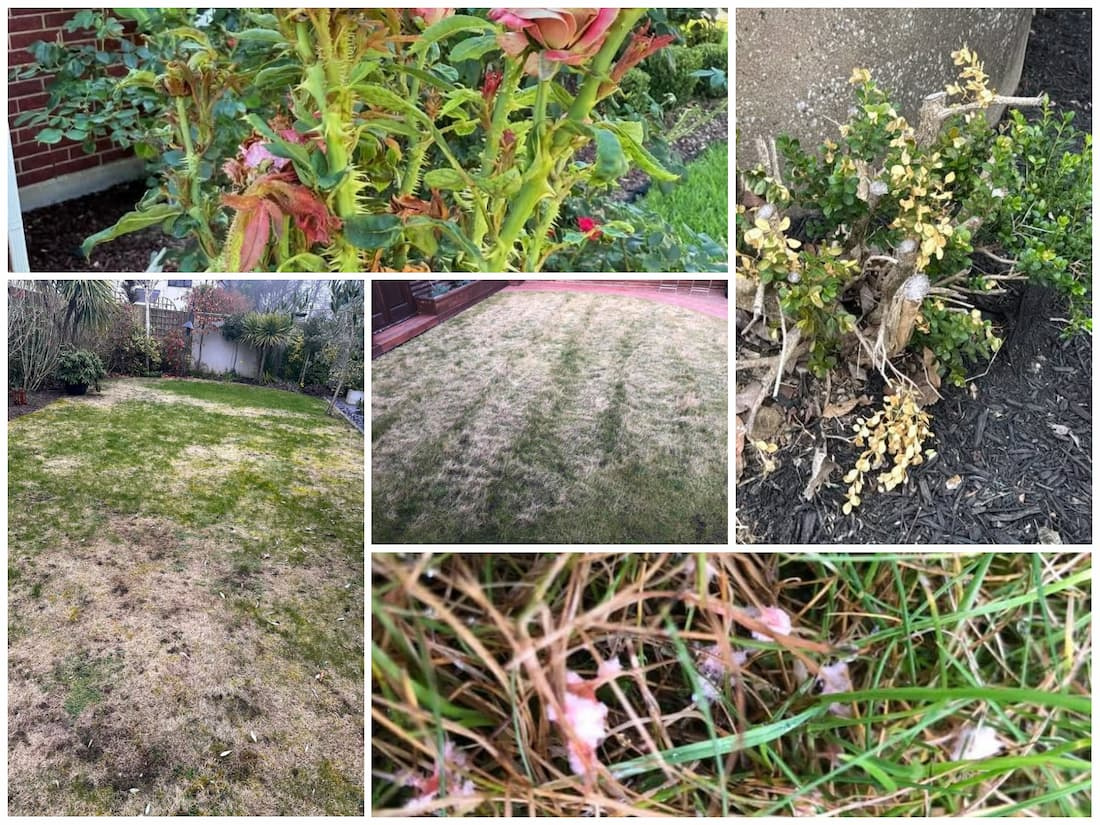
A brown patch in the lawn, spots on a rose or a shrub browning on one side can have many different causes, and plenty of them look alike at first glance. The Lawn and Plant Problem Identifier narrows them down. Answer a few short questions about what you see, where it shows up, when it started and what happened lately, and it ranks the diseases and abiotic disorders that fit, from fungal patches and leaf spots to drought, fertilizer burn and winter injury. Every answer is checked against our disease and disorder profiles, built on university extension research, so the results always match the full guides.
Each result shows how it fits your answers and how to confirm it, so you can compare the top candidates before opening the one that matches. The tool covers more than 50 lawn and plant problems today, with insects and other pests coming next. Your answers stay saved in this browser, so you can return to your results anytime or start over.
Before you start, do you see any of these?
- Insects, caterpillars or grubs
- Chewed leaves or holes in leaves
- Tunnels or winding trails in leaves or soil
- Grass that pulls up like loose carpet
- Birds, skunks or raccoons digging in the lawn
- Grass stems that snap at the soil line, with sawdust-like debris
This may be an insect or animal problem
Right now this tool covers lawn and plant diseases and abiotic disorders, the problems caused by weather, soil, water, chemicals or physical damage. Insects and other pests aren't covered yet, so we'd rather stop here than point you to the wrong answer. Pest profiles are on the way.
What the experts say about pests
- Is a Dying Lawn Patch Chinch Bug Damage or Drought Stress Terri Billeisen, North Carolina State University · View profile
- Milky Spore for Lawn Grub Control Albrecht Koppenhöfer, Rutgers University · View profile
- Are Japanese Beetles Mainly an East Coast Problem Wondirad Gebru, Colorado Department of Agriculture · View profile
- Should You Spray an Insecticide as Soon as You Spot Bugs on Your Shrubs Tim Abbey, Penn State Extension · View profile
- Does Releasing Store-Bought Ladybugs Control Aphids Shaku Nair, University of Arizona Cooperative Extension · View profile
- Is Neem Oil Really Safe for Bees and Other Pollinators Andrew M. Sutherland, UC Statewide IPM Program · View profile
Ask your local Extension office
Extension offices identify insects for free or for a small fee. The county office finder from Oregon State University lists them by state.
Where is the problem?
Your lawn
From standing height
Up close
Where it is
When it started
Lately
Your plant
What you see
Up close
Where it is
When it started
Lately
Welcome back. These are the results from your last visit.
Your Results
How to read your results
- Your answers are saved in this browser. Open Your answers below to check them or change any of them.
- Most Likely problems come first, followed by Also Possible ones.
- Green marks the answers that match the problem. Yellow marks where the problem usually looks different from what you picked.
- You'll usually see more than one result. Open the dropdowns on each card, especially How to confirm it, to compare them and rule some out. Then open the full profile of the best fit, or read them all.
- After reading a profile, use your browser's Back button to return here. Your results will be waiting.
Your answers
Checking a different lawn area or plant? Start a new diagnosis.