
Observations: Yellow leaves with dark green veins
Alkaline (High pH)
High pH without free lime, which means it can actually be corrected
Alkaline (High pH) At-a-Glance
Diagnostic Threshold
pH 7.3+, no fizz
Remediation Difficulty
High
Recovery Timeline
Multi-year
How to Identify Alkaline (High pH)
Alkaline soil runs above pH 7.3 without containing free lime. That second half is the important part, and it is what separates this page from the Calcareous Soil page. Both look identical on a pH meter. Only one can be fixed.
The signature symptom is interveinal chlorosis — new leaves come out pale yellow while the veins stay dark green, producing a distinctive netted look. It shows on young growth first, because iron does not move within the plant to where it is needed. Turf thins, roots stay shallow, and lawns wilt fast in summer heat.
Before doing anything, run the vinegar test. Put a tablespoon of dry soil from 3 inches down on a plate and pour household vinegar over it. Vigorous fizzing means calcareous. No fizz means alkaline, and elemental sulfur will work.
Forensic Signs
What separates alkaline soil from the conditions that resemble it:
- Interveinal chlorosis on new growth, with veins staying green. Nitrogen deficiency yellows old leaves first and yellows them uniformly.
- No fizzing when household vinegar is poured on a dry soil sample. Fizzing means you are on the calcareous page instead.
- Chlorosis that persists whether the soil is wet or dry. Root rot produces wilting in wet soil; this does not.
- Nitrogen applications making the yellowing worse rather than better.
- Phosphorus applications producing no response at all.
- Take-all root rot or summer patch appearing more aggressively than in neighboring lawns.
- A white crust on the soil surface in dry weather, which points to salts alongside the high pH.
Where It Shows Up
Alkaline soil concentrates where rainfall is too low to leach basic cations out of the profile. The arid and semi-arid Southwest and the south-central interior run pH 7.4 to 8.5 for exactly this reason — calcium and magnesium stay on the exchange sites instead of washing down past the roots.
It also appears far outside those regions for local reasons: construction backfill containing concrete or limestone gravel, irrigation with hard well water over many seasons, and soil against foundations where lime leaches out of the concrete.
Fine textures hold alkalinity most stubbornly. Silt Loam, Clay Loam, and Silty Clay have high cation exchange capacity, so they grip basic cations tightly and resist being pushed back down. The same property that makes them fertile makes them slow to correct.
Why Precision Matters: Treating the Root Cause
Noticing that your grass looks "off" or that water is pooling is a great start, but in yard care, the symptoms of different conditions often look exactly the same. Guessing whether your soil is acidic or just low on nutrients often leads to wasted effort and money on treatments that don't work. To truly fix a problem, you need a precise diagnostic that moves beyond a simple hunch.
We’ve built a specialized tool to give you that clarity. It’s completely free (and always will be), requires no signup or email, and is designed so you can return to your results whenever you need to adjust your recovery plan.
The MFY Soil Profile Builder
Our tool helps you move from observing a symptom to identifying the actual condition. By guiding you through simple field tests and sensory checks—like checking your soil’s pH or physical resistance—the tool handles the interpretation for you, delivering a clear diagnostic profile. This ensures you aren't just treating the "look" of your yard, but are addressing the specific state of your soil so it can get back to supporting healthy growth.
Build Your ProfileThe Diagnostic & Recovery Roadmap
Everything here depends on one test costing nothing. Alkaline soil and calcareous soil overlap in pH and look identical on a report, but alkaline soil can be corrected with elemental sulfur at reasonable rates, while calcareous soil cannot be corrected at any rate a homeowner can apply. Pour vinegar on a dry sample. No fizz means you are on the right page and sulfur will work. Fizzing means stop, and go read the calcareous page instead.
Biological Impact
Microbial communities shift away from fungal dominance toward bacteria and actinomycetes. Mycorrhizal partnerships become less effective at scavenging the micronutrients that are already locked up, removing a route plants would otherwise use.
Roots respond by pumping out organic acids to acidify the soil immediately around them, which is a real but limited defense. Meanwhile two root diseases get worse: take-all root rot on warm-season turf and summer patch on cool-season turf both become more damaging above pH 7.2.
Chemical Blockade
Iron is the main casualty. Soluble ferrous iron oxidizes into insoluble ferric hydroxide, dropping solution iron far below what plants need — which is what produces the yellow leaves with green veins. Manganese and zinc form insoluble oxides and hydroxides the same way.
Phosphorus is the other loss. Orthophosphate reacts with abundant calcium to form insoluble calcium phosphate minerals. Applied phosphorus fertilizer disappears into forms roots cannot access, which is why a soil test can show low phosphorus no matter how much you have applied.
Immediate Stabilization
Sulfur takes months to years. These get the plants through this season.
- Spray foliar chelated iron or iron sulfate directly onto the leaves. It bypasses soil chemistry entirely and greens up turf within 24 to 48 hours.
- Switch nitrogen to ammonium sulfate or sulfur-coated urea. Ammonium uptake releases hydrogen ions around the roots, lowering pH locally.
- Stop applying high-phosphorus fertilizer immediately. Excess phosphate binds chelated iron and deepens the chlorosis.
- For trees and shrubs, apply an Fe-EDDHA chelate as a soil drench. Foliar sprays are impractical on anything tall.
Structural Remediation
Elemental sulfur is the correction, and it works through biology rather than chemistry. Soil bacteria oxidize it into sulfuric acid, which means it needs warm, moist, aerated soil and takes 3 to 12 months per application to act.
- Never exceed 5 lb of elemental sulfur per 1,000 sq ft in one application, or 10 lb per 1,000 sq ft in a year. Above that you burn the turf.
- Moving a sandy soil from pH 7.5 to 6.5 takes roughly 10 to 15 lb per 1,000 sq ft, split across two applications.
- The same shift on clay takes 20 to 25 lb, split over two years. From pH 8.0, clay needs 40 to 50 lb split over five years.
- Do not use aluminum sulfate. It acidifies without waiting for bacteria, but the rates required flood the soil with aluminum and cause the root toxicity described on the acidic soil page.
- Confirm the vinegar test is negative before spending anything. On calcareous soil none of this works.
Prevention Rhythm
Alkalinity comes back if the cause is still operating. Address the source, not just the number.
- Use ammonium-based nitrogen for routine feeding rather than nitrate forms. It acidifies slightly with every application.
- Work acidic organic matter into ornamental beds annually — composted pine bark or sphagnum peat.
- Test your irrigation water once. Hard well water high in calcium bicarbonate will undo sulfur applications indefinitely.
- Irrigate deeply and infrequently to leach accumulated salts below the root zone.
- Retest soil pH annually while correcting, then every 2 to 3 years once stable.
The Strengths & Challenges of Alkaline (High pH)
The Bright Side:
No aluminum or manganese toxicity at all, so roots grow to their full depth without chemical injury.
Abundant calcium bridges clay particles together, giving non-sodic alkaline soils genuinely good structural stability.
Suppresses dollar spot and Microdochium patch, two of the most persistent diseases on acidic turf.
Unlike calcareous soil, it can actually be corrected with elemental sulfur at rates a homeowner can apply.
The Main Hurdles:
Locks up iron, manganese, and zinc, producing chronic interveinal chlorosis that returns every season.
Converts applied phosphorus into insoluble calcium phosphate, so fertilizer produces no measurable response.
Correction takes two to five years, because sulfur application rates are capped by what turf can survive.
Encourages take-all root rot and summer patch, both destructive root diseases that are difficult to treat.
Condition Compatibility & Relationships
Plants That Love This Condition
Plants that handle alkaline soil have root systems capable of extracting iron and manganese when they are barely soluble — usually by releasing acids or chelating compounds around the root. Most of them come from limestone country or arid regions where high pH is normal.
Trees
- Hackberry — genuinely untroubled by high pH and tough enough for street-tree conditions.
- Kentucky Coffeetree — a large shade tree that performs on alkaline soil where maples and oaks turn yellow.
- Chokecherry and Serviceberry — smaller natives that tolerate alkalinity and provide flowers and fruit for wildlife.
Shrubs
- Lilac — a limestone-country shrub that flowers better at high pH than it does in acidic soil.
- Juniper — evergreen, drought tolerant, and completely indifferent to pH.
- Boxwood — prefers pH 6.5 to 7.5, so mild alkalinity actually suits it.
- Cotoneaster and Potentilla — both reliable on alkaline soil and widely available.
Grasses That Love This Condition
Warm-season grasses generally handle alkaline soil better than cool-season ones, and three in particular keep root function going up to around pH 8.0.
- Bermudagrass — the most reliable choice on alkaline soil across warm regions. It maintains root function and color at pH levels where cool-season grasses go chlorotic, and its aggressive spread helps it recover from thin patches.
- Buffalograss — native to the alkaline prairie soils of the Great Plains, so high pH is its home ground rather than something it tolerates. Also the lowest-input option here by a distance.
- St. Augustinegrass — good in warm humid alkaline regions including much of Florida and the Gulf Coast, where it is often the default for exactly this reason.
- Zoysiagrass — performs acceptably on alkaline soil and adds better cold tolerance than bermudagrass in the transition zone.
Cool-season lawns on alkaline soil are workable but expect ongoing iron applications. Tall Fescue handles it better than Kentucky Bluegrass.
Plants That Struggle In This Condition
The plants that fail here are acid-lovers and a specific group of trees that are widely planted without anyone checking soil pH first. All of them show the same interveinal chlorosis, and on trees it develops slowly enough that the cause is usually missed until dieback starts.
- Pin Oak — the classic expensive mistake. Above pH 7.3 it develops crippling chlorosis, declines over several years, and cannot be saved short of repeated Fe-EDDHA drenches.
- Red Maple and River Birch — both acid-preferring natives, both routinely planted on alkaline soil, both yellow progressively.
- Sweetgum — same pattern, with marginal leaf scorch alongside the chlorosis.
- Azalea, Rhododendron, and Blueberry — acid-obligate shrubs that will not survive alkaline soil at all.
If you are choosing a tree and your soil is above pH 7.3, check its pH tolerance before buying. It is the single most preventable landscape failure on this soil.
Grasses That Struggle In This Condition
One grass fails outright on alkaline soil, and two more need enough intervention to be worth reconsidering.
- Centipedegrass — the clear mismatch. It requires acidic soil at pH 4.5 to 5.5 and develops severe iron and manganese chlorosis above 6.0, let alone 7.3. On alkaline soil it will not establish and will not persist.
- Kentucky Bluegrass — grows, but shows chlorosis readily above pH 7.5 and will need iron applications every season to hold color. Workable if you accept that as routine maintenance.
- Fine Fescues — tolerate acidity well and alkalinity poorly, so their low-input advantage disappears here. They need more attention on alkaline soil than the grasses they are usually chosen over.
If you are reseeding on alkaline soil, choosing a tolerant species is far cheaper than years of iron treatments on a grass that resents the pH.
Deep Dives & Practical Guides
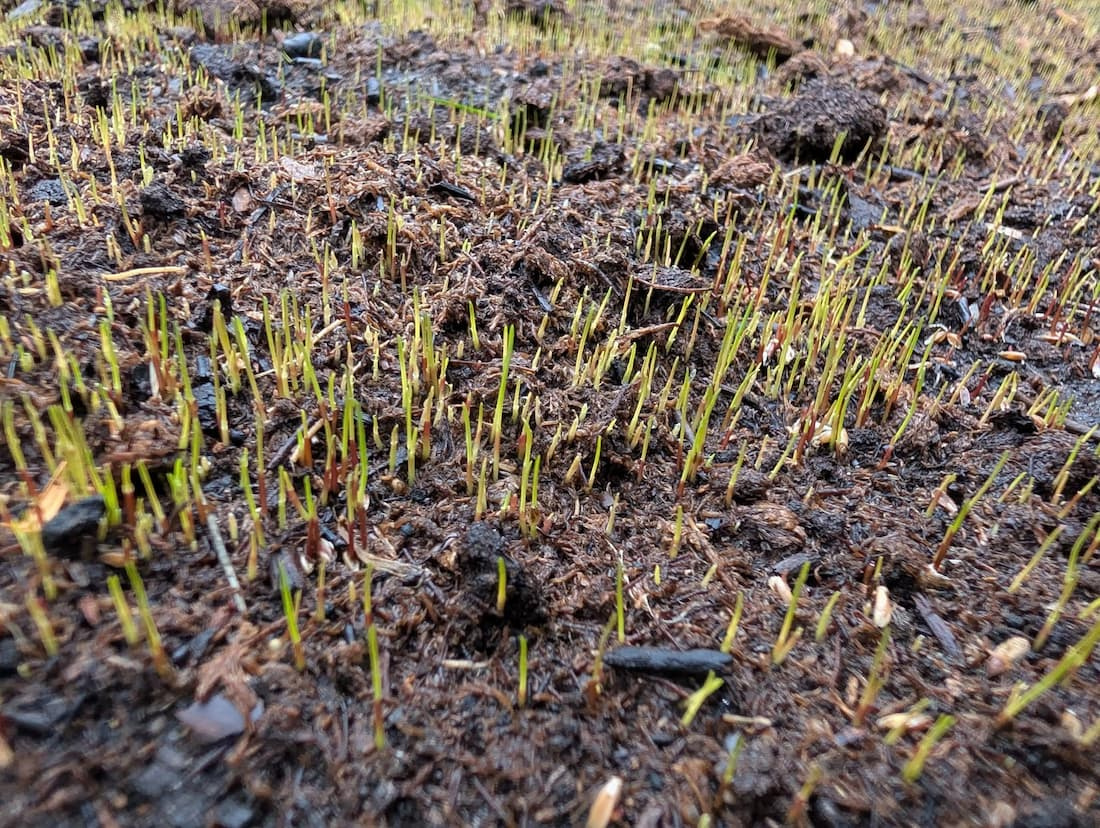
How to Establish a New Lawn From Bare Soil to First Mow
Bare soil doesn't turn into a lawn just because you scattered seed or rolled out sod — it becomes one based on a handful of specific steps done in the right order, matched to your specific grass. This guide walks through soil prep, seeding or planting method, starter fertilizer, watering as the grass grows, and knowing when it's actually safe to mow, for both cool-season and warm-season lawns.
Read Article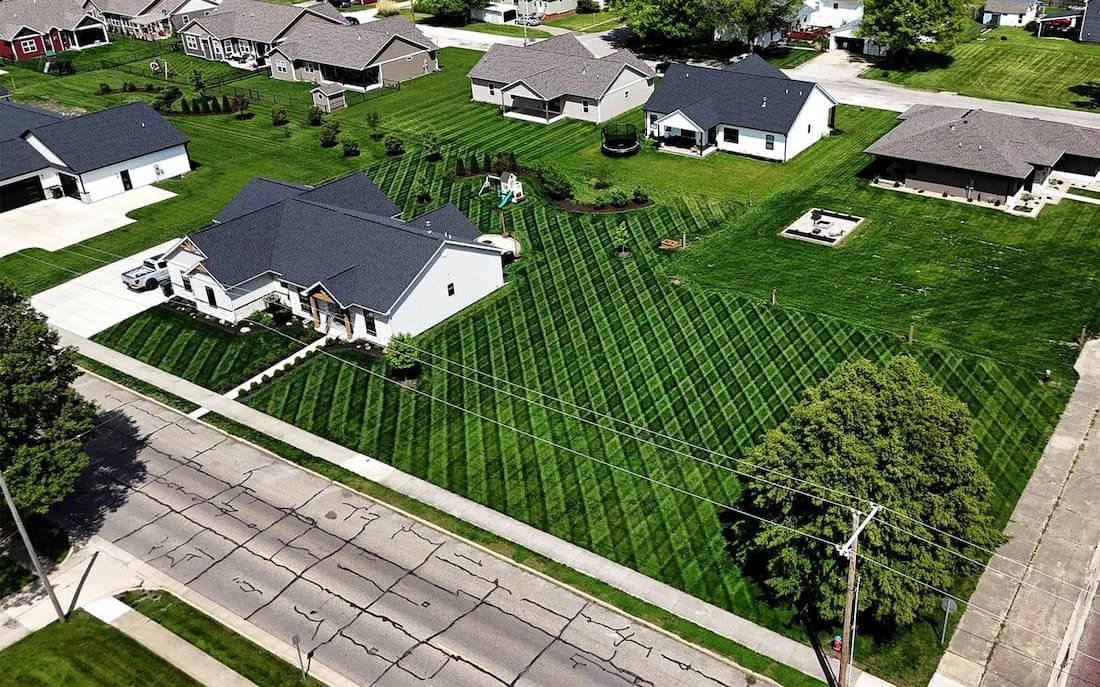
Cool Season vs Warm Season Lawn and Landscape Guide
Your lawn and your flower beds don't follow the same calendar — one runs on a cool-season engine, the other on a warm-season one, and using the wrong playbook on either can do real damage. This guide helps you figure out which system you actually have and how to care for it correctly, plus how the same cool/warm split applies to your ornamental beds.
Read Article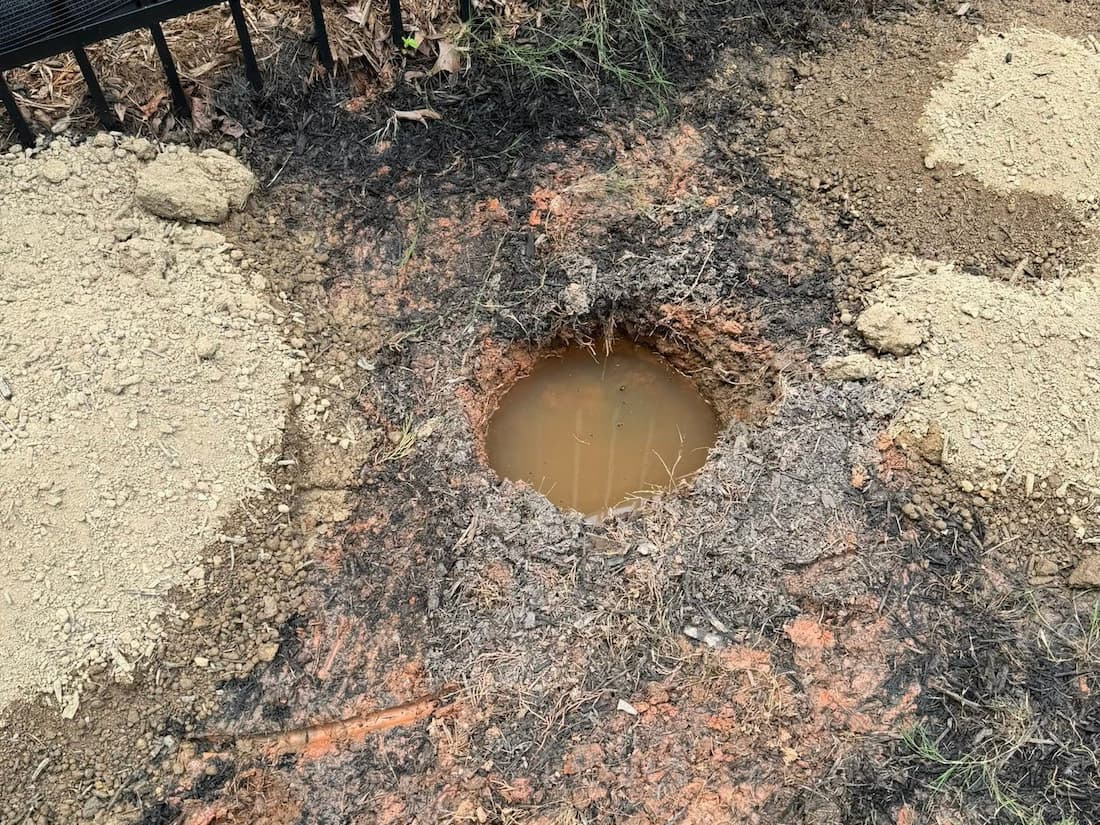
The Hole You Dug Is Killing Your New Plants
A shrub that looked fine all summer and stalled the next year usually didn't fail because of the plant, the weather, or the nursery. It failed because the hole it went into was a container — smooth-walled, water-holding, and impossible to root out of.
Read Article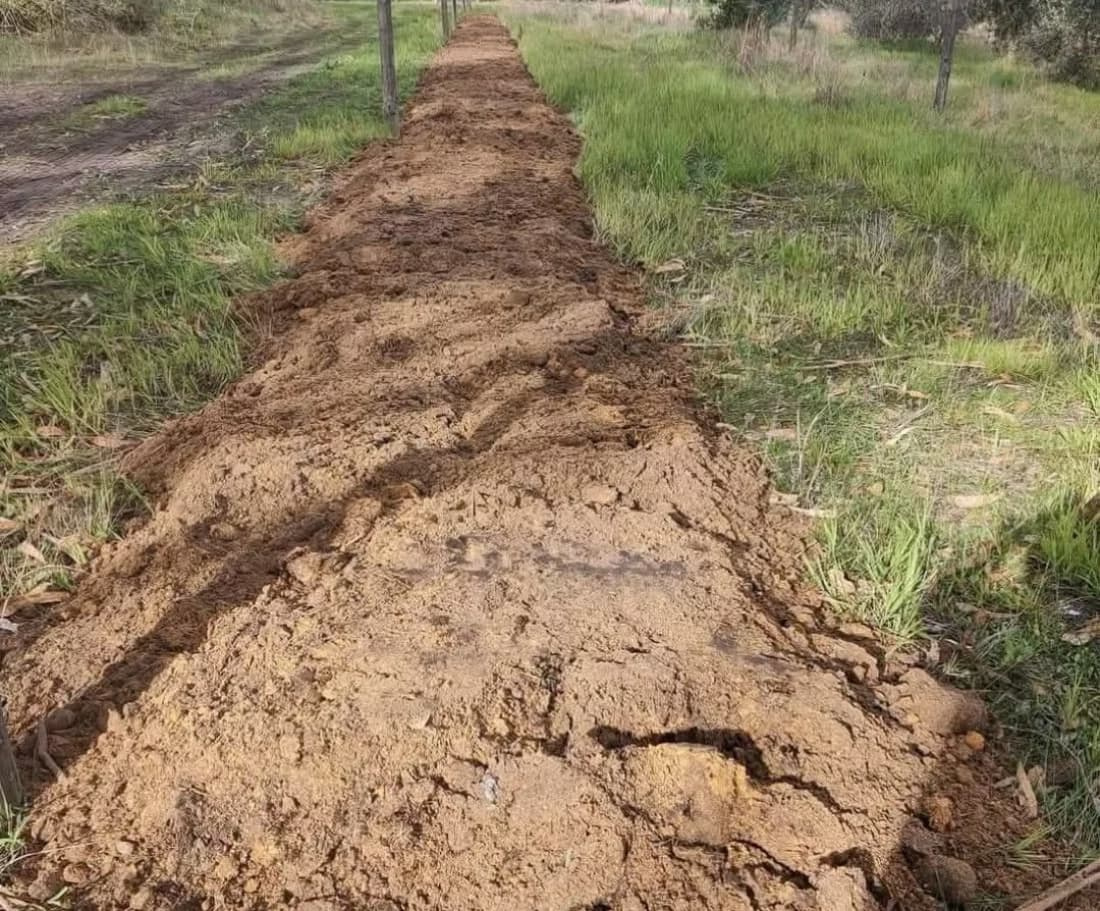
What You Can Actually Change About Bad Soil
Heavy clay and loose sand feel like permanent sentences, and half of that is true. What your soil is made of will not change. How those particles are arranged will — and that is the half that decides whether anything grows.
Read Article
Why Your Plants Survive Winter and Die in July
Your hardiness zone is built from one number — the coldest night of an average year. It says nothing about the hottest afternoon, which is what actually kills most plants people lose. Here's how to read the other half of the map.
Read Article
Why Poa Annua Keeps Coming Back — and the 3-Year Plan That Finally Ends the Cycle
You've pulled it. You've sprayed it. You've watched the little white seedheads mock you every single spring. And every fall, like clockwork, it's back — in the lawn, in the beds, in the cracks you didn't know you had. Here's the hard truth nobody at the big-box store will tell you: you're not losing because you're doing it wrong — you're losing because you're fighting the wrong enemy on the wrong timeline. Poa annua isn't a one-season problem, and once you understand why, the three-year plan below stops feeling like a chore and starts feeling like a countdown.
Read Article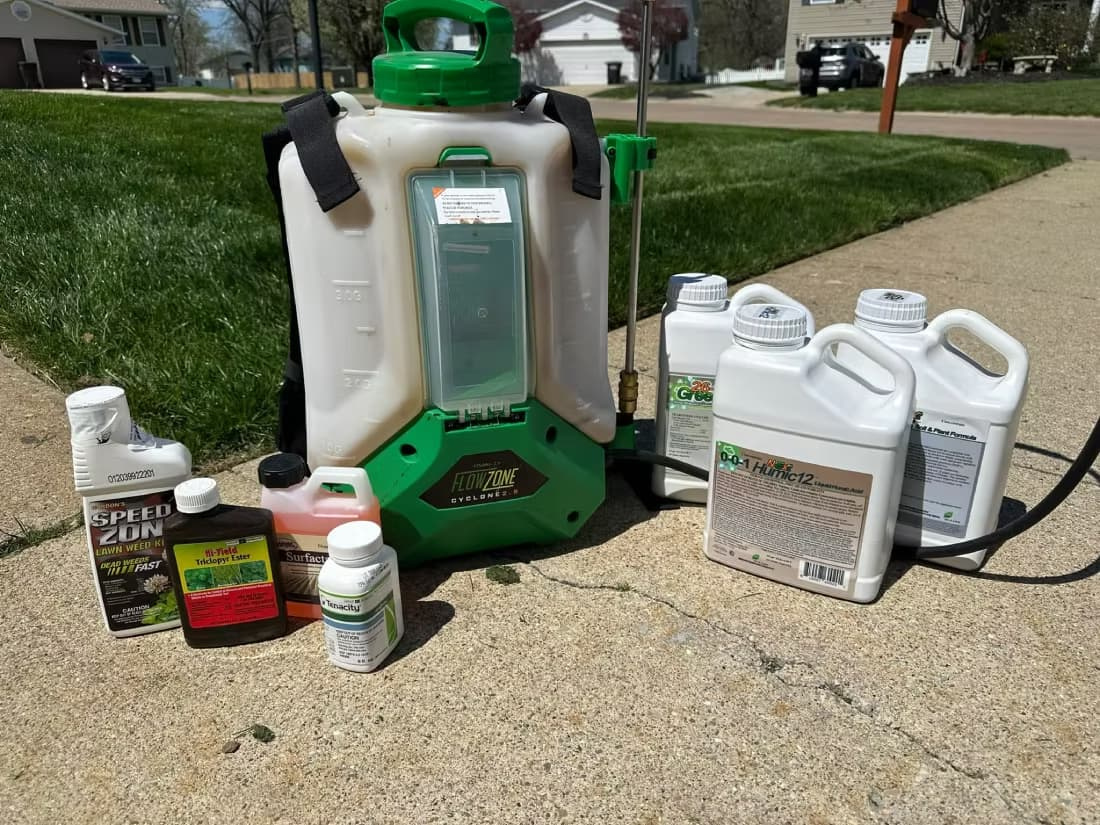
How to Apply Herbicides Correctly in Your Lawn and Garden Beds
Getting real results from a weed product has almost nothing to do with the brand on the bottle and everything to do with matching the method to the moment — the right chemistry, in the right place, at the right time. Learn how to apply herbicides correctly across both your lawn and your garden beds, whether you’re stopping weeds before they sprout or killing the ones already growing, without wasting product or harming the plants you want to keep.
Read Article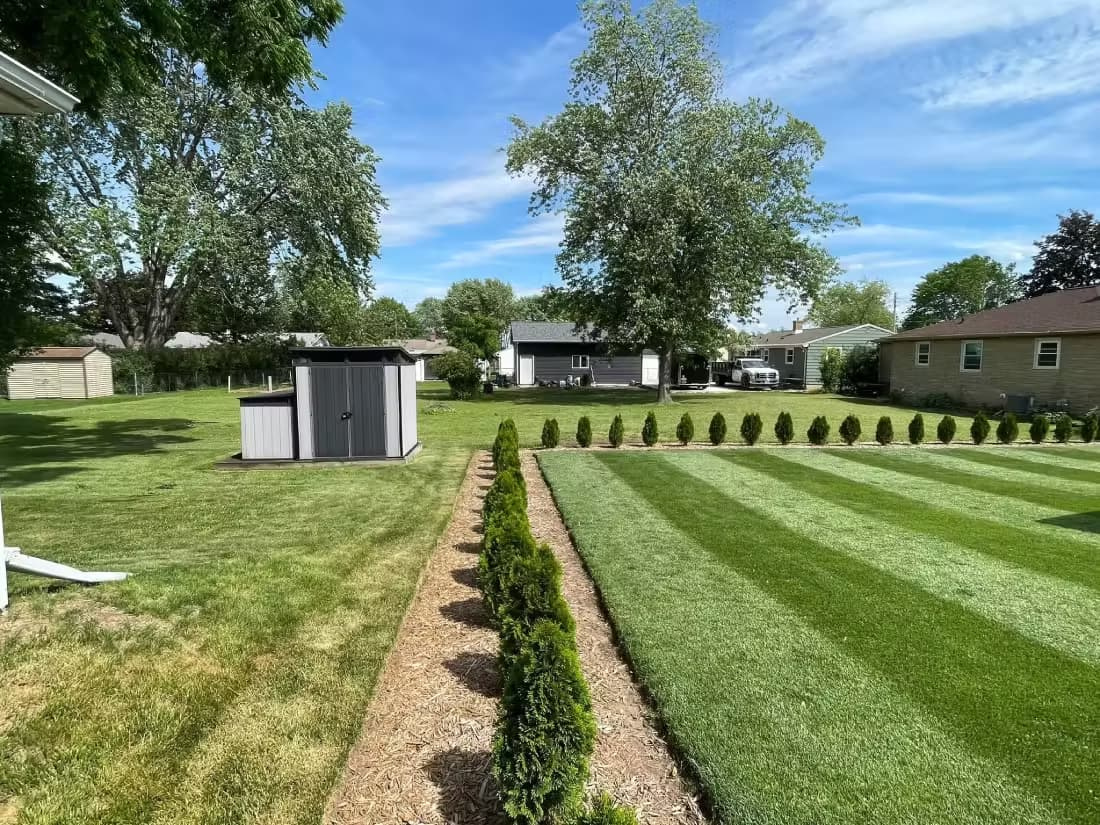
How to Kill Weeds Where Two Lawns Meet Without Harming Your Neighbor’s Grass
Controlling weeds along a shared property line is where good intentions quietly backfire—the season that's safe for your own lawn is often the season the lawn next door is most easily harmed. Learn the seasonal timing collision behind most fence-line damage, and the two habits that prevent it—reading what's actually in the bottle and spraying directed instead of broadcast—so you can clear the weeds without hurting your grass, your neighbor's, or the peace between you.
Read Article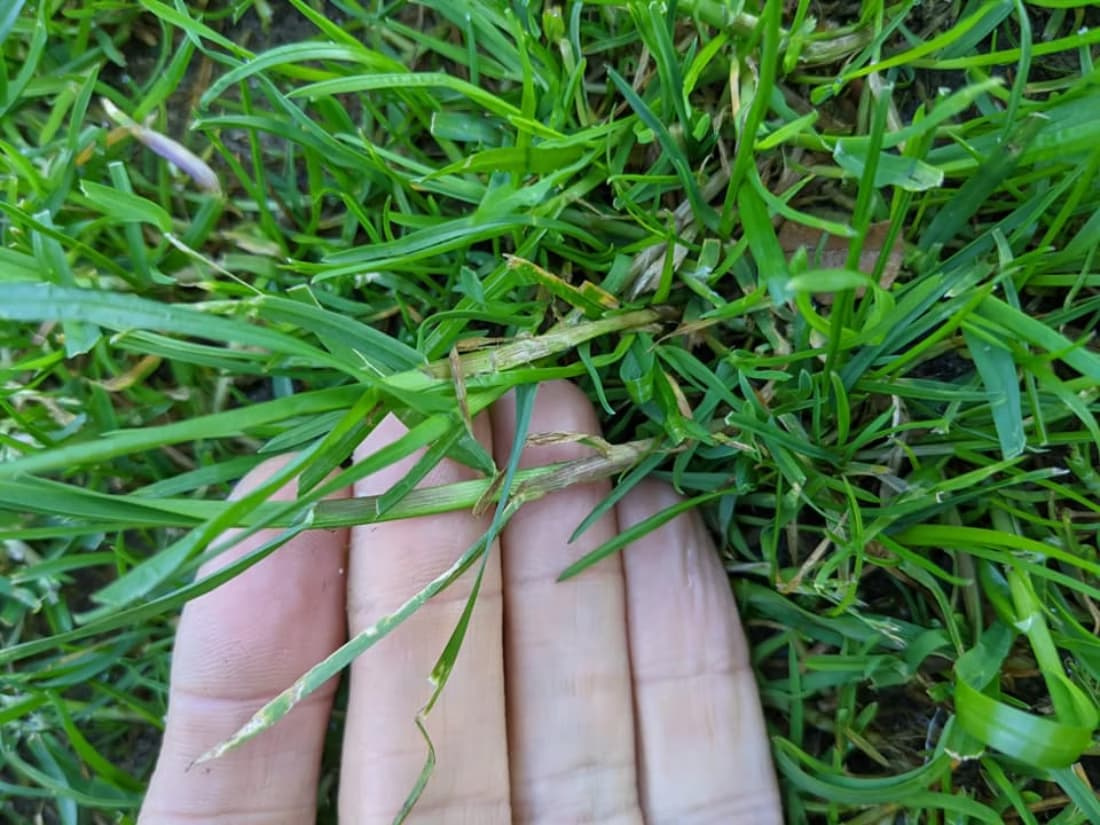
The Truth About One-and-Done Weed Control
Most homeowners lose the fight against weeds not because they work too little, but because they act before they understand. One-and-done weed control is real — but it only works when identification, timing, and the right tool all line up. This guide explains how that sequence works across your lawn and your ornamental beds, and how each weed page in the MFY hub puts it into practice for your specific invader.
Read Article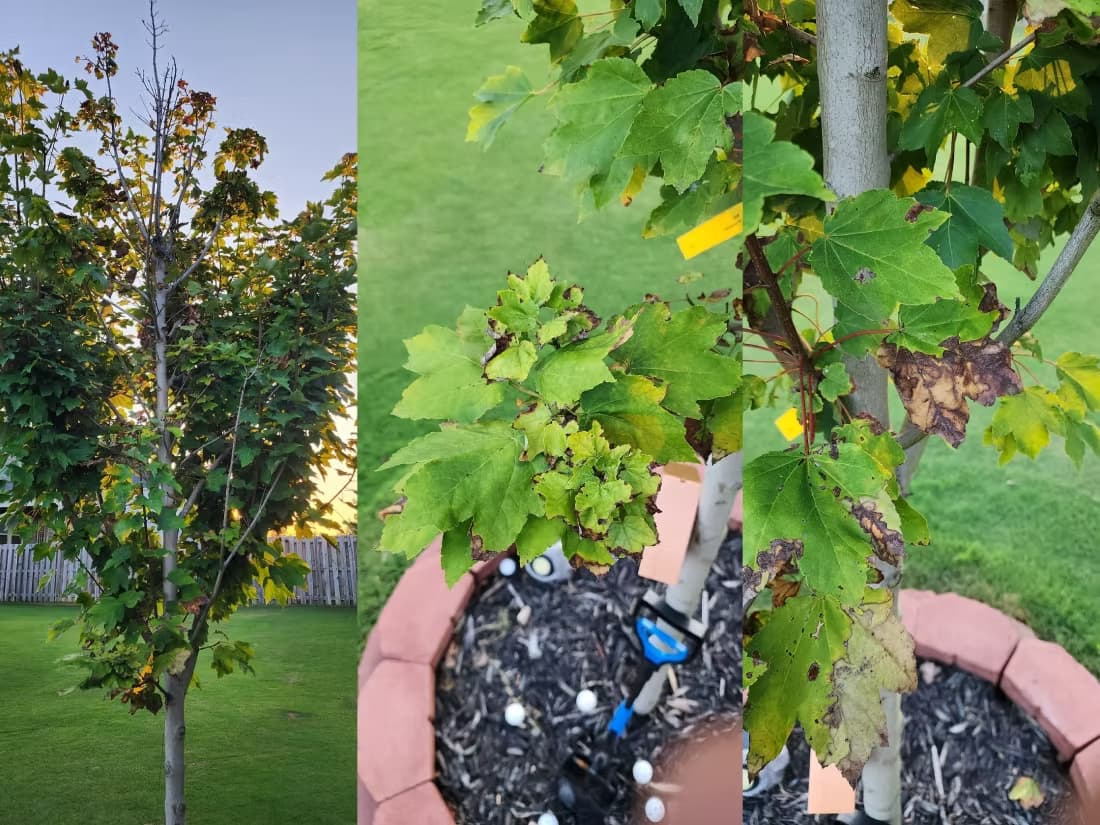
Solving the Mystery of the False Evidence in Your Lawn and Landscape
A brown leaf or a yellowing lawn is rarely what it seems. When symptoms act as decoys, a calm, forensic approach brings clarity to the confusion. Learn how to look past the surface to find the quiet truth of what your plants are truly asking for.
Read Article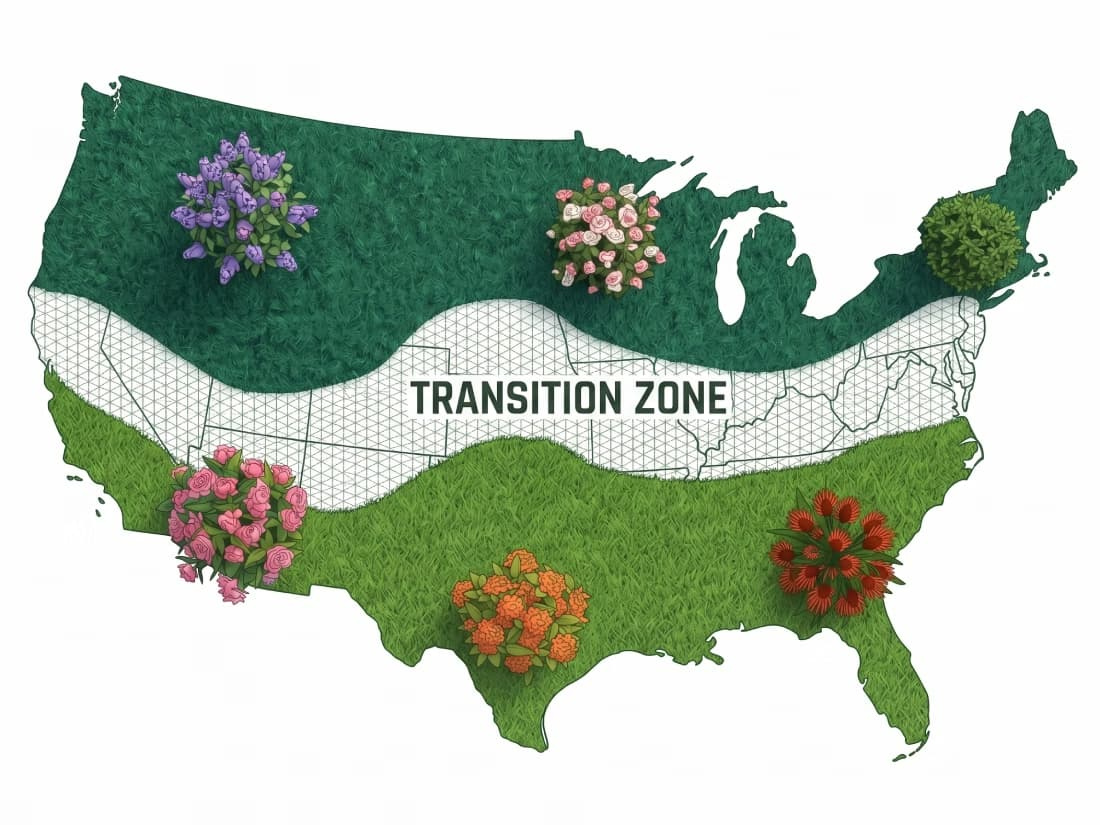
Living in the Middle: The Deep-Dive Guide to Transition Zone Lawns and Landscapes
The Transition Zone is a biological tug-of-war where neither northern nor southern species perfectly adapt. By using resilient "bridge" species and mastering maintenance levers like the Mowing Pivot, you can transform a struggling yard into a healthy landscape.
Read Article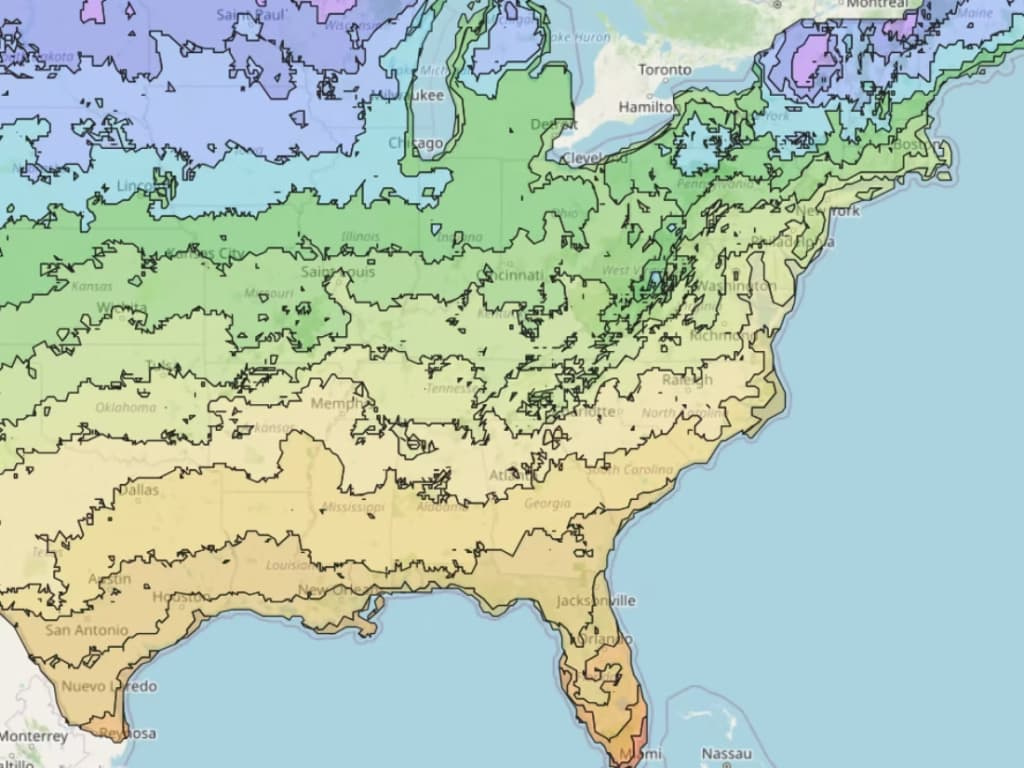
What Your Hardiness Zone Really Means for Your Lawn and Plants
Uncover the foundation of a resilient landscape by mastering the science of hardiness zones. Learn how these climate boundaries are calculated and why understanding your local temperature limits is the first step toward choosing plants that thrive year after year.
Read ArticleFrequently Asked Questions
These FAQs replace forum guesswork with research-backed data from leading agricultural institutions. We provide proven facts to ensure your yard care is grounded in the science of how your soil actually works.
No, and it will make things worse. The yellowing is iron chlorosis, not nitrogen shortage. Nitrogen makes it worse two ways: it pushes rapid new leaf growth that dilutes the small amount of iron the plant has, and nitrate uptake causes roots to release hydroxyl ions, raising the pH right where the roots are. The tell is which leaves are yellow. Nitrogen deficiency yellows old leaves uniformly. Iron chlorosis yellows new leaves while the veins stay green.
Soil-applied granular iron sulfate is largely wasted above about pH 7. The ferrous iron reacts with hydroxyl ions in the soil and oxidizes into insoluble rust particles within hours, long before roots can take it up. Standard Fe-EDTA chelates break down in the same range. What works is a foliar spray, which bypasses the soil completely and greens turf up within a day or two, or an Fe-EDDHA chelate as a soil drench, which stays stable up to pH 9.
Because it trades one problem for a worse one. Aluminum sulfate acidifies immediately without waiting for bacteria to oxidize it, which is genuinely faster. But the application rates needed flood the soil with soluble aluminum, and aluminum poisons root tips directly — the same mechanism that makes strongly acidic soil damaging. You end up with stunted, brittle roots and a lawn in worse condition than the alkaline one you started with. Elemental sulfur is slower and safe.
No. Sand is a particle size, not a chemistry. It carries essentially no charge and does nothing to the hydrogen ion concentration in your soil water. Worse, adding sand to a fine-textured alkaline clay without reaching the point where sand grains touch each other produces a denser, harder soil — the same concrete effect described on the clay texture pages. You would create a physical problem while leaving the chemical one untouched.
Two to four years on most soils, and up to five on clay. Two things set the pace. Elemental sulfur has to be oxidized by soil bacteria before it does anything, which takes 3 to 12 months per application depending on soil warmth and moisture. And you are capped at 5 lb per 1,000 square feet per application and 10 lb a year, because more than that burns turf. There is no way to compress it, and products claiming otherwise are usually aluminum sulfate.
Household vinegar. Take a tablespoon of dry soil from about 3 inches down, put it on a plate, and pour vinegar over it. Vigorous visible fizzing means free lime is present and your soil is calcareous, where sulfur will not work at any practical rate. No fizzing means non-calcareous alkaline, and elemental sulfur will correct it. This costs nothing and it is the difference between a correction that works and years of wasted sulfur.
Scientific Authority
This profile is built on soil science and real-world field trials. Every tip—from watering to feeding—is backed by university research to ensure your soil’s 'hardware' stays healthy and sustainable for the long term.
Primary Resources
- USDA-NRCS — Soil Survey Manual, Chapter 3: Examination and Description of Soil Profiles
- USDA-NRCS — A Glossary of Terms Used in Soil Survey and Soil Classification
- Oregon State University Extension — Acidifying Soil for Crop Production: Inland Pacific Northwest (PNW 599)
- Colorado State University Extension — Soils, Fertilizers, and Soil Amendments (Colorado Master Gardener)
- Utah State University Extension — Utah Fertilizer Guide
- Iowa State University Extension — How to Change Your Soil’s pH
- University of Illinois Extension — Soil pH
- NC State Extension — Soils and Plant Nutrients, Extension Gardener Handbook
- University of Missouri Extension — Soils, Plant Nutrition and Nutrient Management