
Myth Demystified
Is a Soil Test Worth It Before You Fertilize Your Lawn or Garden
Demystified By
Expert Name: Gregory M. Olson

Expert's Take
A soil test completed on properly sampled soil, performed by a recognized laboratory, conducted every two to three years for predictive application of fertilizer, lime, as well as other amendment applications will absolutely help you determine what supplies to purchase and what processes to invest to increase the quality of your lawn and/or garden. Additionally, a well collected sample in locations experiencing current plant growth issues can help determine the proper solution for your specific needs in the moment.
When plants are not growing well, people will try to diagnose the problem by appearance alone. Sometimes they are correct, but often the real cause is something different. Applying the wrong fertilizer or amendment may fail to solve the problem and can occasionally make it worse. The grower can end up spending resources addressing the wrong issues, resulting in a loss of production as well as a loss of time/opportunity to correct the actual issue.
Most of the more common lawn and garden issues can seem similar on the surface. Yellowing leaves, poor growth, low yields, etc. can be caused by nutrient deficiencies or excess nutrients, improper pH, compaction, disease, or various environmental stresses. Getting your soil tested can help you or your local extension specialist determine impactful solutions that are appropriate for the needs of your soil.
Soil testing may not be necessary every year. If your lawn, garden, or landscape plants are healthy and growing well, testing every few years is typically sufficient. For example, if you are maintaining established ornamental beds or have lawns that are already doing well, annual soil tests may not be needed. Even so, the cost of a routine soil test is usually relatively low when compared to the cost of finding out you have an underlying soil issue after your lawn and/or garden has been negatively impacted.
There are a few situations where a soil test may provide limited value and feel like “unnecessary busy work”.
If the soil sample collected is not actually representative of the area being tested.
- Remember to collect a minimum of 15-20 subsamples in a zigzag pattern across the section of land you are testing.
- Be sure the subsamples are collected from approximately 6 inches below the surface, placing the subsamples in a clean mixing container.
- Mix the subsamples well and pull your test portion (the sample you send the lab) from that mixture.
- Be sure you provide a good amount; we always recommend at least a pint of soil.
This is known as a composite sample and will act as a general indicator for the overall characteristics of the land you are assessing. You can even supply replicates of your well mixed sample to determine how much variability your results have, depending on whether the cost is agreeable.
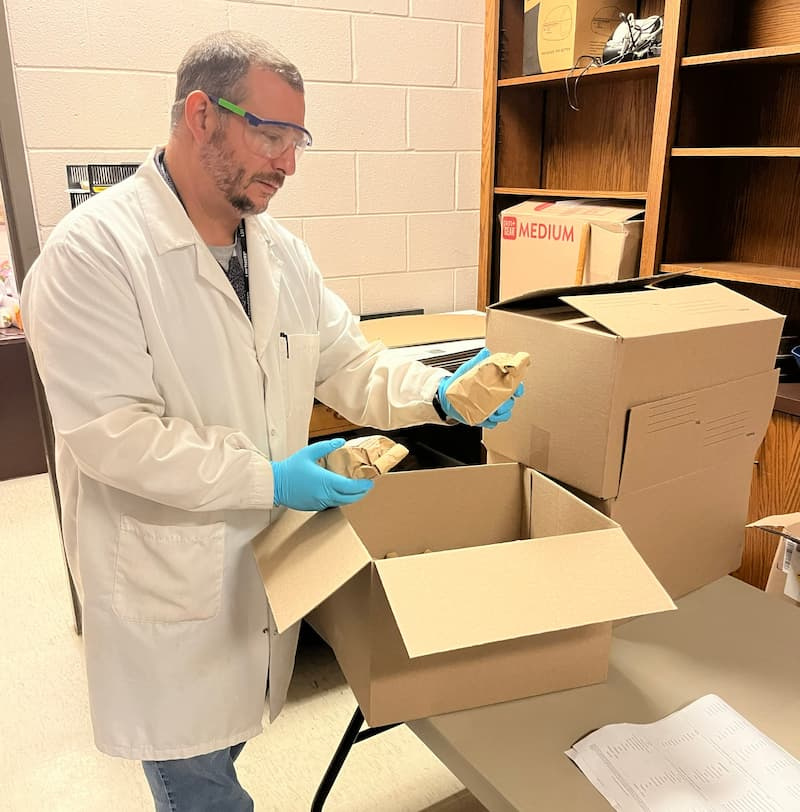
Also remember that the analyses performed on your samples are only as good as the quality of the testing instruments and personnel. In other words, be careful with home kits. Making a sound decision from home test kits can be difficult with the inherent variability and repeatability issues that home kits might provide.
Finally, ensure the sample you provide to your laboratory of choice is a natural, mineral based soil and not what we would call “soilless media” or “soilless substrate”. Soilless media includes any potting mixes, composts, topsoils, garden soils, raised bed mixes, or other material that is not natural, mineral based soil. The reason for this is that soil laboratories have different preparation methods for soilless media vs soil. Using the wrong preparation method for a sample can result in erroneous results that are not helpful and can actually provide improper guidance for your lawn or garden. Even natural soils that have been heavily amended can generate erroneous results if the amendments are not taken into consideration when ordering tests.
Be sure to test your soil before amending if possible as this will give you the information you need to make educated choices. If you are unsure which tests to request, contact your local Extension office or a qualified soil testing laboratory before submitting samples. A little guidance can save you both money and frustration. As we tell our clients here at the LSU AgCenter Soil Testing and Plant Analysis Laboratory: Don’t guess, soil test!
MFY Notes
Yellow leaves in July usually send us straight to the garden center, where we grab whichever bag promises the greenest result. Maybe we scoop a cup of dirt from one corner of the yard to “check,” or trust a quick kit from the hardware store, or send off a sample of the raised-bed mix we bought last spring. Dr. Olson runs the lab those samples land in, and he explains when a soil test earns its keep, when it really is busywork, and the small slipups that can quietly send your results sideways.
Got your report back? Use the Lawn and Garden Area Calculator to measure the space you’re actually treating, so the recommendations turn into the right amount to buy. Still puzzling over symptoms? The Abiotic Disorder Hub covers the non-disease problems that can look a lot like a nutrient issue.