
Myth Demystified
What Makes a Plant Truly Low-Maintenance
Demystified By
Expert Name: Lucy Bradley
Expert's Take
In a managed landscape there is no such thing as a “No maintenance” plant. All will need to be watered at least to get them through the first season as their roots develop and where possible during a drought. All will need to have the weeds kept at bay around them. They will benefit from having the soil prepared (as recommended in the soil test report) prior to planting and may benefit from occasional fertilizing. It is possible to skip all of these steps and have a plant survive, but generally the goal in a managed landscape is for plants to thrive.
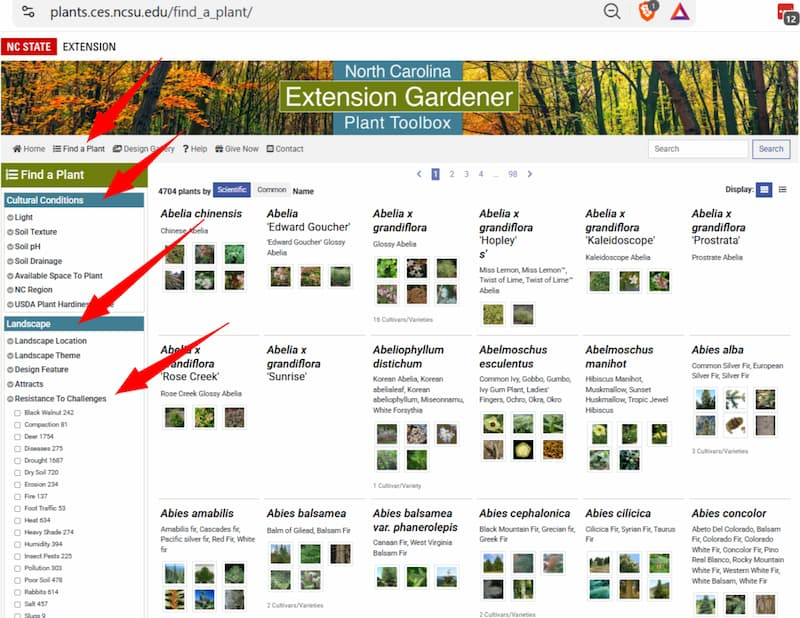
Many plants however, are low maintenance when they are planted in an environment to which they are adapted (soil, sun, rainfall, temperature) with enough space for them to reach their natural full size. Generally “Low maintenance” means they are resilient when planted in the right place. They are resistant to typical insects and diseases and they do not need regular pruning. To identify low maintenance plants for your landscape visit Plants.ces.ncsu.edu and click on “Find a Plant” in the menu on the left side under the image at the top.
Use the left hand column to make these selections:
- Under “Cultural Conditions” select the terms that describe what you have to offer the plant (amount of light, space, USDA plant hardiness zone, etc.)
- Under “Landscape” select “Resistance to Challenges” and check the boxes for issues you want the plant to withstand (deer, insect, disease, etc.)
- Then select any other features you want in the plant
MFY Notes
Before you start filtering for “low-maintenance” picks, it helps to actually know what your yard is working with. MFY’s Soil Profile Builder walks you through your own soil in a few minutes and pairs naturally with the “Cultural Conditions” filters Dr. Bradley describes above.
A couple of MFY guides that go deeper on the specific conditions NC State’s tool asks you to select:
- Soil Texture Hub — for matching plants to what your soil test report says about texture
- Soil Condition Hub — drainage, pH, and compaction factors that affect which plants will actually thrive
- USDA Hardiness Zone Hub — confirm your zone before using NC State’s hardiness filter