
Feel: Gritty and sticky at once, hard as brick when dry
Sandy Clay
Gritty to the touch and slow to drain, a rare and awkward combination
Sandy Clay At-a-Glance
Drainage
Slow
Nutrient Retention
Very High
Compaction Risk
High
How to Recognize Sandy Clay soil?
Sandy Clay contains 35 to 55 percent clay, 45 to 65 percent sand, and under 20 percent silt. That is an unusual combination — coarse sand grains sitting directly in a dense clay matrix with almost no silt in between — and it makes Sandy Clay one of the rarest classes on the triangle.
Moist, it feels distinctly gritty from the sand yet plastic and sticky from the clay. Dry, it is extremely hard and resists crushing between thumb and forefinger. The grit fools people into thinking they have sandy soil, and then the drainage tells them otherwise.
A moist ribbon runs past 2 inches before breaking. Against Sandy Clay Loam, that ribbon is the test — sandy clay loam breaks between 1 and 2 inches. Against Clay, the test is grit, which Sandy Clay has in quantity and Clay does not.
The "Hands-On" Test
A ribbon past 2 inches puts you in the fine group. Grit tells you which member.
- Take a sample from 4 to 6 inches down and remove roots and stones.
- Wet it slowly to putty consistency. Dry clay will not ribbon at all, so this step matters more here than on lighter soils.
- Push a ribbon out between thumb and forefinger, letting it extend under its own weight. Sandy clay carries past 2 inches. Anything that breaks between 1 and 2 inches is a sandy clay loam.
- Rub the wet ribbon with a finger. Sandy clay is prominently gritty. Silty clay feels smooth and buttery. Pure clay feels sticky and neutral, neither gritty nor silky. All three ribbon the same, so this is the test that separates them.
- In a jar test, a substantial sand layer drops within a minute, a thin silt band settles over two hours, and clay stays suspended for one to three days.
Where You'll Find It
Sandy Clay is rare, and the literature on it is correspondingly thin compared with the broader clay classes. It forms where coarse sediment and fine suspended clay settled together during the same depositional event, which does not happen often.
Look for it on marine terraces, in weathered sandstone-and-shale transitions, and on alluvial floodplains across the Gulf Coastal Plain, the Atlantic Coastal Plain, and the lower alluvial basins of the South-Central states. Within those regions it sits on natural levees, stream terraces, and low upland slopes.
The Tensas series is representative — deep, somewhat poorly drained soil formed in clayey-over-loamy alluvium along the natural levees of the Mississippi floodplain, shifting from clay to sandy clay in the lower subsoil.
Why Precision Matters: Beyond the Basics
Identifying your soil as "Clay" or "Sand" is a great start, but in the world of professional landscape management, the devil is in the details. Most yards are actually a blend of textures—the "in-betweens" like Silty Clay or Sandy Loam—and each one has a different "hardware spec" for how it handles water and nutrients. Guessing your texture often leads to over-watering or wasting fertilizer. To truly optimize your yard, you need a precise data point that moves beyond a simple hunch.
We’ve built a specialized tool to give you that clarity. It’s completely free (and always will be), requires no signup or email, and is designed so you can return to your results whenever you need to adjust your maintenance plan.
The MFY Soil Profile Builder
Our tool offers two distinct paths to help you identify your soil’s unique DNA. While a physical check is helpful for a quick ID, our integrated Jar Test methodology provides a deeper level of precision. By measuring your soil's layers, the tool handles all the complex math for you, delivering a professional-grade texture profile that ensures you are treating your yard exactly as its hardware requires.
Build Your ProfileWorking With & Improving Your Soil
Sandy Clay sets a trap. The surface feels gritty, so it reads as a sandy soil, and people water and feed it like one. What is actually happening is that clay fills every space between the sand grains, sealing off the pore network. You get sand’s hardness when dry and clay’s drainage when wet, with none of sand’s forgiveness. Manage it as a clay soil and it behaves reasonably.
Water Dynamics
Water enters at 0.05 to 0.20 inches per hour. Nearly every sprinkler on the market outruns that, which is why lawns on this soil pond during ordinary irrigation despite the gritty feel.
A foot holds 1.8 to 2.2 inches of water, but only 1.2 to 1.5 inches is available to roots. Roughly 0.6 to 0.7 inches per foot sits in clay micropores gripped harder than any root can pull. The soil is damp and the plant is still thirsty.
Strategic Hydration
Match the sprinkler to the soil’s intake rate, not to the clock.
- Apply at 0.15 to 0.25 inches per hour using low-precipitation rotary nozzles or drip lines.
- Split a 0.50 to 0.75 inch target into three 10-minute cycles separated by 30 to 45 minute soaks.
- Irrigate every 5 to 7 days in dry weather, letting the top 2 inches dry between sessions.
- Never run a standard sprinkler continuously. It pools, sheets off, erodes the surface, and suffocates roots in the wet patches it leaves behind.
- Check moisture at 3 inches with a screwdriver rather than judging by the crusted surface, which dries far faster than the soil below.
Nutrient Behavior
Cation exchange capacity runs 20 to 35. Calcium, magnesium, and potassium bind firmly to the clay surfaces and resist leaching, so this soil holds fertility well.
Nitrogen is the exception, and for an unusual reason. Nitrate stays in solution and leaches during heavy rain, but it is also lost as gas through denitrification whenever the soil sits saturated — which on this texture is often. You lose nitrogen two ways, which is why rates stay conservative.
Precision Nutrition
Smaller doses than the high nutrient holding would suggest, because of denitrification.
- Apply 0.5 to 0.75 lb of actual nitrogen per 1,000 sq ft per feeding, using slow-release or polymer-coated urea.
- Avoid quick-release soluble nitrogen. On saturated soil much of it converts to gas and leaves before roots use it.
- Apply potassium and phosphorus only on a soil test. High CEC means this soil builds reserves you cannot see.
- Where the soil is alkaline, skip granular iron sulfate — it precipitates into insoluble hydroxides before roots reach it. Use foliar or chelated iron instead.
- Time feedings for when the soil is not saturated. Fertilizing a waterlogged lawn wastes most of the application.
Physical Characteristics
The sand grains form a rigid frame and the clay packs into every void between them, which drives dry bulk density to 1.55 to 1.70 grams per cubic centimeter. For a fine-textured soil that is at or above the level where root growth stops — clay soils restrict roots at around 1.47 to 1.58, far lower than sand’s 1.80.
Wet, it is plastic and sticky. Dry, it bakes into an abrasive crust that resists both roots and a shovel. There is no comfortable middle state.
Physical Management
Annual coring at minimum, and twice a year on badly compacted ground.
- Core aerate once a year with hollow tines pulling plugs 2 to 3 inches deep, at 20 to 30 holes per square foot. Fall for cool-season lawns, late spring for warm-season.
- On heavily compacted sites, aerate twice a year for the first two years, then drop to annual.
- Topdress 1/4 inch of screened compost immediately after coring, about 20 cubic feet per 1,000 sq ft, so the channels fill with organic matter rather than slumping shut.
- Keep all mower and foot traffic off when the soil is saturated. Wet traffic collapses the macropores you just opened.
- Rototill only when establishing a new bed, and only when the soil is slightly moist. Never on established lawn.
Improving Your Soil Over Time
Texture is permanent at yard scale. Shifting Sandy Clay into a sandy loam across 6 inches would take 12 to 15 tons of coarse sand per 1,000 square feet — roughly a full dump truck load for every 1,000 square feet of lawn — mixed deeply enough to be uniform. Adding less than that makes the soil harder, not softer.
What you build instead is structure, on a 3 to 5 year horizon. Organic matter feeds the soil organisms whose byproducts bind clay particles into stable crumbs with air space between them.
- Established lawns: topdress 1/4 inch of compost annually after core aeration.
- New beds: work 1 to 2 inches of compost into the top 6 inches while the bed is empty.
- Mulch beds 2 to 3 inches deep to slow the surface from baking hard.
- Skip gypsum unless a lab test confirms sodic conditions. On ordinary soil it adds salts and changes nothing.
- Skip liquid soil conditioners. Nothing you pour on relieves physical compaction.
The Strengths & Challenges of Sandy Clay
Natural Advantages:
Holds nutrients exceptionally well at a cation exchange capacity of 20 to 35, so fertility stays put between feedings.
Retains far more moisture than any sandy or loamy sand soil, which buffers established plants through dry spells.
Provides firm structural support for deep-rooted trees and shrubs once they are established in it.
Resists wind erosion completely, and holds nutrients rather than leaching them into groundwater.
Potential Hurdles:
Crusts hard at the surface as it dries, blocking seedling emergence and shedding the water you apply.
Takes water at only 0.05 to 0.20 inches per hour, so ordinary sprinklers pond and run off.
Naturally dense enough to restrict root growth, since clay fills every space between the sand grains.
Nearly impossible to dig when dry, and destroys its own structure if you work it wet.
Texture Compatibility & Relationships
Plants That Love This Texture
The plants that succeed here tolerate two opposite conditions in the same year — soil that stays saturated after rain, then bakes into a hard crust in summer. Southeastern Coastal Plain natives handle that swing better than anything else, because it is the cycle they evolved in.
Trees
- Crape Myrtle — untroubled by periodic saturation followed by surface hardening, and roots well enough in dense soil to establish without fuss.
- Live Oak — heavy, spreading roots that exploit a dense subsoil rather than being stopped by it.
- Bald Cypress — where the site stays wet, this is the tree that treats the problem as a feature.
Shrubs and perennials
- Yaupon Holly — tolerates saturation, drought, crusting, and alkalinity, which is an unusual combination and exactly what this soil demands.
- Southern Wax Myrtle — handles the wet-to-hard cycle and fixes its own nitrogen.
- Inkberry Holly — a wet-tolerant evergreen that holds up where drainage is poor.
- Switchgrass and Little Bluestem — deep fibrous roots that push through dense soil and open channels as they go.
Grasses That Love This Texture
Two traits matter on this soil: root penetration force, and tolerance of a hard dry surface. Drought tolerance alone is not enough, because the water is often there and simply out of reach.
- Bermudagrass — the strongest warm-season option. Roots deeply, drives rhizomes through dense soil, and tolerates a baked surface crust that would thin most grasses.
- Tall Fescue — the cool-season and transition-zone answer. It has among the highest root penetration force of any turfgrass, which is precisely what a dense clay matrix demands.
- Zoysiagrass — slow to establish here but durable once in, with a dense mat that shields the surface from crusting and spreads foot traffic.
- St. Augustinegrass — worth considering in warm humid areas, particularly on the poorly drained phases where its saturation tolerance is an advantage.
Whatever you choose, establish it into aerated, compost-topdressed soil. Seeding onto an untreated crust is the most common reason lawns fail here.
Plants That Struggle In This Texture
The failures on this soil share one vulnerability: fine surface roots that need air. Slow drainage keeps the root zone airless after rain, and that is the condition Phytophthora root rot needs to take hold.
- Azalea and Rhododendron — shallow fibrous root mats with no tolerance for a saturated root zone. Phytophthora is what actually kills them, and this soil supplies the conditions.
- Japanese Maple — fine roots and a low tolerance for both waterlogging and a hard dry crust. It struggles at both ends of this soil’s cycle.
- Boxwood — root rot is its main killer, and slow-draining soil is the main cause.
- Lavender and Rosemary — need winter root-zone air this soil does not provide, regardless of how gritty the surface feels.
All of these work in a raised bed at least 8 to 12 inches above native grade. Planted at grade, expect losses in a wet winter rather than a dry summer.
Grasses That Struggle In This Texture
Two grasses are genuine mismatches here, for different reasons, and both get planted on this soil by mistake.
- Fine Fescues — the least saturation-tolerant of the common cool-season grasses. Slow drainage keeps the crowns wet and root rot follows. They are marketed as low-input and drought-tolerant, which is true on well-drained soil and irrelevant here.
- Centipedegrass — develops micronutrient deficiencies in dense clay, and the alkaline phases of this texture over marl or limestone make iron and manganese uptake worse. Its real requirement is acidic, freely drained soil.
- Creeping Bentgrass — needs daily mowing, constant irrigation, and preventive fungicide, and its disease pressure climbs sharply on soil that holds surface moisture. Not a home lawn grass on any texture.
Before changing grass, run a perk test. If a hole holds water past 72 hours, drainage is your problem and no species will grow well until you address it.
Related Problems In This Texture
Sandy Clay’s problems come from clay filling the spaces between sand grains — dense enough to restrict roots, sealed enough to shed water:
- Compacted Soil — natural bulk density already sits near the level that stops root growth, and traffic on wet soil pushes it past.
- Surface crusting — the top layer dries into a hard skin that blocks seedlings and sheds irrigation before it soaks in.
- Waterlogged Soil — an intake rate of 0.05 to 0.20 inches per hour means storms produce standing water and sloped sites shed it as runoff and erosion.
- Alkaline Soil and nutrient lockup — on the phases over marl or limestone, high pH fixes phosphorus, iron, and manganese into forms roots cannot take up.
Deep Dives & Practical Guides
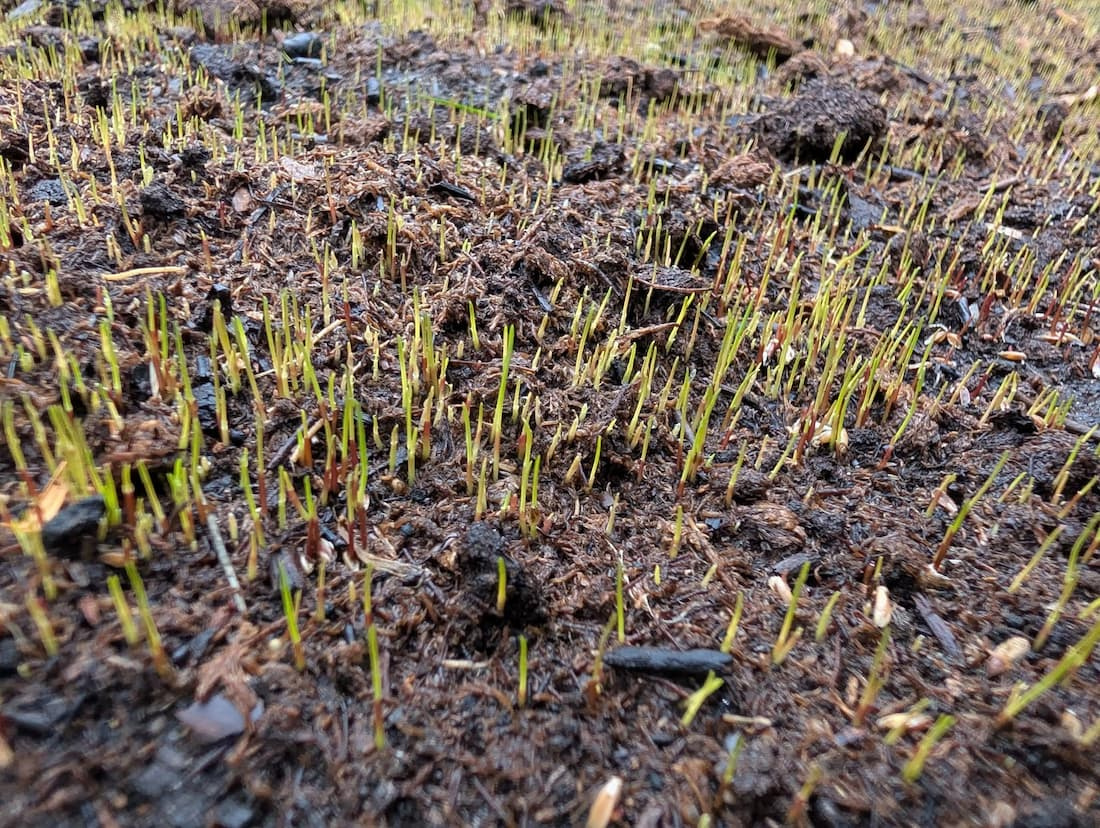
How to Establish a New Lawn From Bare Soil to First Mow
Bare soil doesn't turn into a lawn just because you scattered seed or rolled out sod — it becomes one based on a handful of specific steps done in the right order, matched to your specific grass. This guide walks through soil prep, seeding or planting method, starter fertilizer, watering as the grass grows, and knowing when it's actually safe to mow, for both cool-season and warm-season lawns.
Read Article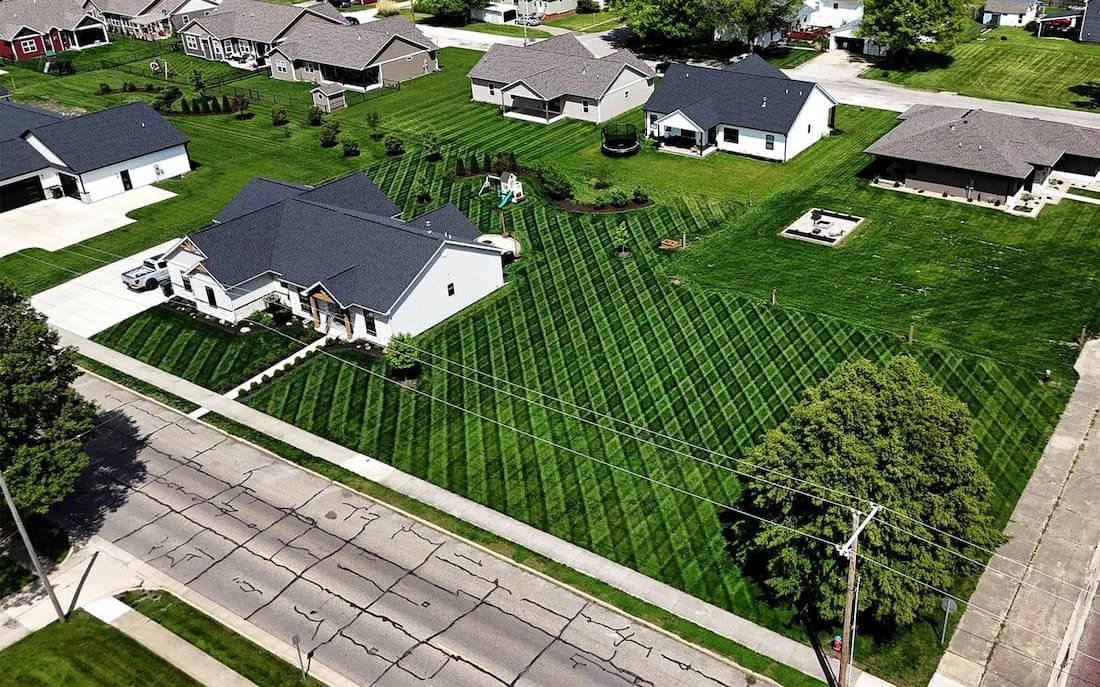
Cool Season vs Warm Season Lawn and Landscape Guide
Your lawn and your flower beds don't follow the same calendar — one runs on a cool-season engine, the other on a warm-season one, and using the wrong playbook on either can do real damage. This guide helps you figure out which system you actually have and how to care for it correctly, plus how the same cool/warm split applies to your ornamental beds.
Read Article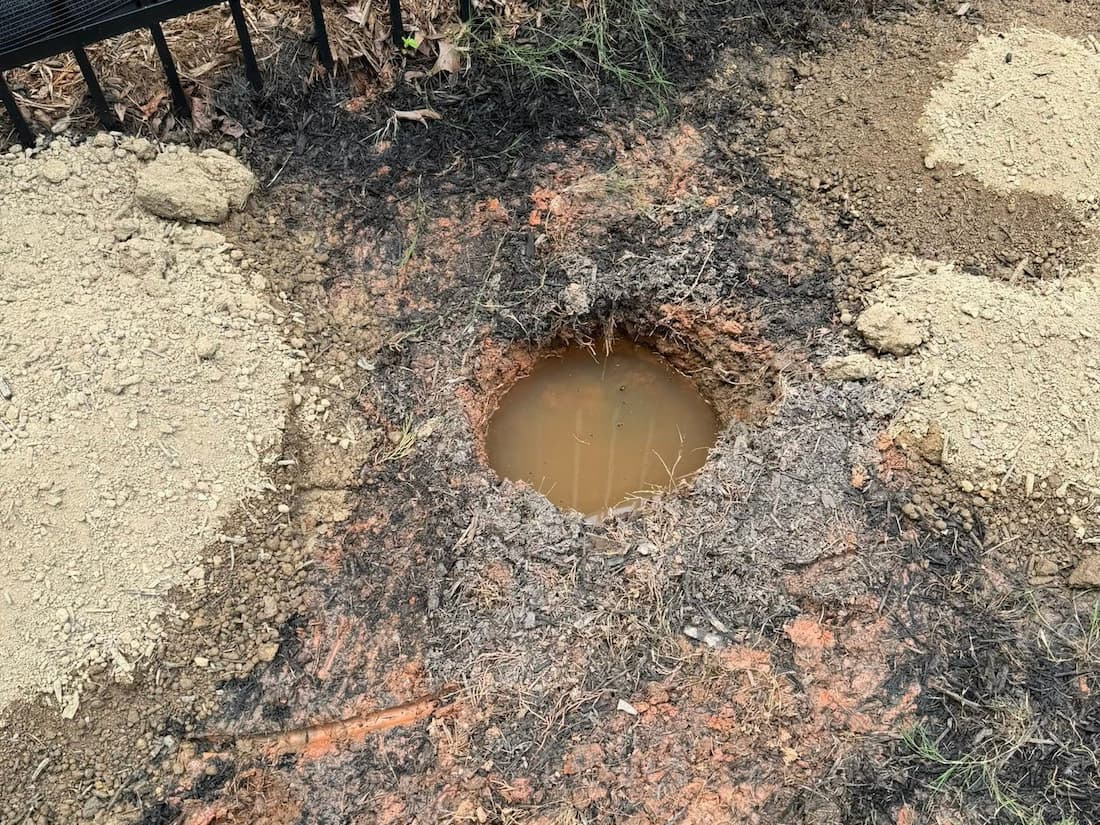
The Hole You Dug Is Killing Your New Plants
A shrub that looked fine all summer and stalled the next year usually didn't fail because of the plant, the weather, or the nursery. It failed because the hole it went into was a container — smooth-walled, water-holding, and impossible to root out of.
Read Article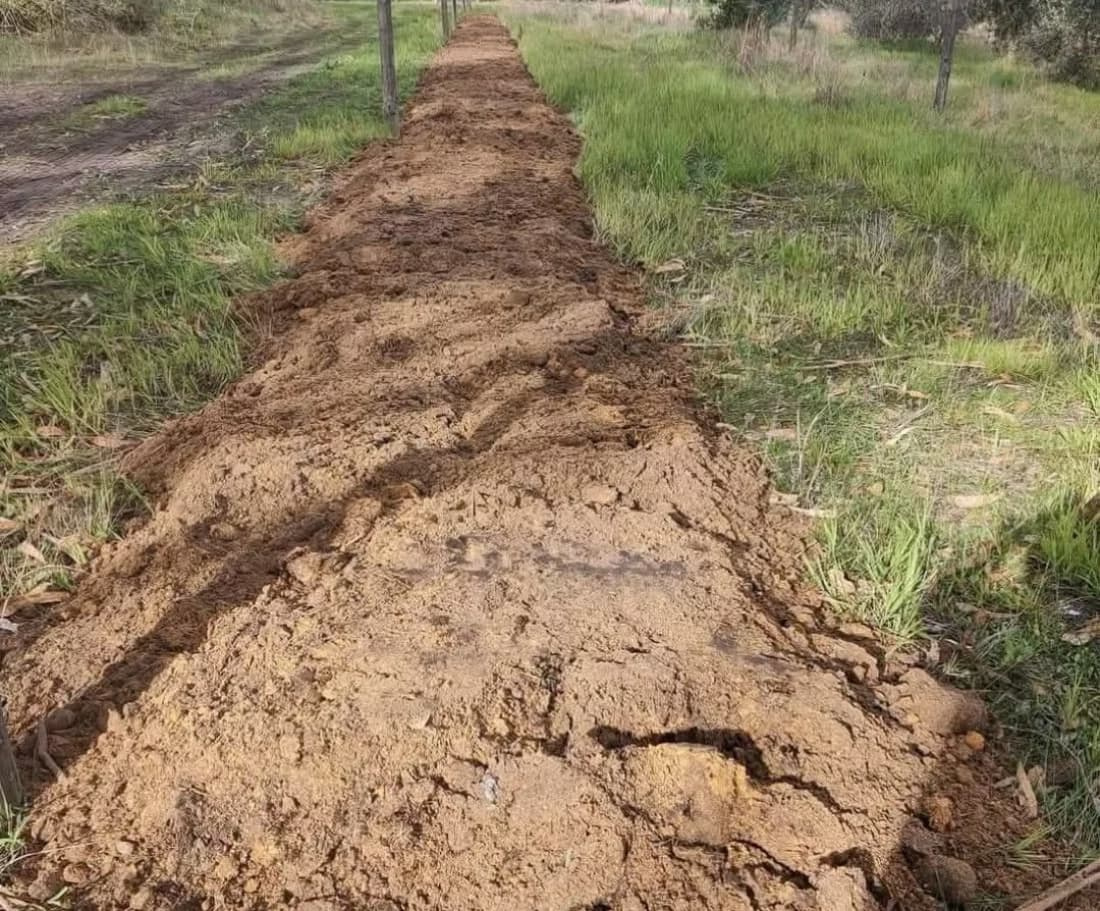
What You Can Actually Change About Bad Soil
Heavy clay and loose sand feel like permanent sentences, and half of that is true. What your soil is made of will not change. How those particles are arranged will — and that is the half that decides whether anything grows.
Read Article
Why Your Plants Survive Winter and Die in July
Your hardiness zone is built from one number — the coldest night of an average year. It says nothing about the hottest afternoon, which is what actually kills most plants people lose. Here's how to read the other half of the map.
Read Article
Why Poa Annua Keeps Coming Back — and the 3-Year Plan That Finally Ends the Cycle
You've pulled it. You've sprayed it. You've watched the little white seedheads mock you every single spring. And every fall, like clockwork, it's back — in the lawn, in the beds, in the cracks you didn't know you had. Here's the hard truth nobody at the big-box store will tell you: you're not losing because you're doing it wrong — you're losing because you're fighting the wrong enemy on the wrong timeline. Poa annua isn't a one-season problem, and once you understand why, the three-year plan below stops feeling like a chore and starts feeling like a countdown.
Read Article
How to Apply Herbicides Correctly in Your Lawn and Garden Beds
Getting real results from a weed product has almost nothing to do with the brand on the bottle and everything to do with matching the method to the moment — the right chemistry, in the right place, at the right time. Learn how to apply herbicides correctly across both your lawn and your garden beds, whether you’re stopping weeds before they sprout or killing the ones already growing, without wasting product or harming the plants you want to keep.
Read Article
How to Kill Weeds Where Two Lawns Meet Without Harming Your Neighbor’s Grass
Controlling weeds along a shared property line is where good intentions quietly backfire—the season that's safe for your own lawn is often the season the lawn next door is most easily harmed. Learn the seasonal timing collision behind most fence-line damage, and the two habits that prevent it—reading what's actually in the bottle and spraying directed instead of broadcast—so you can clear the weeds without hurting your grass, your neighbor's, or the peace between you.
Read Article
The Truth About One-and-Done Weed Control
Most homeowners lose the fight against weeds not because they work too little, but because they act before they understand. One-and-done weed control is real — but it only works when identification, timing, and the right tool all line up. This guide explains how that sequence works across your lawn and your ornamental beds, and how each weed page in the MFY hub puts it into practice for your specific invader.
Read Article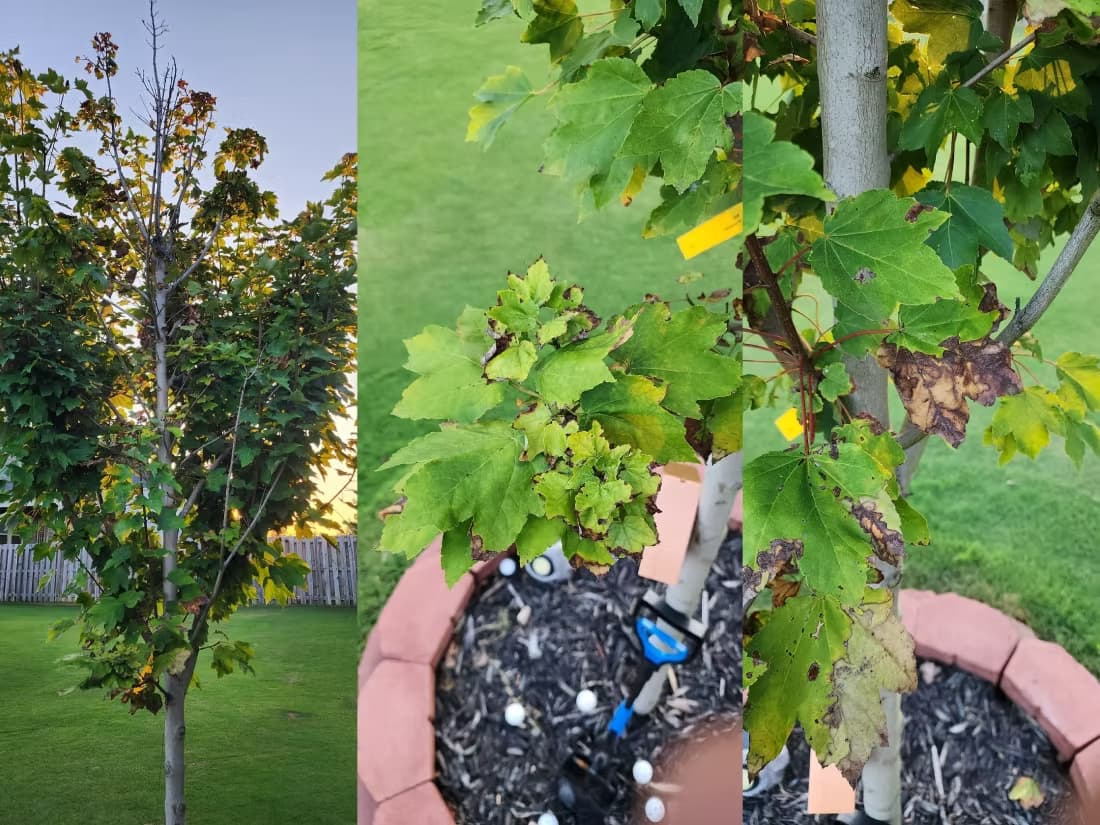
Solving the Mystery of the False Evidence in Your Lawn and Landscape
A brown leaf or a yellowing lawn is rarely what it seems. When symptoms act as decoys, a calm, forensic approach brings clarity to the confusion. Learn how to look past the surface to find the quiet truth of what your plants are truly asking for.
Read Article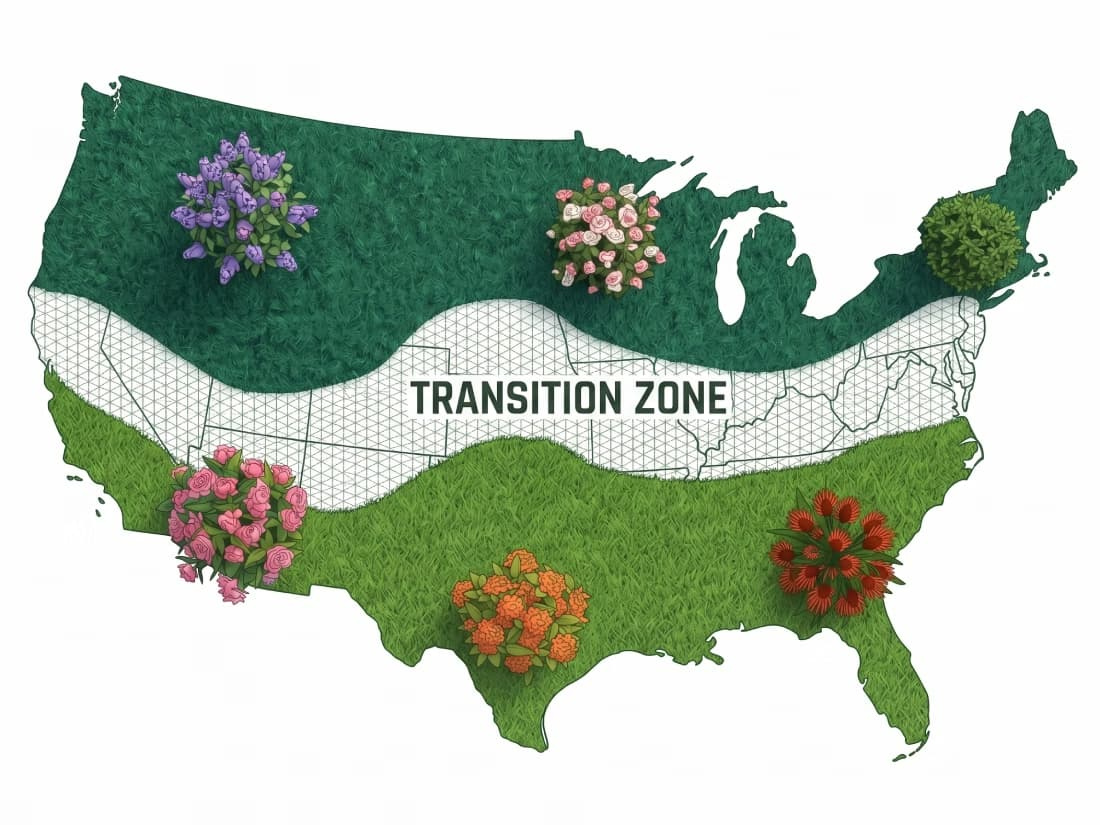
Living in the Middle: The Deep-Dive Guide to Transition Zone Lawns and Landscapes
The Transition Zone is a biological tug-of-war where neither northern nor southern species perfectly adapt. By using resilient "bridge" species and mastering maintenance levers like the Mowing Pivot, you can transform a struggling yard into a healthy landscape.
Read Article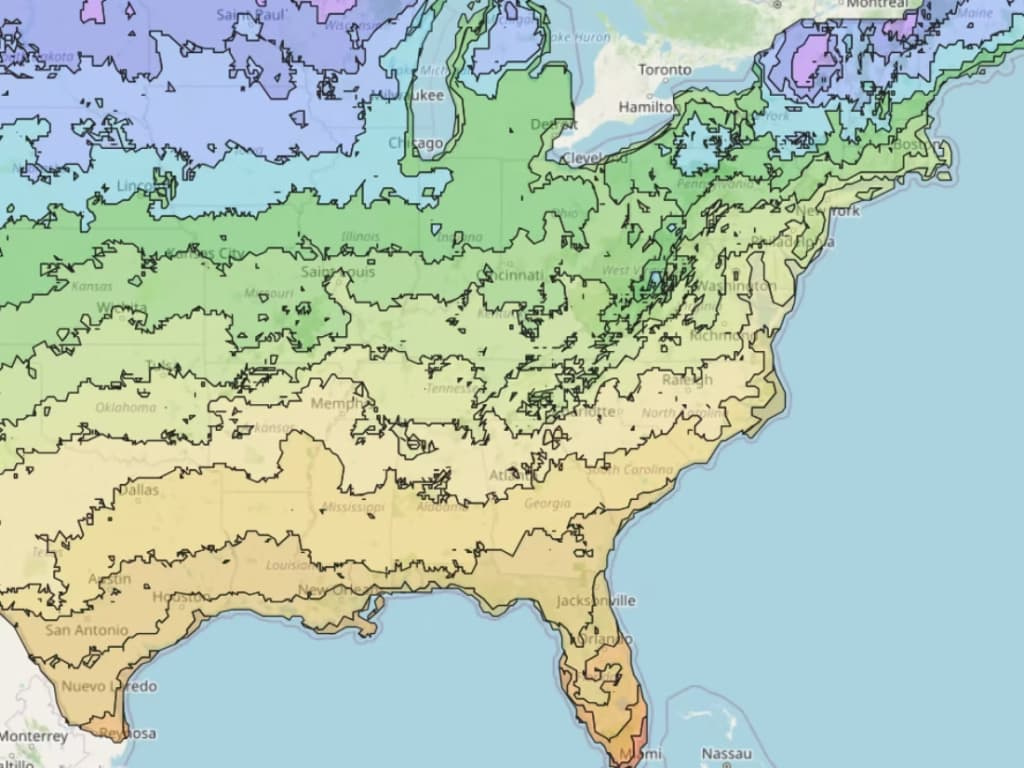
What Your Hardiness Zone Really Means for Your Lawn and Plants
Uncover the foundation of a resilient landscape by mastering the science of hardiness zones. Learn how these climate boundaries are calculated and why understanding your local temperature limits is the first step toward choosing plants that thrive year after year.
Read ArticleFrequently Asked Questions
The soil management strategies and forensic insights provided in these FAQs are based on research-backed data from leading agricultural universities and soil science institutions. We’ve replaced forum guesswork with proven facts to ensure your yard care is grounded in how your soil’s "hardware" actually works.
Because grit is a surface sensation and drainage is a whole-profile property. Your soil is 45 to 65 percent sand, which is what you feel, but it is also 35 to 55 percent clay, and that clay fills every space between the sand grains. The pore network you would expect from a sandy soil is sealed. This is the specific trap of Sandy Clay — it feels like one soil and behaves like another. Water and manage it as clay.
No, and here it is especially futile — the soil already contains more sand than clay by weight and it is still hard. Adding a modest amount packs the remaining pores tighter and raises bulk density. To actually change the texture you would need roughly 12 to 15 tons of coarse sand per 1,000 square feet, deeply incorporated, which is about a dump truck load for every 1,000 square feet of yard. Core aeration and compost are what work.
Only if a lab test confirms a sodium problem, which is uncommon outside irrigated arid regions. Gypsum works by supplying calcium that displaces excess sodium from clay surfaces, letting dispersed platelets clump back together. The diagnostic is an exchangeable sodium percentage above 15, or a sodium adsorption ratio above 13. Below those numbers there is no sodium to displace, and gypsum simply raises the salt level without touching drainage or hardness.
Once a year normally — fall for cool-season grass, late spring for warm-season. If the lawn is badly compacted, go twice a year for the first two years and then drop back to annual once you see improvement. Use hollow tines that pull actual plugs 2 to 3 inches deep, not solid spikes, which just push soil sideways and make compaction worse. Topdress with a quarter inch of compost immediately afterward while the holes are open.
Only when you are building a new bed from scratch, and only when the soil is slightly moist — not wet, not bone dry. Tilling wet clay smears the aggregates into a sealed mass and creates a hardpan just below the tilled depth. Tilling dry clay is hard on equipment and shatters what structure exists. On established lawns, do not till at all. Core aeration plus surface topdressing achieves the same thing without the damage.
Surface crusting. As the top layer dries, the clay fraction contracts into a hard skin that a seedling cannot push through, and the same crust sheds the water that would soften it. The fix is to keep the surface covered while seed germinates — a thin layer of compost, or straw over bare beds — and to water lightly and often during that period rather than deeply and rarely, which is the opposite of how you water an established lawn here.
Scientific Authority
This profile is grounded in soil science and moisture dynamics. Every recommendation—from irrigation cycles to nutrient timing—is verified against agricultural research data and field trials from top university institutions. We focus on the unique physics of your soil’s "hardware" to ensure long-term plant health and yard sustainability.
Primary Resources
- USDA-NRCS — Soil Survey Manual, Chapter 3: Examination and Description of Soil Profiles
- USDA-NRCS — Estimating Soil Moisture by Feel and Appearance
- USDA-NRCS — Inherent Factors Affecting Bulk Density and Available Water Capacity
- USDA-NRCS — Soil Health Guide: Bulk Density
- USDA-NRCS — Soil Health Guide: Soil Organic Matter
- USDA-NRCS — Official Series Descriptions
- Nebraska Extension — Properties of Landscape Soils (EC1267)
- Colorado State University Extension — Soils, Fertilizers, and Soil Amendments (Colorado Master Gardener)
- North Dakota State University Extension — Soil, Water and Plant Characteristics Important to Irrigation