
Feel: Like dry flour, velvety and slippery when wet, never sticky
Silt
Rare, fragile, and the most erodible soil in the whole system
Silt At-a-Glance
Drainage
Slow
Nutrient Retention
Moderate
Compaction Risk
Very High
How to Recognize Silt soil?
Silt is 80 percent or more silt particles with under 12 percent clay, the rest fine sand. It is genuinely rare as a topsoil — most people who think they have silt have Silt Loam, which is common everywhere. Worth checking before you plan around it.
Dry, it is indistinguishable from flour or talcum powder. Wet, it feels soft, velvety, and slippery, with no grit and none of clay’s sticky pull.
The identifying test is failure. Try to ribbon wet silt and it extrudes a soft mass that crumbles apart immediately, because there is no clay to bind it. Silt loam manages a short ribbon; pure silt manages none. That single difference is why the two soils behave so differently despite feeling almost identical in the hand.
The "Hands-On" Test
Silt is identified by what it cannot do. Two tests settle it.
- Take a sample from 4 to 6 inches down and remove roots and stones.
- Rub the dry soil between your fingers. It should feel exactly like flour, with no grit whatsoever.
- Wet a sample to putty consistency and squeeze it into a ball. Silt forms a fragile cast that holds its shape but has no strength.
- Try the ribbon test. This is the one that matters. Silt crumbles and falls apart as soon as you push it, producing no continuous ribbon at all. If you get even a short ribbon, you have silt loam.
- Rub the wet sample between your fingers. Velvety and slippery with no stickiness. Any tacky resistance means enough clay to put you in another class.
- In a jar test, sand forms a barely visible base layer, silt settles over two hours to fill nearly the entire column, and only a thin film of clay appears on top.
Where You'll Find It
Pure silt topsoil is geographically restricted in a way no other texture is. You will find it in two situations and almost nowhere else.
The first is loess bluffs immediately adjacent to glacial river valleys, particularly the eastern bluffs of the Mississippi and Missouri Rivers, where wind-deposited silt piled up thick and pure without picking up sand or clay. The second is active river floodplains still receiving fresh silt from seasonal flooding.
Parent material is thick aeolian loess or recent alluvium weathered from siltstone. Even in these areas, pure silt is usually a surface phase within a broader silt loam mapping unit rather than a soil type covering large areas — series such as Memphis along the Mississippi bluffs and the ridge-crest phases of Palouse in eastern Washington are mapped as silt loams overall, with silt-textured surfaces in places.
Why Precision Matters: Beyond the Basics
Identifying your soil as "Clay" or "Sand" is a great start, but in the world of professional landscape management, the devil is in the details. Most yards are actually a blend of textures—the "in-betweens" like Silty Clay or Sandy Loam—and each one has a different "hardware spec" for how it handles water and nutrients. Guessing your texture often leads to over-watering or wasting fertilizer. To truly optimize your yard, you need a precise data point that moves beyond a simple hunch.
We’ve built a specialized tool to give you that clarity. It’s completely free (and always will be), requires no signup or email, and is designed so you can return to your results whenever you need to adjust your maintenance plan.
The MFY Soil Profile Builder
Our tool offers two distinct paths to help you identify your soil’s unique DNA. While a physical check is helpful for a quick ID, our integrated Jar Test methodology provides a deeper level of precision. By measuring your soil's layers, the tool handles all the complex math for you, delivering a professional-grade texture profile that ensures you are treating your yard exactly as its hardware requires.
Build Your ProfileWorking With & Improving Your Soil
Silt has neither of the two things that give soil structural strength. It has no sand skeleton to carry weight, and almost no clay to supply the electrical charge that binds particles into crumbs. What is left is a pile of fine loose particles that holds water beautifully and falls apart under any pressure at all. Managing silt is entirely about protecting the surface, because the soil cannot protect itself.
Water Dynamics
Uncrusted silt holds 1.8 to 2.2 inches of plant-available water per foot, close to silt loam and far above any sandy soil. Getting water into it is another matter.
Uncrusted, it takes water at only 0.2 to 0.3 inches per hour. Once a rainstorm seals the surface, infiltration collapses below 0.05 inches per hour, and everything after that runs off. The reservoir is there. The door closes.
Strategic Hydration
Low volume, many short cycles. Overhead sprinklers cause the exact damage you are trying to avoid.
- Use drip lines or micro-spray heads delivering under 0.25 inches per hour.
- Run short repeated cycles — roughly 10 minutes on, 45 minutes off, three times through — so intake keeps pace with delivery.
- Avoid conventional overhead sprinklers. The droplet impact seals the surface and starts erosion in the same pass.
- Stop the moment water begins moving across the surface, and let it soak before resuming.
- Mulch every bed. On silt this is not cosmetic, it is what keeps the soil where you put it.
Nutrient Behavior
Here is the surprise: silt holds water far better than it holds nutrients. Cation exchange capacity runs only 5 to 15, well under silt loam, because silt-sized quartz and feldspar grains carry little surface charge. Most of what holding capacity exists comes from organic matter, not the mineral fraction.
Nitrate and sulfate leach or, more often, wash off the surface with runoff once the soil crusts. Phosphate is weakly buffered and fixes quickly where iron or aluminum oxides are present.
Precision Nutrition
Lower rates than you would use elsewhere, and never onto a sealed surface.
- Cap applications at about 0.5 lb of actual nitrogen per 1,000 sq ft, using slow-release or organic products.
- Water in gently after applying, with enough to dissolve granules and no more.
- Never fertilize crusted silt before rain. The product runs off the surface into storm drains without ever reaching a root.
- Break the crust first, by light raking in beds or shallow coring in turf.
- Build organic matter deliberately. On this soil it is the main source of nutrient holding capacity, not a supplement to it.
Physical Characteristics
Silt is the most fragile texture in the system. Ideal bulk density is under 1.30 grams per cubic centimeter, root growth suffers near 1.60, and roots stop around 1.75 — and light foot traffic on wet silt gets there.
Its states are all extremes. Dry and loose, it is powder that blows away. Wet, it becomes unstable non-sticky paste. Dry and compacted, it sets into a cement-like crust that blocks both roots and seedling emergence. There is no forgiving middle condition the way there is on loam.
Physical Management
Protect rather than intervene. Standard lawn equipment can do real damage here.
- Keep the surface covered at all times — dense turf canopy, or 2 to 3 inches of coarse mulch in beds.
- Topdress 1/4 inch of fine compost twice a year rather than once, spring and fall.
- Go carefully with core aeration. Structurally weak silt turf can tear under aggressive tines, so aerate only when the soil is evenly moist, and consider surface topdressing alone on thin turf.
- Do not till. Tilling silt destroys what little aggregate structure exists and leaves the surface even more erodible.
- Keep all traffic off when the soil is wet. Light footsteps are enough to cause lasting compaction.
Improving Your Soil Over Time
Adding clay to make silt loam, or sand to make loam, would mean blending thousands of pounds of material into the top 6 inches of every 1,000 square feet. It is not a realistic project and it would destroy whatever is growing there.
The whole improvement strategy is aggregate stability. Silt particles will not bind to each other on their own — they need the fungal threads and bacterial gums that come with decomposing organic matter. Get silt into water-stable crumbs and the crusting, erosion, and compaction problems all ease at once. Organic matter breaks down fast here, so this is permanent maintenance rather than a project with an end.
- Topdress 1/4 inch of compost twice yearly, spring and fall, roughly 1.6 cubic yards per 1,000 sq ft per year.
- Keep permanent mulch on all beds. Surface cover does more for silt than anything you mix in.
- Never leave bare soil over winter. Sow cover or mulch it.
- Skip gypsum. Without a sodium problem it supplies neither structure nor binding.
- Skip sand. It packs with the silt into a mortar-like mass that hardens as it dries.
The Strengths & Challenges of Silt
Natural Advantages:
Stores 1.8 to 2.2 inches of plant-available water per foot, giving plants a deep reserve to draw on between rains.
Friable and easy to dig when moist and uncompacted, with no stones or abrasive sand to work through.
Becomes genuinely fertile once organic matter is established, since humus supplies the nutrient holding the minerals lack.
Responds quickly to mulch and compost, so protective measures show visible results within a single season.
Potential Hurdles:
Seals into an impermeable crust after a single storm on bare ground, cutting infiltration to almost nothing.
The most erodible texture in the USDA system, vulnerable to both wind and water on any exposed ground.
Compacts under light foot traffic when wet, because it has neither a sand skeleton nor clay's binding charge.
Frost-heaves shallow-rooted plants out of the ground over winter through repeated ice lens formation.
Texture Compatibility & Relationships
Plants That Love This Texture
Silt holds a lot of water and drains slowly, and its surface stays wet longer than it should after rain. The plants that do well here are the ones untroubled by damp feet, and ideally those with root systems that help hold the soil in place.
Trees
- River Birch — adapted to floodplain soils, which is exactly where pure silt occurs naturally.
- Bald Cypress — tolerates poor aeration and seasonal saturation better than almost any landscape tree.
- Sycamore — a bottomland native with vigorous roots that stabilize loose soil.
Shrubs and perennials
- Winterberry — thrives in moist, high-capacity soil and handles wet spells without complaint.
- Joe-Pye Weed — a strong performer in moisture-retentive soil, with deep fibrous roots that hold ground.
- Red Twig Dogwood — tolerates saturation and spreads to cover bare soil, which matters on an erodible site.
- Switchgrass and other native bunch grasses — deep fibrous root systems that bind loose silt better than anything else you can plant.
Grasses That Love This Texture
On silt, turf does a job beyond looking good — a dense canopy is the surface protection this soil cannot provide for itself. Choose for coverage and root strength rather than appearance.
- Turf-Type Tall Fescue — the best overall choice. Its roots have enough force to push through dense subsurface layers, and it forms a substantial canopy that intercepts raindrop impact before it reaches the soil.
- Perennial Ryegrass — germinates faster than any other cool-season grass, which makes it valuable for getting cover onto bare silt before the first storm moves it. Often best used alongside tall fescue rather than alone.
- Zoysiagrass — forms a thick vegetative mat that spreads foot traffic over a wider area, reducing the point pressure that compacts this soil.
- Kentucky Bluegrass — spreads by rhizomes and repairs its own damage, useful on a soil where surface damage is constant.
Whichever you pick, establishing cover fast matters more than the species. Bare silt does not stay put long enough to wait for a slow-establishing lawn.
Plants That Struggle In This Texture
Anything needing sharp drainage and a root zone that dries between waterings will struggle here. Silt combines high water retention with surface sealing, which produces exactly the airless conditions dryland plants have no tolerance for.
- Lavender — dies of root rot in crusted, waterlogged silt. Among the most reliable failures you can plant on this soil.
- Rosemary — needs sharp gravelly drainage and will not survive a wet winter in silt.
- Russian Sage — intolerant of poor aeration and surface crusting, despite its reputation for toughness in dry soil.
- Bearded Iris and other surface-rhizome perennials — the rhizome sits where the soil stays wettest and rots.
- Shallow-rooted perennials generally — frost heaving pushes them out of the ground over winter, so anything not well anchored is at risk regardless of its drainage preference.
All of these can be grown in a raised bed with grit and compost worked in. In native silt at grade, expect to replace them.
Grasses That Struggle In This Texture
Few grasses fail on silt outright, but two are poor bets and one is worth naming because it gets recommended for the wrong reason.
- Fine Fescues — the weakest saturation tolerance of the common cool-season grasses, and silt’s crusting produces standing water regularly. They work on a well-drained shaded slope and fail in flat ground or low spots.
- Creeping Bentgrass — sometimes suggested because its dense canopy protects fragile surfaces, which is true and beside the point. Bentgrass needs daily mowing at putting-green height, constant irrigation, and a fungicide program, and it is highly disease-prone on soil that stays wet at the surface. Not a home lawn grass on any texture.
- Centipedegrass — needs acidic, low-fertility soil and is prone to iron chlorosis where wet surface conditions restrict micronutrient uptake, which silt produces routinely.
The bigger risk on silt is not species choice but bare ground. Any grass that establishes quickly and covers completely beats a better species that leaves gaps.
Related Problems In This Texture
Silt has the most severe version of every structural problem in the system, all traceable to having neither a sand skeleton nor clay’s binding charge.
- Hydrophobic Soil is not the issue here — the crust is. Unprotected silt forms a dense surface seal after one rainstorm, dropping infiltration to near zero and turning the rest of the storm into runoff.
- Compacted Soil — light foot traffic on moist silt is enough to collapse the fine pores and build a dense root-limiting layer below.
- Erosion — the most erodible texture there is, by both wind and water. Bare silt on any slope moves during ordinary rainfall.
- Frost heaving — silt’s capillary action pulls water up into the freezing zone, forming ice lenses that lift shallow-rooted plants clean out of the ground over winter.
- Waterlogged Soil — once sealed, water sits on the surface rather than draining, and the root zone below goes airless.
Deep Dives & Practical Guides
How to Establish a New Lawn From Bare Soil to First Mow
Bare soil doesn't turn into a lawn just because you scattered seed or rolled out sod — it becomes one based on a handful of specific steps done in the right order, matched to your specific grass. This guide walks through soil prep, seeding or planting method, starter fertilizer, watering as the grass grows, and knowing when it's actually safe to mow, for both cool-season and warm-season lawns.
Read Article
Cool Season vs Warm Season Lawn and Landscape Guide
Your lawn and your flower beds don't follow the same calendar — one runs on a cool-season engine, the other on a warm-season one, and using the wrong playbook on either can do real damage. This guide helps you figure out which system you actually have and how to care for it correctly, plus how the same cool/warm split applies to your ornamental beds.
Read Article
The Hole You Dug Is Killing Your New Plants
A shrub that looked fine all summer and stalled the next year usually didn't fail because of the plant, the weather, or the nursery. It failed because the hole it went into was a container — smooth-walled, water-holding, and impossible to root out of.
Read Article
What You Can Actually Change About Bad Soil
Heavy clay and loose sand feel like permanent sentences, and half of that is true. What your soil is made of will not change. How those particles are arranged will — and that is the half that decides whether anything grows.
Read Article
Why Your Plants Survive Winter and Die in July
Your hardiness zone is built from one number — the coldest night of an average year. It says nothing about the hottest afternoon, which is what actually kills most plants people lose. Here's how to read the other half of the map.
Read Article
Why Poa Annua Keeps Coming Back — and the 3-Year Plan That Finally Ends the Cycle
You've pulled it. You've sprayed it. You've watched the little white seedheads mock you every single spring. And every fall, like clockwork, it's back — in the lawn, in the beds, in the cracks you didn't know you had. Here's the hard truth nobody at the big-box store will tell you: you're not losing because you're doing it wrong — you're losing because you're fighting the wrong enemy on the wrong timeline. Poa annua isn't a one-season problem, and once you understand why, the three-year plan below stops feeling like a chore and starts feeling like a countdown.
Read Article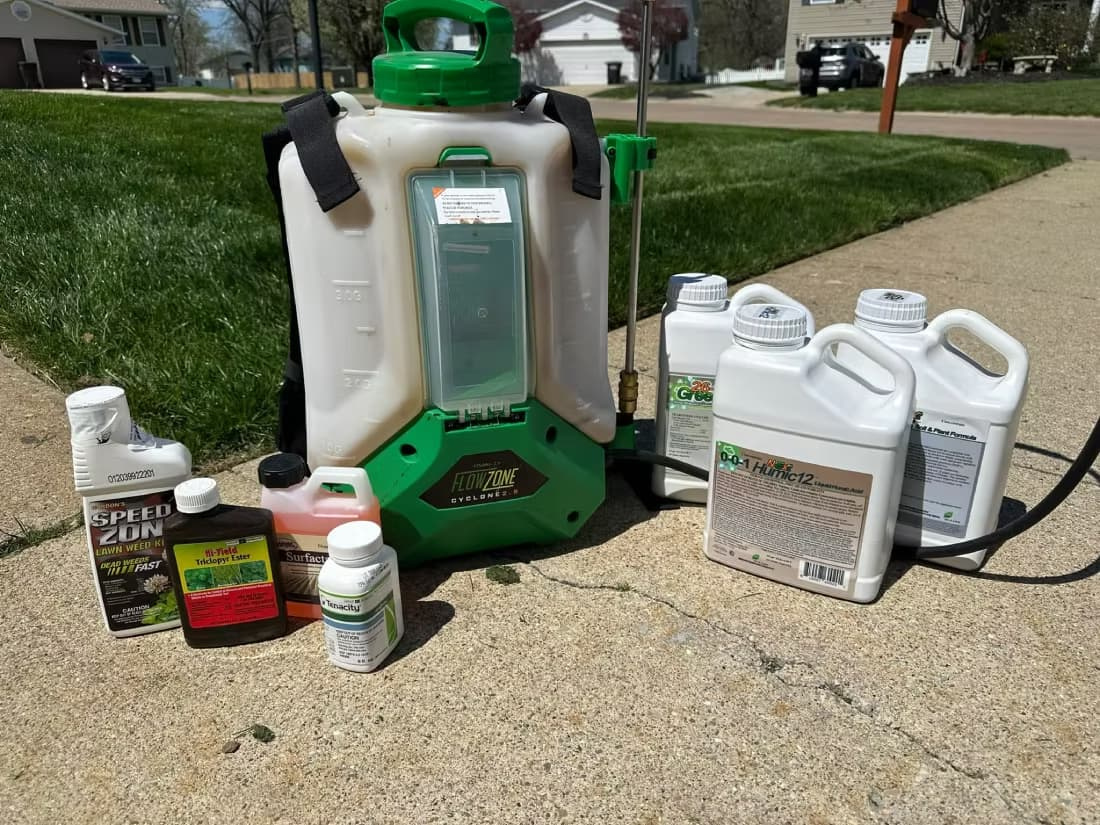
How to Apply Herbicides Correctly in Your Lawn and Garden Beds
Getting real results from a weed product has almost nothing to do with the brand on the bottle and everything to do with matching the method to the moment — the right chemistry, in the right place, at the right time. Learn how to apply herbicides correctly across both your lawn and your garden beds, whether you’re stopping weeds before they sprout or killing the ones already growing, without wasting product or harming the plants you want to keep.
Read Article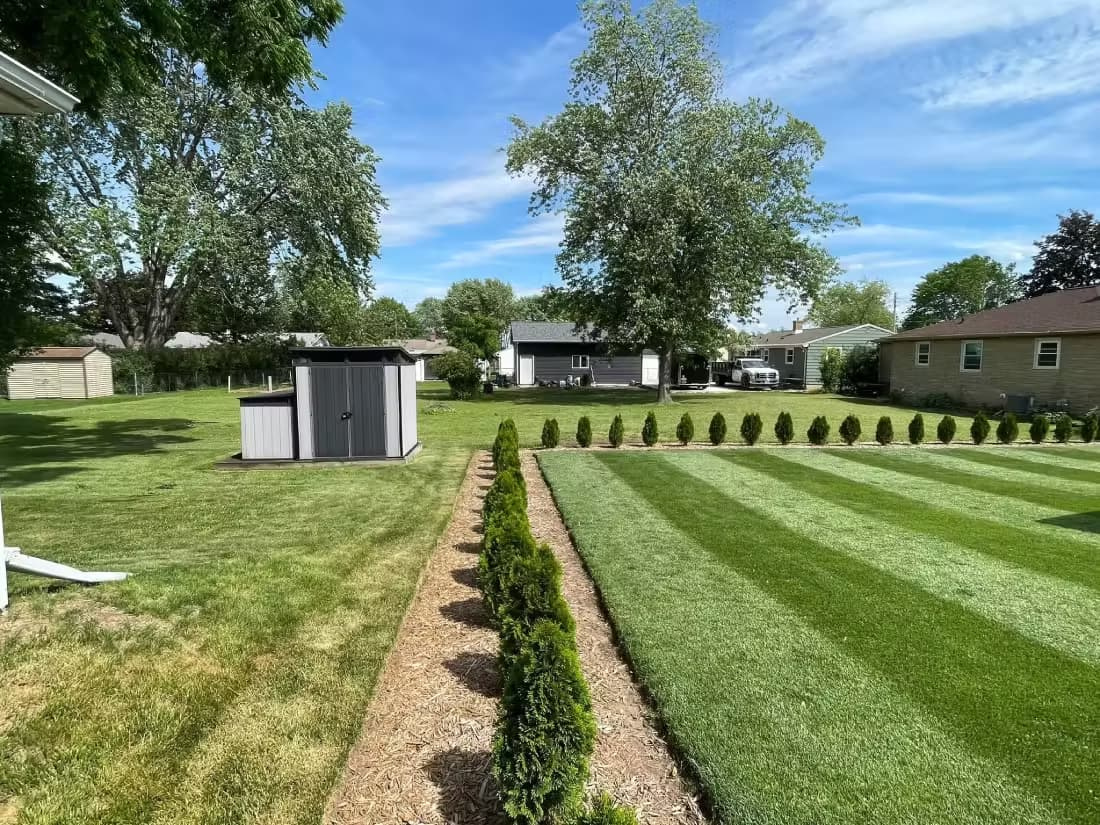
How to Kill Weeds Where Two Lawns Meet Without Harming Your Neighbor’s Grass
Controlling weeds along a shared property line is where good intentions quietly backfire—the season that's safe for your own lawn is often the season the lawn next door is most easily harmed. Learn the seasonal timing collision behind most fence-line damage, and the two habits that prevent it—reading what's actually in the bottle and spraying directed instead of broadcast—so you can clear the weeds without hurting your grass, your neighbor's, or the peace between you.
Read Article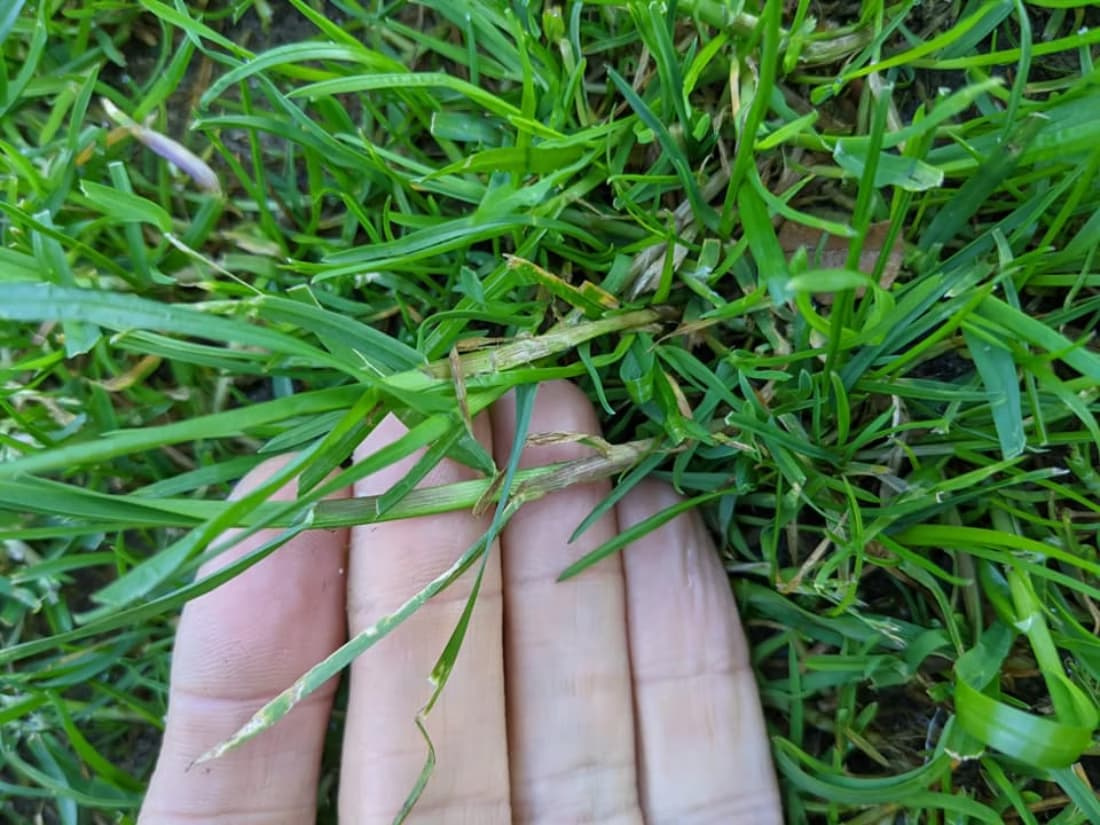
The Truth About One-and-Done Weed Control
Most homeowners lose the fight against weeds not because they work too little, but because they act before they understand. One-and-done weed control is real — but it only works when identification, timing, and the right tool all line up. This guide explains how that sequence works across your lawn and your ornamental beds, and how each weed page in the MFY hub puts it into practice for your specific invader.
Read Article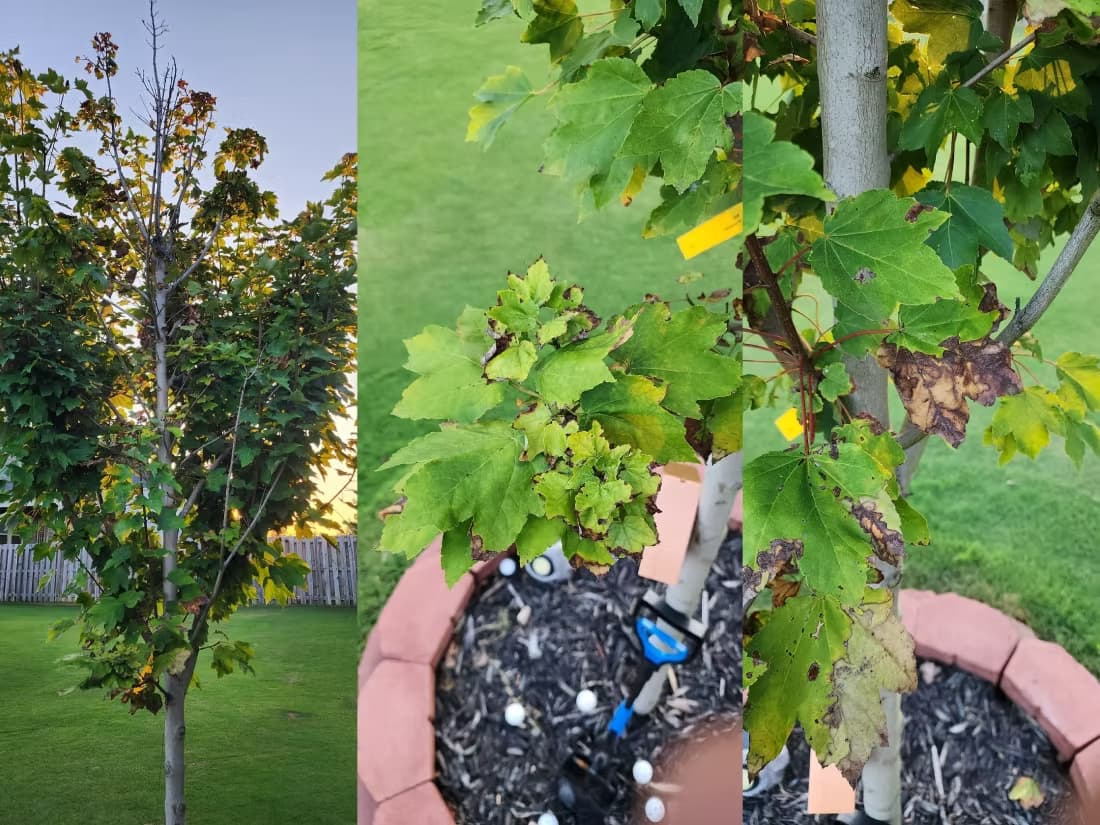
Solving the Mystery of the False Evidence in Your Lawn and Landscape
A brown leaf or a yellowing lawn is rarely what it seems. When symptoms act as decoys, a calm, forensic approach brings clarity to the confusion. Learn how to look past the surface to find the quiet truth of what your plants are truly asking for.
Read Article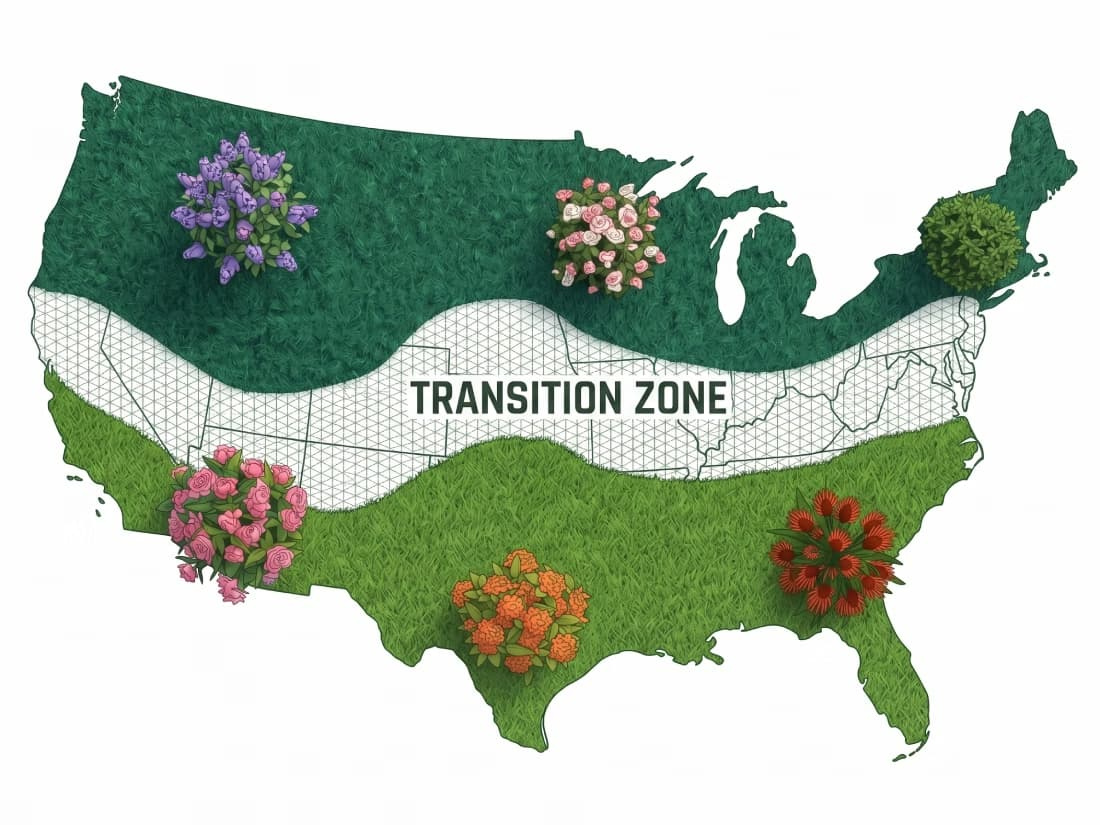
Living in the Middle: The Deep-Dive Guide to Transition Zone Lawns and Landscapes
The Transition Zone is a biological tug-of-war where neither northern nor southern species perfectly adapt. By using resilient "bridge" species and mastering maintenance levers like the Mowing Pivot, you can transform a struggling yard into a healthy landscape.
Read Article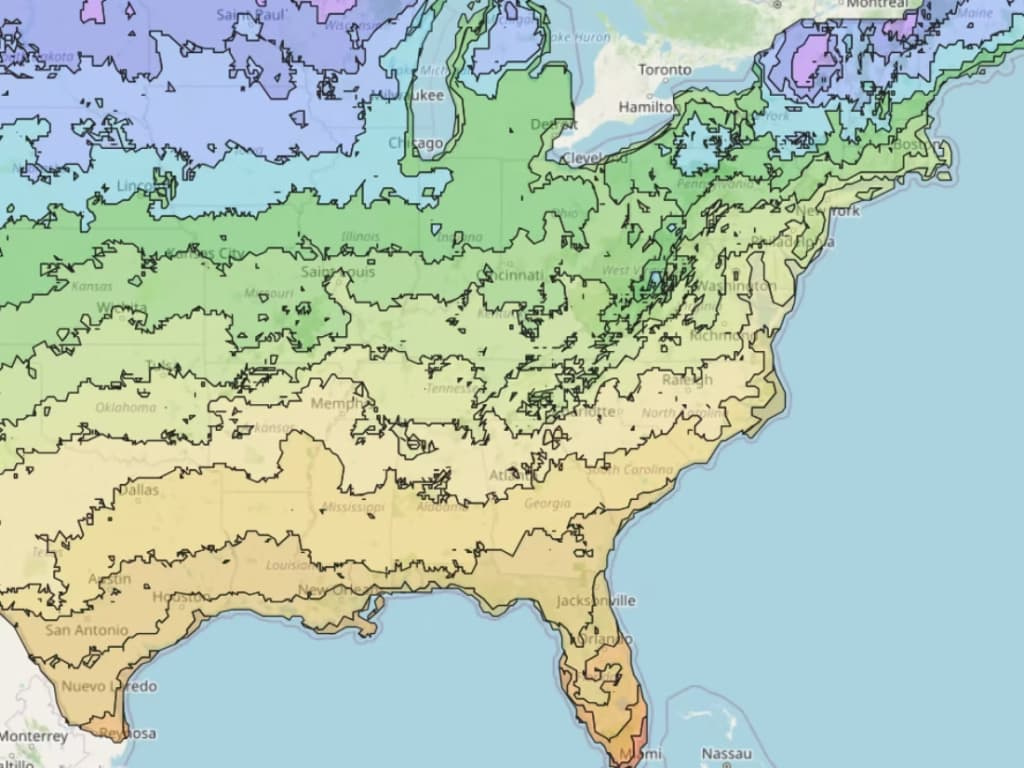
What Your Hardiness Zone Really Means for Your Lawn and Plants
Uncover the foundation of a resilient landscape by mastering the science of hardiness zones. Learn how these climate boundaries are calculated and why understanding your local temperature limits is the first step toward choosing plants that thrive year after year.
Read ArticleFrequently Asked Questions
The soil management strategies and forensic insights provided in these FAQs are based on research-backed data from leading agricultural universities and soil science institutions. We’ve replaced forum guesswork with proven facts to ensure your yard care is grounded in how your soil’s "hardware" actually works.
The ribbon test, and it is decisive. Both feel smooth and floury, so touch alone will not separate them. Wet a sample to putty consistency and push it out between your thumb and forefinger. Silt loam contains enough clay to form a short ribbon, usually just under an inch, often with a faint sheen. Pure silt has almost no clay and crumbles apart as soon as you press it, producing nothing. Silt loam is far more common, so expect that result.
Silt is the most erodible particle size there is, and it comes down to physics. Silt grains are light enough that flowing water lifts them easily, but unlike clay they carry almost no electrical charge, so nothing holds them to each other. Sand is too heavy to move and clay sticks together; silt does neither. The only real defense is continuous ground cover — dense turf, permanent mulch, or established plantings that never leave soil exposed.
No. Adding sand to a fine soil without replacing the whole profile produces the opposite of what you want. The silt particles pack tightly into the spaces between the sand grains, leaving a denser, harder mass than the original soil — the same principle behind concrete. You would need to change the majority of the profile by volume to get any benefit. Organic matter and surface protection are what actually work on silt, and they cost far less.
Frost heaving, and silt is the worst texture for it. Silt’s pore sizes are almost perfect for capillary action, so it wicks water upward toward the freezing zone near the surface. That water freezes into growing ice lenses that physically lift the soil above them, taking shallow root systems along. Repeated freeze and thaw cycles ratchet plants right out of the ground. A 2 to 3 inch mulch layer buffers the temperature swing and largely prevents it.
Slowly, and with drip lines or micro-spray heads delivering under a quarter inch per hour. Conventional overhead sprinklers cause two problems at once on this soil — droplet impact seals the surface, and the application rate exceeds what silt can absorb, so most of the water runs off. Short repeated cycles work best: roughly ten minutes on and forty-five off, three times through, which lets each round soak in before the next arrives.
Both, depending entirely on whether the surface is protected. Covered by dense turf or permanent mulch, silt is fertile, holds a large water reserve, and is easy to dig — genuinely productive soil. Left bare, it crusts after one storm, erodes on the slightest slope, and compacts under a single walk across it when wet. No other texture swings so far between those two states based on one management decision. Keep it covered and it behaves well.
Scientific Authority
This profile is grounded in soil science and moisture dynamics. Every recommendation—from irrigation cycles to nutrient timing—is verified against agricultural research data and field trials from top university institutions. We focus on the unique physics of your soil’s "hardware" to ensure long-term plant health and yard sustainability.
Primary Resources
- USDA-NRCS — Soil Survey Manual, Chapter 3: Examination and Description of Soil Profiles
- USDA-NRCS — Inherent Factors Affecting Bulk Density and Available Water Capacity
- USDA-NRCS — Soil Health Guide: Bulk Density
- USDA-NRCS — Soil Health Guide: Soil Organic Matter
- USDA-NRCS — Illustrated Guide to Soil Taxonomy
- Nebraska Extension — Properties of Landscape Soils (EC1267)
- Colorado State University Extension — Soils, Fertilizers, and Soil Amendments (Colorado Master Gardener)
- North Dakota State University Extension — Soil, Water and Plant Characteristics Important to Irrigation
- Kansas State Research and Extension — Important Agricultural Soil Properties (L935)