
Lawn & Garden Disease Hub
Identify the diseases showing up in your lawn and garden, understand why they appeared, and learn what actually stops them. From rose leaf spots to summer turf patches, every profile focuses on the conditions that trigger a disease and the steps that lead to recovery. Organized by lawn and plants, this library takes the guesswork out of restoring your fine yard.
A Place to Start: Understanding Plant Disease
A plant disease is an infection by a living organism, usually a fungus, sometimes a water mold, bacterium or virus. Unlike drought or fertilizer burn, it spreads: from blade to blade, leaf to leaf, and sometimes from yard to yard.
Most diseases need three things at once: a susceptible plant, the organism that causes the disease, and the weather it thrives in. Remove any one of them and the disease stalls. That’s why every profile here puts changes to watering, mowing, feeding and spacing first, and recommends fungicides only where research shows they’re worth it.
Why Lawns and Plants Get Their Own Guides
A lawn and a flower bed get sick in different ways. A lawn is thousands of identical plants growing shoulder to shoulder and mowed every week, so disease shows up as patches, rings and streaks across the whole surface. You diagnose it by the pattern from standing height and by the spots on individual blades.
Ornamental plants are individuals. One rose can be covered while the lilac beside it stays clean, and the clues are in which part of the plant is affected and how the symptoms move through it. The fixes differ too: a lawn recovers by regrowing from its crowns, while a shrub may need pruning, a resistant variety or replacement. Separating the two keeps every profile focused on what you’re actually looking at.
Common Lawn Diseases
These are the diseases that turn up most in home lawns across the US, from the summer patches of tall fescue to the spring dead spots of bermudagrass. Each profile shows how to tell the disease from drought, grubs and its closest look-alikes, which grasses it targets and how your lawn recovers.
Spring Dead Spot
Disease Type:
Fungal
Active Season:
Early Spring
Late Spring & Early Summer
Fall
Is Spraying Worth It?: Sometimes Worth It
Planted in fall, revealed in spring
Red Thread
Disease Type:
Fungal
Active Season:
Early Spring
Late Spring & Early Summer
Fall
Is Spraying Worth It?: Rarely Worth It
A hungry lawn’s pink flag
Pythium Blight
Disease Type:
Water Mold
Active Season:
Late Spring & Early Summer
Mid to Late Summer
Fall
Is Spraying Worth It?: Rarely Worth It
The hot-night grease spot
Lawn Moss
Disease Type:
Non-Pathogenic
Active Season:
Early Spring
Late Spring & Early Summer
Fall
Winter
Is Spraying Worth It?: Rarely Worth It
The symptom, not the cause
Large Patch
Disease Type:
Fungal
Active Season:
Early Spring
Late Spring & Early Summer
Fall
Winter
Is Spraying Worth It?: Sometimes Worth It
Planted in fall, seen in spring
Leaf Spot and Melting Out
Disease Type:
Fungal
Active Season:
Early Spring
Late Spring & Early Summer
Mid to Late Summer
Fall
Is Spraying Worth It?: Rarely Worth It
The spot that goes for the crown
Fairy Ring
Disease Type:
Fungal
Active Season:
Early Spring
Late Spring & Early Summer
Mid to Late Summer
Fall
Is Spraying Worth It?: Rarely Worth It
The ring fed by buried wood
Dollar Spot
Disease Type:
Fungal
Active Season:
Early Spring
Late Spring & Early Summer
Mid to Late Summer
Fall
Is Spraying Worth It?: Rarely Worth It
Polka dots on a hungry lawn
Brown Patch
Disease Type:
Fungal
Active Season:
Late Spring & Early Summer
Mid to Late Summer
Fall
Is Spraying Worth It?: Sometimes Worth It
The fungus that strikes on hot, muggy nights
Common Plant Diseases
These diseases affect the shrubs, trees, roses and flowers around your home. Each profile covers how the disease looks on the plants it hits most, what triggers it, which varieties resist it, and when a plant is worth saving or better replaced.
Rose Black Spot
Disease Type:
Fungal
Active Season:
Early Spring
Late Spring & Early Summer
Mid to Late Summer
Fall
Is Spraying Worth It?: Sometimes Worth It
The bottom-up leaf stripper
Plant Powdery Mildew
Disease Type:
Fungal
Active Season:
Early Spring
Late Spring & Early Summer
Mid to Late Summer
Fall
Is Spraying Worth It?: Sometimes Worth It
The leaf disease that doesn’t need rain
Not a Disease After All?
Many brown patches and spotted leaves aren’t infections at all. Rule out environmental stress and insect damage before you treat, because a fungicide can’t fix a problem that isn’t a fungus.
Abiotic DisordersPest HubKnow Your Soil
Wet, compacted soil is where many diseases take hold. The Soil Profile Builder shows how your soil handles water and nutrients, so you can fix the conditions disease depends on.
Build Profile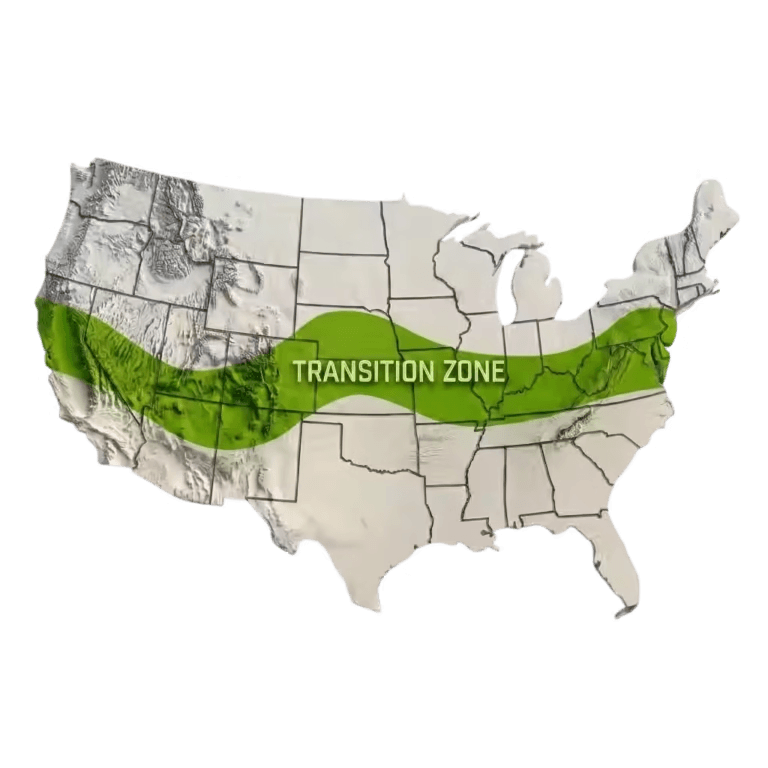
Know Which Season Your Yard Runs On
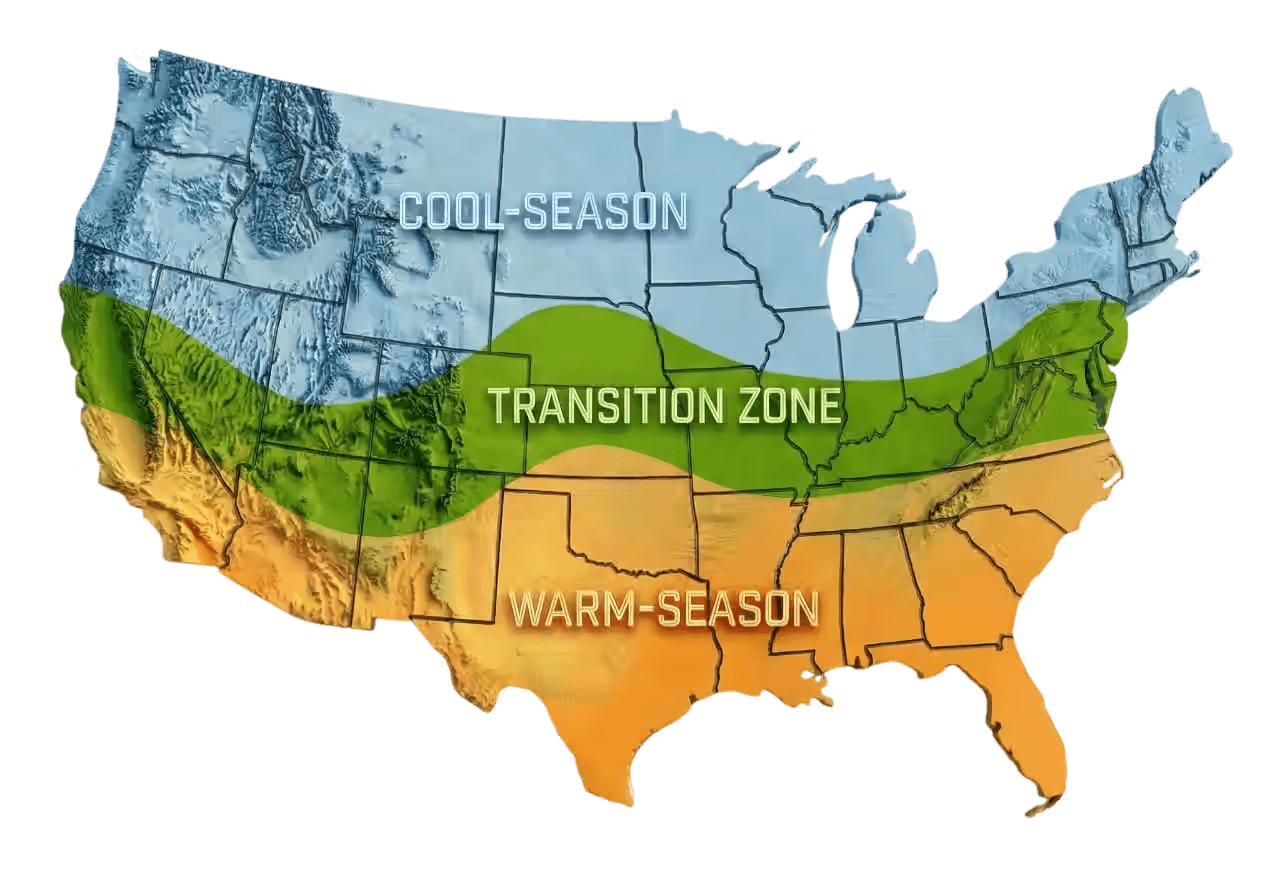
Disease follows the calendar. Cool-season lawns are most vulnerable in hot, humid summers, while warm-season lawns are more often hit in the mild, wet weather of spring and fall, when they’re just waking up or slowing down. Your flower beds follow their own seasonal rhythm. If you didn’t find your disease here, start by understanding which system your lawn and landscape run on. It tells you when trouble is most likely, and when your care can head it off.
Read the Season Guide