
Soil Texture Hub
Your definitive guide to the physical foundation of your landscape. This hub lists all possible soil texture profiles, providing direct access to individual pages for every unique ground type. Access structured, data-backed soil insights for a comprehensive understanding of your ground’s physical properties.
The Role of Soil Texture
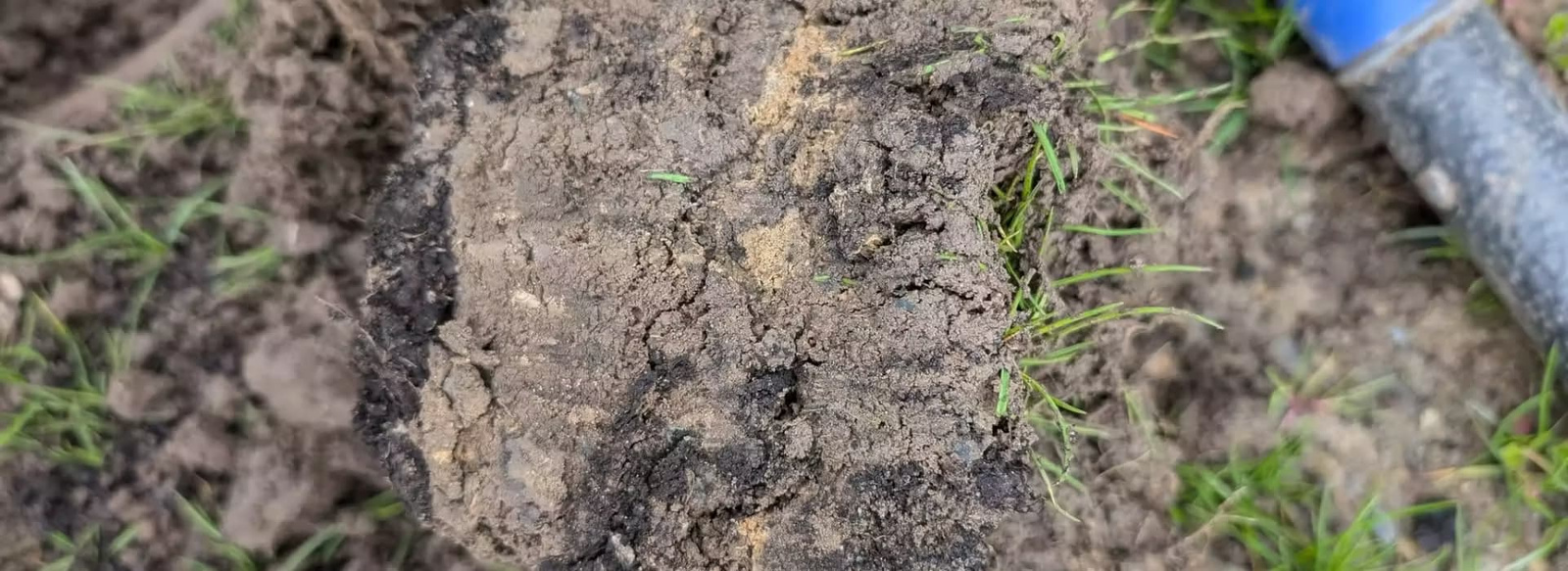
Soil texture is the permanent physical identity of your ground, determined by the size of the mineral particles it contains. Unlike nutrient levels or pH, which can be modified through seasonal amendments, texture is a fixed environmental constraint that dictates how your landscape “breathes” and “drinks.” This physical structure determines the rate of water infiltration, the availability of oxygen to root systems, and the ability of the soil to retain essential minerals during heavy irrigation or rainfall. Understanding this baseline is critical for selecting plant species that are naturally adapted to the specific drainage and moisture retention of your site.
The USDA classifies soil texture based on the relative proportions of sand, silt, and clay—each bringing unique physical properties to the foundation of your yard. Sand offers rapid drainage and aeration, while clay provides high nutrient-holding capacity and moisture retention, with silt and loam acting as the balancing agents in between. By categorizing your soil into one of these specific profiles, you move away from guesswork and toward a data-backed approach to irrigation and fertilization. This hub serves as a comprehensive registry of these profiles, providing the technical data needed to master the ground you are working with.
Do Lab Reports Feel Like Rocket Science?
We developed a tool that doesn’t feel like a science project, even though its engine is powered by data-backed research and proven methods. It’s free to use, no account creation is required, and all you need are a few common household items to get started. We help you create a personalized profile that you can always come back to, giving you a permanent reference for your property. See for yourself how our simplified report can help you finally understand and discover the truth about your dirt.
Build Soil Profile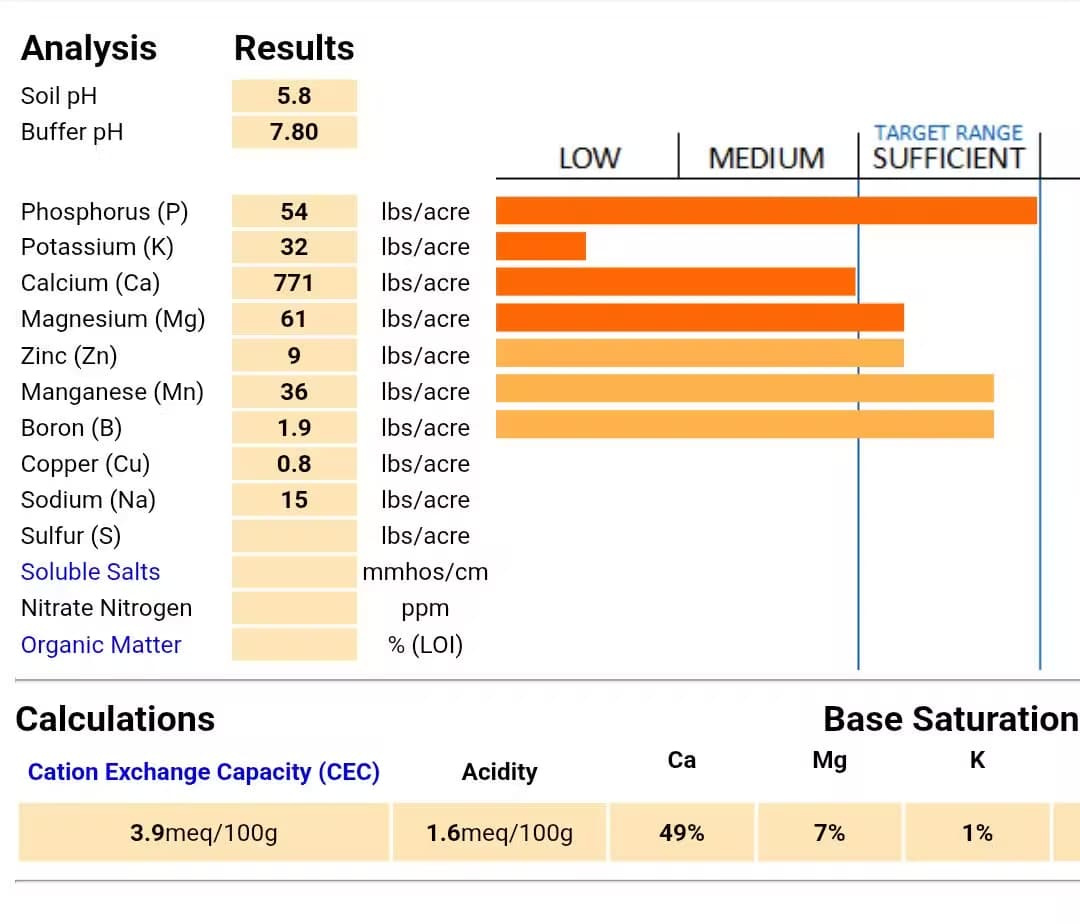
Explore the Soil Texture Profiles
We explain each soil texture in detail to help you navigate the physical foundation of your land. The cards below guide you to an individual profile for each texture, where we explore their unique behaviors and characteristics. Use this registry to better understand your specific ground type and how to work with its natural strengths.
Sand
Feel: Loose and gritty, falls apart the moment you open your hand
Drainage: Very Fast
Nutrient Retention: Very Low
Compaction Risk: Low
The fastest draining soil there is and the hardest to keep fed
Loamy Sand
Feel: Gritty with a little grip, holds a fragile ball
Drainage: Fast
Nutrient Retention: Low
Compaction Risk: Low
Sand with just enough fine material to make lawn care manageable
Sandy Loam
Feel: Gritty but cohesive, holds a firm ball and a short ribbon
Drainage: Moderate
Nutrient Retention: Moderate
Compaction Risk: Moderate
The soil most lawn advice quietly assumes you already have
Loam
Feel: Gritty and smooth at the same time, neither one winning
Drainage: Moderate
Nutrient Retention: High
Compaction Risk: Moderate
The balance every other soil texture gets measured against
Silt Loam
Feel: Soft and floury dry, slippery and smooth wet, barely gritty
Drainage: Slow
Nutrient Retention: High
Compaction Risk: High
Holds more usable water than any other soil and seals shut just as easily
Silt
Feel: Like dry flour, velvety and slippery when wet, never sticky
Drainage: Slow
Nutrient Retention: Moderate
Compaction Risk: Very High
Rare, fragile, and the most erodible soil in the whole system
Sandy Clay Loam
Feel: Gritty and sticky at once, ribbons but you still feel sand
Drainage: Moderate
Nutrient Retention: High
Compaction Risk: Moderate
The most forgiving of the clay loams and the fastest to warm up
Clay Loam
Feel: Smooth and plastic when moist, grit and silk in balance
Drainage: Slow
Nutrient Retention: High
Compaction Risk: High
One of the best lawn soils in the country despite what the name suggests
Silty Clay Loam
Feel: Silky and almost soapy when wet, with no grit at all
Drainage: Slow
Nutrient Retention: Very High
Compaction Risk: Very High
Rich, deep, and productive, with the narrowest working window of any soil
Sandy Clay
Feel: Gritty and sticky at once, hard as brick when dry
Drainage: Slow
Nutrient Retention: Very High
Compaction Risk: High
Gritty to the touch and slow to drain, a rare and awkward combination
Silty Clay
Feel: Smooth and buttery, slippery and plastic, never gritty
Drainage: Very Slow
Nutrient Retention: Very High
Compaction Risk: Very High
Smooth as butter when wet and slower to drain than almost anything
Clay
Feel: Sticky and moldable like pottery clay, rock hard when dry
Drainage: Very Slow
Nutrient Retention: Very High
Compaction Risk: Very High
The soil everyone complains about and the one most worth improving
Expanding Your Landscape Insight
The biological success of your landscape depends on selecting species that are naturally compatible with your ground’s physical properties. By aligning your plant and turfgrass choices with your soil’s specific drainage and aeration characteristics, you establish a resilient foundation that requires fewer resources to maintain. Access our specialized databases to discover which varieties are best suited for your property’s unique profile.
Explore TurfsExplore PlantsSoil Performance
While texture is a permanent trait, the state of your ground is dynamic. Understand how external factors influence your soil’s health and how to manage its active responsiveness.
Explore Soil Conditions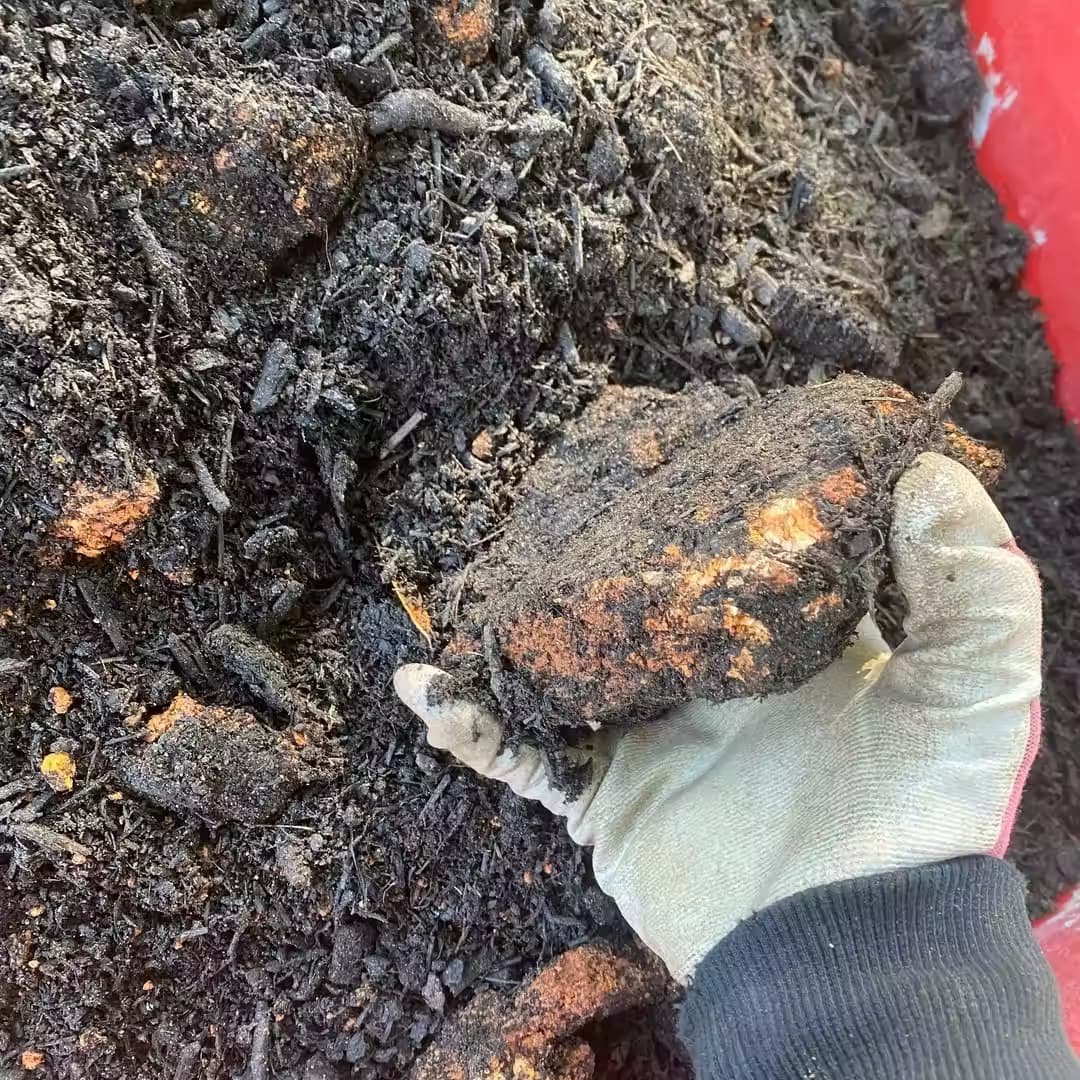
The Critical Distinction: Texture vs. Structure
It’s easy to feel like “bad soil” is a permanent curse. If you’re dealing with heavy clay, it feels like a drainage nightmare; if it’s sand, you’re stuck in a never-ending watering cycle. This frustration often leads to a common but dangerous mistake: adding sand to clay to “break it up.” Unfortunately, without precise proportions, you often just create something closer to low-grade concrete, making it even harder for roots to penetrate.
The secret is understanding that while texture is your land’s permanent identity, its structure—how those particles clump together—is something you can actually control. You don’t need to fight your soil’s mineral makeup to have a thriving yard. By focusing on organic matter and biology, you can turn heavy clay into a crumbly, breathable environment or give loose sand a sponge-like ability to hold water. You aren’t changing your dirt; you’re just building a better architecture for your plants to call home.