
Feel: Gritty with a little grip, holds a fragile ball
Loamy Sand
Sand with just enough fine material to make lawn care manageable
Loamy Sand At-a-Glance
Drainage
Fast
Nutrient Retention
Low
Compaction Risk
Low
How to Recognize Loamy Sand soil?
Loamy Sand sits one step in from the coarse edge of the USDA triangle: 70 to 90 percent sand, 0 to 30 percent silt, and 0 to 15 percent clay. That small fine fraction is only a tenth to a quarter of the soil by weight, but it changes how the soil behaves in your hand and in your yard.
Dry, it still feels gritty and loose, though you will notice weak crumbs holding together rather than everything flowing free. Moist, it is gritty throughout. Squeeze a damp handful and you get a cast you can turn over carefully without it falling apart — fragile, easily crushed, but real.
It has two neighbors. Against Sand, the test is that squeezed ball: loamy sand holds one, sand does not. Against Sandy Loam, the test is ribboning. Sandy loam pushes out a ribbon up to an inch long. Loamy sand breaks before it reaches half an inch.
The "Hands-On" Test
The squeeze test separates it from sand, the ribbon test from sandy loam. Run both.
- Take a sample from 4 to 6 inches down and pick out roots and stones.
- Wet it gradually to a putty consistency, damp rather than dripping.
- Squeeze it into a ball and open your hand. A loamy sand ball holds its shape and survives gentle handling, but crushes easily under any pressure.
- Push a ribbon out between thumb and forefinger. Loamy sand produces a short ribbon that breaks almost immediately, under half an inch.
- Rub a wet pinch between your fingers. Grit dominates, with a faint smoothness underneath from the silt.
- In a jar test, 70 to 85 percent of the material drops out within a minute, another 10 to 20 percent settles over a couple of hours, and a thin clay fraction stays suspended. The water goes moderately cloudy rather than clear.
Where You'll Find It
Loamy Sand occupies the transition ground between pure sand deposits and finer loamy plains, which makes it common without being dominant anywhere.
The main concentrations run down the Atlantic Coastal Plain through New Jersey, Delaware, Maryland, Virginia, and eastern North Carolina; across the northern glaciated sand basins of central Michigan, central Wisconsin, and Minnesota’s Anoka Sand Plain; and along interior river systems in Oklahoma, Kansas, and Texas.
The parent materials are mixed: wind-blown sands, late-Pleistocene glacial outwash terraces, marine terrace deposits, and low-energy stream alluvium. Look for it on low dune slopes, broad outwash plains, elevated stream terraces, and coastal plain uplands — settings where water or wind was moving fast enough to leave sand behind but slow enough to drop some silt with it. Common series include Boyer in the Midwest, Allendale in the northern Great Lakes, and Wagram in the Southeastern Coastal Plain.
Why Precision Matters: Beyond the Basics
Identifying your soil as "Clay" or "Sand" is a great start, but in the world of professional landscape management, the devil is in the details. Most yards are actually a blend of textures—the "in-betweens" like Silty Clay or Sandy Loam—and each one has a different "hardware spec" for how it handles water and nutrients. Guessing your texture often leads to over-watering or wasting fertilizer. To truly optimize your yard, you need a precise data point that moves beyond a simple hunch.
We’ve built a specialized tool to give you that clarity. It’s completely free (and always will be), requires no signup or email, and is designed so you can return to your results whenever you need to adjust your maintenance plan.
The MFY Soil Profile Builder
Our tool offers two distinct paths to help you identify your soil’s unique DNA. While a physical check is helpful for a quick ID, our integrated Jar Test methodology provides a deeper level of precision. By measuring your soil's layers, the tool handles all the complex math for you, delivering a professional-grade texture profile that ensures you are treating your yard exactly as its hardware requires.
Build Your ProfileWorking With & Improving Your Soil
Loamy Sand is sand with a safety margin. The 10 to 25 percent of silt and clay filling the gaps between grains roughly doubles how much water the soil holds and how many nutrients it can keep. That is enough to move you from constant intervention to a manageable routine, but not enough to let you follow generic lawn advice. Everything here still leans toward watering and feeding more often than average.
Water Dynamics
Water enters at 1.5 to 3 inches per hour, fast enough that runoff is rare. The fine particles wedged between sand grains create smaller pores that hold water against gravity, so a foot of soil retains 0.8 to 1.2 inches total and gives roots 0.75 to 1.0 inch of it.
Large pores still dominate, so anything above that drains out within 12 to 24 hours. You get roughly a day of extra buffer compared with sand, not a week.
Strategic Hydration
Moderate volume on a short cycle. Neither the sand routine nor the standard lawn routine quite fits.
- Apply 0.50 to 0.75 inches per cycle, every 2 to 3 days in midsummer.
- Aim to wet the top 6 to 10 inches, where turf and shrub roots actually sit.
- Avoid daily shallow watering. Fifteen minutes every morning trains roots into the top 2 inches and leaves them helpless in a heat wave.
- Avoid going much past three quarters of an inch in one pass. Beyond that you are moving nitrogen below the roots.
- Check your sprinkler output with a can once. Most people apply less than they think.
Nutrient Behavior
Cation exchange capacity runs 3 to 8 — still low, but roughly double sand’s. That small clay and silt fraction carries enough negative charge to slow nutrient loss rather than stop it.
Nitrate still leaches during heavy rain or over-irrigation. Potassium and magnesium hold weakly on exchange sites and will run down over a single growing season if you do not replace them. The practical difference from sand is that you get two or three months out of a feeding instead of two or three weeks.
Precision Nutrition
Half slow-release, half quick-release is the sensible split on this soil.
- Apply 0.50 to 0.75 lb of actual nitrogen per 1,000 sq ft per feeding.
- Choose products with at least 50 percent slow-release or controlled-release nitrogen.
- Time feedings to active growth: early spring and late summer for cool-season lawns, late spring through midsummer for warm-season.
- Replace potassium alongside nitrogen at roughly a 1:1 ratio, using potassium sulfate.
- Skip single heavy spring applications and skip non-chelated iron products if your soil pH is above 7.2.
Physical Characteristics
Loamy Sand stays friable and easy to cultivate when moist, and forms only weak crusts when dry that break under a finger. Digging is easy year-round, with a little more resistance than sand when the soil is dry.
It does compact, unlike sand, though not badly. Bulk density under 1.60 grams per cubic centimeter is fine for roots; above 1.63 root penetration starts to suffer, and past 1.80 it stops. Repeated foot traffic or mower tires on wet soil is what gets you there.
Physical Management
Light maintenance, mostly aimed at the surface few inches.
- Core aerate every 1 to 2 years on lawns that take regular traffic. Annually is overkill here.
- Follow aeration with 1/4 inch of compost, about 0.8 cubic yards per 1,000 sq ft.
- Keep mowers and foot traffic off the lawn when the soil is saturated. That is when compaction actually happens.
- Do not topdress with sand or fine topsoil. Either one creates a distinct layer that interrupts water movement and root growth.
- Leave the cores on the surface after aerating. They break down within a couple of mows and return organic matter.
Improving Your Soil Over Time
The texture itself is fixed. What you are managing is organic matter, and loamy sand rewards that work more than sand does — the existing silt and clay give new organic matter something to bind with, so improvements hold better.
Microbes still oxidize 30 to 40 percent of what you add each year in warm climates. That is slower than sand’s 50 percent, which is why a realistic long-term target here is 2.0 to 3.5 percent organic matter rather than sand’s 1.5 to 2.5.
- New lawns and beds: work 2 to 3 inches of compost into the top 6 inches, roughly 6 to 9 cubic yards per 1,000 sq ft.
- Established lawns: topdress 1/4 inch of compost annually, about 0.8 cubic yards per 1,000 sq ft.
- Mulch clippings back into the turf every mow rather than bagging them.
- Skip gypsum. It only works on clay soils with a sodium problem and does nothing here.
- Do not work dry peat moss into the surface. Peat turns water-repellent once it dries out fully and makes dry spots worse.
The Strengths & Challenges of Loamy Sand
Natural Advantages:
Drains fast enough that standing water never becomes a problem, even after an intense summer storm.
Warms quickly in spring, which pulls forward both root development and turf green-up by a couple of weeks.
Holds roughly double the plant-available water and nutrients that pure sand does, giving you real margin for error.
Easy to dig and cultivate in any season without damaging soil structure or waiting for it to dry.
Potential Hurdles:
Still needs watering every 2 to 3 days in summer to keep turf out of drought dormancy.
Nitrogen and potassium leach out if you over-irrigate, so heavy single feedings are wasted money.
Organic matter oxidizes quickly, meaning compost topdressing is an annual commitment rather than a one-time fix.
Low buffering capacity leaves it sensitive to fast pH shifts from acidifying fertilizers or heavy lime.
Texture Compatibility & Relationships
Plants That Love This Texture
Loamy sand opens the list up considerably compared with pure sand. The extra water-holding means you are no longer restricted to drought specialists — you can grow ordinary landscape plants as long as they tolerate fast drainage and are not fussy about fertility.
Trees
- Red Maple — genuinely adaptable across a wide moisture range, which is why it does well on a soil that swings.
- Southern Magnolia — a coastal plain native, at home on the sandy soils it evolved on.
- Crape Myrtle — drought-tolerant once established and untroubled by low fertility.
- Live Oak — where climate allows, still one of the most reliable choices on any sandy soil.
Shrubs
- Boxwood — shallow-rooted but tolerant, provided the soil never stays wet.
- Loropetalum — vigorous on well-drained acidic sandy soils, common across the Southeast for exactly this reason.
- Panicle Hydrangea — far more drought-tolerant than the bigleaf types and a workable hydrangea on this soil.
- Camellia — good on loamy sand with acidic pH and mulch, though it will want irrigation in a dry summer.
Grasses That Love This Texture
Most common lawn grasses will grow on loamy sand. The question is how much water and fertilizer each one costs you, and the deeper-rooted species cost less.
- Bermudagrass — thrives here, producing dense turf on moderate irrigation. The best warm-season choice if you get full sun.
- Zoysiagrass — similarly strong, with a denser canopy that reduces surface evaporation. Slower to fill in.
- St. Augustinegrass — a good fit in warm humid regions, where its shallow stolons get topped up by regular rainfall. Less reliable in dry inland areas.
- Tall Fescue — the strongest cool-season option. Roots reach subsoil moisture and it holds color through summer with less irrigation than the alternatives.
- Perennial Ryegrass — performs well in cool regions given adequate fertility, but expect to feed it regularly since this soil will not do it for you.
Whichever you choose, plan your irrigation around a 2 to 3 day cycle in summer rather than the weekly soak most lawn guides describe.
Plants That Struggle In This Texture
The plants that struggle here are the ones that need soil to stay evenly moist. Loamy sand drains within a day of any rain, and the top few inches dry out inside 48 to 72 hours of summer heat, so anything relying on continuous surface moisture is fighting the site rather than living in it.
- Broadleaf Cattail, Siberian Iris, and other wetland plants — these need saturated soil and will not survive outside a lined water garden or bog planting.
- Bigleaf Hydrangea — huge leaves and high water use mean daily wilting through summer even with regular watering.
- Astilbe and similar moisture-loving perennials — shallow roots and no drought adaptation; they brown out and go dormant early.
- Birch — surface-rooted and drought-sensitive, which also makes it far more vulnerable to bronze birch borer on a droughty site.
If you want any of these, build a dedicated bed with heavy organic amendment and accept that it will need irrigation for as long as it exists.
Grasses That Struggle In This Texture
Loamy sand supports most turf species, so this is a shorter list than it would be for pure sand. The problem cases are grasses that combine shallow rooting with high input demand.
- Kentucky Bluegrass — the main one to think twice about. It will grow here, but its shallow rhizome system and high water and nitrogen requirements mean summer dormancy unless you irrigate frequently, and heavy feeding tends to produce thatch buildup on this soil.
- Creeping Bentgrass — a putting-green grass with very shallow roots and demanding maintenance. It only performs on engineered sand root zones with daily irrigation, not on a native loamy sand lawn.
- Fine Fescues in warm regions — reasonable on cool northern loamy sand, but prone to summer decline and root disease in the South.
None of these is a hard no. Each one just means a higher water and fertilizer bill than a deeper-rooted alternative on the same soil.
Related Problems In This Texture
Loamy sand has milder versions of sand’s problems and few of clay’s. What to watch for:
- Hydrophobic Soil — the same waxy fungal coatings that plague sand form here too, producing localized dry spots during extended dry weather. Less severe, and less frequent, but the same fix applies.
- Low-Nutrient Soil — potassium and magnesium drain away gradually under heavy rainfall or over-watering, and deficiencies build quietly over a season rather than appearing all at once.
- Acidic Soil — in high-rainfall regions the same leaching that removes nutrients also strips the calcium and magnesium that keep pH up.
- Compacted Soil — mild but real, unlike on pure sand. Foot traffic and mower tires on wet soil compress the surface few inches, which is what the every-other-year aeration is for.
Rapid moisture swings are the underlying issue behind most of it. The top 3 inches go from wet to dry within 48 to 72 hours in summer heat, which stresses anything shallow-rooted.
Deep Dives & Practical Guides
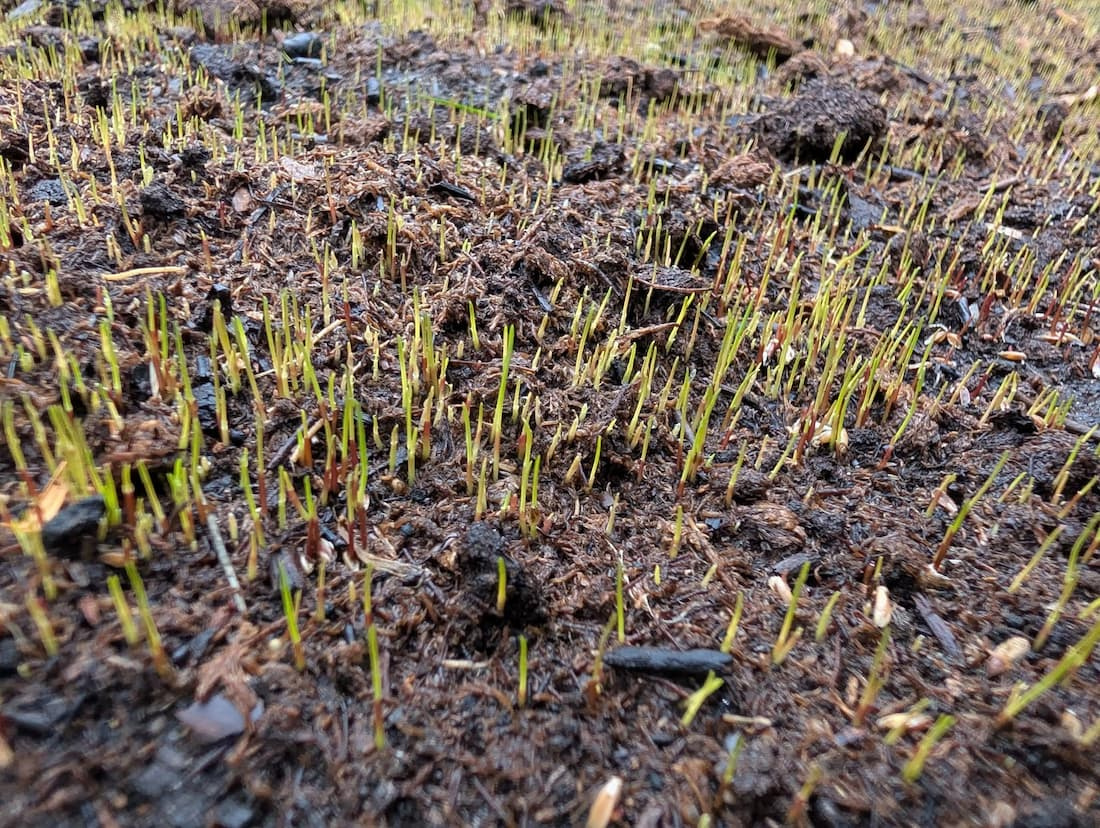
How to Establish a New Lawn From Bare Soil to First Mow
Bare soil doesn't turn into a lawn just because you scattered seed or rolled out sod — it becomes one based on a handful of specific steps done in the right order, matched to your specific grass. This guide walks through soil prep, seeding or planting method, starter fertilizer, watering as the grass grows, and knowing when it's actually safe to mow, for both cool-season and warm-season lawns.
Read Article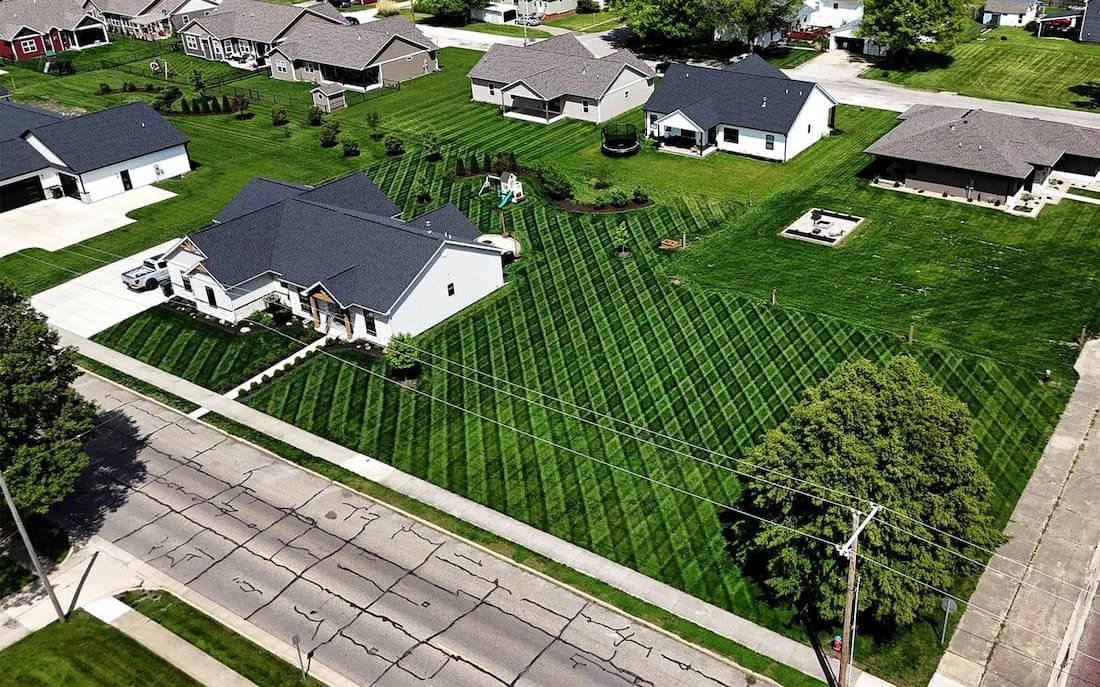
Cool Season vs Warm Season Lawn and Landscape Guide
Your lawn and your flower beds don't follow the same calendar — one runs on a cool-season engine, the other on a warm-season one, and using the wrong playbook on either can do real damage. This guide helps you figure out which system you actually have and how to care for it correctly, plus how the same cool/warm split applies to your ornamental beds.
Read Article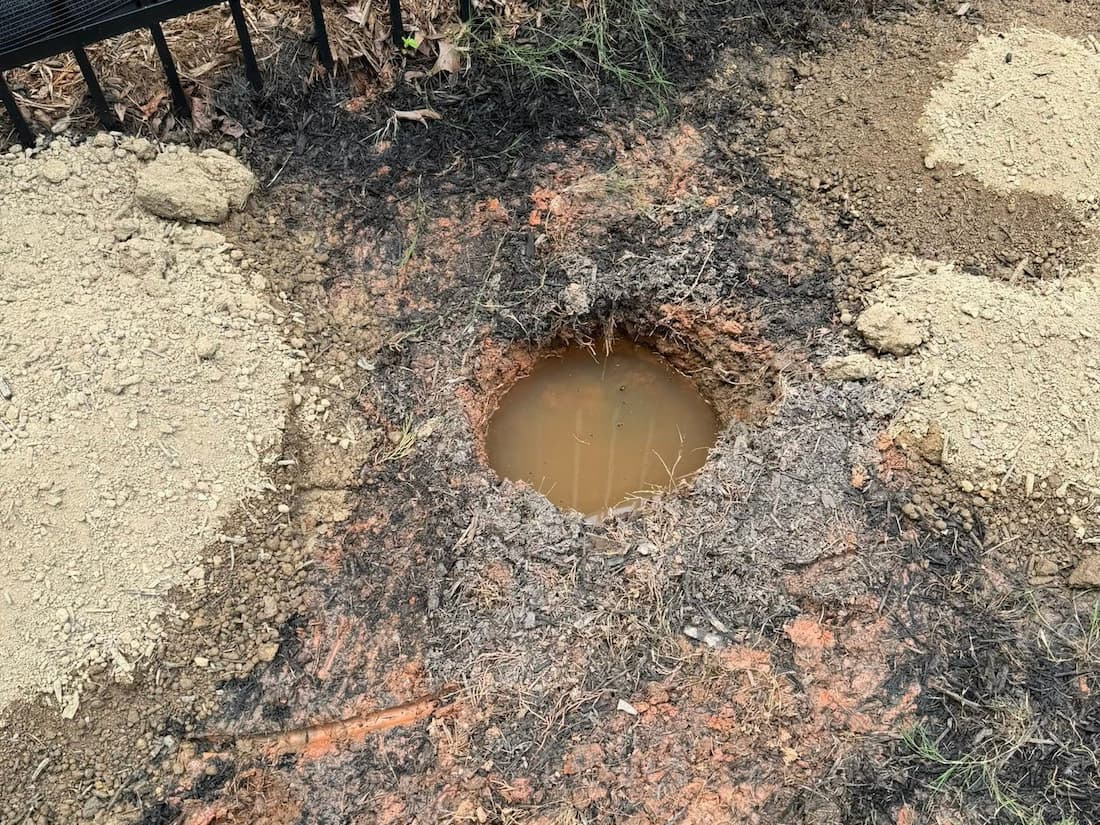
The Hole You Dug Is Killing Your New Plants
A shrub that looked fine all summer and stalled the next year usually didn't fail because of the plant, the weather, or the nursery. It failed because the hole it went into was a container — smooth-walled, water-holding, and impossible to root out of.
Read Article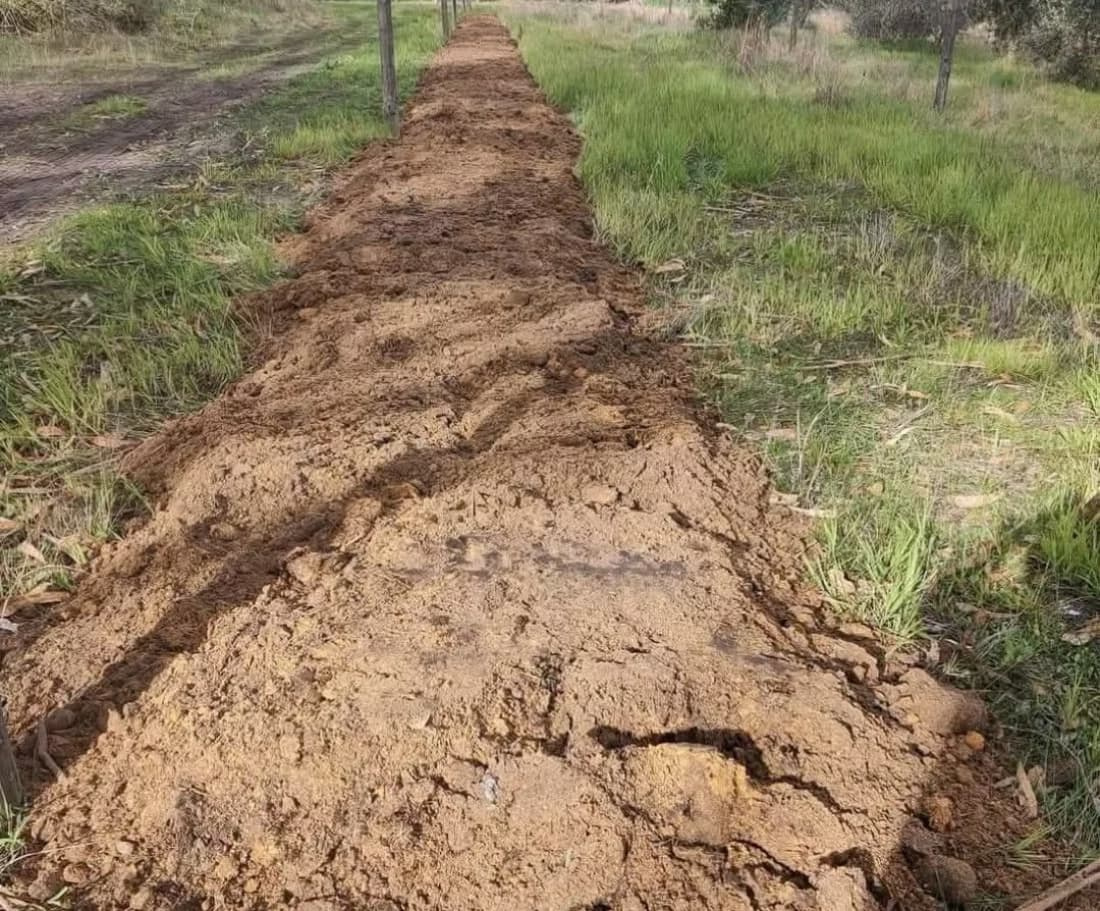
What You Can Actually Change About Bad Soil
Heavy clay and loose sand feel like permanent sentences, and half of that is true. What your soil is made of will not change. How those particles are arranged will — and that is the half that decides whether anything grows.
Read Article
Why Your Plants Survive Winter and Die in July
Your hardiness zone is built from one number — the coldest night of an average year. It says nothing about the hottest afternoon, which is what actually kills most plants people lose. Here's how to read the other half of the map.
Read Article
Why Poa Annua Keeps Coming Back — and the 3-Year Plan That Finally Ends the Cycle
You've pulled it. You've sprayed it. You've watched the little white seedheads mock you every single spring. And every fall, like clockwork, it's back — in the lawn, in the beds, in the cracks you didn't know you had. Here's the hard truth nobody at the big-box store will tell you: you're not losing because you're doing it wrong — you're losing because you're fighting the wrong enemy on the wrong timeline. Poa annua isn't a one-season problem, and once you understand why, the three-year plan below stops feeling like a chore and starts feeling like a countdown.
Read Article
How to Apply Herbicides Correctly in Your Lawn and Garden Beds
Getting real results from a weed product has almost nothing to do with the brand on the bottle and everything to do with matching the method to the moment — the right chemistry, in the right place, at the right time. Learn how to apply herbicides correctly across both your lawn and your garden beds, whether you’re stopping weeds before they sprout or killing the ones already growing, without wasting product or harming the plants you want to keep.
Read Article
How to Kill Weeds Where Two Lawns Meet Without Harming Your Neighbor’s Grass
Controlling weeds along a shared property line is where good intentions quietly backfire—the season that's safe for your own lawn is often the season the lawn next door is most easily harmed. Learn the seasonal timing collision behind most fence-line damage, and the two habits that prevent it—reading what's actually in the bottle and spraying directed instead of broadcast—so you can clear the weeds without hurting your grass, your neighbor's, or the peace between you.
Read Article
The Truth About One-and-Done Weed Control
Most homeowners lose the fight against weeds not because they work too little, but because they act before they understand. One-and-done weed control is real — but it only works when identification, timing, and the right tool all line up. This guide explains how that sequence works across your lawn and your ornamental beds, and how each weed page in the MFY hub puts it into practice for your specific invader.
Read Article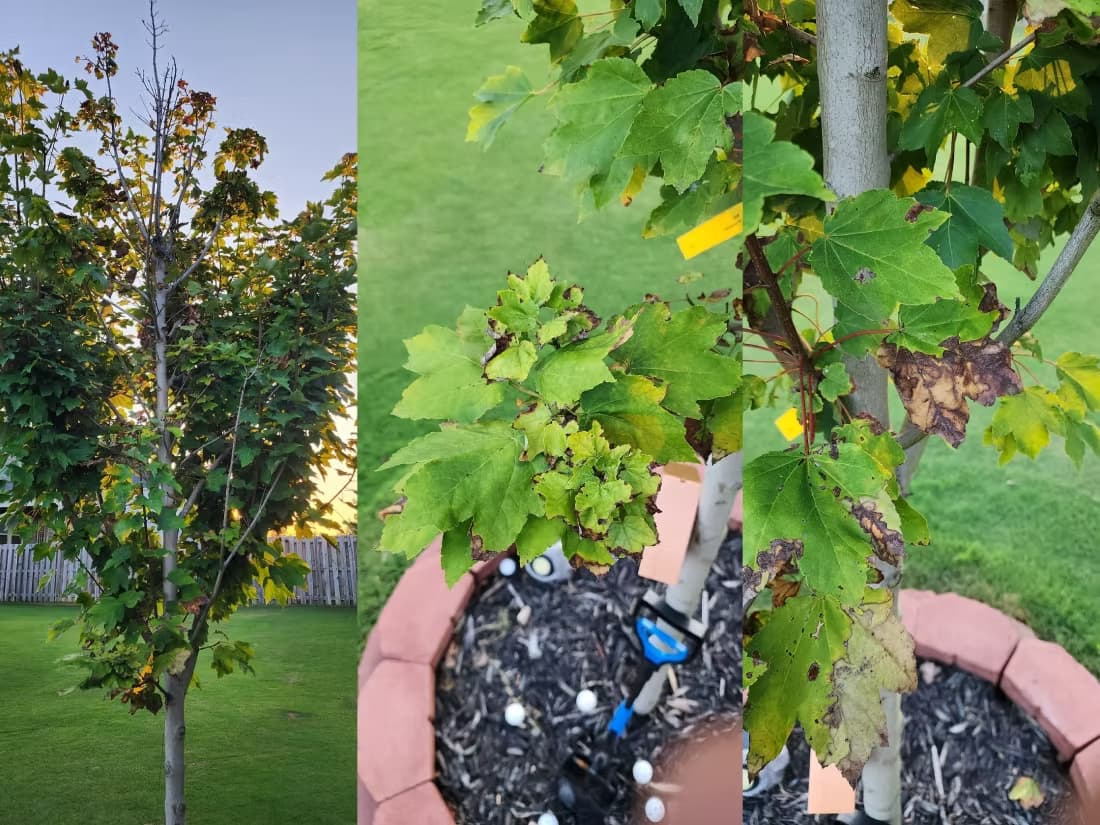
Solving the Mystery of the False Evidence in Your Lawn and Landscape
A brown leaf or a yellowing lawn is rarely what it seems. When symptoms act as decoys, a calm, forensic approach brings clarity to the confusion. Learn how to look past the surface to find the quiet truth of what your plants are truly asking for.
Read Article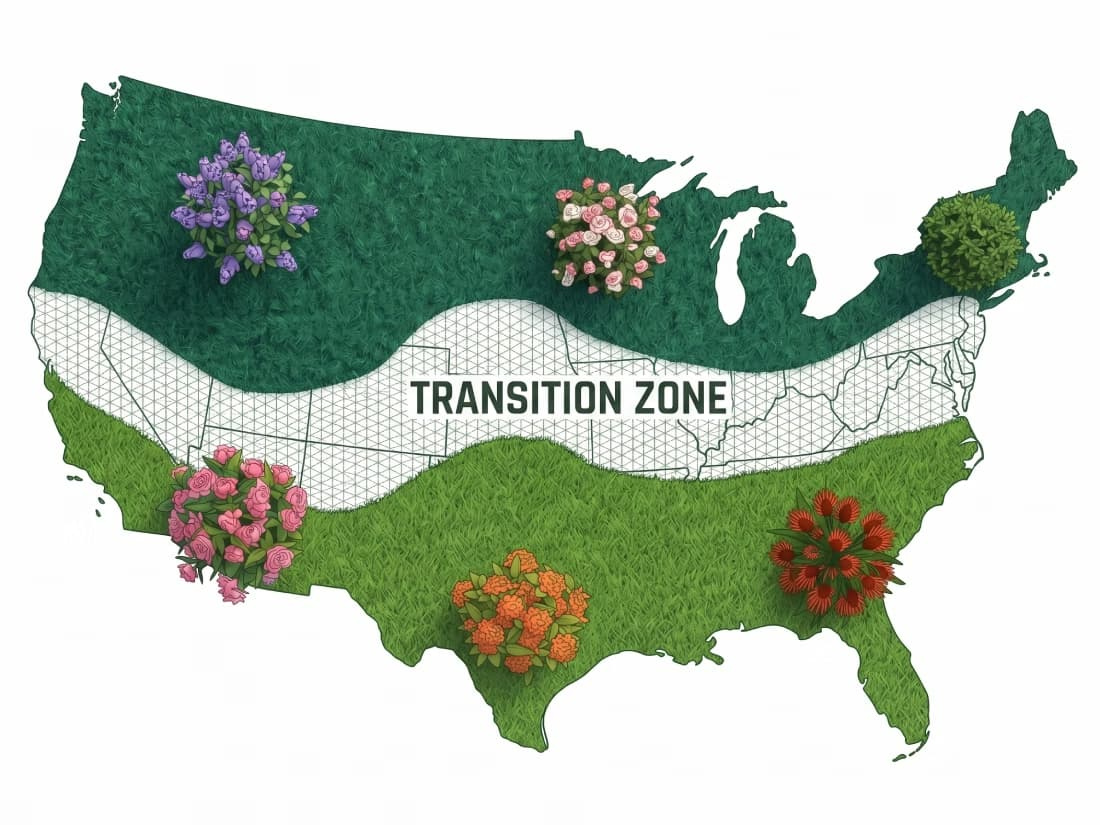
Living in the Middle: The Deep-Dive Guide to Transition Zone Lawns and Landscapes
The Transition Zone is a biological tug-of-war where neither northern nor southern species perfectly adapt. By using resilient "bridge" species and mastering maintenance levers like the Mowing Pivot, you can transform a struggling yard into a healthy landscape.
Read Article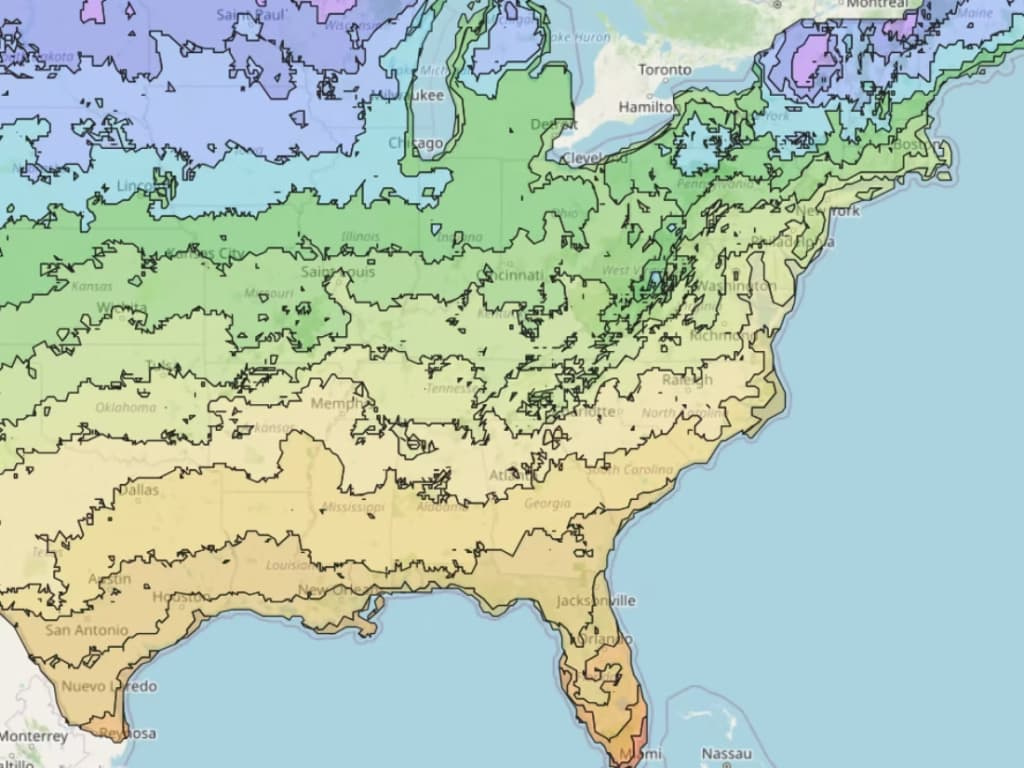
What Your Hardiness Zone Really Means for Your Lawn and Plants
Uncover the foundation of a resilient landscape by mastering the science of hardiness zones. Learn how these climate boundaries are calculated and why understanding your local temperature limits is the first step toward choosing plants that thrive year after year.
Read ArticleFrequently Asked Questions
The soil management strategies and forensic insights provided in these FAQs are based on research-backed data from leading agricultural universities and soil science institutions. We’ve replaced forum guesswork with proven facts to ensure your yard care is grounded in how your soil’s "hardware" actually works.
Yes, with the understanding that it needs attention. Loamy sand drains well, warms early, and never waterlogs, which rules out a whole category of problems. But it holds noticeably less water and fewer nutrients than a loam, so you will be irrigating every 2 to 3 days through summer and feeding in smaller, more frequent doses. Treat it as a soil that rewards a routine rather than one you can neglect and it performs well.
Between 0.50 and 0.75 pounds of actual nitrogen per 1,000 square feet per application, and choose a product with at least half its nitrogen in slow-release or controlled-release form. Going heavier does not feed the lawn for longer on this soil — the excess dissolves and moves below the root zone with the next rain. Splitting your annual total across four or five feedings gives you better color for the same amount of fertilizer.
Almost certainly a texture difference. Loamy sand holds 0.75 to 1.0 inch of plant-available water per foot of soil. A silt loam a few hundred feet away holds closer to double that. Same rainfall, same sprinkler, very different reserves. It is not something you can fix by watering longer — the extra water drains past the roots. The answer is watering more often with less each time, and building organic matter over the years.
No. Well-aerated sandy soils are ideal conditions for the microbes that decompose organic matter, and up to 40 percent of what you add can oxidize away in a single warm year. A one-time application improves things for two or three seasons and then fades. The practical approach is a quarter inch of compost topdressed every year, which holds your organic matter steady around 2 to 3.5 percent instead of letting it drift back down.
No. Gypsum has one real job, which is separating clay particles that have collapsed together because of excess sodium. Loamy sand is already loose and contains very little clay, so there is nothing for gypsum to loosen. Whatever you apply will wash straight through. If the soil feels tight, the cause is surface compaction from traffic, and core aeration plus compost is the fix.
Three things, in order of effect. Switch to slow-release or polymer-coated nitrogen so it releases over weeks instead of dissolving at once. Split your annual total into four to six small feedings rather than two heavy ones. And stop over-watering — anything past three quarters of an inch in a single cycle is pushing dissolved nitrogen below the roots. Building organic matter over several years raises the soil’s holding capacity underneath all three.
Scientific Authority
This profile is grounded in soil science and moisture dynamics. Every recommendation—from irrigation cycles to nutrient timing—is verified against agricultural research data and field trials from top university institutions. We focus on the unique physics of your soil’s "hardware" to ensure long-term plant health and yard sustainability.
Primary Resources
- USDA-NRCS — Soil Survey Manual, Chapter 3: Examination and Description of Soil Profiles
- USDA-NRCS — Inherent Factors Affecting Bulk Density and Available Water Capacity
- USDA-NRCS — Soil Health Guide: Soil Organic Matter
- USDA-NRCS — Soil Health Guide: Bulk Density
- USDA-NRCS — Illustrated Guide to Soil Taxonomy
- Nebraska Extension — Properties of Landscape Soils (EC1267)
- Colorado State University Extension — Soils, Fertilizers, and Soil Amendments (Colorado Master Gardener)
- North Dakota State University Extension — Soil, Water and Plant Characteristics Important to Irrigation
- Utah State University Extension — Utah Fertilizer Guide