
Feel: Gritty and sticky at once, ribbons but you still feel sand
Sandy Clay Loam
The most forgiving of the clay loams and the fastest to warm up
Sandy Clay Loam At-a-Glance
Drainage
Moderate
Nutrient Retention
High
Compaction Risk
Moderate
How to Recognize Sandy Clay Loam soil?
Sandy Clay Loam holds 20 to 35 percent clay, under 28 percent silt, and 45 percent or more sand. That combination is unusual — enough sand to feel it clearly, enough clay to behave like a clay soil.
Dry, it forms moderately hard clods that break under medium pressure. Wet, it manages two sensations at once: distinctly gritty from the sand, yet plastic and sticky enough to hold a shape. Most people notice the grit and assume they have sandy soil, which leads them to manage it wrong.
A moist ribbon runs 1 to 2 inches before breaking. Against Sandy Loam, that ribbon is the test — sandy loam breaks before an inch. Against Clay Loam, the test is grit: sandy clay loam feels sandy, clay loam feels balanced.
The "Hands-On" Test
Ribbon length puts you in the group. Grit tells you which member you have.
- Take a sample from 4 to 6 inches down and pick out roots and stones.
- Wet it slowly to putty consistency, damp rather than dripping.
- Push a ribbon out between thumb and forefinger. Sandy clay loam reaches 1 to 2 inches before breaking under its own weight. Anything shorter than an inch is a sandy loam or loam.
- Now the deciding test. Rub a wetted, pea-sized piece in your palm and pay attention to grit. Sandy clay loam feels clearly gritty. Clay loam feels balanced between gritty and smooth. Silty clay loam feels silky with no grit at all. All three ribbon the same, so this is what separates them.
- In a jar test, a thick sand layer drops within a minute and fills close to half the sediment, a thin silt band settles over two hours, and the clay stays suspended for one to three days.
Where You'll Find It
Sandy Clay Loam runs through the Lower Coastal Plain, the transition zones below the Piedmont, and ancient alluvial terraces across the Southeastern and South-Central states.
It forms in loamy and sandy marine sediments, in weathered saprolite where granite and gneiss have broken down in place, and in old river deposits. Look for it on broad flats, stream terraces, and gently sloping uplands — landscape positions stable enough to accumulate clay in the subsoil without losing the sand fraction.
Two representative series show the range. Boca is moderately deep and poorly drained, formed in loamy marine sediment over limestone bedrock in the South Florida flatwoods, where alkaline substrate drives most of the management. Ruston is deep and well drained on Coastal Plain uplands through Louisiana, Mississippi, Texas, and North Carolina, with the sandy clay loam sitting in the subsoil horizon.
Why Precision Matters: Beyond the Basics
Identifying your soil as "Clay" or "Sand" is a great start, but in the world of professional landscape management, the devil is in the details. Most yards are actually a blend of textures—the "in-betweens" like Silty Clay or Sandy Loam—and each one has a different "hardware spec" for how it handles water and nutrients. Guessing your texture often leads to over-watering or wasting fertilizer. To truly optimize your yard, you need a precise data point that moves beyond a simple hunch.
We’ve built a specialized tool to give you that clarity. It’s completely free (and always will be), requires no signup or email, and is designed so you can return to your results whenever you need to adjust your maintenance plan.
The MFY Soil Profile Builder
Our tool offers two distinct paths to help you identify your soil’s unique DNA. While a physical check is helpful for a quick ID, our integrated Jar Test methodology provides a deeper level of precision. By measuring your soil's layers, the tool handles all the complex math for you, delivering a professional-grade texture profile that ensures you are treating your yard exactly as its hardware requires.
Build Your ProfileWorking With & Improving Your Soil
This is the easiest of the three moderately fine textures to live with. The sand fraction keeps pore channels open, so it drains faster, warms earlier in spring, and gives you a wider window to work in than either clay loam or silty clay loam. What the sand does not do is protect the surface — that is where nearly every problem on this soil starts, and where the management below is aimed.
Water Dynamics
Water enters at 0.30 to 0.50 inches per hour, the fastest of the three moderately fine textures, and moves down through the sand channels at a moderate rate once it is in.
A foot of soil holds 2.2 to 2.8 inches of water in total, of which 1.4 to 2.0 inches is available to roots. The rest is locked in fine clay pores at tensions no root can overcome. That available figure is roughly half again what a sandy loam gives you.
Strategic Hydration
Moderate volume on a long interval, and watch the surface for runoff.
- Apply 0.75 to 1.0 inch per irrigation.
- Water every 5 to 7 days for cool-season grass, every 7 to 10 days for warm-season.
- If water starts running before you have applied the full amount, split it into two cycles 30 minutes apart. Surface crusting is what causes this, not the soil’s true intake rate.
- Do not let it go bone dry between waterings. The clay fraction shrinks and hardens as it dries, which physically restricts root expansion.
- Check with a screwdriver rather than by eye. Push it into the top 3 inches — easy entry means enough moisture, resistance means water.
Nutrient Behavior
Cation exchange capacity runs 10 to 20. The clay plates carry enough negative charge to bind calcium and magnesium tightly, with potassium and ammonium held in exchangeable positions that plants can draw on.
The exception is nitrate, which carries a negative charge itself and moves down through the sand channels during heavy rain. So you get good holding for most nutrients and a real leaching risk for nitrogen specifically — which shapes how you feed.
Precision Nutrition
Standard rates work. Slow-release matters more here than on the finer two, because of those sand channels.
- Apply 0.75 to 1.0 lb of actual nitrogen per 1,000 sq ft per feeding.
- Annual totals: 2 to 3 lb per 1,000 sq ft for cool-season lawns, 3 to 4 lb for warm-season.
- Choose products with 30 to 50 percent slow-release nitrogen so heavy rain cannot flush a whole application.
- Keep any single quick-release liquid feeding under 1.0 lb of nitrogen per 1,000 sq ft. Past that you exceed what the exchange sites can hold and the excess leaches.
- Where the soil sits over limestone or marl, expect iron chlorosis and correct it with foliar or chelated iron rather than more nitrogen.
Physical Characteristics
The defining weakness here is surface crusting. Raindrops shatter the surface aggregates and the freed clay particles wash into the spaces between sand grains, sealing the top layer while the soil below stays open and moist.
Wet, it is friable to moderately sticky. Dry, it forms a hard crust over damp subsoil. Ideal bulk density is under 1.40 grams per cubic centimeter, root growth suffers near 1.60, and roots stop around 1.75. Digging is easiest 48 to 72 hours after a soaking rain.
Physical Management
Annual coring, and a working window of roughly 3 to 5 days after rain — the widest in this group.
- Core aerate once a year with 1/2 inch hollow tines penetrating 2.5 to 3 inches. Early fall for cool-season lawns, late spring for warm-season.
- Leave the cores on the surface. They break down within one to two weeks under rain and mowing, returning soil microbes and topdressing the lawn for free.
- Topdress 1/4 inch of screened compost after coring, about 0.8 cubic yards per 1,000 sq ft.
- Use the squeeze test before working the soil: a ball that crumbles under light thumb pressure is ready, one that smears is too wet.
- Keep heavy equipment off when the soil is wet, even though this texture forgives more than the other two.
Improving Your Soil Over Time
You cannot change the texture. Adding enough sand to move Sandy Clay Loam into a coarser class would mean replacing more than 80 percent of the root zone volume, and adding a little does the opposite of what you want — the clay fills the gaps between the new grains and the mix sets harder than what you started with.
What you are managing is crusting resistance, which comes down to organic matter and surface cover. Microbes oxidize 18 to 22 percent of what you add each year here, faster than the finer two because the sand keeps the soil well aerated.
- Topdress 1/4 inch of compost annually after core aeration, about 0.8 cubic yards per 1,000 sq ft.
- Mulch beds 2 to 3 inches deep. Surface cover stops the raindrop impact that starts the crust.
- Leave clippings on the lawn every mow.
- Skip gypsum unless a soil test confirms sodic conditions. On ordinary soil it does nothing.
- Never add sand. This is the single most damaging thing you can do to this texture.
The Strengths & Challenges of Sandy Clay Loam
Natural Advantages:
Warms up faster in spring than clay loam or silty clay loam, which brings forward root growth and green-up.
Holds nutrients well at a cation exchange capacity of 10 to 20, so ordinary feeding rates work without heavy leaching.
Drains internally faster than any other moderately fine texture, giving roots reliable oxygen after heavy rain.
Offers the widest working window of the three, roughly 3 to 5 days after rain before the soil dries too hard.
Potential Hurdles:
Crusts badly after heavy rain, as clay washes into the gaps between sand grains and seals the surface.
Holds less plant-available water than silty clay loam, so irrigation intervals are shorter than the clay content suggests.
Organic matter burns off relatively fast because the sand fraction keeps the soil well aerated year-round.
Sheds water into dry spots when crusted, so parts of the lawn stay thirsty however long you run the sprinkler.
Texture Compatibility & Relationships
Plants That Love This Texture
Sandy Clay Loam suits plants that want reliable subsoil moisture without sitting wet, and that can handle a surface which crusts and dries hard between rains. Southeastern natives and Coastal Plain species are the natural fit, since this is the soil many of them evolved on.
Trees
- Live Oak — deep spreading roots that exploit the clay subsoil’s moisture reserve, and complete indifference to a hard surface.
- Southern Magnolia — a Coastal Plain native well matched to soil that holds water in the subsoil while draining at the top.
- Crape Myrtle — tolerates the wet-to-hard swing this soil goes through and flowers better where drainage is good.
Shrubs and perennials
- Wax Myrtle — handles both the poorly drained flatwoods phases and the well-drained uplands, which is unusual range for one shrub.
- Yaupon Holly — untroubled by surface crusting and by the alkaline phases over limestone.
- Muhly Grass and other native bunch grasses — deep fibrous roots that penetrate the clay and hold the surface together.
- Coneflower and Black-Eyed Susan — prairie perennials that root deeply enough to reach past a crusted surface.
Grasses That Love This Texture
The grasses that do best here root aggressively enough to push through the clay fraction and dense enough to protect the surface from crusting. Those two traits matter more than drought tolerance on this soil.
- Bermudagrass — the strongest warm-season choice. Its rhizomes drive through the mixed sand and clay matrix rather than being stopped by it, and the dense canopy shields the surface from raindrop impact.
- Zoysiagrass — similar rooting strength with an even denser mat, which makes it the better pick where the lawn takes real foot traffic.
- Tall Fescue — the transition-zone answer. Deep roots reach the full moisture reserve the clay fraction holds, giving it the best drought performance available on this soil.
- St. Augustinegrass — reliable in warm humid areas, particularly on the poorly drained flatwoods phases where its saturation tolerance is an asset.
Establishing full cover quickly matters more than usual here. Bare patches crust over, and crusted patches shed the water that would help them recover.
Plants That Struggle In This Texture
Two groups struggle here, and for opposite reasons. Fine-rooted acid-lovers cannot get through a crusted surface, and dryland plants cannot cope with a clay subsoil that holds water after heavy rain.
- Azalea and Rhododendron — their fine surface root mats cannot penetrate a crusted topsoil, so they sit in a shallow layer and dry out. Compounded where the soil is alkaline, since both need acidic conditions.
- Japanese Maple — thin fine roots and a low tolerance for the wet-then-hard cycle this soil runs through.
- Lavender and Russian Sage — the clay fraction holds enough winter moisture to rot them, despite the sand content suggesting otherwise.
- Blueberry and other acid-demanding shrubs — usually defeated by pH rather than texture where this soil overlies limestone or marl.
All of these can work in raised beds with heavy compost amendment. In native soil at grade, expect losses over a wet winter.
Grasses That Struggle In This Texture
Few grasses outright fail on this texture. The one clear mismatch and two conditional ones are worth knowing about.
- Fine Fescues — the genuine mismatch. Surface crusting holds water against the crown, and fine fescues have the least tolerance for wet crowns of any common cool-season grass. Crown rot follows. They work on a well-drained slope and fail in flat ground.
- Centipedegrass where the soil is alkaline — its problem is pH, not particle size. It needs acidic soil below pH 6.0, and the phases of this texture that sit over limestone or marl run far higher. On acidic sandy clay loam within its Southeastern range it does fine.
- Kentucky Bluegrass in the South — a climate limit rather than a soil one. It performs well on this texture in its northern range and thins out in Southern heat regardless of what it is growing in.
If a lawn is thinning here, check for surface crusting before you consider changing species. It is the more common cause by a distance.
Related Problems In This Texture
Almost every problem on this texture starts at the surface, not in the profile:
- Compacted Soil and surface crusting — the dominant issue. Raindrops break the surface aggregates and the freed clay seals the gaps between sand grains, forming a crust that blocks both air and water while the soil below stays perfectly workable.
- Hydrophobic Soil behaviour in patches — once crusted, the surface sheds water sideways and produces localized dry spots that stay dry no matter how long the sprinkler runs.
- Alkaline Soil and iron chlorosis — where this texture overlies marl or limestone, particularly in South Florida, high pH locks up iron and manganese and new growth comes out yellow between green veins.
Waterlogging is uncommon except on the poorly drained flatwoods phases. If you have standing water on a well-drained phase, the crust is what is holding it there.
Deep Dives & Practical Guides
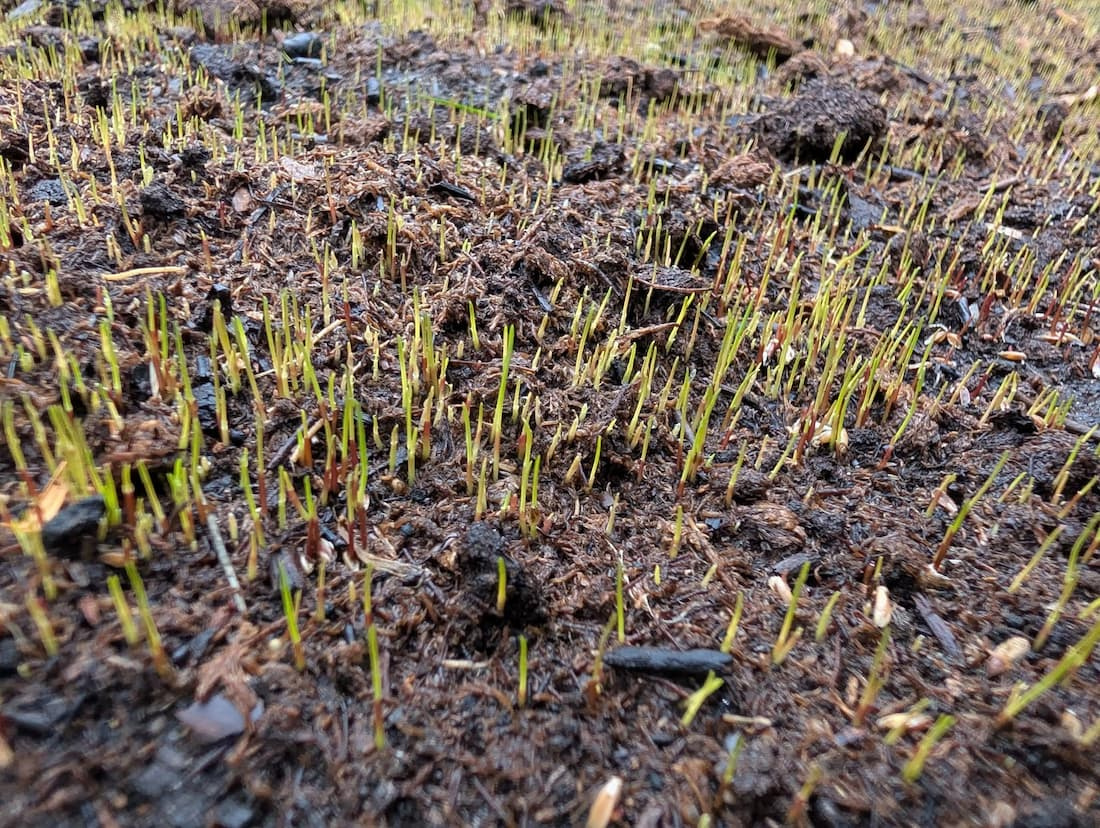
How to Establish a New Lawn From Bare Soil to First Mow
Bare soil doesn't turn into a lawn just because you scattered seed or rolled out sod — it becomes one based on a handful of specific steps done in the right order, matched to your specific grass. This guide walks through soil prep, seeding or planting method, starter fertilizer, watering as the grass grows, and knowing when it's actually safe to mow, for both cool-season and warm-season lawns.
Read Article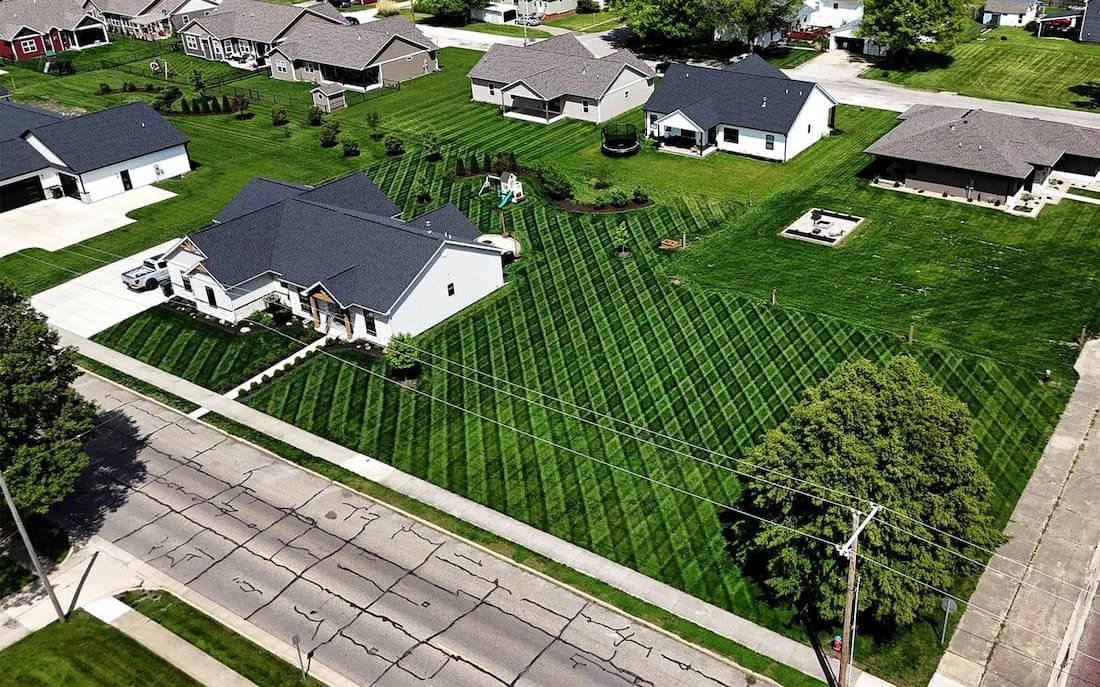
Cool Season vs Warm Season Lawn and Landscape Guide
Your lawn and your flower beds don't follow the same calendar — one runs on a cool-season engine, the other on a warm-season one, and using the wrong playbook on either can do real damage. This guide helps you figure out which system you actually have and how to care for it correctly, plus how the same cool/warm split applies to your ornamental beds.
Read Article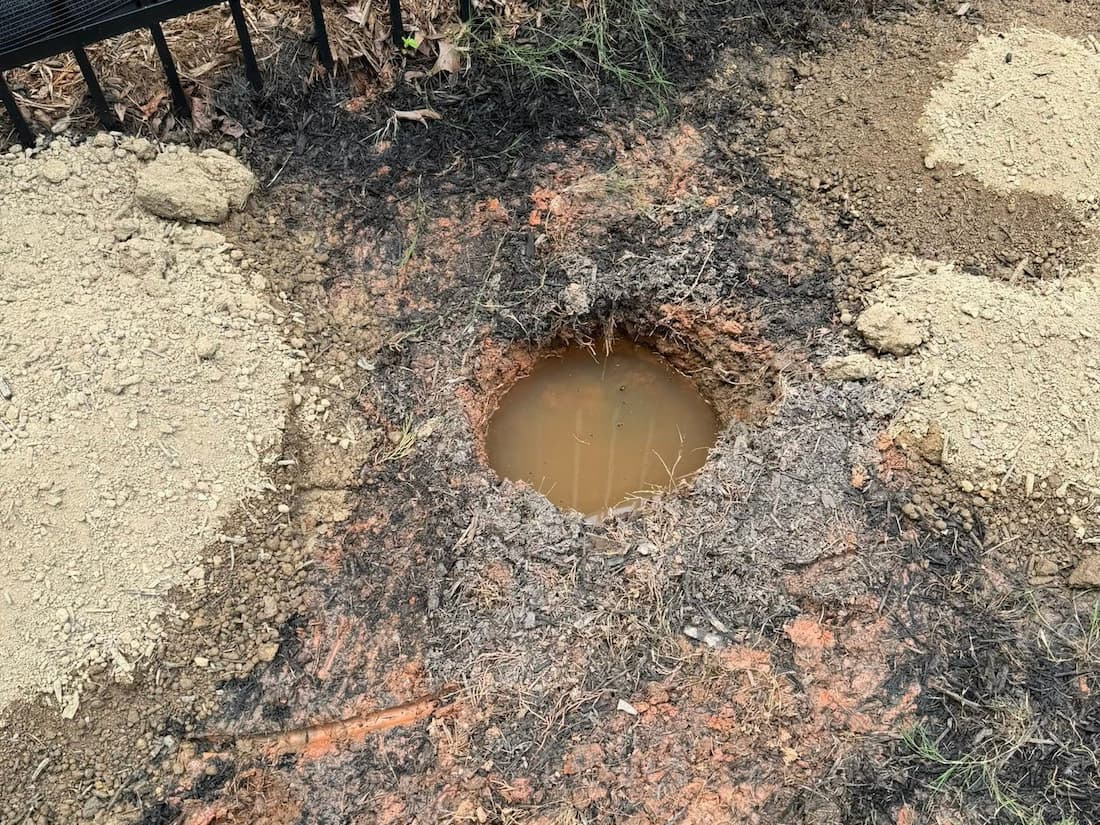
The Hole You Dug Is Killing Your New Plants
A shrub that looked fine all summer and stalled the next year usually didn't fail because of the plant, the weather, or the nursery. It failed because the hole it went into was a container — smooth-walled, water-holding, and impossible to root out of.
Read Article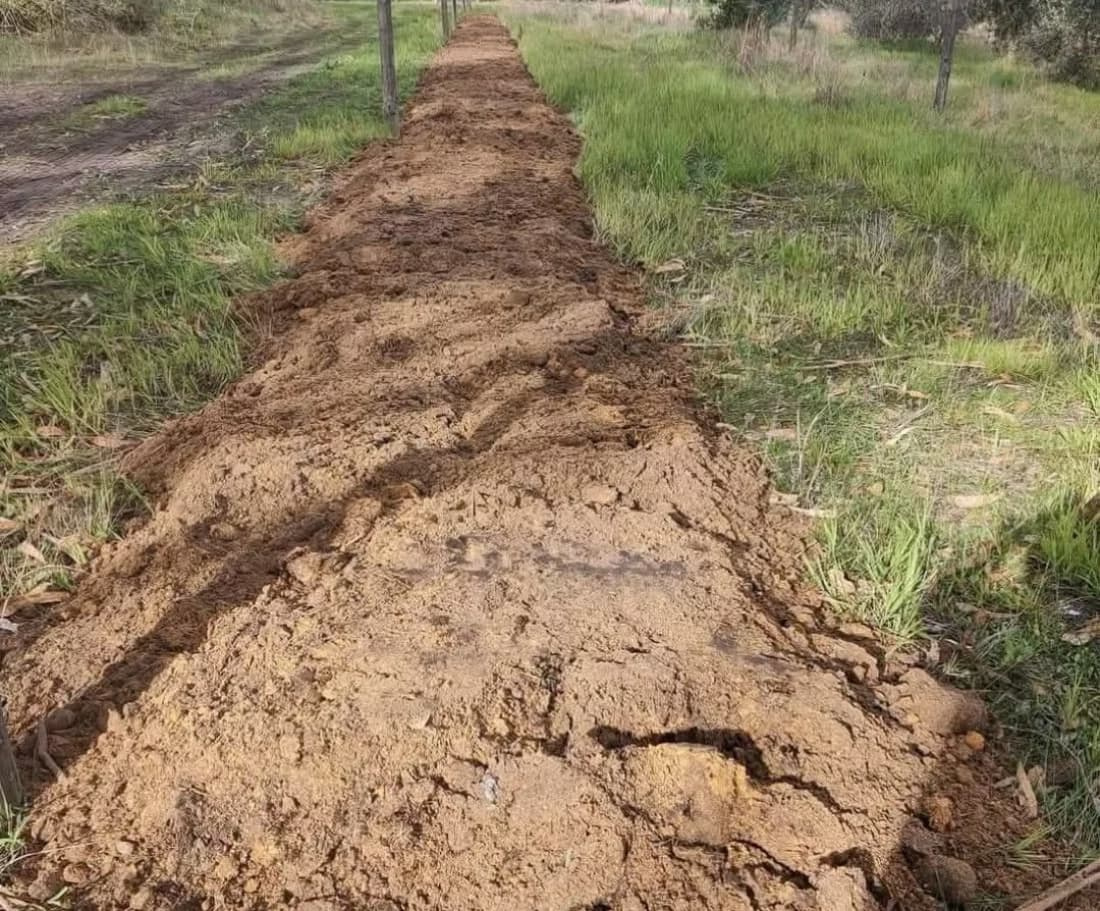
What You Can Actually Change About Bad Soil
Heavy clay and loose sand feel like permanent sentences, and half of that is true. What your soil is made of will not change. How those particles are arranged will — and that is the half that decides whether anything grows.
Read Article
Why Your Plants Survive Winter and Die in July
Your hardiness zone is built from one number — the coldest night of an average year. It says nothing about the hottest afternoon, which is what actually kills most plants people lose. Here's how to read the other half of the map.
Read Article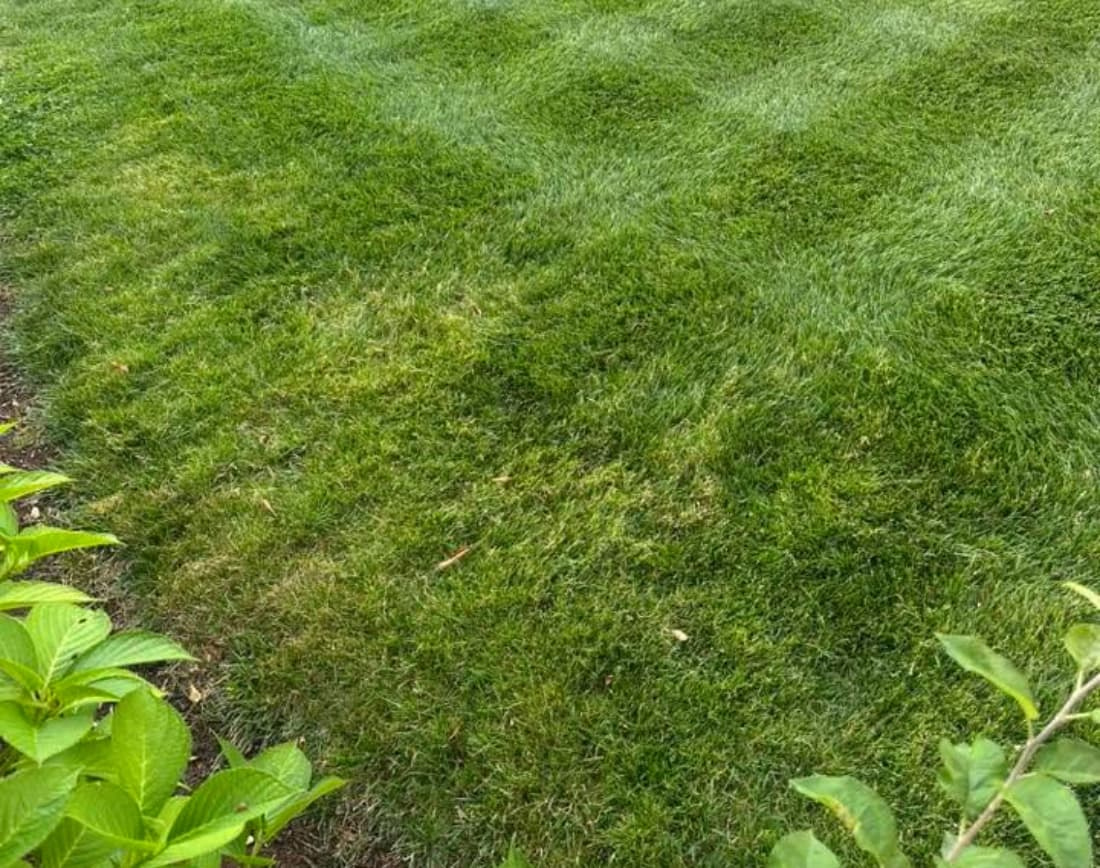
Why Poa Annua Keeps Coming Back — and the 3-Year Plan That Finally Ends the Cycle
You've pulled it. You've sprayed it. You've watched the little white seedheads mock you every single spring. And every fall, like clockwork, it's back — in the lawn, in the beds, in the cracks you didn't know you had. Here's the hard truth nobody at the big-box store will tell you: you're not losing because you're doing it wrong — you're losing because you're fighting the wrong enemy on the wrong timeline. Poa annua isn't a one-season problem, and once you understand why, the three-year plan below stops feeling like a chore and starts feeling like a countdown.
Read Article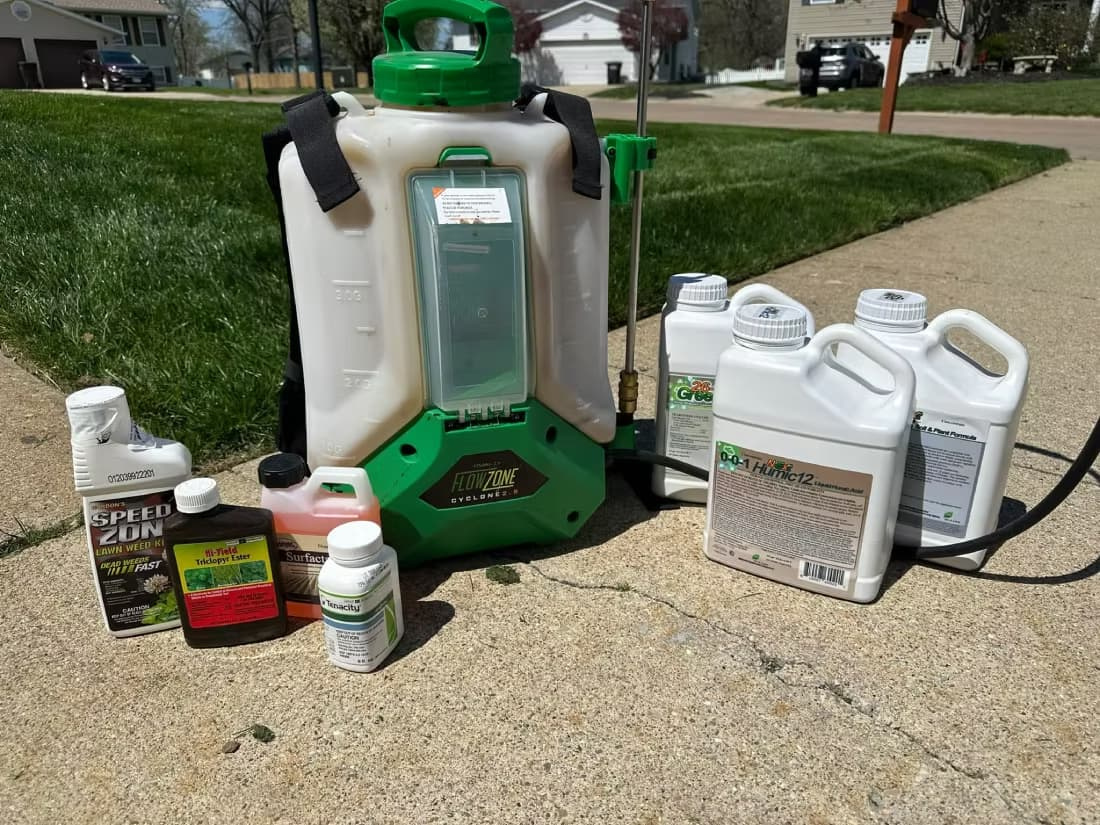
How to Apply Herbicides Correctly in Your Lawn and Garden Beds
Getting real results from a weed product has almost nothing to do with the brand on the bottle and everything to do with matching the method to the moment — the right chemistry, in the right place, at the right time. Learn how to apply herbicides correctly across both your lawn and your garden beds, whether you’re stopping weeds before they sprout or killing the ones already growing, without wasting product or harming the plants you want to keep.
Read Article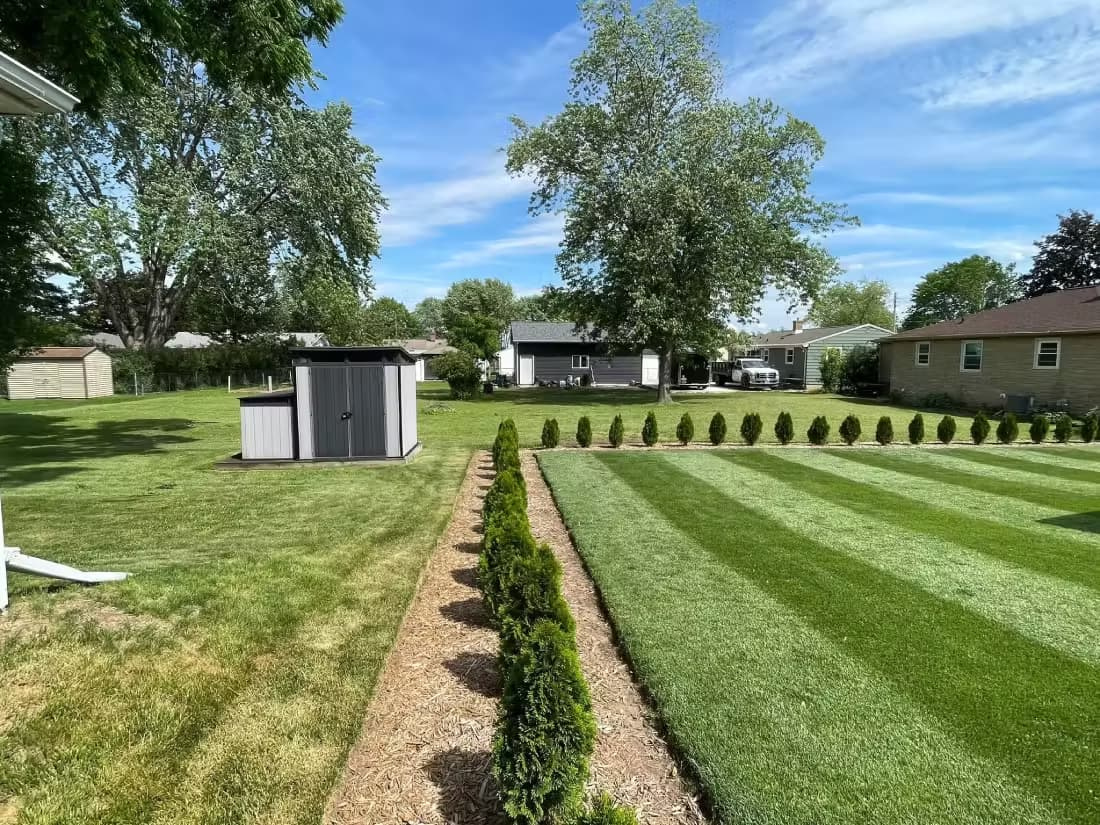
How to Kill Weeds Where Two Lawns Meet Without Harming Your Neighbor’s Grass
Controlling weeds along a shared property line is where good intentions quietly backfire—the season that's safe for your own lawn is often the season the lawn next door is most easily harmed. Learn the seasonal timing collision behind most fence-line damage, and the two habits that prevent it—reading what's actually in the bottle and spraying directed instead of broadcast—so you can clear the weeds without hurting your grass, your neighbor's, or the peace between you.
Read Article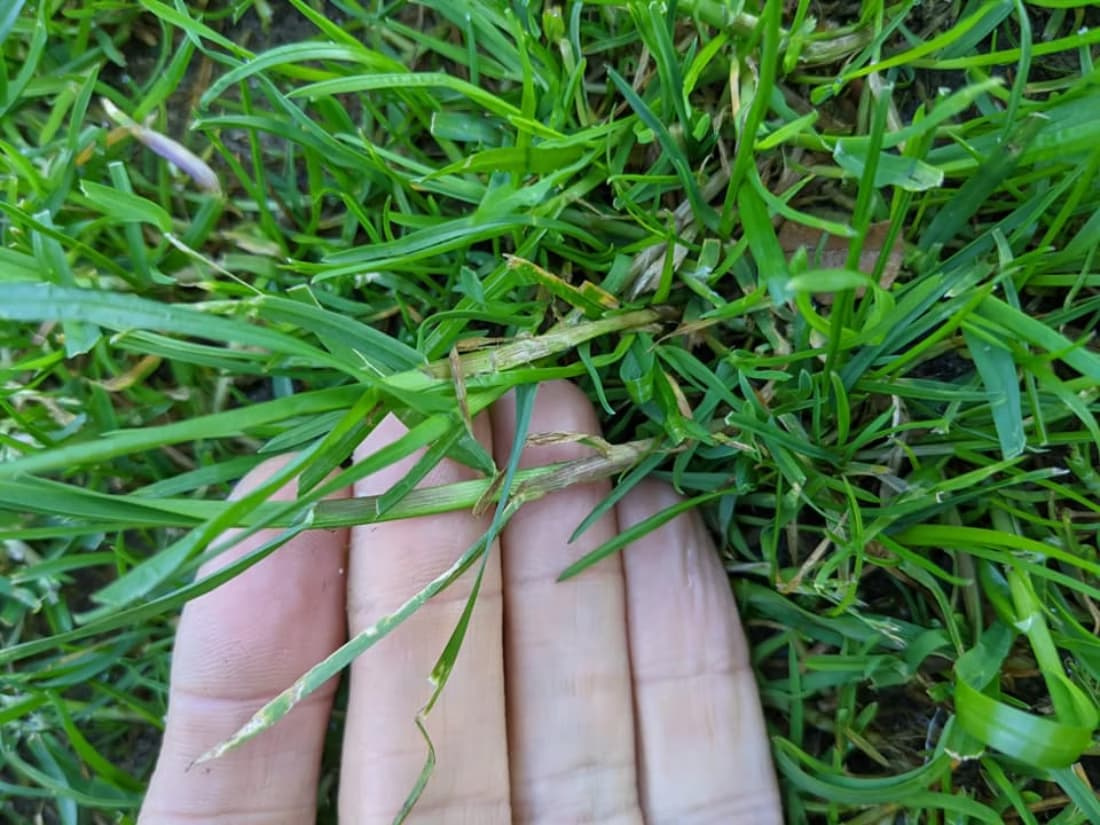
The Truth About One-and-Done Weed Control
Most homeowners lose the fight against weeds not because they work too little, but because they act before they understand. One-and-done weed control is real — but it only works when identification, timing, and the right tool all line up. This guide explains how that sequence works across your lawn and your ornamental beds, and how each weed page in the MFY hub puts it into practice for your specific invader.
Read Article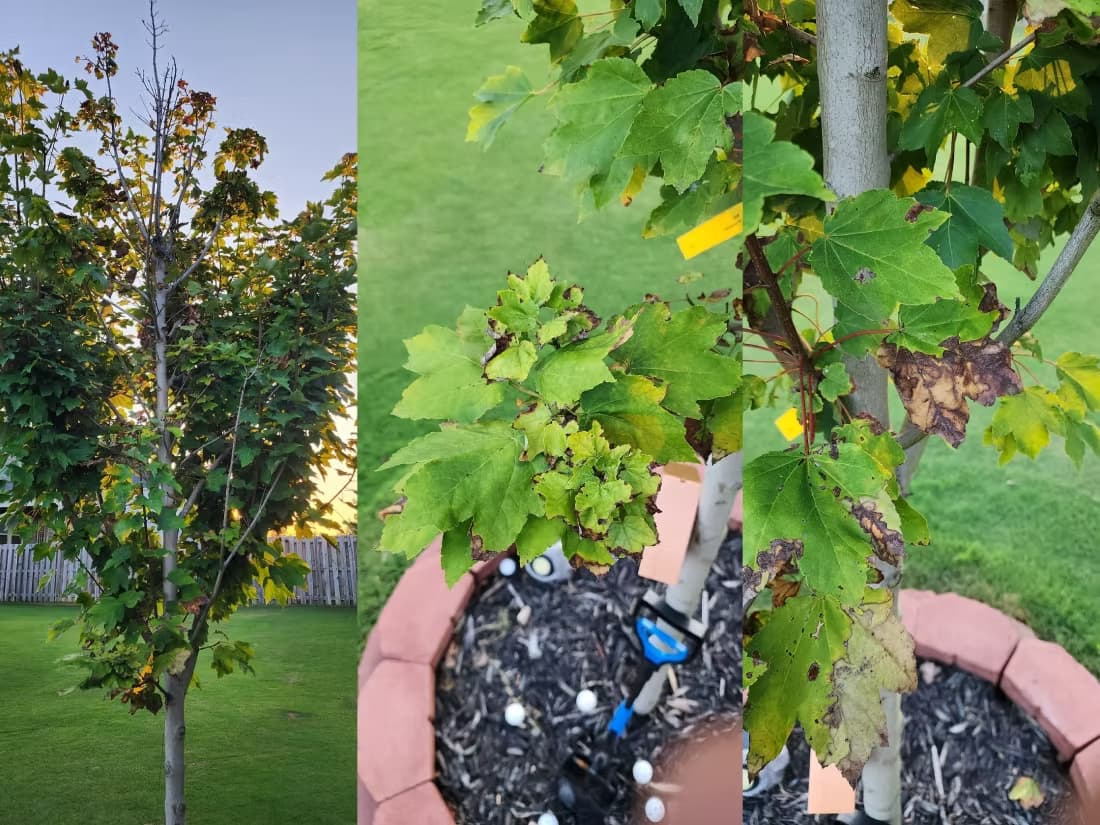
Solving the Mystery of the False Evidence in Your Lawn and Landscape
A brown leaf or a yellowing lawn is rarely what it seems. When symptoms act as decoys, a calm, forensic approach brings clarity to the confusion. Learn how to look past the surface to find the quiet truth of what your plants are truly asking for.
Read Article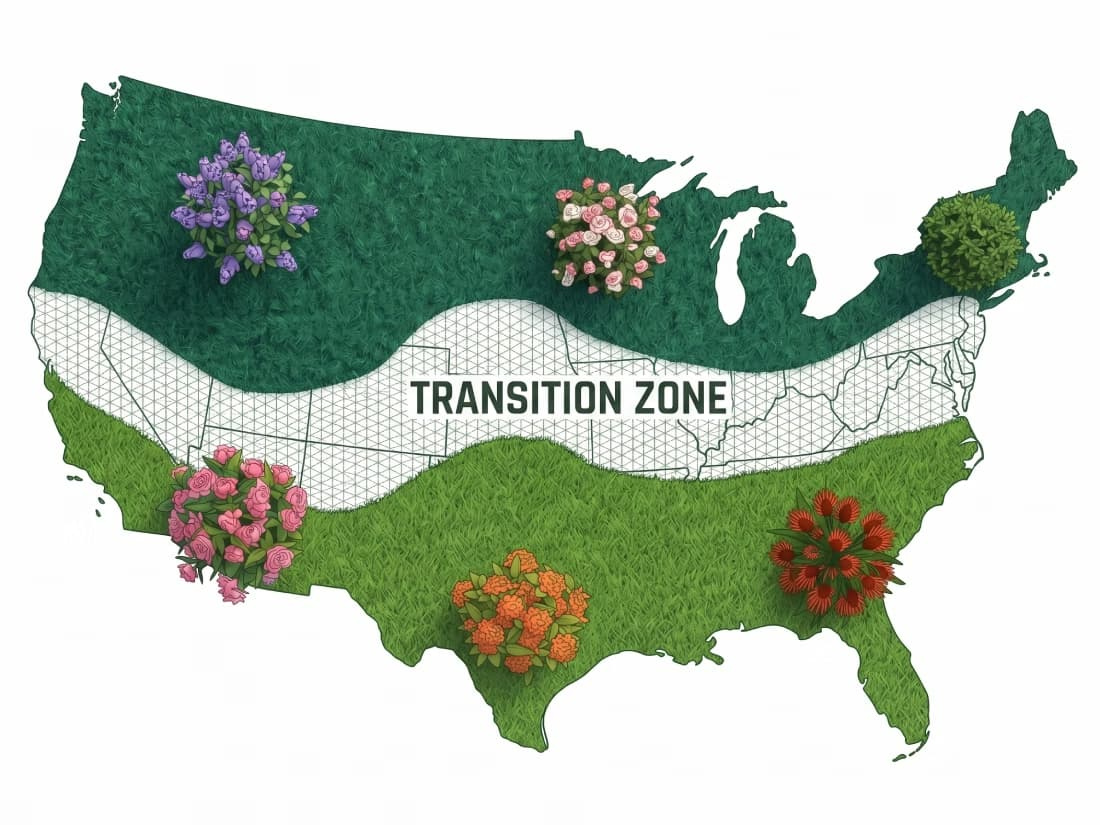
Living in the Middle: The Deep-Dive Guide to Transition Zone Lawns and Landscapes
The Transition Zone is a biological tug-of-war where neither northern nor southern species perfectly adapt. By using resilient "bridge" species and mastering maintenance levers like the Mowing Pivot, you can transform a struggling yard into a healthy landscape.
Read Article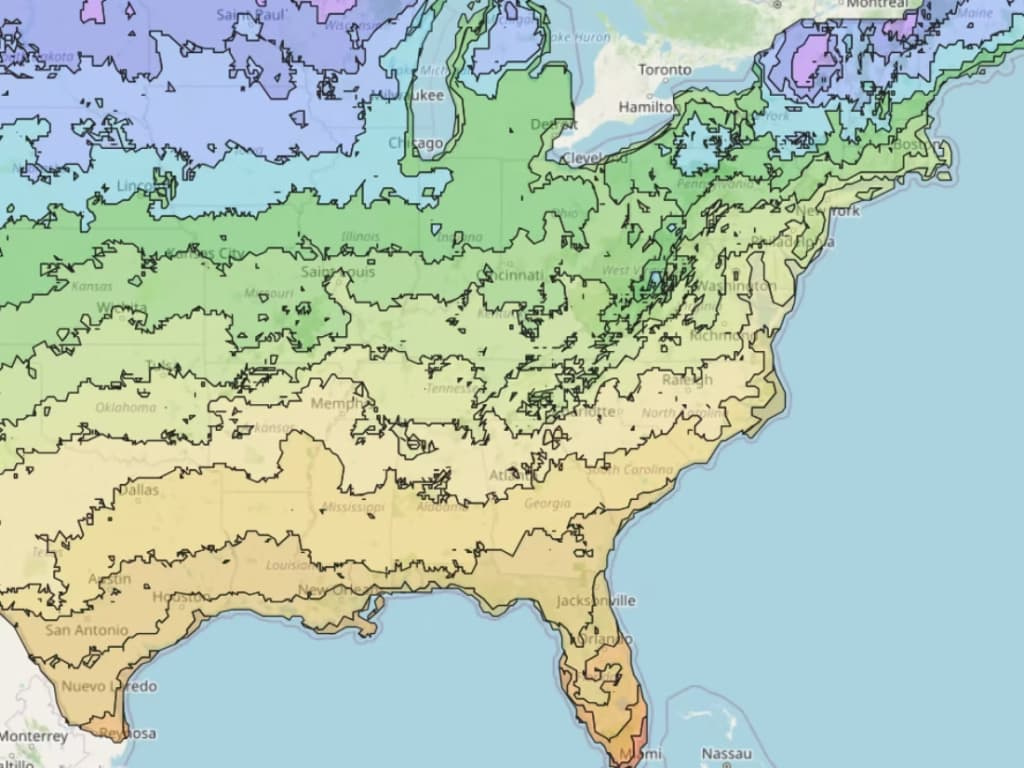
What Your Hardiness Zone Really Means for Your Lawn and Plants
Uncover the foundation of a resilient landscape by mastering the science of hardiness zones. Learn how these climate boundaries are calculated and why understanding your local temperature limits is the first step toward choosing plants that thrive year after year.
Read ArticleFrequently Asked Questions
The soil management strategies and forensic insights provided in these FAQs are based on research-backed data from leading agricultural universities and soil science institutions. We’ve replaced forum guesswork with proven facts to ensure your yard care is grounded in how your soil’s "hardware" actually works.
No — that is the one thing guaranteed to make it worse. Your soil already contains 45 percent or more sand. Adding a bit more does not create the loose sandy matrix you are imagining; the clay simply fills the gaps between the new grains and the whole thing sets harder, on the same principle that makes concrete work. To get any benefit you would need to replace over 80 percent of the root zone. Core aerate and topdress with compost instead.
Because the problem is at the surface, not in the profile. Raindrop impact shatters the surface aggregates, and the freed clay particles wash down into the spaces between the sand grains and seal them. That thin crust is nearly waterproof even though the soil underneath drains fine. Core aeration breaks it up, and mulch or dense turf prevents it forming by absorbing the raindrop impact before it reaches bare soil.
Two signs and one test. Watch for footprinting, where the grass blades stay flat after you walk across instead of springing back, and for a dull blue-grey cast replacing normal green. Both mean the turf is already under stress. The test is better: push a long screwdriver into the top 3 inches. If it goes in easily there is enough moisture. If it resists, water. This soil holds moisture below the surface, so the top can look dry when it is not.
Not if it sits over limestone or marl, which much of this texture does in Florida and along the Coastal Plain. Where the soil contains free lime, neutralizing just 2 percent of it in the top 6 inches takes over 6.5 tons of elemental sulfur per acre — about 300 pounds per 1,000 square feet. That much sulfur burns the turf and still will not hold, because the limestone underneath keeps resupplying carbonate. Choose alkaline-tolerant plants instead.
Leave them. The cores break down within one to two weeks under normal rain and mowing, and while they do they act as a free topdressing — returning soil microbes to the surface and helping decompose thatch. Raking them off removes both the soil and the benefit. If the appearance bothers you, run a mower over them once they have dried for a couple of days and they will disappear into the turf.
Good, and better than its name suggests. It holds roughly 1.4 to 2.0 inches of plant-available water per foot and a cation exchange capacity of 10 to 20, which means it feeds and waters plants far more reliably than any sandy soil. It also drains and warms faster than the heavier clay loams. Its one real weakness is surface crusting, and that is solved by keeping the soil covered and aerating once a year.
Scientific Authority
This profile is grounded in soil science and moisture dynamics. Every recommendation—from irrigation cycles to nutrient timing—is verified against agricultural research data and field trials from top university institutions. We focus on the unique physics of your soil’s "hardware" to ensure long-term plant health and yard sustainability.
Primary Resources
- USDA-NRCS — Soil Survey Manual, Chapter 3: Examination and Description of Soil Profiles
- USDA-NRCS — Estimating Soil Moisture by Feel and Appearance
- USDA-NRCS — Inherent Factors Affecting Bulk Density and Available Water Capacity
- USDA-NRCS — Soil Health Guide: Soil Organic Matter
- USDA-NRCS — Illustrated Guide to Soil Taxonomy
- Nebraska Extension — Agricultural Water Management and Related Terminology (EC2009)
- Montana State University Extension — Irrigation Water Management: When and How Much to Irrigate
- Colorado State University Extension — Soils, Fertilizers, and Soil Amendments (Colorado Master Gardener)
- University of Idaho Extension — Acidifying Soil for Crop Production