
Feel: Loose and gritty, falls apart the moment you open your hand
Sand
The fastest draining soil there is and the hardest to keep fed
Sand At-a-Glance
Drainage
Very Fast
Nutrient Retention
Very Low
Compaction Risk
Low
How to Recognize Sand soil?
Sand is the coarsest texture in the USDA system: 85 percent or more sand particles, with silt and clay together adding up to 15 percent or less. Those grains run from 0.05 to 2.0 millimeters across, big enough to see and feel one at a time.
Dry sand behaves like sand at a beach. It sits loose and single-grained and pours through your fingers without clumping. Squeeze a moist handful and you get a ball that collapses the second you release pressure. That collapse is the whole test. Every other texture holds together to some degree, because silt and clay act as glue between the bigger grains. Sand has almost none of either.
The class you are most likely to confuse it with is Loamy Sand. Both feel gritty, both drain fast. The difference is cohesion: loamy sand holds a fragile ball you can handle gently, while sand will not hold anything at all.
The "Hands-On" Test
Ten minutes and a jar will settle it.
- Dig a sample from 4 to 6 inches down, not from the surface. Pick out roots and stones.
- Wet it slowly until it has the consistency of putty. Damp, not dripping.
- Squeeze it into a ball, then open your hand. Sand collapses immediately. If it holds its shape at all, you have something finer.
- Try to push a ribbon out between your thumb and forefinger. Sand produces nothing. Zero inches of ribbon.
- Rub a wet pinch between your fingers. Sand feels sharply gritty, with no smoothness and no stickiness at all.
- To confirm, shake soil and water together in a straight-sided jar and set it down. In sand, 90 to 100 percent of the material drops out within a minute and the water above goes clear. Water that stays cloudy means clay is present, which means you have a different texture.
Where You'll Find It
Sand topsoils turn up in four settings across the country: coastal marine deposits, glacial outwash plains, wind-built dune fields, and river corridors.
The largest areas run along the Atlantic and Gulf Coastal Plains, including the Peninsular Florida ridge, the Carolina Sandhills, and coastal Texas. In the Upper Midwest, sand dominates glacial outwash across central Wisconsin, Michigan’s Lower Peninsula, and east-central Minnesota. Inland dune systems cover the Nebraska Sandhills and stretch through New Mexico, Arizona, and California.
The parent material is nearly always quartz-rich sediment weathered out of granite or sandstone, then moved by water or wind. That is why sand ends up on dune ridges, beach ridges, outwash plains, and stream terraces — places where moving water or air dropped the heavy grains and carried the fine material somewhere else. Common soil series include Lakeland in the Southeast, Sparta in the Upper Midwest, and Kershaw in the Carolinas.
Why Precision Matters: Beyond the Basics
Identifying your soil as "Clay" or "Sand" is a great start, but in the world of professional landscape management, the devil is in the details. Most yards are actually a blend of textures—the "in-betweens" like Silty Clay or Sandy Loam—and each one has a different "hardware spec" for how it handles water and nutrients. Guessing your texture often leads to over-watering or wasting fertilizer. To truly optimize your yard, you need a precise data point that moves beyond a simple hunch.
We’ve built a specialized tool to give you that clarity. It’s completely free (and always will be), requires no signup or email, and is designed so you can return to your results whenever you need to adjust your maintenance plan.
The MFY Soil Profile Builder
Our tool offers two distinct paths to help you identify your soil’s unique DNA. While a physical check is helpful for a quick ID, our integrated Jar Test methodology provides a deeper level of precision. By measuring your soil's layers, the tool handles all the complex math for you, delivering a professional-grade texture profile that ensures you are treating your yard exactly as its hardware requires.
Build Your ProfileWorking With & Improving Your Soil
One property drives every decision you make on sand: it cannot hold on to anything. Water moves through it, and dissolved nutrients go with the water. That single fact explains why your lawn wilts three days after rain, why fertilizer seems to quit working after two weeks, and why last spring’s compost appears to have vanished. Nothing is broken. This is what a pile of quartz grains does.
Water Dynamics
Sand takes water in at 2 to 6 inches per hour, so it almost never puddles. The problem is what happens next. Sand is built almost entirely from large pores, and large pores have no capillary grip, so gravity pulls water straight through within 2 to 12 hours.
A foot of sand holds only about 0.5 to 0.8 inches of water in total, and roots can reach just 0.25 to 0.75 inches of that. The rest either drains away or clings to the grains too tightly to be useful.
Strategic Hydration
Short and often beats long and deep here, which is the opposite of standard lawn advice.
- Apply 0.35 to 0.50 inches per cycle, every 1 to 2 days in peak summer heat.
- Wet only the active root zone, roughly the top 6 inches for turf.
- Never put down a full inch at once. Sand cannot hold it, and the excess carries your fertilizer past the roots on its way down.
- Do not stretch past 48 hours in hot weather. Sand goes from moist to wilting quickly.
- Set a tuna can on the lawn and time your sprinkler once. Guessing wastes a lot of water on this soil.
Nutrient Behavior
Nutrients stay in soil by clinging to negatively charged surfaces. Quartz grains carry almost no charge, so sand has a cation exchange capacity of 1 to 5, near the bottom of the scale.
Nitrate, sulfate, and boron do not bind at all and leave with the first heavy watering. Calcium, magnesium, and potassium hold weakly and strip out once the soil solution gets crowded. Your fertilizer is not being used up faster than normal. It is being flushed out.
Precision Nutrition
Feed small amounts often. One big spring application is money headed for the water table.
- Cap each feeding at 0.25 to 0.50 lb of actual nitrogen per 1,000 sq ft.
- Use controlled-release forms: sulfur-coated urea, polymer-coated urea, or composted organic products.
- Split your annual total across 4 to 6 feedings rather than 2 heavy ones.
- Apply potassium alongside nitrogen at roughly a 1:1 ratio through the growing season.
- Skip straight urea, ammonium nitrate, and granular iron sulfate. All three are gone or locked up before roots reach them.
Physical Characteristics
Sand is the one soil you can dig any day of the year. It does not shrink, swell, crack, or form hard clods, and it does not stick to a shovel blade.
It is also the hardest soil to compact, because rigid grains already sit about as close together as they can get. Bulk density runs 1.55 to 1.65 grams per cubic centimeter naturally, which sounds high but does not restrict roots. Only heavy equipment pushing it past 1.80 causes real trouble. The trade-off is instability: dry sand shifts underfoot and can shear turf roots sideways.
Physical Management
Core aeration is mostly unnecessary here, which surprises people used to clay advice.
- Skip routine aeration for compaction. Sand rarely needs it.
- Aerate only when a thick thatch layer has built up above the soil surface.
- Topdress 1/8 to 1/4 inch of fine compost each spring or fall, about 0.4 to 0.8 cubic yards per 1,000 sq ft.
- Keep heavy traffic off dry sand. Loose grains shift and tear roots.
- Never spread clay or heavy topsoil on top. It creates a layer that water struggles to cross.
Improving Your Soil Over Time
You cannot turn sand into loam. Texture is the ratio of sand, silt, and clay particles, and changing it across a 5,000 square foot lawn would mean hauling in and thoroughly mixing hundreds of thousands of pounds of clay.
What you can change is organic matter, and with it the soil’s grip on water and nutrients. The catch is that organic matter burns off fast in sand. Plentiful oxygen and warm temperatures let microbes oxidize up to half of what you add every year. A realistic ceiling is 1.5 to 2.5 percent organic matter, held there by repetition rather than reached once and kept.
- New lawns and beds: work 2 to 4 inches of finished compost into the top 6 inches, about 6 to 12 cubic yards per 1,000 sq ft.
- Established lawns: topdress 1/4 inch of compost yearly, about 0.8 cubic yards per 1,000 sq ft.
- Leave grass clippings on the lawn. Free organic matter, every mow.
- Plan on repeating this annually. You are replacing what burned off, not adding to a running total.
The Strengths & Challenges of Sand
Natural Advantages:
Water soaks in immediately, so you never deal with standing water, crown rot, or a soggy lawn after heavy rain.
Warms up faster in spring than any other soil texture, which means earlier green-up and earlier root growth.
You can dig, plant, or edge any day of the year without waiting for the soil to dry out first.
Roots get plenty of oxygen, because the large pores between grains stay open even when the soil is wet.
Potential Hurdles:
Holds so little water that turf wilts within two days of hot weather unless you irrigate.
Fertilizer leaches past the root zone quickly, so feeding has to be small, frequent, and slow-release.
Develops water-repellent dry spots that shed irrigation entirely and need a wetting agent to correct.
Almost no ability to hold nutrients on its own, which makes steady soil fertility genuinely hard to maintain.
Texture Compatibility & Relationships
Plants That Love This Texture
Plants that do well on sand use one of two strategies: roots that reach deep enough to find water below the dry zone, or leaves built to lose very little of it. Coastal and dryland natives usually have both, which is why this list reads like a Southeastern beach ridge or a Southwestern hillside.
Trees
- Live Oak — deep, spreading roots and thick evergreen leaves built for coastal sand.
- Longleaf Pine — the defining tree of the Southeastern sandhills, with a taproot that reaches moisture well below turf depth.
- Eastern Redcedar — handles droughty, infertile ground almost anywhere in the eastern half of the country.
- Crape Myrtle — drought-hardy once established and genuinely prefers fast drainage.
Shrubs and perennials
- Wax Myrtle — coastal plain native that fixes its own nitrogen, which counts for a lot on low-fertility sand.
- Yaupon Holly — thick waxy leaves and very low water demand.
- Rosemary and Lavender — Mediterranean shrubs that rot in soil staying wet, so sand suits them exactly.
- Yucca and Century Plant — store their own water and need no irrigation at all once rooted.
Grasses That Love This Texture
On sand, the grasses that succeed are the ones that root deep enough to reach water your sprinkler never delivers, or that tolerate low fertility instead of fighting it.
- Bermudagrass — the strongest all-round choice for warm regions. Its rhizomes and stolons build a deep, dense root network, and it recovers fast after drought stress.
- Bahiagrass — the low-input option across the Southeast. It roots deeply and is genuinely adapted to infertile, acidic coastal sands, which is what most Southeastern sand actually is.
- Zoysiagrass — good drought resistance plus a dense canopy that shades the soil and cuts evaporation. Slower to establish than bermudagrass.
- Tall Fescue — the cool-season answer. It pushes roots 2 to 3 feet down to reach subsoil moisture that shallower grasses never touch.
- Fine Fescues — worth considering in cool northern regions, where hard and sheep fescue are standard picks for dry, infertile, sandy sites. They do poorly on warm Southern sand, so this one depends on where you live.
Whatever you plant, expect to water and feed more often than the seed bag suggests. Those numbers are written for average soil.
Plants That Struggle In This Texture
The plants that fail on sand are the ones that evolved in woodland soil rich in organic matter, where moisture stayed steady and nutrients were always within reach. Their roots sit shallow because they never needed to go deeper, and their leaves are thin and fast-transpiring because water was never scarce. Put them in sand and they swing between saturated and bone dry every few days.
- Japanese Maple — shallow fine roots and thin leaves that scorch at the edges as soon as the soil dries.
- Flowering Dogwood — an understory tree adapted to moist, organic woodland soil. On sand it declines slowly and becomes vulnerable to borers.
- Bigleaf Hydrangea — enormous leaf area and high water demand. Wilts daily on sand even with irrigation running.
- Azalea and Rhododendron — shallow fibrous root mats that dry out fast, plus a need for steady moisture sand cannot supply.
None of these are impossible on sand, but each one commits you to permanent irrigation and heavy mulch. Worth deciding whether that is a trade you want to make in every bed.
Grasses That Struggle In This Texture
Two things make a grass a poor fit for sand: shallow roots, and a big appetite for water and nitrogen. Sand punishes both, because it holds neither.
- Kentucky Bluegrass — the clearest mismatch. Its rhizome system stays relatively shallow and it carries high water and nitrogen demands. On sand it goes dormant early in summer and often thins out permanently rather than bouncing back.
- Fine Fescues in warm regions — the same species that work well on cool northern sand are a poor bet on warm Southern sand, where they are prone to summer desiccation and root disease if you irrigate enough to keep them alive.
- St. Augustinegrass — workable on sand in humid coastal areas, but a poor choice on droughty inland sand. Its stolon-based root system stays near the surface and depends on frequent moisture there.
If you already have one of these, you are not obliged to tear it out. But you are signing up for more frequent watering and feeding than the same grass would need next door on a loam.
Related Problems In This Texture
Sand’s problems all trace to the same cause: nothing stays put. It does not compact, waterlog, or crust. What it does instead:
- Hydrophobic Soil — the most common sand problem by a wide margin. Waxy coatings from fungi and decaying thatch build up on the grains, and once dry they repel water outright. The result is patches that stay dry no matter how long you irrigate.
- Low-Nutrient Soil — with a cation exchange capacity of 1 to 5, sand cannot hold potassium, magnesium, or boron, and shortages of all three are routine.
- Acidic Soil — in high-rainfall regions, drainage flushes calcium and magnesium out of the topsoil and leaves acidic aluminum and hydrogen behind. Sand acidifies faster than any other texture.
- Sharp pH swings — with almost no clay or organic matter to buffer it, sand reacts strongly to acidifying fertilizer or a heavy lime application. Small doses, and test first.
Waterlogging shows up on sand only where a hardpan or cemented layer sits below and blocks drainage from underneath.
Deep Dives & Practical Guides
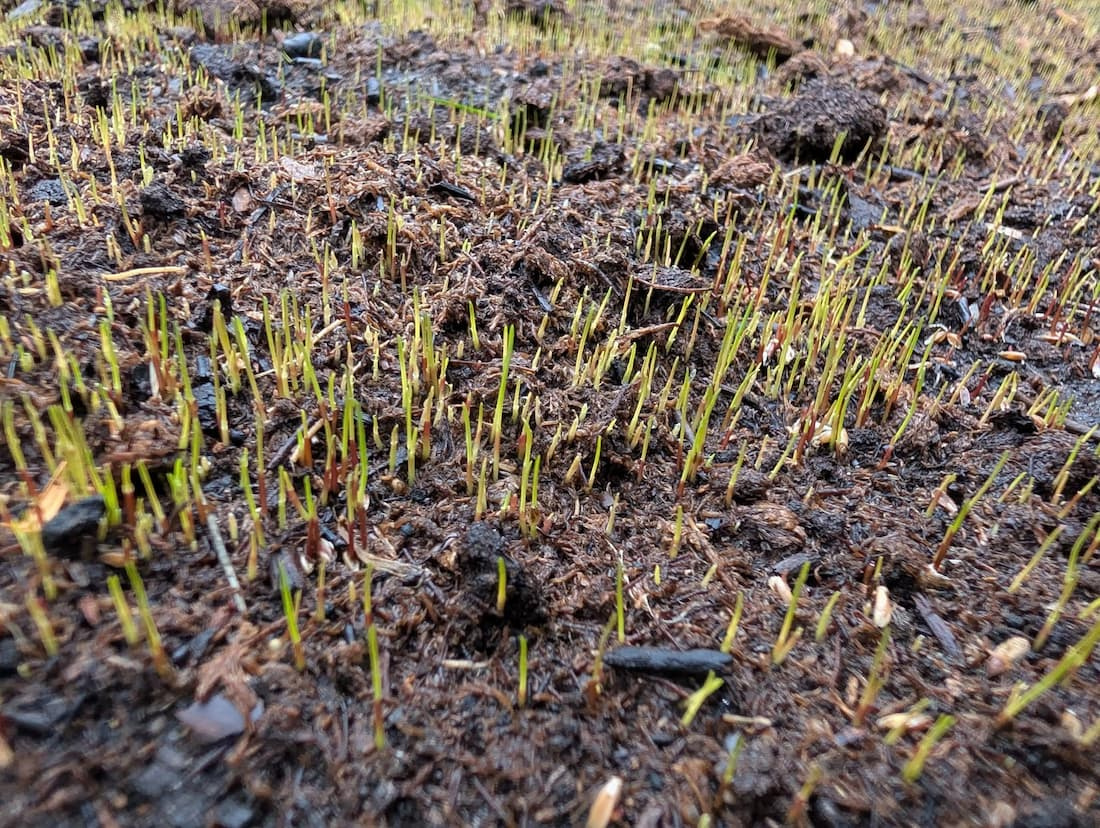
How to Establish a New Lawn From Bare Soil to First Mow
Bare soil doesn't turn into a lawn just because you scattered seed or rolled out sod — it becomes one based on a handful of specific steps done in the right order, matched to your specific grass. This guide walks through soil prep, seeding or planting method, starter fertilizer, watering as the grass grows, and knowing when it's actually safe to mow, for both cool-season and warm-season lawns.
Read Article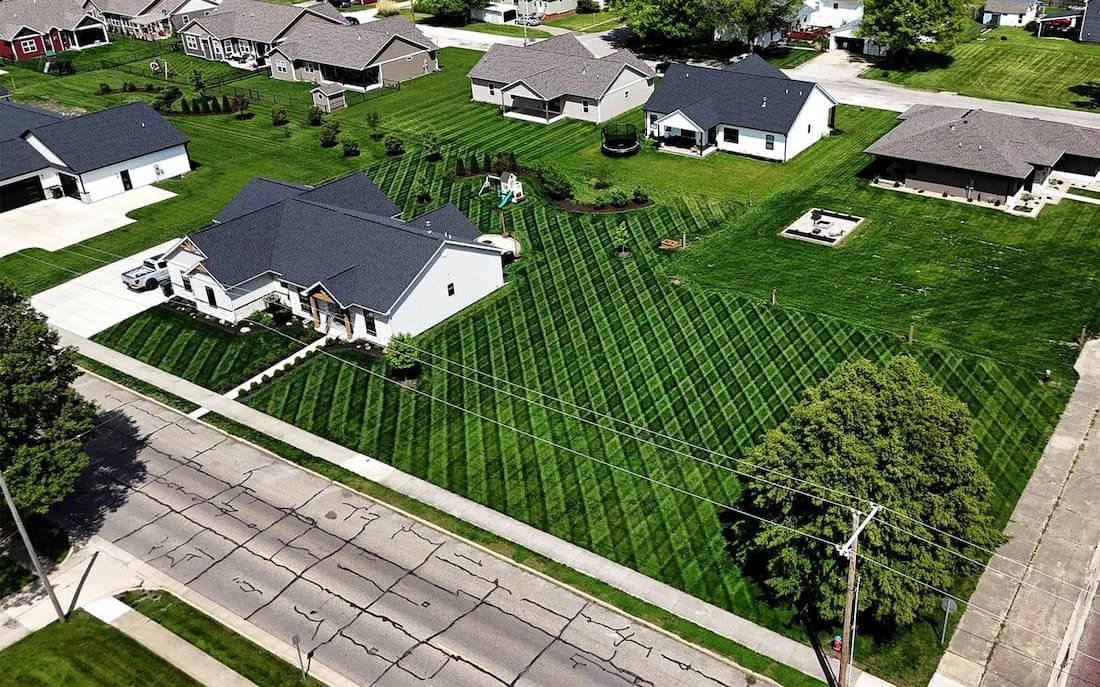
Cool Season vs Warm Season Lawn and Landscape Guide
Your lawn and your flower beds don't follow the same calendar — one runs on a cool-season engine, the other on a warm-season one, and using the wrong playbook on either can do real damage. This guide helps you figure out which system you actually have and how to care for it correctly, plus how the same cool/warm split applies to your ornamental beds.
Read Article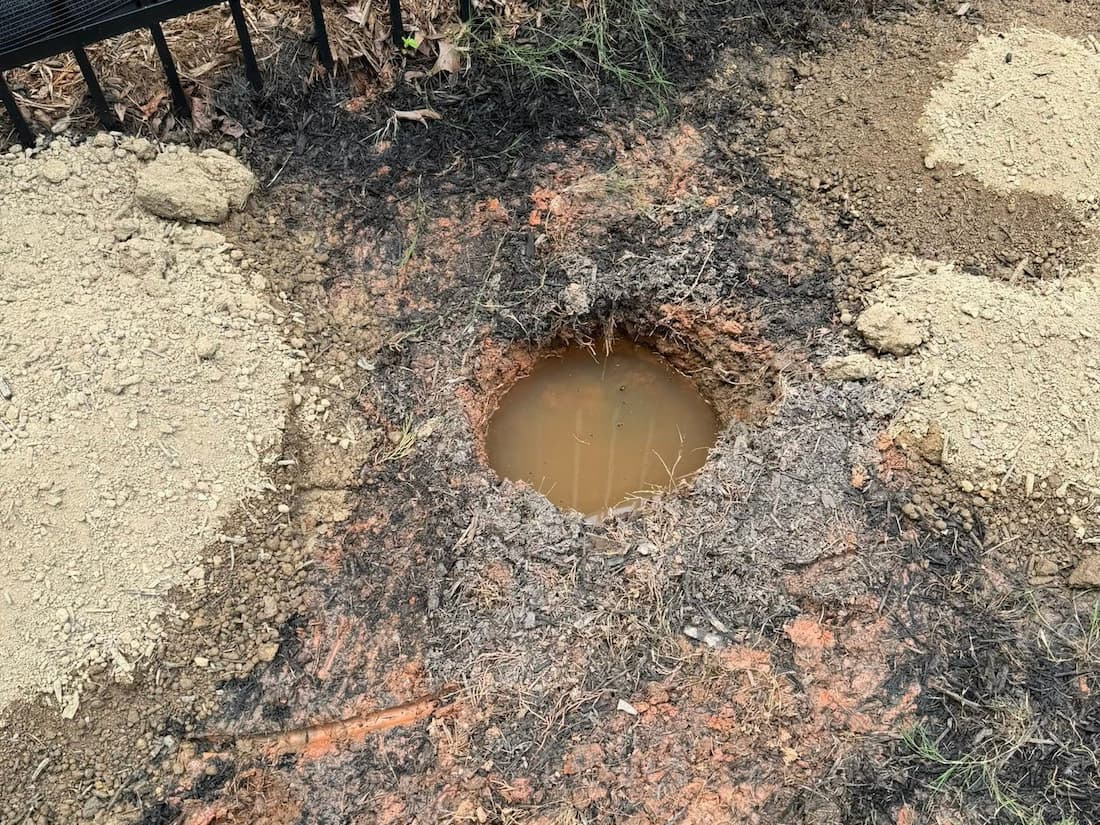
The Hole You Dug Is Killing Your New Plants
A shrub that looked fine all summer and stalled the next year usually didn't fail because of the plant, the weather, or the nursery. It failed because the hole it went into was a container — smooth-walled, water-holding, and impossible to root out of.
Read Article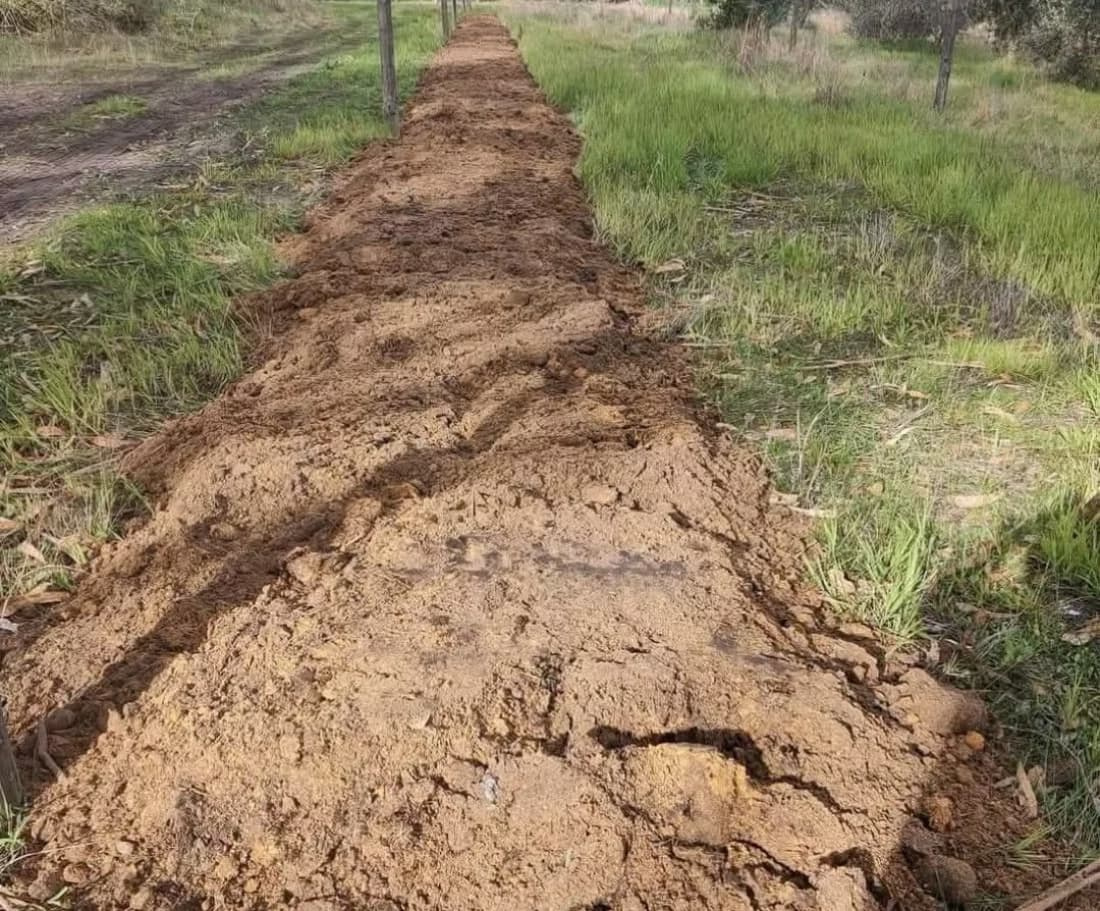
What You Can Actually Change About Bad Soil
Heavy clay and loose sand feel like permanent sentences, and half of that is true. What your soil is made of will not change. How those particles are arranged will — and that is the half that decides whether anything grows.
Read Article
Why Your Plants Survive Winter and Die in July
Your hardiness zone is built from one number — the coldest night of an average year. It says nothing about the hottest afternoon, which is what actually kills most plants people lose. Here's how to read the other half of the map.
Read Article
Why Poa Annua Keeps Coming Back — and the 3-Year Plan That Finally Ends the Cycle
You've pulled it. You've sprayed it. You've watched the little white seedheads mock you every single spring. And every fall, like clockwork, it's back — in the lawn, in the beds, in the cracks you didn't know you had. Here's the hard truth nobody at the big-box store will tell you: you're not losing because you're doing it wrong — you're losing because you're fighting the wrong enemy on the wrong timeline. Poa annua isn't a one-season problem, and once you understand why, the three-year plan below stops feeling like a chore and starts feeling like a countdown.
Read Article
How to Apply Herbicides Correctly in Your Lawn and Garden Beds
Getting real results from a weed product has almost nothing to do with the brand on the bottle and everything to do with matching the method to the moment — the right chemistry, in the right place, at the right time. Learn how to apply herbicides correctly across both your lawn and your garden beds, whether you’re stopping weeds before they sprout or killing the ones already growing, without wasting product or harming the plants you want to keep.
Read Article
How to Kill Weeds Where Two Lawns Meet Without Harming Your Neighbor’s Grass
Controlling weeds along a shared property line is where good intentions quietly backfire—the season that's safe for your own lawn is often the season the lawn next door is most easily harmed. Learn the seasonal timing collision behind most fence-line damage, and the two habits that prevent it—reading what's actually in the bottle and spraying directed instead of broadcast—so you can clear the weeds without hurting your grass, your neighbor's, or the peace between you.
Read Article
The Truth About One-and-Done Weed Control
Most homeowners lose the fight against weeds not because they work too little, but because they act before they understand. One-and-done weed control is real — but it only works when identification, timing, and the right tool all line up. This guide explains how that sequence works across your lawn and your ornamental beds, and how each weed page in the MFY hub puts it into practice for your specific invader.
Read Article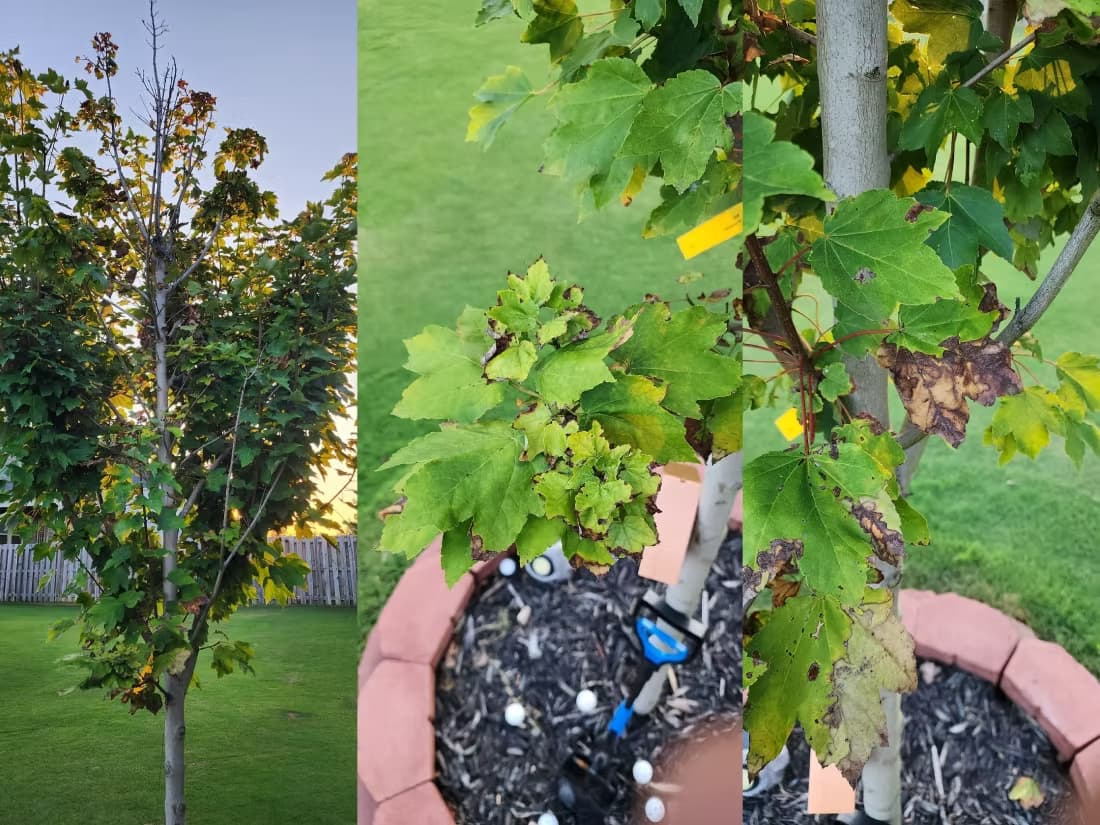
Solving the Mystery of the False Evidence in Your Lawn and Landscape
A brown leaf or a yellowing lawn is rarely what it seems. When symptoms act as decoys, a calm, forensic approach brings clarity to the confusion. Learn how to look past the surface to find the quiet truth of what your plants are truly asking for.
Read Article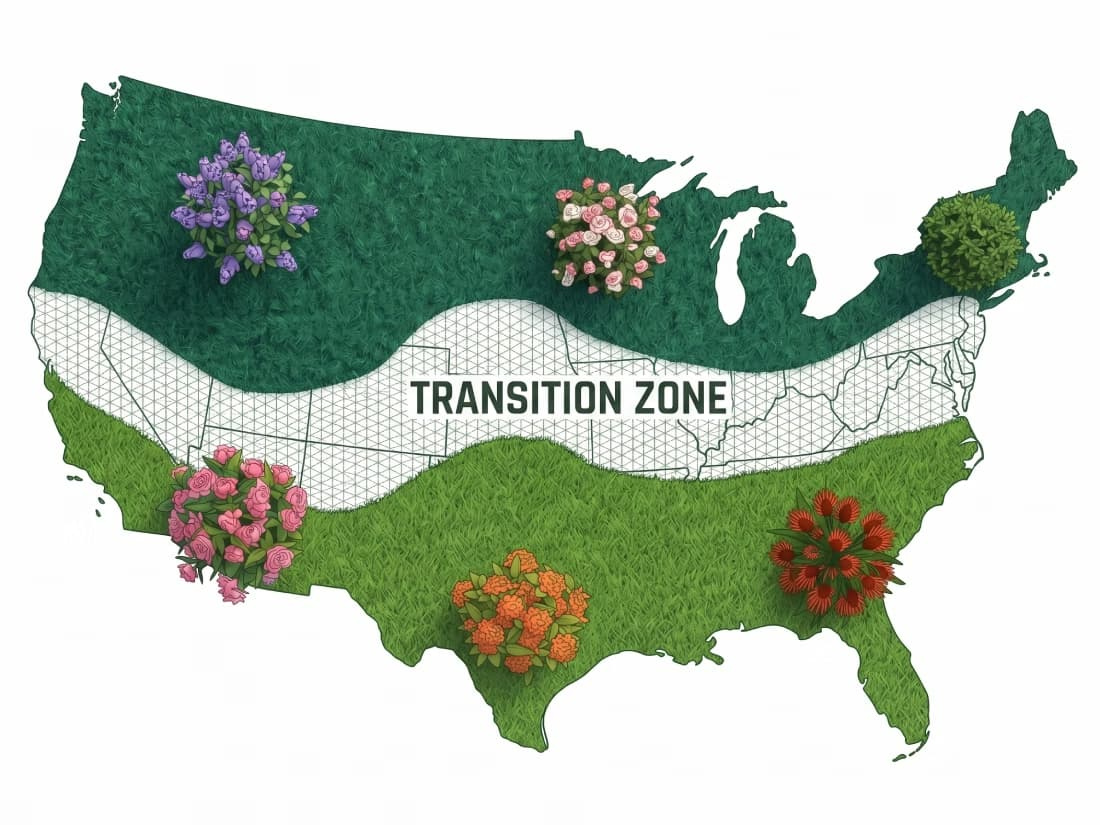
Living in the Middle: The Deep-Dive Guide to Transition Zone Lawns and Landscapes
The Transition Zone is a biological tug-of-war where neither northern nor southern species perfectly adapt. By using resilient "bridge" species and mastering maintenance levers like the Mowing Pivot, you can transform a struggling yard into a healthy landscape.
Read Article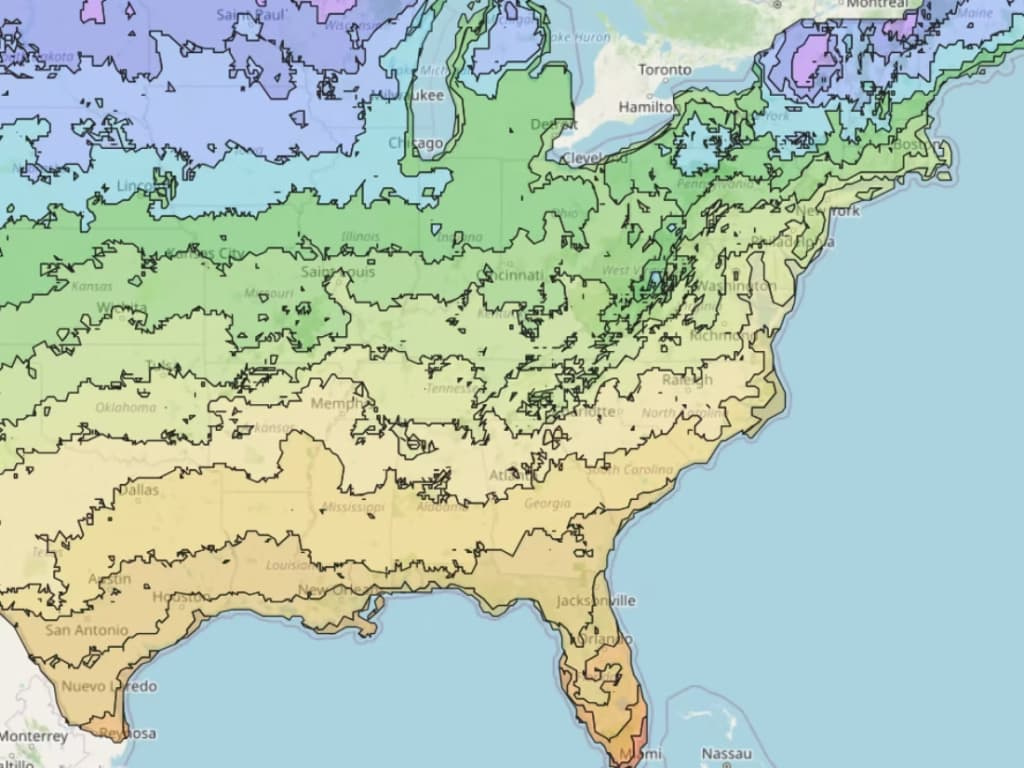
What Your Hardiness Zone Really Means for Your Lawn and Plants
Uncover the foundation of a resilient landscape by mastering the science of hardiness zones. Learn how these climate boundaries are calculated and why understanding your local temperature limits is the first step toward choosing plants that thrive year after year.
Read ArticleFrequently Asked Questions
The soil management strategies and forensic insights provided in these FAQs are based on research-backed data from leading agricultural universities and soil science institutions. We’ve replaced forum guesswork with proven facts to ensure your yard care is grounded in how your soil’s "hardware" actually works.
That is water repellency, and it is common on sand. Fungal threads and decaying thatch coat individual grains with waxy organic films. Once those films dry out they actively push water away, so irrigation beads on the surface and runs sideways instead of soaking in. The result is a dry patch that stays dry no matter how long you run the sprinkler. Core aerate to break up the thatch, then apply a soil wetting agent, which lowers water’s surface tension enough to wet the coated grains.
No, and thin layers make things worse. Converting 6 inches of sand into loam across an average yard would take tens of thousands of pounds of clay mixed uniformly through the profile. Spread a few bags on top instead and you get either hard clods sitting in loose sand, or a fine layer that water struggles to cross, which traps moisture above it and rots roots. Put the money into compost instead. That changes what the soil can hold without touching the texture.
Apply 0.35 to 0.50 inches every 1 to 2 days during peak heat. Sand holds only 0.25 to 0.75 inches of usable water per foot of depth, so there is no reservoir to draw down between waterings. The familiar advice to water deeply and infrequently was written for heavier soils and it backfires here — anything much over half an inch drains past the roots within hours, taking dissolved fertilizer with it.
Sand cannot hold on to nutrients. Its cation exchange capacity runs 1 to 5, which means there are almost no charged surfaces for nutrient ions to cling to. Quick-release nitrogen dissolves on contact with water and moves straight through the root zone with the next rain or irrigation. Switch to polymer-coated or sulfur-coated urea, or a composted organic product, and cut each application to no more than half a pound of nitrogen per 1,000 square feet.
No. Gypsum works by separating clay particles that have clumped together because of excess sodium. Sand has essentially no clay to separate, so there is nothing for gypsum to act on. The calcium and sulfate it adds simply wash through the profile within weeks. This is one of the most commonly wasted amendments in home lawn care, and sand is the soil where it does the least.
No, and this one catches people out. Sand is full of oxygen and warms quickly, which is exactly what soil microbes need to break organic matter down. In warm regions up to half the compost you add oxidizes into carbon dioxide within a year, and a single 6-inch application is largely gone in two to three years. Topdressing a quarter inch every year is not a slower version of the same project — it is the maintenance that holds you where you are.
Scientific Authority
This profile is grounded in soil science and moisture dynamics. Every recommendation—from irrigation cycles to nutrient timing—is verified against agricultural research data and field trials from top university institutions. We focus on the unique physics of your soil’s "hardware" to ensure long-term plant health and yard sustainability.
Primary Resources
- USDA-NRCS — Soil Survey Manual, Chapter 3: Examination and Description of Soil Profiles
- USDA-NRCS — Inherent Factors Affecting Bulk Density and Available Water Capacity
- USDA-NRCS — Soil Health Guide: Bulk Density
- USDA-NRCS — Soil Health Guide: Soil Organic Matter
- USDA-NRCS — Illustrated Guide to Soil Taxonomy
- Nebraska Extension — Properties of Landscape Soils (EC1267)
- Colorado State University Extension — Soils, Fertilizers, and Soil Amendments (Colorado Master Gardener)
- North Dakota State University Extension — Soil, Water and Plant Characteristics Important to Irrigation
- Kansas State Research and Extension — Important Agricultural Soil Properties (L935)