
Stress Factor: Soil & Nutrient Stress
Iron Chlorosis
High pH, low energy, and very yellow leaves.
Iron Chlorosis At-a-Glance
Primary Symptom
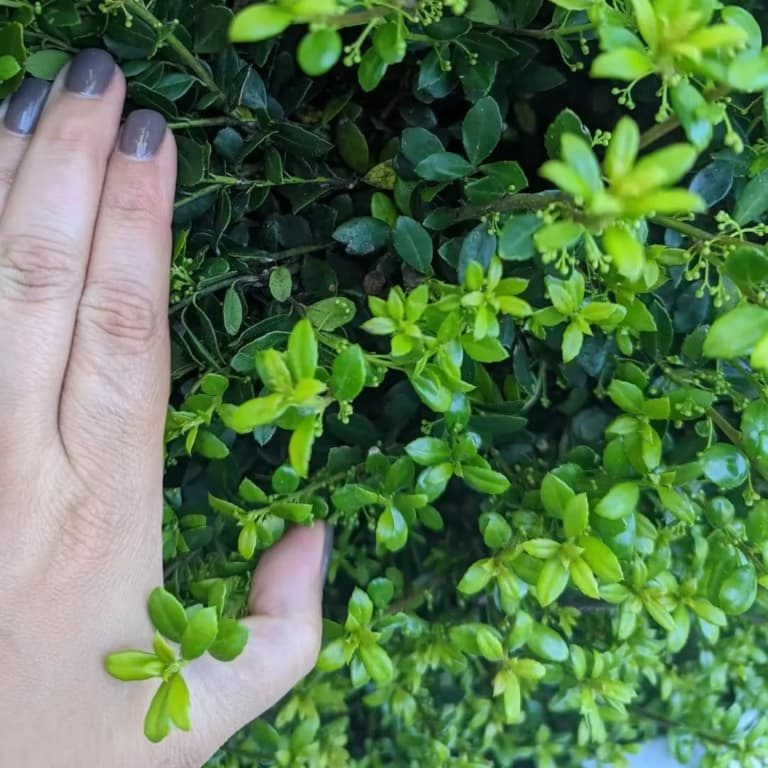
Bright yellow or ivory-colored new leaves with a distinct "web" of dark green veins (interveinal chlorosis).
Time of Year
Most visible during the Spring Growth Flush when the plant is trying to build a lot of new "plumbing" and runs out of available iron.
Physical Evidence
The smoking gun is often proximity to concrete. If your most yellow plants are the ones right next to your sidewalk, driveway, or foundation, the lime from the concrete is leaching into the soil, raising the pH and locking out the iron. You may also see “hard water” stains on nearby fences or walls.
Iron Chlorosis Explained: Impact and Recovery
Iron chlorosis is a “transportation strike” within the plant. Iron is a key component in the production of chlorophyll, but unlike nitrogen, it is immobile. Once iron is placed in a leaf, it stays there. If the plant cannot pull new iron from the soil, the newest leaves at the tips of the branches emerge yellow. This is almost always caused by high soil pH (alkaline soil), which causes iron to chemically “lock up” in a form the roots cannot digest.
The Impact Scale is Species-Specific. Some plants (like Maples) are “iron-hungry,” while others are perfectly fine in the same soil. The Recovery Potential is Moderate. While you can green the plant up, you are fighting a constant battle against the underlying soil chemistry.
Clues In Turf
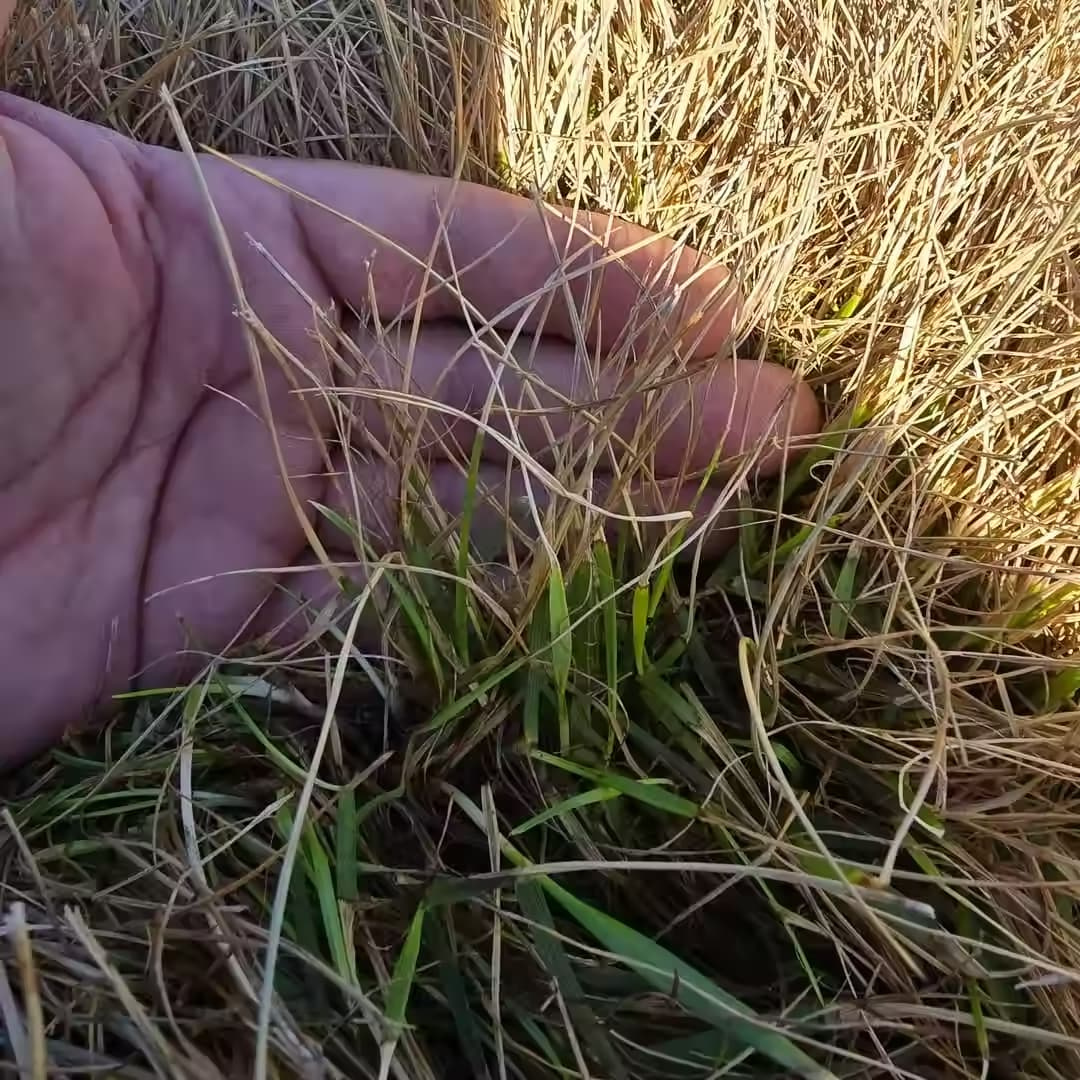
In the lawn, iron chlorosis appears as mottled, irregular yellow patches that do not respond to standard “balanced” fertilizers. The grass will look pale and spindly. Unlike nitrogen deficiency, which is a smooth yellowing, iron-deficient turf looks “speckled” or “streaky,” and the yellowing is concentrated on the youngest, topmost blades.
Clues In Plants
The classic marker is Interveinal Chlorosis on the branch tips. As the deficiency worsens, the leaves may turn almost white and develop leaf scorch (brown, crispy edges) because they lack the chlorophyll to protect themselves from sunlight. If you see green leaves at the bottom of a shrub and “bleached” leaves at the top, it is 100% iron chlorosis.
Managing Iron Chlorosis: Immediate and Future Steps
Immediate Action:
Use a Chelated Iron Foliar Spray. “Chelated” iron is chemically wrapped so it doesn’t lock up. Spraying it directly on the leaves provides a “transfusion” that can green up a plant in 48 hours. However, this is temporary and must be repeated every few weeks during the growing season.
Long-Term Prevention:
You must address the soil pH. Apply Elemental Sulfur to gradually lower the pH over several months. For a more direct soil fix, use Chelated Iron Soil Drenches (look for “EDDHA” chelates, as they stay effective in high pH soils where others fail). Improving soil drainage and adding organic matter also helps keep iron in a more “digestible” state for the roots.
Prime Targets and Lookalikes
It mimics Manganese Deficiency and Nitrogen Deficiency. The difference: Nitrogen deficiency yellows the veins too. Manganese looks identical but often includes small “freckles” or brown spots on the leaf, which iron chlorosis does not.
Pin Oaks, River Birches, Azaleas, and Blueberries.
Deep Dives & Practical Guides
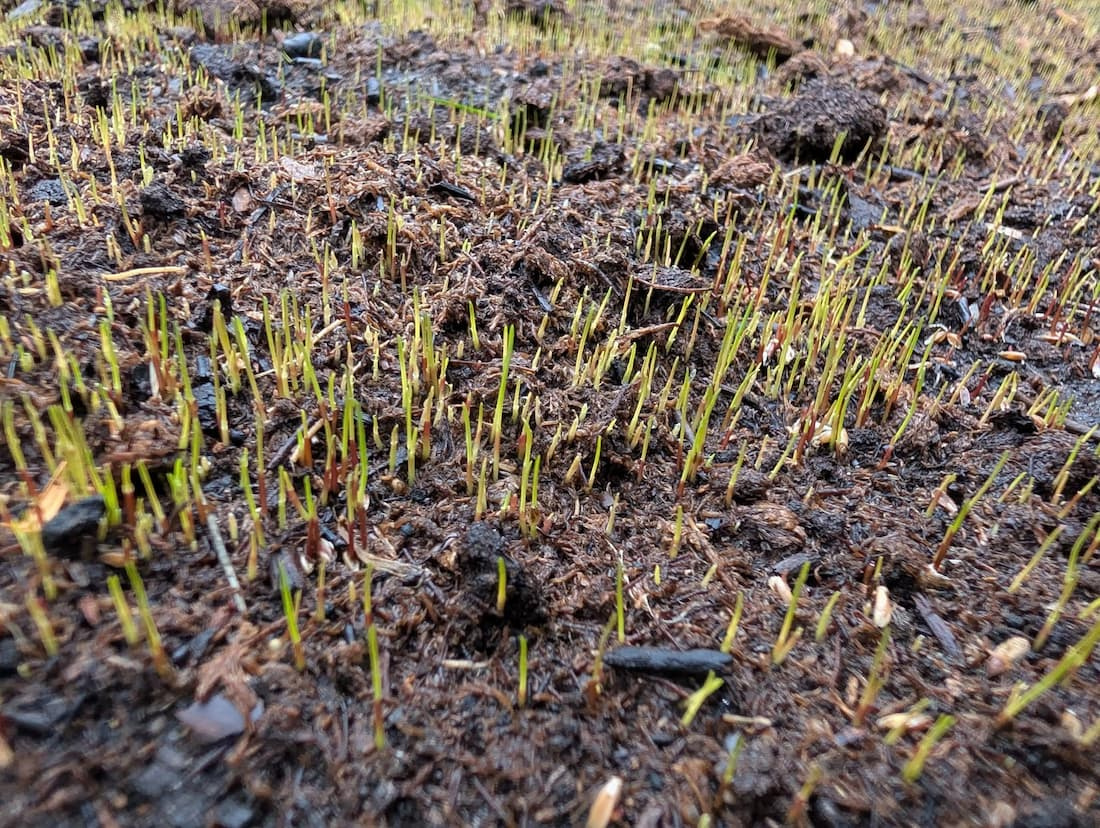
How to Establish a New Lawn From Bare Soil to First Mow
Bare soil doesn't turn into a lawn just because you scattered seed or rolled out sod — it becomes one based on a handful of specific steps done in the right order, matched to your specific grass. This guide walks through soil prep, seeding or planting method, starter fertilizer, watering as the grass grows, and knowing when it's actually safe to mow, for both cool-season and warm-season lawns.
Read Article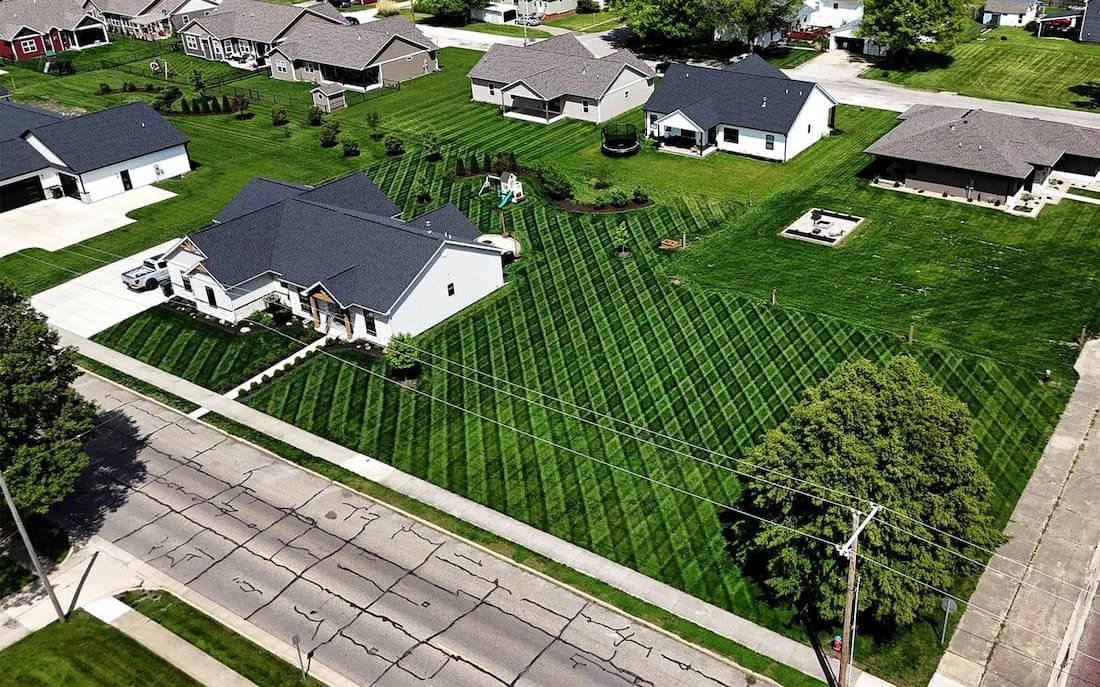
Cool Season vs Warm Season Lawn and Landscape Guide
Your lawn and your flower beds don't follow the same calendar — one runs on a cool-season engine, the other on a warm-season one, and using the wrong playbook on either can do real damage. This guide helps you figure out which system you actually have and how to care for it correctly, plus how the same cool/warm split applies to your ornamental beds.
Read Article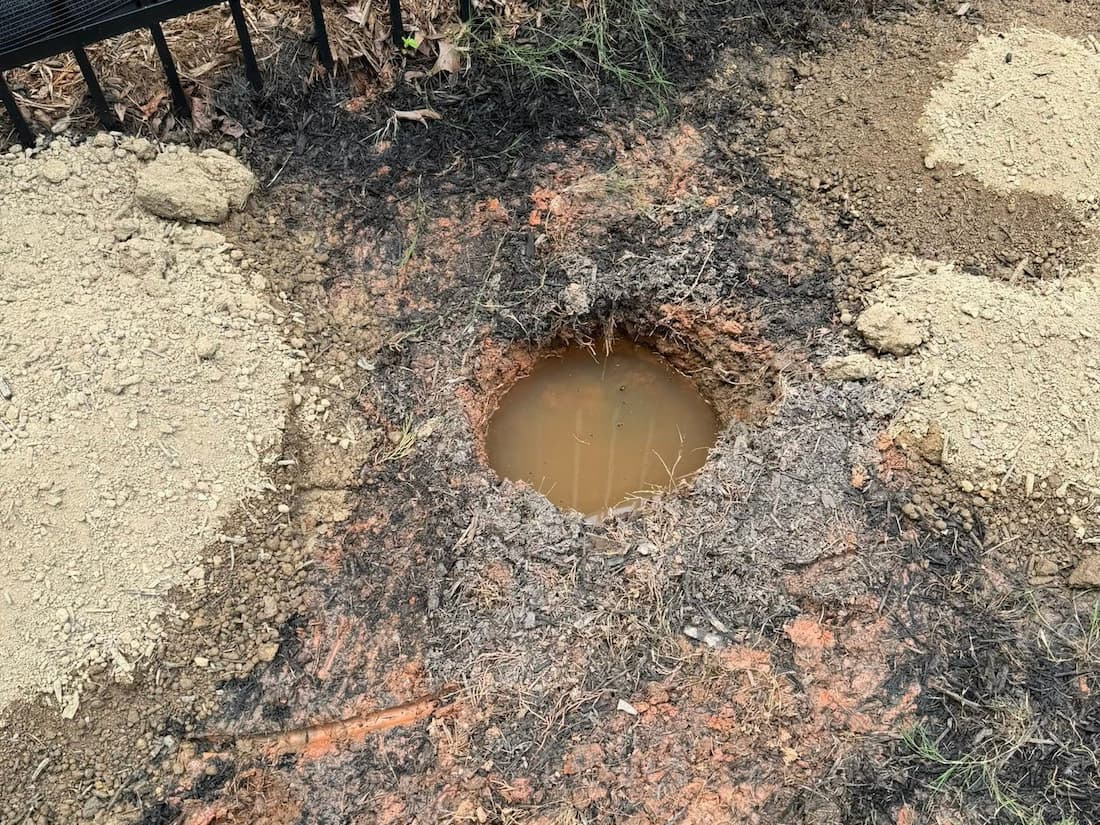
The Hole You Dug Is Killing Your New Plants
A shrub that looked fine all summer and stalled the next year usually didn't fail because of the plant, the weather, or the nursery. It failed because the hole it went into was a container — smooth-walled, water-holding, and impossible to root out of.
Read Article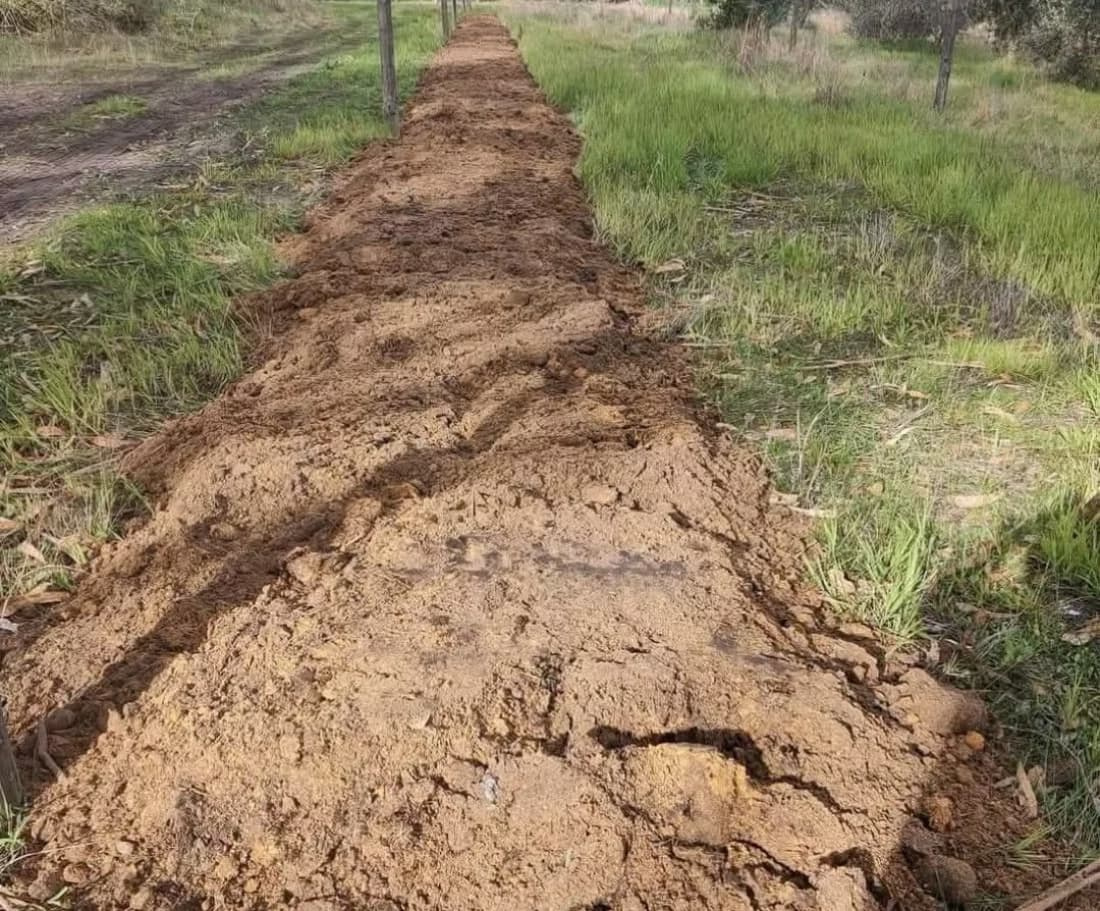
What You Can Actually Change About Bad Soil
Heavy clay and loose sand feel like permanent sentences, and half of that is true. What your soil is made of will not change. How those particles are arranged will — and that is the half that decides whether anything grows.
Read Article
Why Your Plants Survive Winter and Die in July
Your hardiness zone is built from one number — the coldest night of an average year. It says nothing about the hottest afternoon, which is what actually kills most plants people lose. Here's how to read the other half of the map.
Read Article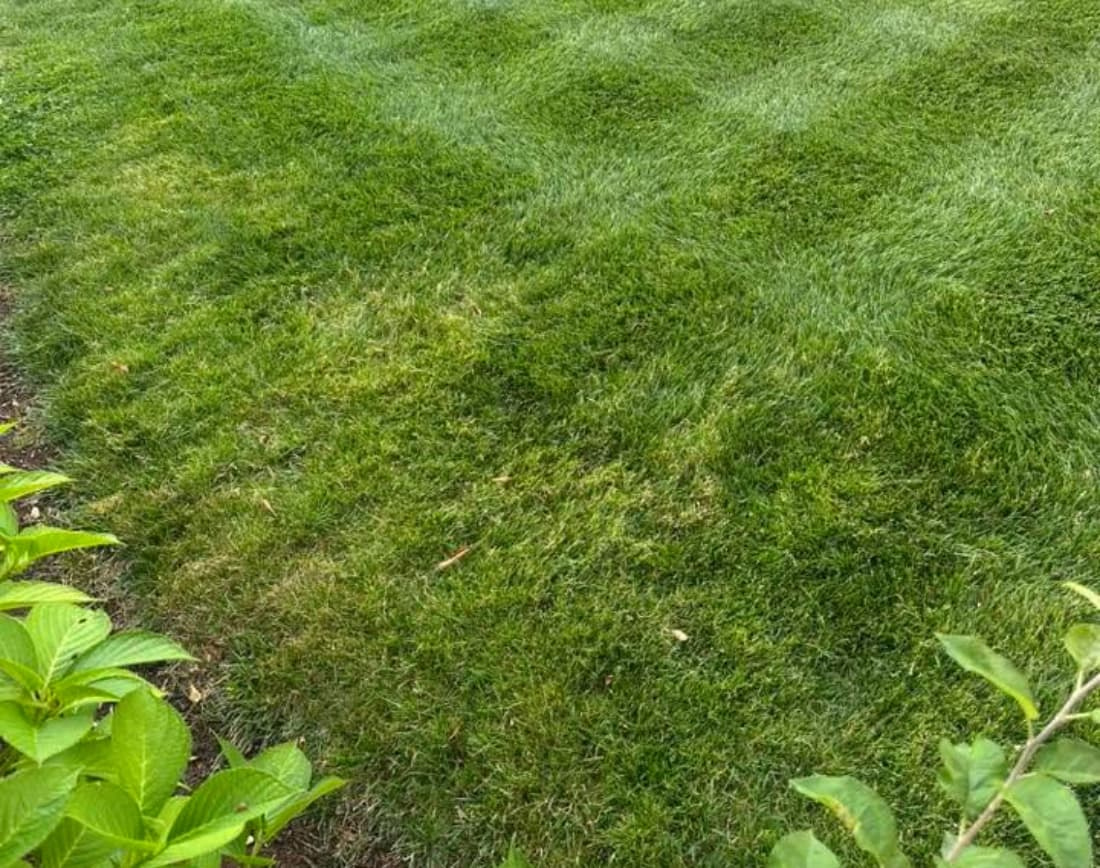
Why Poa Annua Keeps Coming Back — and the 3-Year Plan That Finally Ends the Cycle
You've pulled it. You've sprayed it. You've watched the little white seedheads mock you every single spring. And every fall, like clockwork, it's back — in the lawn, in the beds, in the cracks you didn't know you had. Here's the hard truth nobody at the big-box store will tell you: you're not losing because you're doing it wrong — you're losing because you're fighting the wrong enemy on the wrong timeline. Poa annua isn't a one-season problem, and once you understand why, the three-year plan below stops feeling like a chore and starts feeling like a countdown.
Read Article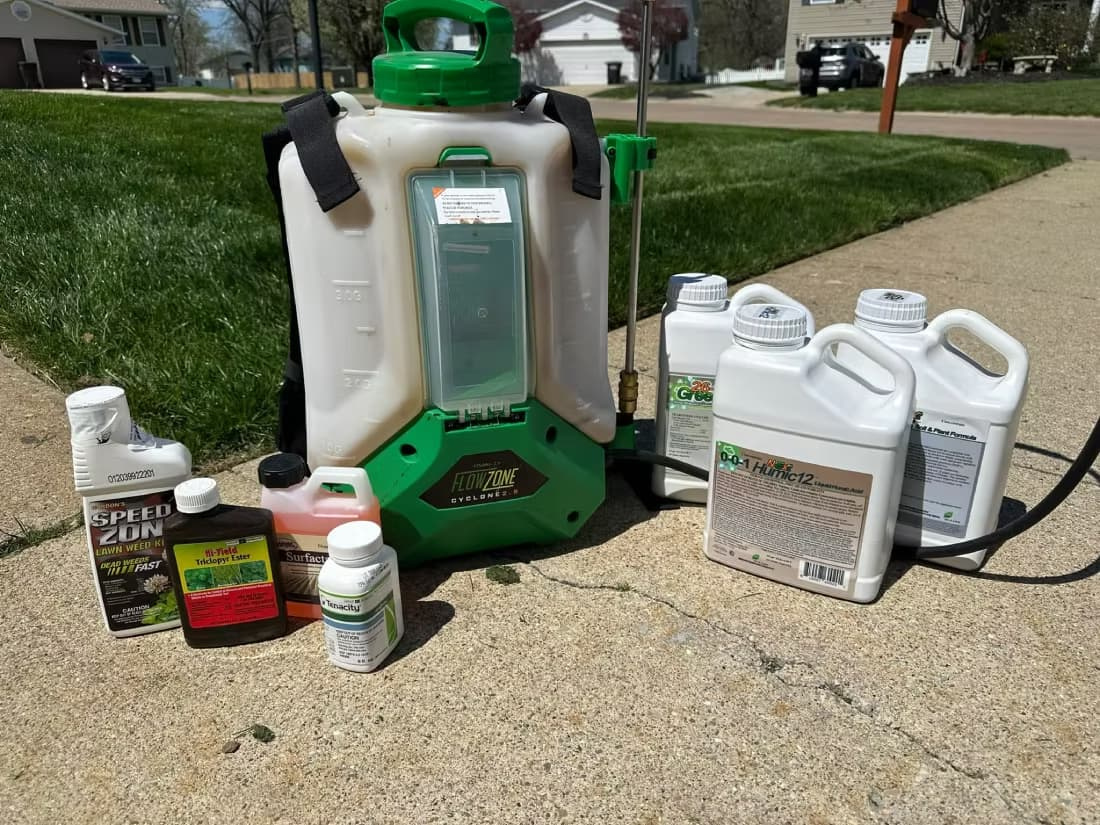
How to Apply Herbicides Correctly in Your Lawn and Garden Beds
Getting real results from a weed product has almost nothing to do with the brand on the bottle and everything to do with matching the method to the moment — the right chemistry, in the right place, at the right time. Learn how to apply herbicides correctly across both your lawn and your garden beds, whether you’re stopping weeds before they sprout or killing the ones already growing, without wasting product or harming the plants you want to keep.
Read Article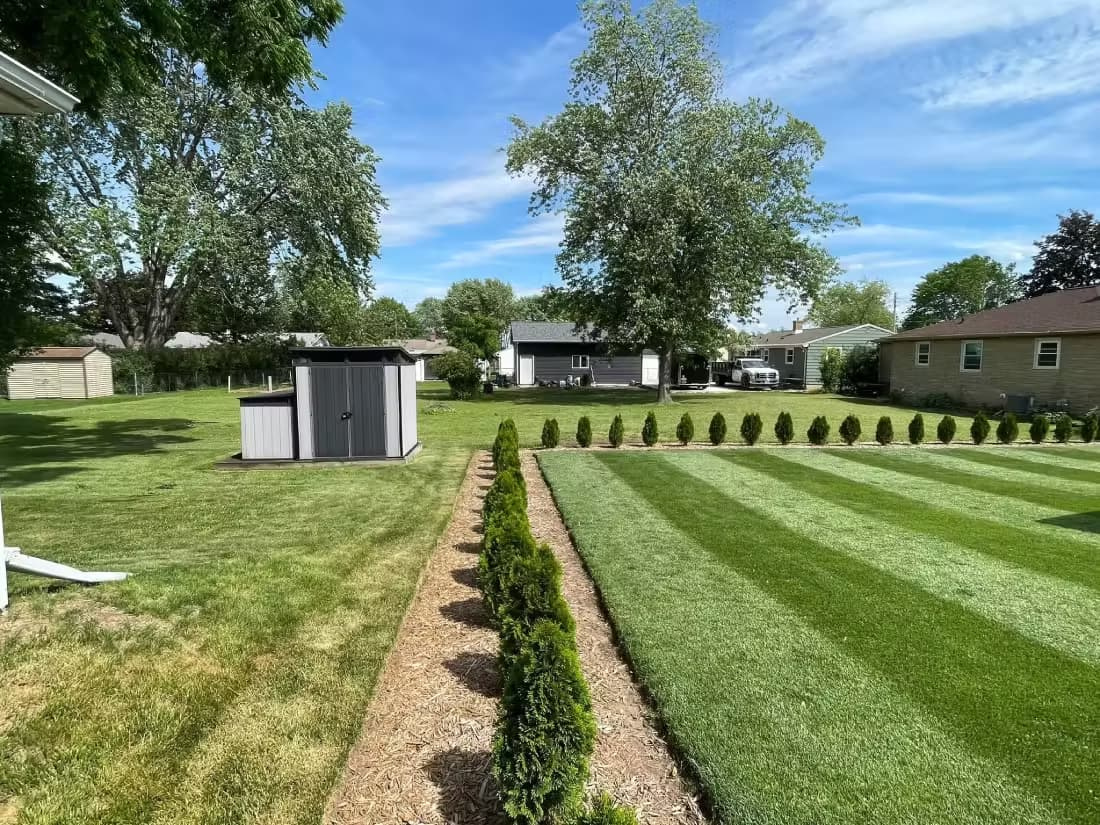
How to Kill Weeds Where Two Lawns Meet Without Harming Your Neighbor’s Grass
Controlling weeds along a shared property line is where good intentions quietly backfire—the season that's safe for your own lawn is often the season the lawn next door is most easily harmed. Learn the seasonal timing collision behind most fence-line damage, and the two habits that prevent it—reading what's actually in the bottle and spraying directed instead of broadcast—so you can clear the weeds without hurting your grass, your neighbor's, or the peace between you.
Read Article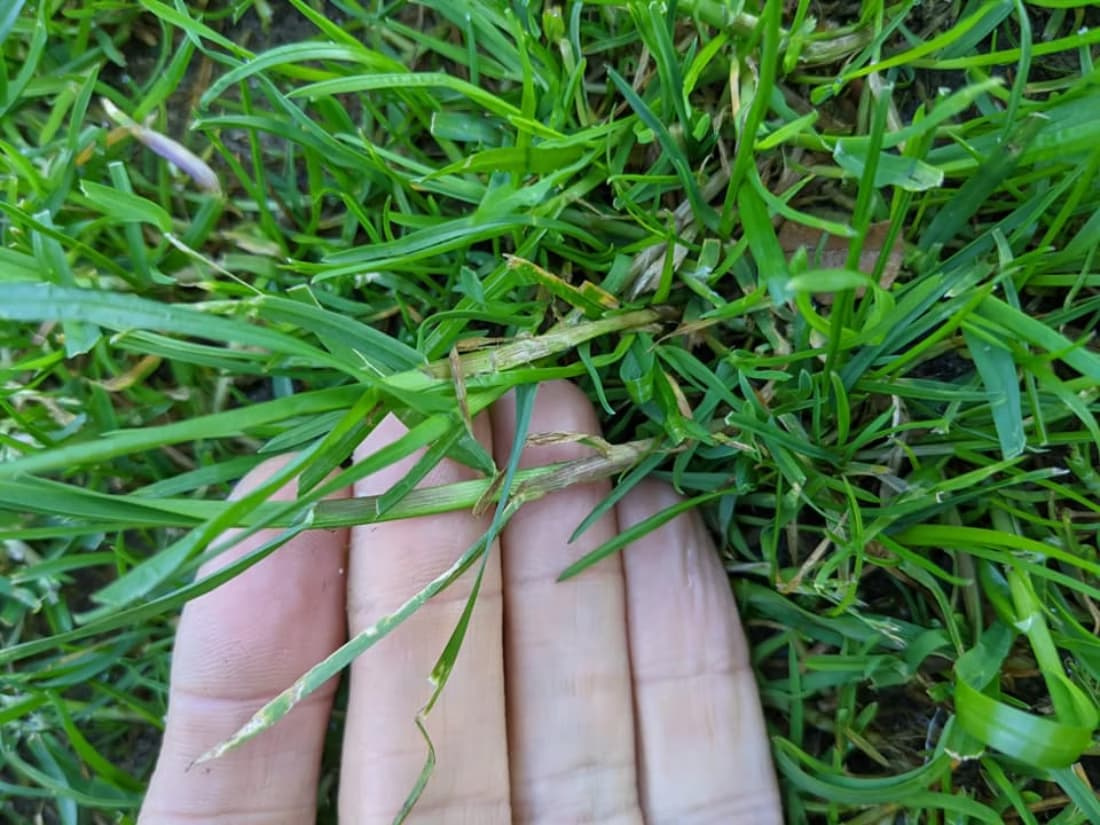
The Truth About One-and-Done Weed Control
Most homeowners lose the fight against weeds not because they work too little, but because they act before they understand. One-and-done weed control is real — but it only works when identification, timing, and the right tool all line up. This guide explains how that sequence works across your lawn and your ornamental beds, and how each weed page in the MFY hub puts it into practice for your specific invader.
Read Article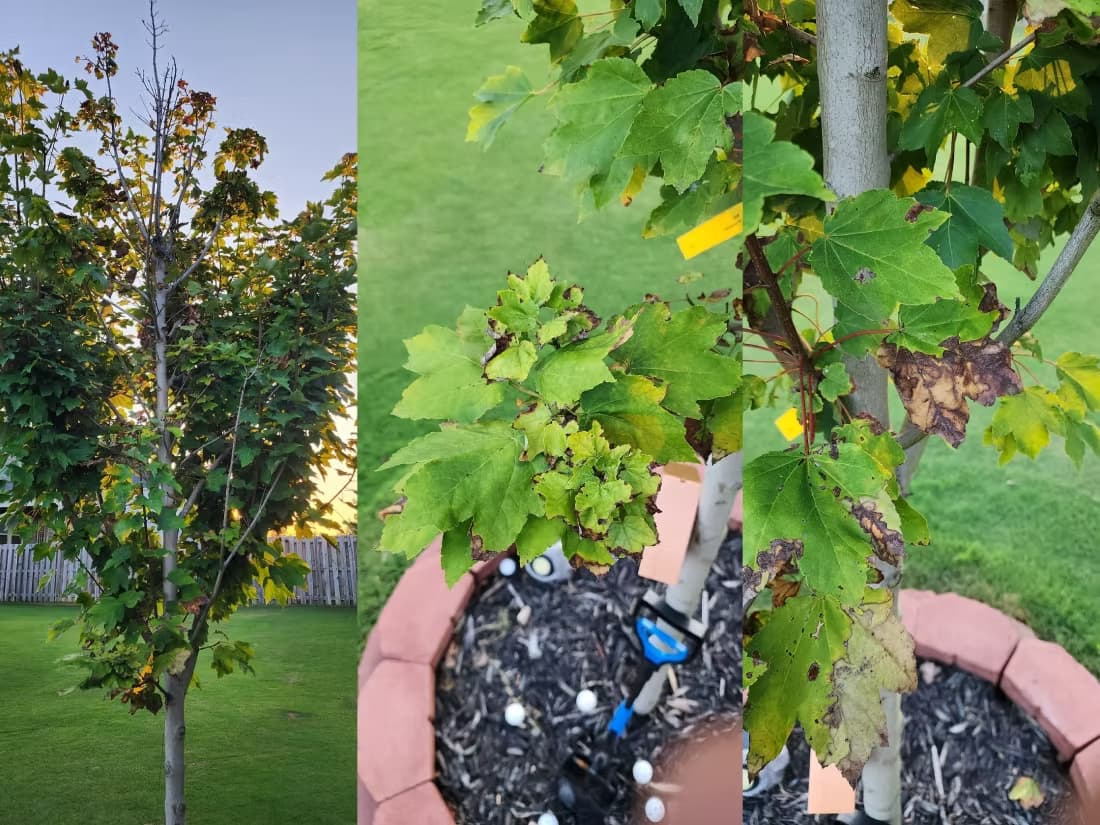
Solving the Mystery of the False Evidence in Your Lawn and Landscape
A brown leaf or a yellowing lawn is rarely what it seems. When symptoms act as decoys, a calm, forensic approach brings clarity to the confusion. Learn how to look past the surface to find the quiet truth of what your plants are truly asking for.
Read Article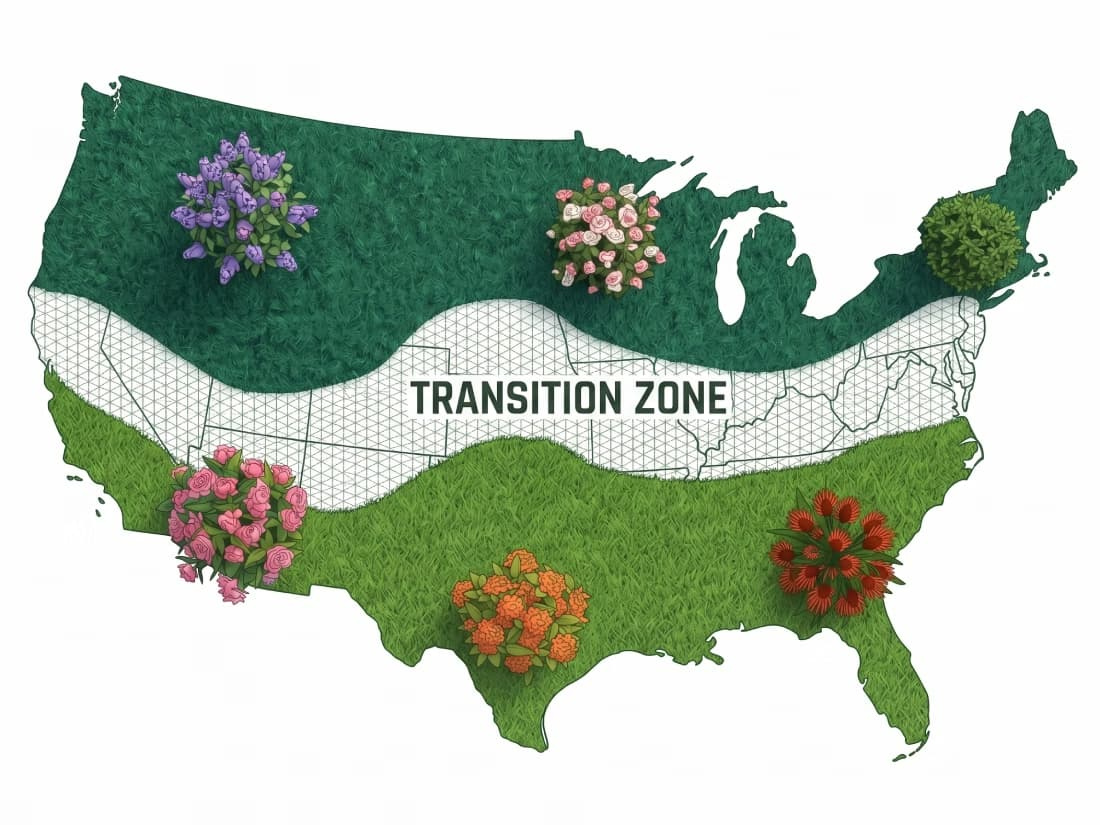
Living in the Middle: The Deep-Dive Guide to Transition Zone Lawns and Landscapes
The Transition Zone is a biological tug-of-war where neither northern nor southern species perfectly adapt. By using resilient "bridge" species and mastering maintenance levers like the Mowing Pivot, you can transform a struggling yard into a healthy landscape.
Read Article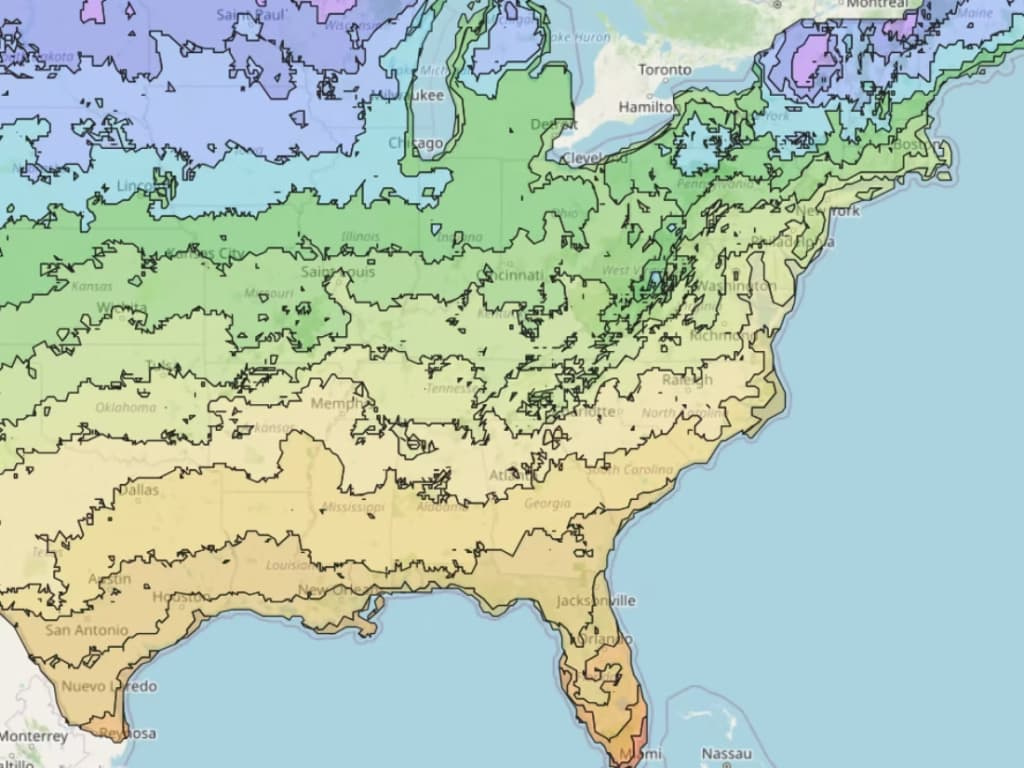
What Your Hardiness Zone Really Means for Your Lawn and Plants
Uncover the foundation of a resilient landscape by mastering the science of hardiness zones. Learn how these climate boundaries are calculated and why understanding your local temperature limits is the first step toward choosing plants that thrive year after year.
Read ArticleFrequently Asked Questions
The responses provided in this FAQ are synthesized from peer-reviewed plant diagnostic studies and standardized troubleshooting protocols from university horticultural clinics. We focus on evidence-based explanations to provide clear, scientific clarity on the most common questions regarding environmental plant injury.
This is the Alkalinity Trap. Soil tests often measure “Total Iron,” which counts iron that is locked up like a rock. If your pH is above 7.0, the iron is there, but it is “insoluble.” The plant is starving in a room full of food that is locked behind a glass door. You don’t need more iron; you need to change the pH or use chelated iron.
No. Rusty nails are made of “iron oxide,” which is the exact form of iron that plants cannot use. Adding more “raw” iron to high pH soil is just adding more rust. You need chelated iron, which is the only form “unlocked” for plant use in difficult soils.
Unlikely. While “Chlorosis” and “Chlorine” sound the same, they aren’t related. City water causes iron issues because it is usually alkaline (high pH) to protect city pipes from rusting. It’s the “sweetness” (pH) of the water, not the chlorine, that is locking out your iron.
Scientific Authority
This profile is built on objective horticultural research and plant pathology data from university-led extension programs. We prioritize physiological evidence regarding environmental stress factors, nutrient availability, and cellular response to provide an unbiased assessment of each abiotic disorder.
Primary Resources
- University of Illinois Extension: “Iron Chlorosis of Woody Ornamentals”
- Utah State University: “Preventing and Treating Iron Chlorosis”
- Purdue University: “Iron Chlorosis in Turfgrass”