
Stress Factor: Water & Irrigation Stress
Drought Stress
The slow-motion thirst that shuts everything down.
Drought Stress At-a-Glance
Primary Symptom
Folded leaves, dull grey-green color, and "footprints" in turf.
Time of Year
Typically occurs during Mid-to-Late Summer or during "Flash Droughts" in the spring.
Physical Evidence
The smoking gun is “Footprinting.” If you walk across your lawn and your footprints remain visible as flattened, silvery-blue grass rather than springing back, the cells lack the water pressure (turgor) to stand up. In ornamentals, the evidence is “Marginal Scorch”—the leaf edges turn brown and “crispy” while the veins stay green.
Drought Stress Explained: Impact and Recovery
Drought stress is a state of negative water balance where the plant loses more water through its leaves (transpiration) than it can take in through its roots. To survive, the plant enters survival mode: it closes its pores (stomata), stops growing, and eventually sacrifices its leaves to save the core “plumbing” of the stems and roots.
The Impact Scale is Whole Yard or Species-Specific. The Recovery Potential is High if caught early, but Low if the plant reaches the “Permanent Wilting Point.”
Clues In Turf
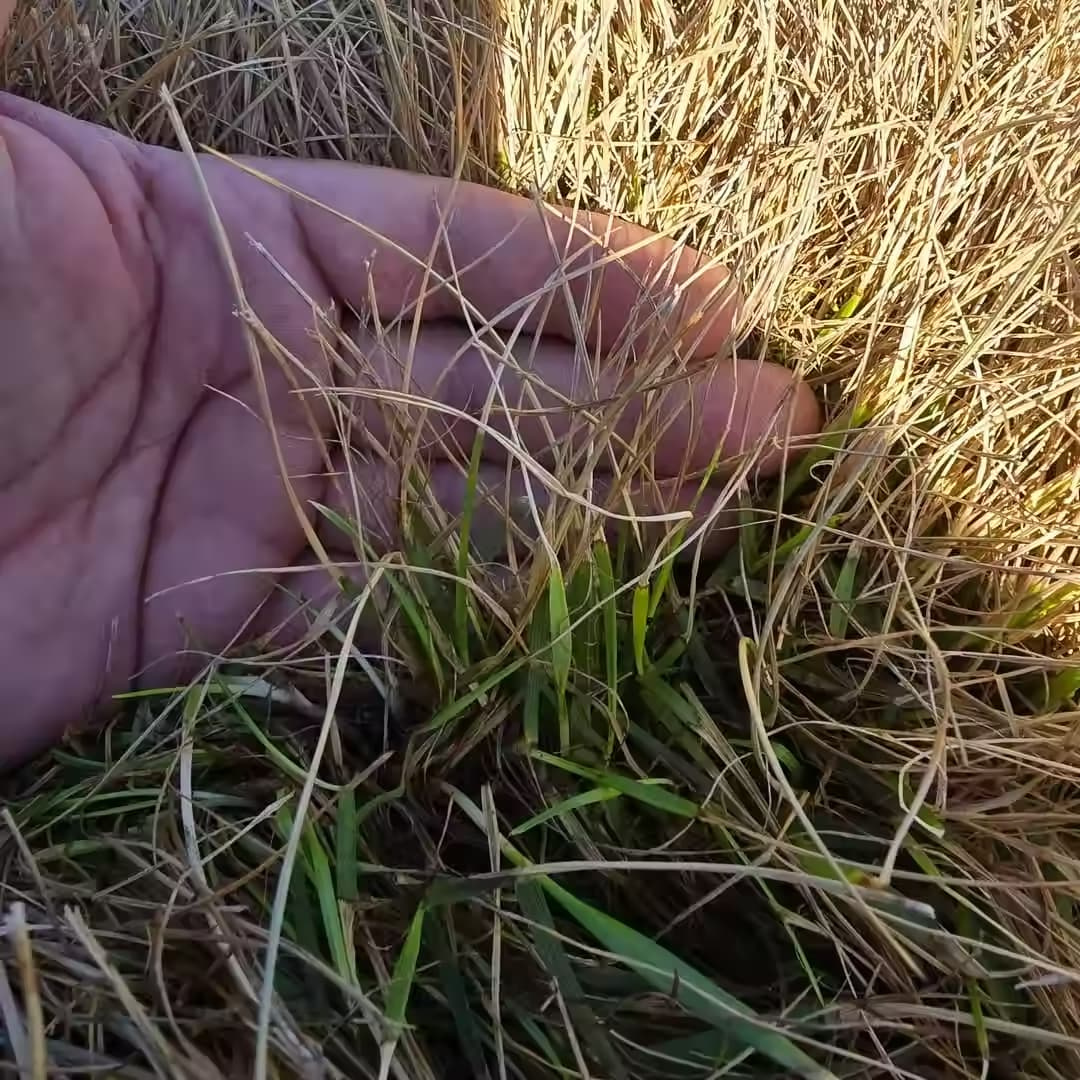
The lawn will turn a dull, blue-gray or grayish-green color before it turns brown. You will see the leaf blades start to fold or roll inward like a straw to protect their moisture. Unlike a disease, drought stress will affect the entire lawn or the “hot spots” near pavement first.
Clues In Plants
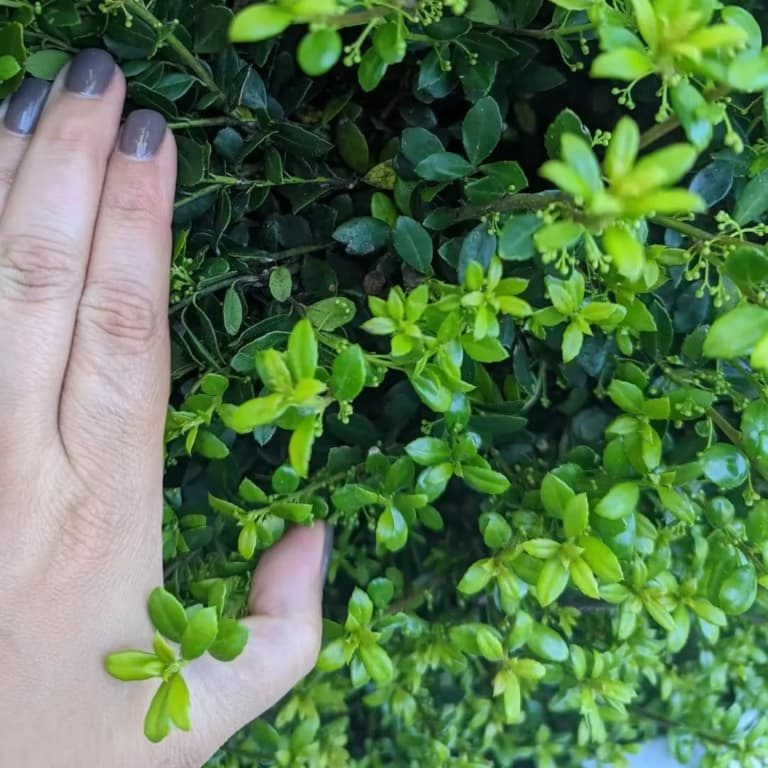
Leaves will droop and wilt, often starting at the tips of the branches. Some trees (like Birches or Maples) will show premature fall color or drop their leaves entirely in July to reduce their water needs. In evergreens, the needles will turn a dull, grey-green before turning brittle and brown.
Managing Drought Stress: Immediate and Future Steps
Immediate Action:
Slow, deep soaking. Do not blast a drought-stressed plant with a high-pressure hose; the soil is likely hard and the water will just run off. Use a soaker hose or a slow drip for several hours to allow the water to penetrate deep into the root zone.
Long-Term Prevention:
Mulch heavily (2-3 inches) to retain soil moisture. Increase mowing height (3.5 to 4 inches) to shade the soil and encourage deeper roots. Use ET (Evapotranspiration) data from your local weather station to adjust your watering based on actual environmental needs rather than a set timer.
Prime Targets and Lookalikes
Drought stress mimics Salt Injury and Chinch Bug Damage. The difference is the Water Test: if the plant doesn’t perk up within 12 hours of a deep watering, the damage is likely from a pest or a permanent vascular blockage.
Hydrangeas, Japanese Maples, and Kentucky Bluegrass.
Deep Dives & Practical Guides
How to Establish a New Lawn From Bare Soil to First Mow
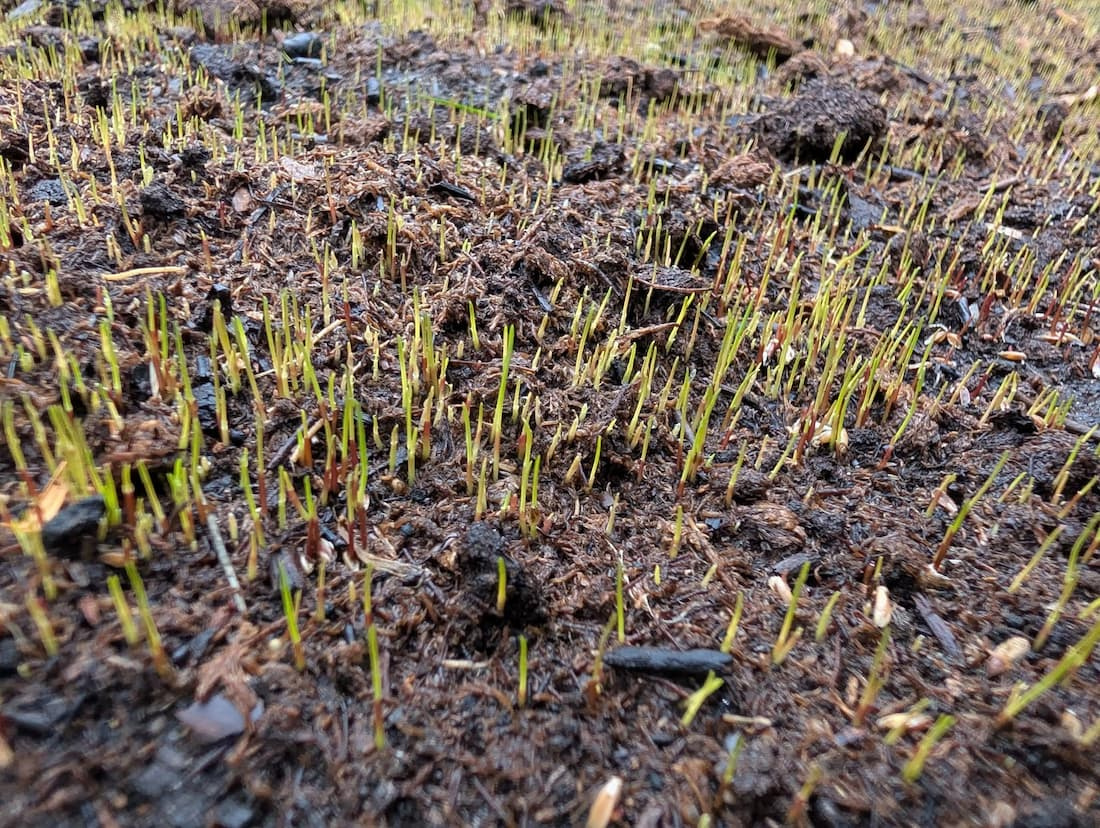
Bare soil doesn't turn into a lawn just because you scattered seed or rolled out sod — it becomes one based on a handful of specific steps done in the right order, matched to your specific grass. This guide walks through soil prep, seeding or planting method, starter fertilizer, watering as the grass grows, and knowing when it's actually safe to mow, for both cool-season and warm-season lawns.
Read Article
Cool Season vs Warm Season Lawn and Landscape Guide
Your lawn and your flower beds don't follow the same calendar — one runs on a cool-season engine, the other on a warm-season one, and using the wrong playbook on either can do real damage. This guide helps you figure out which system you actually have and how to care for it correctly, plus how the same cool/warm split applies to your ornamental beds.
Read Article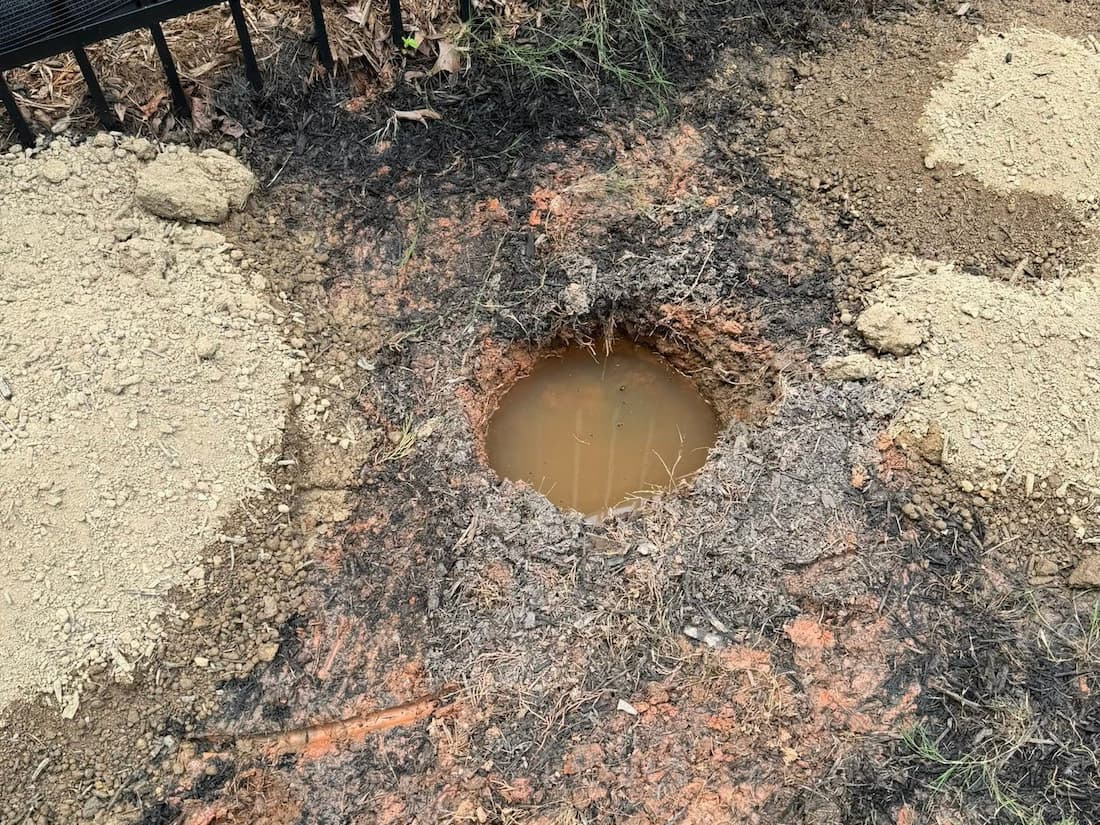
The Hole You Dug Is Killing Your New Plants
A shrub that looked fine all summer and stalled the next year usually didn't fail because of the plant, the weather, or the nursery. It failed because the hole it went into was a container — smooth-walled, water-holding, and impossible to root out of.
Read Article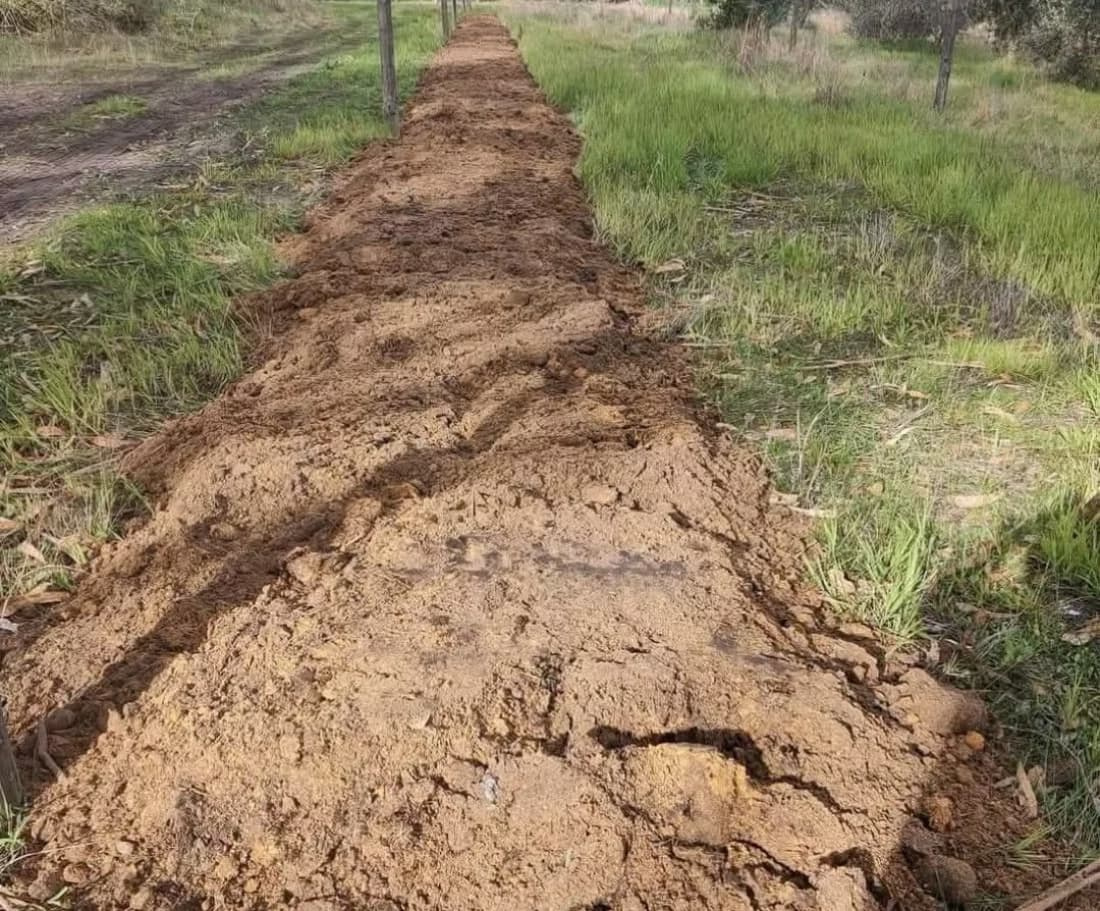
What You Can Actually Change About Bad Soil
Heavy clay and loose sand feel like permanent sentences, and half of that is true. What your soil is made of will not change. How those particles are arranged will — and that is the half that decides whether anything grows.
Read Article
Why Your Plants Survive Winter and Die in July
Your hardiness zone is built from one number — the coldest night of an average year. It says nothing about the hottest afternoon, which is what actually kills most plants people lose. Here's how to read the other half of the map.
Read Article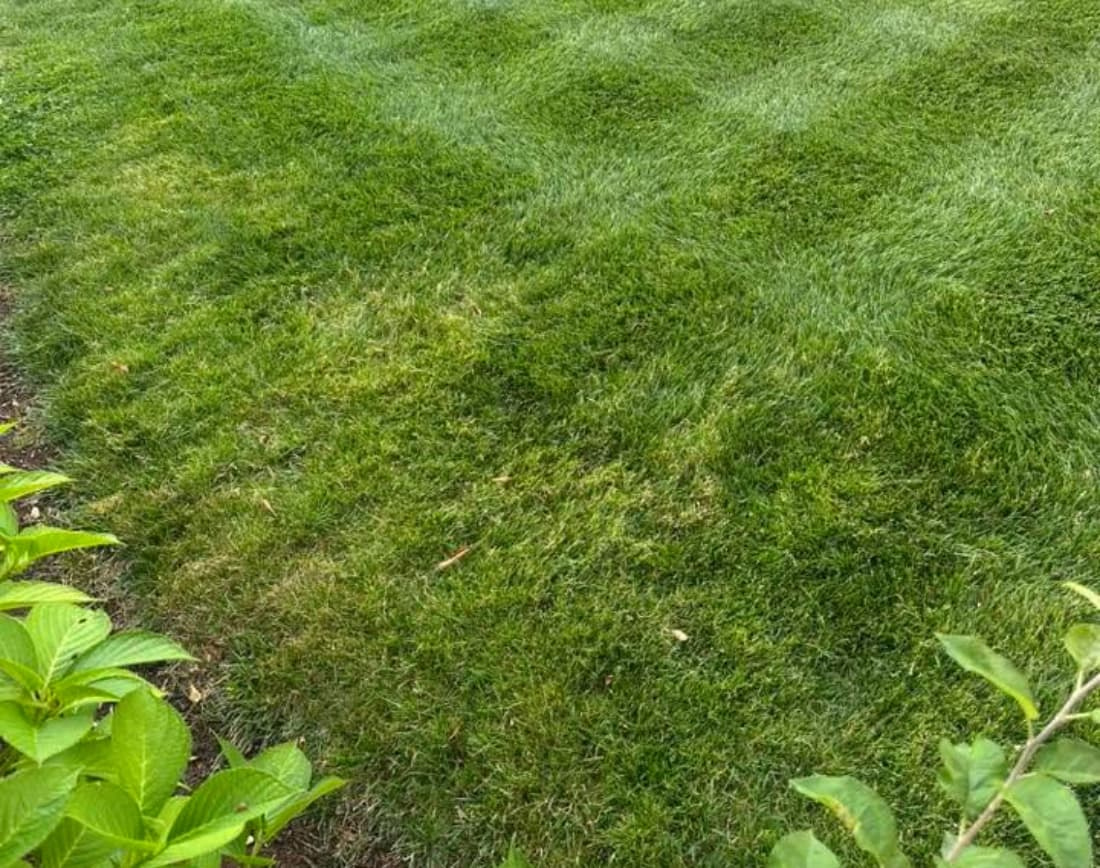
Why Poa Annua Keeps Coming Back — and the 3-Year Plan That Finally Ends the Cycle
You've pulled it. You've sprayed it. You've watched the little white seedheads mock you every single spring. And every fall, like clockwork, it's back — in the lawn, in the beds, in the cracks you didn't know you had. Here's the hard truth nobody at the big-box store will tell you: you're not losing because you're doing it wrong — you're losing because you're fighting the wrong enemy on the wrong timeline. Poa annua isn't a one-season problem, and once you understand why, the three-year plan below stops feeling like a chore and starts feeling like a countdown.
Read Article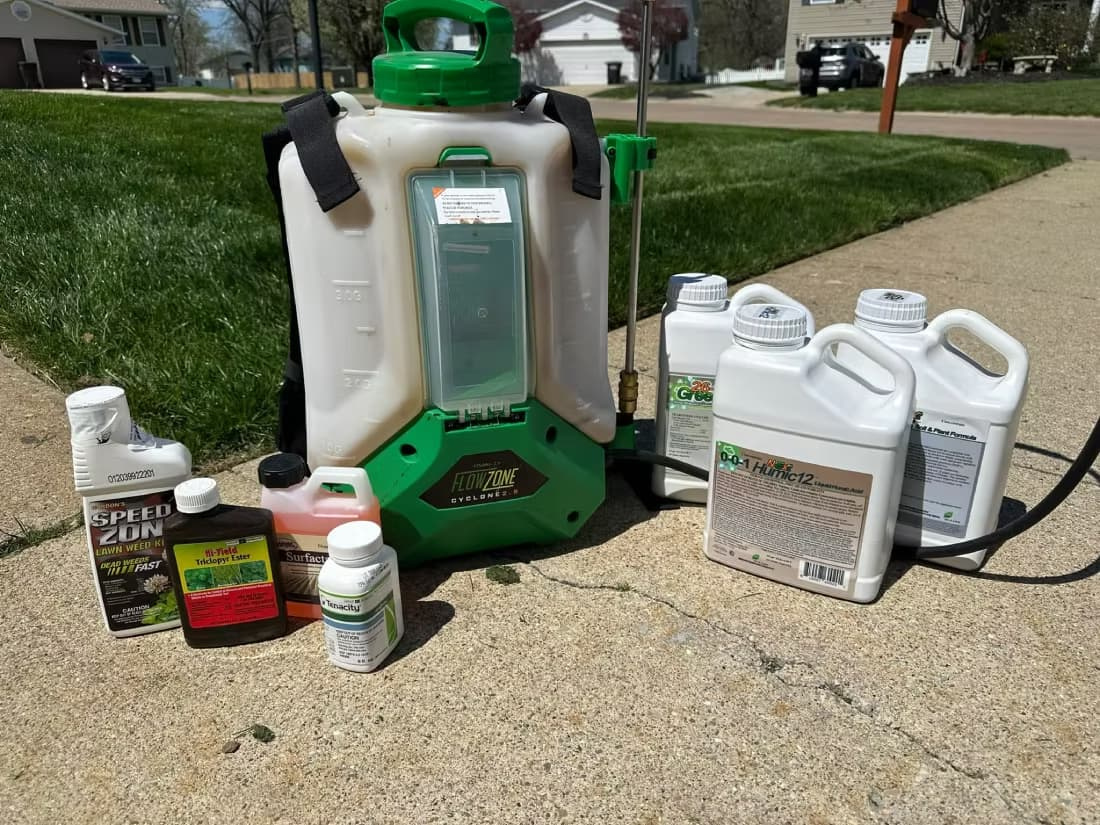
How to Apply Herbicides Correctly in Your Lawn and Garden Beds
Getting real results from a weed product has almost nothing to do with the brand on the bottle and everything to do with matching the method to the moment — the right chemistry, in the right place, at the right time. Learn how to apply herbicides correctly across both your lawn and your garden beds, whether you’re stopping weeds before they sprout or killing the ones already growing, without wasting product or harming the plants you want to keep.
Read Article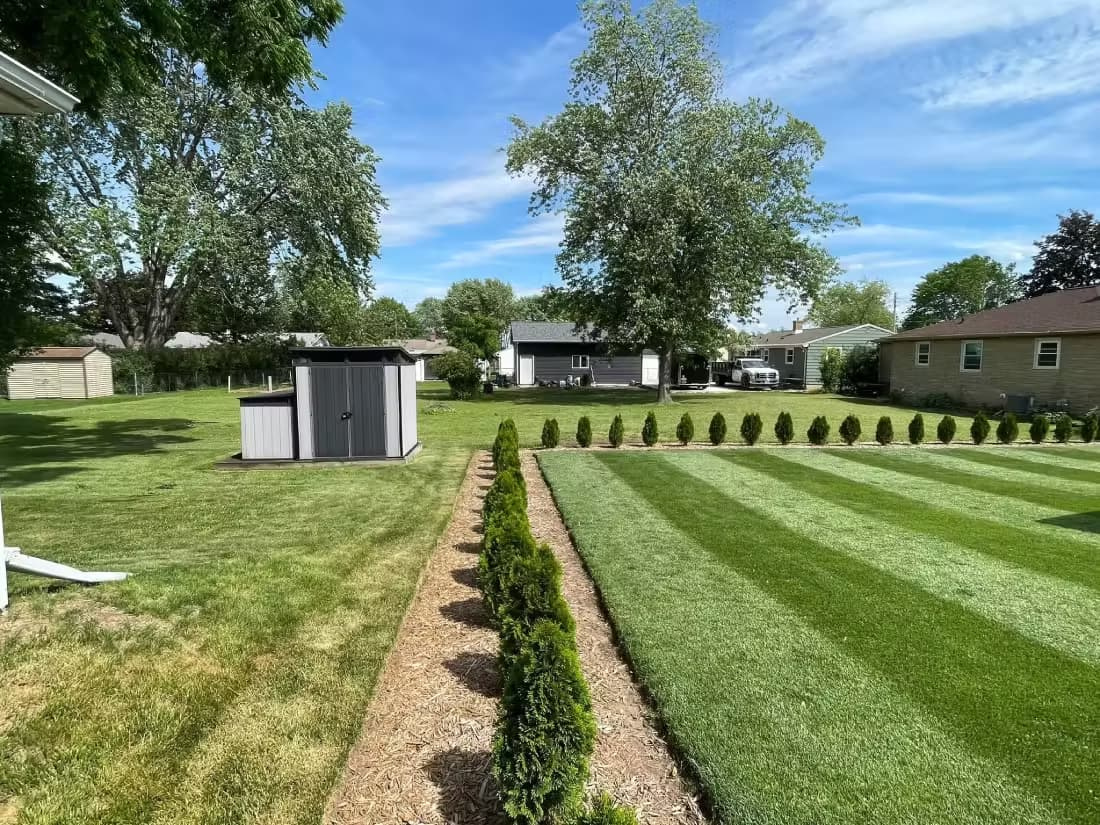
How to Kill Weeds Where Two Lawns Meet Without Harming Your Neighbor’s Grass
Controlling weeds along a shared property line is where good intentions quietly backfire—the season that's safe for your own lawn is often the season the lawn next door is most easily harmed. Learn the seasonal timing collision behind most fence-line damage, and the two habits that prevent it—reading what's actually in the bottle and spraying directed instead of broadcast—so you can clear the weeds without hurting your grass, your neighbor's, or the peace between you.
Read Article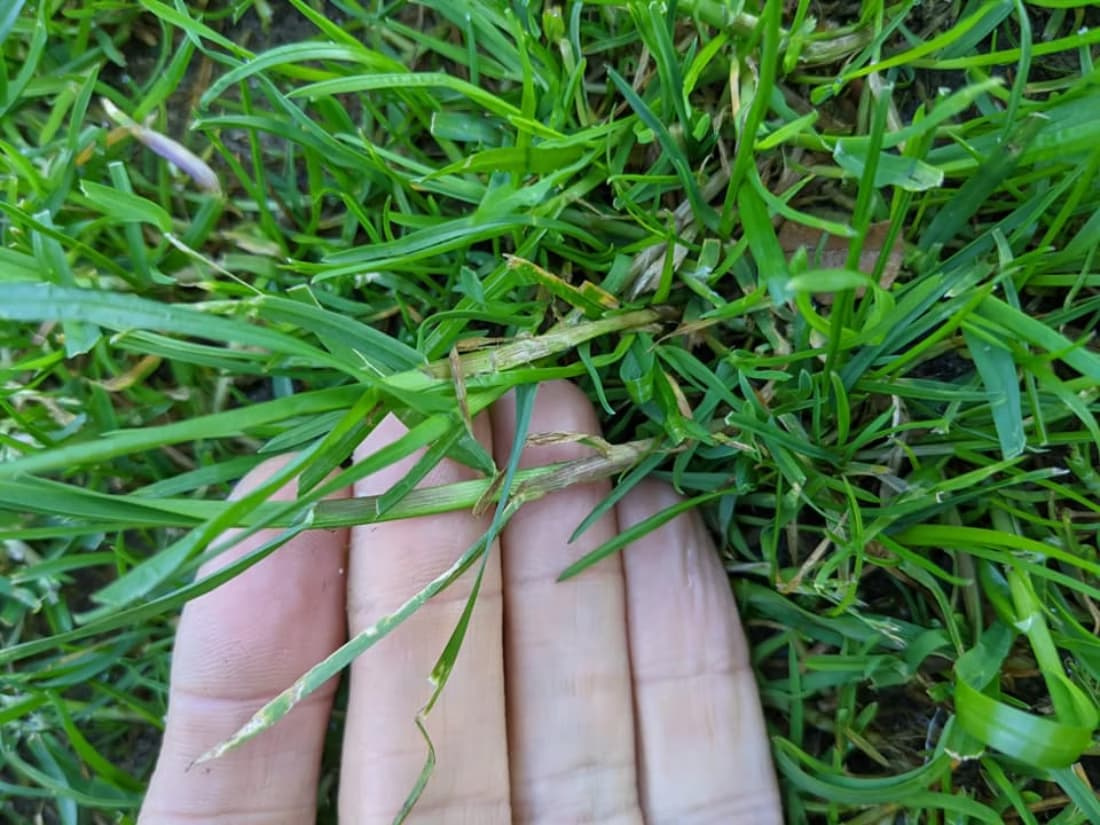
The Truth About One-and-Done Weed Control
Most homeowners lose the fight against weeds not because they work too little, but because they act before they understand. One-and-done weed control is real — but it only works when identification, timing, and the right tool all line up. This guide explains how that sequence works across your lawn and your ornamental beds, and how each weed page in the MFY hub puts it into practice for your specific invader.
Read Article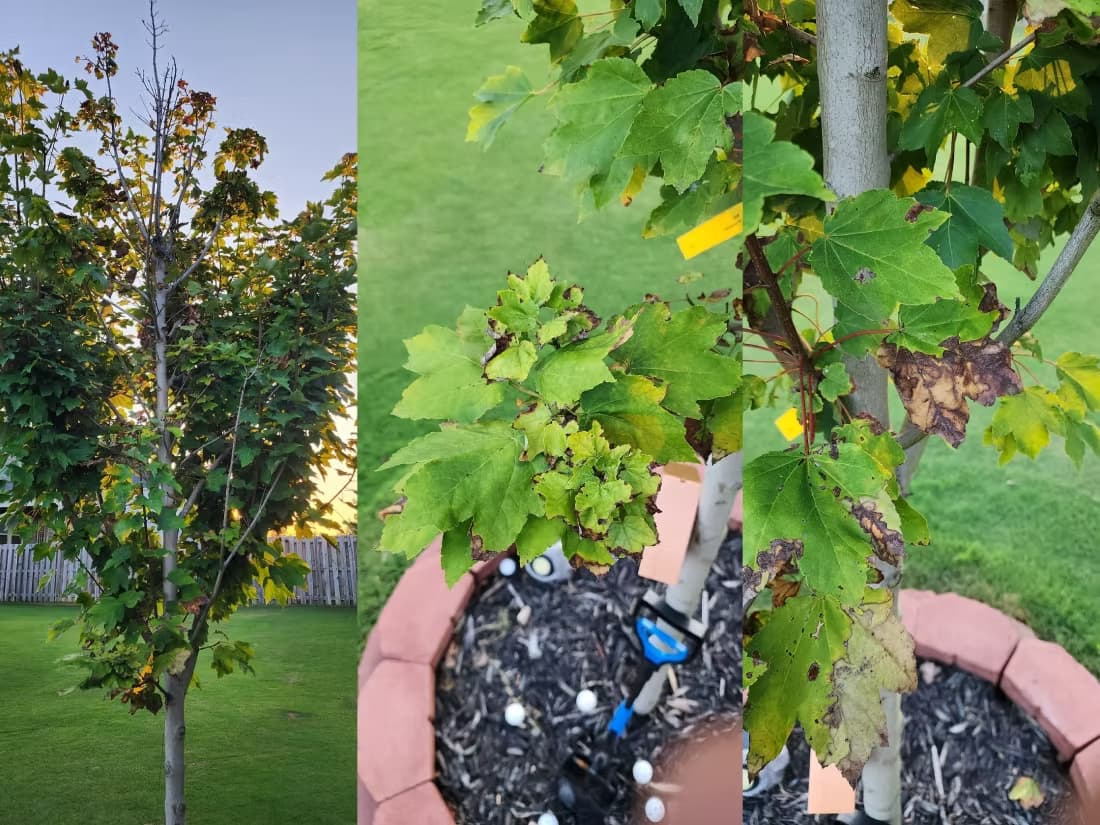
Solving the Mystery of the False Evidence in Your Lawn and Landscape
A brown leaf or a yellowing lawn is rarely what it seems. When symptoms act as decoys, a calm, forensic approach brings clarity to the confusion. Learn how to look past the surface to find the quiet truth of what your plants are truly asking for.
Read Article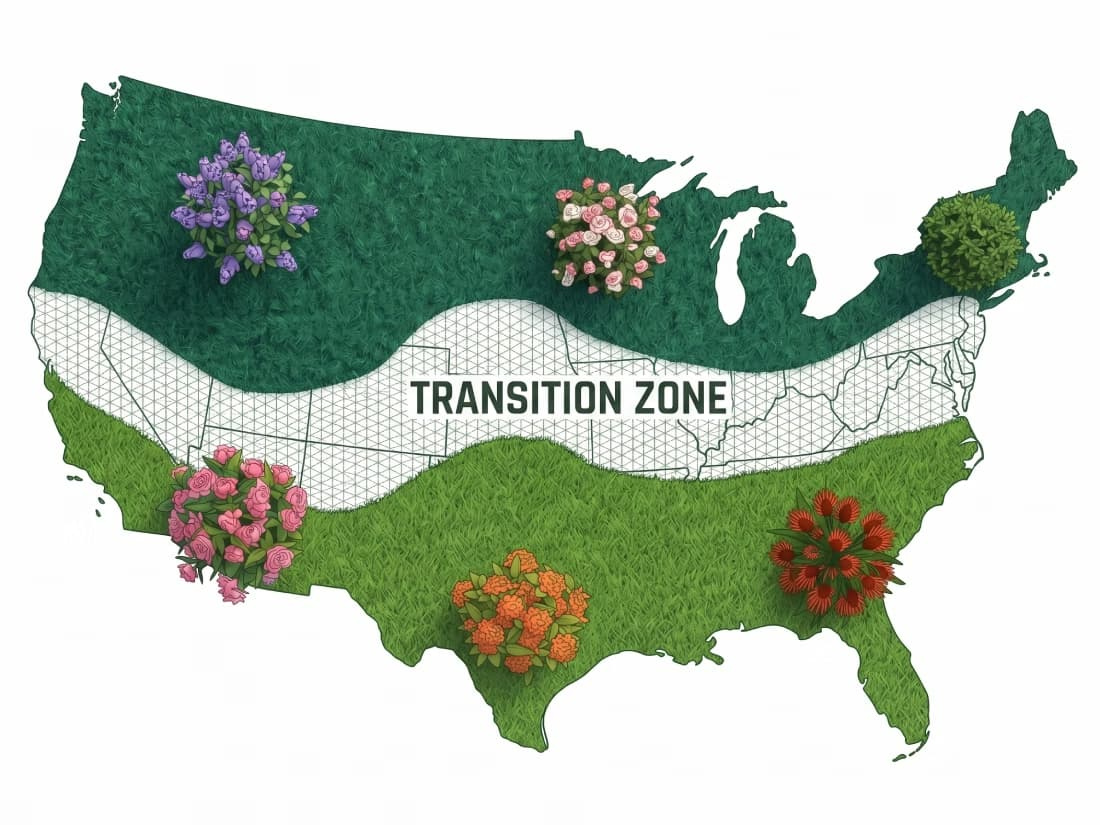
Living in the Middle: The Deep-Dive Guide to Transition Zone Lawns and Landscapes
The Transition Zone is a biological tug-of-war where neither northern nor southern species perfectly adapt. By using resilient "bridge" species and mastering maintenance levers like the Mowing Pivot, you can transform a struggling yard into a healthy landscape.
Read Article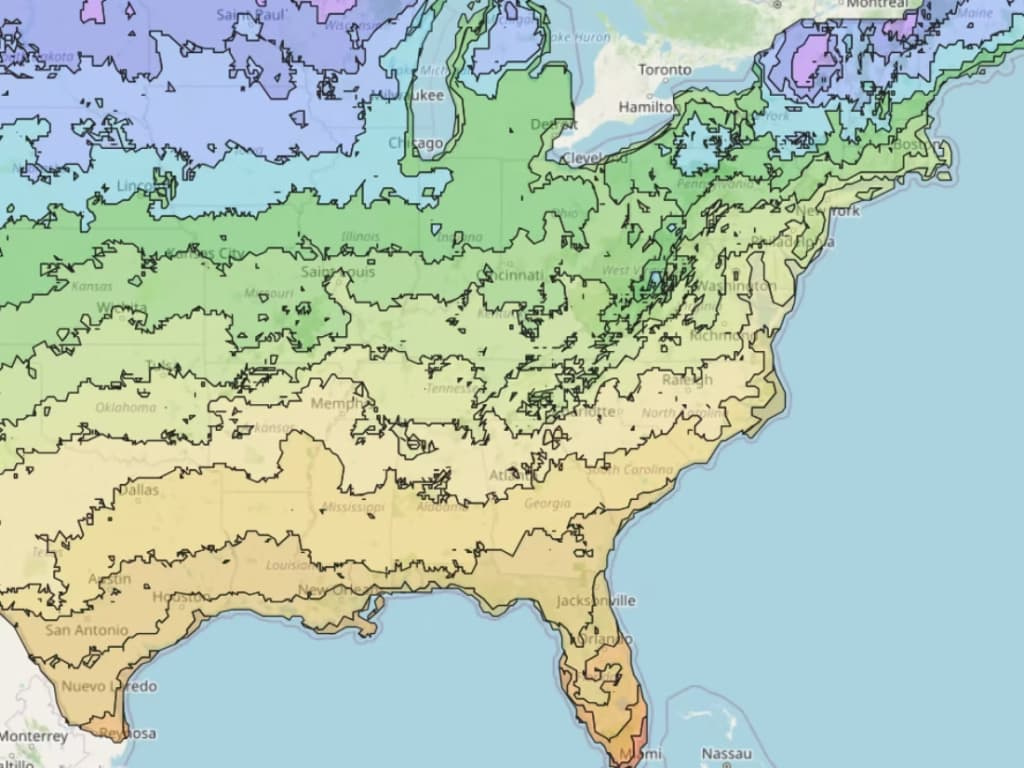
What Your Hardiness Zone Really Means for Your Lawn and Plants
Uncover the foundation of a resilient landscape by mastering the science of hardiness zones. Learn how these climate boundaries are calculated and why understanding your local temperature limits is the first step toward choosing plants that thrive year after year.
Read ArticleFrequently Asked Questions
The responses provided in this FAQ are synthesized from peer-reviewed plant diagnostic studies and standardized troubleshooting protocols from university horticultural clinics. We focus on evidence-based explanations to provide clear, scientific clarity on the most common questions regarding environmental plant injury.
Yes. Many grasses (like Kentucky Bluegrass) go into a protective dormancy during drought. The grass looks dead, but the “crown” (the heart of the plant) is still alive. However, if the drought lasts more than 4–6 weeks without any hydration, the crown will eventually die, and the dormancy becomes permanent death.
No. This is a persistent myth. The “magnifying glass” effect of water droplets is not strong enough to burn leaf tissue. If your plants are wilting at noon, water them immediately. Waiting until evening can be the difference between a stressed plant and a dead one.
Scientific Authority
This profile is built on objective horticultural research and plant pathology data from university-led extension programs. We prioritize physiological evidence regarding environmental stress factors, nutrient availability, and cellular response to provide an unbiased assessment of each abiotic disorder.
Primary Resources
- University of Minnesota Extension: “Watering Wisdom: Determining a Drought”
- Colorado State University: “Drought Tolerance of Ornamental Plants”
- University of Florida IFAS: “Drought Stress and Managed Turf”