
Continuous permafrost and extreme cold stop roots from growing
USDA Hardiness Zone 1: The Arctic Frontier
Key Regions: Alaska only — Brooks Range, Arctic Slope, and the high interior tundra
Zone Summary At-a-Glance
Heat Days
0–3 days
First Frost
Aug 5 – Aug 30
Last Frost
May 25 – Jun 25
Temperature Range
-60°F to -50°F
Subzone A Temp
-60°F to -55°F
Subzone B Temp
-55°F to -50°F
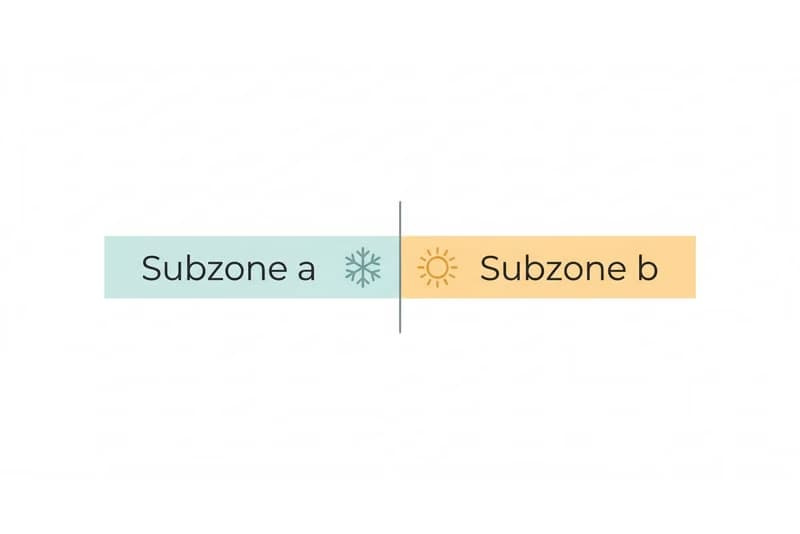
Understanding the Subzone Division
- Zone 1a (-60°F to -55°F) — High passes in the Brooks Range and interior valley cold sinks. Winter lows destroy the growing tissue of nearly every non-native woody plant, leaving native tundra vegetation.
- Zone 1b (-55°F to -50°F) — Arctic tundra lowlands and the coastal plain, including Utqiaġvik and Prudhoe Bay. Sheltered sites with reliable snow cover can hold a few ultra-hardy woody plants.
Where permafrost sets the limit on everything
Zone 1 is the coldest classification on the USDA map, covering ground where the average annual low runs between -60°F and -50°F. In the United States it exists only in Alaska, north of the Alaska Range across the Brooks Range, the Arctic Slope, and the high interior tundra. It spans hundreds of thousands of square miles and almost none of it is gardened. There is no commercial nursery trade here and effectively no managed residential lawn.
If you landed here because a plant tag says hardy to Zone 1, understand what that rating covers. It describes tolerance of one number, the winter minimum, and nothing else. In Zone 1 the winter minimum is rarely the thing that kills a plant. Continuous permafrost underlies roughly 85 percent of Alaska’s subsoil and caps rooting at a thin active layer that thaws each summer, and the frost-free season runs 30 to 70 days. Cold hardiness alone will not carry a plant through either of those.
The Lawn & Turf Management Calendar
Spring (Mar-May)
- Watch runoff as the active layer thaws — meltwater cannot drain through frozen subsoil.
- Skip the mower. There is no conventional turf here to cut.
- Check native cover for vole tunneling exposed by the retreating snowpack.
Summer (Jun-Aug)
- Leave native moss and tundra cover undisturbed — it is the ground cover this site supports.
- Skip irrigation. Permafrost traps meltwater in the root zone and keeps shallow soils wet.
- Avoid foot traffic on thawed tundra, which compacts and scars for years.
Fall (Sep-Nov)
- Stop all nitrogen by late August so any managed cover hardens off before freeze-up.
- Clear debris from vegetated edges before snow arrives and locks it in place.
- Expect an abrupt end — the first hard frost can land in early August.
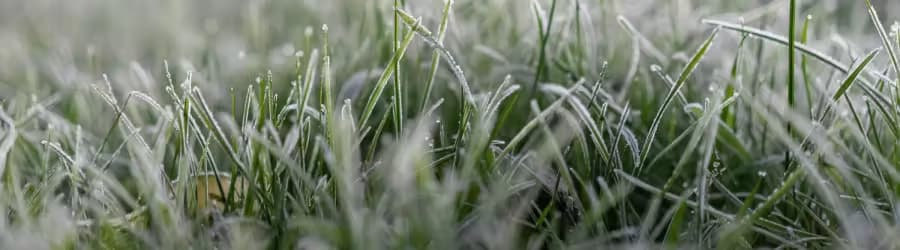
Winter (Dec-Feb)
- Leave snow where it falls. It is the only thing insulating root crowns from polar wind.
- Avoid piling plowed snow or ice-melt product onto vegetated edges.
- Do nothing else — Zone 1 has no winter lawn program.
The Lawn Care Strategy
Zone 1 is the one zone where the honest lawn answer is not to have one. The University of Alaska Fairbanks Cooperative Extension Service treats conventional turfgrass as non-viable across this zone, and the reason is structural rather than seasonal. Continuous permafrost caps rooting depth at a shallow active layer, and because that frozen subsoil cannot drain, summer meltwater sits in the root zone and suffocates roots. A frost-free season of 30 to 70 days leaves no window to establish anything from seed. What extension recommends instead is preserving the native moss-tundra cover already in place, or planting nonwoody perennial groundcovers close to buildings. Your winter job is to leave the snowpack alone, since it does insulating work no mulch can match.
Lawn-Specific Tips & Local Risks
- Gray snow mold (Typhula spp.) is near-guaranteed wherever grass exists. Six to eight months of snow over unfrozen ground is ideal for it, and you will find bleached patches and fungal webbing at thaw.
- Never layer fine topsoil over gravel or permafrost to build a lawn base. Water saturates the upper layer before it can drain and roots rot in place.
- Voles tunnel under the snowpack all winter and strip crowns as they go. The damage only becomes visible at melt.
The Plant & Ornamental Management Calendar

Spring (Mar-May)
- Wait for the active layer to thaw completely before planting, usually mid to late June.
- Prune ice-damaged wood from native shrubs after bud break, not before.
- Resist planting early — soil that looks thawed on top is still frozen underneath.
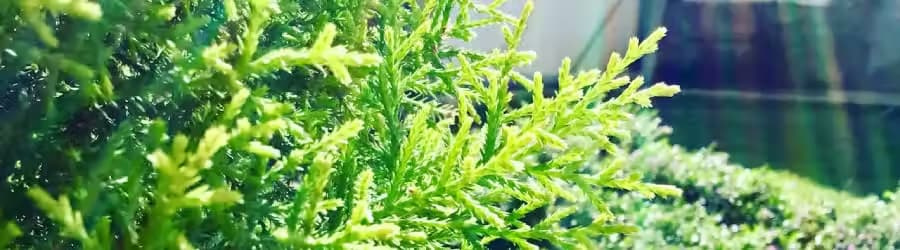
Summer (Jun-Aug)
- Use the near-continuous daylight — growth happens fast in a very short window.
- Leave shallow root zones undisturbed. Everything roots in the top few inches.
- Skip supplemental water on most sites, since permafrost keeps the active layer wet.
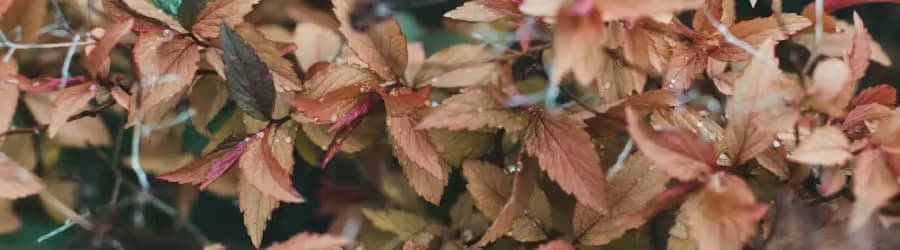
Fall (Sep-Nov)
- Mulch heavily around plant bases in late August to slow frost penetration.
- Stop nitrogen entirely — late soft growth will not harden before freeze and will die.
- Finish planting by early August. There is no fall planting window here.
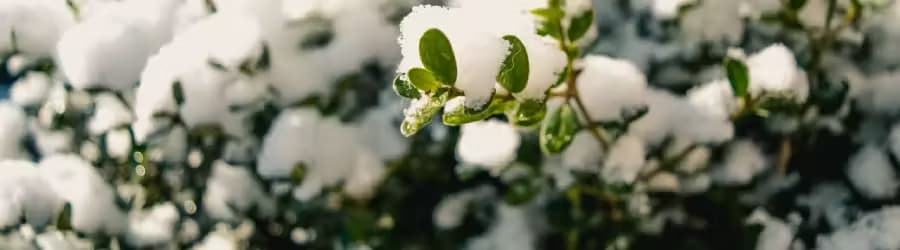
Winter (Dec-Feb)
- Erect burlap screens or windbreaks around woody plants to cut desiccation.
- Shovel snow onto perennial beds rather than off them.
- Watch for sunscald on evergreens as late-winter glare off snow intensifies.
The Plant Care Strategy
Everything in Zone 1 comes back to one problem: a plant can lose water in winter but cannot replace it. Roots sit locked in frozen ground while dry polar wind pulls moisture out of stems and needles, so winter desiccation kills far more plants here than the temperature reading alone would explain. That makes snow cover your primary tool. Deep, early snowpack slows frost penetration and buffers root crowns, while a wind-scoured site without it will lose plants that survive twenty feet away. Terrain matters more here than in any other zone. South-facing slopes thaw deeper and can sit free of continuous permafrost, while valley floors pool cold air and run colder than the ridges above them.
Plant-Specific Tips & Local Risks
- Site by aspect first. A south-facing slope can carry a deeper active layer and no continuous permafrost. A low valley floor is a frost pocket that runs colder than the ridge above it.
- Expect ground subsidence where permafrost ice lenses thaw. It tears roots and can drop a planting bed unevenly.
- Watch evergreens in late winter, not midwinter. Glare off snow drives sunscald and needle burn while roots are still frozen and cannot resupply water.
Curated Species & Botanical Compatibility
Featured Grasses for This Zone
No turfgrass in our library is viable here. UAF Extension treats conventional lawns as non-viable across Zone 1 — permafrost caps rooting depth, meltwater cannot drain through frozen subsoil, and a 30 to 70 day season leaves no window to establish seed. Preserving the native moss-tundra cover already on site is the working alternative.
Marginal & At-Risk Species
Almost everything sold as cold-hardy tops out at Zone 3, two full zones warmer than this, and the plants below are the ones people attempt anyway. Most fail from winter desiccation or saturated crowns rather than the temperature itself — dry polar wind pulls moisture out of tissue while frozen ground holds the supply, and permafrost keeps meltwater sitting in the root zone.
Deep Dives & Practical Guides
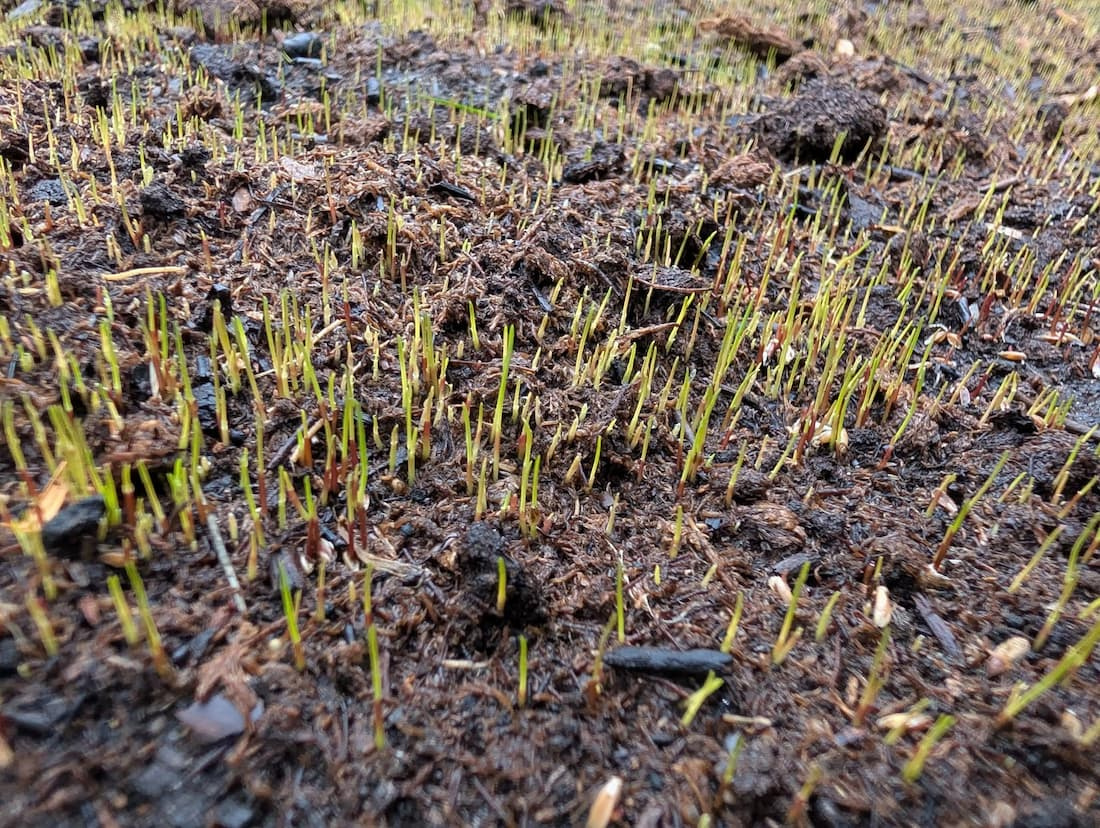
How to Establish a New Lawn From Bare Soil to First Mow
Bare soil doesn't turn into a lawn just because you scattered seed or rolled out sod — it becomes one based on a handful of specific steps done in the right order, matched to your specific grass. This guide walks through soil prep, seeding or planting method, starter fertilizer, watering as the grass grows, and knowing when it's actually safe to mow, for both cool-season and warm-season lawns.
Read Article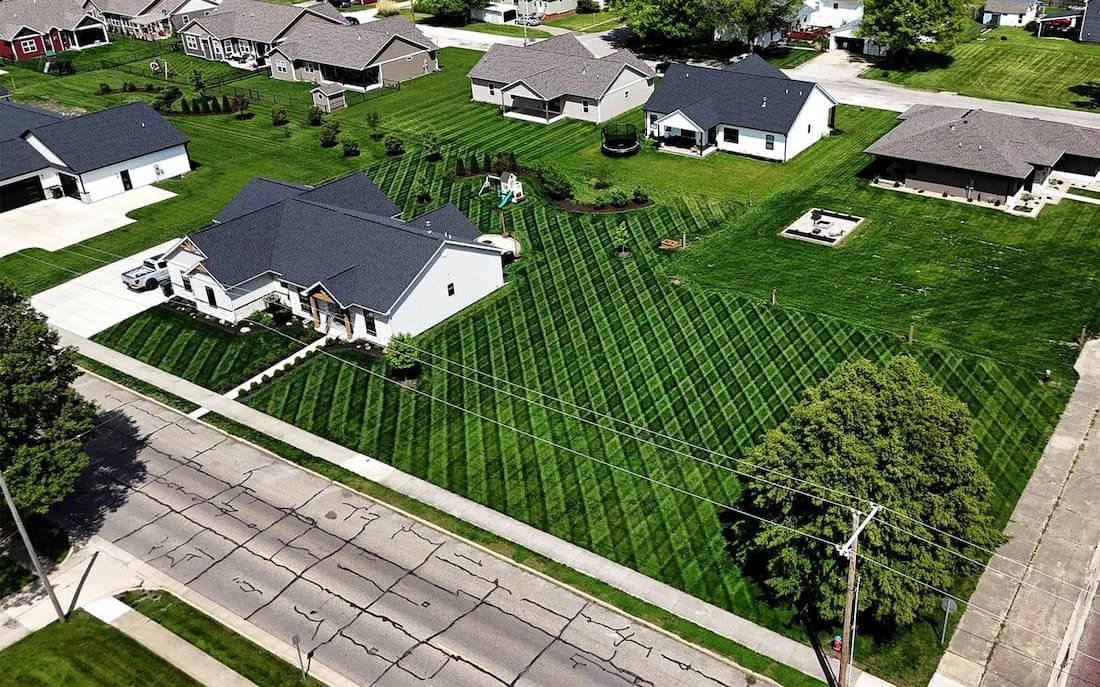
Cool Season vs Warm Season Lawn and Landscape Guide
Your lawn and your flower beds don't follow the same calendar — one runs on a cool-season engine, the other on a warm-season one, and using the wrong playbook on either can do real damage. This guide helps you figure out which system you actually have and how to care for it correctly, plus how the same cool/warm split applies to your ornamental beds.
Read Article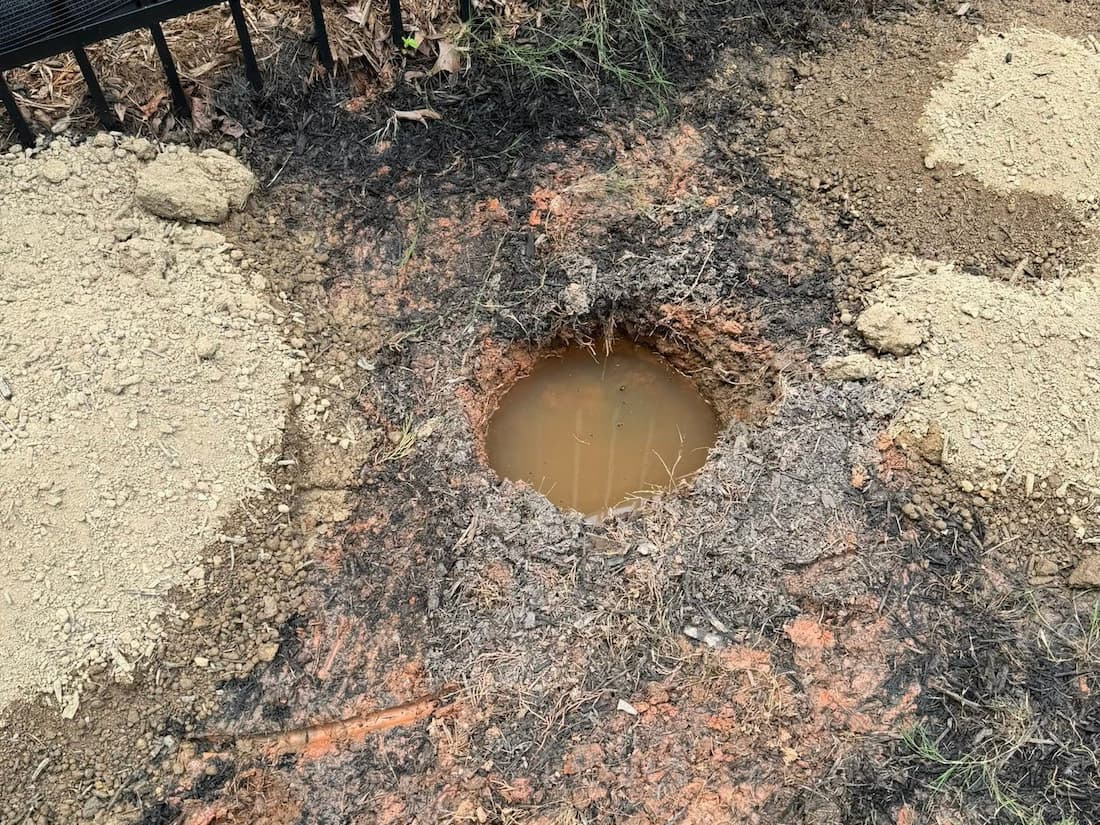
The Hole You Dug Is Killing Your New Plants
A shrub that looked fine all summer and stalled the next year usually didn't fail because of the plant, the weather, or the nursery. It failed because the hole it went into was a container — smooth-walled, water-holding, and impossible to root out of.
Read Article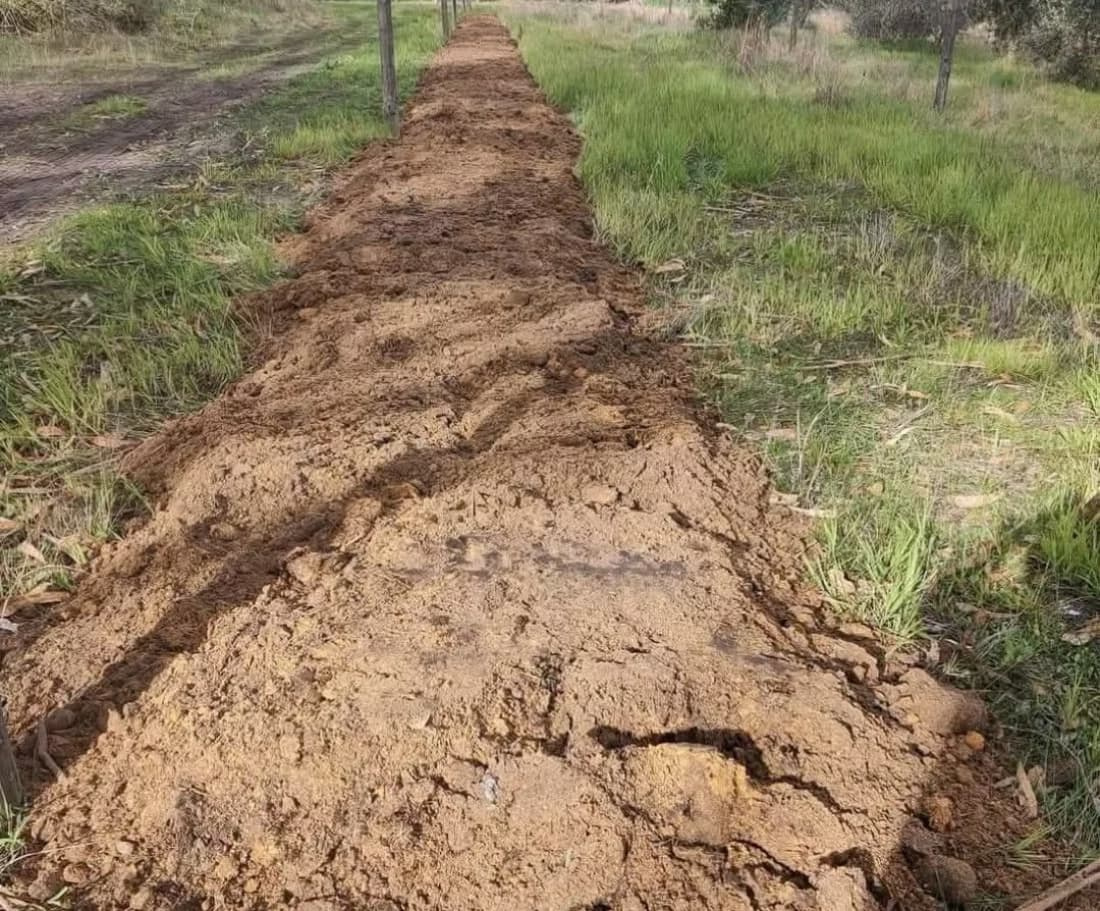
What You Can Actually Change About Bad Soil
Heavy clay and loose sand feel like permanent sentences, and half of that is true. What your soil is made of will not change. How those particles are arranged will — and that is the half that decides whether anything grows.
Read Article
Why Your Plants Survive Winter and Die in July
Your hardiness zone is built from one number — the coldest night of an average year. It says nothing about the hottest afternoon, which is what actually kills most plants people lose. Here's how to read the other half of the map.
Read Article
Why Poa Annua Keeps Coming Back — and the 3-Year Plan That Finally Ends the Cycle
You've pulled it. You've sprayed it. You've watched the little white seedheads mock you every single spring. And every fall, like clockwork, it's back — in the lawn, in the beds, in the cracks you didn't know you had. Here's the hard truth nobody at the big-box store will tell you: you're not losing because you're doing it wrong — you're losing because you're fighting the wrong enemy on the wrong timeline. Poa annua isn't a one-season problem, and once you understand why, the three-year plan below stops feeling like a chore and starts feeling like a countdown.
Read Article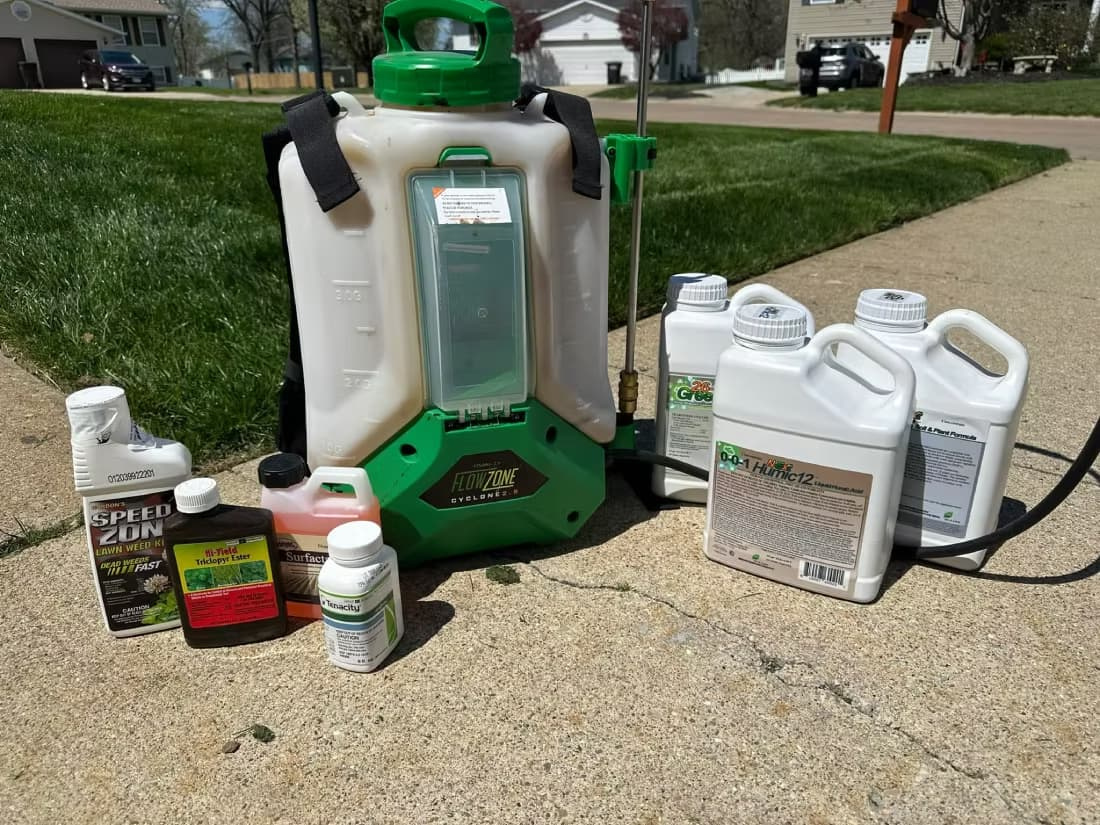
How to Apply Herbicides Correctly in Your Lawn and Garden Beds
Getting real results from a weed product has almost nothing to do with the brand on the bottle and everything to do with matching the method to the moment — the right chemistry, in the right place, at the right time. Learn how to apply herbicides correctly across both your lawn and your garden beds, whether you’re stopping weeds before they sprout or killing the ones already growing, without wasting product or harming the plants you want to keep.
Read Article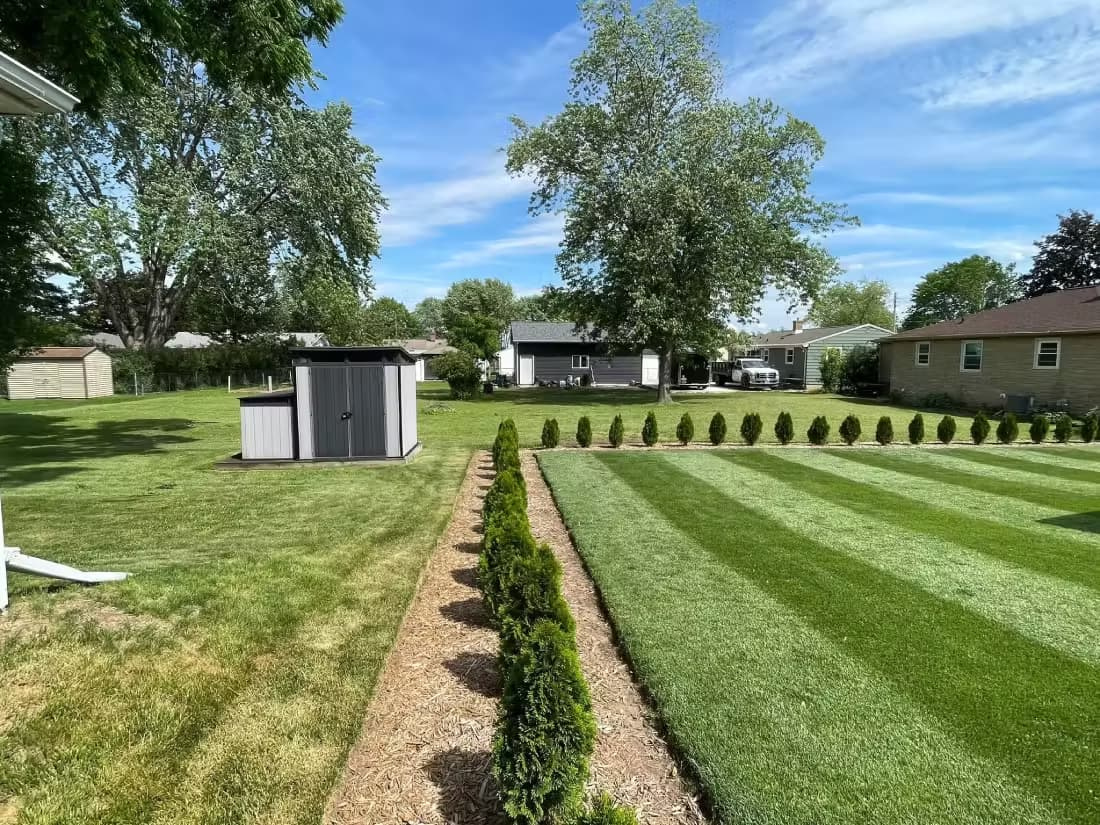
How to Kill Weeds Where Two Lawns Meet Without Harming Your Neighbor’s Grass
Controlling weeds along a shared property line is where good intentions quietly backfire—the season that's safe for your own lawn is often the season the lawn next door is most easily harmed. Learn the seasonal timing collision behind most fence-line damage, and the two habits that prevent it—reading what's actually in the bottle and spraying directed instead of broadcast—so you can clear the weeds without hurting your grass, your neighbor's, or the peace between you.
Read Article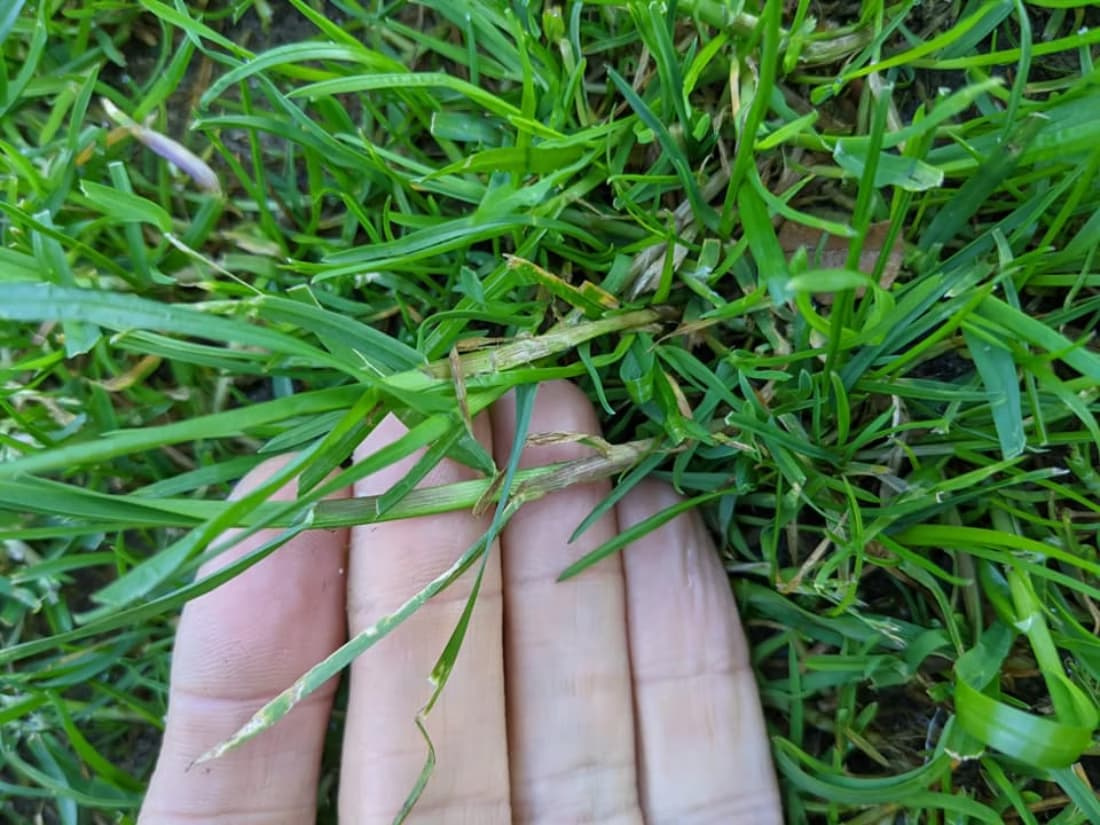
The Truth About One-and-Done Weed Control
Most homeowners lose the fight against weeds not because they work too little, but because they act before they understand. One-and-done weed control is real — but it only works when identification, timing, and the right tool all line up. This guide explains how that sequence works across your lawn and your ornamental beds, and how each weed page in the MFY hub puts it into practice for your specific invader.
Read Article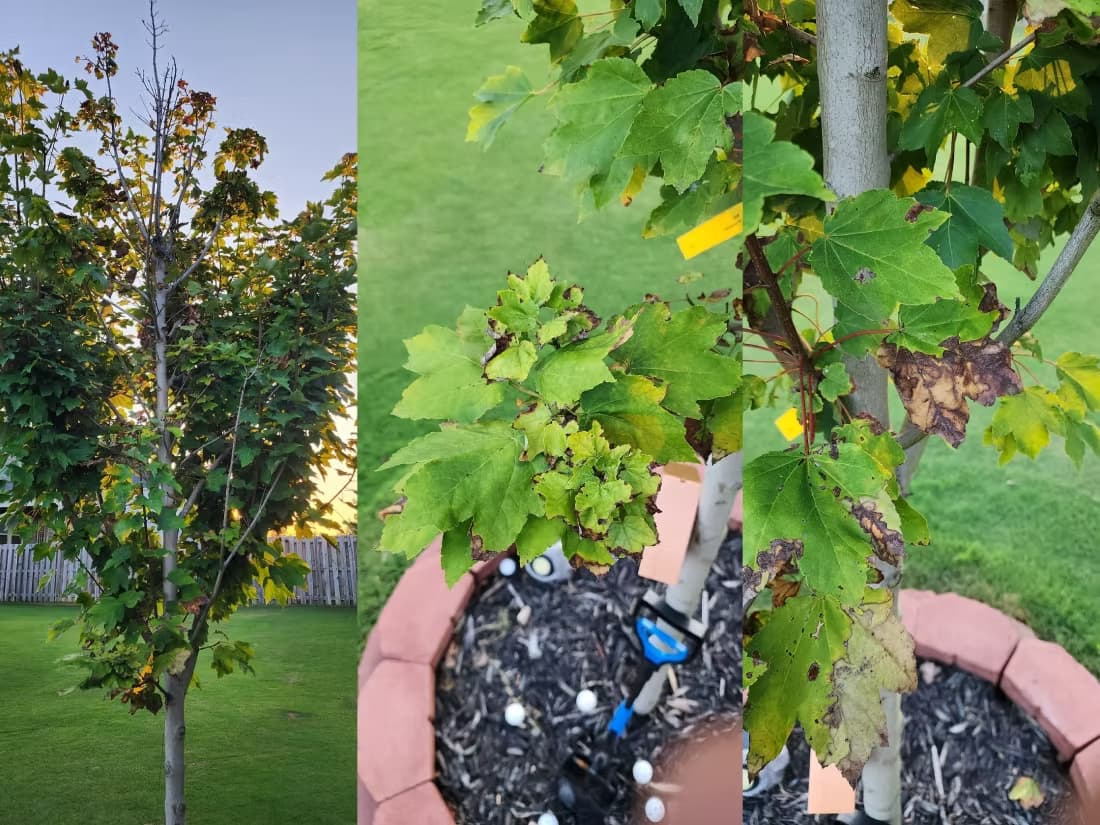
Solving the Mystery of the False Evidence in Your Lawn and Landscape
A brown leaf or a yellowing lawn is rarely what it seems. When symptoms act as decoys, a calm, forensic approach brings clarity to the confusion. Learn how to look past the surface to find the quiet truth of what your plants are truly asking for.
Read Article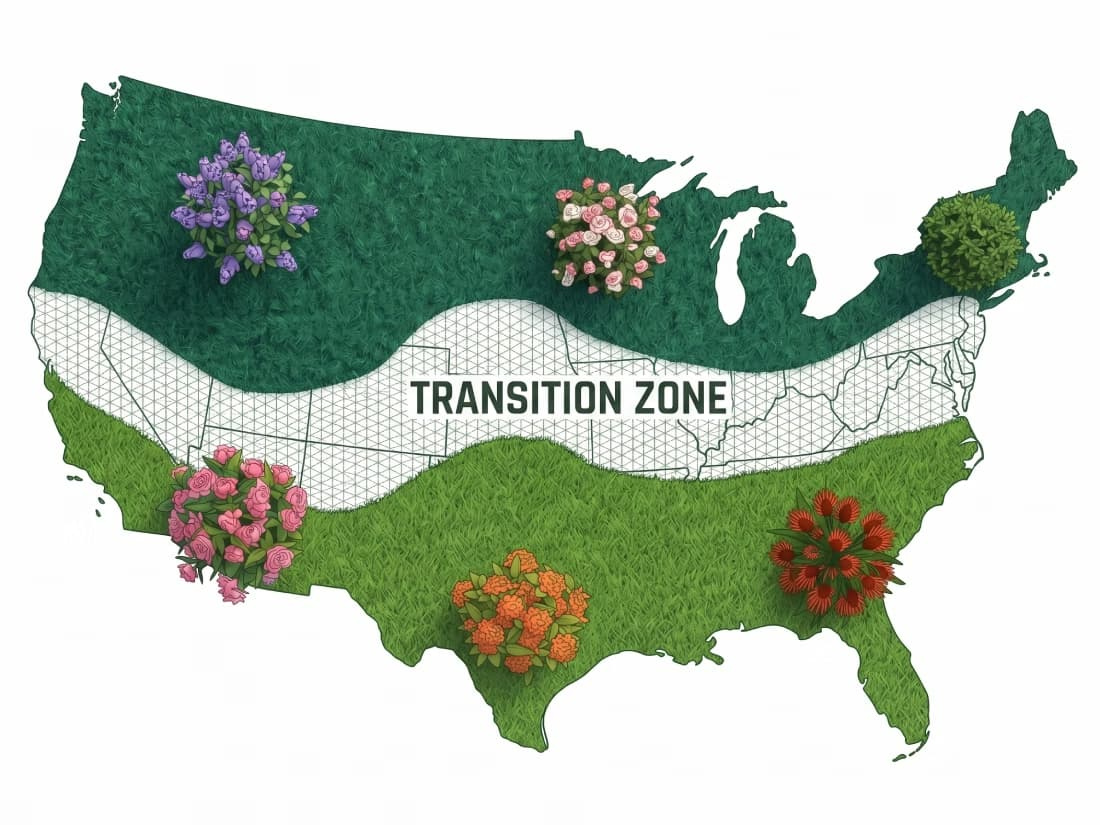
Living in the Middle: The Deep-Dive Guide to Transition Zone Lawns and Landscapes
The Transition Zone is a biological tug-of-war where neither northern nor southern species perfectly adapt. By using resilient "bridge" species and mastering maintenance levers like the Mowing Pivot, you can transform a struggling yard into a healthy landscape.
Read Article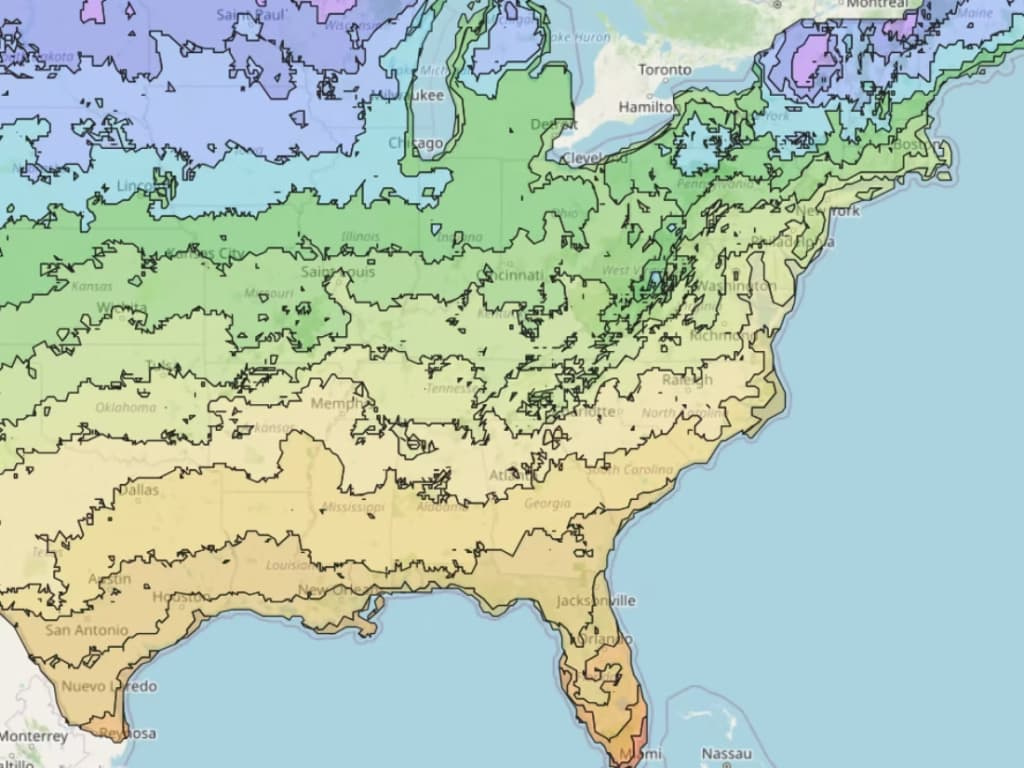
What Your Hardiness Zone Really Means for Your Lawn and Plants
Uncover the foundation of a resilient landscape by mastering the science of hardiness zones. Learn how these climate boundaries are calculated and why understanding your local temperature limits is the first step toward choosing plants that thrive year after year.
Read ArticleClimatic Transitions: Adjacent Hardiness Zones
Hardiness zones are not rigid boundaries but parts of a fluid climatic gradient. Exploring the data for a neighboring zone provides critical context for understanding how a slight shift in average minimum temperatures—even by a few degrees—can fundamentally alter your botanical survival windows and seasonal management strategy.
The Soil Profile Builder
Temperature dictates what grows, but soil texture determines how it thrives. Use our forensic tool to analyze your soil composition and integrate Hardiness Zone data with your unique subterranean conditions.
Build Soil ProfileFrequently Asked Questions
These are the questions extension services in this zone answer most often, and the misconceptions their diagnostic clinics correct most repeatedly.
Each answer explains the mechanism rather than just the fix. Once you know why something is happening, you can usually see it coming the following year — which is worth more than a treatment.
Very little beyond what already grows there. The reliable palette is native tundra and alpine material — moss campion, mountain avens, arctic willow, dwarf birch, and the low mat-forming perennials adapted to a shallow active layer and a 30 to 70 day season. Almost anything sold at a garden center for “cold climates” is rated to Zone 3 at best, which is two full zones warmer than this. Working with the native vegetation already on site produces better results than replacing it.
That is sunscald and desiccation, and it happens in late winter rather than at the coldest point of the year. Bright sun reflecting off snow warms the foliage enough to open stomata, so the plant starts losing water while its roots are still locked in frozen soil. It cannot resupply, and the needles dry out and brown.
No, and it fails in a specific way. Layering fine topsoil over gravel or permafrost creates a perched water table. Water saturates the upper layer completely before it drains, so roots sit in standing water and rot. Extension publications warn against this directly.
It acts as a physical floor. Roots cannot penetrate it, so they are confined to the shallow active layer that thaws each summer. Shallow rooting leaves trees vulnerable to windthrow, and it gives them almost no moisture reserve to draw on during winter desiccation.
High-nitrogen fertilizer applied after late August pushes soft new growth that has no time to harden off before freeze-up. That tissue dies, and the dead material feeds gray snow mold under the winter snowpack. Late feeding creates two problems where there was one.
Because it is the only insulation available. Snowpack traps ground heat and holds the soil beneath it far warmer than the air above, which is often 40°F or more colder. A plant under two feet of snow is in a stable, survivable environment. The same plant twenty feet away on a wind-scoured ridge is exposed to the full minimum with dry polar wind pulling moisture out of it. This is why plants routinely survive at the base of a shrub and die on the branches above the snowline.
Scientific Authority
Every figure on this page traces to one of three places: the 2023 USDA Plant Hardiness Zone Map, NOAA climate normals, or land-grant university extension research. Nothing comes from garden blogs or retail sites.
Seasonal timing is keyed to soil temperature and biological markers rather than calendar dates, because the calendar shifts by weeks from year to year and the soil does not. Where extension services disagree — and on the transition zone boundary they do — that disagreement is stated rather than smoothed over. The sources are listed here so you can check the work.
Primary Resources
- USDA Agricultural Research Service — 2023 Plant Hardiness Zone Map
- University of Alaska Fairbanks Cooperative Extension Service — Alaska Hardiness Zones
- University of Alaska Fairbanks Cooperative Extension Service — Permafrost: A Building Problem in Alaska
- University of Alaska Fairbanks Cooperative Extension Service — Landscape Plants for Alaska Database
- University of Alaska Fairbanks Cooperative Extension Service — Plant a Tree: An Alaska Guide to Tree Care