
Extreme cold and dry winter wind desiccate unprotected tissue
USDA Hardiness Zone 2: The Subarctic Shield
Key Regions: Interior Alaska — Fairbanks hillsides, upper Mat-Su Valley, Anchorage foothills
Zone Summary At-a-Glance
Heat Days
0–5 days
First Frost
Aug 15 – Sep 10
Last Frost
May 1 – May 30
Temperature Range
-50°F to -40°F
Subzone A Temp
-50°F to -45°F
Subzone B Temp
-45°F to -40°F
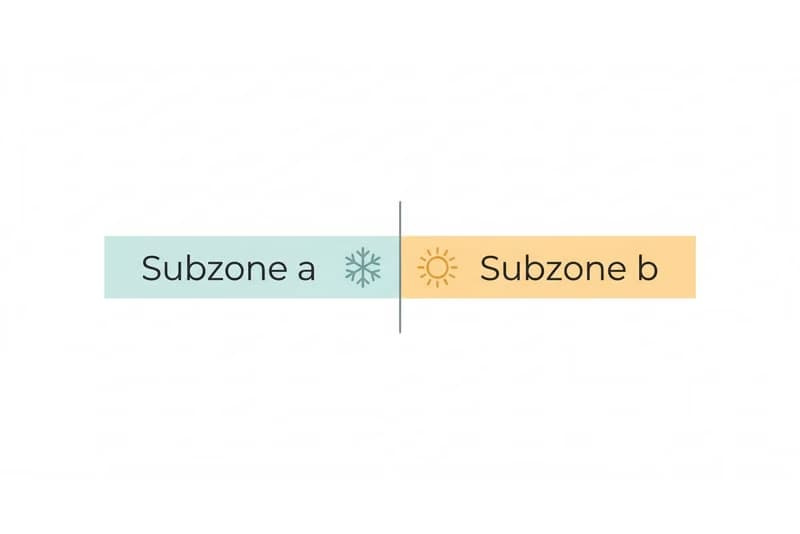
Understanding the Subzone Division
- Zone 2a (-50°F to -45°F) — Lower-elevation interior valley basins near Fairbanks, where cold air settles. Valley lows damage terminal wood and kill flower buds on marginal woody plants, so the shrub palette narrows sharply.
- Zone 2b (-45°F to -40°F) — Elevated hillside thermal belts around Fairbanks and the upper Matanuska-Susitna Valley. Marginal ornamental shrubs hold their flower buds and bloom reliably on favored sites.
Gardening the warm hillsides above interior Alaska
Zone 2 covers interior Alaska, where average annual lows run between -50°F and -40°F. Its U.S. footprint is small and specific — it occupies favored sites at roughly 600 to 1,200 feet of elevation around Fairbanks and elevated stretches of the Matanuska-Susitna Valley. Small as it is, this is where real gardening begins. Zone 2 holds working population centers with established ornamental plantings, community landscaping, and cool-season lawns that extension services treat as fully viable.
The detail that shapes everything here is elevation. Interior Alaska runs strong thermal inversions in winter — cold air drains downhill and pools on valley floors, leaving hillsides between 600 and 1,200 feet as much as 15°F warmer during a cold snap. Two gardens a few miles apart, one on the flat and one on the slope, are effectively in different zones. Where you sit on the hill matters more than almost anything else you decide.
The Lawn & Turf Management Calendar
Spring (Mar-May)
- Rake after snowmelt to lift dead leaf tissue and break up matted snow mold.
- Inspect for vole runs and crown stripping once the soil thaws.
- Hold off on feeding until the turf is actively growing, not just greening.
Summer (Jun-Aug)
- Mow at 2.5 to 3 inches, and raise that another half inch in shade to widen leaf surface for light capture.
- Irrigate infrequently but deeply, wetting soil 3 to 5 inches down to pull roots deeper.
- Remove no more than one-third of the blade in any single mowing.
Fall (Sep-Nov)
- Cut off high-nitrogen fertilizer by September 15 — later feeding drives snow mold.
- Take the final cut down to 2 to 2.5 inches and bag the clippings to reduce overwintering fungal inoculum.
- Rake leaves clear before first snow so nothing mats down over the crowns.
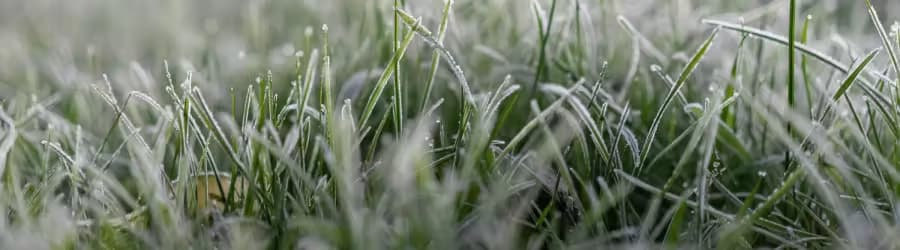
Winter (Dec-Feb)
- Keep foot and equipment traffic off frozen crowns, which crush and die under pressure.
- Leave snow cover intact where it lands — it is insulating the root zone.
- Store and service mowing equipment during the long dormant stretch.
The Lawn Care Strategy
Zone 2 sits firmly in cool-season turfgrass territory, and extension services treat home lawns here as fully workable. The whole program bends around one deadline. Everything you do in fall is aimed at getting the turf hardened off and clean before snow lands, because snow arrives early, stays six months or more, and covers ground that has not fully frozen — textbook conditions for gray snow mold. That is why the September 15 nitrogen cutoff is not a suggestion. Feed past it and you push soft growth that never hardens, then bury it under snow as fungal food. Your summer work sets up the same outcome from the other end: deep, infrequent watering builds the root depth that carries turf through both drought and the long freeze.
Lawn-Specific Tips & Local Risks
- Gray snow mold (Typhula spp.) is the dominant turf disease here, driven by long snow cover over soil that never fully froze. Rake matted patches open at thaw and they will usually recover.
- Keep thatch under 0.75 inches. Past that it traps moisture at the surface, harbors pathogens, and insulates roots from what little summer warmth arrives.
- Moss takes shady, damp, acidic ground. Treating the moss does nothing — improve drainage, correct pH, and prune back overhanging branches to fix the conditions instead.
The Plant & Ornamental Management Calendar

Spring (Mar-May)
- Prune damaged wood after leaf-out begins, once you can see which buds are alive.
- Fertilize only after active growth starts, not on the calendar.
- Plant on hillside sites where possible — valley floors run measurably colder.
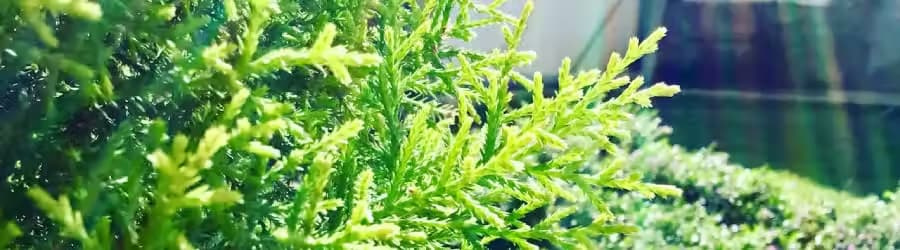
Summer (Jun-Aug)
- Water deeply into the root zone during dry spells rather than lightly and often.
- Scout foliage for chewing insects and leaf spot through the long daylight stretch.
- Push establishment hard — the frost-free window is only 75 to 105 days.
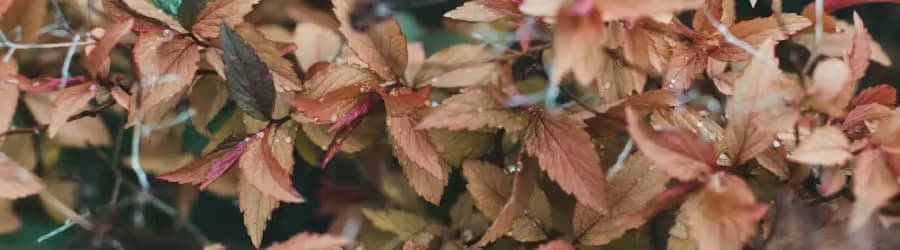
Fall (Sep-Nov)
- Mulch 3 to 4 inches around trees and shrubs, holding it 6 inches clear of the trunk.
- Stop nitrogen by late summer so tissue can harden off ahead of freeze.
- Water woody plants thoroughly before the ground freezes to build a moisture reserve.
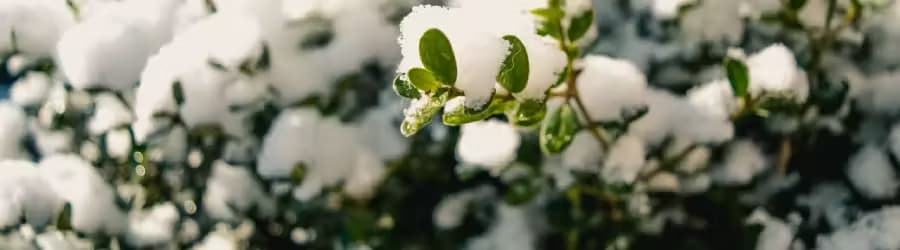
Winter (Dec-Feb)
- Wrap young thin-barked trunks with white tree guards to reflect winter sun.
- Install wire guards at the base to stop rodents girdling stems under snow.
- Screen exposed evergreens with burlap to cut wind desiccation.
The Plant Care Strategy
Two forces decide what lives in Zone 2, and neither is the temperature on the tag. The first is winter desiccation — dry, sub-zero wind strips moisture from stems and buds while the soil is frozen solid and roots cannot replace a drop. The second is where you plant on the slope. Thermal inversions leave hillsides between 600 and 1,200 feet up to 15°F warmer than the valley floor during a cold snap, which is the entire difference between an apple that fruits and one that dies back. Snow cover is the third variable and the one you can partly manage: deep snowpack insulates crowns and roots, while a wind-scoured site loses that protection completely. Site first, then protect, then plant.
Plant-Specific Tips & Local Risks
- Sunscald splits bark on the south side of young trunks. Winter sun warms dark bark and wakes the cambium, then temperatures crash after sunset and the active tissue freezes. White trunk wraps reflect the sun and prevent it.
- Delay bud break to dodge late frost. Siting early-blooming shrubs on north- or east-facing slopes and mulching over still-frozen ground in spring keeps the soil cold longer and holds bud break past the risk window.
- Water woody plants heavily before freeze-up. UAF Extension is explicit that watering after the ground freezes accomplishes nothing. Whatever moisture a plant carries into winter is all it gets until thaw, and desiccation is what kills it.
Curated Species & Botanical Compatibility
Featured Grasses for This Zone
Both species are cool-season, and there is no warm-season option in Zone 2 — soil never stays warm long enough for bermudagrass or zoysiagrass to establish, let alone overwinter. Fine fescue handles interior shade and low fertility better than bluegrass does.
Marginal & At-Risk Species
These fail for two different reasons, and where you site them decides which. Lilac and mountain ash are rated to Zone 3 and survive on hillside thermal belts while dying back on the valley floor a few miles away. Forsythia and hydrangea fail differently — the wood survives but the flower buds do not, leaving a healthy green shrub that never blooms.
Deep Dives & Practical Guides
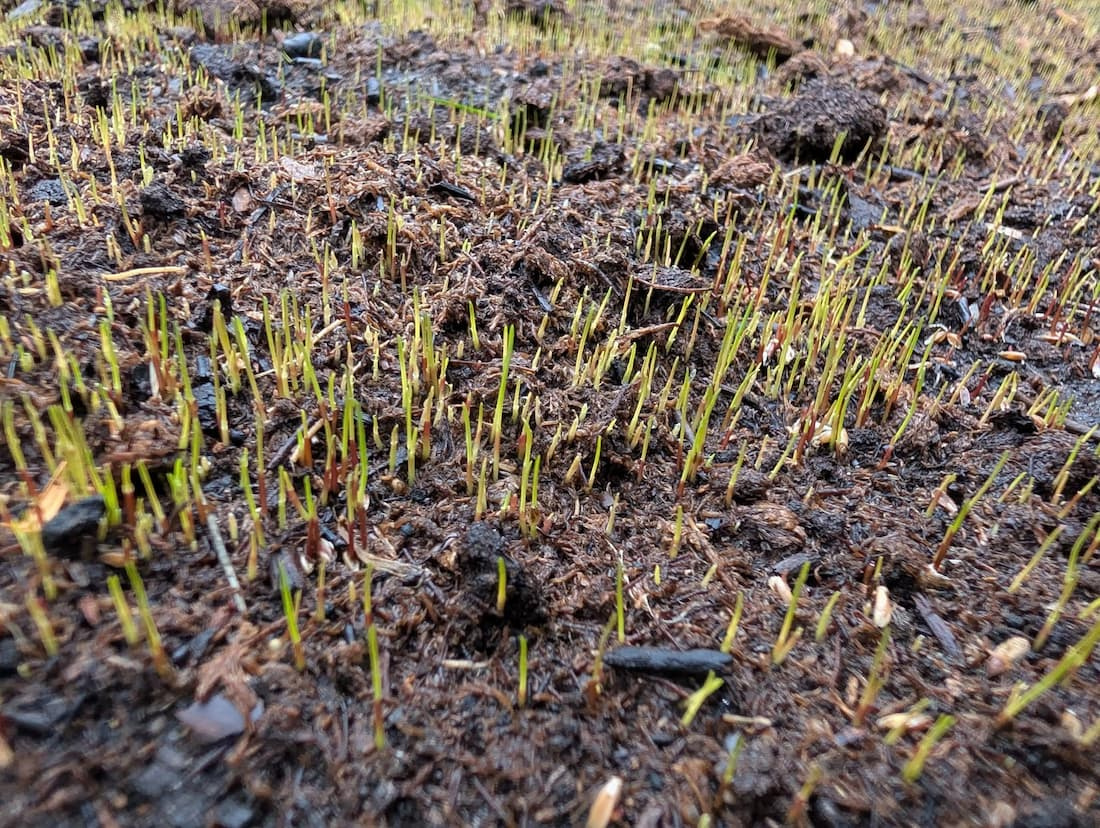
How to Establish a New Lawn From Bare Soil to First Mow
Bare soil doesn't turn into a lawn just because you scattered seed or rolled out sod — it becomes one based on a handful of specific steps done in the right order, matched to your specific grass. This guide walks through soil prep, seeding or planting method, starter fertilizer, watering as the grass grows, and knowing when it's actually safe to mow, for both cool-season and warm-season lawns.
Read Article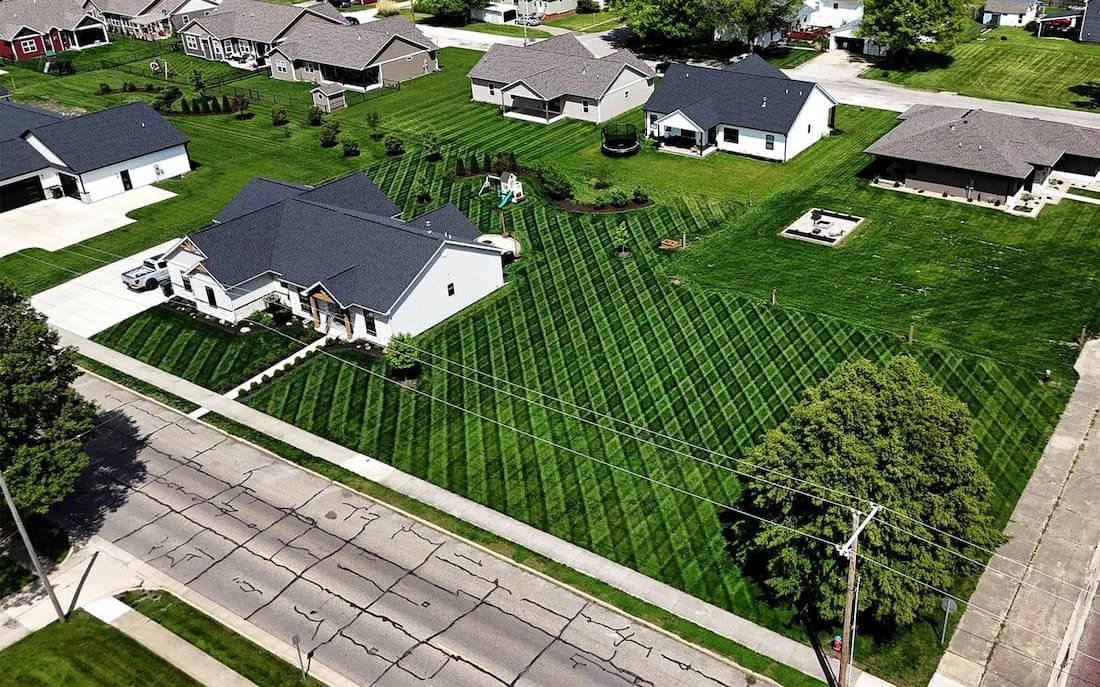
Cool Season vs Warm Season Lawn and Landscape Guide
Your lawn and your flower beds don't follow the same calendar — one runs on a cool-season engine, the other on a warm-season one, and using the wrong playbook on either can do real damage. This guide helps you figure out which system you actually have and how to care for it correctly, plus how the same cool/warm split applies to your ornamental beds.
Read Article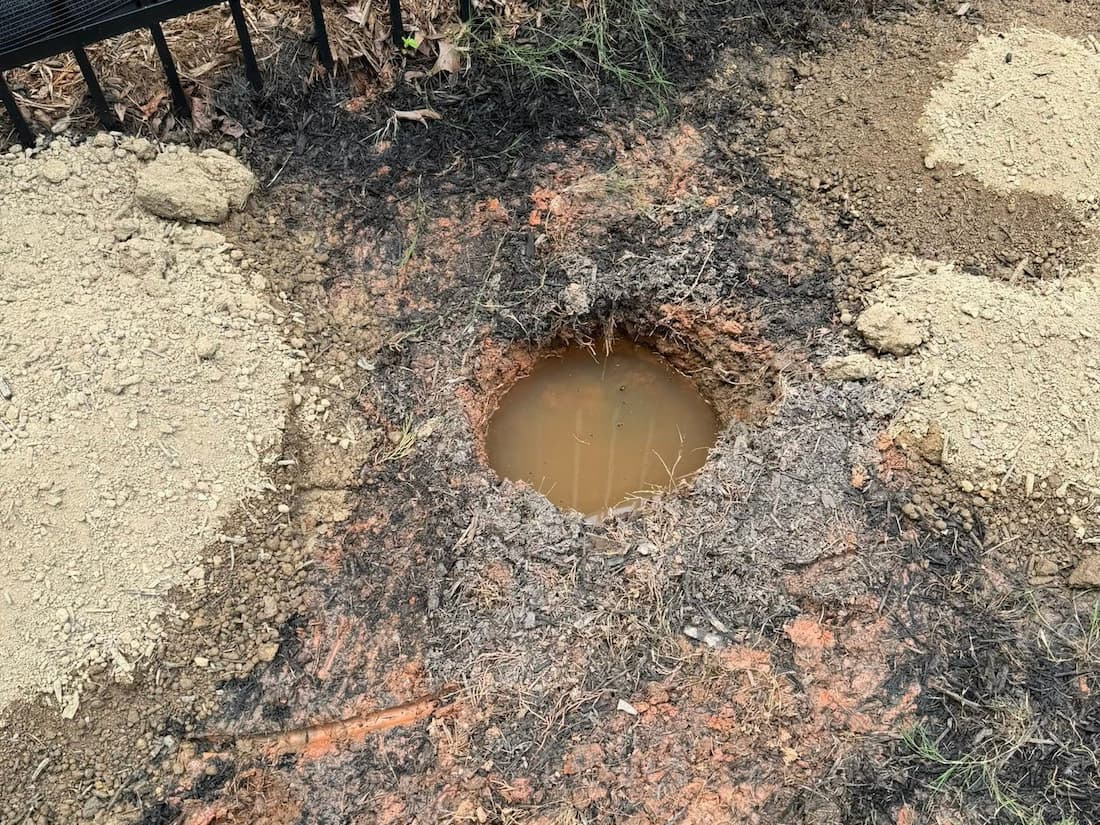
The Hole You Dug Is Killing Your New Plants
A shrub that looked fine all summer and stalled the next year usually didn't fail because of the plant, the weather, or the nursery. It failed because the hole it went into was a container — smooth-walled, water-holding, and impossible to root out of.
Read Article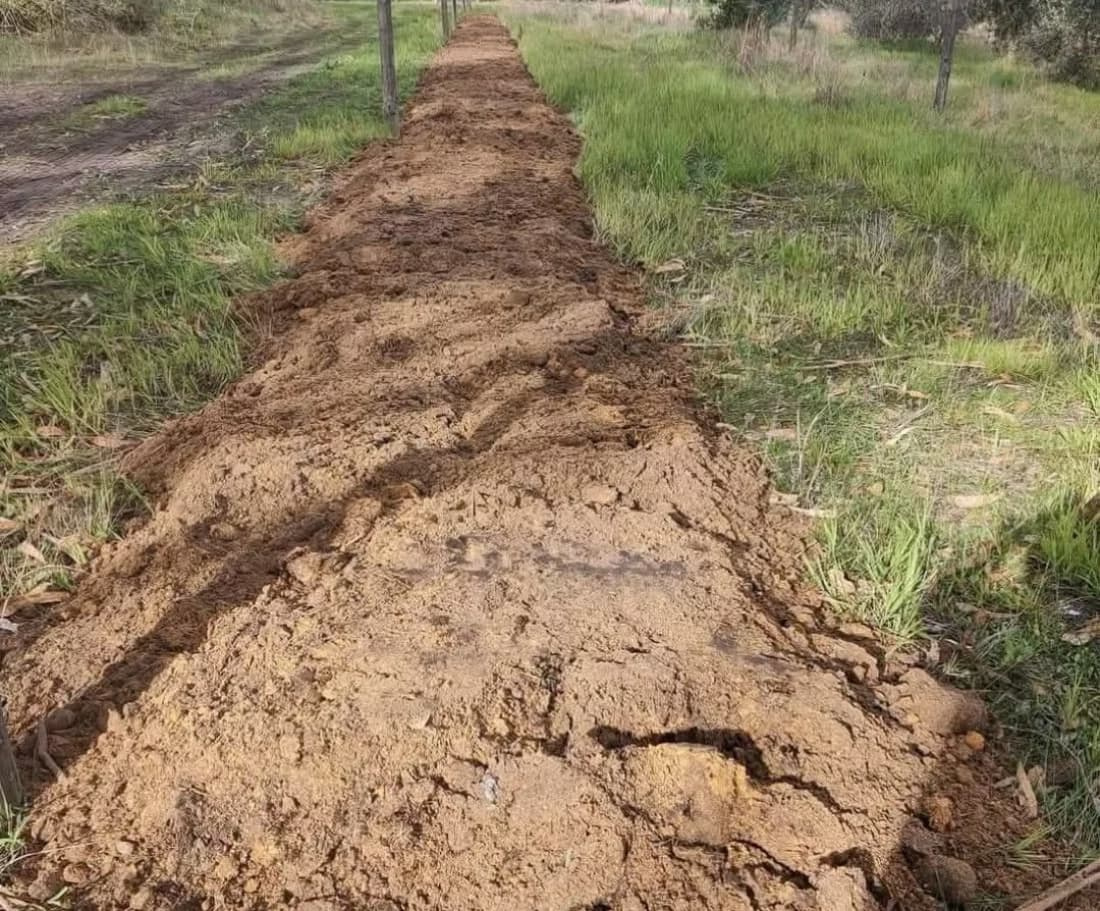
What You Can Actually Change About Bad Soil
Heavy clay and loose sand feel like permanent sentences, and half of that is true. What your soil is made of will not change. How those particles are arranged will — and that is the half that decides whether anything grows.
Read Article
Why Your Plants Survive Winter and Die in July
Your hardiness zone is built from one number — the coldest night of an average year. It says nothing about the hottest afternoon, which is what actually kills most plants people lose. Here's how to read the other half of the map.
Read Article
Why Poa Annua Keeps Coming Back — and the 3-Year Plan That Finally Ends the Cycle
You've pulled it. You've sprayed it. You've watched the little white seedheads mock you every single spring. And every fall, like clockwork, it's back — in the lawn, in the beds, in the cracks you didn't know you had. Here's the hard truth nobody at the big-box store will tell you: you're not losing because you're doing it wrong — you're losing because you're fighting the wrong enemy on the wrong timeline. Poa annua isn't a one-season problem, and once you understand why, the three-year plan below stops feeling like a chore and starts feeling like a countdown.
Read Article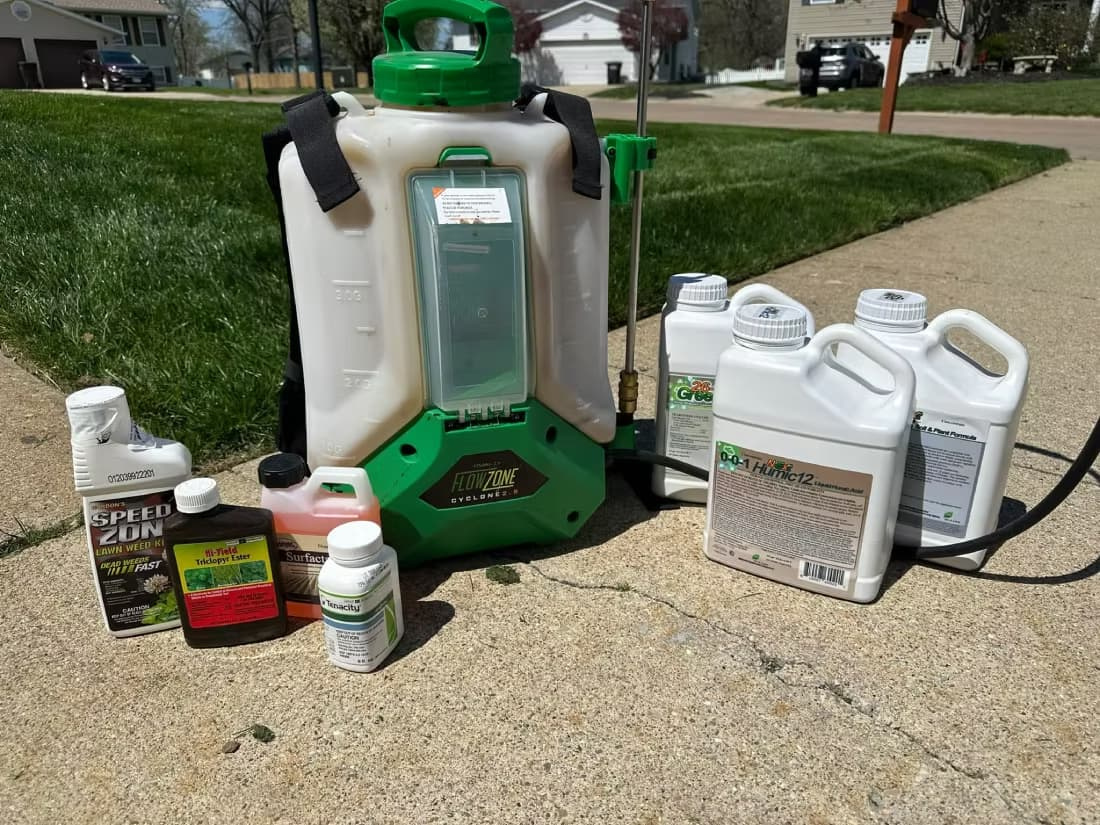
How to Apply Herbicides Correctly in Your Lawn and Garden Beds
Getting real results from a weed product has almost nothing to do with the brand on the bottle and everything to do with matching the method to the moment — the right chemistry, in the right place, at the right time. Learn how to apply herbicides correctly across both your lawn and your garden beds, whether you’re stopping weeds before they sprout or killing the ones already growing, without wasting product or harming the plants you want to keep.
Read Article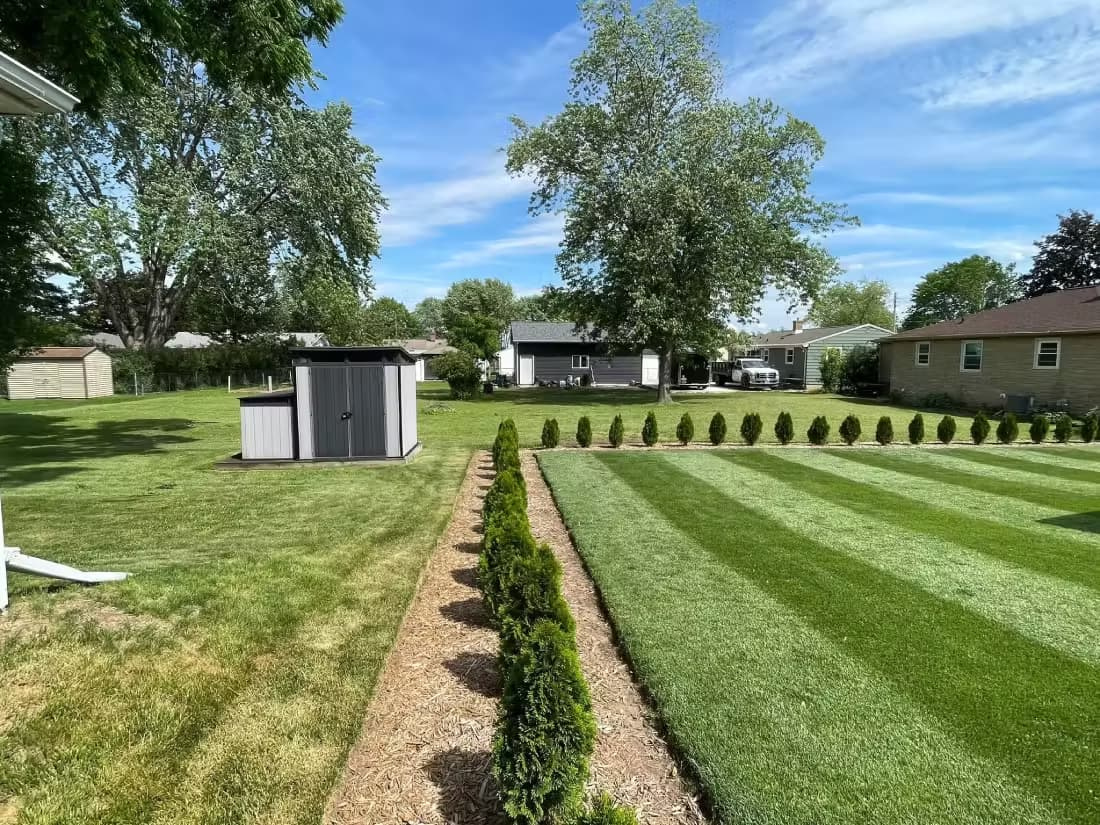
How to Kill Weeds Where Two Lawns Meet Without Harming Your Neighbor’s Grass
Controlling weeds along a shared property line is where good intentions quietly backfire—the season that's safe for your own lawn is often the season the lawn next door is most easily harmed. Learn the seasonal timing collision behind most fence-line damage, and the two habits that prevent it—reading what's actually in the bottle and spraying directed instead of broadcast—so you can clear the weeds without hurting your grass, your neighbor's, or the peace between you.
Read Article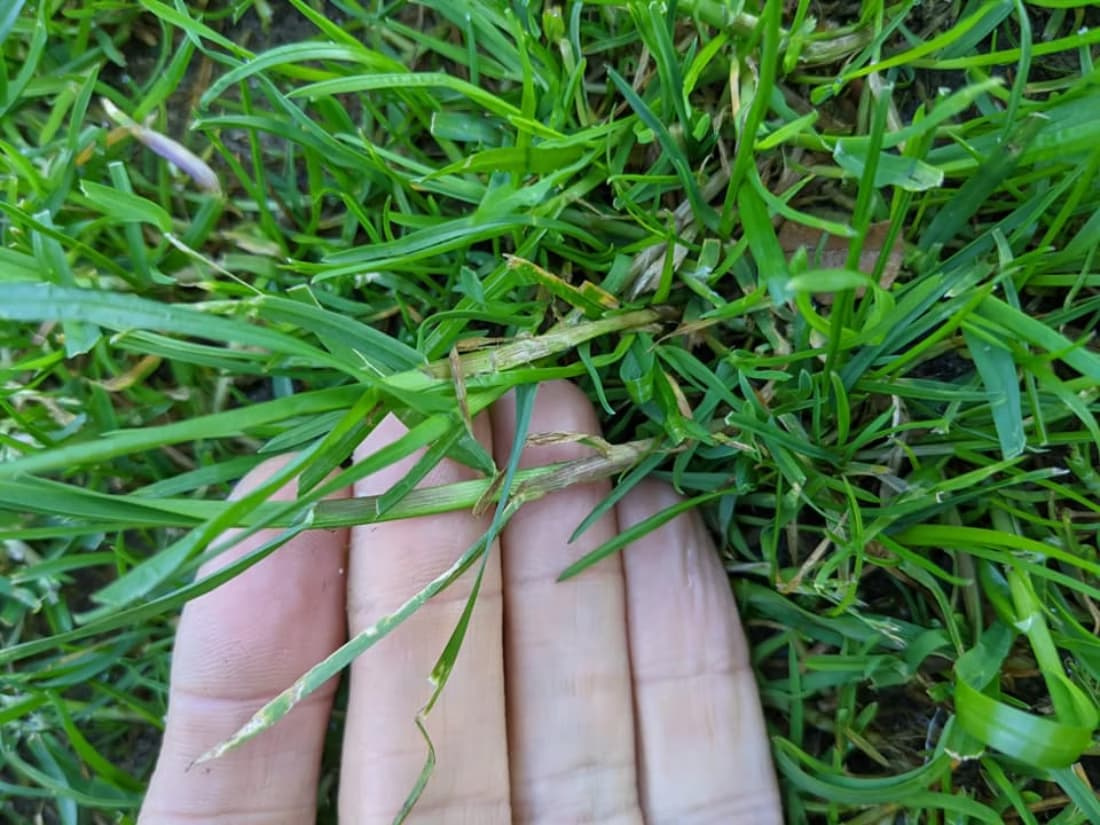
The Truth About One-and-Done Weed Control
Most homeowners lose the fight against weeds not because they work too little, but because they act before they understand. One-and-done weed control is real — but it only works when identification, timing, and the right tool all line up. This guide explains how that sequence works across your lawn and your ornamental beds, and how each weed page in the MFY hub puts it into practice for your specific invader.
Read Article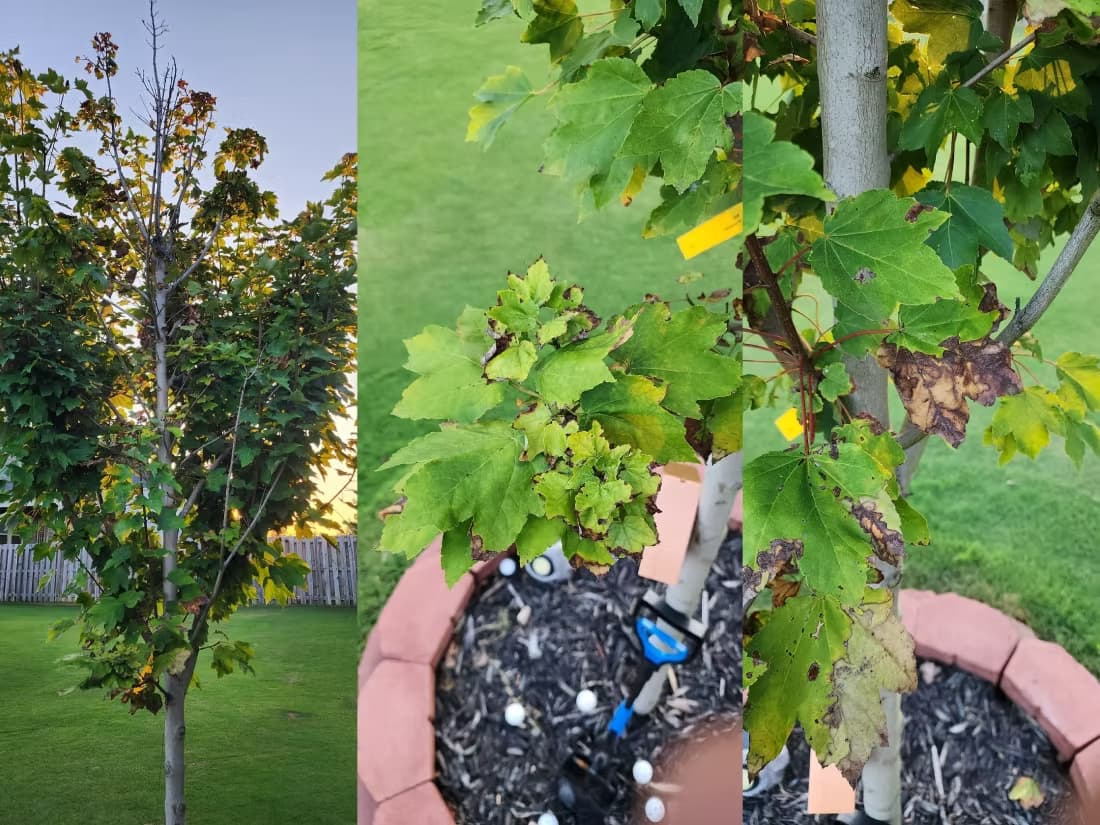
Solving the Mystery of the False Evidence in Your Lawn and Landscape
A brown leaf or a yellowing lawn is rarely what it seems. When symptoms act as decoys, a calm, forensic approach brings clarity to the confusion. Learn how to look past the surface to find the quiet truth of what your plants are truly asking for.
Read Article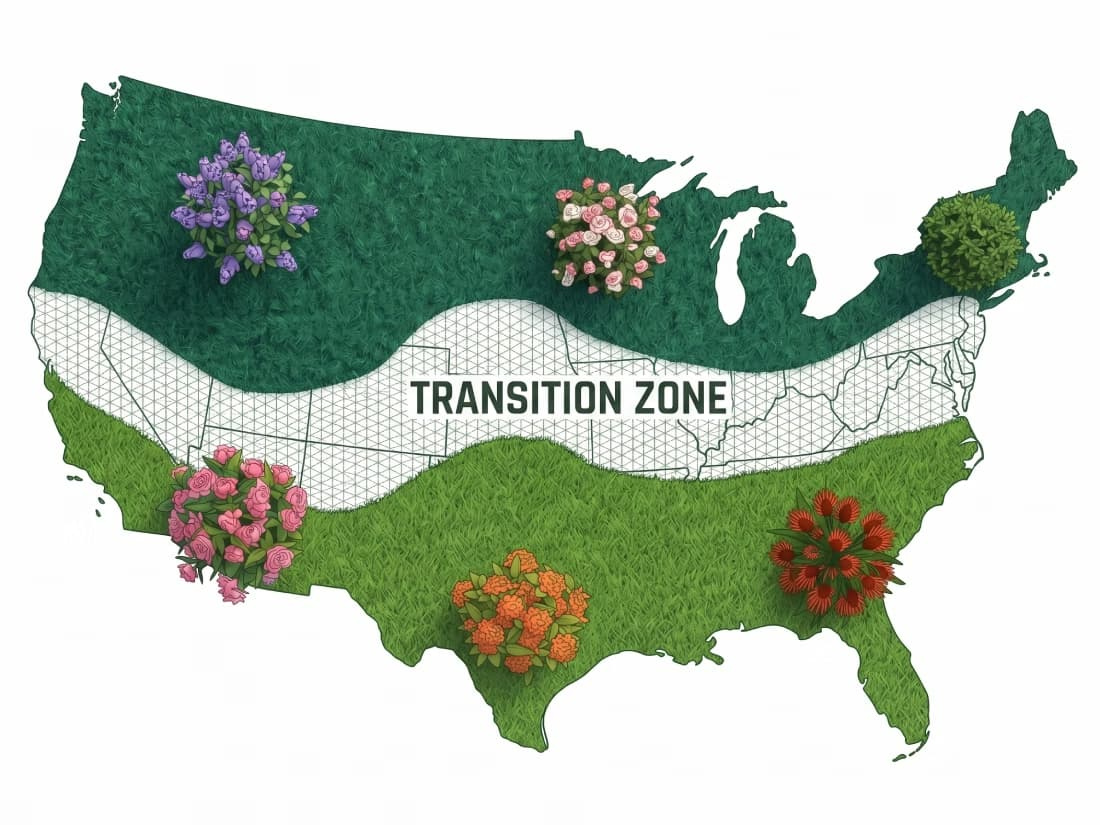
Living in the Middle: The Deep-Dive Guide to Transition Zone Lawns and Landscapes
The Transition Zone is a biological tug-of-war where neither northern nor southern species perfectly adapt. By using resilient "bridge" species and mastering maintenance levers like the Mowing Pivot, you can transform a struggling yard into a healthy landscape.
Read Article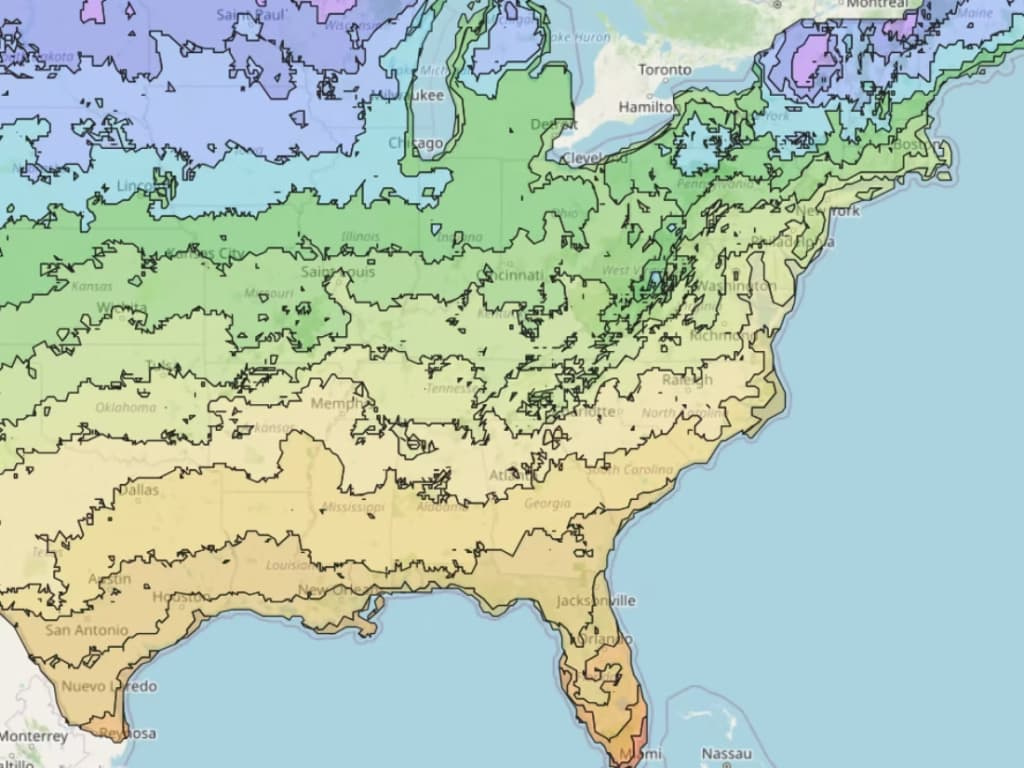
What Your Hardiness Zone Really Means for Your Lawn and Plants
Uncover the foundation of a resilient landscape by mastering the science of hardiness zones. Learn how these climate boundaries are calculated and why understanding your local temperature limits is the first step toward choosing plants that thrive year after year.
Read ArticleClimatic Transitions: Adjacent Hardiness Zones
Hardiness zones are not rigid boundaries but parts of a fluid climatic gradient. Exploring the data for a neighboring zone provides critical context for understanding how a slight shift in average minimum temperatures—even by a few degrees—can fundamentally alter your botanical survival windows and seasonal management strategy.
The Soil Profile Builder
Temperature dictates what grows, but soil texture determines how it thrives. Use our forensic tool to analyze your soil composition and integrate Hardiness Zone data with your unique subterranean conditions.
Build Soil ProfileFrequently Asked Questions
These are the questions extension services in this zone answer most often, and the misconceptions their diagnostic clinics correct most repeatedly.
Each answer explains the mechanism rather than just the fix. Once you know why something is happening, you can usually see it coming the following year — which is worth more than a treatment.
It makes more difference than almost any other decision you will take. Interior Alaska runs strong winter thermal inversions — cold air is denser, so it drains downhill overnight and pools on the valley floor. Hillside sites between 600 and 1,200 feet can run as much as 15°F warmer during a cold snap than flat ground a few miles away. In practical terms that is a full zone and a half, which is the difference between a shrub that flowers and one that dies back every year.
They spent their reserves surviving. UAF Extension research on cold hardiness explains the mechanism: maintaining cold hardiness costs a plant stored energy, and those reserves decline steadily through a long Alaskan winter. A midwinter or early spring thaw followed by a hard freeze forces the plant to re-harden when it can least afford it. Poor spring growth is the symptom — the plant survived the cold but has nothing left to rebuild damaged tissue with.
Moss is a symptom, not the problem. It moves into ground that is cool, damp, acidic, and low in fertility, which is exactly what deep shade produces. Killing the moss without changing those conditions just clears space for more. Improve drainage, correct soil pH, prune back overhanging branches to let light in, and grow shade-tolerant turf.
Between 0.5 and 0.75 inches is the working range. Past 0.75 inches, thatch starts holding moisture at the surface where fungal pathogens want it, blocks water from reaching roots, and insulates the root zone from summer warmth that is already in short supply here.
Once the soil has genuinely thawed and warmed, which usually means late May into early June — and the frost-free window that follows runs only 75 to 105 days. Soil that looks workable on the surface in early May is often still frozen a few inches down, and planting into it stalls root establishment. Because the season is so short, get everything in early enough that roots establish before the first frost in mid-August, and stop feeding nitrogen well before then.
That is gray snow mold (Typhula spp.), and it is close to universal here. Long snow cover over ground that never fully froze gives it everything it needs. Reduce it by holding high-nitrogen fertilizer to September 15, mowing short for the final cut, and raking matted patches open in spring so they dry and recover.
Scientific Authority
Every figure on this page traces to one of three places: the 2023 USDA Plant Hardiness Zone Map, NOAA climate normals, or land-grant university extension research. Nothing comes from garden blogs or retail sites.
Seasonal timing is keyed to soil temperature and biological markers rather than calendar dates, because the calendar shifts by weeks from year to year and the soil does not. Where extension services disagree — and on the transition zone boundary they do — that disagreement is stated rather than smoothed over. The sources are listed here so you can check the work.
Primary Resources
- USDA Agricultural Research Service — 2023 Plant Hardiness Zone Map
- University of Alaska Fairbanks Cooperative Extension Service — Alaska Hardiness Zones
- University of Alaska Fairbanks Cooperative Extension Service — Establishing and Maintaining a Lawn in Southcentral and Interior Alaska
- University of Alaska Fairbanks Cooperative Extension Service — Landscape Plants for Alaska Database
- University of Alaska Fairbanks Cooperative Extension Service — Factors Affecting Cold Hardiness Development