
Stress Factor: Chemical & Human-Induced Stress
Improper Herbicide Use
Good intentions, bad chemistry, dead plants.
Improper Herbicide Use At-a-Glance
Primary Symptom
Distorted growth, cupped leaves, or "strapping" veins.
Time of Year
Symptoms are most visible during the Active Growing Season (Spring and Summer) when plants are rapidly pushing new growth and homeowners are most active with weed control.
Physical Evidence
The most reliable physical evidence is a linear or fan-shaped spray pattern that clearly correlates with where a person would have walked or stood while spraying. If the damage is caused by “drift,” you will see a gradient of damage: plants nearest the source are severely stunted, while those further away show milder leaf cupping. Another sign is the absence of any fungal spots or insect entry holes on the distorted tissue.
Improper Herbicide Use Explained: Impact and Recovery
Improper herbicide use occurs when chemicals intended to kill weeds either drift, leach, or are misapplied to desirable plants. The science behind the damage involves the disruption of essential plant hormones or metabolic processes. For instance, growth-regulator herbicides (like 2,4-D or Dicamba) mimic natural hormones, causing cells to grow at uncontrolled, uneven rates. This leads to the characteristic twisting and curling seen in sensitive species.
The Impact Scale is often Species-Specific or Localized (following the spray pattern), though volatile “drift” can affect a Whole Yard if applied during high winds or high temperatures. The Recovery Potential is Moderate; while minor drift often results in temporary distortion, direct root uptake or high-concentration “overspray” can be fatal.
Clues In Turf
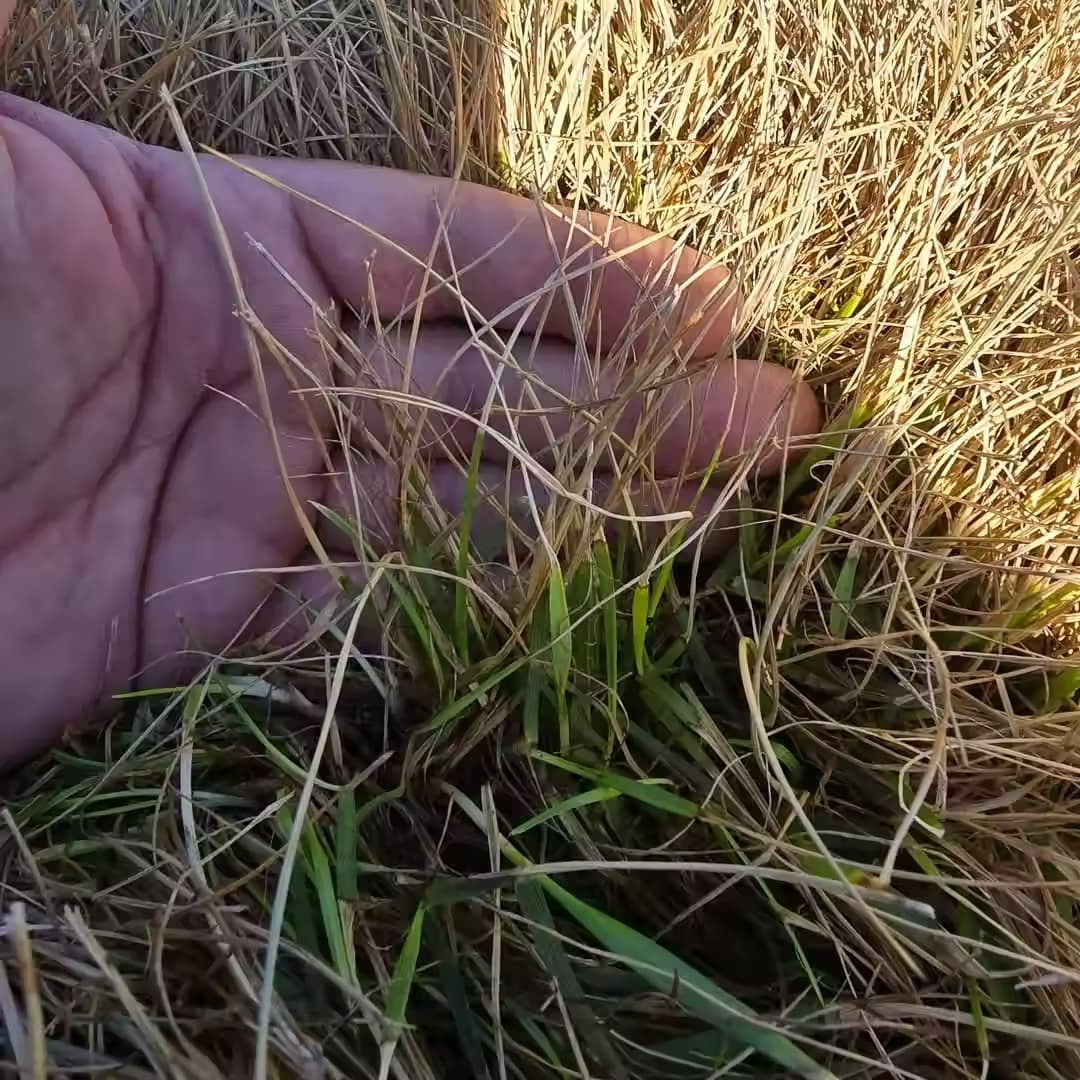
In turfgrass, herbicide injury often appears as stunted growth or chlorosis (yellowing) that follows a distinct geometric pattern, such as the path of a spreader or a sprayer nozzle. Some herbicides can cause the grass blades to “bleach” white or turn a deep, bruised purple. Unlike a disease, these patterns will have sharp, straight edges that no biological pest could create.
Clues In Plants
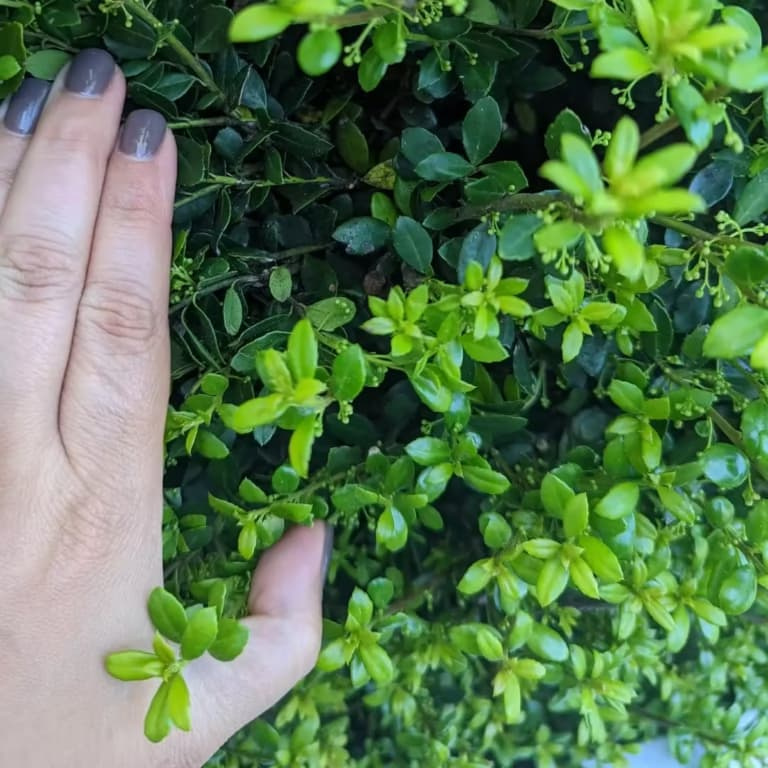
Ornamental plants show the most dramatic symptoms, particularly on the newest growth at the tips of branches. Look for leaf cupping (upward or downward), strapping (leaves becoming long and narrow with parallel veins), and epinasty (twisting of the stems). In severe cases, the growing points may turn black and die back, but the older, established leaves at the base of the plant often remain perfectly normal.
Managing Improper Herbicide Use: Immediate and Future Steps
Immediate Action:
If you catch a misapplication immediately, wash the foliage with a heavy stream of water to remove any unabsorbed chemical. If the herbicide has already entered the soil, apply activated charcoal (if available) to the area to bind the toxins. Once symptoms appear, your primary job is to reduce stress: provide consistent water and avoid any other chemical treatments while the plant attempts to metabolize the toxin.
Long-Term Prevention:
Always check the weather for wind speeds under 5 mph and temperatures below 85°F before spraying. Switch to coarse droplet nozzles to reduce drift and use “spot treatments” rather than blanket applications. Most importantly, keep a dedicated sprayer only for herbicides to prevent accidental contamination when you later use it for fertilizers or fungicides.
Prime Targets and Lookalikes
Herbicide injury is frequently confused with Viral Diseases, which also cause leaf distortion. However, viruses usually appear randomly on a single plant, whereas herbicide damage will affect multiple different species in the same area simultaneously. It can also mimic Aphid or Mite damage, but those pests will leave visible sticky “honeydew” or fine webbing, which are absent in herbicide cases.
Sensitive “canaries” for herbicide drift include Tomatoes, Grapes, Redbuds, Roses, and Maples. If these plants are twisting while your grass stays green, you are likely looking at broadleaf herbicide drift.
Deep Dives & Practical Guides
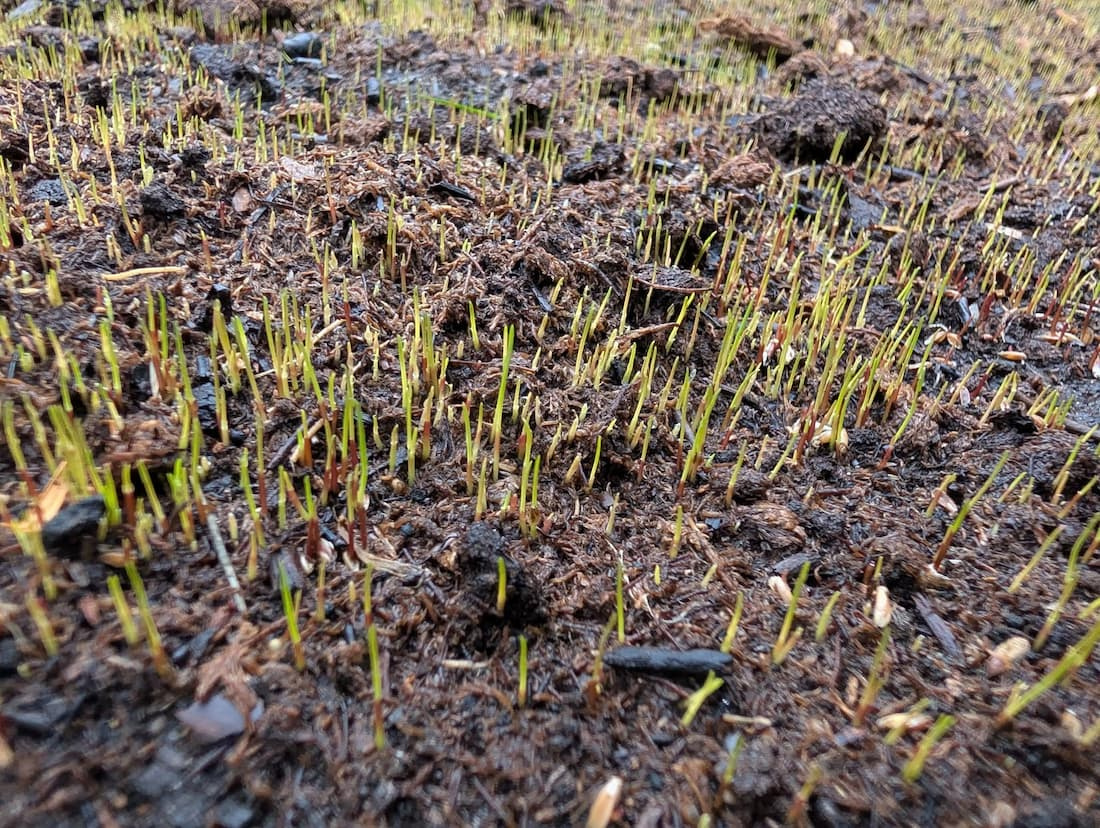
How to Establish a New Lawn From Bare Soil to First Mow
Bare soil doesn't turn into a lawn just because you scattered seed or rolled out sod — it becomes one based on a handful of specific steps done in the right order, matched to your specific grass. This guide walks through soil prep, seeding or planting method, starter fertilizer, watering as the grass grows, and knowing when it's actually safe to mow, for both cool-season and warm-season lawns.
Read Article
Cool Season vs Warm Season Lawn and Landscape Guide
Your lawn and your flower beds don't follow the same calendar — one runs on a cool-season engine, the other on a warm-season one, and using the wrong playbook on either can do real damage. This guide helps you figure out which system you actually have and how to care for it correctly, plus how the same cool/warm split applies to your ornamental beds.
Read Article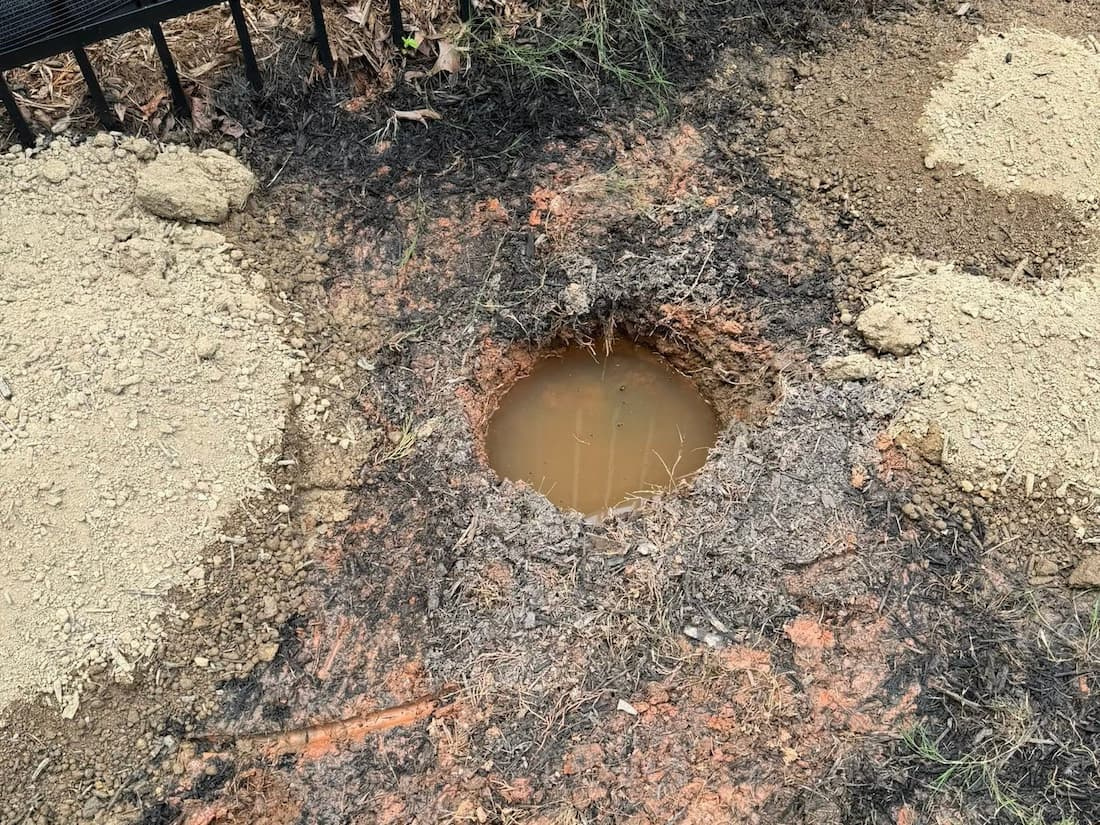
The Hole You Dug Is Killing Your New Plants
A shrub that looked fine all summer and stalled the next year usually didn't fail because of the plant, the weather, or the nursery. It failed because the hole it went into was a container — smooth-walled, water-holding, and impossible to root out of.
Read Article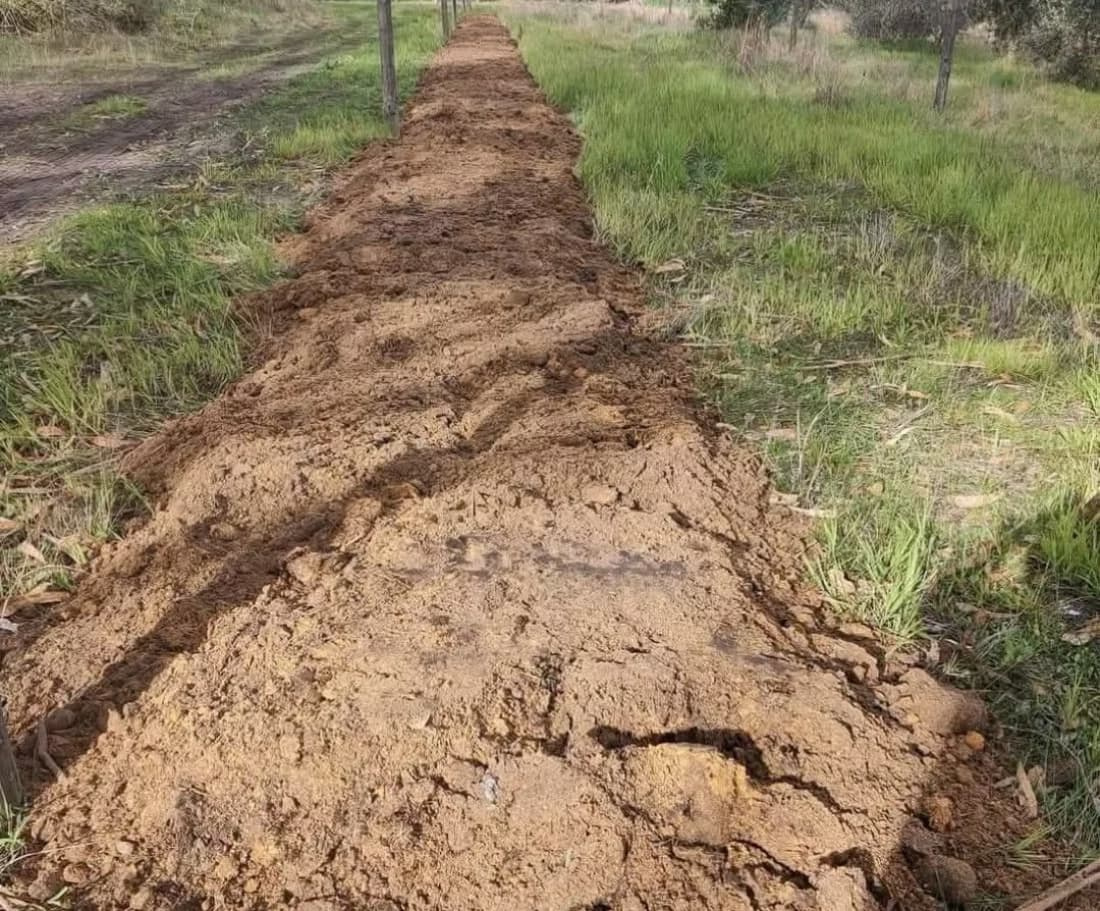
What You Can Actually Change About Bad Soil
Heavy clay and loose sand feel like permanent sentences, and half of that is true. What your soil is made of will not change. How those particles are arranged will — and that is the half that decides whether anything grows.
Read Article
Why Your Plants Survive Winter and Die in July
Your hardiness zone is built from one number — the coldest night of an average year. It says nothing about the hottest afternoon, which is what actually kills most plants people lose. Here's how to read the other half of the map.
Read Article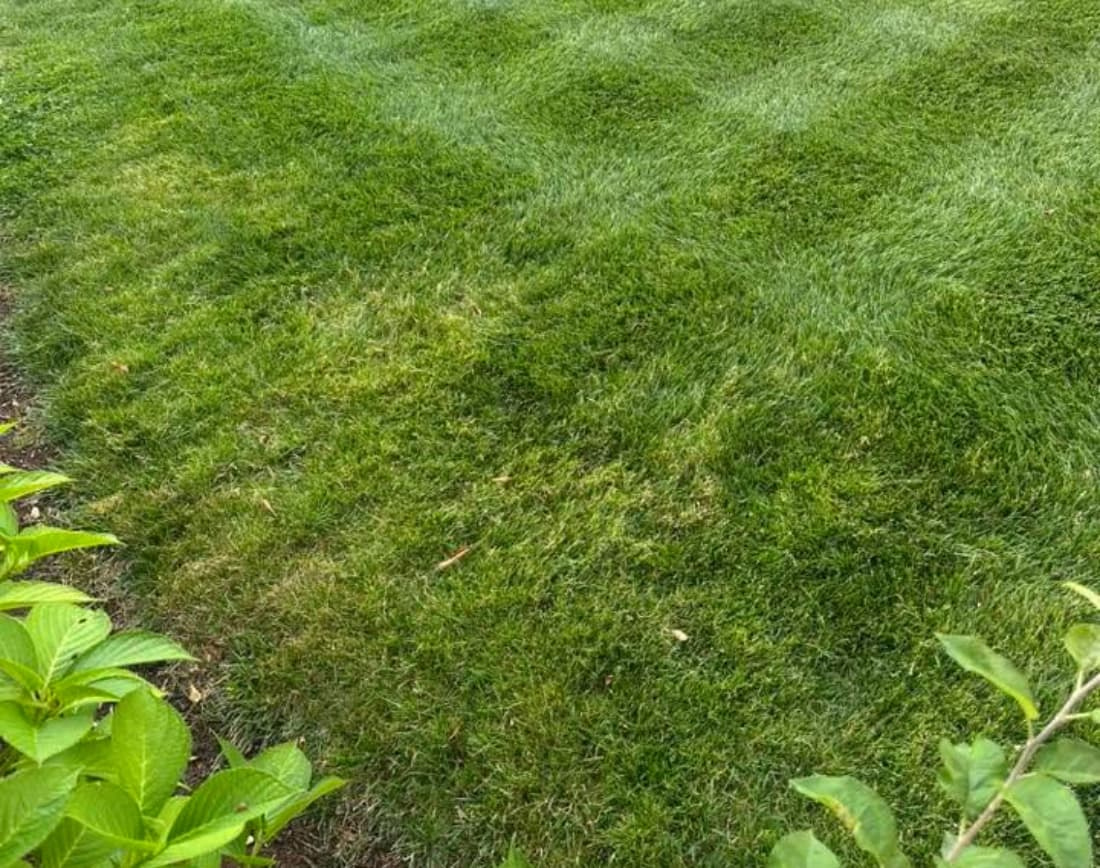
Why Poa Annua Keeps Coming Back — and the 3-Year Plan That Finally Ends the Cycle
You've pulled it. You've sprayed it. You've watched the little white seedheads mock you every single spring. And every fall, like clockwork, it's back — in the lawn, in the beds, in the cracks you didn't know you had. Here's the hard truth nobody at the big-box store will tell you: you're not losing because you're doing it wrong — you're losing because you're fighting the wrong enemy on the wrong timeline. Poa annua isn't a one-season problem, and once you understand why, the three-year plan below stops feeling like a chore and starts feeling like a countdown.
Read Article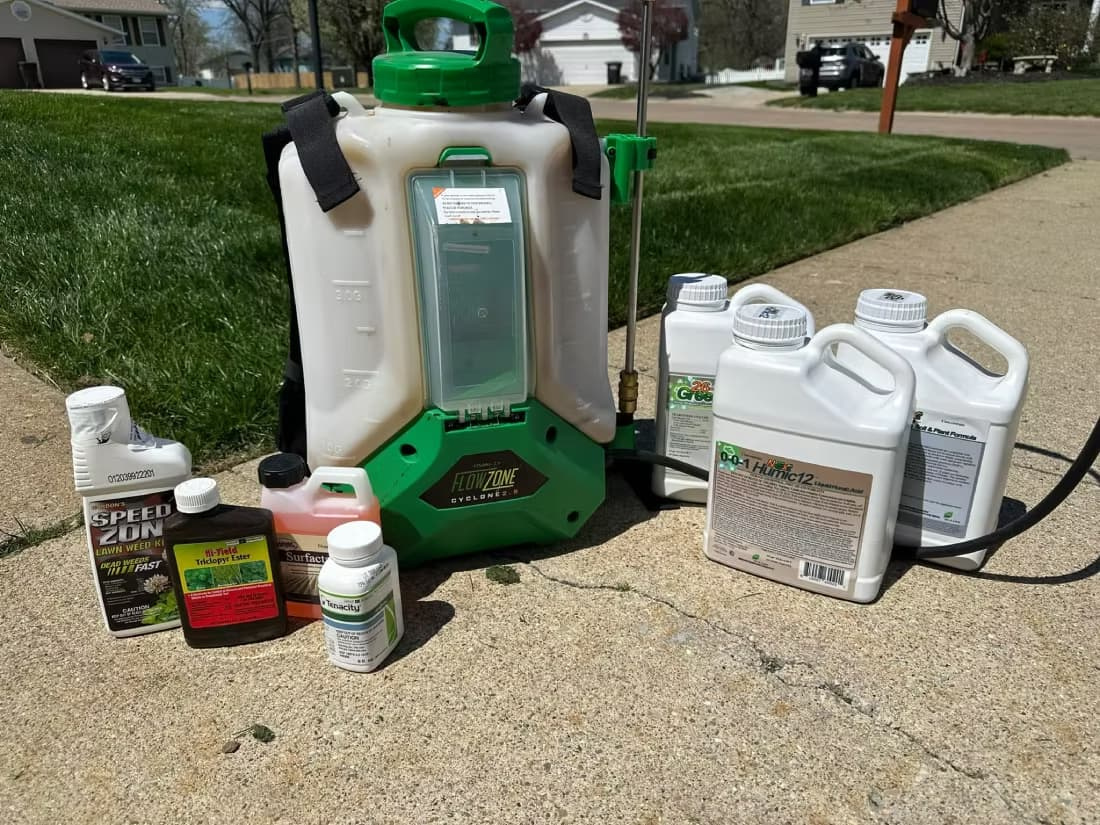
How to Apply Herbicides Correctly in Your Lawn and Garden Beds
Getting real results from a weed product has almost nothing to do with the brand on the bottle and everything to do with matching the method to the moment — the right chemistry, in the right place, at the right time. Learn how to apply herbicides correctly across both your lawn and your garden beds, whether you’re stopping weeds before they sprout or killing the ones already growing, without wasting product or harming the plants you want to keep.
Read Article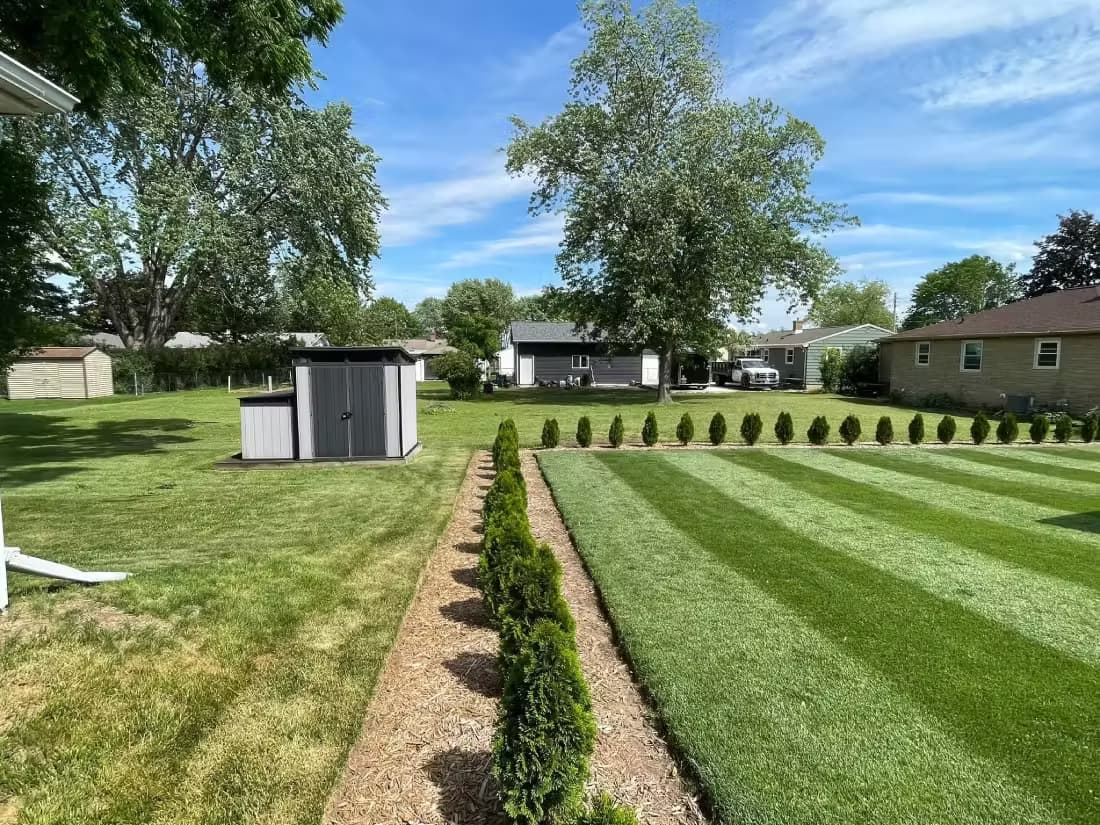
How to Kill Weeds Where Two Lawns Meet Without Harming Your Neighbor’s Grass
Controlling weeds along a shared property line is where good intentions quietly backfire—the season that's safe for your own lawn is often the season the lawn next door is most easily harmed. Learn the seasonal timing collision behind most fence-line damage, and the two habits that prevent it—reading what's actually in the bottle and spraying directed instead of broadcast—so you can clear the weeds without hurting your grass, your neighbor's, or the peace between you.
Read Article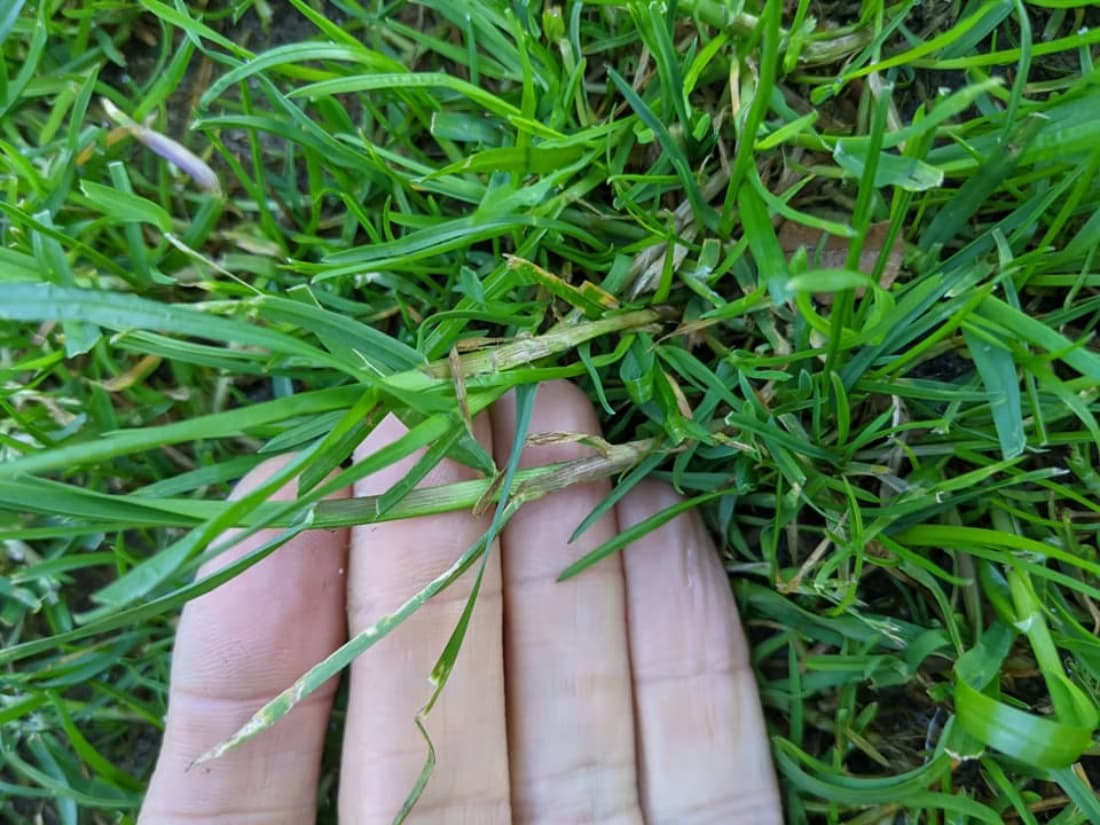
The Truth About One-and-Done Weed Control
Most homeowners lose the fight against weeds not because they work too little, but because they act before they understand. One-and-done weed control is real — but it only works when identification, timing, and the right tool all line up. This guide explains how that sequence works across your lawn and your ornamental beds, and how each weed page in the MFY hub puts it into practice for your specific invader.
Read Article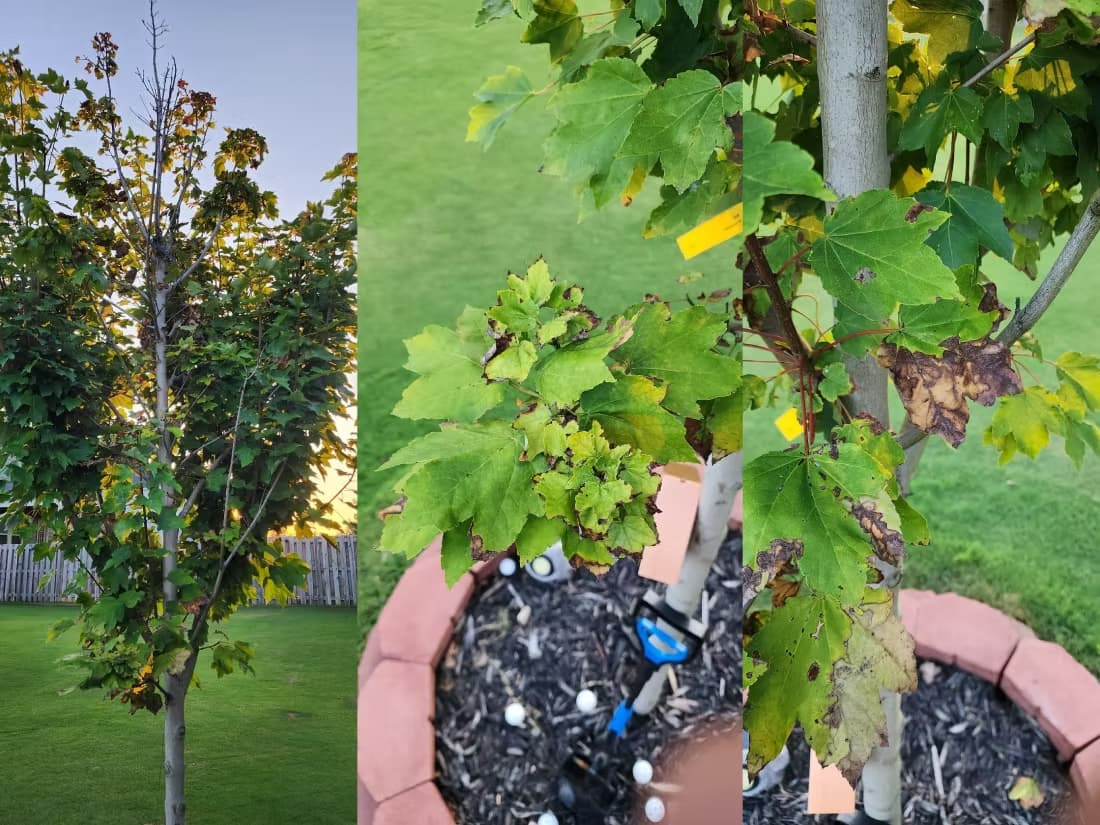
Solving the Mystery of the False Evidence in Your Lawn and Landscape
A brown leaf or a yellowing lawn is rarely what it seems. When symptoms act as decoys, a calm, forensic approach brings clarity to the confusion. Learn how to look past the surface to find the quiet truth of what your plants are truly asking for.
Read Article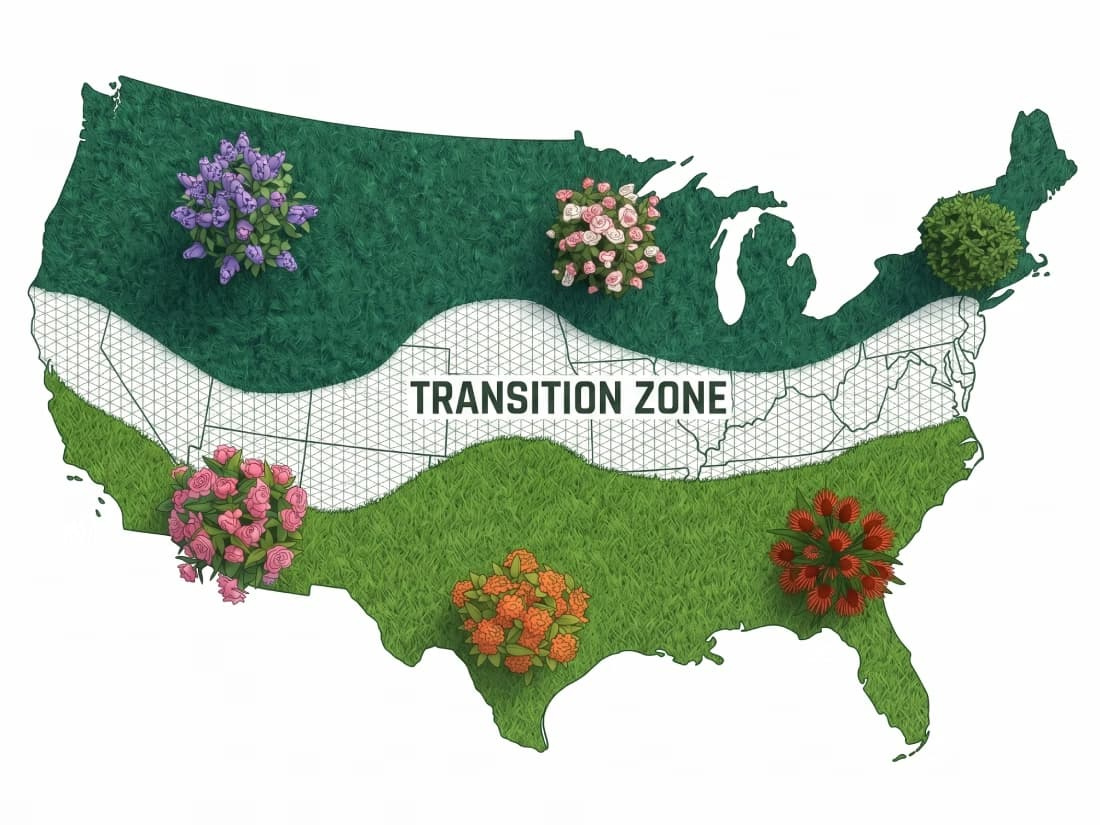
Living in the Middle: The Deep-Dive Guide to Transition Zone Lawns and Landscapes
The Transition Zone is a biological tug-of-war where neither northern nor southern species perfectly adapt. By using resilient "bridge" species and mastering maintenance levers like the Mowing Pivot, you can transform a struggling yard into a healthy landscape.
Read Article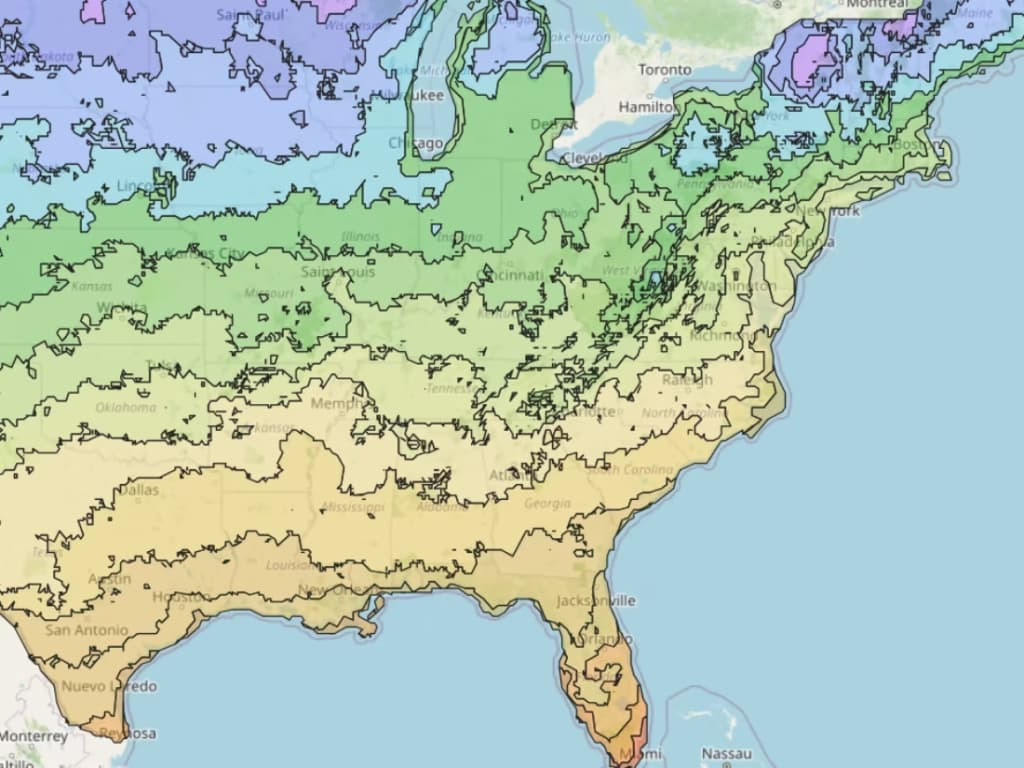
What Your Hardiness Zone Really Means for Your Lawn and Plants
Uncover the foundation of a resilient landscape by mastering the science of hardiness zones. Learn how these climate boundaries are calculated and why understanding your local temperature limits is the first step toward choosing plants that thrive year after year.
Read ArticleFrequently Asked Questions
The responses provided in this FAQ are synthesized from peer-reviewed plant diagnostic studies and standardized troubleshooting protocols from university horticultural clinics. We focus on evidence-based explanations to provide clear, scientific clarity on the most common questions regarding environmental plant injury.
Yes. This is known as herbicide carryover. Certain chemicals (like those found in “all-season” weed preventers) are designed to persist in the soil for months. If you apply these to an area and then try to plant new flowers or turf too soon, the residual chemical will prevent germination or kill new seedlings. Always check the “re-seeding” or “re-planting” interval on the product label.
Look for the Drift Gradient. If your plants are damaged on the side facing the neighbor’s fence and the damage gradually decreases as you move further into your yard, it is a strong indicator of drift. Document the wind direction on the day they sprayed and take photos showing the “line of sight” from their yard to your damaged plants.
Scientific Authority
This profile is built on objective horticultural research and plant pathology data from university-led extension programs. We prioritize physiological evidence regarding environmental stress factors, nutrient availability, and cellular response to provide an unbiased assessment of each abiotic disorder.
Primary Resources
- University of Minnesota Extension: “Herbicide Injury on Garden Plants”
- Purdue University Extension: “Diagnosing Herbicide Injury on Garden Plants”
- UC IPM: “Herbicide Damage | Herbicide Symptoms”
- Texas A&M Forest Service: “Tree Health Issues: Herbicide Damage”