
Standard Landscape Paspalum
The everyday coastal paspalum, cut at 1 to 2 inches with the rotary mower you already own.
Is Standard Landscape Paspalum Right For Your Yard?
Best For:
Tradeoff:
What Makes It Different
This is the paspalum built around a normal mower. The landscape and fairway selections have wider blades and a more open canopy than their greens-type siblings, and that shape is what sets the mowing band: they perform at 1.0 to 2.0 inches, which a standard rotary cuts cleanly.
The band has a hard edge on both sides, and the reason is mechanical. Go above 2 inches and the upper leaves shade out the lower ones, which die and rot into thatch. Go below 1 inch and you scalp — you strip the green leaves off and expose bare stem to heat. Cutting that low cleanly needs a heavy reel mower, which is the Fine Greens-Type Paspalum page, not this one. Picking the wrong half of that split is a documented way to kill a paspalum lawn.
Everything else here is the species doing what the type page describes: near-seawater salt tolerance, the best alkaline tolerance of any grass on our roster, low nitrogen appetite, and fast self-repair from both stolons and rhizomes.
Who It’s For
The ordinary coastal yard. You are close enough to the water that salt spray, shell sand, or a soil test reading in the 8s has ruined other grasses, but your irrigation comes out of a regular tap. You own a rotary mower and you would like to keep owning only that.
If your irrigation water is genuinely brackish, reclaimed or effluent, go to Ultra-Salt-Tolerant Paspalum instead — that page exists for water that fails a test, and this one does not need to solve that problem.
The Cultivars
Three are in circulation for home lawns, and which one you can actually buy is decided almost entirely by where you live.
| Cultivar | How it’s sold | What it’s good at | Notes |
| Aloha | Sod, direct to consumers online through American Sod Farms / Evergreen Turf. About $0.89/sq ft online, $0.99 retail — roughly $891–990 per 1,000 sq ft | Coastal California and Arizona. Medium texture, fast grow-in, notably low nitrogen need | The only paspalum with a real online residential purchase path. Historically also sold in the Texas Gulf and Hawaii |
| Salam | Sod through Southern Turf Hawaii | Fine texture; marketed for residential landscaping | Effectively a Hawaii option today. Mainland Gulf and Texas availability is historical — verify locally before planning around it |
| SeaIsle 1 | Certified sod or sprigs through licensed UGRAF / GSDC producers | Fine texture; drought performance comparable to Tifway bermuda | Be realistic. Registered for lawns, but our availability research found no documented active residential retail seller. Treat it as a spec-and-quote grass |
One recent release to ask about: SeaScape (‘UGP 73’) is a newer UGA vegetative cultivar marketed for home lawns and now grown by a small number of licensed Florida producers. The breeder reports better tolerance of 60% shade than Platinum TE and SeaStar. It sits outside our sourcing research, so ask a grower directly rather than assuming you can get it.
What Changes In Care
Almost nothing changes from the type page — this subtype is the species baseline. Two rules are worth repeating because they are subtype-specific.
Stay inside the 1.0–2.0 inch band, which in peak summer means mowing every 5 to 10 days. And feed low: paspalum runs on only 2–4 lb of nitrogen per 1,000 sq ft a year, and Aloha in particular is documented as needing far less nitrogen than bermuda. Over-feeding is the classic way to wreck this grass — it produces soft, spongy growth, thatch, and easy targets for dollar spot and Large Patch.
Before You Buy
- Buy certified “blue-tag” sod. Non-certified sod is frequently contaminated with common bermudagrass, which looks nearly identical and cannot be selectively removed once it invades. This is the single most common way a paspalum lawn fails.
- Check the species on the invoice. You want turf-type Paspalum vaginatum — not bahiagrass ( notatum) or thin paspalum (P. setaceum), which stay coarse and open and never make a lawn.
- Ask what the grower actually has in the field, not what the cultivar list says. Availability here is regional and thin.
- Price the freight before you fall in love with a cultivar. Certified farms are concentrated in Georgia, Florida and California. Many enforce minimum orders, and shipping perishable sod any distance can cost more than the turf. If small-quantity vegetative sod is impractical where you are, the Seeded Paspalum page is the honest alternative.
- Never blend. Plant one certified cultivar. Mixed cultivars give you different growth rates, blade widths and green shades in one patchy lawn.
- Clearing an old lawn first? Wait the full 14 days before planting — and note that consumer “Roundup” no longer reliably means glyphosate. Brands have been reformulated with different active ingredients that behave differently in soil. Read the active-ingredient panel and follow that product’s replant interval.
Deep Dives & Practical Guides
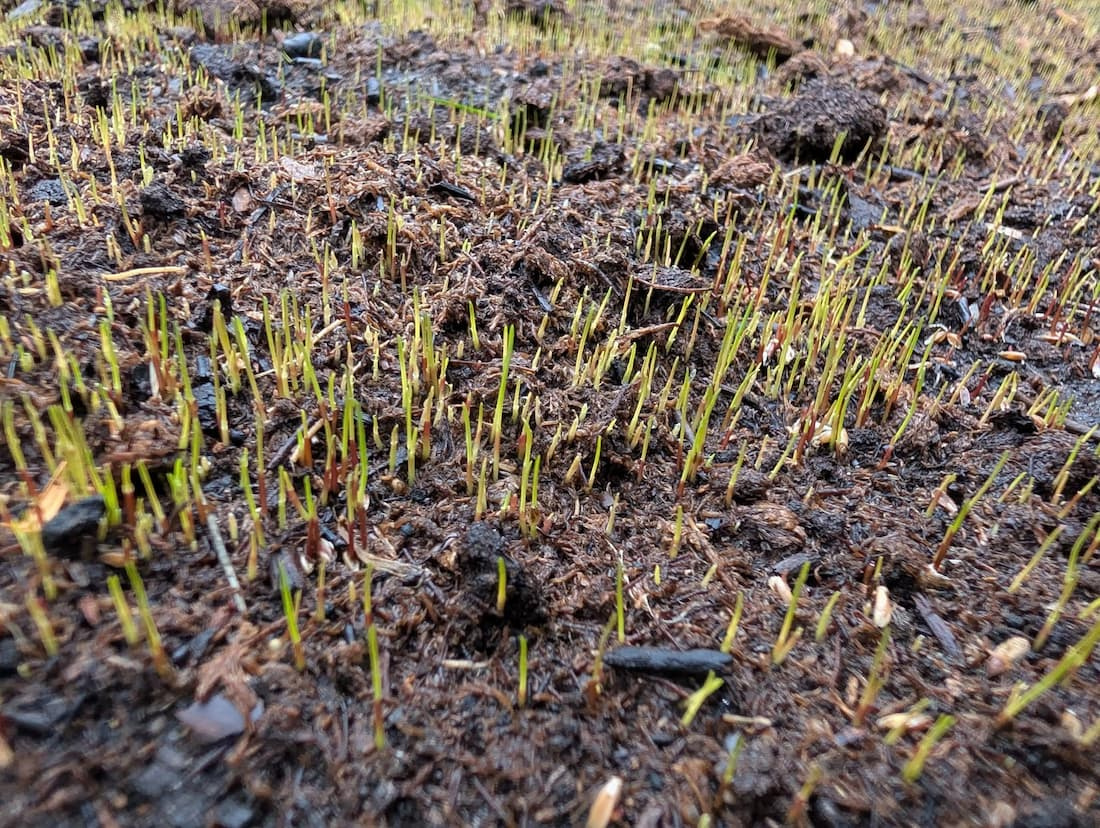
How to Establish a New Lawn From Bare Soil to First Mow
Bare soil doesn't turn into a lawn just because you scattered seed or rolled out sod — it becomes one based on a handful of specific steps done in the right order, matched to your specific grass. This guide walks through soil prep, seeding or planting method, starter fertilizer, watering as the grass grows, and knowing when it's actually safe to mow, for both cool-season and warm-season lawns.
Read Article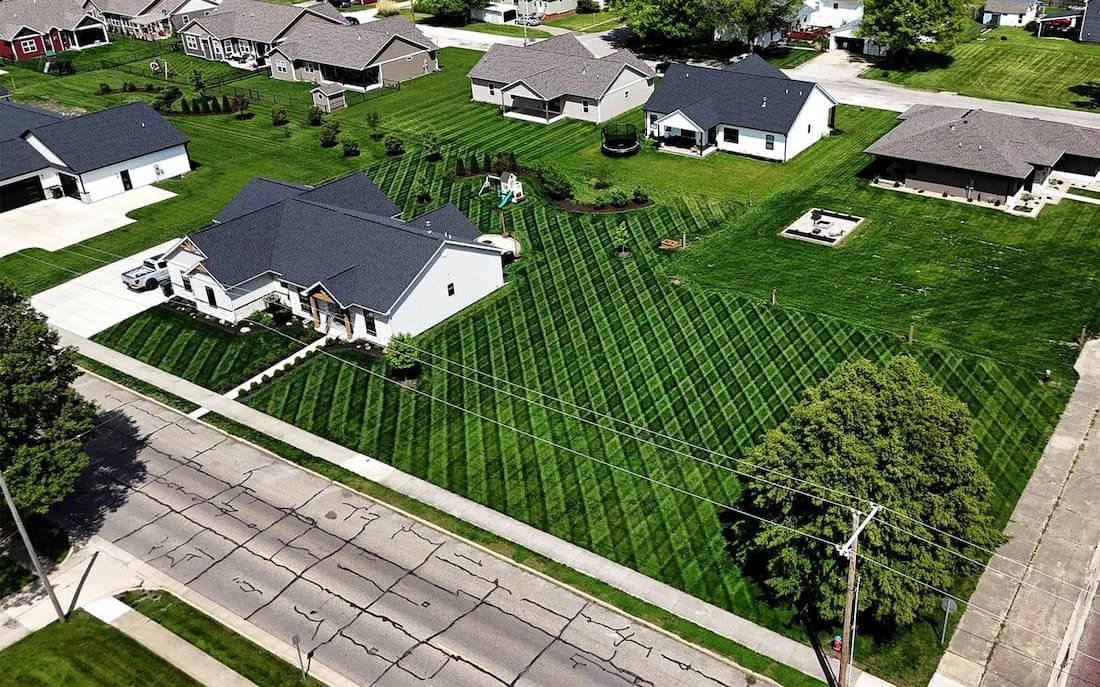
Cool Season vs Warm Season Lawn and Landscape Guide
Your lawn and your flower beds don't follow the same calendar — one runs on a cool-season engine, the other on a warm-season one, and using the wrong playbook on either can do real damage. This guide helps you figure out which system you actually have and how to care for it correctly, plus how the same cool/warm split applies to your ornamental beds.
Read Article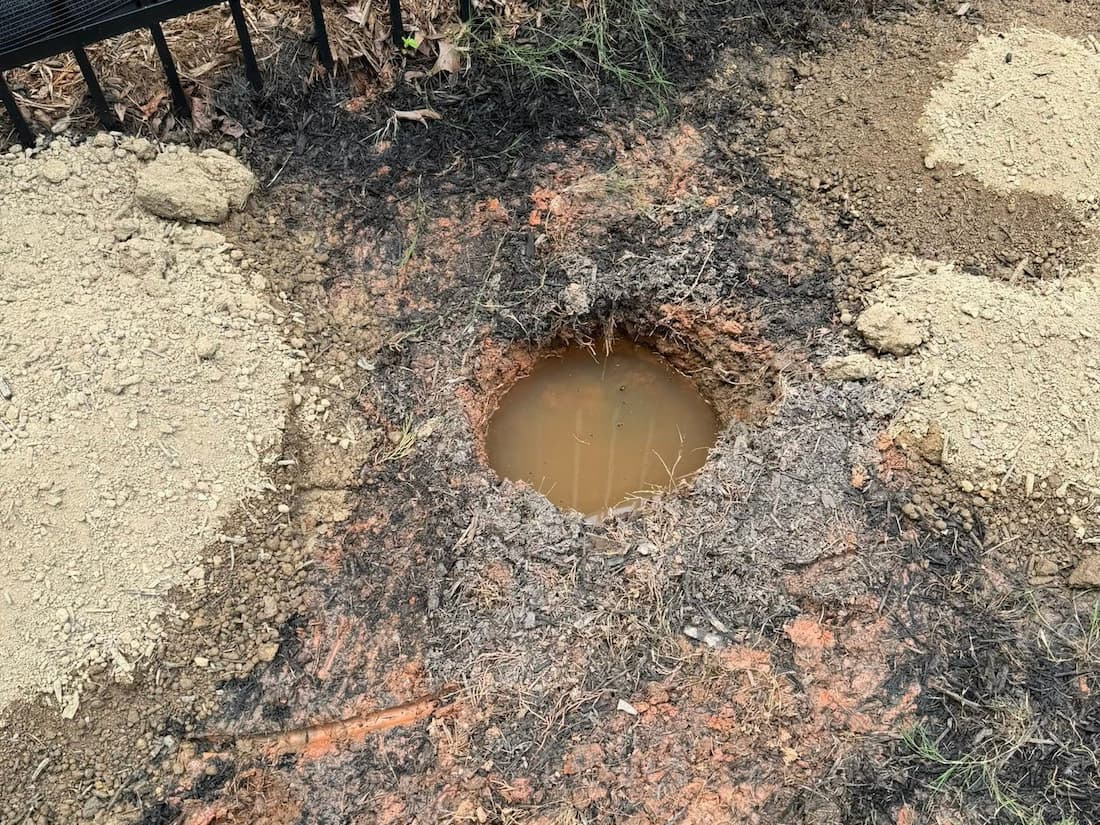
The Hole You Dug Is Killing Your New Plants
A shrub that looked fine all summer and stalled the next year usually didn't fail because of the plant, the weather, or the nursery. It failed because the hole it went into was a container — smooth-walled, water-holding, and impossible to root out of.
Read Article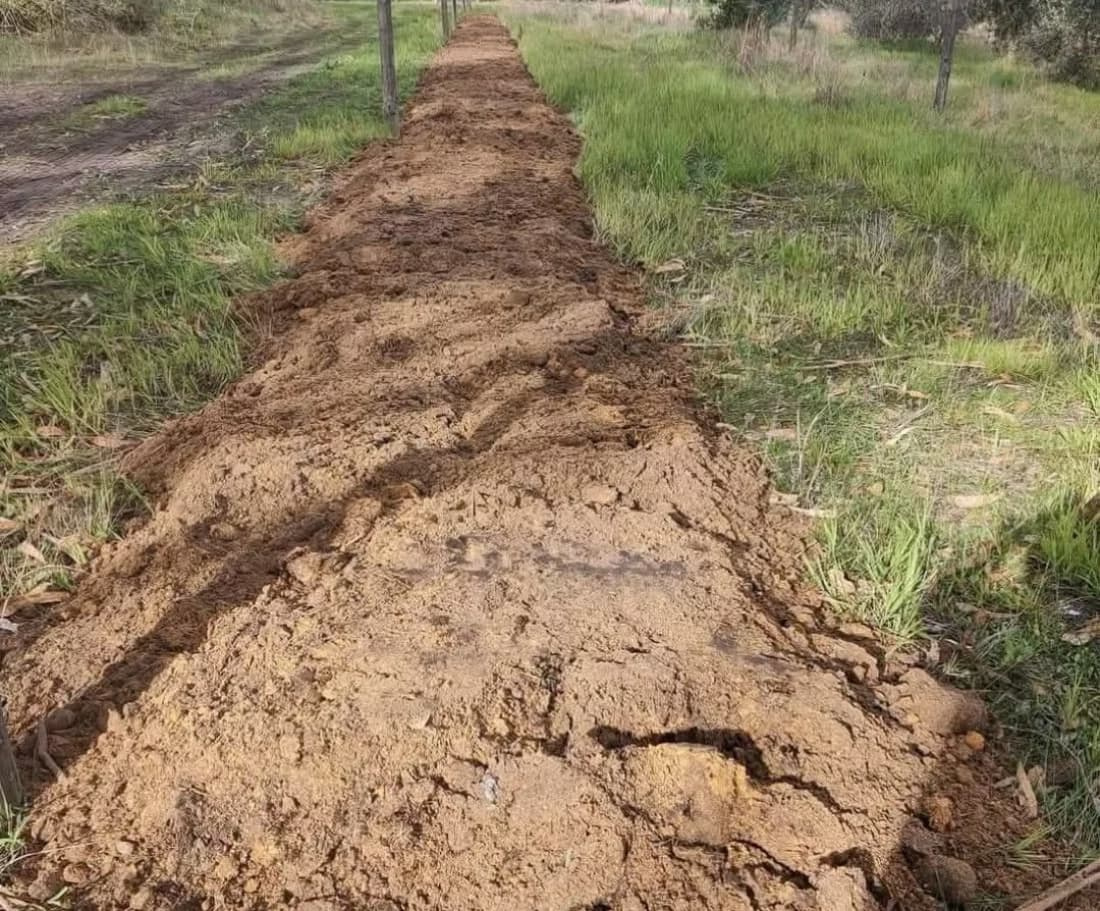
What You Can Actually Change About Bad Soil
Heavy clay and loose sand feel like permanent sentences, and half of that is true. What your soil is made of will not change. How those particles are arranged will — and that is the half that decides whether anything grows.
Read Article
Why Your Plants Survive Winter and Die in July
Your hardiness zone is built from one number — the coldest night of an average year. It says nothing about the hottest afternoon, which is what actually kills most plants people lose. Here's how to read the other half of the map.
Read Article
Why Poa Annua Keeps Coming Back — and the 3-Year Plan That Finally Ends the Cycle
You've pulled it. You've sprayed it. You've watched the little white seedheads mock you every single spring. And every fall, like clockwork, it's back — in the lawn, in the beds, in the cracks you didn't know you had. Here's the hard truth nobody at the big-box store will tell you: you're not losing because you're doing it wrong — you're losing because you're fighting the wrong enemy on the wrong timeline. Poa annua isn't a one-season problem, and once you understand why, the three-year plan below stops feeling like a chore and starts feeling like a countdown.
Read Article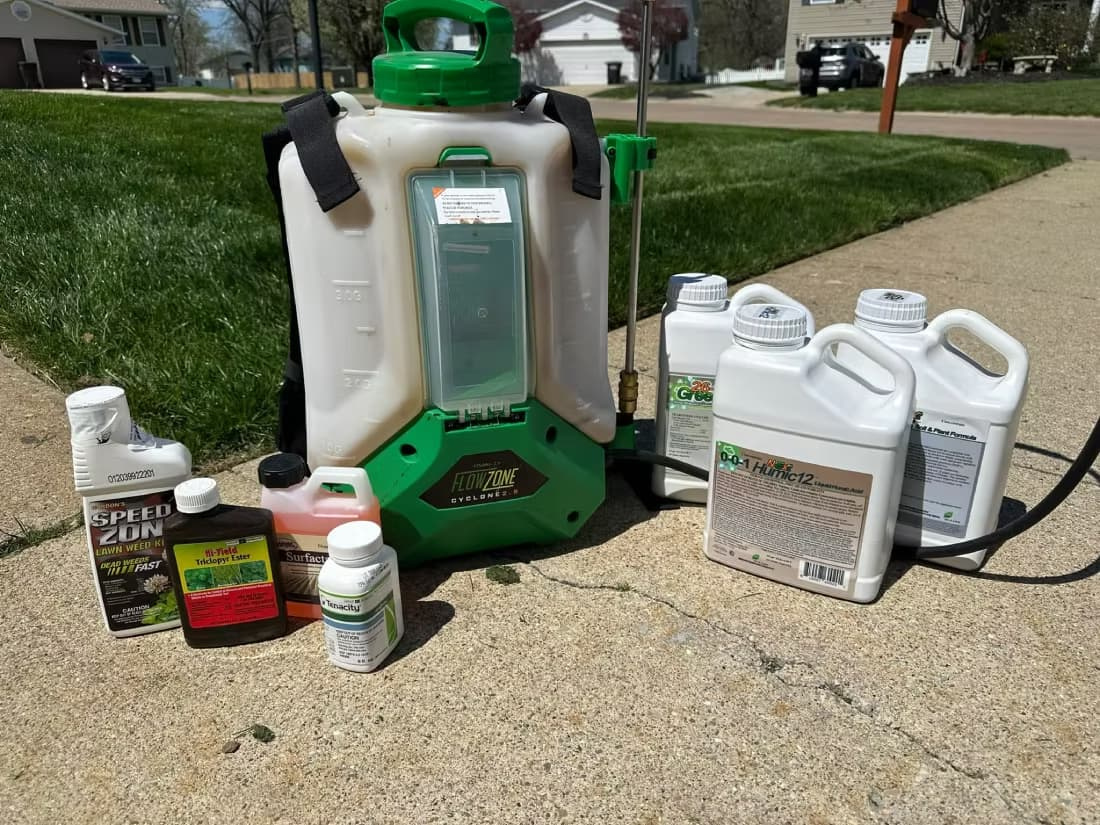
How to Apply Herbicides Correctly in Your Lawn and Garden Beds
Getting real results from a weed product has almost nothing to do with the brand on the bottle and everything to do with matching the method to the moment — the right chemistry, in the right place, at the right time. Learn how to apply herbicides correctly across both your lawn and your garden beds, whether you’re stopping weeds before they sprout or killing the ones already growing, without wasting product or harming the plants you want to keep.
Read Article
How to Kill Weeds Where Two Lawns Meet Without Harming Your Neighbor’s Grass
Controlling weeds along a shared property line is where good intentions quietly backfire—the season that's safe for your own lawn is often the season the lawn next door is most easily harmed. Learn the seasonal timing collision behind most fence-line damage, and the two habits that prevent it—reading what's actually in the bottle and spraying directed instead of broadcast—so you can clear the weeds without hurting your grass, your neighbor's, or the peace between you.
Read Article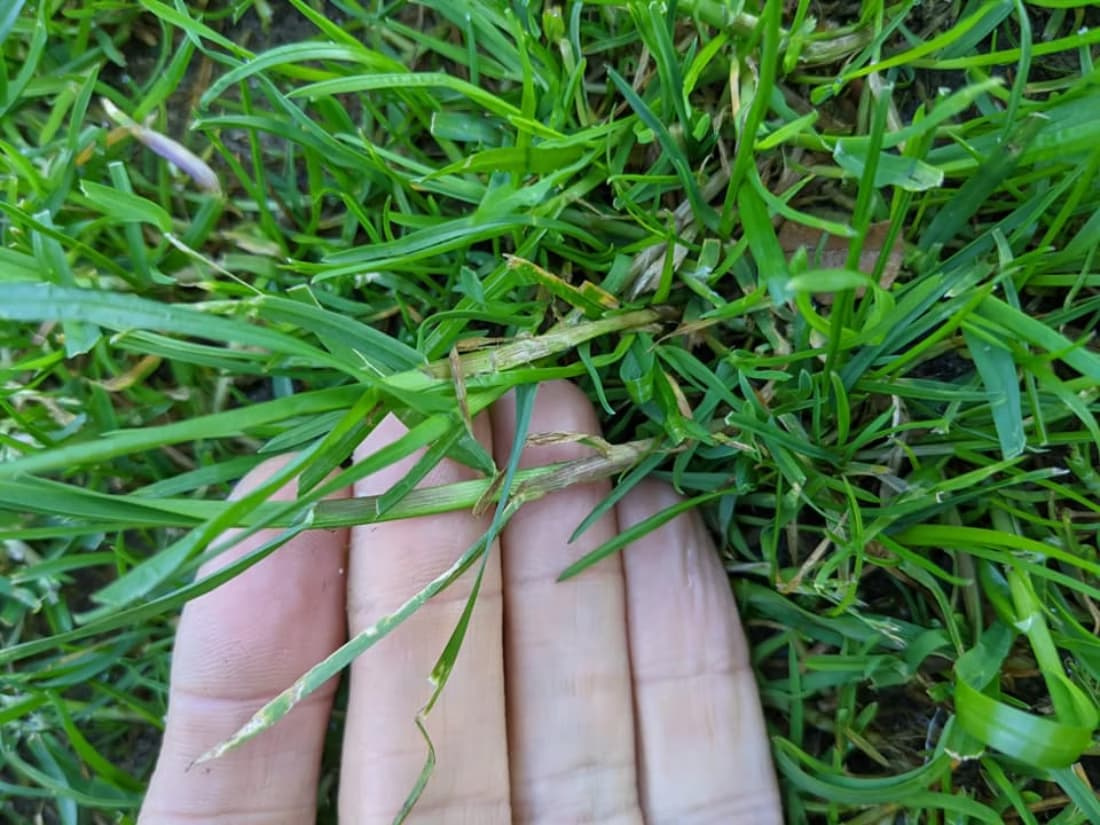
The Truth About One-and-Done Weed Control
Most homeowners lose the fight against weeds not because they work too little, but because they act before they understand. One-and-done weed control is real — but it only works when identification, timing, and the right tool all line up. This guide explains how that sequence works across your lawn and your ornamental beds, and how each weed page in the MFY hub puts it into practice for your specific invader.
Read Article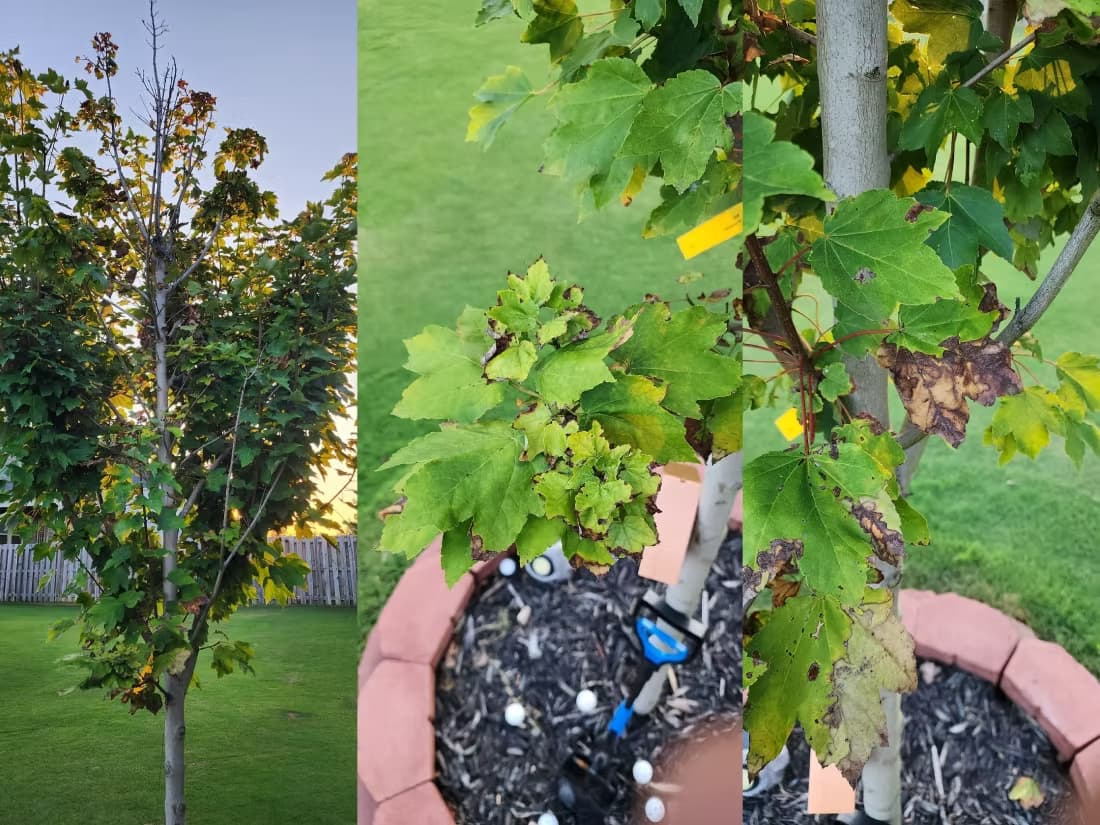
Solving the Mystery of the False Evidence in Your Lawn and Landscape
A brown leaf or a yellowing lawn is rarely what it seems. When symptoms act as decoys, a calm, forensic approach brings clarity to the confusion. Learn how to look past the surface to find the quiet truth of what your plants are truly asking for.
Read Article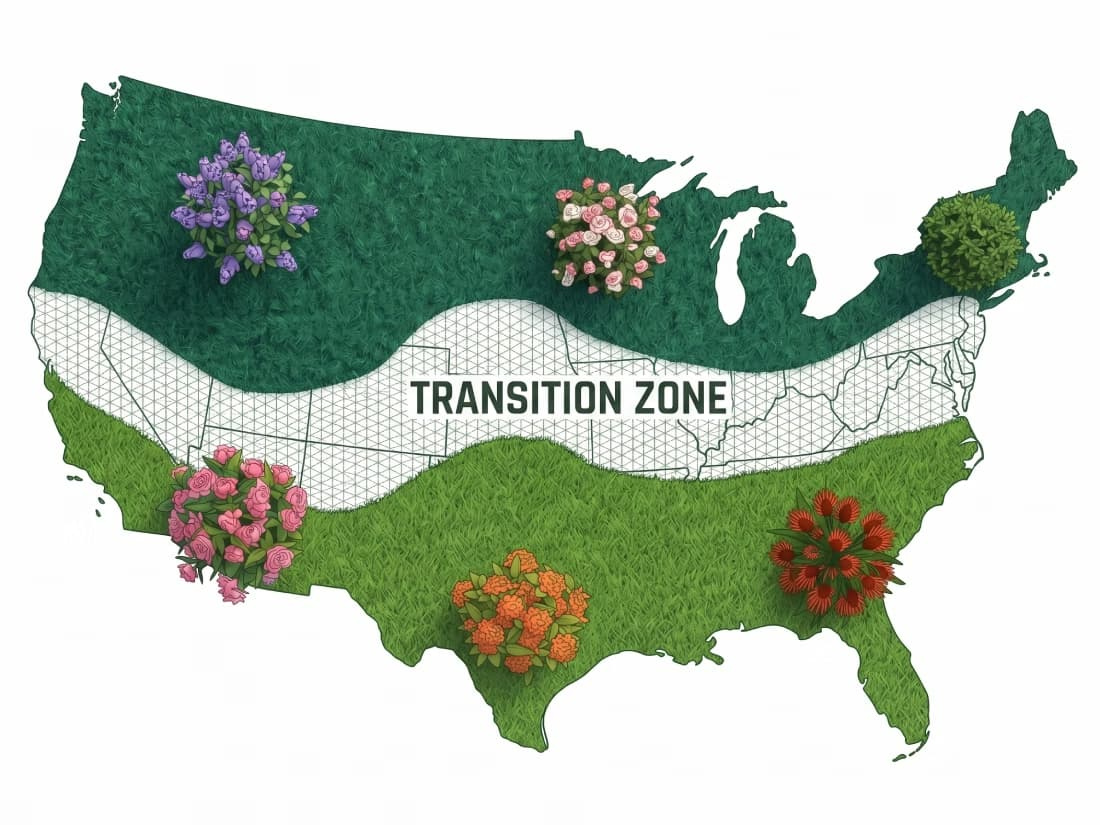
Living in the Middle: The Deep-Dive Guide to Transition Zone Lawns and Landscapes
The Transition Zone is a biological tug-of-war where neither northern nor southern species perfectly adapt. By using resilient "bridge" species and mastering maintenance levers like the Mowing Pivot, you can transform a struggling yard into a healthy landscape.
Read Article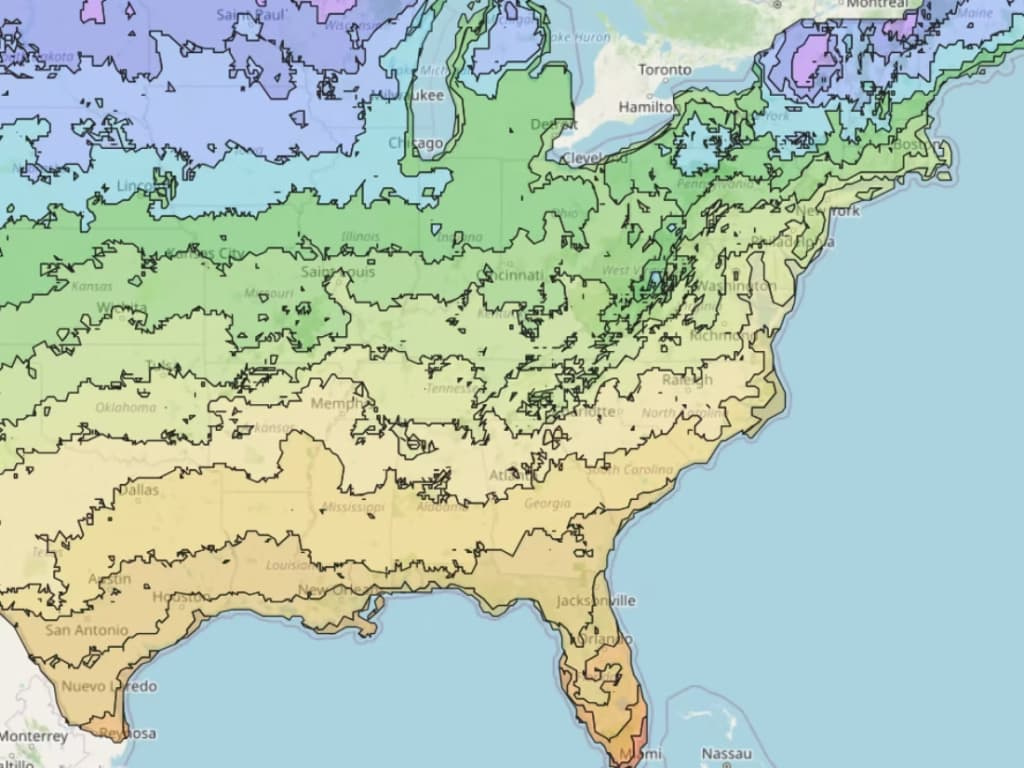
What Your Hardiness Zone Really Means for Your Lawn and Plants
Uncover the foundation of a resilient landscape by mastering the science of hardiness zones. Learn how these climate boundaries are calculated and why understanding your local temperature limits is the first step toward choosing plants that thrive year after year.
Read Article