
Ultra-Salt-Tolerant Paspalum
The paspalum bred to drink brackish, reclaimed or effluent water and still look like a lawn.
Is Ultra-Salt-Tolerant Paspalum Right For Your Yard?
Best For:
Tradeoff:
What Makes It Different
Pick this when the water is the problem, not the soil.
Every seashore paspalum is exceptionally salt-tolerant; that’s the species. SeaIsle Supreme was selected specifically to push that further, and it is the best-documented salt performer in the species — rated above SeaIsle 1 and SeaIsle 2000. Its breeder describes it as thriving on salt water and growing well on brackish, recycled or effluent irrigation.
The mechanism is the one the type page explains, running further up the scale. Salty soil pulls water out of ordinary roots, so a lawn can wilt and die of thirst in soaking wet ground. Paspalum cells stockpile protective compounds that let them keep drinking anyway. Supreme keeps doing that at concentrations where its siblings start to slip.
One honest limit. The hard numbers we have are species-level, not cultivar-level: paspalum holds quality on irrigation water to roughly 30–34 dS/m, selected cultivars survive soil salinity near 54 dS/m at modest injury, and it handles ocean-strength water around 35 parts per thousand. Supreme’s advantage over its siblings is documented as a comparison, not as its own published number. Treat it as the best-evidenced choice at the top of that range, not as a separate specification.
Who It’s For
The specific yard is defined by a water test, not a view. You belong here if you irrigate from a brackish well, run reclaimed or effluent water through a purple-pipe line, or sit on a lot that takes salt spray and occasional storm-surge flooding — or if your soil test already reads high in salts or sodium.
If you simply live near the coast but water from a normal tap, buy Standard Landscape Paspalum instead. It costs less, it’s far easier to actually get, and it already carries more salt tolerance than a lawn on fresh water will ever need.
The Cultivars
There is realistically one, which is why this page is narrow.
| Cultivar | How it’s sold | What it’s good at | Notes |
| SeaIsle Supreme (‘SI 98’) | Certified sod or sprigs only, from licensed growers under UGRAF / GSDC, certified through ITGAP. No seed, no plugs, no generic version — it’s patented | The best-documented salt tolerance in the species. Breeder also reports low fertilizer and insecticide needs, good tolerance of low-light conditions like fog and overcast, and no need to overseed | Florida, Gulf South, Texas Gulf. Originally licensed to only five domestic growers, which is why it’s hard to find. Suited to home lawns but distributed mainly through commercial landscape channels. No published residential price |
Why there is only one. Salt tolerance in paspalum is mostly a species trait, so breeders have had little reason to build a second cultivar around it. The germplasm work that found even higher salt tolerance (accessions like HI 101 and HI 36) has not reached retail. Supreme is what exists.
Note that Supreme is a semi-dwarf, denser than the standard landscape types. It still belongs on a rotary mower at 1.0–2.0 inches — the reel-mower grasses are on the Fine Greens-Type Paspalum page.
What Changes In Care
This is where this page really differs, and the first rule is the one people get wrong.
Water it with fresh water while it establishes. Salty, brackish or recycled water stresses young tissue and stalls root growth, even in this cultivar. The whole reason you bought it does not apply until the lawn is knitted in. Plan on a fresh-water source for the first several weeks.
After that, flushing is mandatory, not optional. Every time the lawn uses water and the sun evaporates the rest, salt stays behind and concentrates in the root zone until even this grass can’t drink. Flush with about 1 inch of fresh water at a time; a cumulative 6 inches moves 50–70% of the sodium below the roots in sandy soil. On clay it’s harder — sodium makes clay swell shut and stop draining, so those soils need gypsum at about 50 lb per 1,000 sq ft monthly, applied after core aeration and followed by a foot of leaching water. Skipping this is how a salt-tolerant lawn still dies of salt.
Two smaller adjustments. If you irrigate with recycled water, use an acidifying nitrogen source to slow the pH climb that bicarbonates cause. And watch for iron chlorosis — uniform yellowing of new leaves on high-pH ground — which foliar iron fixes quickly.
One benefit you actually collect. Because this grass tolerates salt that kills weeds, salt itself works as a selective weed treatment: research recorded 90–100% crabgrass control with almost no injury to paspalum, while bermudagrass took heavy damage. Never during establishment, though — it will kill the young grass along with the weeds.
Before You Buy
- Test your water first. This is a purchase that should be driven by a number. Get electrical conductivity and sodium levels on your irrigation source. If it comes back ordinary, buy the standard landscape page and save yourself the sourcing headache.
- Certified stock from a licensed grower only. It’s patented and can only be sold as certified sod or sprigs. There is no legitimate cheap generic.
- Expect commercial channels. Call-for-quote pricing, minimum orders, freight. Budget time as well as money.
- The bermudagrass rule still applies. Non-certified sod is often contaminated with common bermuda, which is nearly impossible to remove selectively. Salt tolerance doesn’t protect you from that; certification does.
- Don’t read salt tolerance as shade tolerance. Tree shade tolerance here is low — similar to bermuda. A shaded salty yard is still a shade problem first.
- Clearing an old lawn first? Allow the full 14-day wait before planting, and check the active-ingredient panel — consumer “Roundup” no longer reliably means glyphosate, and replant intervals differ by active ingredient.
Deep Dives & Practical Guides
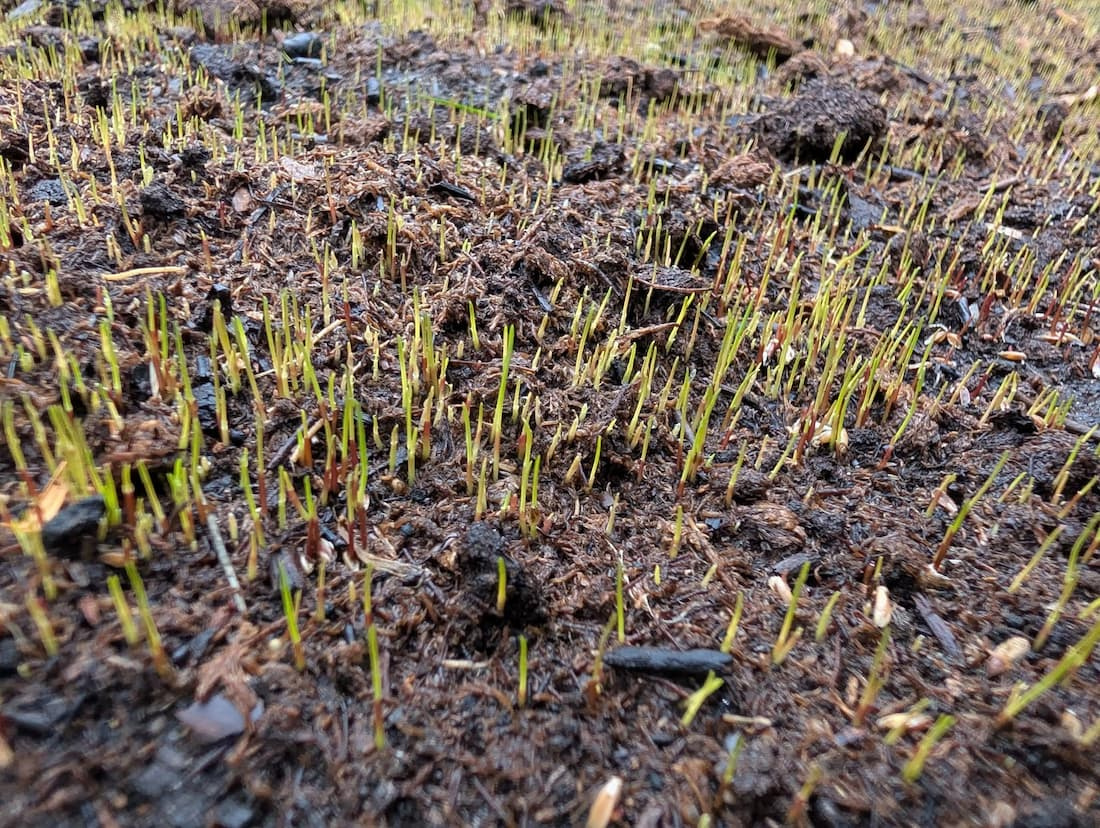
How to Establish a New Lawn From Bare Soil to First Mow
Bare soil doesn't turn into a lawn just because you scattered seed or rolled out sod — it becomes one based on a handful of specific steps done in the right order, matched to your specific grass. This guide walks through soil prep, seeding or planting method, starter fertilizer, watering as the grass grows, and knowing when it's actually safe to mow, for both cool-season and warm-season lawns.
Read Article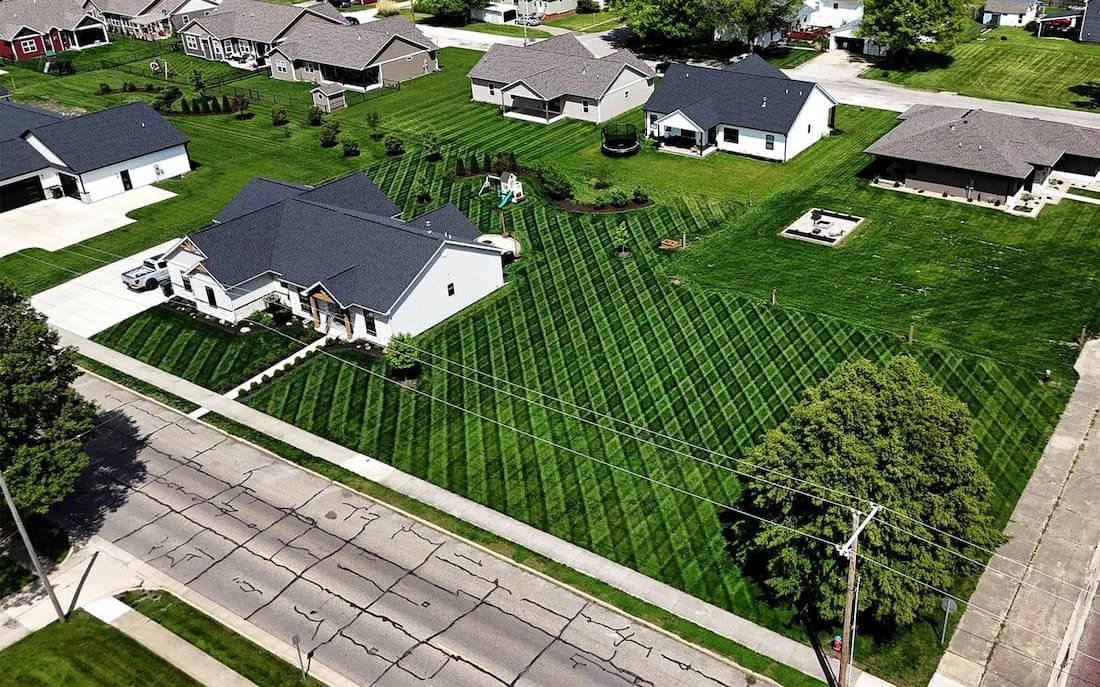
Cool Season vs Warm Season Lawn and Landscape Guide
Your lawn and your flower beds don't follow the same calendar — one runs on a cool-season engine, the other on a warm-season one, and using the wrong playbook on either can do real damage. This guide helps you figure out which system you actually have and how to care for it correctly, plus how the same cool/warm split applies to your ornamental beds.
Read Article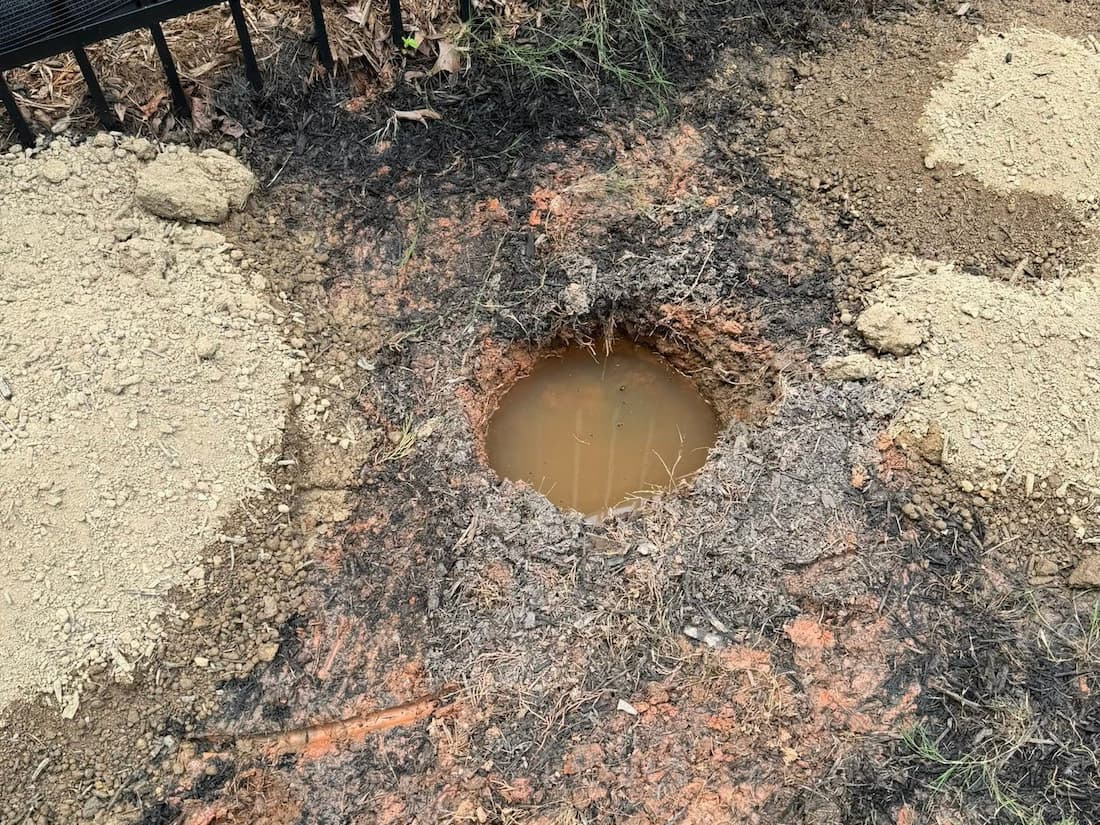
The Hole You Dug Is Killing Your New Plants
A shrub that looked fine all summer and stalled the next year usually didn't fail because of the plant, the weather, or the nursery. It failed because the hole it went into was a container — smooth-walled, water-holding, and impossible to root out of.
Read Article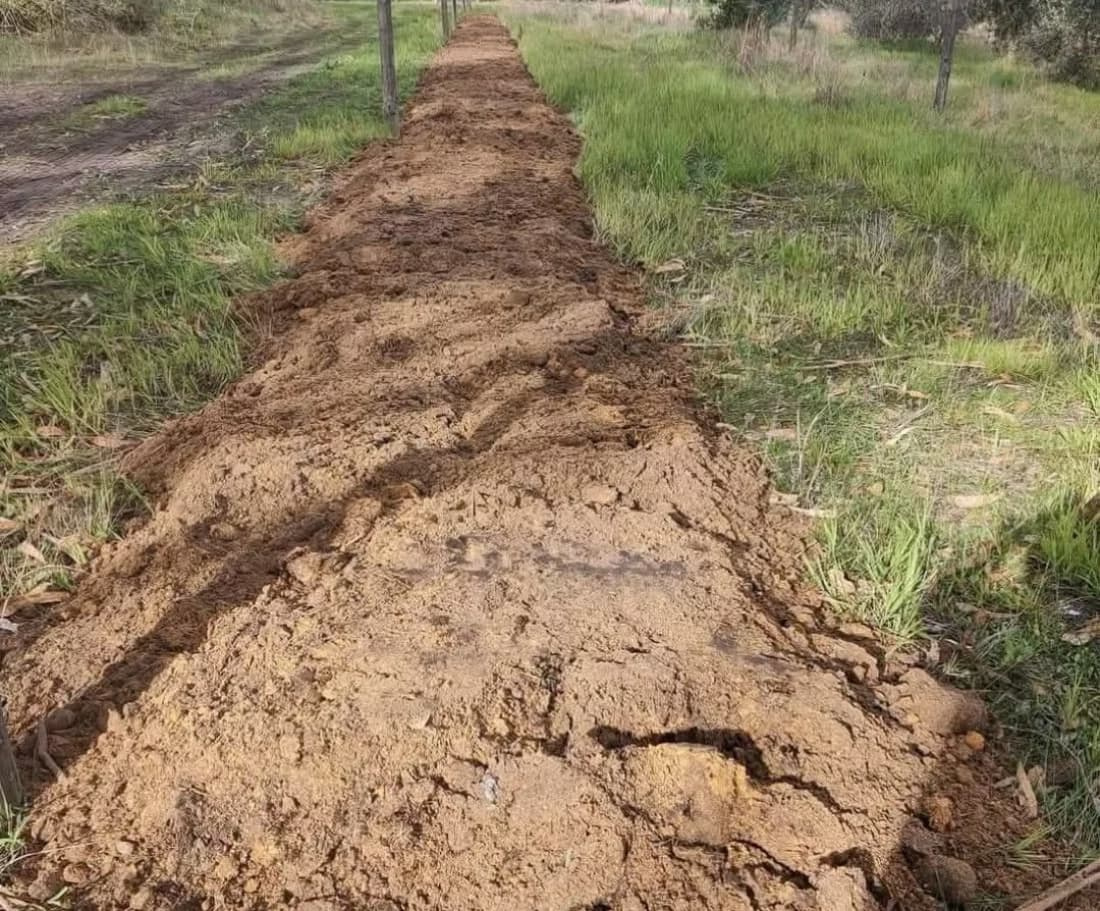
What You Can Actually Change About Bad Soil
Heavy clay and loose sand feel like permanent sentences, and half of that is true. What your soil is made of will not change. How those particles are arranged will — and that is the half that decides whether anything grows.
Read Article
Why Your Plants Survive Winter and Die in July
Your hardiness zone is built from one number — the coldest night of an average year. It says nothing about the hottest afternoon, which is what actually kills most plants people lose. Here's how to read the other half of the map.
Read Article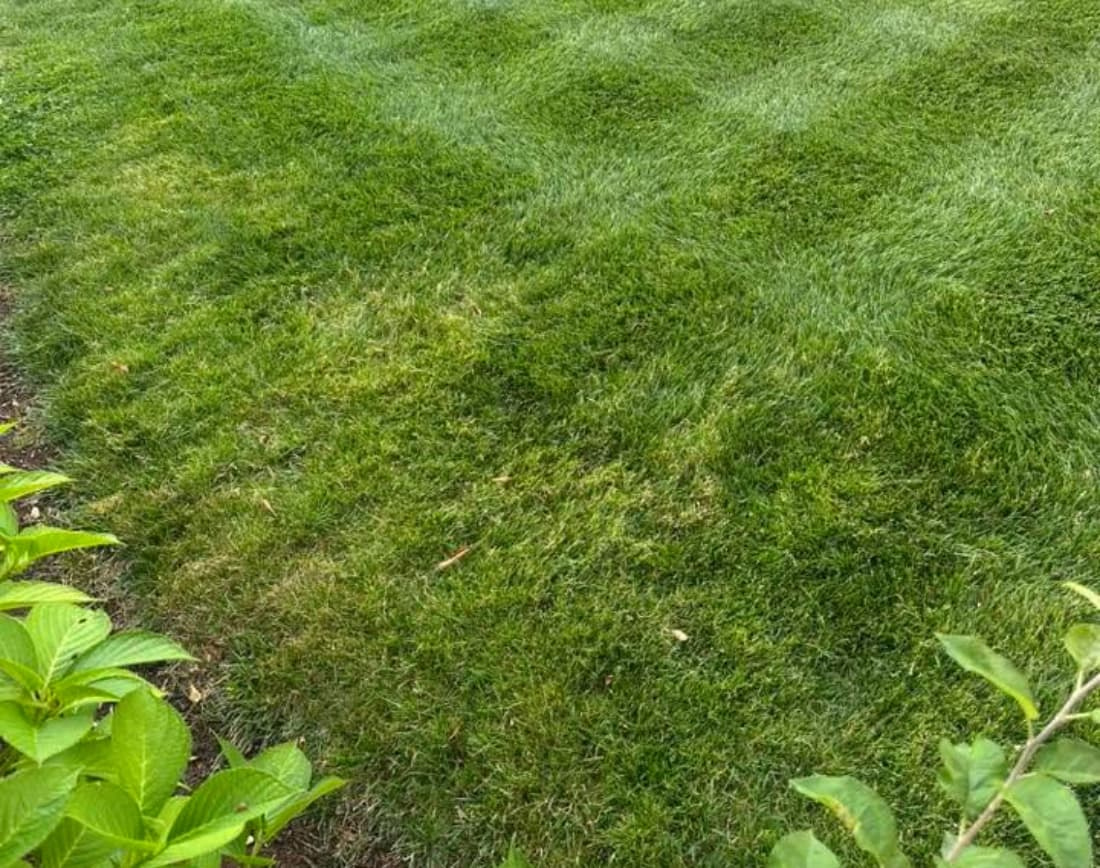
Why Poa Annua Keeps Coming Back — and the 3-Year Plan That Finally Ends the Cycle
You've pulled it. You've sprayed it. You've watched the little white seedheads mock you every single spring. And every fall, like clockwork, it's back — in the lawn, in the beds, in the cracks you didn't know you had. Here's the hard truth nobody at the big-box store will tell you: you're not losing because you're doing it wrong — you're losing because you're fighting the wrong enemy on the wrong timeline. Poa annua isn't a one-season problem, and once you understand why, the three-year plan below stops feeling like a chore and starts feeling like a countdown.
Read Article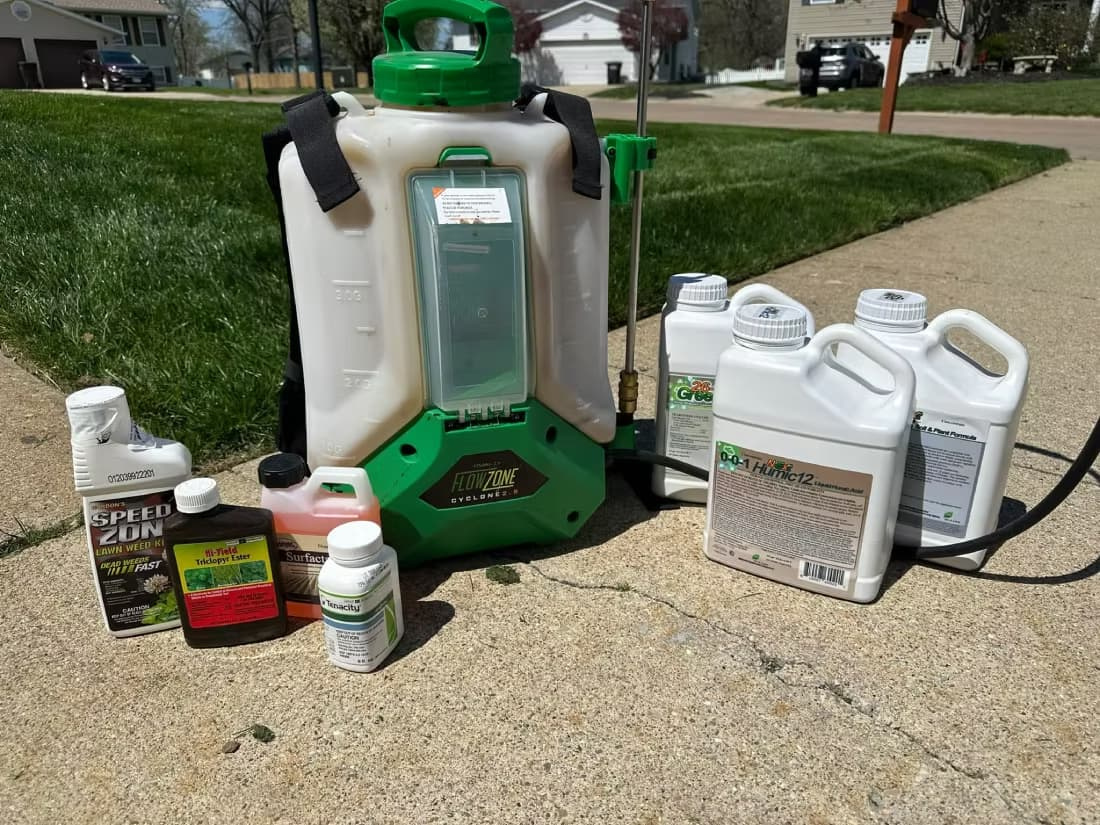
How to Apply Herbicides Correctly in Your Lawn and Garden Beds
Getting real results from a weed product has almost nothing to do with the brand on the bottle and everything to do with matching the method to the moment — the right chemistry, in the right place, at the right time. Learn how to apply herbicides correctly across both your lawn and your garden beds, whether you’re stopping weeds before they sprout or killing the ones already growing, without wasting product or harming the plants you want to keep.
Read Article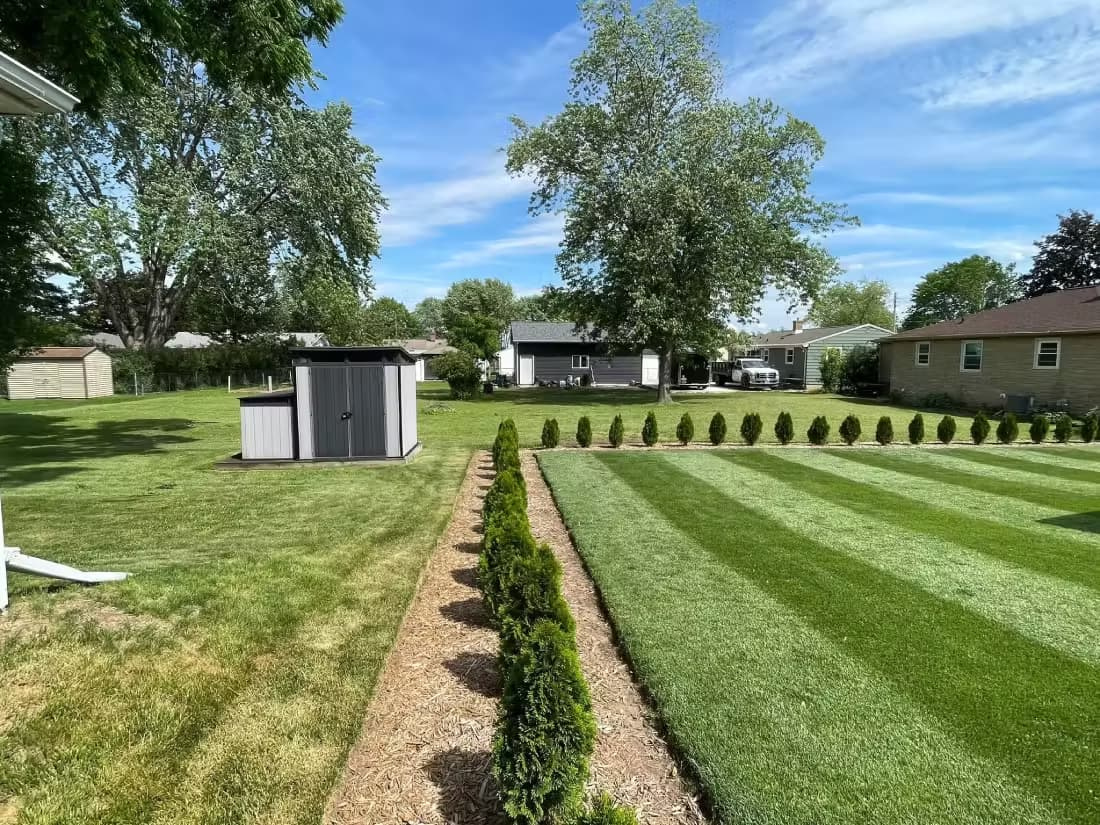
How to Kill Weeds Where Two Lawns Meet Without Harming Your Neighbor’s Grass
Controlling weeds along a shared property line is where good intentions quietly backfire—the season that's safe for your own lawn is often the season the lawn next door is most easily harmed. Learn the seasonal timing collision behind most fence-line damage, and the two habits that prevent it—reading what's actually in the bottle and spraying directed instead of broadcast—so you can clear the weeds without hurting your grass, your neighbor's, or the peace between you.
Read Article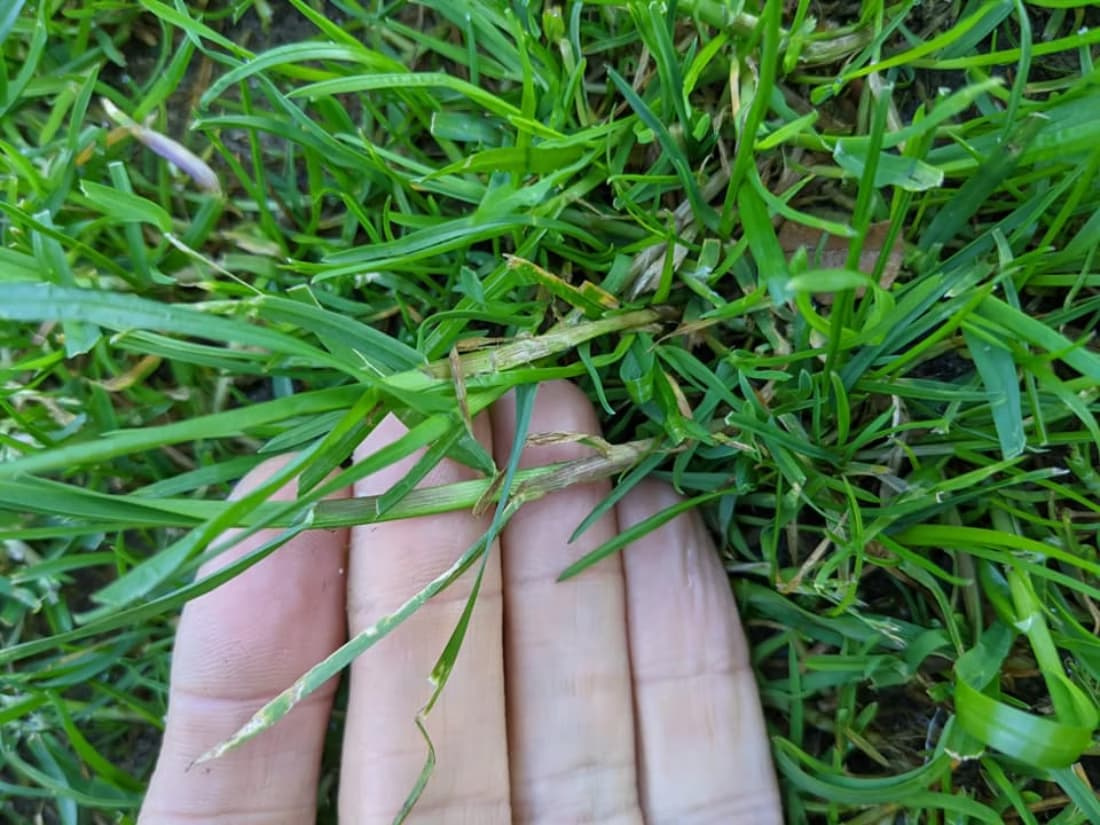
The Truth About One-and-Done Weed Control
Most homeowners lose the fight against weeds not because they work too little, but because they act before they understand. One-and-done weed control is real — but it only works when identification, timing, and the right tool all line up. This guide explains how that sequence works across your lawn and your ornamental beds, and how each weed page in the MFY hub puts it into practice for your specific invader.
Read Article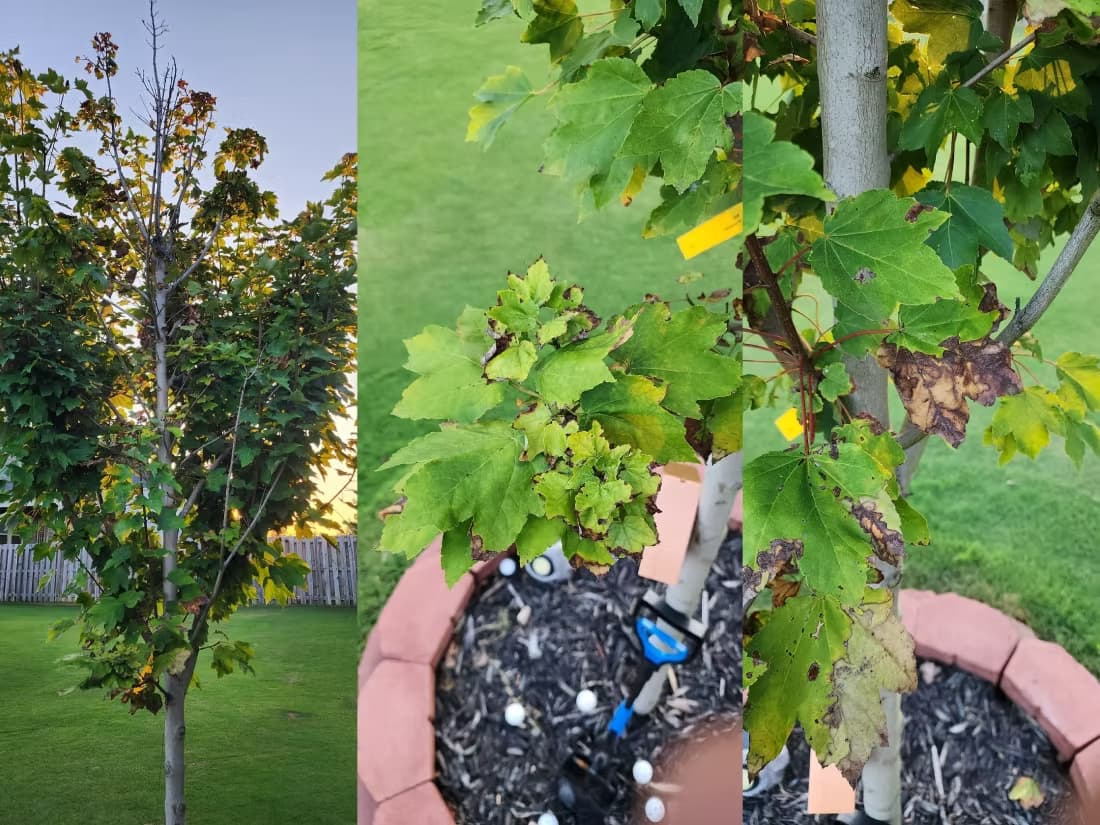
Solving the Mystery of the False Evidence in Your Lawn and Landscape
A brown leaf or a yellowing lawn is rarely what it seems. When symptoms act as decoys, a calm, forensic approach brings clarity to the confusion. Learn how to look past the surface to find the quiet truth of what your plants are truly asking for.
Read Article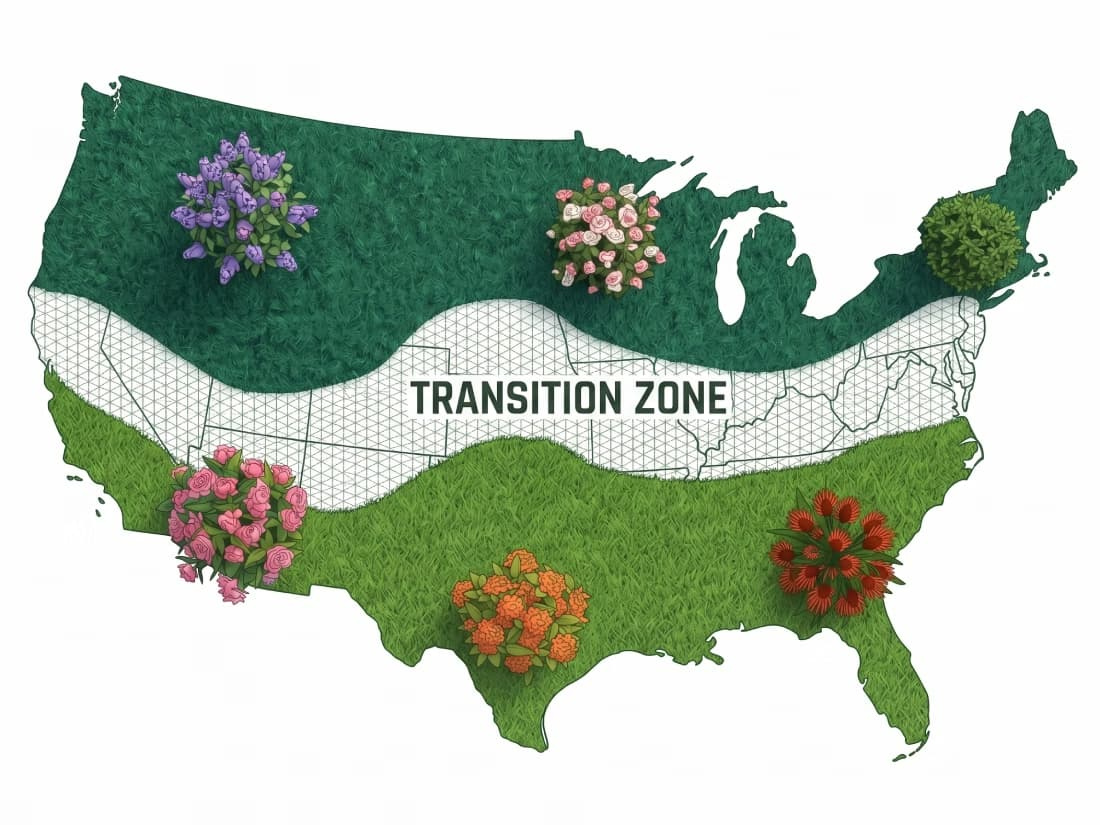
Living in the Middle: The Deep-Dive Guide to Transition Zone Lawns and Landscapes
The Transition Zone is a biological tug-of-war where neither northern nor southern species perfectly adapt. By using resilient "bridge" species and mastering maintenance levers like the Mowing Pivot, you can transform a struggling yard into a healthy landscape.
Read Article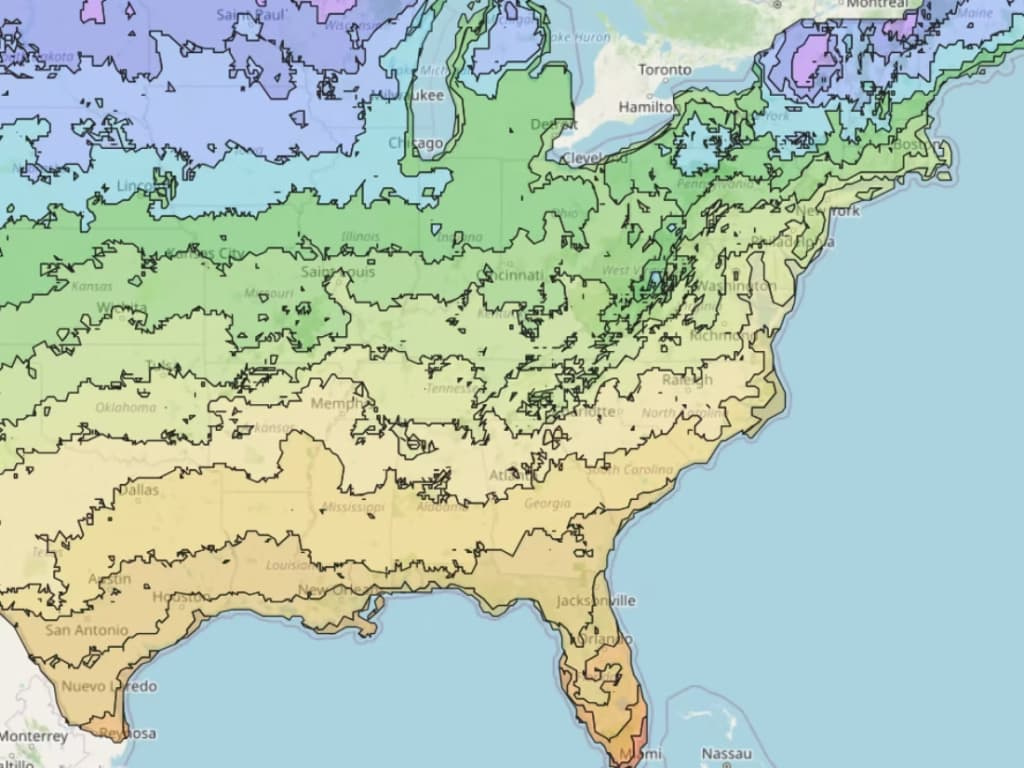
What Your Hardiness Zone Really Means for Your Lawn and Plants
Uncover the foundation of a resilient landscape by mastering the science of hardiness zones. Learn how these climate boundaries are calculated and why understanding your local temperature limits is the first step toward choosing plants that thrive year after year.
Read Article