
Southern Plains Blue Grama
The driest-adapted blue grama you can buy, and the only one sold as ready-to-plant plugs instead of just seed.
Is Southern Plains Blue Grama Right For Your Yard?
Best For:
Tradeoff:
What Makes It Different
These are the Southwest’s own two releases, both developed at the Los Lunas Plant Materials Center in New Mexico, and each answers a different half of the same problem.
‘Hachita’ answers dryness. It was the most drought-tolerant of 21 accessions tested by USDA and Colorado State researchers, and it has been established on ground getting only 8 to 16 inches of rain a year.
‘Alma’ answers the harder problem, which is getting a native lawn to start at all. Blue grama seedlings die if they cannot push permanent roots down from a crown sitting right at the soil surface, and that crown needs the surface damp for days — the reason the type page tells you to water every four to five hours for the first month. ‘Alma’ sidesteps that. Over three cycles of selection, breeders picked plants with the longest subcoleoptile internode: the short length of stem that shoves the shoot up from a buried seed. A longer one lets the seed go deeper, into soil that stays wet longer. The same three cycles raised seed weight by 35%, and a heavier seed carries the food reserve needed for the longer climb. In short, ‘Alma’ lets you plant deeper, and depth is the best defense against a surface that dries out.
Who It’s For
A full-sun, open, south- or west-facing yard on the southern or central plains. ‘Hachita’ is formally recommended for New Mexico, southeastern Colorado, and the Texas and Oklahoma panhandles; ‘Alma’ was released for the southern and central Great Plains. The range also covers Arizona from roughly 4,000 to 8,800 feet and Utah from 3,500 to 8,000, and it stops where the type page says blue grama stops — above about 6,500 to 7,000 feet the season is too short.
It is also the page for anyone who would rather not gamble on a seeding. ‘Hachita’ is the only blue grama grown commercially as plugs, so a small front yard can go in as live plants.
Two yards it is wrong for. If your soil or irrigation water is salty, ‘Hachita’ is the weakest named cultivar under salt — see Salt-Tolerant Blue Grama. And north of Colorado these will winterkill — see Cold-Hardy Blue Grama.
The Cultivars
| Cultivar | How it’s sold | What it’s good at | Notes |
| ‘Hachita’ | Seed in 1 lb and 5 lb bags, about $21–$36 per PLS lb; plugs in 70-cell flats, about $100+ per tray | The driest sites, and the fastest start | 1980 release from Los Lunas PMC with the New Mexico and Colorado experiment stations, from material collected south of Hachita, NM at about 4,000 ft in a 10-inch rainfall zone. The most drought-tolerant of 21 accessions tested. The most widely stocked blue grama, and the only one sold as plugs — Todd Valley Farms in Mead, Nebraska is the main nationwide plug source. |
| ‘Alma’ | Seed only — 4 oz pouches, 1 lb bags, custom bulk; about $21–$36 per PLS lb | Getting a stand up on the first try | 1992 composite of ‘Lovington’, ‘Hachita’ and a Kansas/Texas accession, from USDA-ARS and Los Lunas PMC. Selected for heavier seed, seedling vigor, and emergence from deeper planting; three cycles of selection produced a 35% gain in seed weight. Stock is seasonal and sells out. |
What Changes In Care
Once it is established, nothing changes. Same 2.5 to 3 inch mowing height, same two or three cuts a season, same 1 to 2 pounds of nitrogen and the same hard stop on 15 August, same deep and rare watering.
The one delta is at planting, and only if you chose ‘Alma’. The type page’s quarter to half inch seeding depth assumes you can keep the surface damp. If you cannot — a job, a watering restriction, a windy site — plant ‘Alma’ at the deep end of that range or slightly past it. Research on heavy-seeded blue grama found that under marginal moisture, emergence held up only when heavy seed went in at about three-quarters of an inch, while seed at a quarter inch dried out and failed (Carren, Wilson and Cuany, Journal of Range Management, 1987). That is the exact trade ‘Alma’ was bred to make.
Plugs change more. A plug arrives already rooted, so it skips the surface-moisture window and most of the first-year weed flush. Water them in until they take, then drop to the normal schedule.
Before You Buy
- Do not buy ‘Blonde Ambition’ for a lawn. It is a patented ornamental sold in pots at roughly $9 to $15 a plant, and it grows 3 to 5 feet tall. Mowing shears off the seed heads that are its entire point, scalps the crown, and kills the clump. It is a border plant, not turf.
- Buy by Pure Live Seed, then do the arithmetic. Suppliers price by the PLS pound — living seed left after chaff, inert matter and dead seed come out. A raw pound of blue grama may be only 60 to 80% PLS. Extension rates run 1 to 3 pounds PLS per 1,000 square feet, and suppliers commonly quote 2 to 3 for a dense lawn. To put down 2 pounds PLS from a lot testing 70%, you buy about 3 pounds of bulk seed.
- There is no blue grama sod. It grows in clumps and will not hold together as a harvested slab. Seed or plugs, nothing else.
- Skip the big-box aisle, and order early. National retailers do not stock named blue grama cultivars, and general online seed merchants sell VNS — variety not stated, which also means origin not stated. Buy from native-seed specialists such as Pawnee Buttes, Johnston Seed, Curtis and Curtis, Great Basin Seeds or Bamert, and order ahead of the spring rush, when both cultivars run out.
- If you are killing an existing cool-season lawn to make the seedbed, read the active-ingredient panel. Consumer “Roundup” no longer reliably means glyphosate; several reformulated versions use different chemicals, and some leave soil residue that can harm the seeding you are about to make. Buy the active ingredient, not the brand name.
Deep Dives & Practical Guides
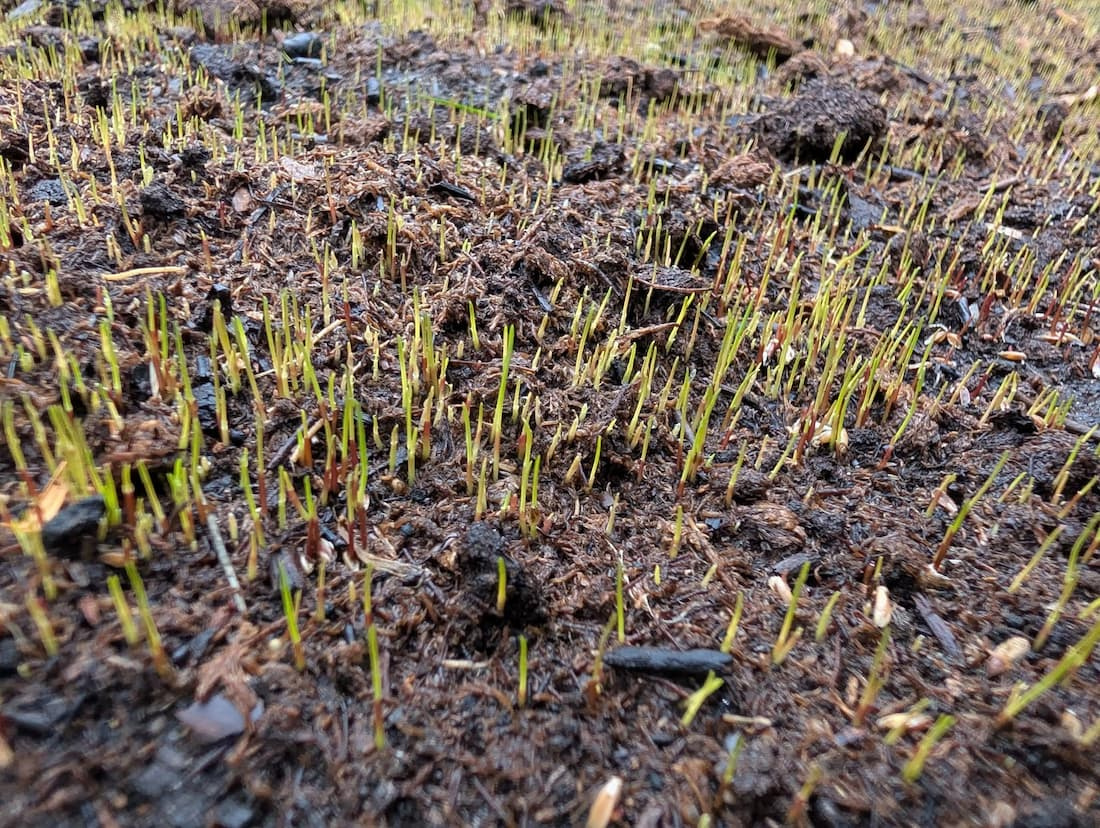
How to Establish a New Lawn From Bare Soil to First Mow
Bare soil doesn't turn into a lawn just because you scattered seed or rolled out sod — it becomes one based on a handful of specific steps done in the right order, matched to your specific grass. This guide walks through soil prep, seeding or planting method, starter fertilizer, watering as the grass grows, and knowing when it's actually safe to mow, for both cool-season and warm-season lawns.
Read Article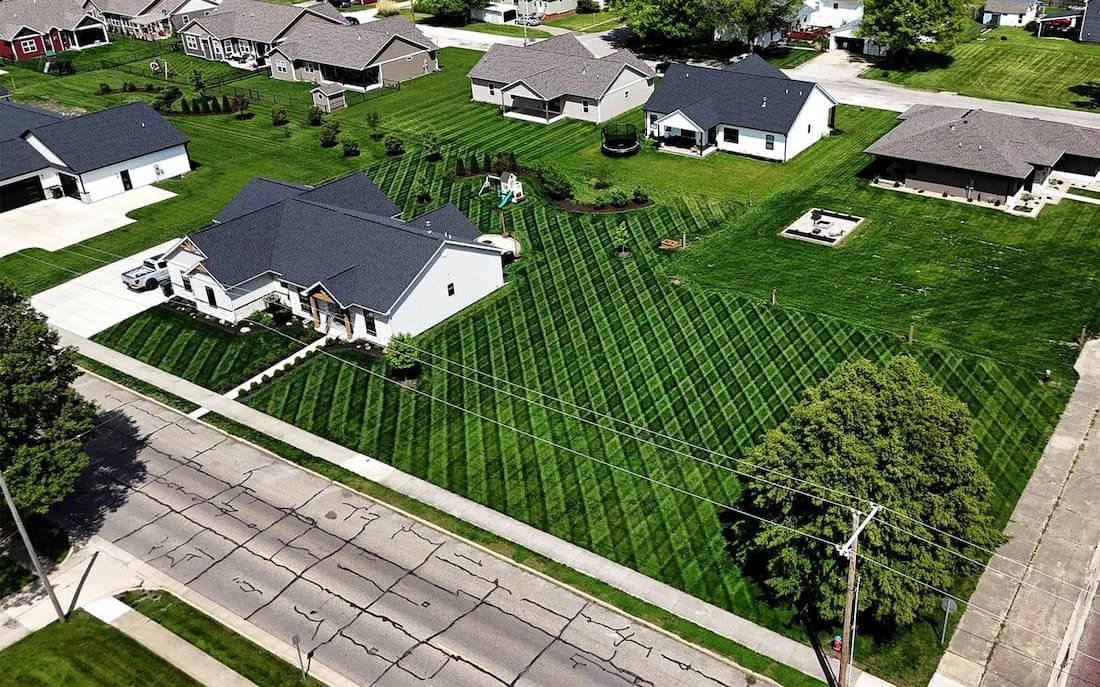
Cool Season vs Warm Season Lawn and Landscape Guide
Your lawn and your flower beds don't follow the same calendar — one runs on a cool-season engine, the other on a warm-season one, and using the wrong playbook on either can do real damage. This guide helps you figure out which system you actually have and how to care for it correctly, plus how the same cool/warm split applies to your ornamental beds.
Read Article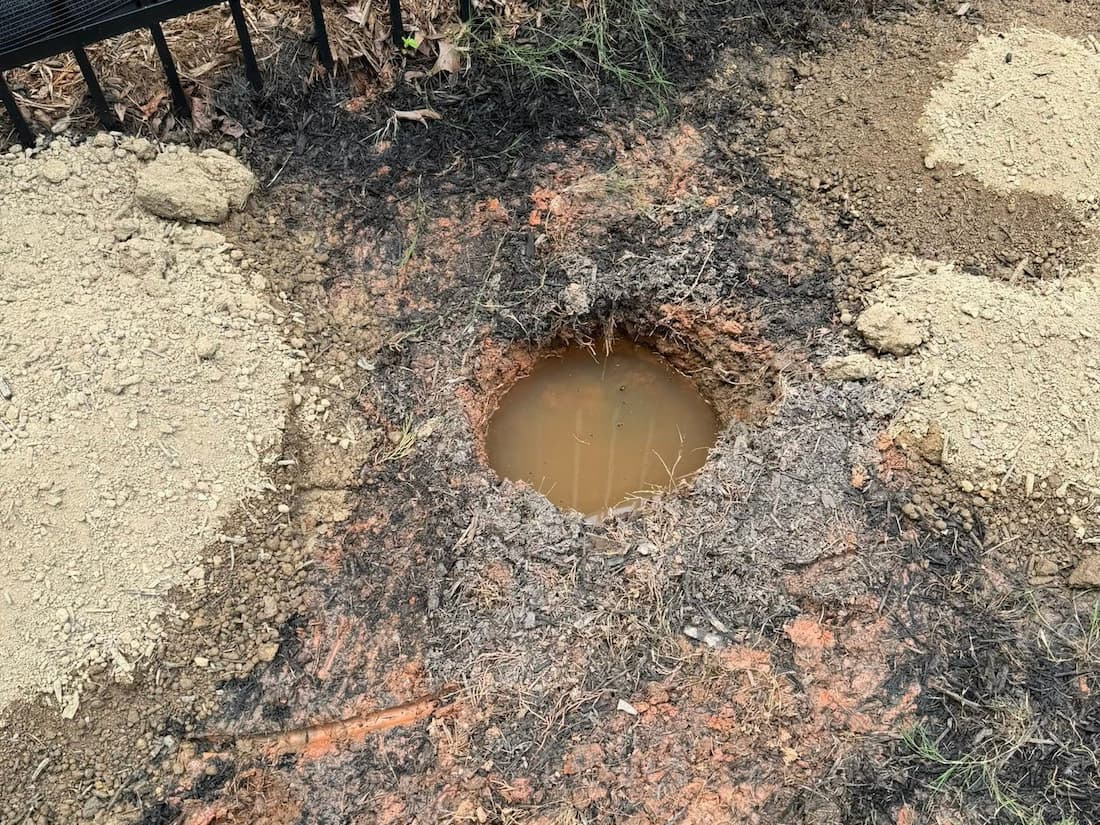
The Hole You Dug Is Killing Your New Plants
A shrub that looked fine all summer and stalled the next year usually didn't fail because of the plant, the weather, or the nursery. It failed because the hole it went into was a container — smooth-walled, water-holding, and impossible to root out of.
Read Article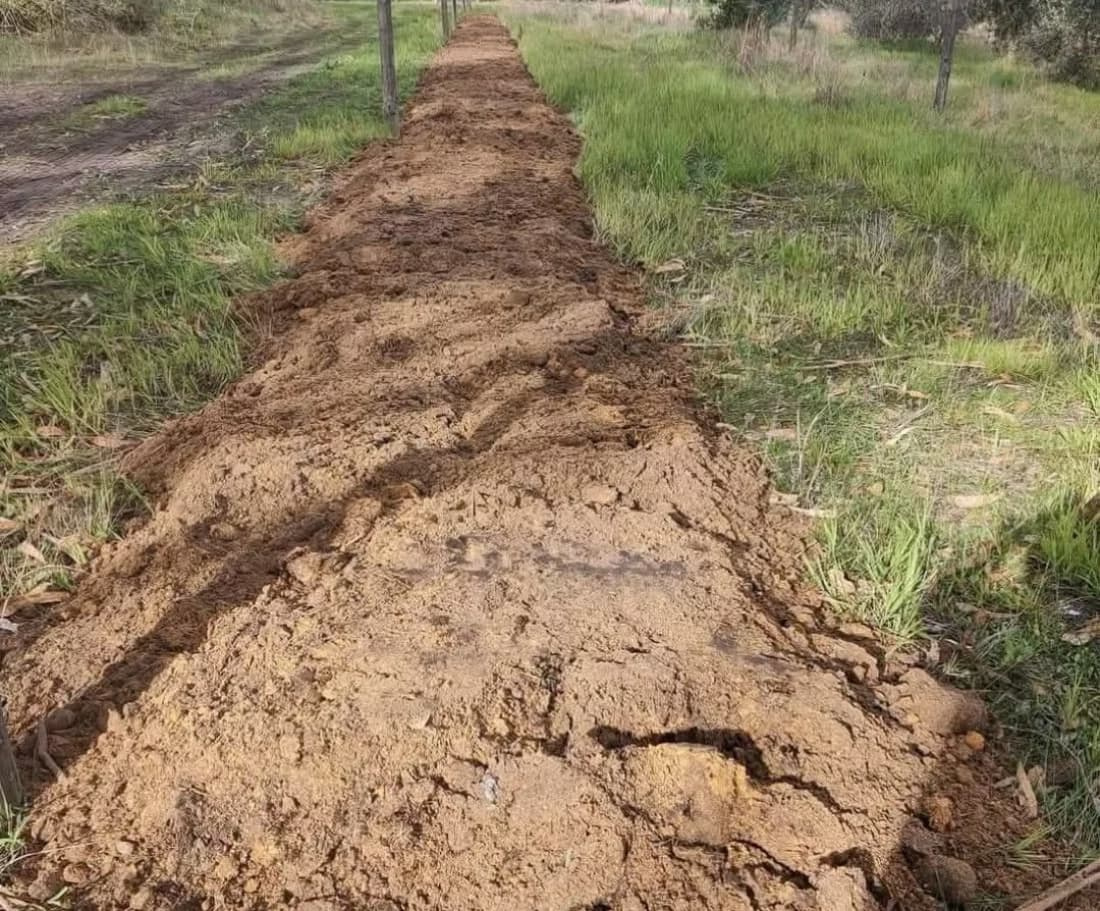
What You Can Actually Change About Bad Soil
Heavy clay and loose sand feel like permanent sentences, and half of that is true. What your soil is made of will not change. How those particles are arranged will — and that is the half that decides whether anything grows.
Read Article
Why Your Plants Survive Winter and Die in July
Your hardiness zone is built from one number — the coldest night of an average year. It says nothing about the hottest afternoon, which is what actually kills most plants people lose. Here's how to read the other half of the map.
Read Article
Why Poa Annua Keeps Coming Back — and the 3-Year Plan That Finally Ends the Cycle
You've pulled it. You've sprayed it. You've watched the little white seedheads mock you every single spring. And every fall, like clockwork, it's back — in the lawn, in the beds, in the cracks you didn't know you had. Here's the hard truth nobody at the big-box store will tell you: you're not losing because you're doing it wrong — you're losing because you're fighting the wrong enemy on the wrong timeline. Poa annua isn't a one-season problem, and once you understand why, the three-year plan below stops feeling like a chore and starts feeling like a countdown.
Read Article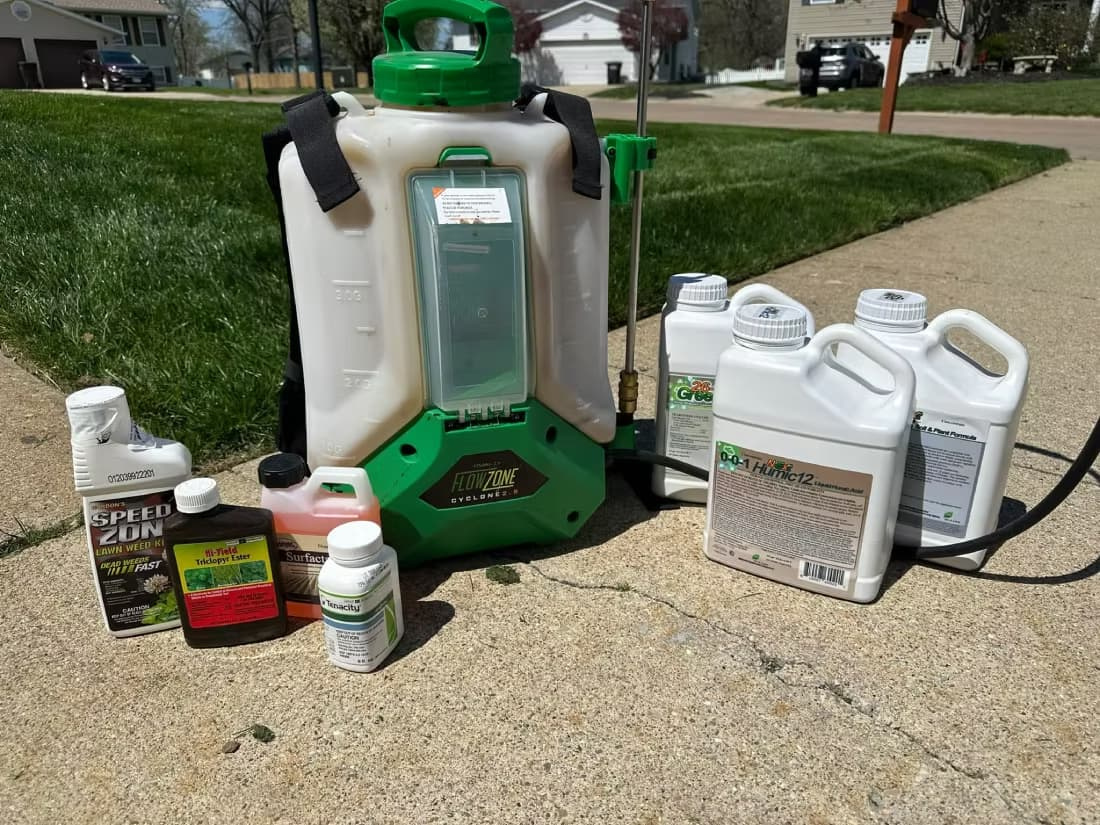
How to Apply Herbicides Correctly in Your Lawn and Garden Beds
Getting real results from a weed product has almost nothing to do with the brand on the bottle and everything to do with matching the method to the moment — the right chemistry, in the right place, at the right time. Learn how to apply herbicides correctly across both your lawn and your garden beds, whether you’re stopping weeds before they sprout or killing the ones already growing, without wasting product or harming the plants you want to keep.
Read Article
How to Kill Weeds Where Two Lawns Meet Without Harming Your Neighbor’s Grass
Controlling weeds along a shared property line is where good intentions quietly backfire—the season that's safe for your own lawn is often the season the lawn next door is most easily harmed. Learn the seasonal timing collision behind most fence-line damage, and the two habits that prevent it—reading what's actually in the bottle and spraying directed instead of broadcast—so you can clear the weeds without hurting your grass, your neighbor's, or the peace between you.
Read Article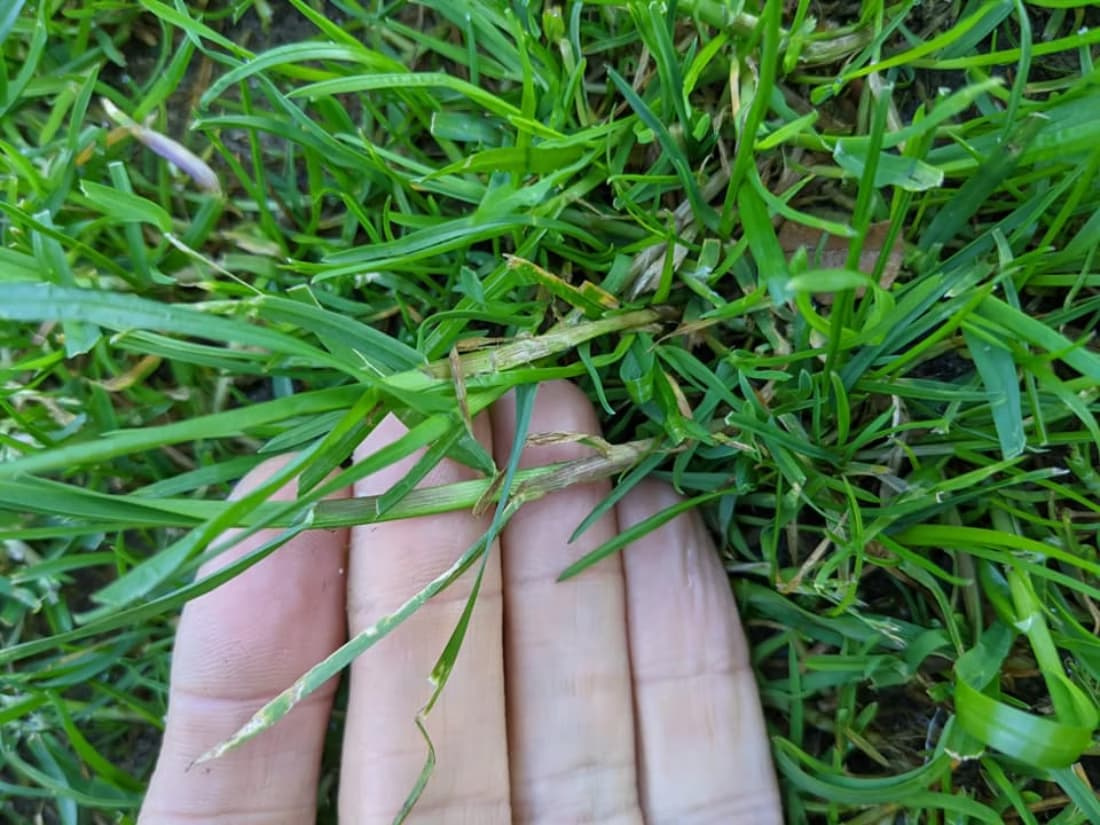
The Truth About One-and-Done Weed Control
Most homeowners lose the fight against weeds not because they work too little, but because they act before they understand. One-and-done weed control is real — but it only works when identification, timing, and the right tool all line up. This guide explains how that sequence works across your lawn and your ornamental beds, and how each weed page in the MFY hub puts it into practice for your specific invader.
Read Article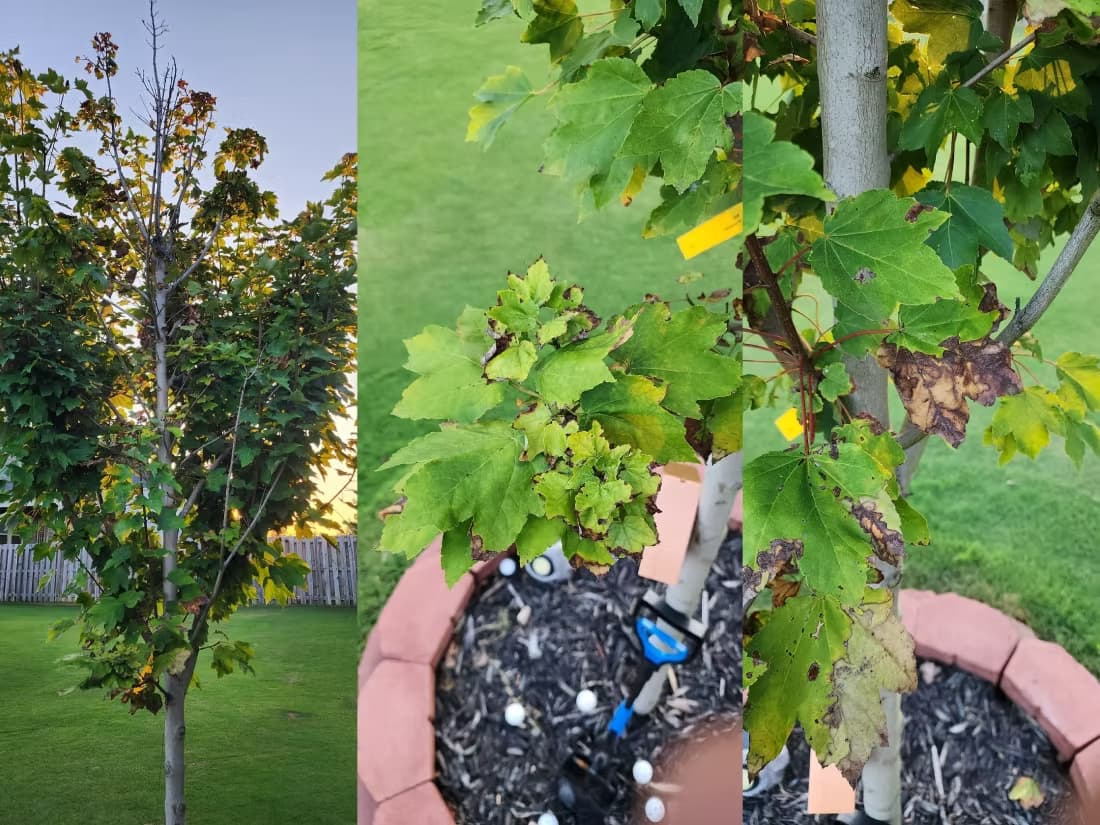
Solving the Mystery of the False Evidence in Your Lawn and Landscape
A brown leaf or a yellowing lawn is rarely what it seems. When symptoms act as decoys, a calm, forensic approach brings clarity to the confusion. Learn how to look past the surface to find the quiet truth of what your plants are truly asking for.
Read Article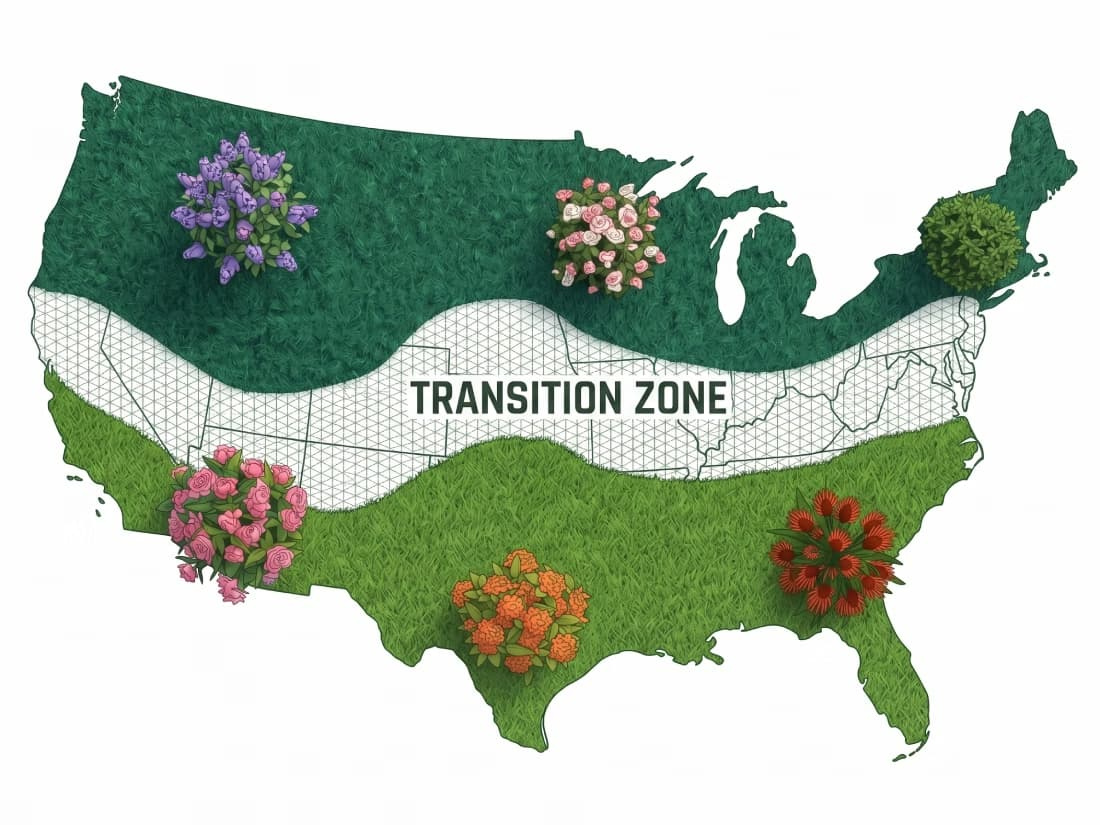
Living in the Middle: The Deep-Dive Guide to Transition Zone Lawns and Landscapes
The Transition Zone is a biological tug-of-war where neither northern nor southern species perfectly adapt. By using resilient "bridge" species and mastering maintenance levers like the Mowing Pivot, you can transform a struggling yard into a healthy landscape.
Read Article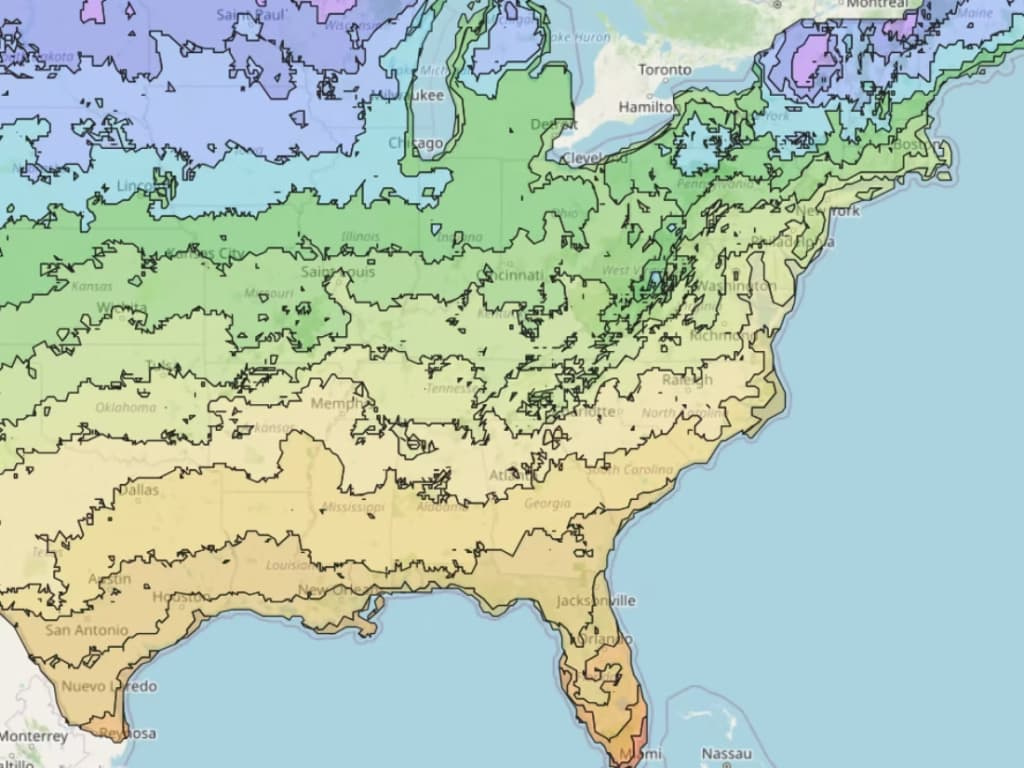
What Your Hardiness Zone Really Means for Your Lawn and Plants
Uncover the foundation of a resilient landscape by mastering the science of hardiness zones. Learn how these climate boundaries are calculated and why understanding your local temperature limits is the first step toward choosing plants that thrive year after year.
Read Article