
Stress Factor: Water & Irrigation Stress
Edema (Oedema)
When plants take on more water than they can vent.
Edema (Oedema) At-a-Glance
Primary Symptom
Rough, corky blisters on the undersides of leaves.
Time of Year
Most common in Late Winter and Early Spring, or during extended periods of cool, cloudy, and humid weather.
Physical Evidence
The smoking gun is the presence of sandpaper-like blisters on the underside of the leaves. These bumps start as small, water-soaked blisters but eventually turn tan, brown, or charcoal-colored and feel “corky” or rough to the touch.
Edema (Oedema) Explained: Impact and Recovery
Edema is essentially “plant bloating.” It happens when a plant’s roots take up water faster than the leaves can release it through transpiration. This typically occurs when the soil is warm and wet, but the air is cool and humid. The internal water pressure (turgor) builds up until the cells literally rupture, leaving behind scarred, corky tissue.
The Impact Scale is Species-Specific, usually affecting thick-leaved plants. The Recovery Potential is High, but the physical scars on the leaves are permanent.
Clues In Turf
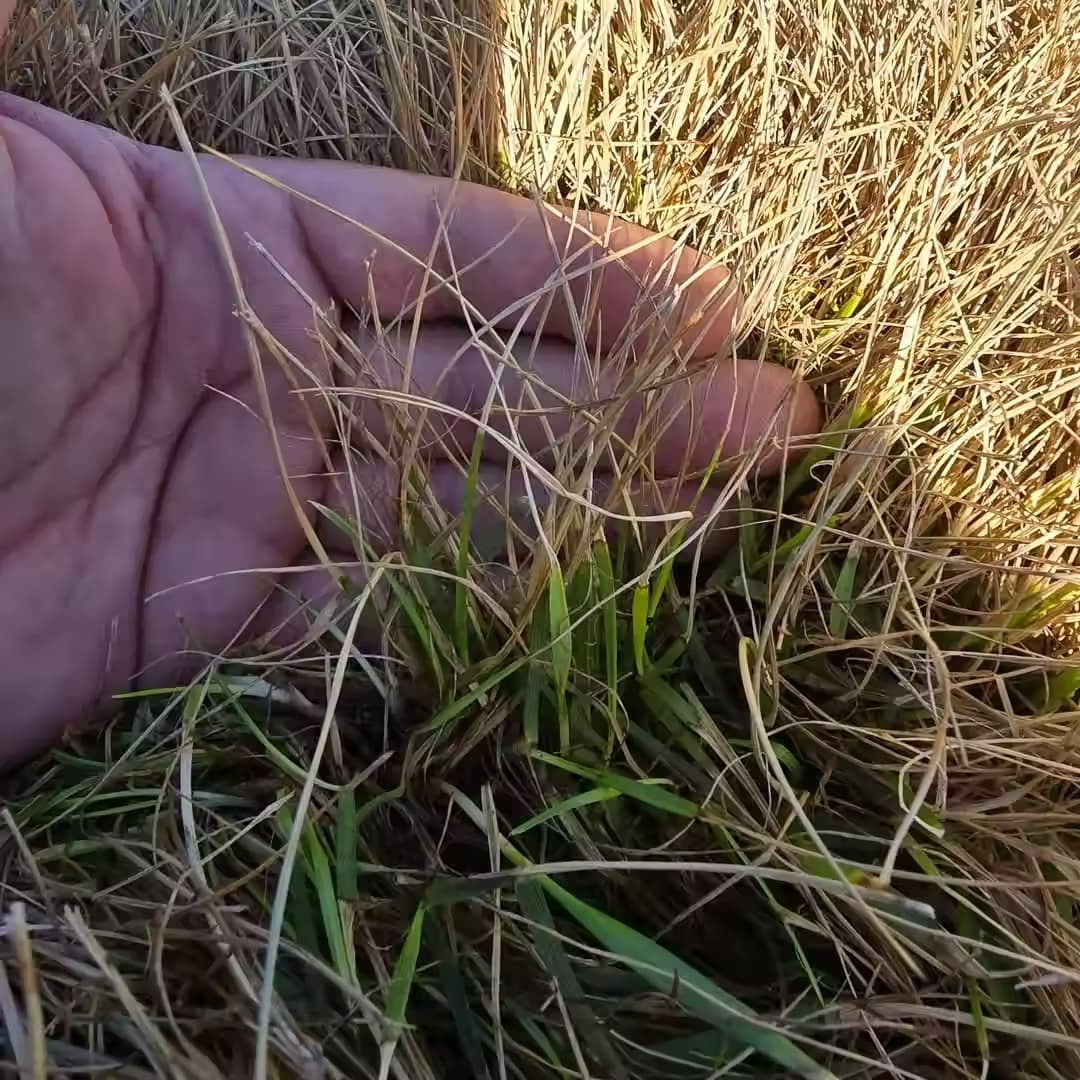
Edema is rare in turfgrass but can occasionally appear on high-maintenance, succulent grasses during greenhouse transitions. It looks like tiny, crystalline beads on the leaf surface that eventually turn into brown scabs.
Clues In Plants
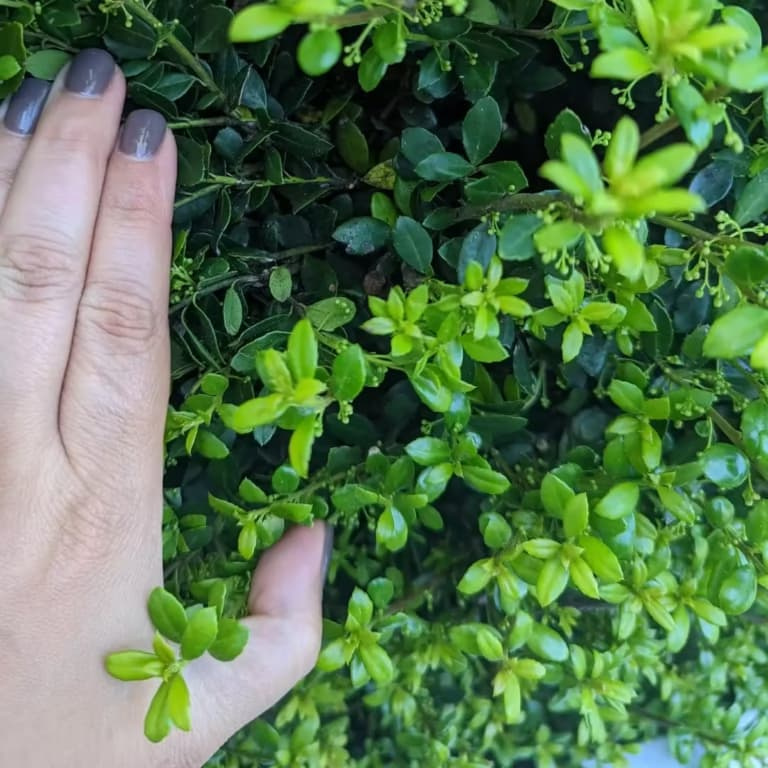
This is primarily an ornamental issue. Look for leaf curling and the characteristic corky bumps on the undersides of leaves. It is very common on Geraniums, Ivy, Camellias, and Succulents. Unlike a disease, these “spots” cannot be rubbed off and do not have a yellow halo.
Managing Edema (Oedema): Immediate and Future Steps
Immediate Action:
Reduce the humidity and stop watering. If the plant is in a pot, move it to an area with better air circulation. If it’s in the ground, avoid evening watering. The goal is to slow down the water uptake and speed up the plant’s “breathing” (transpiration).
Long-Term Prevention:
Improve air drainage by thinning out dense plantings. Avoid high-nitrogen fertilizers during cloudy, wet weather, as nitrogen encourages succulent, water-heavy growth that is more prone to rupturing.
Prime Targets and Lookalikes
Edema is most often confused with Scale Insects or Bacterial Leaf Spot. The difference is that Scale insects can be “popped” or scraped off with a fingernail, while Edema is part of the leaf tissue itself. Bacterial spots usually have a yellow, “water-soaked” margin, while Edema scabs are dry and corky.
Geraniums (especially Ivy Geraniums), Schefflera, Camellias, and various Cacti and Succulents.
Deep Dives & Practical Guides
How to Establish a New Lawn From Bare Soil to First Mow
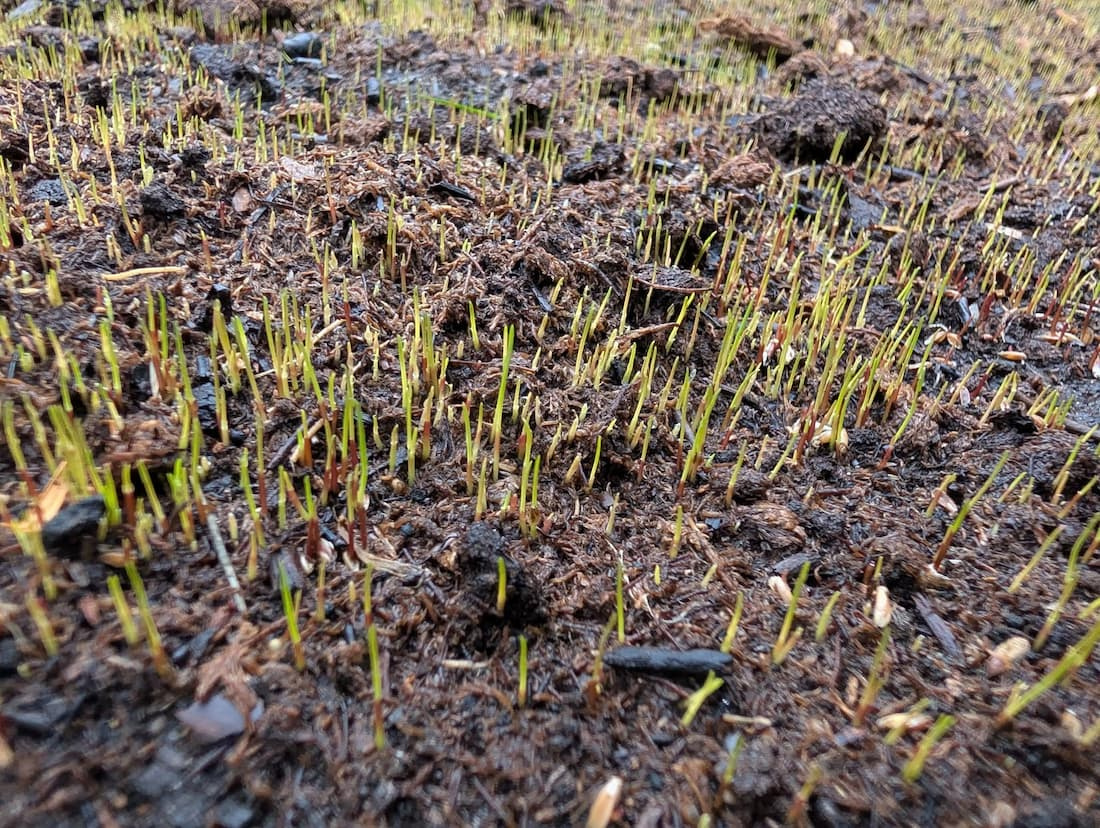
Bare soil doesn't turn into a lawn just because you scattered seed or rolled out sod — it becomes one based on a handful of specific steps done in the right order, matched to your specific grass. This guide walks through soil prep, seeding or planting method, starter fertilizer, watering as the grass grows, and knowing when it's actually safe to mow, for both cool-season and warm-season lawns.
Read Article
Cool Season vs Warm Season Lawn and Landscape Guide
Your lawn and your flower beds don't follow the same calendar — one runs on a cool-season engine, the other on a warm-season one, and using the wrong playbook on either can do real damage. This guide helps you figure out which system you actually have and how to care for it correctly, plus how the same cool/warm split applies to your ornamental beds.
Read Article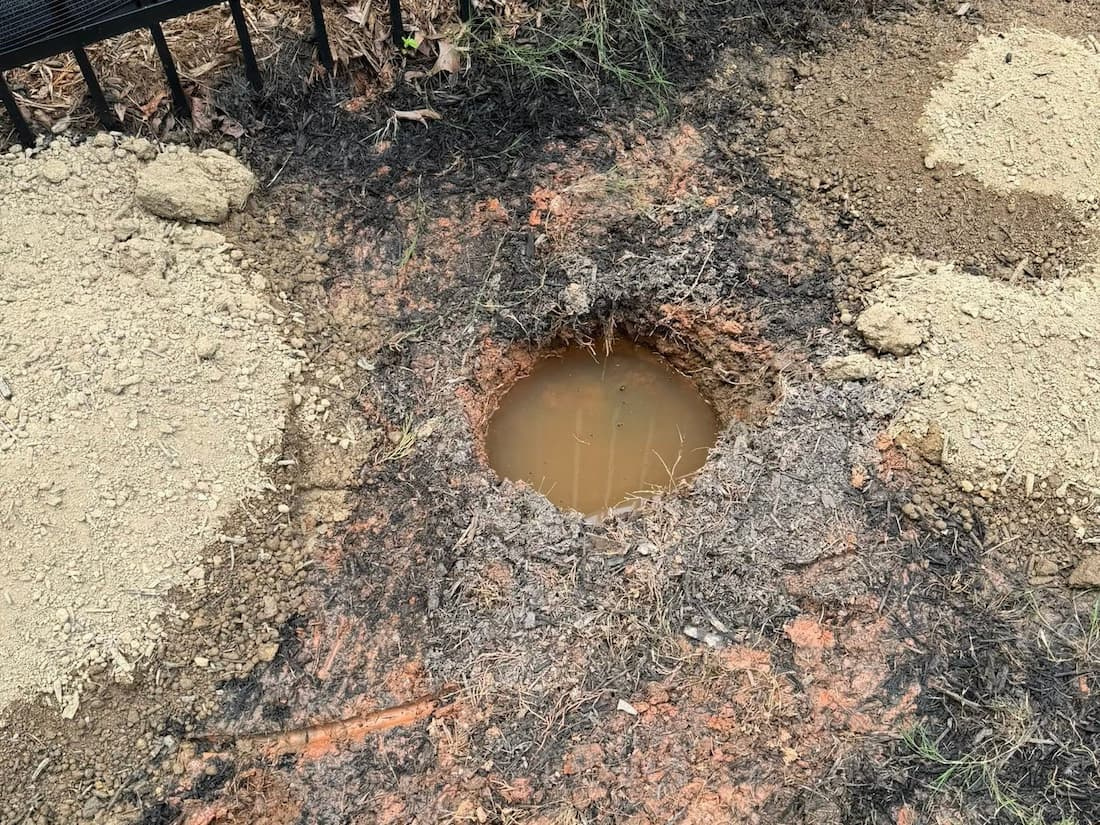
The Hole You Dug Is Killing Your New Plants
A shrub that looked fine all summer and stalled the next year usually didn't fail because of the plant, the weather, or the nursery. It failed because the hole it went into was a container — smooth-walled, water-holding, and impossible to root out of.
Read Article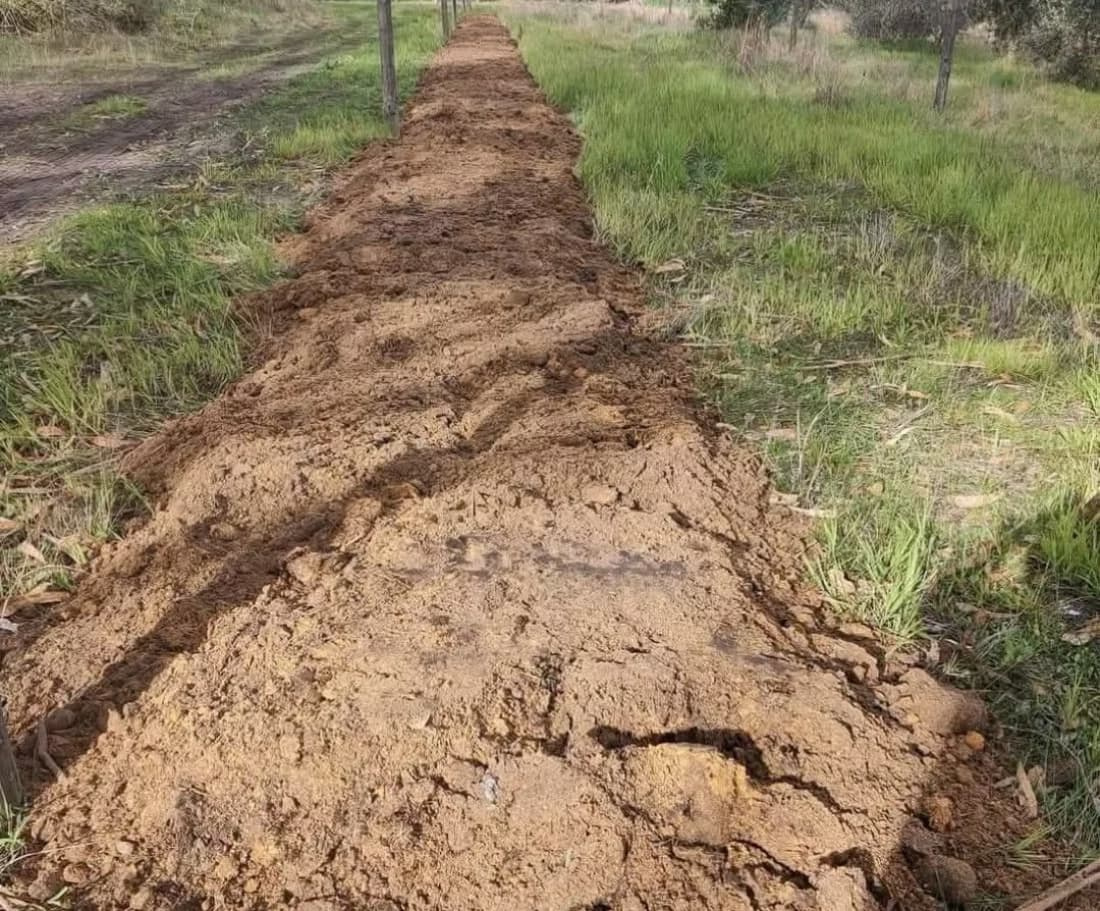
What You Can Actually Change About Bad Soil
Heavy clay and loose sand feel like permanent sentences, and half of that is true. What your soil is made of will not change. How those particles are arranged will — and that is the half that decides whether anything grows.
Read Article
Why Your Plants Survive Winter and Die in July
Your hardiness zone is built from one number — the coldest night of an average year. It says nothing about the hottest afternoon, which is what actually kills most plants people lose. Here's how to read the other half of the map.
Read Article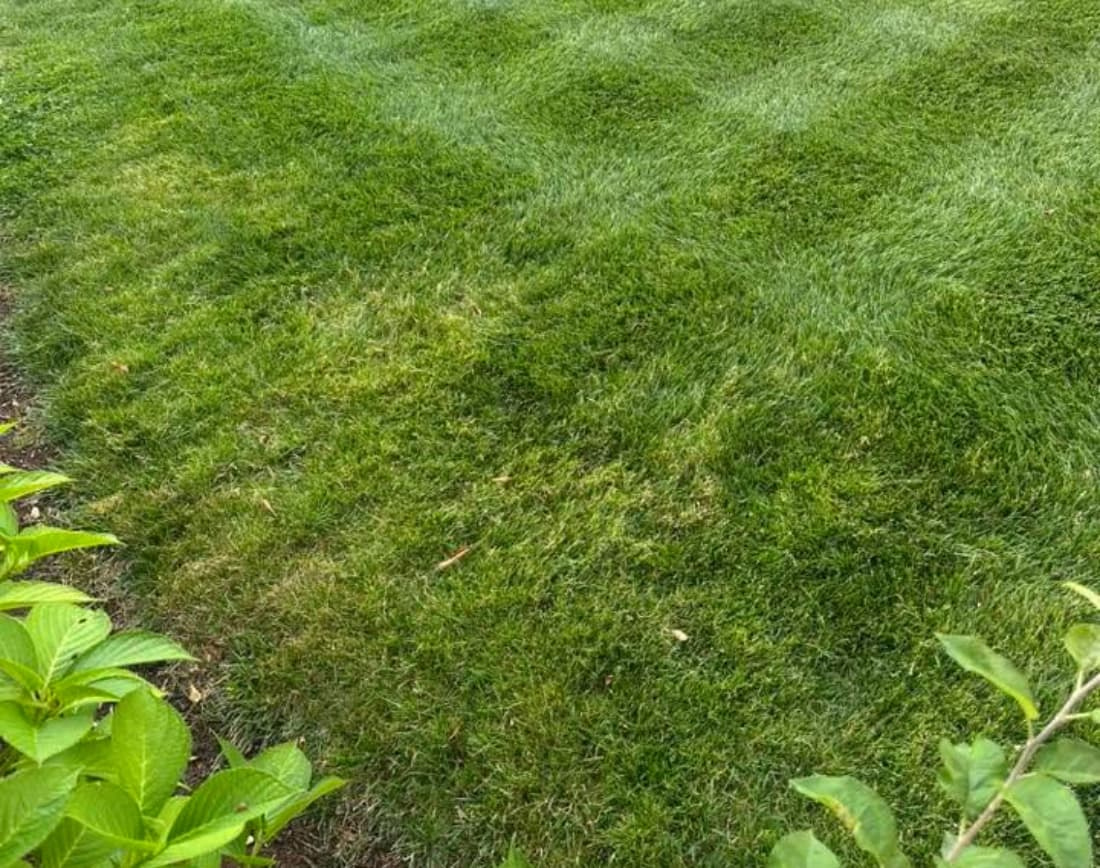
Why Poa Annua Keeps Coming Back — and the 3-Year Plan That Finally Ends the Cycle
You've pulled it. You've sprayed it. You've watched the little white seedheads mock you every single spring. And every fall, like clockwork, it's back — in the lawn, in the beds, in the cracks you didn't know you had. Here's the hard truth nobody at the big-box store will tell you: you're not losing because you're doing it wrong — you're losing because you're fighting the wrong enemy on the wrong timeline. Poa annua isn't a one-season problem, and once you understand why, the three-year plan below stops feeling like a chore and starts feeling like a countdown.
Read Article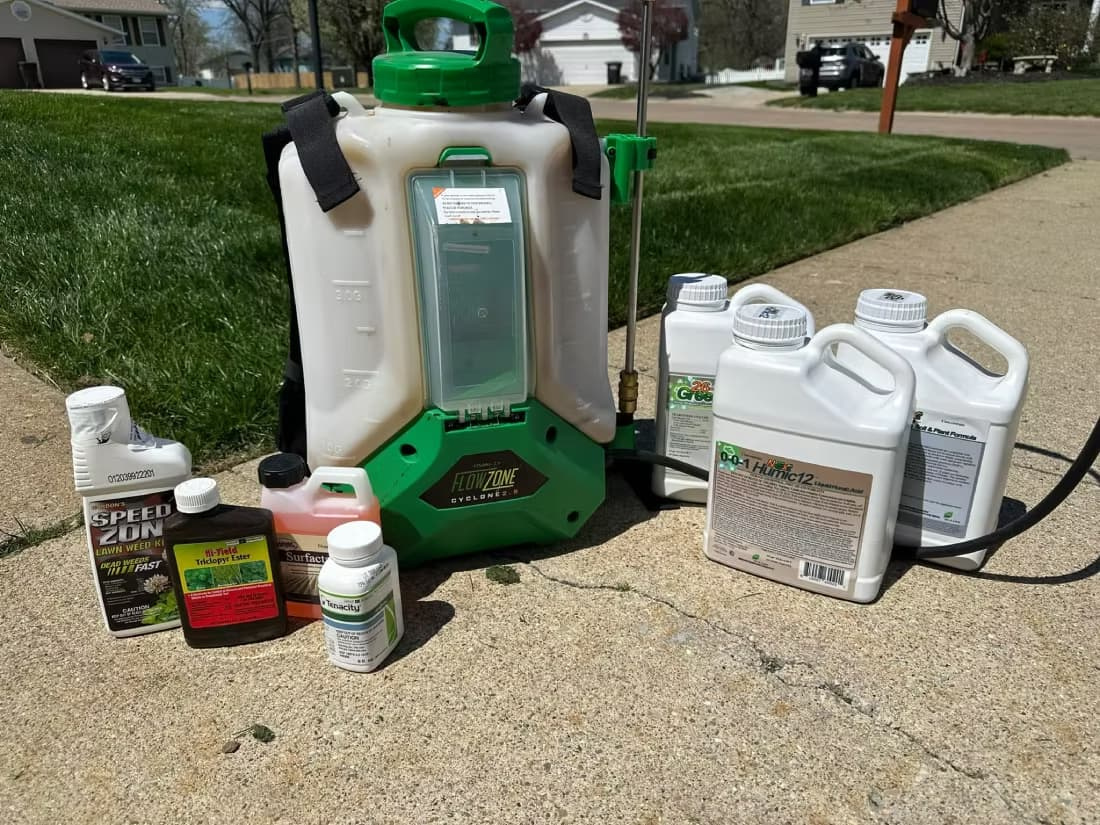
How to Apply Herbicides Correctly in Your Lawn and Garden Beds
Getting real results from a weed product has almost nothing to do with the brand on the bottle and everything to do with matching the method to the moment — the right chemistry, in the right place, at the right time. Learn how to apply herbicides correctly across both your lawn and your garden beds, whether you’re stopping weeds before they sprout or killing the ones already growing, without wasting product or harming the plants you want to keep.
Read Article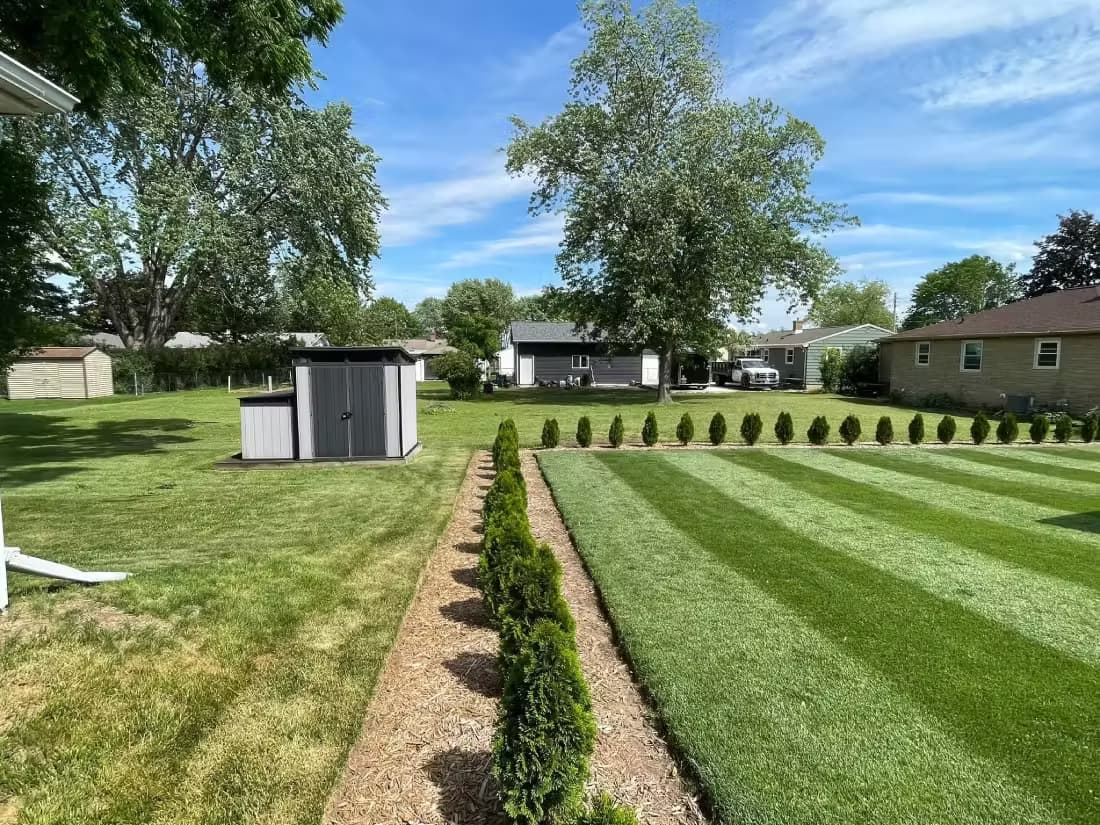
How to Kill Weeds Where Two Lawns Meet Without Harming Your Neighbor’s Grass
Controlling weeds along a shared property line is where good intentions quietly backfire—the season that's safe for your own lawn is often the season the lawn next door is most easily harmed. Learn the seasonal timing collision behind most fence-line damage, and the two habits that prevent it—reading what's actually in the bottle and spraying directed instead of broadcast—so you can clear the weeds without hurting your grass, your neighbor's, or the peace between you.
Read Article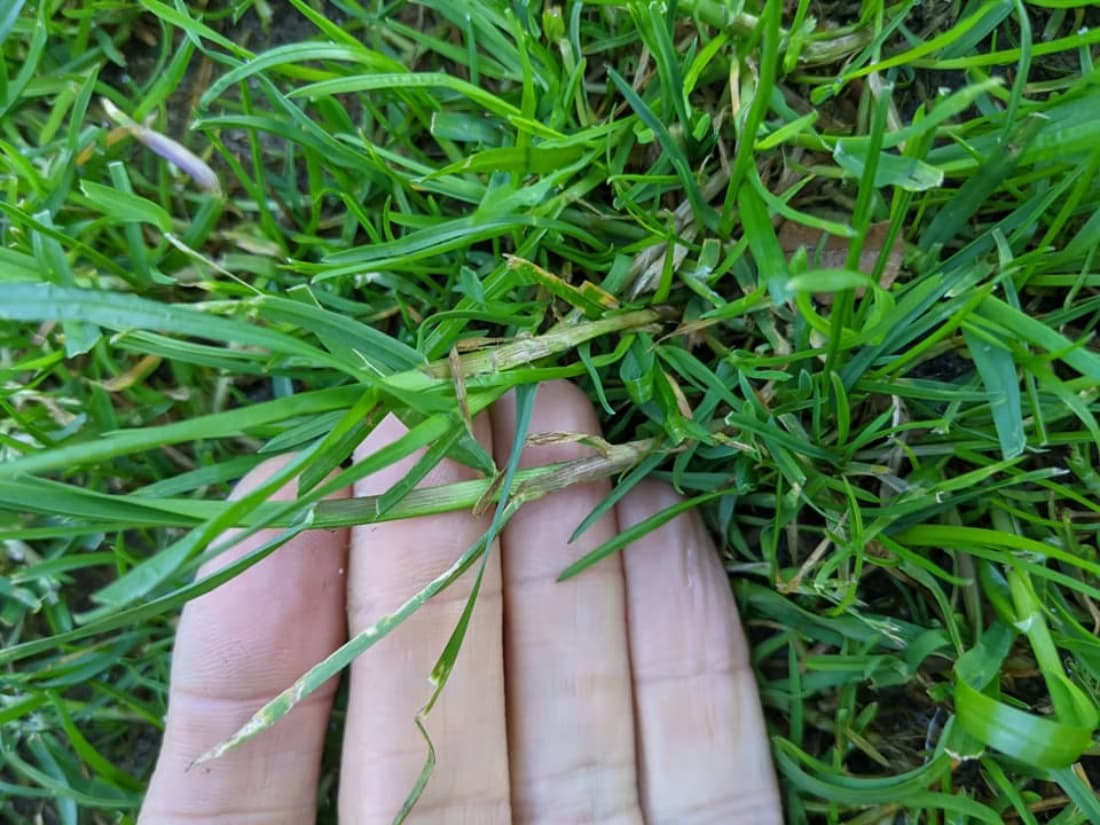
The Truth About One-and-Done Weed Control
Most homeowners lose the fight against weeds not because they work too little, but because they act before they understand. One-and-done weed control is real — but it only works when identification, timing, and the right tool all line up. This guide explains how that sequence works across your lawn and your ornamental beds, and how each weed page in the MFY hub puts it into practice for your specific invader.
Read Article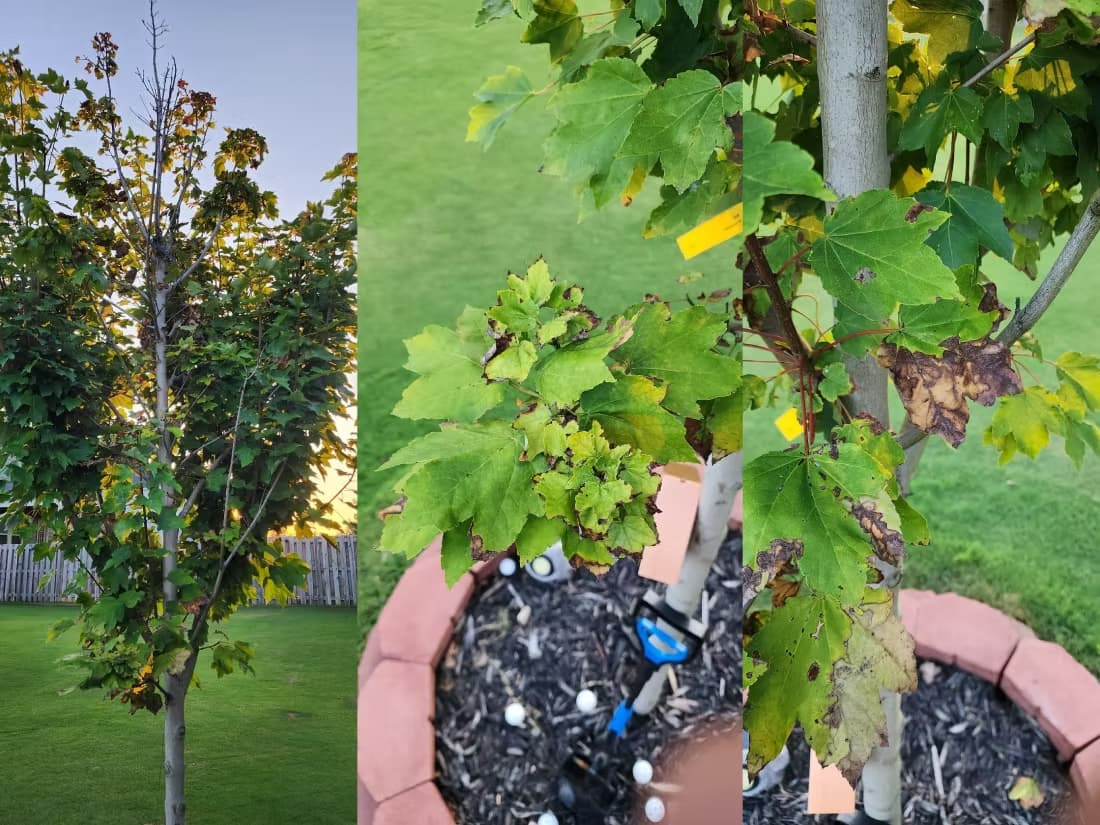
Solving the Mystery of the False Evidence in Your Lawn and Landscape
A brown leaf or a yellowing lawn is rarely what it seems. When symptoms act as decoys, a calm, forensic approach brings clarity to the confusion. Learn how to look past the surface to find the quiet truth of what your plants are truly asking for.
Read Article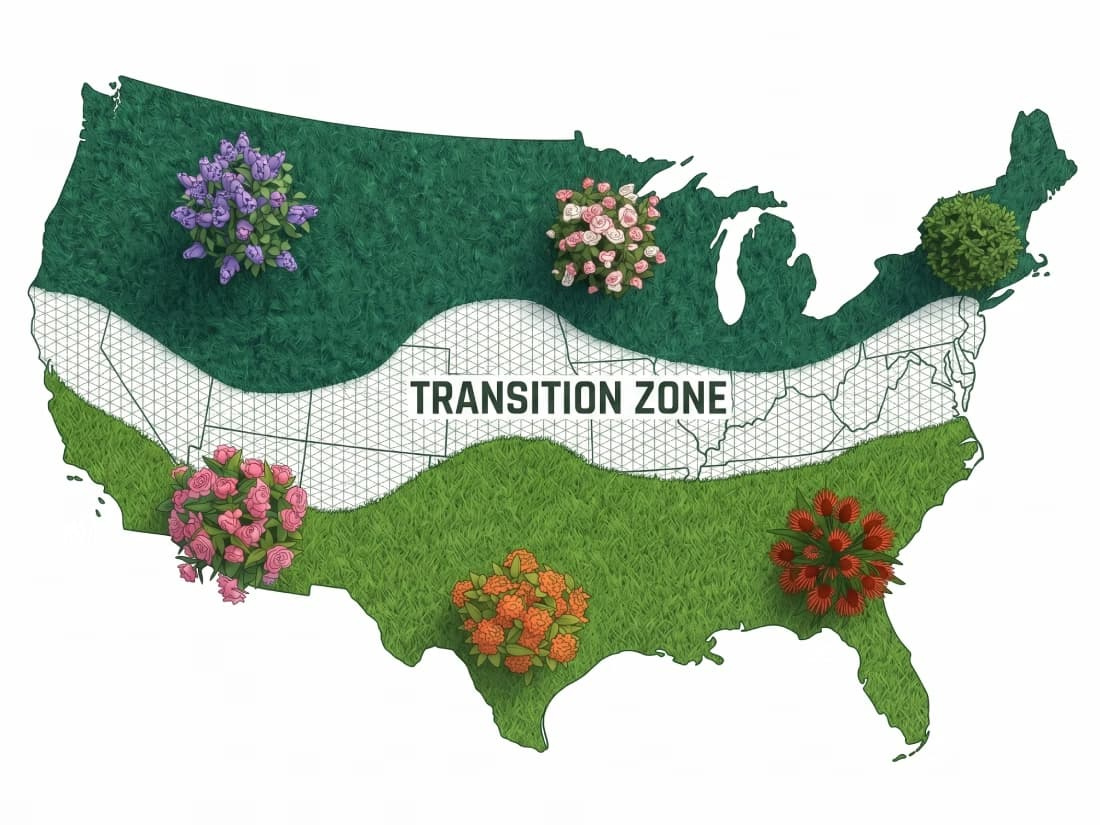
Living in the Middle: The Deep-Dive Guide to Transition Zone Lawns and Landscapes
The Transition Zone is a biological tug-of-war where neither northern nor southern species perfectly adapt. By using resilient "bridge" species and mastering maintenance levers like the Mowing Pivot, you can transform a struggling yard into a healthy landscape.
Read Article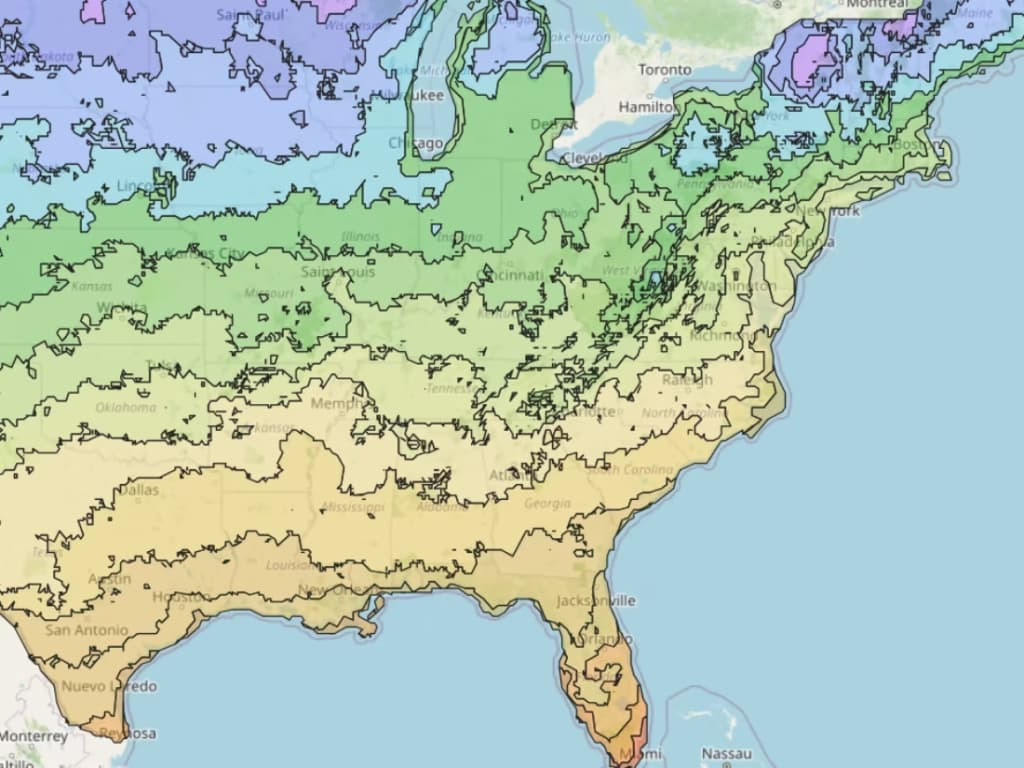
What Your Hardiness Zone Really Means for Your Lawn and Plants
Uncover the foundation of a resilient landscape by mastering the science of hardiness zones. Learn how these climate boundaries are calculated and why understanding your local temperature limits is the first step toward choosing plants that thrive year after year.
Read ArticleFrequently Asked Questions
The responses provided in this FAQ are synthesized from peer-reviewed plant diagnostic studies and standardized troubleshooting protocols from university horticultural clinics. We focus on evidence-based explanations to provide clear, scientific clarity on the most common questions regarding environmental plant injury.
No. Once the cells have ruptured and formed corky “scars,” the damage is permanent for those specific leaves. However, new leaves will grow in healthy once the water/humidity balance is restored.
Because Edema is a physiological rupture, not a living fungus. Fungicides have zero effect on Edema. This is why the “Scrape Test” is so important—if you can’t scrape the spot off without tearing the leaf, it’s Edema, not a fungus or a bug.
Scientific Authority
This profile is built on objective horticultural research and plant pathology data from university-led extension programs. We prioritize physiological evidence regarding environmental stress factors, nutrient availability, and cellular response to provide an unbiased assessment of each abiotic disorder.
Primary Resources
- University of Massachusetts Amherst: “Oedema – Greenhouse Crops”
- Cornell University: “Oedema – Plant Disease Diagnostic Clinic”
- University of Missouri Extension: “Edema on Ornamental Plants”