
Argentine Bahiagrass
The one bahiagrass actually selected for lawns instead of pastures: darker, denser, and far fewer seed stalks to chase.
Is Argentine Bahiagrass Right For Your Yard?
Best For:
Tradeoff:
What Makes It Different
Argentine is the only bahiagrass picked for lawns rather than pasture, and one piece of plant biology explains everything that follows. Argentine is a tetraploid, apomictic type: it sets seed without cross-pollination, so every seedling is essentially a clone of its parent. The Pensacola-side types are diploid and reproduce sexually, so a bag of that seed is a genetically mixed population that comes up visibly uneven.
That uniformity is what you see: wide, flat, dark green blades, the most even canopy in the species, and the difference you feel every week — fewer seed stalks, shorter, arriving later. Keep the ceiling in mind: bahiagrass never closes its canopy no matter how you feed it, so Argentine is the dense end of a sparse species, not a dense grass.
Who It’s For
Zone 8b and south: central and south Florida, and the milder Gulf and Atlantic coastal plains. The yard is big, sunny, sandy and unirrigated — and it is a lot you look at, not just one you hold together. If the acreage rules out sod or St. Augustinegrass on price, this is the group.
It is also the safer bag to buy: Argentine seed is larger than Pensacola-type seed, so the Brunswickgrass that plagues the bahiagrass seed trade can actually be screened out during cleaning.
The Cultivars
| Cultivar | How it’s sold | What it’s good at | Notes |
| ‘Argentine’ | Seed, widely. Sod regionally, from FL, GA, AL, MS, LA and TX production. Plugs exist but are not a sensible route for a lawn. | The only turf-selected bahiagrass: wide dark green blades, the densest and most uniform canopy in the species, the fewest and shortest seed stalks. Resists dollar spot. Tolerates metsulfuron. | Seed roughly $5.00 to $8.00 per pound; sod about $2.00 to $2.75 per square yard. Cold-tender, reliable only to about Zone 8b. Susceptible to ergot. Sod is not grown in every state. |
One cultivar, and that is the honest state of the market: the breeding effort on the other half of the species went into forage yield, so no second turf-selected release followed. NTEP runs no bahiagrass trial at all, so there is no standardized turf-quality score for any bahiagrass from anyone. You are buying a verified name on a tag, not a rank.
Budget from the seeding rate, not the price per pound. At 5 to 10 pounds per 1,000 square feet, a 5,000 square foot lawn takes 25 to 50 pounds — roughly $125 to $400 in Argentine seed, against maybe $75 to $275 for the same weight of Pensacola.
What Changes In Care
Mowing height does not change: 3 to 4 inches, as on the type page. Frequency does. With fewer and shorter seed stalks, Argentine sits at the long end of the species’ 7-to-14-day summer window, and most weeks you are cutting grass rather than chasing seedheads.
Two disease notes run opposite ways. Argentine resists dollar spot well, so the light corrective feeding the type page suggests for outgrowing it is rarely needed. It is susceptible to ergot in the seedheads where Pensacola-types resist it — a grazing-livestock problem rather than a lawn one, and mowing takes the infected heads off anyway.
One herbicide difference is worth writing down: Argentine tolerates metsulfuron, while Pensacola-types are badly injured by it. And because winterkill is Argentine’s actual limiting factor rather than a distant risk, the type page’s fall hardening routine carries more weight here — stop nitrogen in late summer, feed potassium, go into winter mowed high.
Before You Buy
- The bag will not tell you what is in it. Big-box and hardware-store bahiagrass is sold under names like “Southern Lawn Bahiagrass,” “Sod Builder Bahia” or “Utility Bahia Mix,” with turf photography on the front and no cultivar name on it. Turn the bag over and read the analysis tag: the Variety line has to say Argentine. Generic bags almost always turn out to be 100% Pensacola or a low-grade mix of forage types, because that seed is far cheaper to produce.
- Buy certified. Certified blue-tag lots are field-inspected with zero tolerance for Brunswickgrass, and a single seed disqualifies the lot. Non-certified seed is legally allowed to carry it: Alabama permits up to 300 Brunswickgrass seeds per pound and Georgia up to 270. On the tag, the Weed Seed line should read 0.00% and never above 0.10%, and the Noxious Weed line should read None Found with no mention of Paspalum nicorae.
- If Brunswickgrass does get in, there is no selective fix. Brunswickgrass is tetraploid and so is Argentine, so the two share a tolerance to metsulfuron — the one herbicide Argentine is otherwise good with will not touch it. The only route left is killing everything with a non-selective and starting over, and if it comes to that, read the active-ingredient panel first: consumer “Roundup” no longer reliably means glyphosate, and some current formulations behave very differently on ground you intend to replant.
- Sod, where you can get it. Argentine sod runs about $2.00 to $2.75 per square yard where it is grown, and it is not grown everywhere — the LSU AgCenter reports no commercial bahiagrass sod in Louisiana. Inspect it: pasture-cut sod carries hard-to-control weeds.
Named Argentine seed comes from Hancock Seed, Lawnifi and Woerner, plus regional Gulf-state seed houses.
Deep Dives & Practical Guides
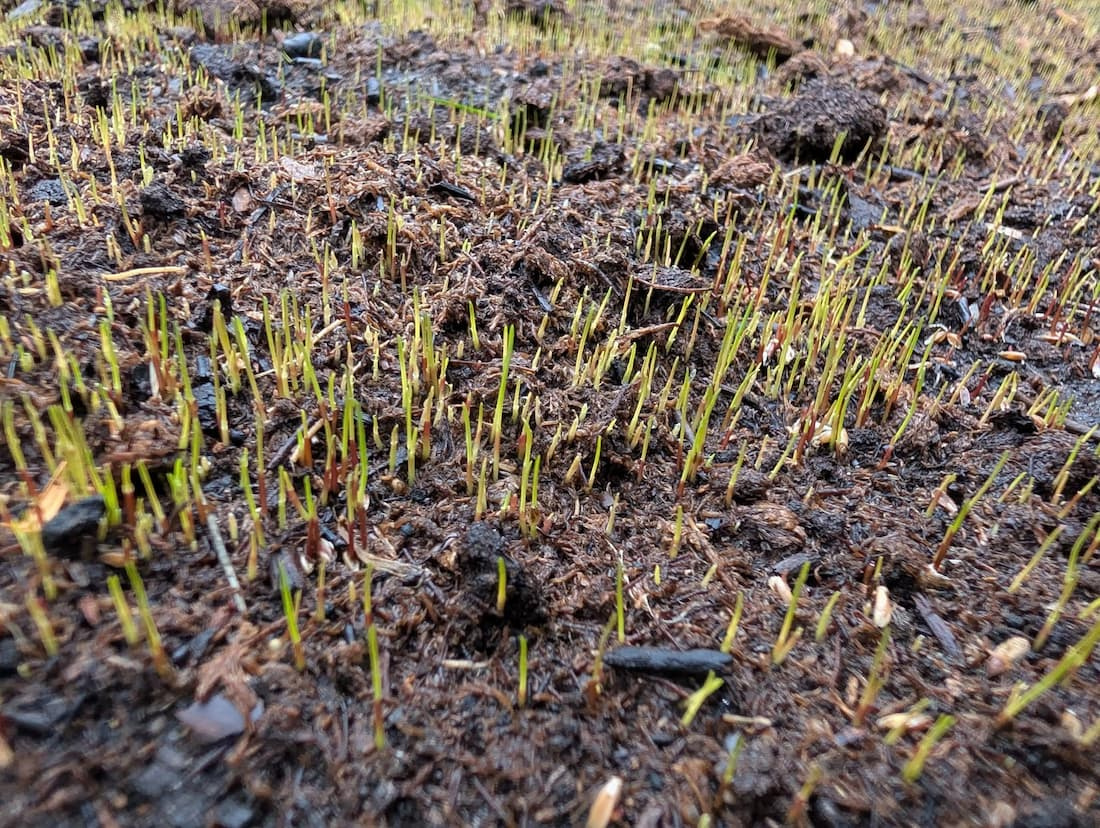
How to Establish a New Lawn From Bare Soil to First Mow
Bare soil doesn't turn into a lawn just because you scattered seed or rolled out sod — it becomes one based on a handful of specific steps done in the right order, matched to your specific grass. This guide walks through soil prep, seeding or planting method, starter fertilizer, watering as the grass grows, and knowing when it's actually safe to mow, for both cool-season and warm-season lawns.
Read Article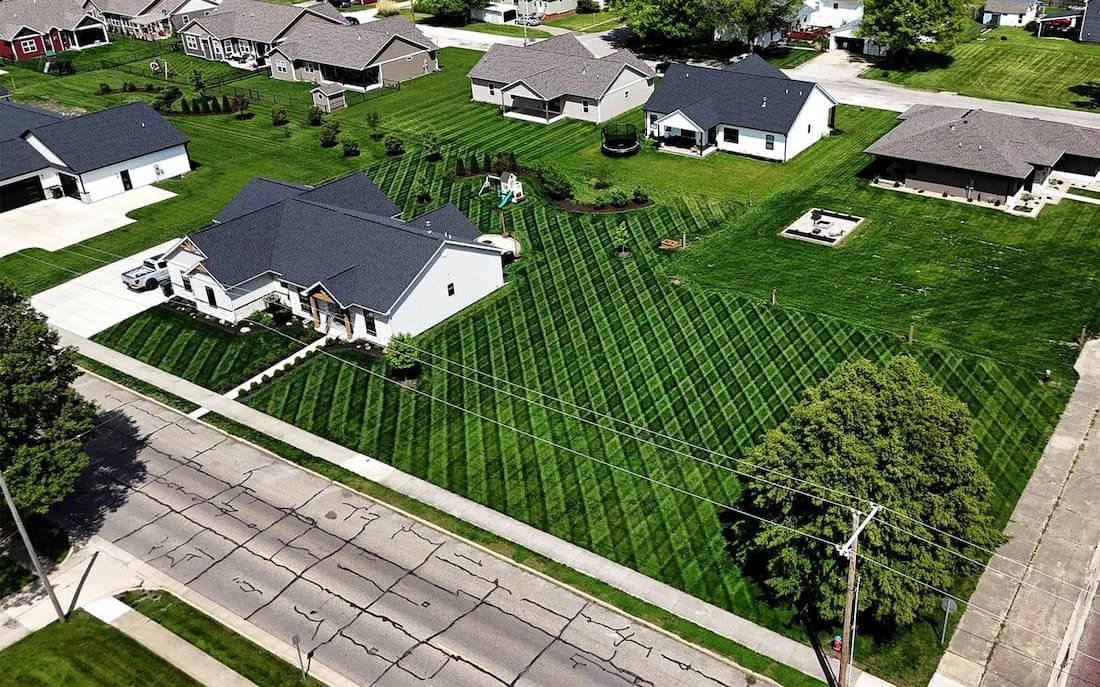
Cool Season vs Warm Season Lawn and Landscape Guide
Your lawn and your flower beds don't follow the same calendar — one runs on a cool-season engine, the other on a warm-season one, and using the wrong playbook on either can do real damage. This guide helps you figure out which system you actually have and how to care for it correctly, plus how the same cool/warm split applies to your ornamental beds.
Read Article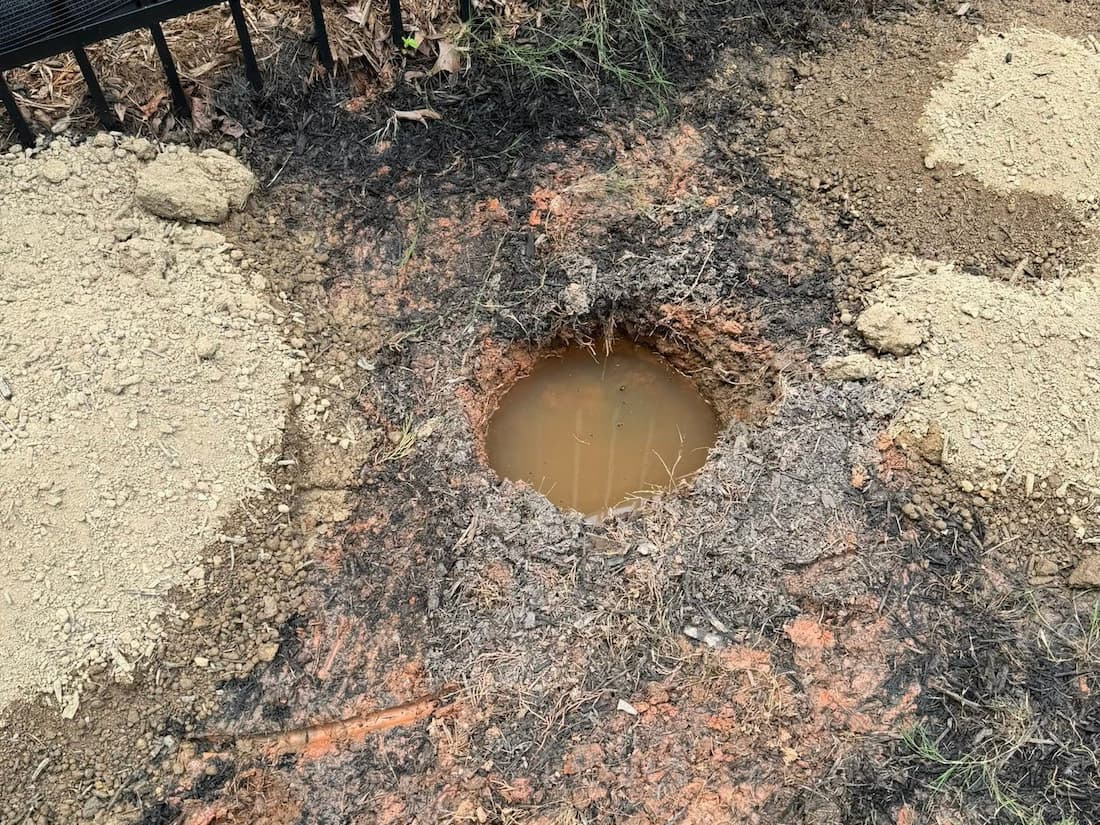
The Hole You Dug Is Killing Your New Plants
A shrub that looked fine all summer and stalled the next year usually didn't fail because of the plant, the weather, or the nursery. It failed because the hole it went into was a container — smooth-walled, water-holding, and impossible to root out of.
Read Article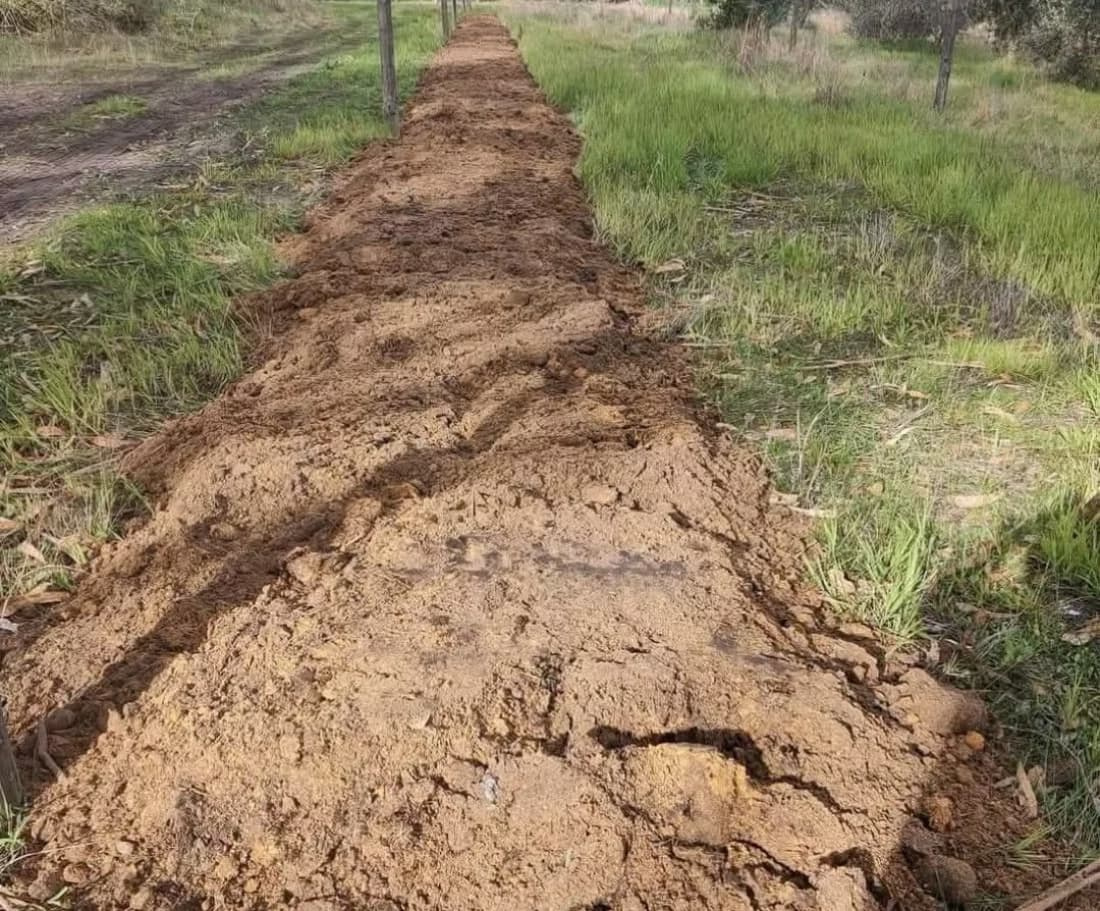
What You Can Actually Change About Bad Soil
Heavy clay and loose sand feel like permanent sentences, and half of that is true. What your soil is made of will not change. How those particles are arranged will — and that is the half that decides whether anything grows.
Read Article
Why Your Plants Survive Winter and Die in July
Your hardiness zone is built from one number — the coldest night of an average year. It says nothing about the hottest afternoon, which is what actually kills most plants people lose. Here's how to read the other half of the map.
Read Article
Why Poa Annua Keeps Coming Back — and the 3-Year Plan That Finally Ends the Cycle
You've pulled it. You've sprayed it. You've watched the little white seedheads mock you every single spring. And every fall, like clockwork, it's back — in the lawn, in the beds, in the cracks you didn't know you had. Here's the hard truth nobody at the big-box store will tell you: you're not losing because you're doing it wrong — you're losing because you're fighting the wrong enemy on the wrong timeline. Poa annua isn't a one-season problem, and once you understand why, the three-year plan below stops feeling like a chore and starts feeling like a countdown.
Read Article
How to Apply Herbicides Correctly in Your Lawn and Garden Beds
Getting real results from a weed product has almost nothing to do with the brand on the bottle and everything to do with matching the method to the moment — the right chemistry, in the right place, at the right time. Learn how to apply herbicides correctly across both your lawn and your garden beds, whether you’re stopping weeds before they sprout or killing the ones already growing, without wasting product or harming the plants you want to keep.
Read Article
How to Kill Weeds Where Two Lawns Meet Without Harming Your Neighbor’s Grass
Controlling weeds along a shared property line is where good intentions quietly backfire—the season that's safe for your own lawn is often the season the lawn next door is most easily harmed. Learn the seasonal timing collision behind most fence-line damage, and the two habits that prevent it—reading what's actually in the bottle and spraying directed instead of broadcast—so you can clear the weeds without hurting your grass, your neighbor's, or the peace between you.
Read Article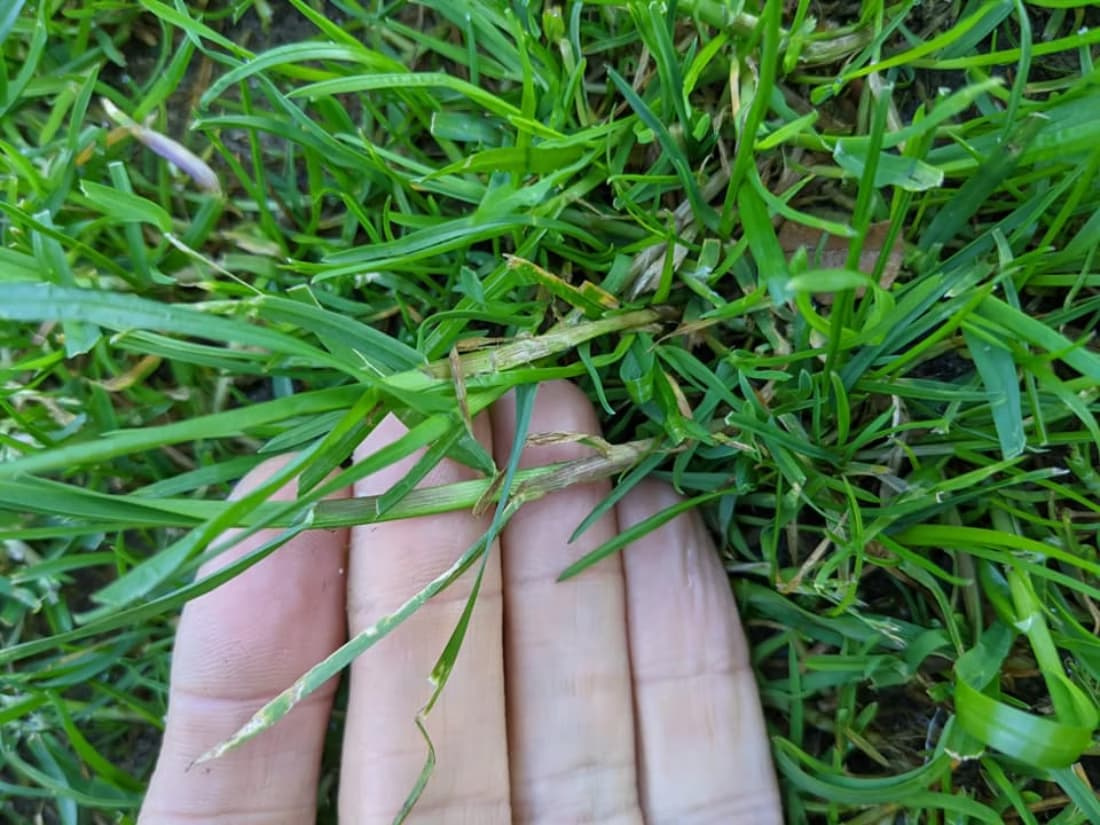
The Truth About One-and-Done Weed Control
Most homeowners lose the fight against weeds not because they work too little, but because they act before they understand. One-and-done weed control is real — but it only works when identification, timing, and the right tool all line up. This guide explains how that sequence works across your lawn and your ornamental beds, and how each weed page in the MFY hub puts it into practice for your specific invader.
Read Article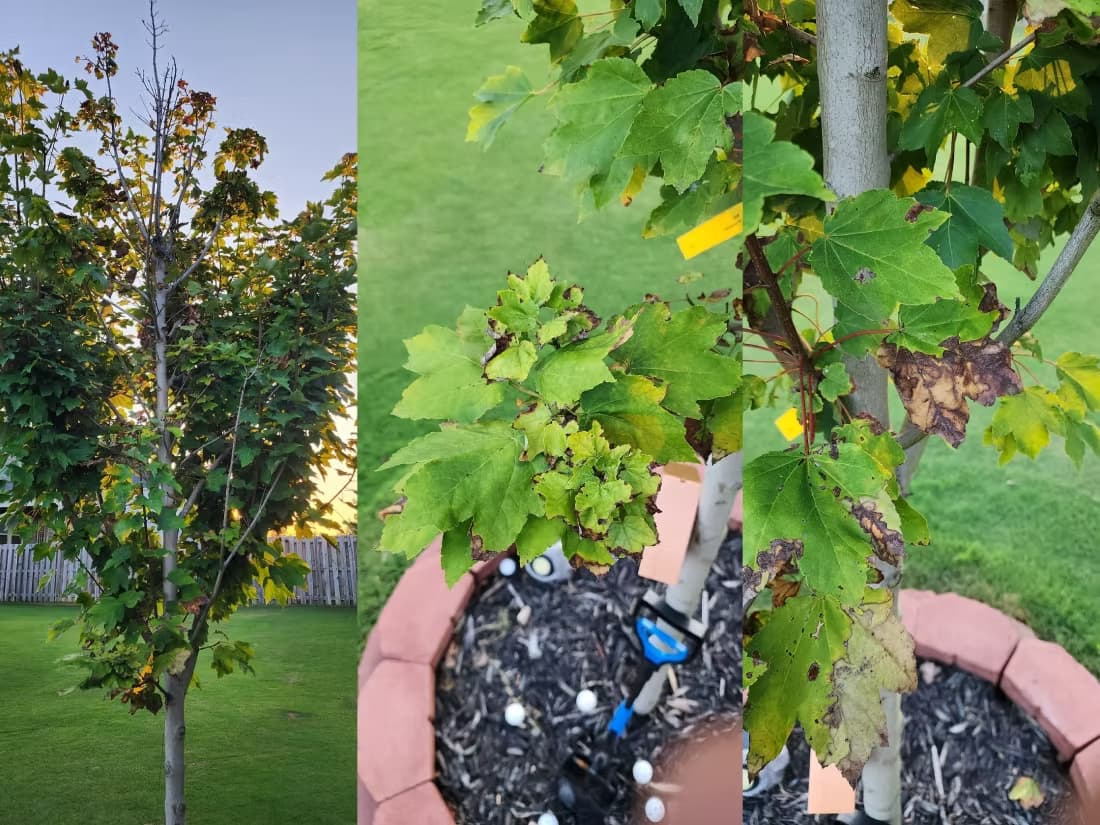
Solving the Mystery of the False Evidence in Your Lawn and Landscape
A brown leaf or a yellowing lawn is rarely what it seems. When symptoms act as decoys, a calm, forensic approach brings clarity to the confusion. Learn how to look past the surface to find the quiet truth of what your plants are truly asking for.
Read Article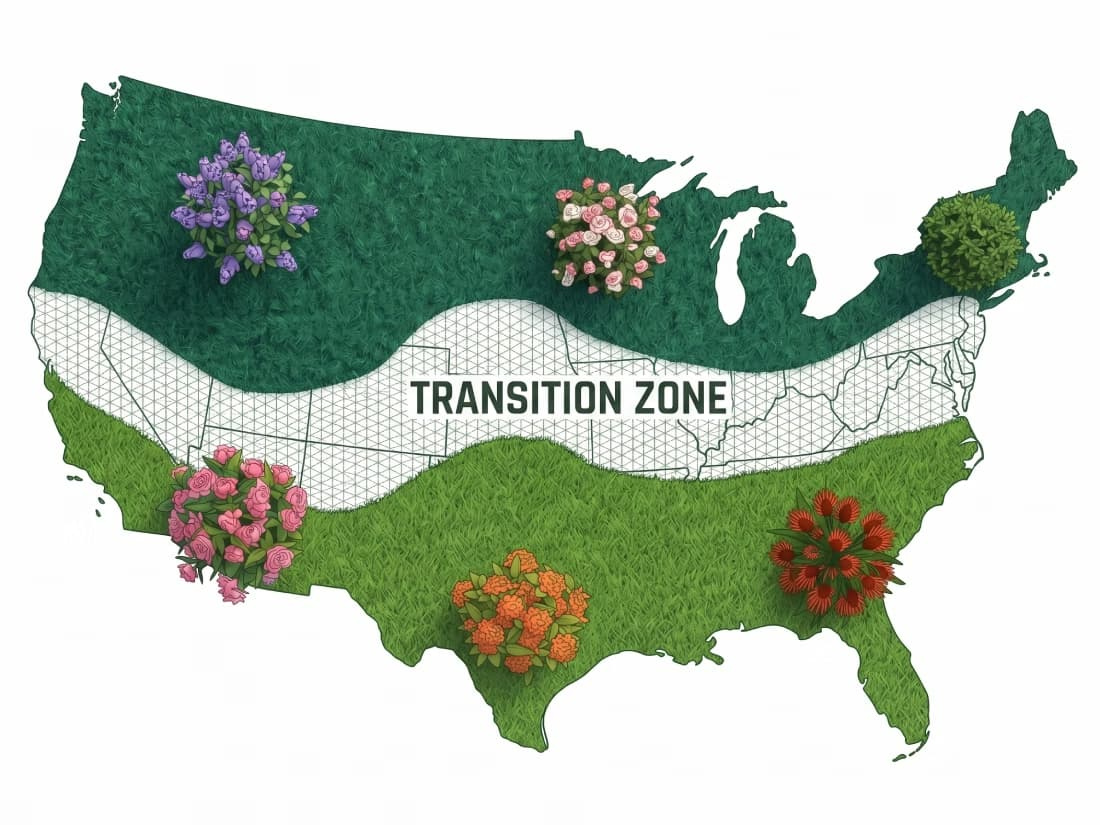
Living in the Middle: The Deep-Dive Guide to Transition Zone Lawns and Landscapes
The Transition Zone is a biological tug-of-war where neither northern nor southern species perfectly adapt. By using resilient "bridge" species and mastering maintenance levers like the Mowing Pivot, you can transform a struggling yard into a healthy landscape.
Read Article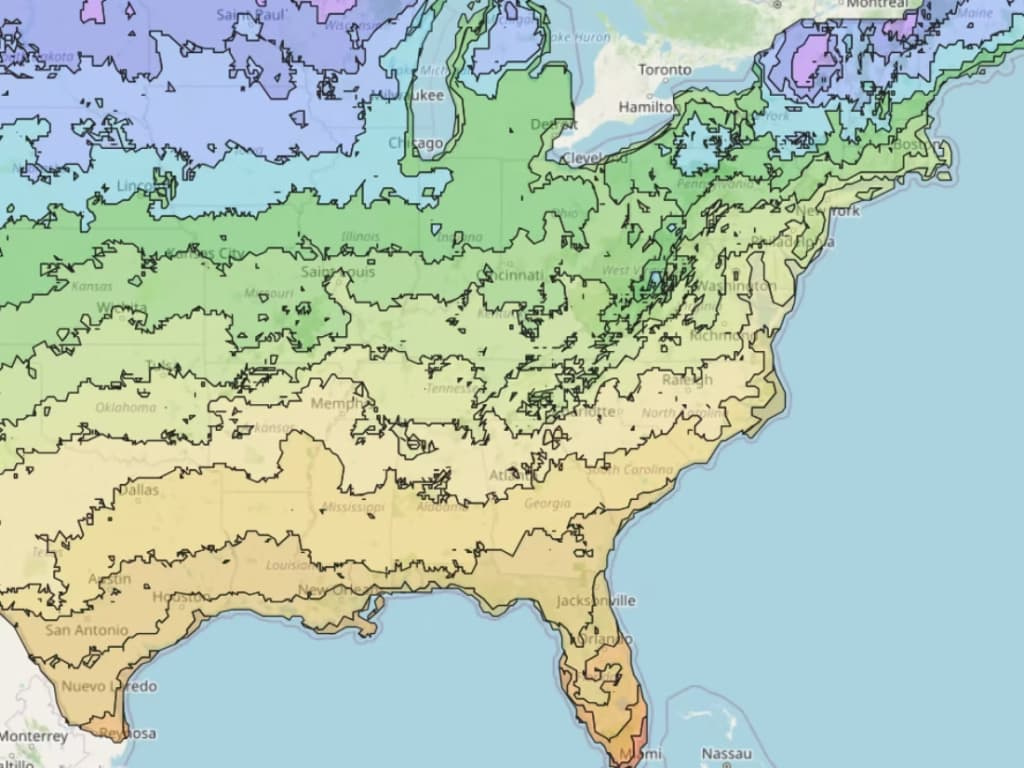
What Your Hardiness Zone Really Means for Your Lawn and Plants
Uncover the foundation of a resilient landscape by mastering the science of hardiness zones. Learn how these climate boundaries are calculated and why understanding your local temperature limits is the first step toward choosing plants that thrive year after year.
Read Article