
Cold-Hardy Bahiagrass
The cold-hardy half of the species: winter survival at the Zone 7b and 8a edge, bought with a sparse, seedy, forage-bred look.
Is Cold-Hardy Bahiagrass Right For Your Yard?
Best For:
Tradeoff:
What Makes It Different
One trait justifies this page: these survive winters that kill Argentine. Nearly everything else about them is worse for a lawn.
The cold-hardiness is real and selectable, not a marketing line. ‘AU Sand Mountain’ was pulled from a Pensacola population that had persisted for years at Auburn’s Sand Mountain station in northeast Alabama, and it carries the highest cold tolerance of any bahiagrass evaluated in the region. UF/IFAS and UGA name Pensacola-type as the hardy half of the species independently of that work.
The reproduction explains the look. Pensacola-types are diploid and reproduce sexually, so a bag of seed is a genetically variable population rather than a clone: the stand comes up uneven, the canopy stays open, blades are narrower than Argentine’s, and the seed stalks are early, tall and relentless. They also hold green color later into fall than Argentine.
Who It’s For
The species’ cold edge, roughly Zone 7b to 8a: north Florida, the upper coastal plain of Georgia, and Arkansas south of the I-40 line. Up there winterkill is the actual limiting factor, and no amount of good care substitutes for a hardy type. ‘AU Sand Mountain’ reaches farther north still, into the transition zone proper.
The second reader is buying utility, not a lawn: back acreage, a sunny slope that needs holding, a large lot where covering ground cheaply is the whole job. This is the least expensive seed in Southern turf. Who it is not for: anyone inside Argentine’s range shopping for a cheaper bag. This is not discount Argentine; it is a different product.
The Cultivars
| Cultivar | How it’s sold | What it’s good at | Notes |
| ‘Pensacola’ | Seed, everywhere — agricultural co-ops, forage dealers, big-box retailers. Sod regionally. | The cheapest cold-hardy route and the baseline for the group. Holds fall color later than Argentine. Resists ergot. | The wild forage type: open, sparse, narrow-bladed, with heavy early seedheads. Carries the highest Brunswickgrass risk of any bahiagrass. Metsulfuron injures it badly. Seed roughly $3.00 to $5.50 per pound. |
| ‘Tifton-9’ | Seed, mostly in 40-pound and larger agricultural bags through specialty forage seed companies and co-ops. | An improved Pensacola with more seedling vigor and faster establishment than the wild type. | Bred for forage yield, not turf — the canopy is still open and seedy. Consumer-size bags are rare. Roughly $4.50 to $6.50 per pound. |
| ‘TifQuik’ | Seed, through certified agricultural seed distributors and crop improvement co-ops; mainly GA, AL and FL. | Fast germination — about two weeks, against 50 to 60% in 30 days for the rest of the species. The one real answer to bahiagrass’s worst habit. | A Tifton-9 selection made for pasture and erosion work, so it is still a forage canopy. Rarely on a retail lawn shelf. Roughly $6.00 to $8.00 per pound. |
| ‘AU Sand Mountain’ | Seed, through the Alabama Farmers Cooperative and a few licensed regional producers, chiefly in northern Alabama. | The highest cold tolerance documented in the species, and the only bahiagrass selected for the transition zone. | Very limited and highly seasonal production from a handful of growers; absent from national catalogs and big-box, with pasture buyers served first. Cold-hardiness figures come from Auburn graduate research rather than extension bulletins or NTEP. Roughly $5.50 to $7.50 per pound. |
No NTEP bahiagrass trial exists, so nothing above is ranked against anything: the differences come from extension descriptions and cultivar origin, not a common trial. Two names you will meet and should not chase — ‘Common’ bahiagrass is the most cold-sensitive of the lot and extension services do not recommend it for lawns at all, which defeats this page; and ‘Wilmington’ holds the best documented cold-hardiness in the species with effectively no retail seed available.
What Changes In Care
Mowing frequency, not height. Keep the same 3 to 4 inches, but plan on the 7-day end of the species’ summer window rather than the 14-day end: these throw seed stalks within days of a cut, so you are mowing seedheads, not grass.
Skip metsulfuron. It badly injures Pensacola-types even though Argentine tolerates it, so do not carry a weed-control recommendation over from a neighbor with an Argentine lawn.
Expect more dollar spot than Argentine gets — and remember from the type page that dollar spot worsens with too little nitrogen, so the small corrective feeding is more likely to be genuinely needed here. This group does resist ergot, which Argentine does not.
Establishment is the species’ slow, patchy grow-in unless you buy ‘TifQuik’, which comes up in about two weeks against 50 to 60% in a month for the rest. Going into winter, do the hardening work the type page describes: nitrogen stopped by late summer, potassium fed, mowed high. At this edge of the range that routine is the difference between a stand and a reseeding job.
Before You Buy
- Certified seed matters more here than anywhere else in Southern turf. Brunswickgrass seed is close enough to Pensacola-type seed in size and shape that mechanical cleaning cannot separate them; it passes straight through the size and density screens. Certified blue-tag lots are field-inspected at zero tolerance, one seed disqualifying the lot; non-certified lots are legally permitted to carry it, up to 300 seeds per pound in Alabama and 270 in Georgia. On the tag, Weed Seed should read 0.00% and no higher than 0.10% — non-certified lots often sit near the 2.0% ceiling — and Noxious Weed should read None Found, with no mention of Paspalum nicorae.
- Look at the seed itself if you can. Pensacola-type seed is flat, smooth and tan. Brunswickgrass seed is convex and puffy, slightly smaller, with a dark chestnut-brown center visible under the outer husks.
- There is no selective rescue. Once Brunswickgrass is established, nothing removes it without killing the bahiagrass too, so the only route is a non-selective plus deep cultivation and a replant. Check the active-ingredient panel before buying one: consumer “Roundup” no longer reliably means glyphosate, and some current formulations contain grass-killers or growth regulators that behave very differently on ground you are about to reseed.
- Expect farm packaging. Only Pensacola is stocked in consumer quantities. Tifton-9 comes in 40-pound-and-up agricultural bags, TifQuik moves through certified seed distributors and crop improvement co-ops, and AU Sand Mountain goes out through the Alabama Farmers Cooperative and a handful of licensed growers, pasture buyers served first. Order ahead of the spring window rather than expecting a shelf.
- If the tag says Argentine, put it back. It is the wrong grass for this side of the map.
Deep Dives & Practical Guides
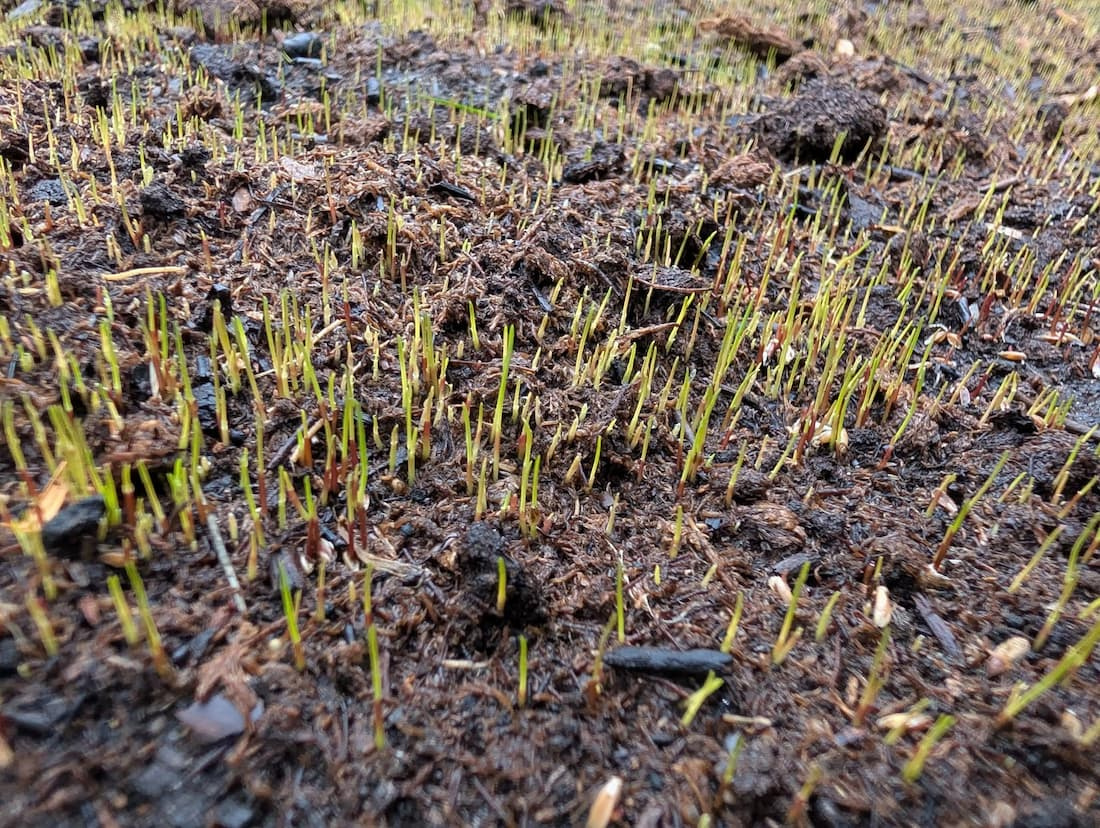
How to Establish a New Lawn From Bare Soil to First Mow
Bare soil doesn't turn into a lawn just because you scattered seed or rolled out sod — it becomes one based on a handful of specific steps done in the right order, matched to your specific grass. This guide walks through soil prep, seeding or planting method, starter fertilizer, watering as the grass grows, and knowing when it's actually safe to mow, for both cool-season and warm-season lawns.
Read Article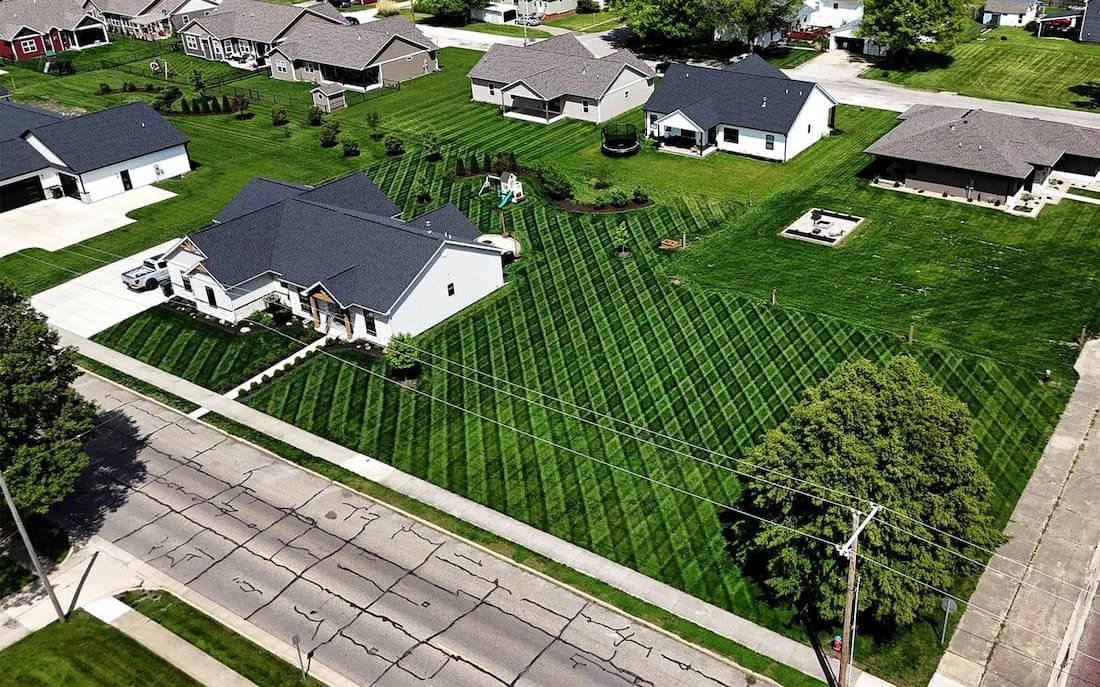
Cool Season vs Warm Season Lawn and Landscape Guide
Your lawn and your flower beds don't follow the same calendar — one runs on a cool-season engine, the other on a warm-season one, and using the wrong playbook on either can do real damage. This guide helps you figure out which system you actually have and how to care for it correctly, plus how the same cool/warm split applies to your ornamental beds.
Read Article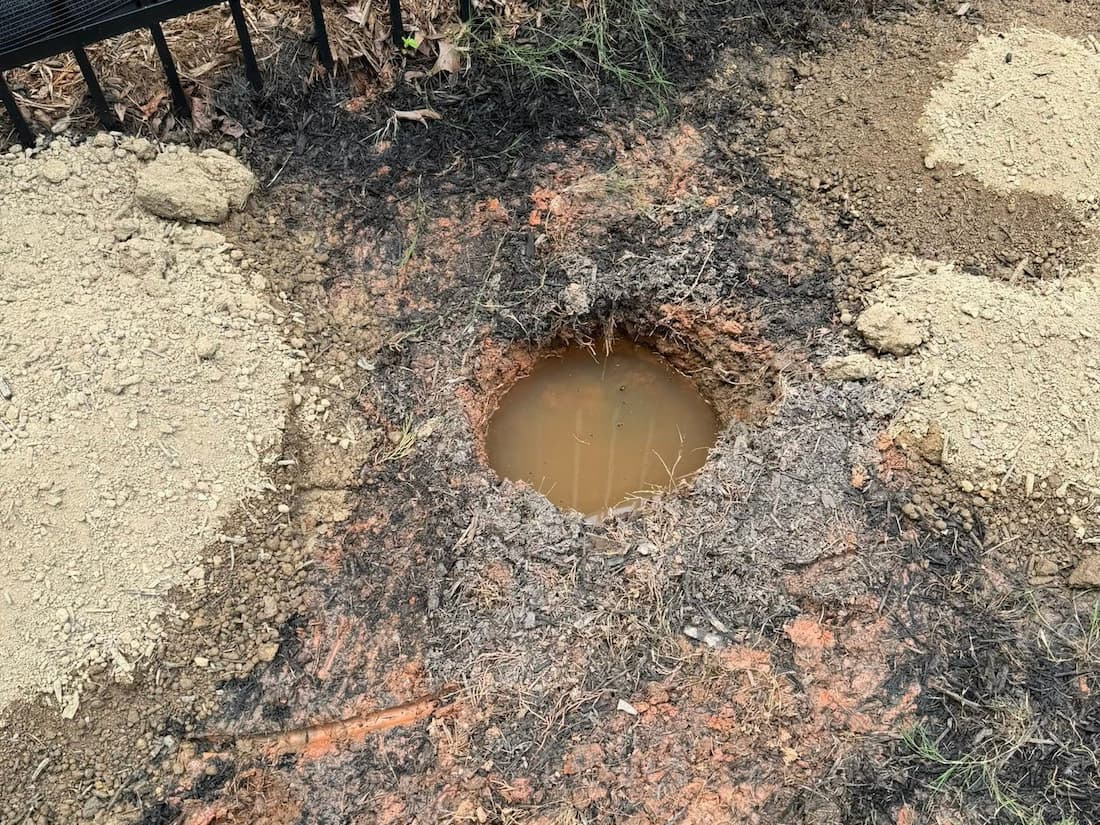
The Hole You Dug Is Killing Your New Plants
A shrub that looked fine all summer and stalled the next year usually didn't fail because of the plant, the weather, or the nursery. It failed because the hole it went into was a container — smooth-walled, water-holding, and impossible to root out of.
Read Article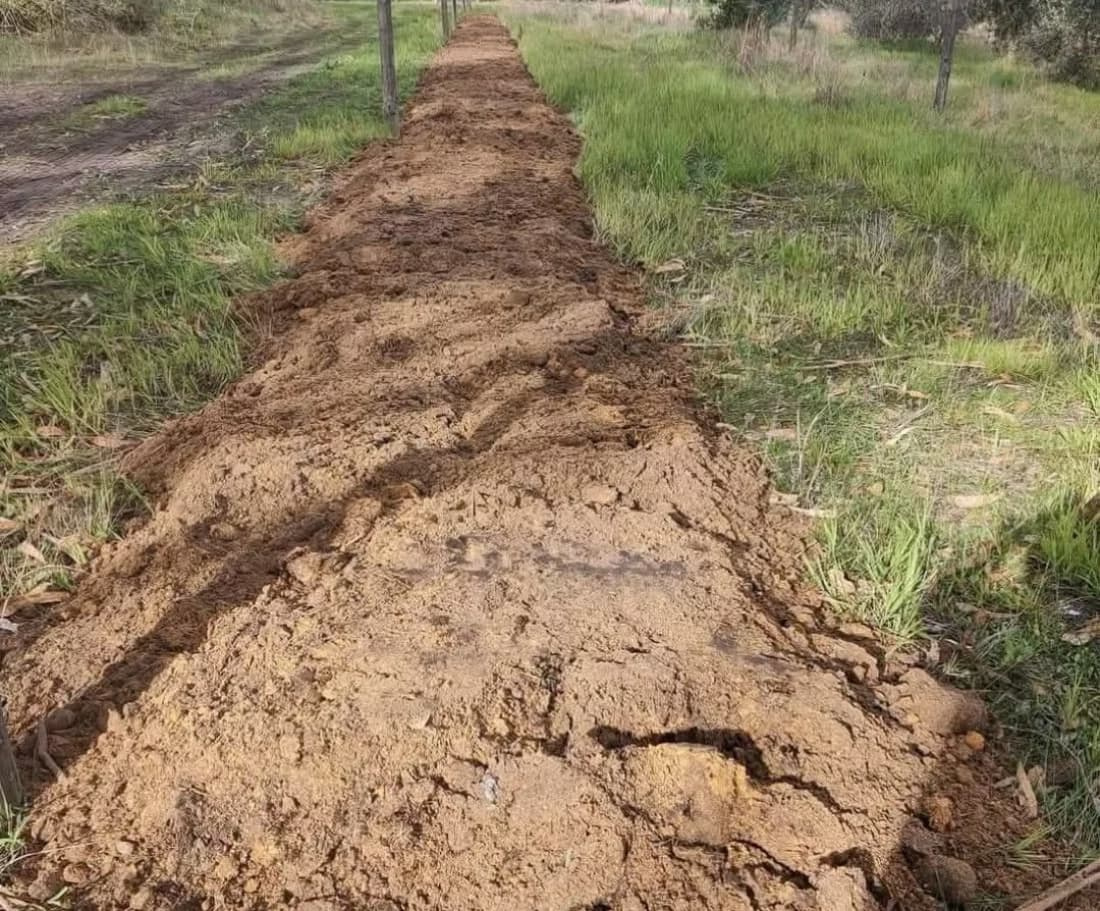
What You Can Actually Change About Bad Soil
Heavy clay and loose sand feel like permanent sentences, and half of that is true. What your soil is made of will not change. How those particles are arranged will — and that is the half that decides whether anything grows.
Read Article
Why Your Plants Survive Winter and Die in July
Your hardiness zone is built from one number — the coldest night of an average year. It says nothing about the hottest afternoon, which is what actually kills most plants people lose. Here's how to read the other half of the map.
Read Article
Why Poa Annua Keeps Coming Back — and the 3-Year Plan That Finally Ends the Cycle
You've pulled it. You've sprayed it. You've watched the little white seedheads mock you every single spring. And every fall, like clockwork, it's back — in the lawn, in the beds, in the cracks you didn't know you had. Here's the hard truth nobody at the big-box store will tell you: you're not losing because you're doing it wrong — you're losing because you're fighting the wrong enemy on the wrong timeline. Poa annua isn't a one-season problem, and once you understand why, the three-year plan below stops feeling like a chore and starts feeling like a countdown.
Read Article
How to Apply Herbicides Correctly in Your Lawn and Garden Beds
Getting real results from a weed product has almost nothing to do with the brand on the bottle and everything to do with matching the method to the moment — the right chemistry, in the right place, at the right time. Learn how to apply herbicides correctly across both your lawn and your garden beds, whether you’re stopping weeds before they sprout or killing the ones already growing, without wasting product or harming the plants you want to keep.
Read Article
How to Kill Weeds Where Two Lawns Meet Without Harming Your Neighbor’s Grass
Controlling weeds along a shared property line is where good intentions quietly backfire—the season that's safe for your own lawn is often the season the lawn next door is most easily harmed. Learn the seasonal timing collision behind most fence-line damage, and the two habits that prevent it—reading what's actually in the bottle and spraying directed instead of broadcast—so you can clear the weeds without hurting your grass, your neighbor's, or the peace between you.
Read Article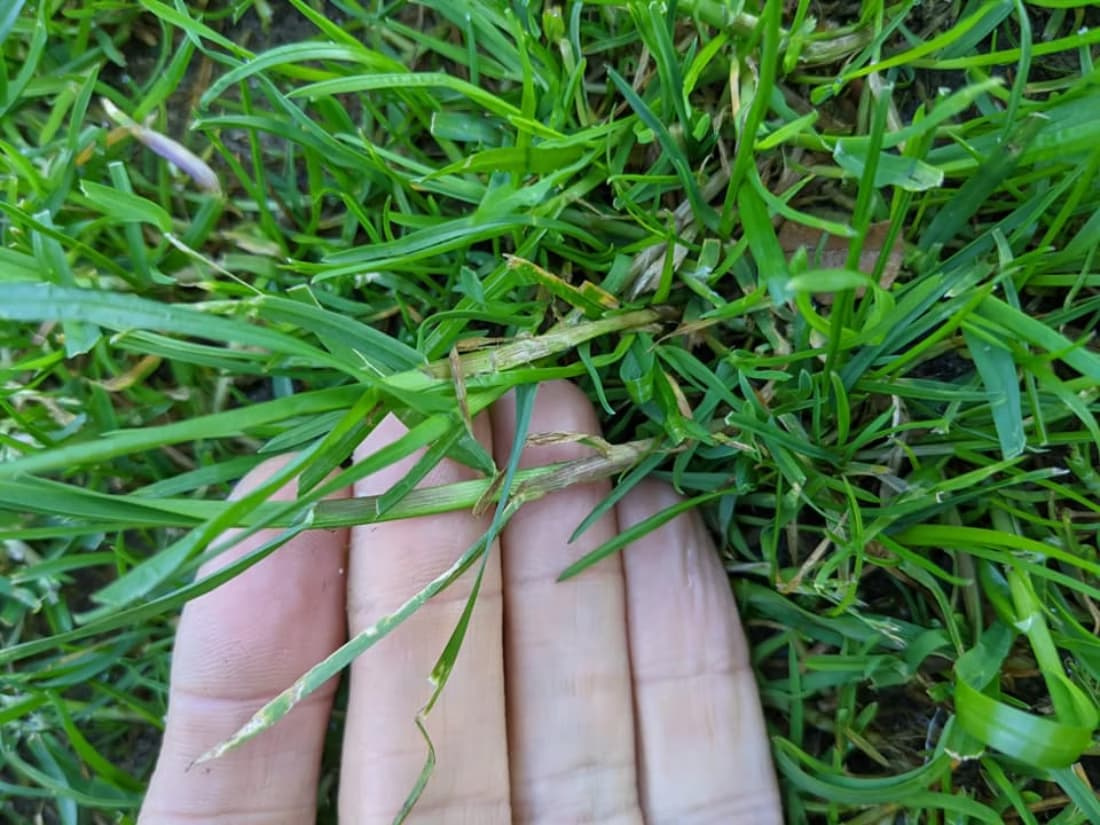
The Truth About One-and-Done Weed Control
Most homeowners lose the fight against weeds not because they work too little, but because they act before they understand. One-and-done weed control is real — but it only works when identification, timing, and the right tool all line up. This guide explains how that sequence works across your lawn and your ornamental beds, and how each weed page in the MFY hub puts it into practice for your specific invader.
Read Article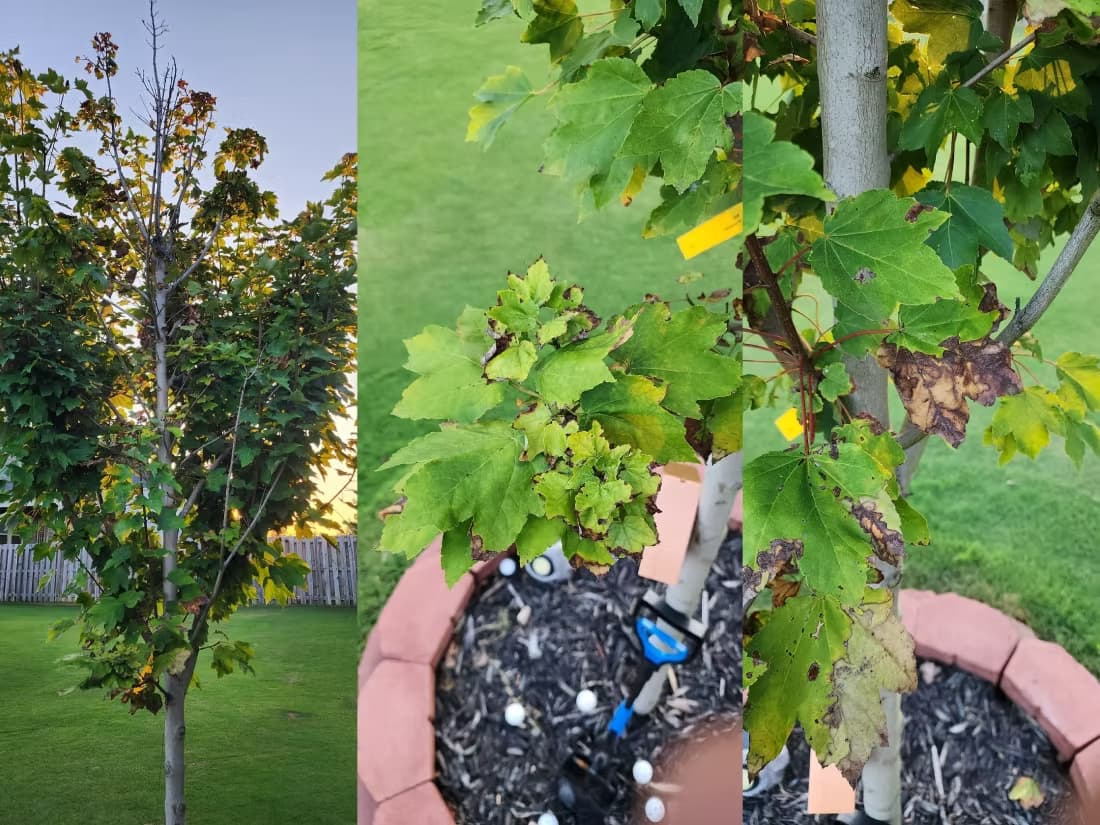
Solving the Mystery of the False Evidence in Your Lawn and Landscape
A brown leaf or a yellowing lawn is rarely what it seems. When symptoms act as decoys, a calm, forensic approach brings clarity to the confusion. Learn how to look past the surface to find the quiet truth of what your plants are truly asking for.
Read Article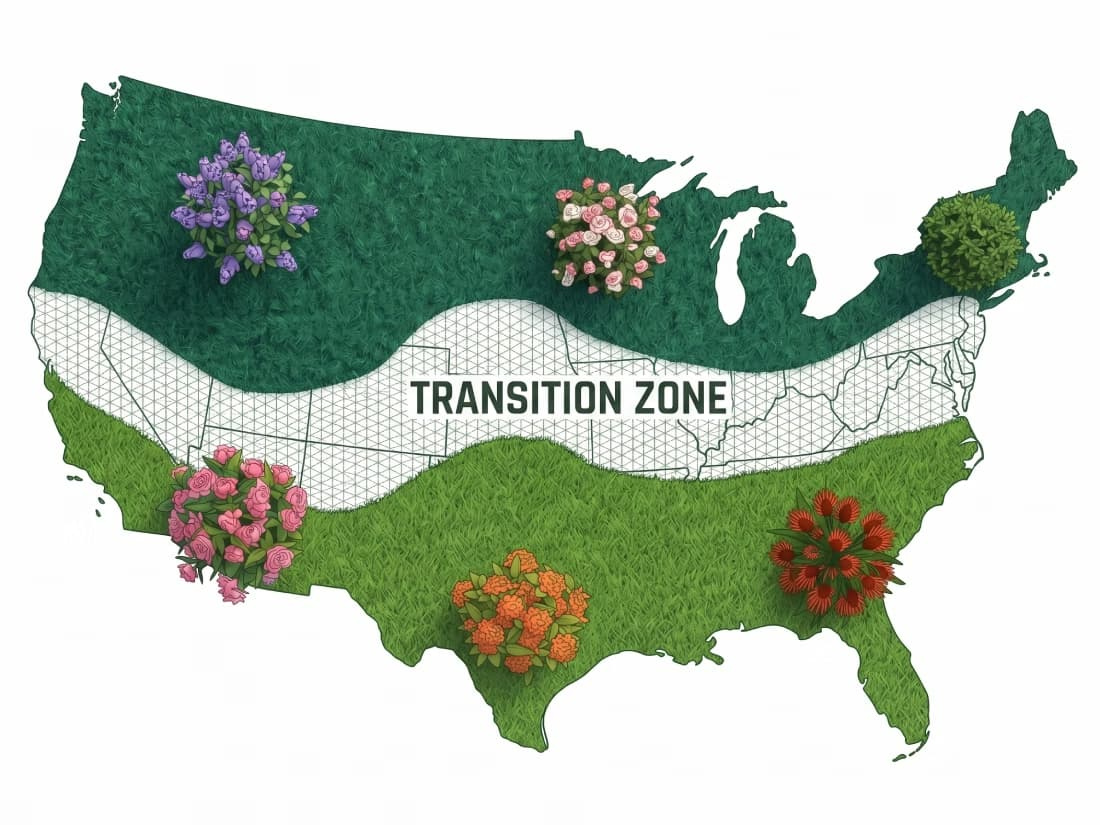
Living in the Middle: The Deep-Dive Guide to Transition Zone Lawns and Landscapes
The Transition Zone is a biological tug-of-war where neither northern nor southern species perfectly adapt. By using resilient "bridge" species and mastering maintenance levers like the Mowing Pivot, you can transform a struggling yard into a healthy landscape.
Read Article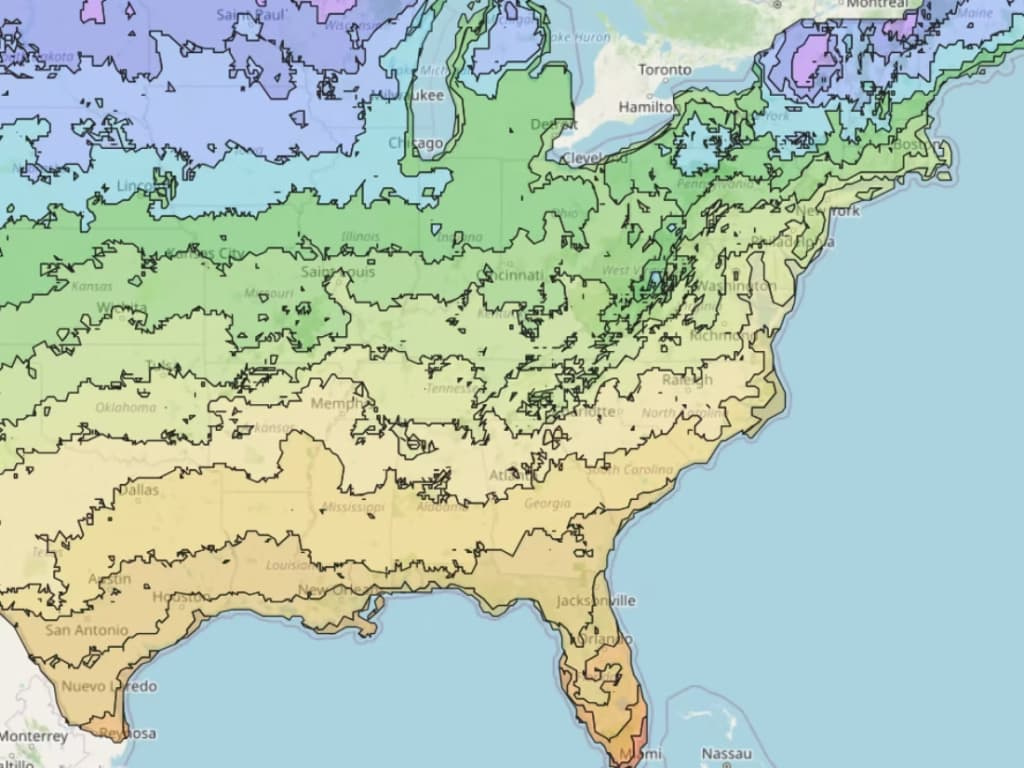
What Your Hardiness Zone Really Means for Your Lawn and Plants
Uncover the foundation of a resilient landscape by mastering the science of hardiness zones. Learn how these climate boundaries are calculated and why understanding your local temperature limits is the first step toward choosing plants that thrive year after year.
Read Article