
Parent Species:
Cold-Hardy Bermudagrass
The bermudas that survive a transition-zone winter — and some of them come as seed.
Is Cold-Hardy Bermudagrass Right For Your Yard?
Best For:
Tradeoff:
What Makes It Different
One number decides this group, and it is not a preference. It is whether the lawn is alive in April.
Freeze tolerance is measured as LT50: the temperature, in a controlled freezing chamber, that kills half the plants. Standard southern bermudas fail around 19°F. The cultivars here run roughly 16 to 18°F. Less than four degrees separates them. That sounds trivial and is not, because of what winter actually destroys. Extreme cold ruptures the crowns, stolons and rhizomes the plant regrows from. Compare that with drought: there, the grass browns off but the rhizomes stay intact, so it comes back. Winterkill leaves nothing to come back from. The lawn simply never greens up.
| Cultivar | How it is sold | Freeze tolerance (LT50) | Read |
| Tahoma 31 | Sod, sprigs | about 15.6°F | The hardiest bermuda commercially released |
| Yukon | Seed | about 16.3°F | Hardiest seeded option |
| Riviera | Seed | about 16.3 to 16.7°F | Second seeded option |
| Latitude 36 | Sod, sprigs, plugs | about 16.7 to 17.6°F | The hardy vegetative standard |
| Tifway 419 — for comparison | Sod, sprigs | about 19.4°F | A standard southern hybrid, not for this zone |
| Arizona Common — avoid | Seed | about 21.6 to 22.5°F | Will not survive a transition-zone winter |
And there is the correction this page exists to make. Yukon, a seeded cultivar bred at Oklahoma State, tests as hardy as or hardier than Latitude 36 — a vegetative hybrid sold specifically as cold-hardy sod. Yukon sits in NTEP’s seeded cultivar table. So nobody in the transition zone should be told they have to buy sod to get through winter. You can get hardiness out of a bag, and it costs a fraction of sod.
Who It Is For
The transition zone — the band where summers suit bermuda and winters can kill it. Roughly the Mid-Atlantic west through Tennessee, Arkansas and Oklahoma to Kansas City and the southern two-thirds of Missouri.
Site matters as much as cultivar here, and this is worth walking your own yard for. Winterkill risk climbs on north-facing slopes, in shade, in poorly drained soil, and where soil potassium is low. The same cultivar can come through winter fine on the sunny side of a house and die on the shaded north side. If the only bermuda-viable spot you have is a shaded north slope on heavy clay, a cold-hardy cultivar is not enough of a fix on its own — fix the drainage and the light first, or choose a different grass.
The Cultivars
| Cultivar | How it is sold | What it is good at | Notes |
| Yukon | Seed | The hardiest seeded bermuda, with strong spring dead spot resistance | Oklahoma State, with USGA support; sits in NTEP’s seeded table. The most reliably stocked cold-hardy seed in 2026. The breeder reports up to 25% less water than other bermudas — not independently confirmed. |
| Riviera | Seed | Transition-zone-bred seeded option, just behind Yukon on hardiness | Oklahoma State, licensed exclusively to Johnston Seed. Still stocked in 2026. |
| Monaco | Seed | Darker color, quick spring green-up, good fall color hold | Johnston Seed; ranked among the stronger seeded types in NTEP. 2026 is a crop failure — sellers are actively pointing buyers to Yukon instead. |
| Rio | Seed | Cold-hardy seeded option | Johnston Seed. Thinner retail presence than Yukon or Riviera; you may have to look for it. |
| Tahoma 31 | Sod, sprigs | The hardiest bermuda on the market, and water-efficient with it | Oklahoma State (OKC 1131), licensed to Sod Production Services and grown on licensed farms nationally. Recorded the lowest winterkill of its trial group in Indiana. |
| Latitude 36 | Sod, sprigs, plugs | Fine texture, high traffic tolerance, NTEP-rated for spring dead spot resistance | Oklahoma State, sold through Sod Solutions. Finer-bladed than NorthBridge. |
| NorthBridge | Sod, sprigs | Very high sod strength and early spring green-up | Oklahoma State, sold through Sod Solutions. Slightly coarser than Latitude 36; the two are close enough that either works for a home lawn. |
| Patriot | Sod, sprigs | Older cold-hardy option, still sold | Oklahoma State, 2002. Superseded on hardiness by Tahoma 31, and notably shade-sensitive even by bermuda standards. |
| Midlawn | Sod, sprigs | Long-standing southern-Plains choice | Largely displaced by the 2011-and-later Oklahoma State releases. Availability is regional. |
What Changes In Care
Here the seasonal calendar stops being good practice and becomes the thing that keeps the lawn alive.
Stop nitrogen about four weeks before your first expected frost. Late nitrogen pushes soft growth that has not hardened off, and it is the most reliable way to lose a transition-zone bermuda lawn. Follow it with potassium in late summer, which helps the plant bank the carbohydrates it overwinters on.
Raise the mowing height about half an inch in early fall. The extra leaf insulates the crowns.
Keep thatch under half an inch, without exception. Thick thatch pulls roots up out of the soil and into a layer that freezes hard, which is how a survivable winter becomes winterkill.
Stay off dormant turf. Traffic on a dormant lawn crushes crowns that cannot repair themselves until spring.
Never plant in fall. Bermuda needs warm soil — 65°F at four inches — and a young plant going into a transition-zone winter without rhizome reserves is a dead lawn. Late spring to early summer only, and that window is narrower here than further south.
Expect spring dead spot rather than being surprised by it: circular, sunken, straw-colored patches at green-up that come back in the same places and widen each year. The fungus works underground in fall and the damage is cold-driven, so the defenses are cultural — thatch control, drainage, no late nitrogen. Yukon and Latitude 36 both carry documented resistance, which is a real reason to choose them over an unrated cultivar.
Before You Buy
- Yukon is often mislabeled, and it matters. Several retailers list it as “hybrid bermuda grass seed.” True hybrids are sterile and cannot be sold as seed at all. Yukon is a seeded synthetic variety from Oklahoma State, produced by intercrossing five parent plants. It is the right grass and the label is simply wrong — do not let the wording put you off it, and do not let it convince you that sterile hybrids come in bags.
- Seed supply is tight in 2026. Monaco is a crop failure this year, and Cheyenne II and Mohawk had poor harvests. Yukon is the most reliably stocked cold-hardy seed right now, with Riviera still listed. If you are planning a seeded install, check stock before you commit to a planting date.
- Never buy “Arizona Common” or VNS for this zone. At roughly 22°F it is not a cheaper version of the grasses above — it is a lawn that dies.
- Check cheap seeded blends for giant-type bermuda, sometimes sold as NK-37. It gives lush cover the first summer and then winterkills out completely, leaving the lawn thin.
- Insist on certified blue-tag sod and sprigs, so you are not importing weedy common bermuda into a lawn you chose for hardiness.
- If you are clearing an old lawn first: consumer “Roundup”-brand products no longer reliably contain glyphosate. Several reformulated versions use triclopyr, fluazifop, imazapic or diquat instead, and the replant interval changes with them. Read the active-ingredient panel, not the brand.
Deep Dives & Practical Guides
The Hole You Dug Is Killing Your New Plants
A shrub that looked fine all summer and stalled the next year usually didn't fail because of the plant, the weather, or the nursery. It failed because the hole it went into was a container — smooth-walled, water-holding, and impossible to root out of.
Read Article
What You Can Actually Change About Bad Soil
Heavy clay and loose sand feel like permanent sentences, and half of that is true. What your soil is made of will not change. How those particles are arranged will — and that is the half that decides whether anything grows.
Read Article
Why Your Plants Survive Winter and Die in July
Your hardiness zone is built from one number — the coldest night of an average year. It says nothing about the hottest afternoon, which is what actually kills most plants people lose. Here's how to read the other half of the map.
Read Article
Why Poa Annua Keeps Coming Back — and the 3-Year Plan That Finally Ends the Cycle
You've pulled it. You've sprayed it. You've watched the little white seedheads mock you every single spring. And every fall, like clockwork, it's back — in the lawn, in the beds, in the cracks you didn't know you had. Here's the hard truth nobody at the big-box store will tell you: you're not losing because you're doing it wrong — you're losing because you're fighting the wrong enemy on the wrong timeline. Poa annua isn't a one-season problem, and once you understand why, the three-year plan below stops feeling like a chore and starts feeling like a countdown.
Read Article
How to Apply Herbicides Correctly in Your Lawn and Garden Beds
Getting real results from a weed product has almost nothing to do with the brand on the bottle and everything to do with matching the method to the moment — the right chemistry, in the right place, at the right time. Learn how to apply herbicides correctly across both your lawn and your garden beds, whether you’re stopping weeds before they sprout or killing the ones already growing, without wasting product or harming the plants you want to keep.
Read Article
How to Kill Weeds Where Two Lawns Meet Without Harming Your Neighbor’s Grass
Controlling weeds along a shared property line is where good intentions quietly backfire—the season that's safe for your own lawn is often the season the lawn next door is most easily harmed. Learn the seasonal timing collision behind most fence-line damage, and the two habits that prevent it—reading what's actually in the bottle and spraying directed instead of broadcast—so you can clear the weeds without hurting your grass, your neighbor's, or the peace between you.
Read Article
The Truth About One-and-Done Weed Control
Most homeowners lose the fight against weeds not because they work too little, but because they act before they understand. One-and-done weed control is real — but it only works when identification, timing, and the right tool all line up. This guide explains how that sequence works across your lawn and your ornamental beds, and how each weed page in the MFY hub puts it into practice for your specific invader.
Read Article
Solving the Mystery of the False Evidence in Your Lawn and Landscape
A brown leaf or a yellowing lawn is rarely what it seems. When symptoms act as decoys, a calm, forensic approach brings clarity to the confusion. Learn how to look past the surface to find the quiet truth of what your plants are truly asking for.
Read Article
Living in the Middle: The Deep-Dive Guide to Transition Zone Lawns and Landscapes
The Transition Zone is a biological tug-of-war where neither northern nor southern species perfectly adapt. By using resilient "bridge" species and mastering maintenance levers like the Mowing Pivot, you can transform a struggling yard into a healthy landscape.
Read Article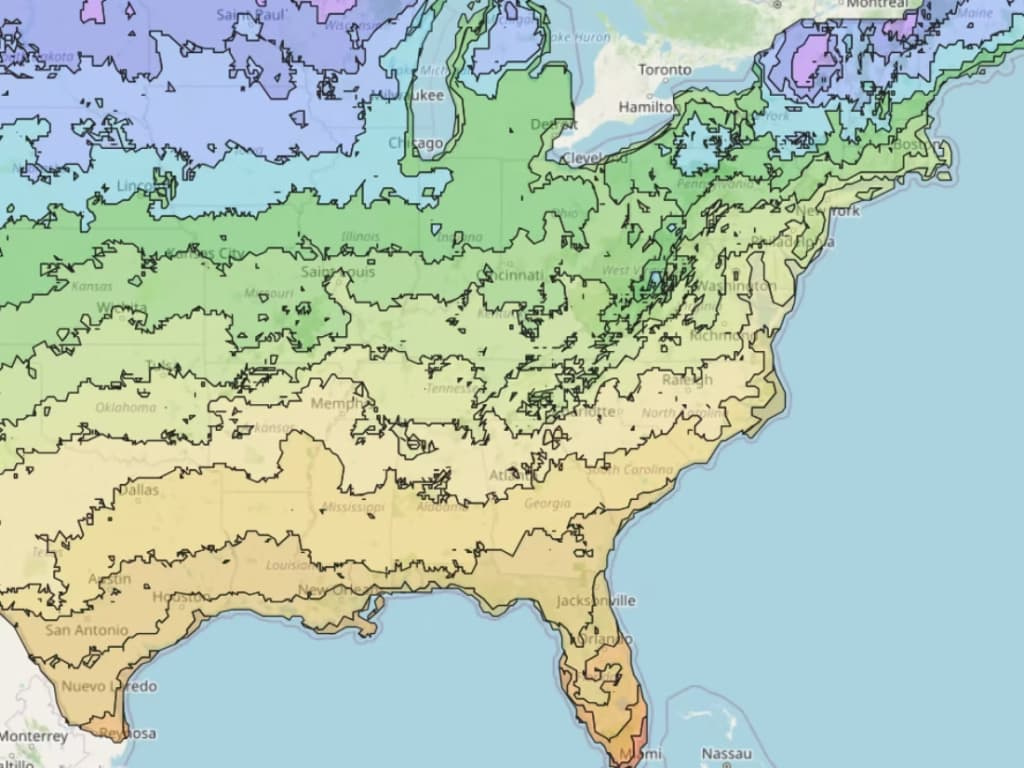
What Your Hardiness Zone Really Means for Your Lawn and Plants
Uncover the foundation of a resilient landscape by mastering the science of hardiness zones. Learn how these climate boundaries are calculated and why understanding your local temperature limits is the first step toward choosing plants that thrive year after year.
Read Article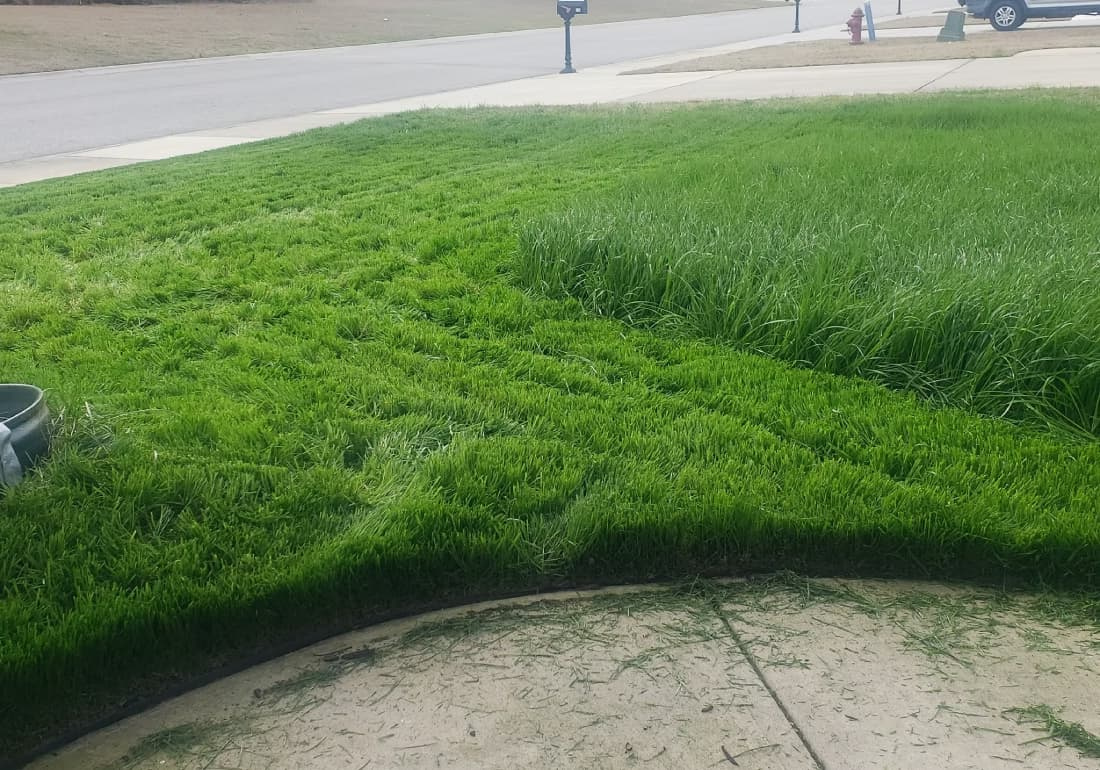
The One-Third Mowing Rule: A Species-Specific Guide to Mowing Heights
Stop guessing your lawn's health. While the one-third rule is the foundation, every grass species has its own threshold for stress. This guide provides exact 'mow-at' heights, seasonal frequency adjustments, and mower setting tips for over 12 grass types to ensure a professional-grade cut every time.
Read Article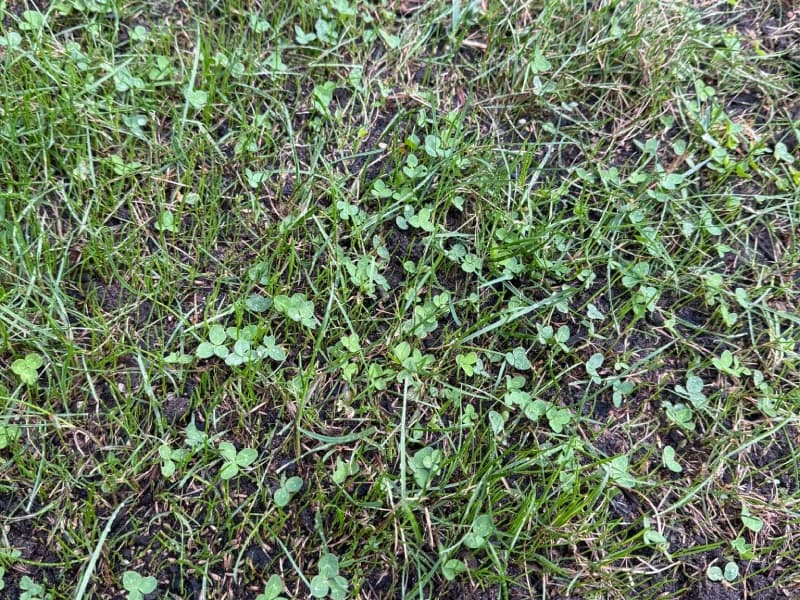
How to Kill Weeds in New Grass Without Killing the Grass
You spent weeks preparing the soil and watering your new seeds, only to see a "carpet of green" that looks more like a weed patch than a lawn. It is frustrating to watch weeds grow twice as fast as your tiny seedlings, leading to a "Panic Phase" where many homeowners make the mistake of spraying too early. Before you reach for the herbicide and risk killing your investment, you need to understand the precise timing required to save your new grass while clearing out the invaders.
Read Article