
Common Carpetgrass
The only carpetgrass sold as seed, and the cheapest way to cover wet, acidic ground where better grasses drown.
Is Common Carpetgrass Right For Your Yard?
Best For:
Tradeoff:
What Makes It Different
This is the carpetgrass that exists as a product. It sets viable seed in commercial quantities and its tropical cousin does not, and that single fact controls everything else: you can buy it in a bag, ship it anywhere in the South, and have a usable lawn in about ten weeks. The tropical species has to be dug out of the ground by hand.
It is also the more cold-hardy of the two. Both species keep their growing points right at the soil surface, but common carpetgrass holds through the mid-20s °F, which makes Zone 8b through 10 workable. Zone 7 is listed on paper — expect winter damage most years.
The blade is narrower too, 4 to 8 mm against the tropical’s 8 to 12+. Still coarse for a lawn, just less so.
Who It’s For
- A bayou-edge or river-bottom lot in south Louisiana, coastal Mississippi or the Carolina low country, where the water table is high and the yard stays soft after rain.
- A pine-flatwoods lot with sandy, sour soil in the low 5s that has starved out centipede.
- A ditch bank, retention-basin edge or back third of a property that floods and nobody wants to spend money on.
Not for deep shade under a dense subtropical canopy — that is the tropical carpetgrass page, and only in Zone 9b and warmer. Not for dry ground, salty irrigation water, or a yard that gets played on.
Why There Are No Named Cultivars
Because the market is too small to pay for breeding. There has never been an NTEP evaluation program for the species, and without a trial network no breeder can prove a new selection beats what is already in the field — so the work never happened. Clemson did release one improved selection, ‘Chase’, bred for better density and uniformity. It has left commercial production entirely, no grower keeps certified fields, and every retail bag today is generic common seed. Public breeding for reduced seedheads is developmental, not something you can buy.
Since you cannot choose a variety, read the tag:
- Botanical name. It should say Axonopus fissifolius, or the older synonym Axonopus affinis. A bag that only says “carpet grass” tells you nothing.
- Coated seed usually runs about 90 percent. Raw seed goes up to 98.
- About 85 percent is what the market offers.
- Coated or raw. The clay coating holds moisture and puts birds off, which helps on a rough seedbed. But the clay is part of the bag weight, so a pound of coated seed carries fewer live seeds than a pound of raw. Raw costs more per pound and is worth it on a seedbed you can keep damp.
- Not a bargain mix. Carpetgrass turns up as undisclosed filler in cheap blends. Once it is in a centipede or St. Augustine lawn, no selective herbicide takes it back out.
What It Costs And Where It Comes From
| Form | Sold by | Typical spec | Price band |
| Coated seed | Hancock Seed, SeedRanch / Seed Barn, Seed World USA | 90% purity, 85% germination | From about $16 per lb; roughly $380–410 for 50 lb |
| Raw seed | SeedRanch direct, Seed World USA | Up to 98% purity, 85% germination | About $25–33 per lb; roughly $585 for 50 lb |
| Live sod | Louisiana Sod Farms — the only documented source in the country | Wild-harvested pasture sod, cut to order | $230–320 per pallet (~450 sq ft), 5–10 business days |
At one pound per 1,000 square feet — two if you are patching a thin stand — a 5,000 square foot lawn is about five pounds of seed. Sod is the exception, not the route: one source, in the Louisiana delta and river parishes, cut to order from naturalized pastures. Outside Louisiana, seed is the only way in.
What Changes In Care
Nothing changes from the type page. Mowing height, the mid-June nitrogen, the inch of water a week and the near-weekly summer mowing to knock seed stalks down all apply as written. Two rules bite harder here only because this is the seeded route: wait until the soil is genuinely warm — about 69 °F at two inches, usually mid-April or later — and keep pre-emergent off for the first full year.
Before You Buy
- “Carpet grass” is a marketing word in the South. Nurseries and sod outlets across Texas and the deep South use it for any thick, carpet-like turf. Suppliers in Corpus Christi and Austin sell St. Augustinegrass under that name; West Texas distributors apply it to hybrid bermudas like Tifway 419 and TifTuf. Ask a local yard for “carpet grass sod” and you will likely be handed a different genus. Buy by botanical name.
- A bag of seed is always the common species. Tropical carpetgrass is not sold as seed anywhere in the country, so dry seed is fissifolius by default — reassuring here, a trap on the shade page.
- Do not co-seed it with centipedegrass. It was historically sold blended as a fast nurse crop, but suppliers have dropped the practice and extension advises against it — you end up with a two-color, two-texture lawn and no selective way to fix it.
- If you are clearing weeds before seeding, read the active-ingredient panel on any non-selective product. A familiar “Roundup” label no longer reliably means the non-selective ingredient — some products under that brand are selective broadleaf blends, and one is rated as damaging to carpetgrass.
Deep Dives & Practical Guides
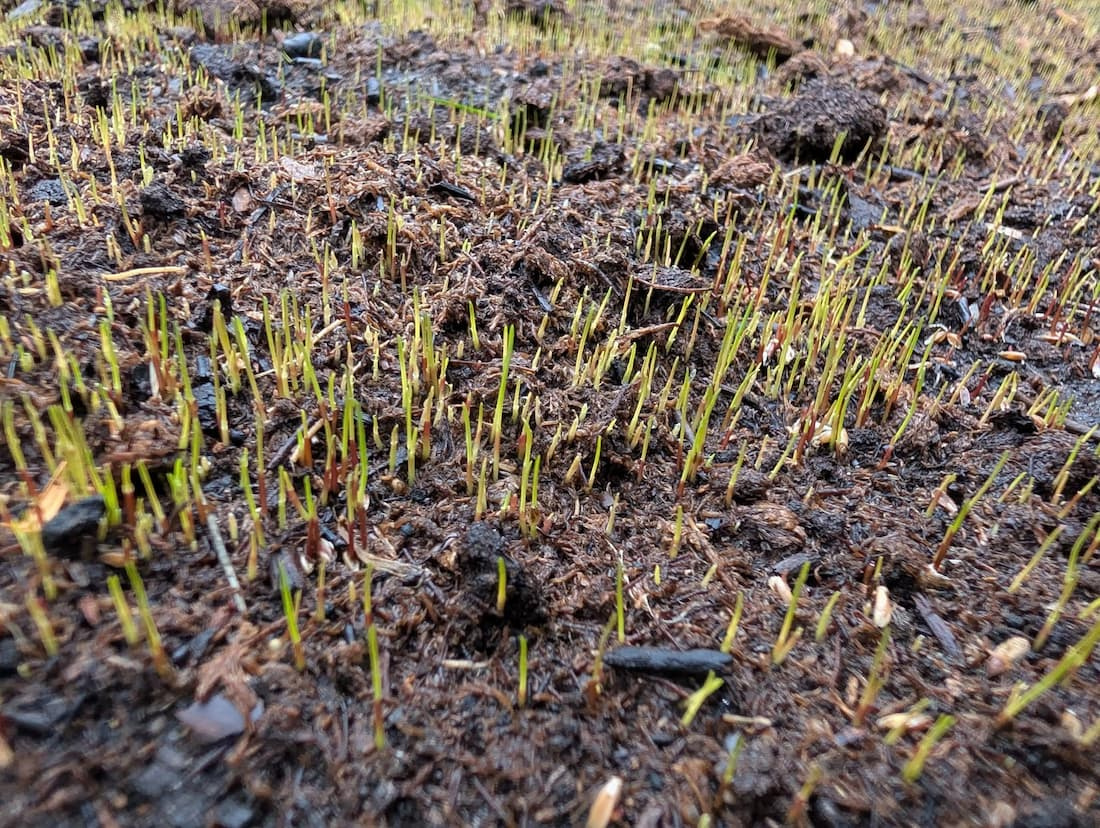
How to Establish a New Lawn From Bare Soil to First Mow
Bare soil doesn't turn into a lawn just because you scattered seed or rolled out sod — it becomes one based on a handful of specific steps done in the right order, matched to your specific grass. This guide walks through soil prep, seeding or planting method, starter fertilizer, watering as the grass grows, and knowing when it's actually safe to mow, for both cool-season and warm-season lawns.
Read Article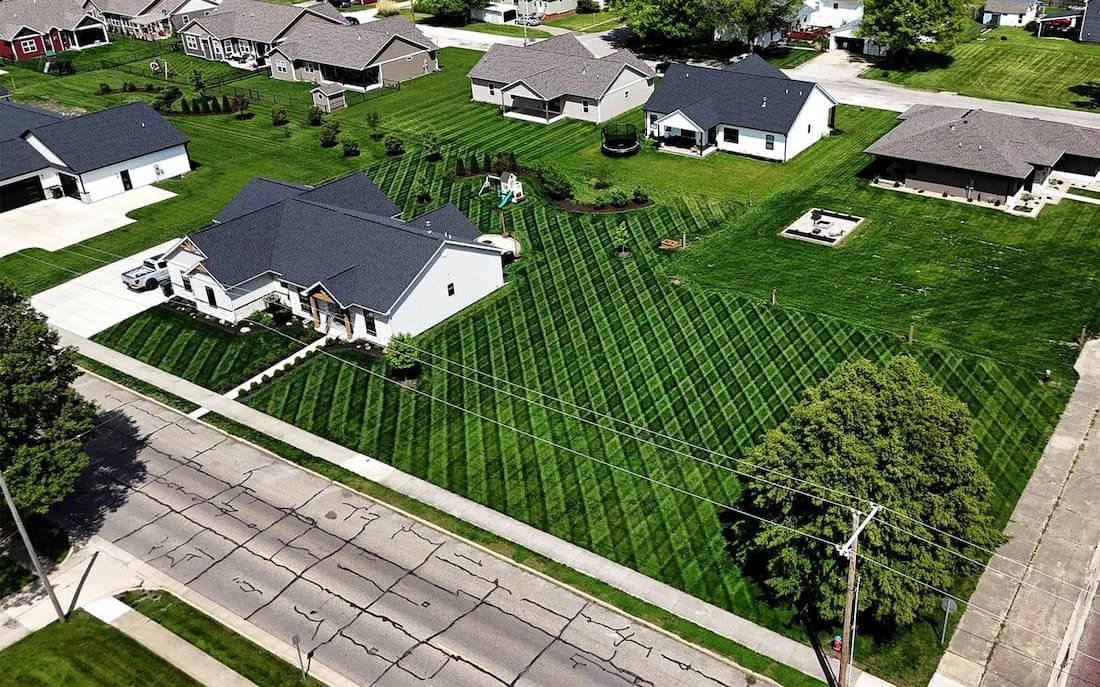
Cool Season vs Warm Season Lawn and Landscape Guide
Your lawn and your flower beds don't follow the same calendar — one runs on a cool-season engine, the other on a warm-season one, and using the wrong playbook on either can do real damage. This guide helps you figure out which system you actually have and how to care for it correctly, plus how the same cool/warm split applies to your ornamental beds.
Read Article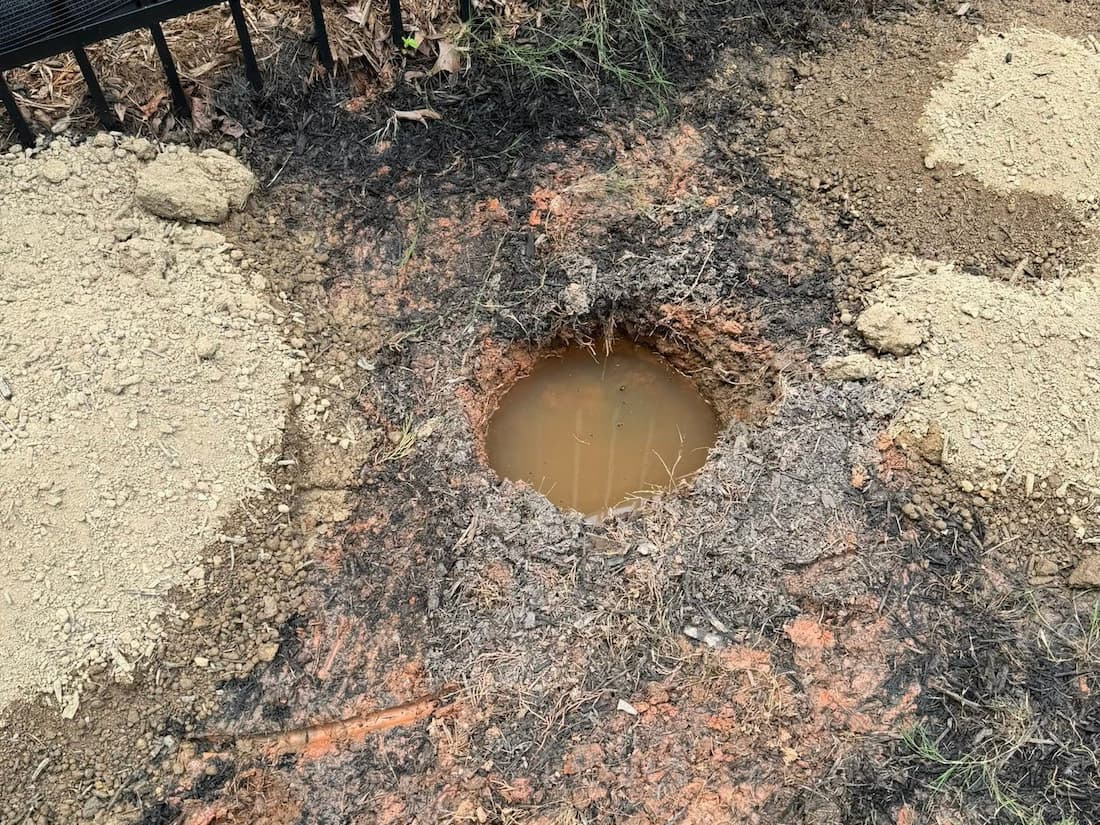
The Hole You Dug Is Killing Your New Plants
A shrub that looked fine all summer and stalled the next year usually didn't fail because of the plant, the weather, or the nursery. It failed because the hole it went into was a container — smooth-walled, water-holding, and impossible to root out of.
Read Article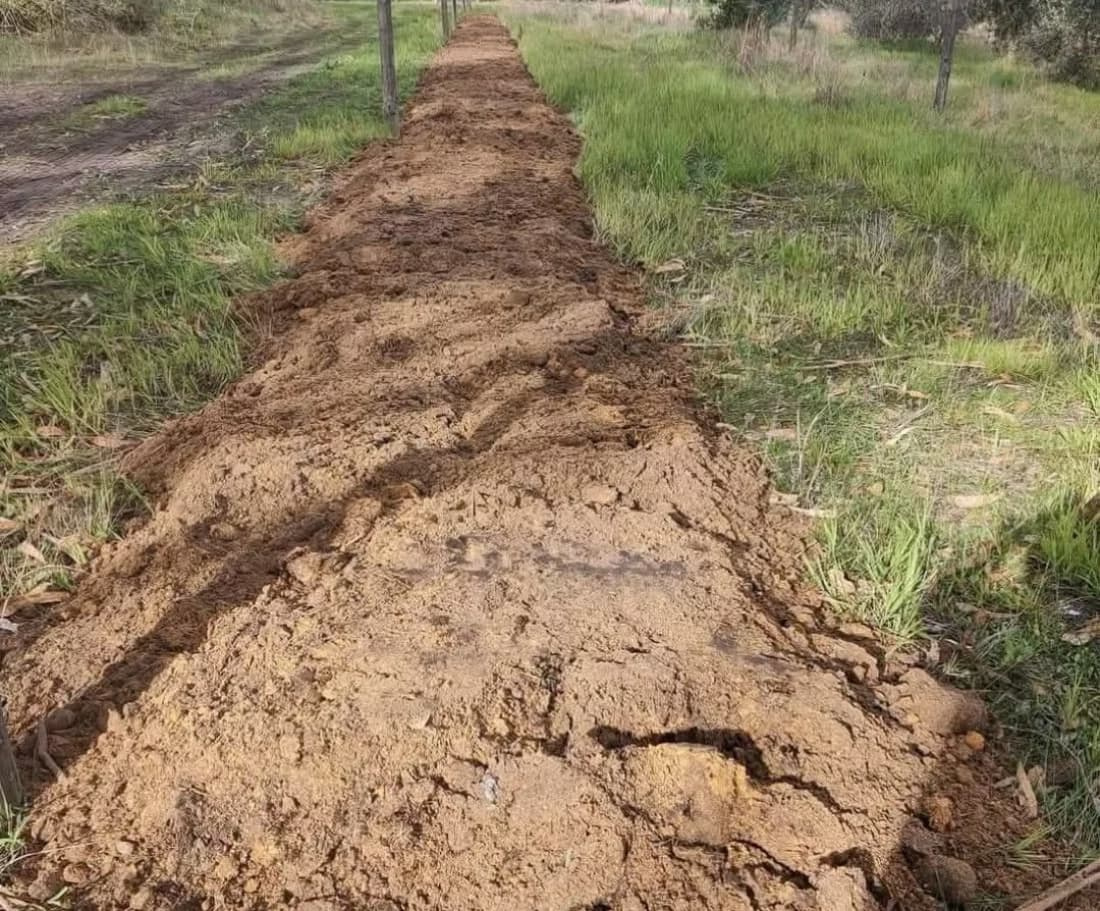
What You Can Actually Change About Bad Soil
Heavy clay and loose sand feel like permanent sentences, and half of that is true. What your soil is made of will not change. How those particles are arranged will — and that is the half that decides whether anything grows.
Read Article
Why Your Plants Survive Winter and Die in July
Your hardiness zone is built from one number — the coldest night of an average year. It says nothing about the hottest afternoon, which is what actually kills most plants people lose. Here's how to read the other half of the map.
Read Article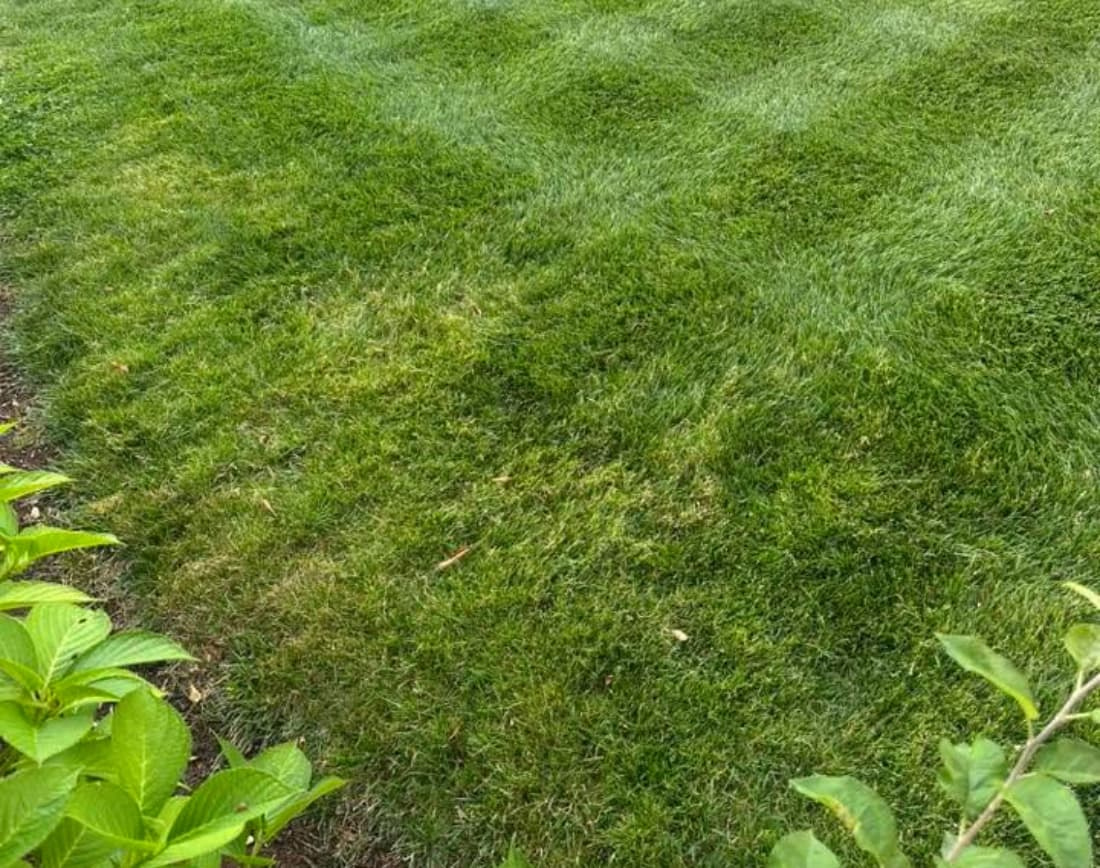
Why Poa Annua Keeps Coming Back — and the 3-Year Plan That Finally Ends the Cycle
You've pulled it. You've sprayed it. You've watched the little white seedheads mock you every single spring. And every fall, like clockwork, it's back — in the lawn, in the beds, in the cracks you didn't know you had. Here's the hard truth nobody at the big-box store will tell you: you're not losing because you're doing it wrong — you're losing because you're fighting the wrong enemy on the wrong timeline. Poa annua isn't a one-season problem, and once you understand why, the three-year plan below stops feeling like a chore and starts feeling like a countdown.
Read Article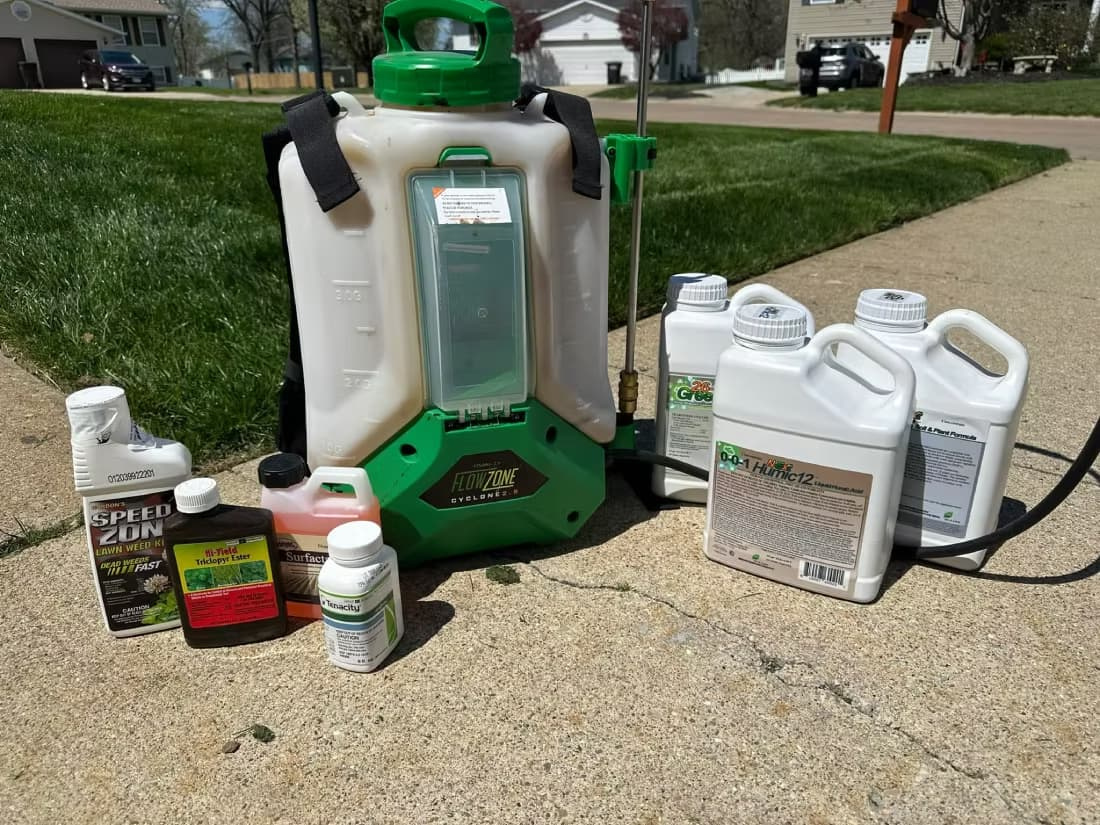
How to Apply Herbicides Correctly in Your Lawn and Garden Beds
Getting real results from a weed product has almost nothing to do with the brand on the bottle and everything to do with matching the method to the moment — the right chemistry, in the right place, at the right time. Learn how to apply herbicides correctly across both your lawn and your garden beds, whether you’re stopping weeds before they sprout or killing the ones already growing, without wasting product or harming the plants you want to keep.
Read Article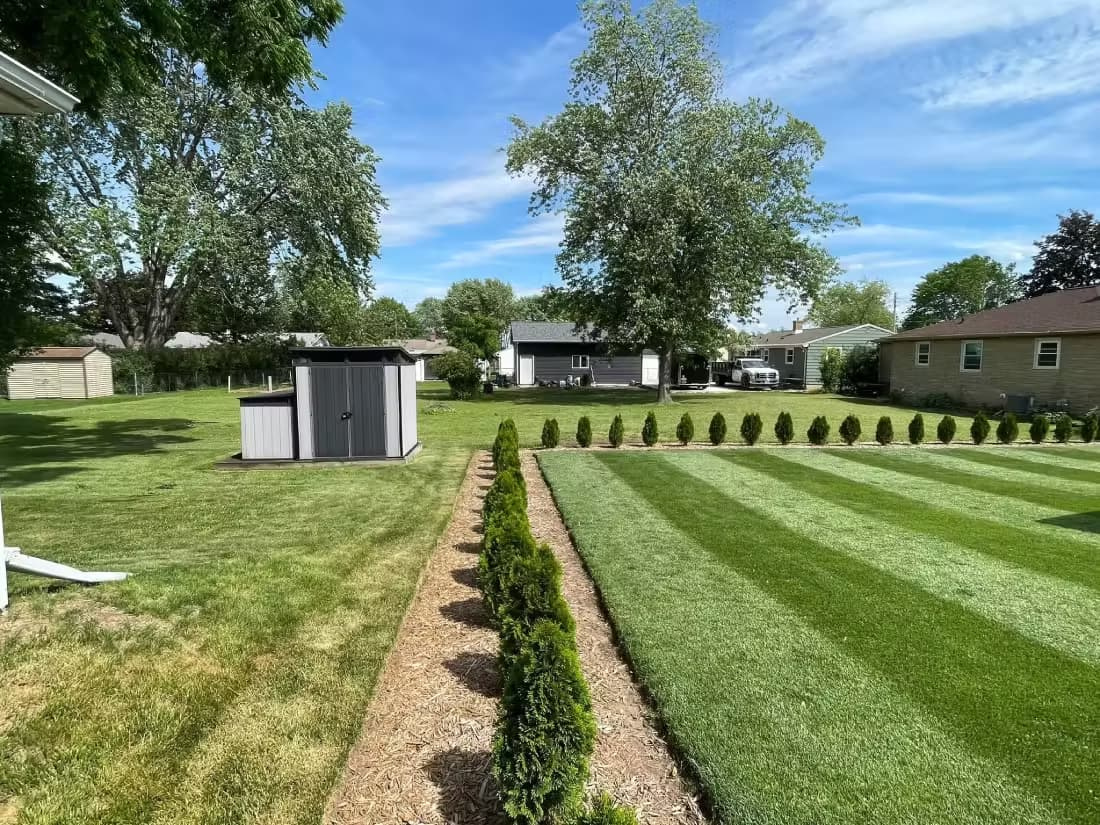
How to Kill Weeds Where Two Lawns Meet Without Harming Your Neighbor’s Grass
Controlling weeds along a shared property line is where good intentions quietly backfire—the season that's safe for your own lawn is often the season the lawn next door is most easily harmed. Learn the seasonal timing collision behind most fence-line damage, and the two habits that prevent it—reading what's actually in the bottle and spraying directed instead of broadcast—so you can clear the weeds without hurting your grass, your neighbor's, or the peace between you.
Read Article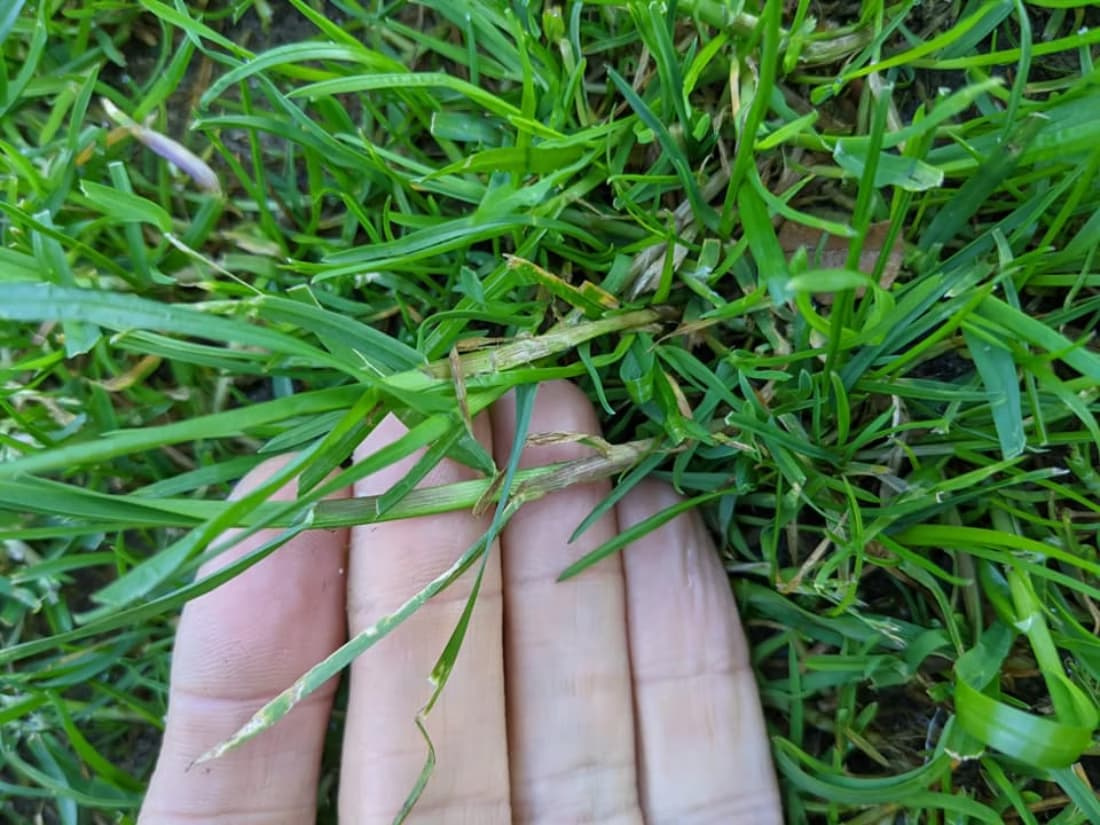
The Truth About One-and-Done Weed Control
Most homeowners lose the fight against weeds not because they work too little, but because they act before they understand. One-and-done weed control is real — but it only works when identification, timing, and the right tool all line up. This guide explains how that sequence works across your lawn and your ornamental beds, and how each weed page in the MFY hub puts it into practice for your specific invader.
Read Article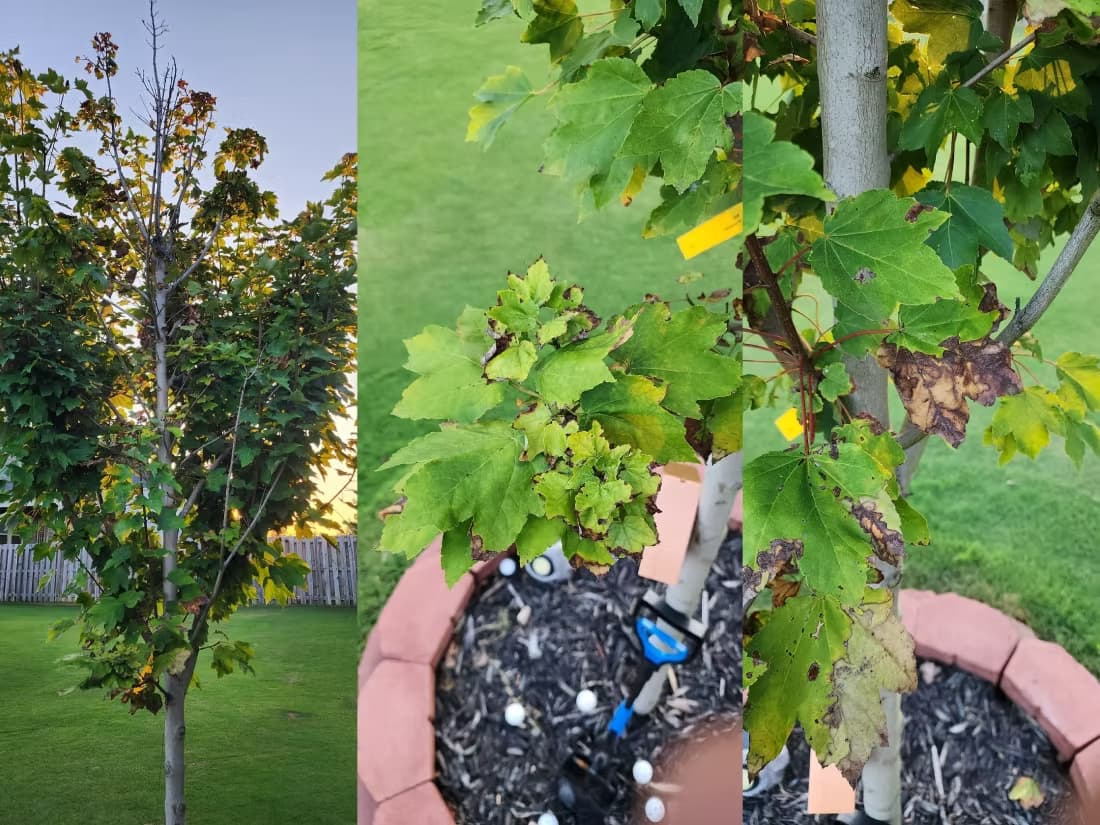
Solving the Mystery of the False Evidence in Your Lawn and Landscape
A brown leaf or a yellowing lawn is rarely what it seems. When symptoms act as decoys, a calm, forensic approach brings clarity to the confusion. Learn how to look past the surface to find the quiet truth of what your plants are truly asking for.
Read Article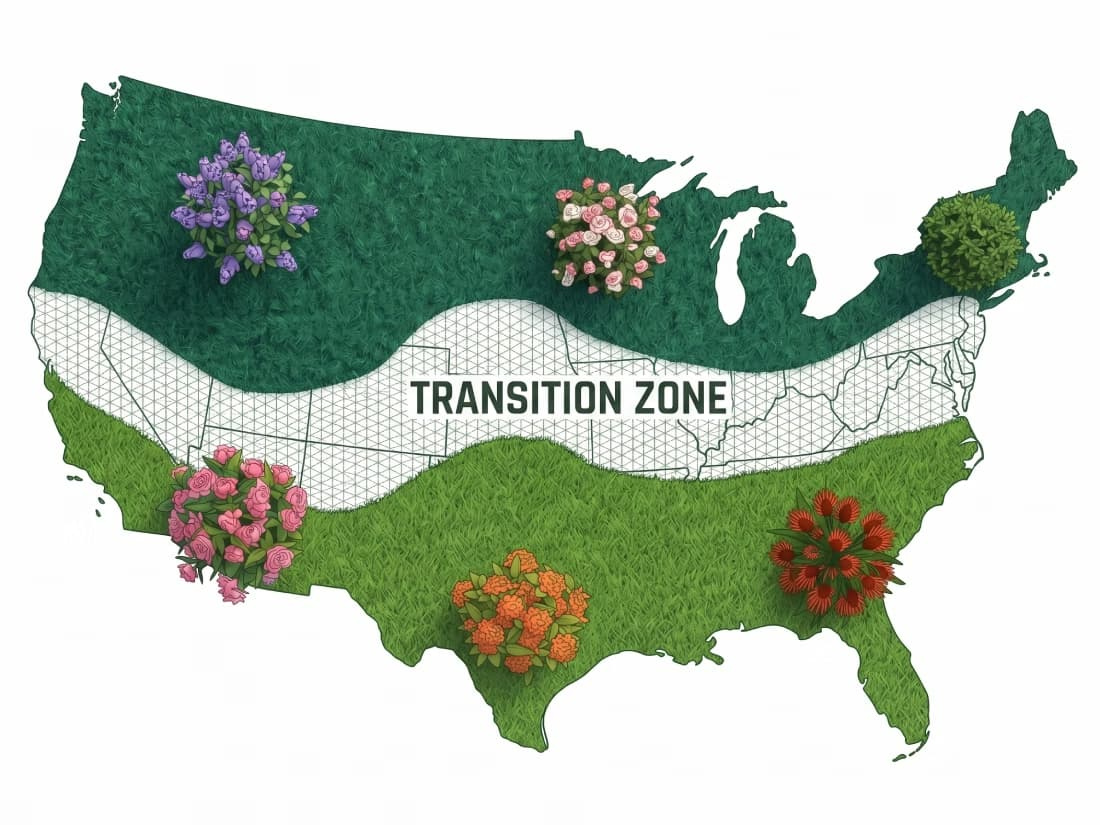
Living in the Middle: The Deep-Dive Guide to Transition Zone Lawns and Landscapes
The Transition Zone is a biological tug-of-war where neither northern nor southern species perfectly adapt. By using resilient "bridge" species and mastering maintenance levers like the Mowing Pivot, you can transform a struggling yard into a healthy landscape.
Read Article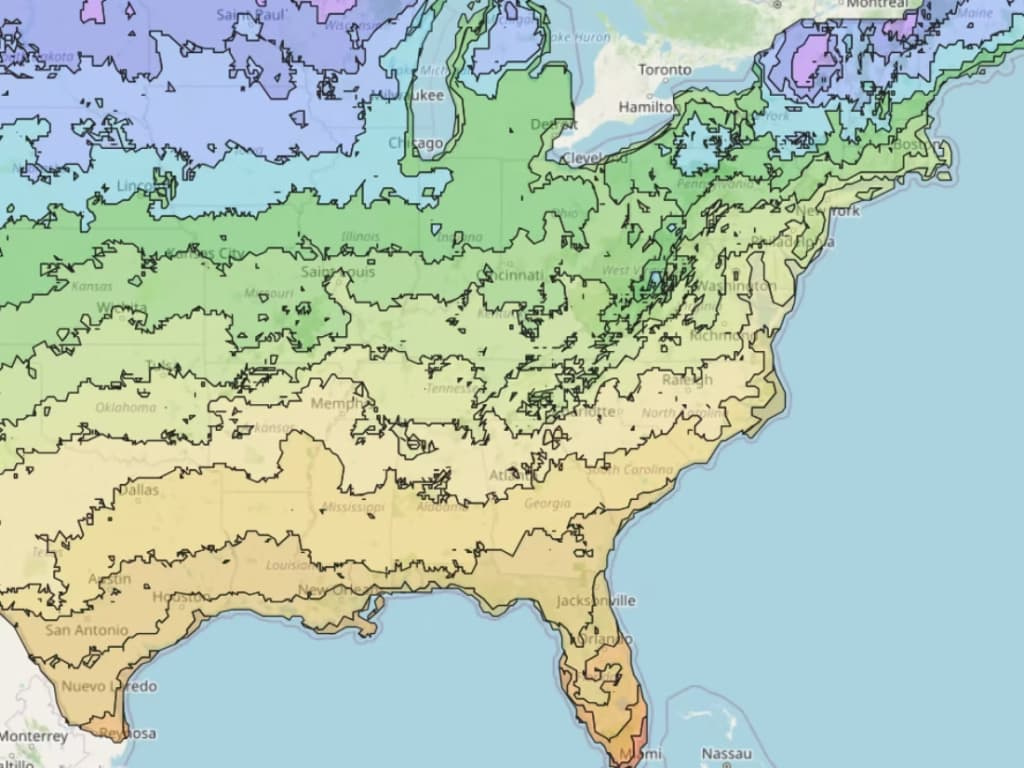
What Your Hardiness Zone Really Means for Your Lawn and Plants
Uncover the foundation of a resilient landscape by mastering the science of hardiness zones. Learn how these climate boundaries are calculated and why understanding your local temperature limits is the first step toward choosing plants that thrive year after year.
Read Article