
Improved Turf-Type Tall Fescue
Deep-rooted, heat-tough cool-season turf sold as a blend of named cultivars — the default lawn across the transition zone.
Is Improved Turf-Type Tall Fescue Right For Your Yard?
Best For:
Tradeoff:
What Makes It Different
There are no tall fescue subtypes to choose between, and that is a finding, not a gap. Extension and NTEP treat it as one continuous pool: NC State’s current NTEP trial runs 113 varieties that differ by degree on every trait rather than sorting into camps. Breeders do use families while selecting — dwarf, semi-dwarf, standard — but extension does not pass those down as a buyer’s choice.
So the question moves from which group to what is in the bag. The one fork that changes your outcome is turf-type versus forage-type. Turf-types, starting with ‘Rebel’ in 1979, are up to 33% finer and throw about 188% more tillers than pasture fescue. Kentucky 31 is pasture fescue. In a lawn it becomes a permanent coarse clump you cannot selectively remove.
Who It’s For
The transition-zone and Mid-Atlantic yard — Raleigh, Nashville, Louisville, the DC-to-Baltimore belt — on four to six hours of direct sun, ideally including morning sun. Morning sun is not a preference here: brown patch needs 10 to 12 hours of unbroken leaf wetness, and a lawn shaded at dawn holds dew past that line.
It is also the best cool-season pick for a yard that takes real use: NC State rates its wear tolerance 5 of 6, and Missouri research puts it among the most urine-resistant cool-season grasses. Steer away at the cold edge, where winter hardiness is only medium, and on the humid Deep South coastal plain.
The Cultivars
You almost certainly will not buy one of these by name. Big-box stores sell blend bags and low-grade K-31; elite names appear only as percentages in the analysis label’s fine print. That is fine — a blend is what you want anyway. Use this to read a label, not to hunt a variety.
| Cultivar | How it’s sold | What it’s good at | Notes |
| 4th Millennium SRP | Specialist suppliers, 1–50 lb; also in blends | Traffic tolerance, quick establishment | The only roster name with real standalone retail. The “self-repairing” rhizome claim is the seller’s: Kansas State measured those rhizomes under an eighth of an inch against three-plus inches for Kentucky bluegrass, with no measurable gain. |
| Bullseye LTZ, Catalyst, Crossfire 4, Firebird 2, Guardian 41, Houndog 8 | In blends | Three-plus years in the top group in Virginia and Maryland trials | Currently recommended and still tested — good names to see on a label. Bonfire, Titan Max, Triad and Xanadu sit a tier down at two years, also fine in a blend. |
| Avenger III, Firehawk SLT, Bladerunner 3, Falcon Supreme, Providence | In blends, if at all | Still on the recommended or promising lists | All five flagged for possible 2026 removal for lack of recent testing, with no active retail presence found. Treat as superseded. |
| Kentucky 31 (K-31) | Cheap big-box bags, farm stores | Pasture and roadside cover | Never buy it for a lawn. Coarse, pale and open-canopied — a permanent clump you cannot spray out selectively. |
Do not shop for brown-patch resistance. Every variety is susceptible and none is truly resistant. The reason is uncomfortable: dark color, fine leaves and a dense canopy are what buyers want, and they are also what traps heat and moisture and stalls airflow — which is why K-31 quietly outperforms them. A state list flagging “excellent” performers is worth having, as a tiebreaker rather than a fix.
What Changes In Care
Nothing changes. This page covers the whole improved pool, so the tall fescue care program on the type page applies here unaltered.
What is specific here is the blend arithmetic. Use 3 to 4 named turf-types, so one disease cannot take the whole lawn. Adding Kentucky bluegrass for self-repair: 10% by weight, 15% maximum. Bluegrass seed is tiny — 1.3 to 2 million per pound against about 220,000 for fescue — so 90/10 by weight establishes as roughly 50/50 by plant count. Past 15% the bluegrass dominates and your water and nitrogen demand climbs.
Before You Buy
- Read the species line. Turf-type only — never K-31, Alta or Fawn in a lawn.
- Named cultivars, not “common” — and three to four of them, not one. “Common” is non-pedigree stock without the color, density or disease resistance you are paying for.
- Check a “shade” mix ingredient by ingredient. These are often padded with over 40% annual ryegrass, which sprouts fast, fails in shade and dies out leaving bare soil.
- Find the test date. Specialist suppliers ship a lab analysis with test and sell-by dates; big-box packaging generally does not. Want above 99% purity, 0.00% weed seed and 85%+ germination — and on repacks, ask the supplier to confirm a certified Blue Tag lot.
- Killing out old K-31 first? The non-selective is glyphosate on actively growing grass, then reseed after 5 to 7 days. Check the active-ingredient panel — consumer “Roundup” no longer reliably means glyphosate.
Deep Dives & Practical Guides
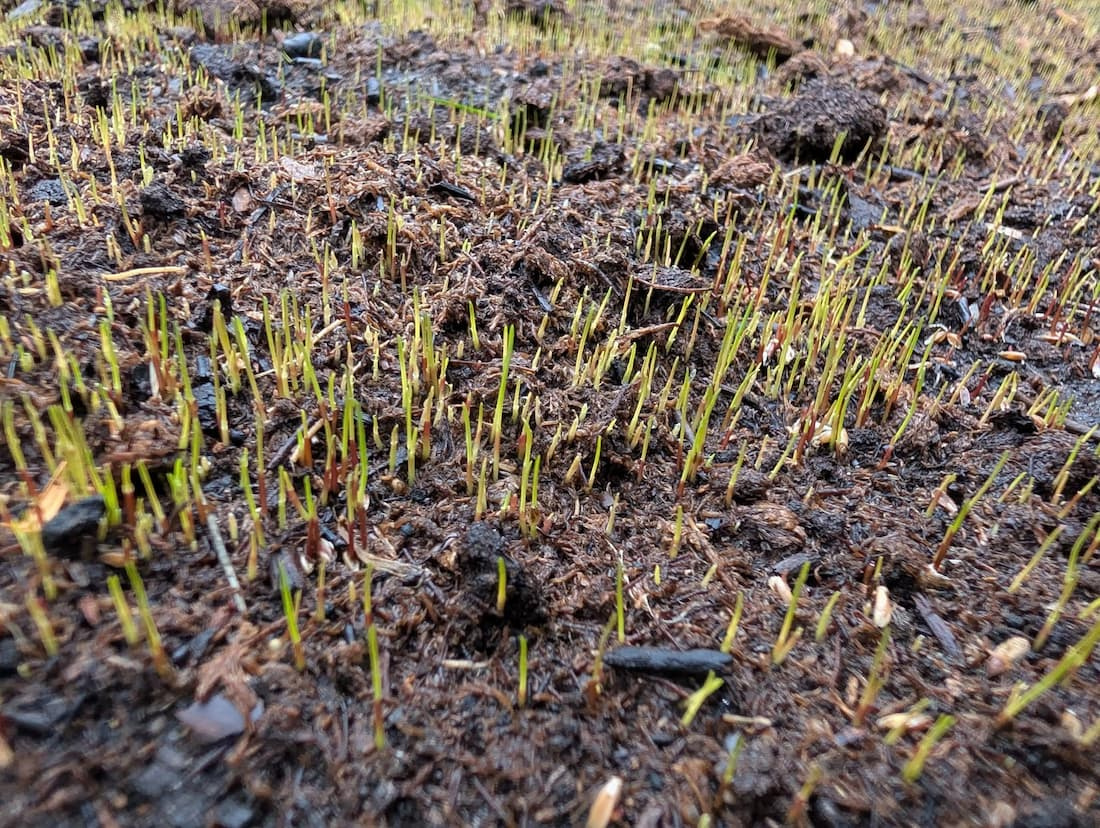
How to Establish a New Lawn From Bare Soil to First Mow
Bare soil doesn't turn into a lawn just because you scattered seed or rolled out sod — it becomes one based on a handful of specific steps done in the right order, matched to your specific grass. This guide walks through soil prep, seeding or planting method, starter fertilizer, watering as the grass grows, and knowing when it's actually safe to mow, for both cool-season and warm-season lawns.
Read Article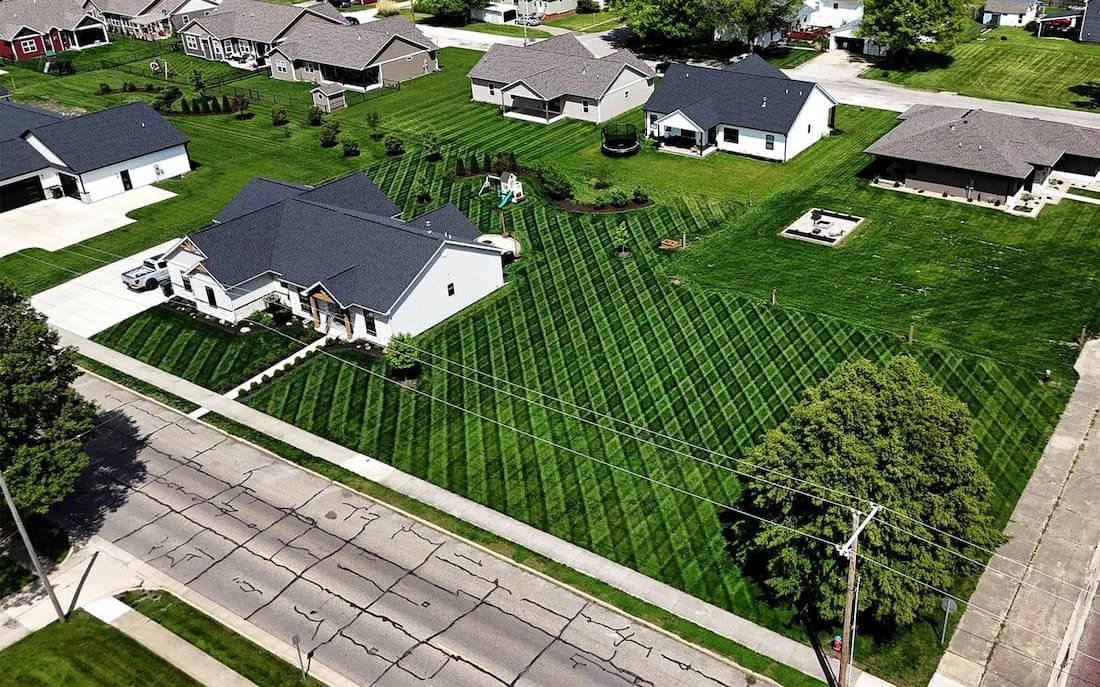
Cool Season vs Warm Season Lawn and Landscape Guide
Your lawn and your flower beds don't follow the same calendar — one runs on a cool-season engine, the other on a warm-season one, and using the wrong playbook on either can do real damage. This guide helps you figure out which system you actually have and how to care for it correctly, plus how the same cool/warm split applies to your ornamental beds.
Read Article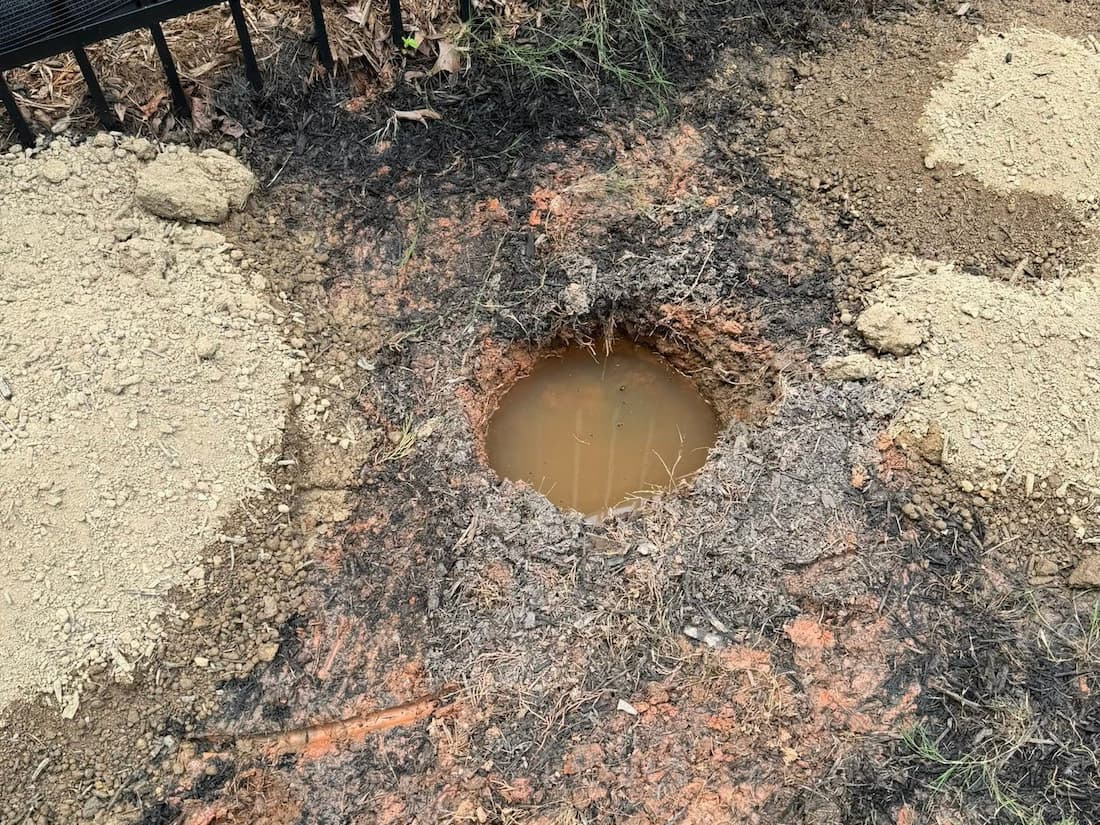
The Hole You Dug Is Killing Your New Plants
A shrub that looked fine all summer and stalled the next year usually didn't fail because of the plant, the weather, or the nursery. It failed because the hole it went into was a container — smooth-walled, water-holding, and impossible to root out of.
Read Article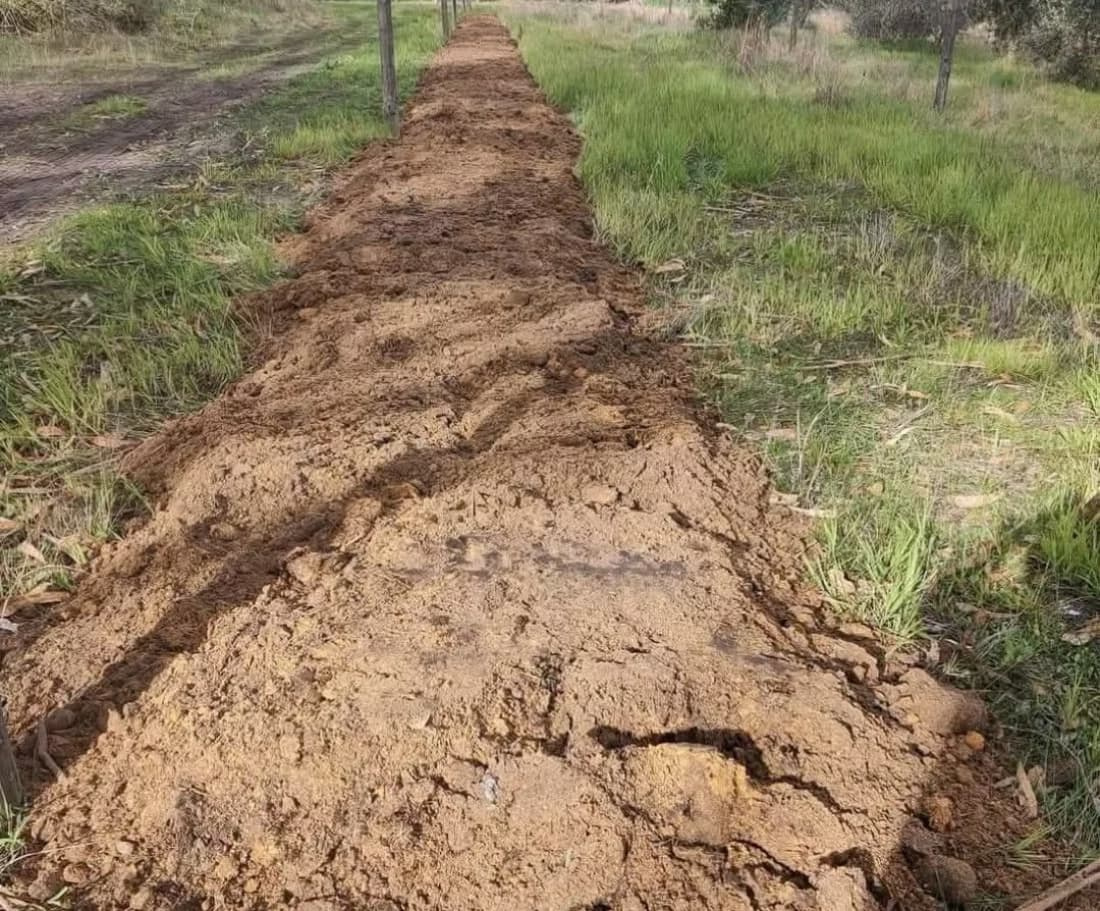
What You Can Actually Change About Bad Soil
Heavy clay and loose sand feel like permanent sentences, and half of that is true. What your soil is made of will not change. How those particles are arranged will — and that is the half that decides whether anything grows.
Read Article
Why Your Plants Survive Winter and Die in July
Your hardiness zone is built from one number — the coldest night of an average year. It says nothing about the hottest afternoon, which is what actually kills most plants people lose. Here's how to read the other half of the map.
Read Article
Why Poa Annua Keeps Coming Back — and the 3-Year Plan That Finally Ends the Cycle
You've pulled it. You've sprayed it. You've watched the little white seedheads mock you every single spring. And every fall, like clockwork, it's back — in the lawn, in the beds, in the cracks you didn't know you had. Here's the hard truth nobody at the big-box store will tell you: you're not losing because you're doing it wrong — you're losing because you're fighting the wrong enemy on the wrong timeline. Poa annua isn't a one-season problem, and once you understand why, the three-year plan below stops feeling like a chore and starts feeling like a countdown.
Read Article
How to Apply Herbicides Correctly in Your Lawn and Garden Beds
Getting real results from a weed product has almost nothing to do with the brand on the bottle and everything to do with matching the method to the moment — the right chemistry, in the right place, at the right time. Learn how to apply herbicides correctly across both your lawn and your garden beds, whether you’re stopping weeds before they sprout or killing the ones already growing, without wasting product or harming the plants you want to keep.
Read Article
How to Kill Weeds Where Two Lawns Meet Without Harming Your Neighbor’s Grass
Controlling weeds along a shared property line is where good intentions quietly backfire—the season that's safe for your own lawn is often the season the lawn next door is most easily harmed. Learn the seasonal timing collision behind most fence-line damage, and the two habits that prevent it—reading what's actually in the bottle and spraying directed instead of broadcast—so you can clear the weeds without hurting your grass, your neighbor's, or the peace between you.
Read Article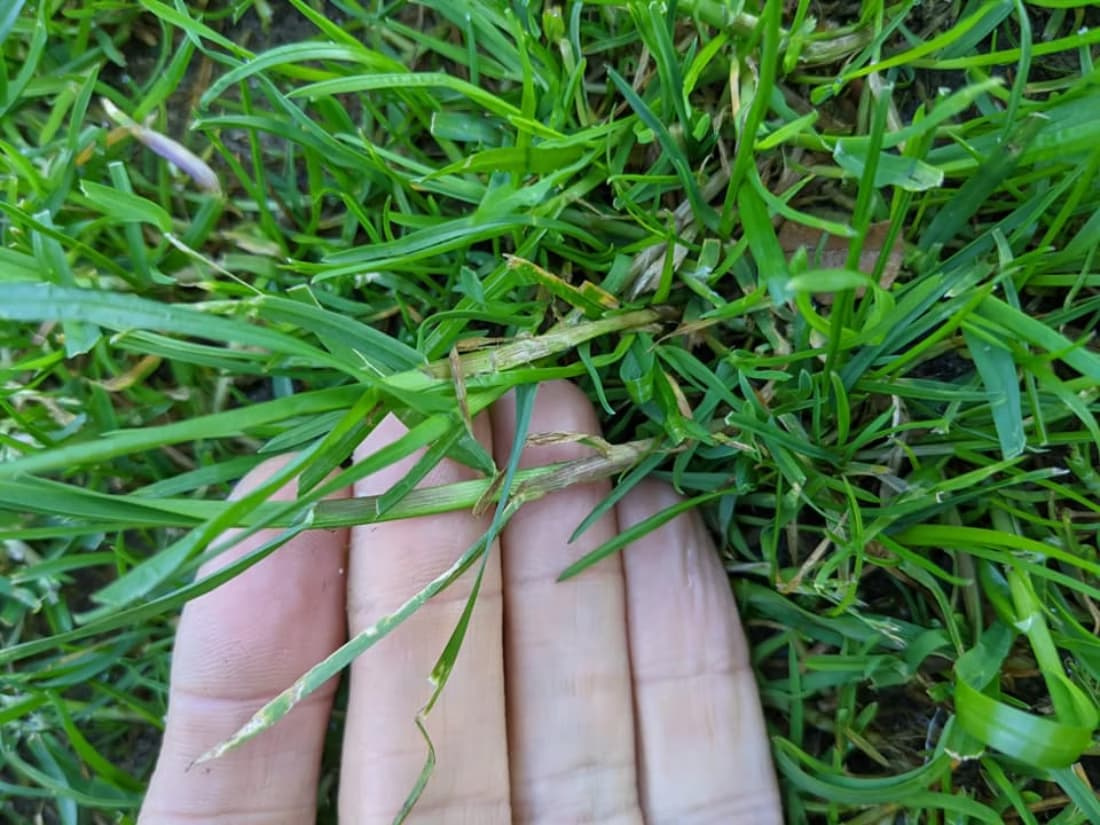
The Truth About One-and-Done Weed Control
Most homeowners lose the fight against weeds not because they work too little, but because they act before they understand. One-and-done weed control is real — but it only works when identification, timing, and the right tool all line up. This guide explains how that sequence works across your lawn and your ornamental beds, and how each weed page in the MFY hub puts it into practice for your specific invader.
Read Article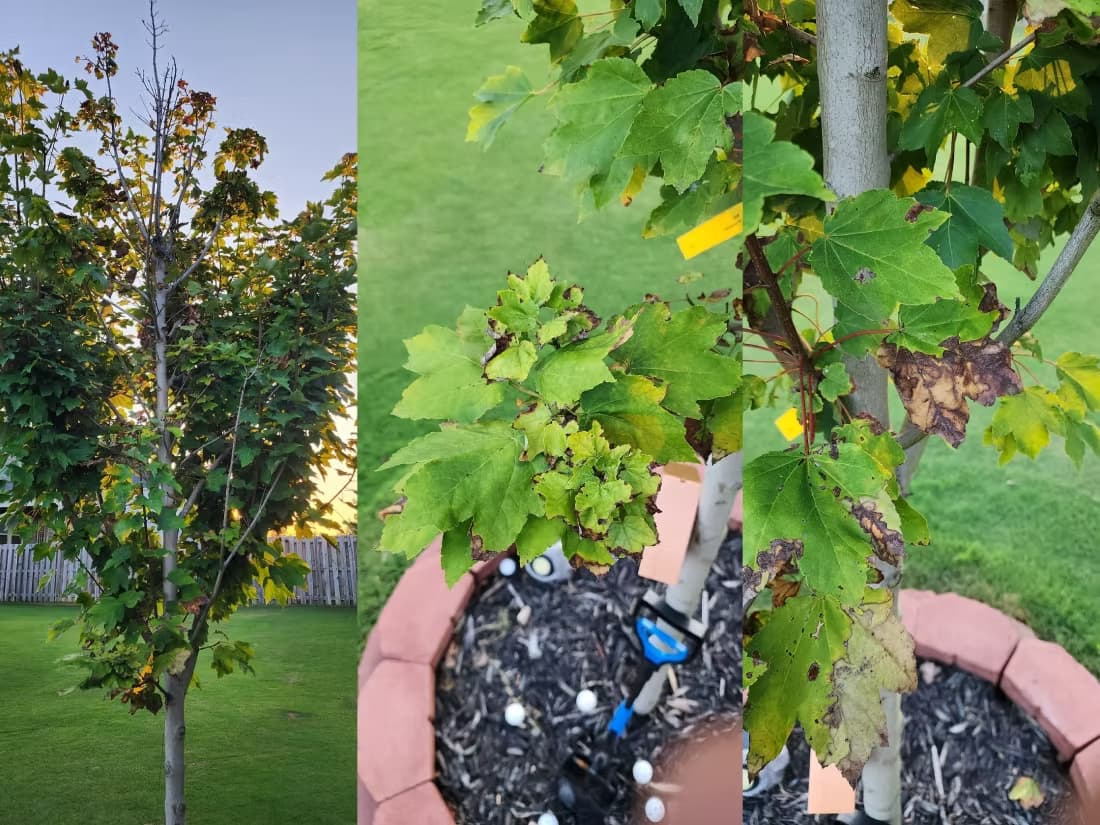
Solving the Mystery of the False Evidence in Your Lawn and Landscape
A brown leaf or a yellowing lawn is rarely what it seems. When symptoms act as decoys, a calm, forensic approach brings clarity to the confusion. Learn how to look past the surface to find the quiet truth of what your plants are truly asking for.
Read Article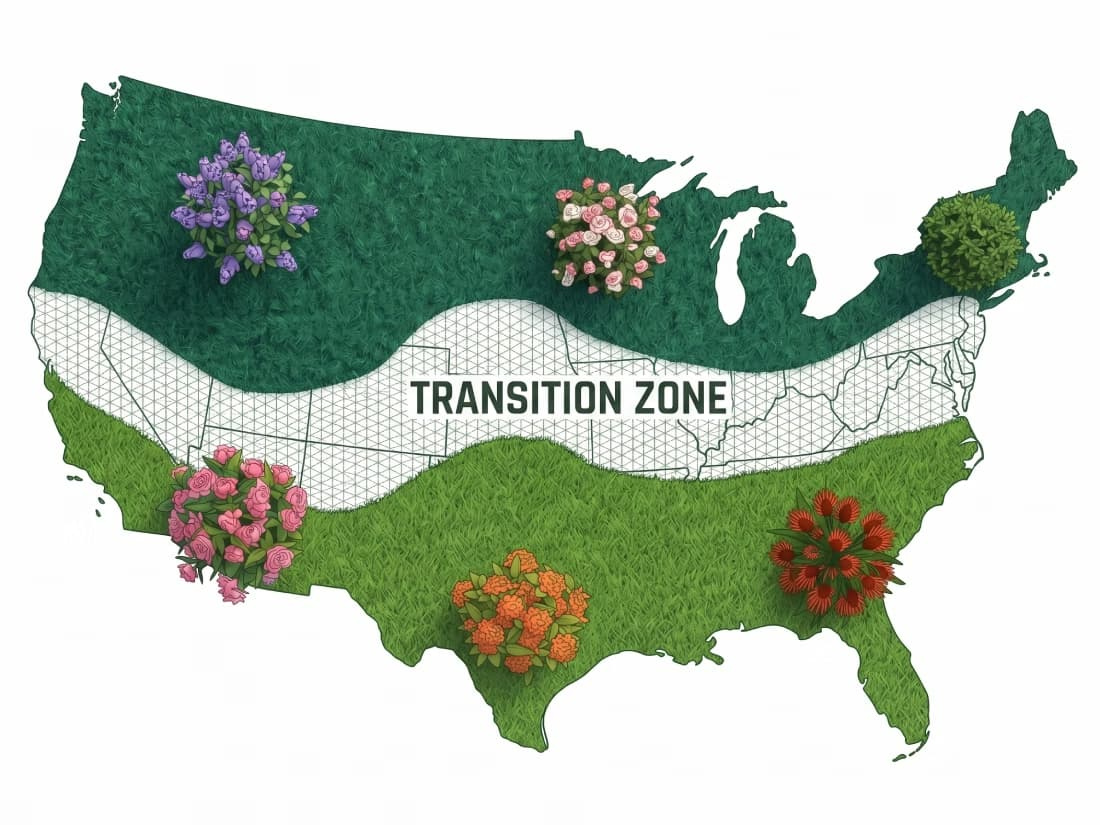
Living in the Middle: The Deep-Dive Guide to Transition Zone Lawns and Landscapes
The Transition Zone is a biological tug-of-war where neither northern nor southern species perfectly adapt. By using resilient "bridge" species and mastering maintenance levers like the Mowing Pivot, you can transform a struggling yard into a healthy landscape.
Read Article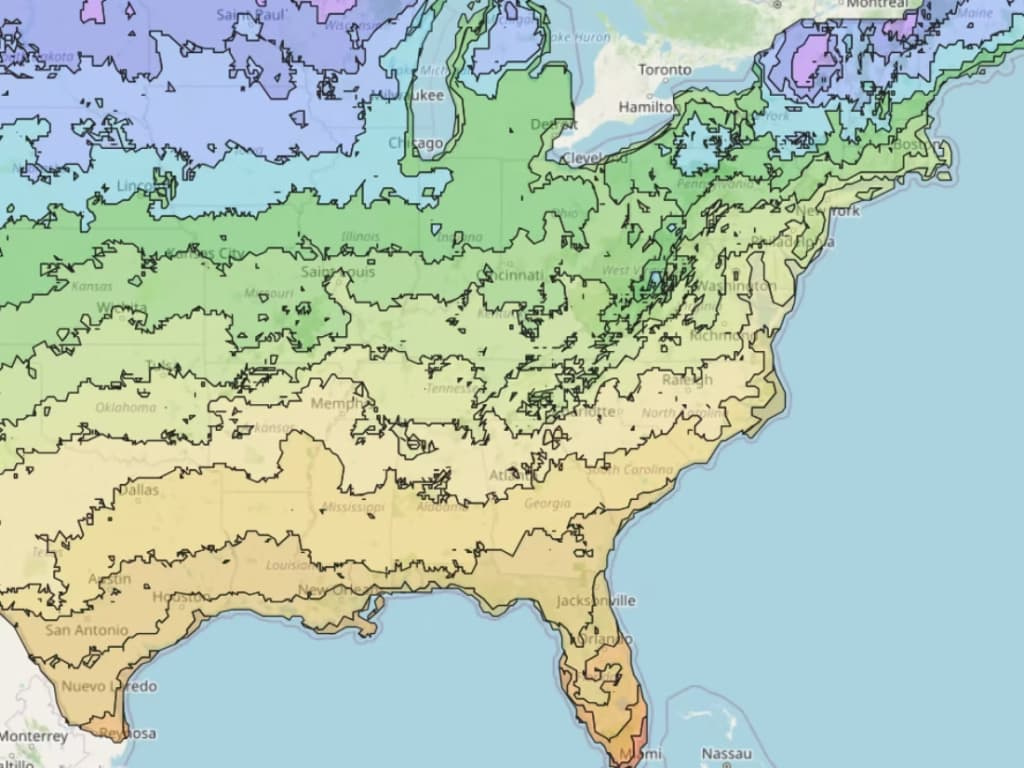
What Your Hardiness Zone Really Means for Your Lawn and Plants
Uncover the foundation of a resilient landscape by mastering the science of hardiness zones. Learn how these climate boundaries are calculated and why understanding your local temperature limits is the first step toward choosing plants that thrive year after year.
Read Article