
Salt-Tolerant Blue Grama
The two blue gramas that still sprout in salty ground — for a road-salt strip or mildly saline irrigation, not a coastline.
Is Salt-Tolerant Blue Grama Right For Your Yard?
Best For:
Tradeoff:
What Makes It Different
Two cultivars sprout where other blue grama will not, and sprouting is where salt does most of its damage. Salt in the soil holds water back from a seed, so the seed cannot draw the moisture it needs to swell and germinate — it simply sits there. Get past that stage and the plant has a chance.
In a screen of eight blue grama and buffalograss cultivars across four salinity treatments, ‘Lovington’ and ‘Bad River’ returned the best germination rates in the trial, 80 to 95%, and both outperformed ‘Hachita’ under salt stress (Zhang et al., 2012). The same work found blue grama as a group germinates better under salt than buffalograss does — useful to know, since the two are usually sold together in the same bag.
Now the honest half. Blue grama flips as it matures: it is more salt-tolerant at germination than in vegetative growth, and once established it loses more growth to saline water than buffalograss does. USDA-NRCS rates the species only “fair” for salinity overall. And there is a hard ceiling — in the same trial, germination fell below 40% as salinity rose from roughly 0.7 to 1.3 ounces of salt per gallon, and under 5% above that. This page gets a lawn started on moderately salty ground. It does not make blue grama a salt grass.
Who It’s For
The classic yard is the strip between the sidewalk and the street that takes a winter of plowed de-icing salt and thins out every year. Also: a low corner where irrigation water evaporates and leaves its salts behind, or a yard watered from a mildly saline well in eastern New Mexico, southeastern Colorado, western Kansas or the Dakotas.
Because these are the same strips you end up reseeding every few springs, the germination advantage is worth more here than a mature-stand rating would be. That is the practical case for this page.
Which of the two you buy is decided by latitude, not by salt — they tested the same. ‘Lovington’ south, ‘Bad River’ north.
The Cultivars
| Cultivar | How it’s sold | What it’s good at | Notes |
| ‘Lovington’ | Seed — 4 oz and 1 lb units from selected native-seed specialists; about $33 per PLS lb when stocked, often custom-quoted | Salty ground in the Southwest and southern plains | 1963 New Mexico experiment station and Los Lunas PMC release, from a 1944 field harvest near Lovington, New Mexico. NRCS credits it with uniform size, leafiness, excellent seedling vigour and fast establishment. It wants 12 or more inches of annual precipitation, so it is less drought-hardy than ‘Hachita’ — on a site that is both salty and very dry, that is a real squeeze. The hardest of the four to buy: a forage and reclamation release, stocked seasonally, frequently quoted rather than listed. |
| ‘Bad River’ | Seed — 4 oz pouches, 1 lb bags, bulk; about $32–$36 per PLS lb | Salty ground in the north | Same 80 to 95% germination result under salt. A 1996 NRCS selected release from South Dakota, intended for the northern Great Plains and USDA Zone 3, and easier to find than ‘Lovington’. Its cold story is on Cold-Hardy Blue Grama. |
What Changes In Care
Feeding changes most. The type page already names over-fertilizing as the number one way people kill blue grama; on salty ground it does a second kind of damage, because fertilizer is itself salt. In one emergence study, blue grama seedlings in a salt solution came up worse as fertilizer levels rose (Neid and Biesboer, 2004). So during establishment on a salty site, feed at the very bottom of the type page’s early range or skip it entirely, and let the stand thicken slowly.
Watering technique matters more than watering amount. Keep the type page’s deep and infrequent schedule — 1 to 2 inches every 4 to 5 weeks — and resist the urge to switch to frequent light sprinkling. Water that soaks deep carries salt down past the roots with it; water that only wets the top inch evaporates and leaves its salt right where the roots are. This is standard practice for any saline soil rather than anything specific to blue grama, but it is the one habit that undoes the cultivar advantage you paid for.
Mowing, dormancy and everything else are unchanged from the type page.
Before You Buy
- Test the soil before you spend anything.You want an ECe figure from a soil lab. Blue grama grows in roughly the 3 to 6 dS/m range; above that you need a genuinely salt-tolerant species, not a better blue grama cultivar.
- Do not buy ‘Hachita’ for a salty yard. It is the best drought cultivar and the worst salt one — its germination was shut down at salt levels where these two were still coming up.
- A buffalograss blend hedges the weakness. Blue grama germinates better under salt; buffalograss handles salt better once mature. The standard 20% blue grama and 80% buffalograss native mix covers both stages, and it is the most commonly sold formulation anyway.
- Expect to chase ‘Lovington’. It is a 1963 forage and reclamation cultivar, not a lawn product. Several native-seed specialists carry it, but availability is seasonal and pricing is often quoted on request rather than listed. Order well ahead of your planting window, or plan on ‘Bad River’.
- Buy by Pure Live Seed, and there is no sod. Both points work exactly as set out on Southern Plains Blue Grama — blue grama cannot be harvested as sod, and bulk seed weight overstates what you are getting.
- Do not buy ‘Blonde Ambition’ for a lawn. It is a 3 to 5 foot ornamental sold in pots and cannot be mowed. See Southern Plains Blue Grama.
Deep Dives & Practical Guides
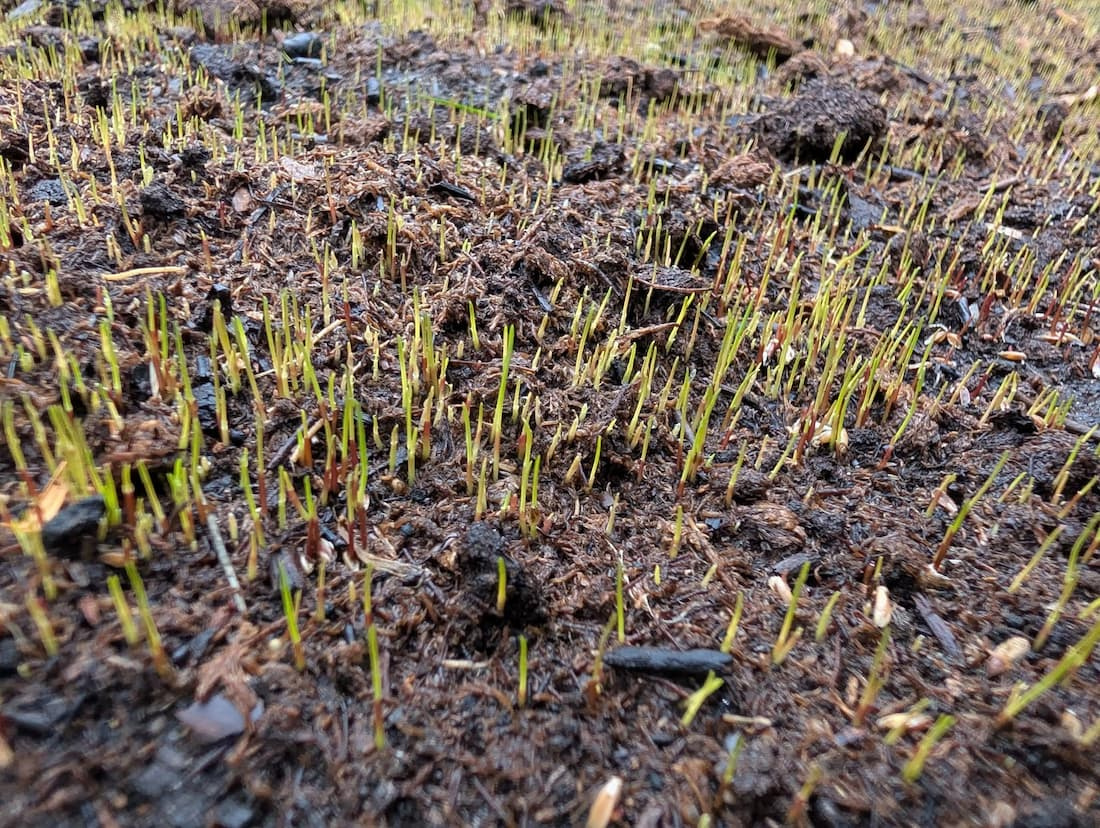
How to Establish a New Lawn From Bare Soil to First Mow
Bare soil doesn't turn into a lawn just because you scattered seed or rolled out sod — it becomes one based on a handful of specific steps done in the right order, matched to your specific grass. This guide walks through soil prep, seeding or planting method, starter fertilizer, watering as the grass grows, and knowing when it's actually safe to mow, for both cool-season and warm-season lawns.
Read Article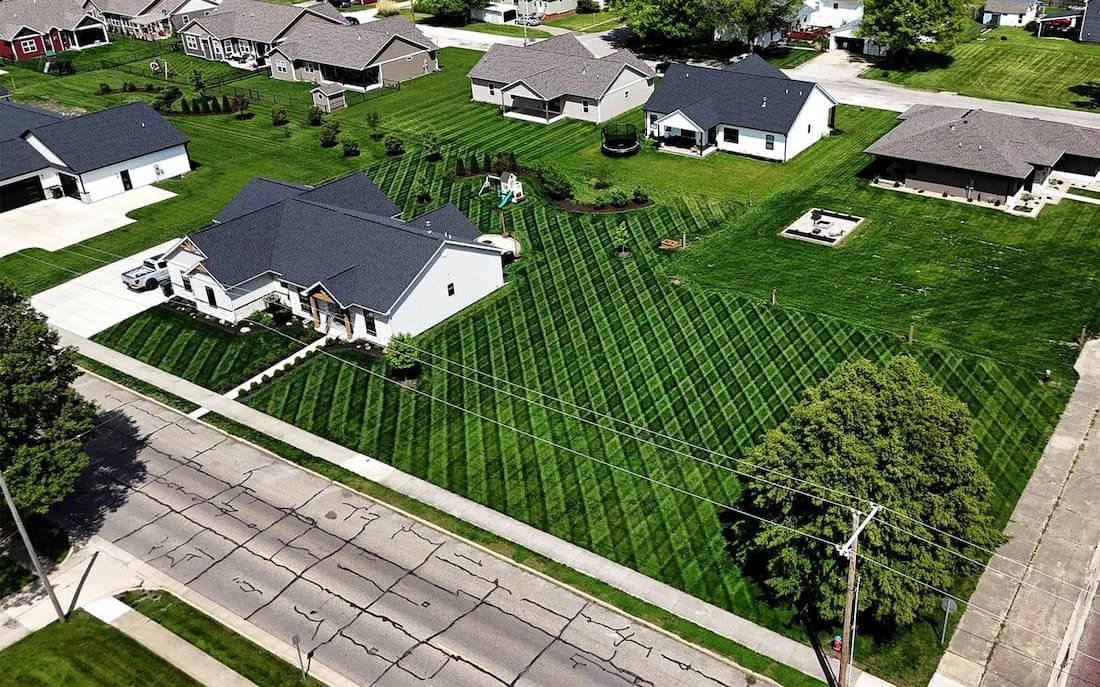
Cool Season vs Warm Season Lawn and Landscape Guide
Your lawn and your flower beds don't follow the same calendar — one runs on a cool-season engine, the other on a warm-season one, and using the wrong playbook on either can do real damage. This guide helps you figure out which system you actually have and how to care for it correctly, plus how the same cool/warm split applies to your ornamental beds.
Read Article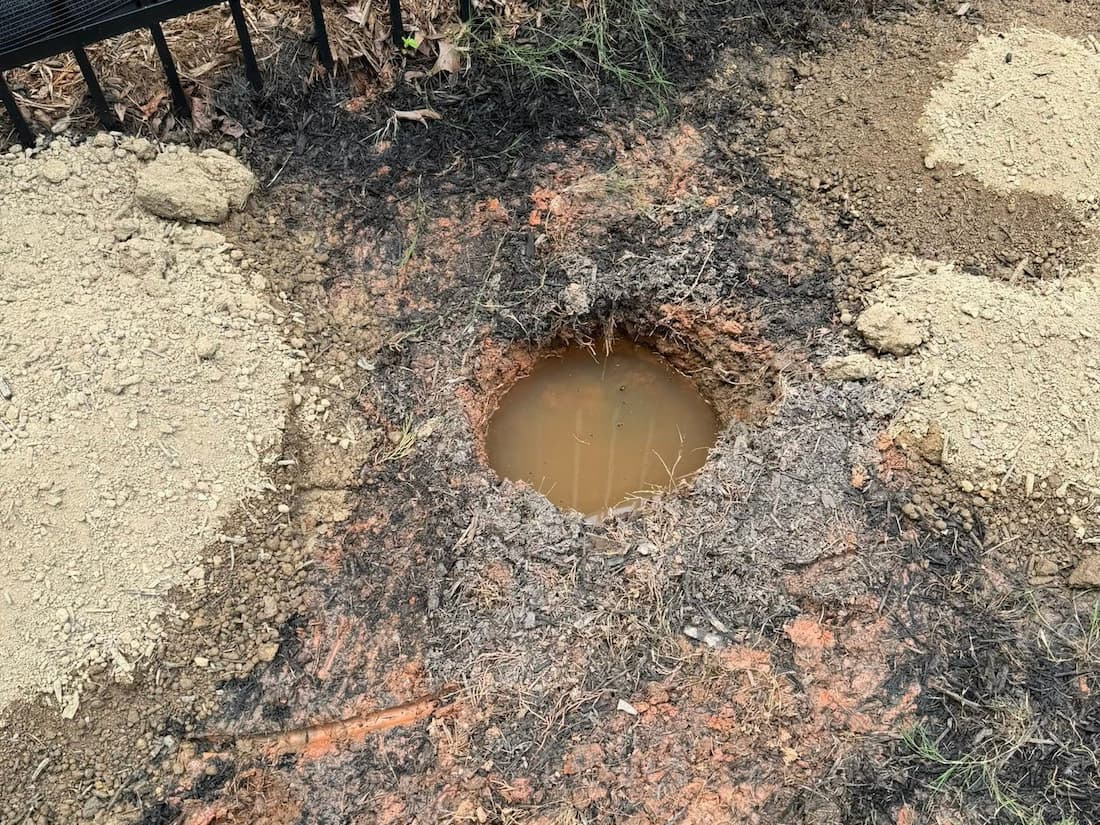
The Hole You Dug Is Killing Your New Plants
A shrub that looked fine all summer and stalled the next year usually didn't fail because of the plant, the weather, or the nursery. It failed because the hole it went into was a container — smooth-walled, water-holding, and impossible to root out of.
Read Article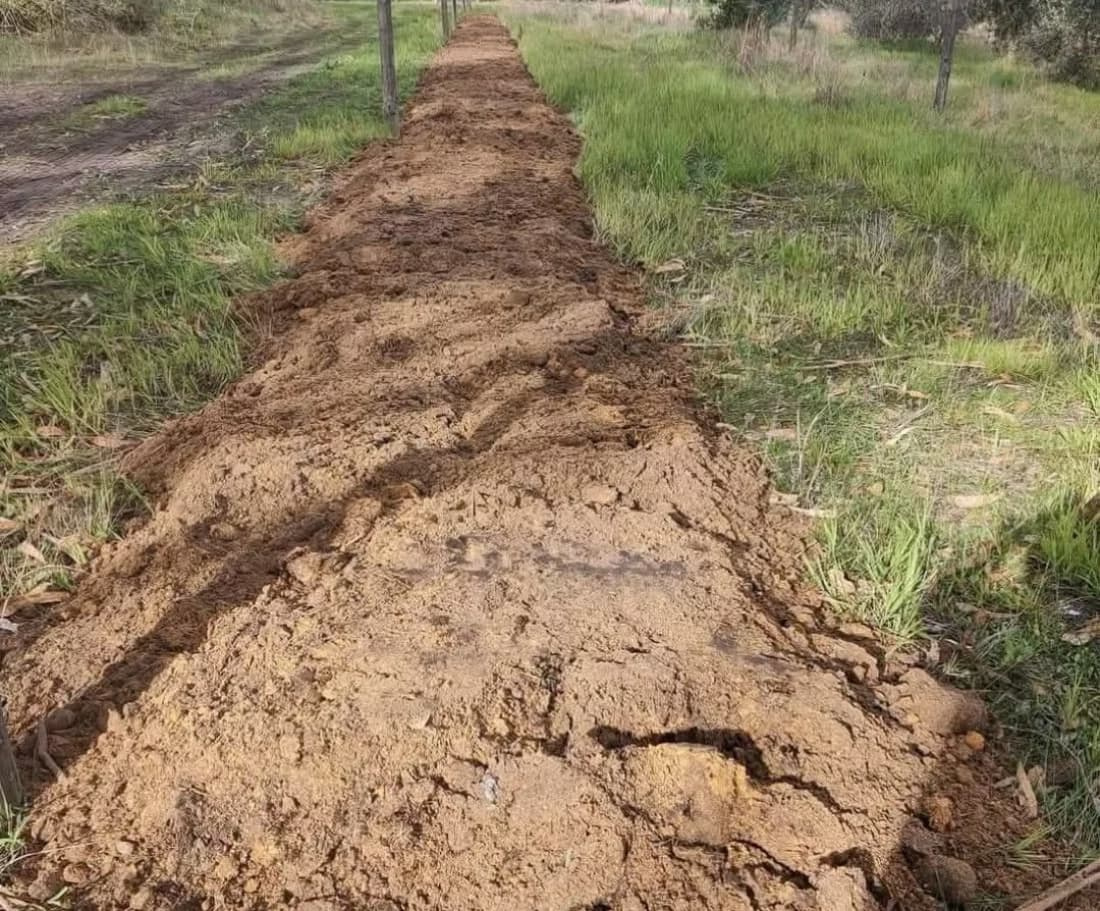
What You Can Actually Change About Bad Soil
Heavy clay and loose sand feel like permanent sentences, and half of that is true. What your soil is made of will not change. How those particles are arranged will — and that is the half that decides whether anything grows.
Read Article
Why Your Plants Survive Winter and Die in July
Your hardiness zone is built from one number — the coldest night of an average year. It says nothing about the hottest afternoon, which is what actually kills most plants people lose. Here's how to read the other half of the map.
Read Article
Why Poa Annua Keeps Coming Back — and the 3-Year Plan That Finally Ends the Cycle
You've pulled it. You've sprayed it. You've watched the little white seedheads mock you every single spring. And every fall, like clockwork, it's back — in the lawn, in the beds, in the cracks you didn't know you had. Here's the hard truth nobody at the big-box store will tell you: you're not losing because you're doing it wrong — you're losing because you're fighting the wrong enemy on the wrong timeline. Poa annua isn't a one-season problem, and once you understand why, the three-year plan below stops feeling like a chore and starts feeling like a countdown.
Read Article
How to Apply Herbicides Correctly in Your Lawn and Garden Beds
Getting real results from a weed product has almost nothing to do with the brand on the bottle and everything to do with matching the method to the moment — the right chemistry, in the right place, at the right time. Learn how to apply herbicides correctly across both your lawn and your garden beds, whether you’re stopping weeds before they sprout or killing the ones already growing, without wasting product or harming the plants you want to keep.
Read Article
How to Kill Weeds Where Two Lawns Meet Without Harming Your Neighbor’s Grass
Controlling weeds along a shared property line is where good intentions quietly backfire—the season that's safe for your own lawn is often the season the lawn next door is most easily harmed. Learn the seasonal timing collision behind most fence-line damage, and the two habits that prevent it—reading what's actually in the bottle and spraying directed instead of broadcast—so you can clear the weeds without hurting your grass, your neighbor's, or the peace between you.
Read Article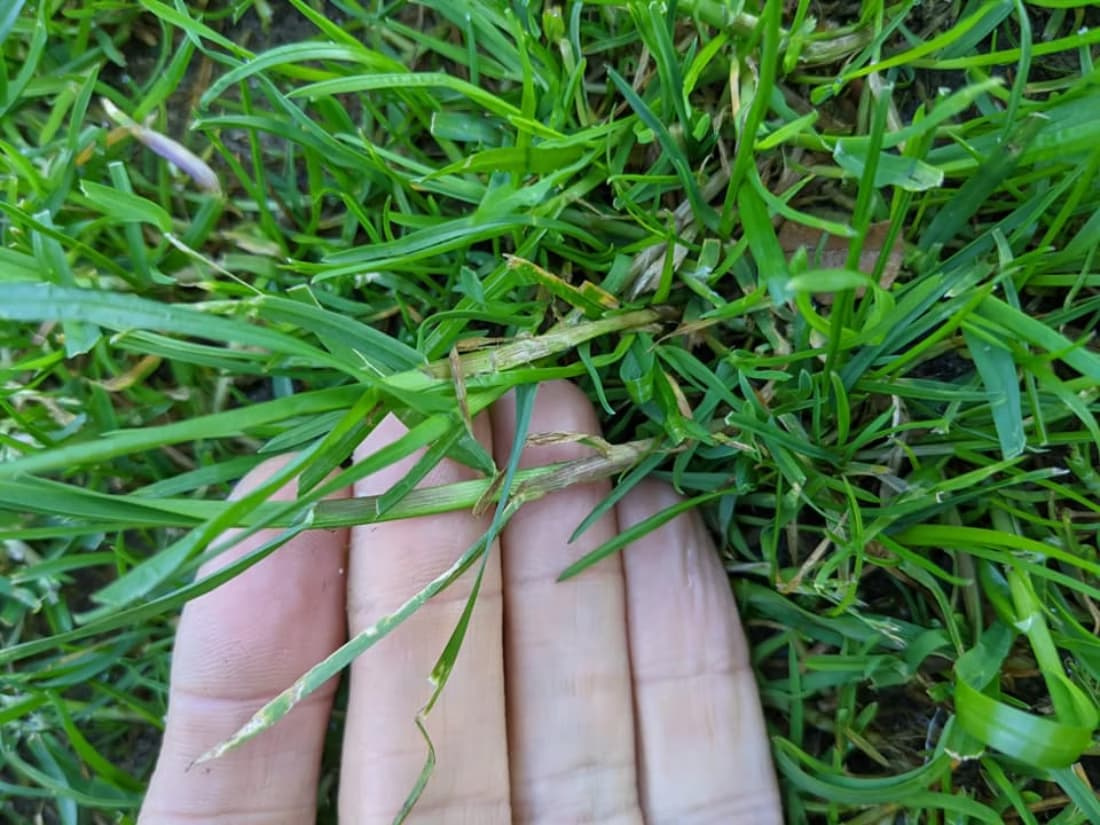
The Truth About One-and-Done Weed Control
Most homeowners lose the fight against weeds not because they work too little, but because they act before they understand. One-and-done weed control is real — but it only works when identification, timing, and the right tool all line up. This guide explains how that sequence works across your lawn and your ornamental beds, and how each weed page in the MFY hub puts it into practice for your specific invader.
Read Article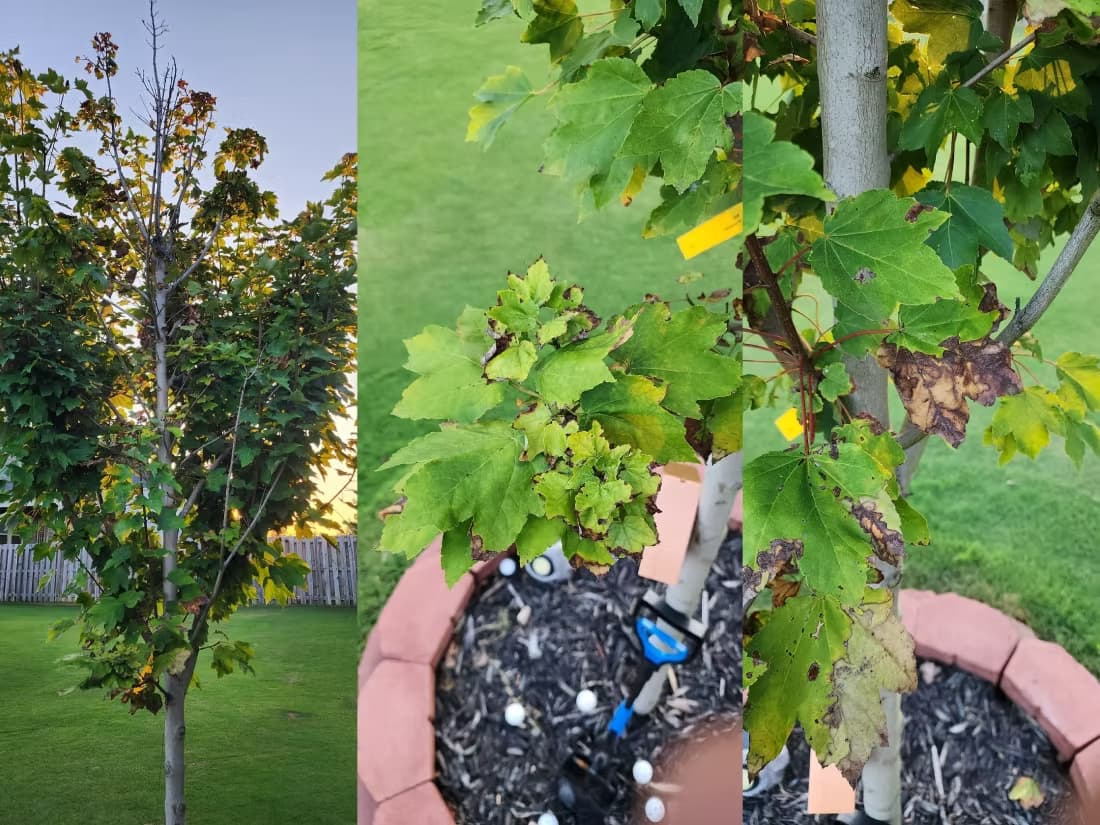
Solving the Mystery of the False Evidence in Your Lawn and Landscape
A brown leaf or a yellowing lawn is rarely what it seems. When symptoms act as decoys, a calm, forensic approach brings clarity to the confusion. Learn how to look past the surface to find the quiet truth of what your plants are truly asking for.
Read Article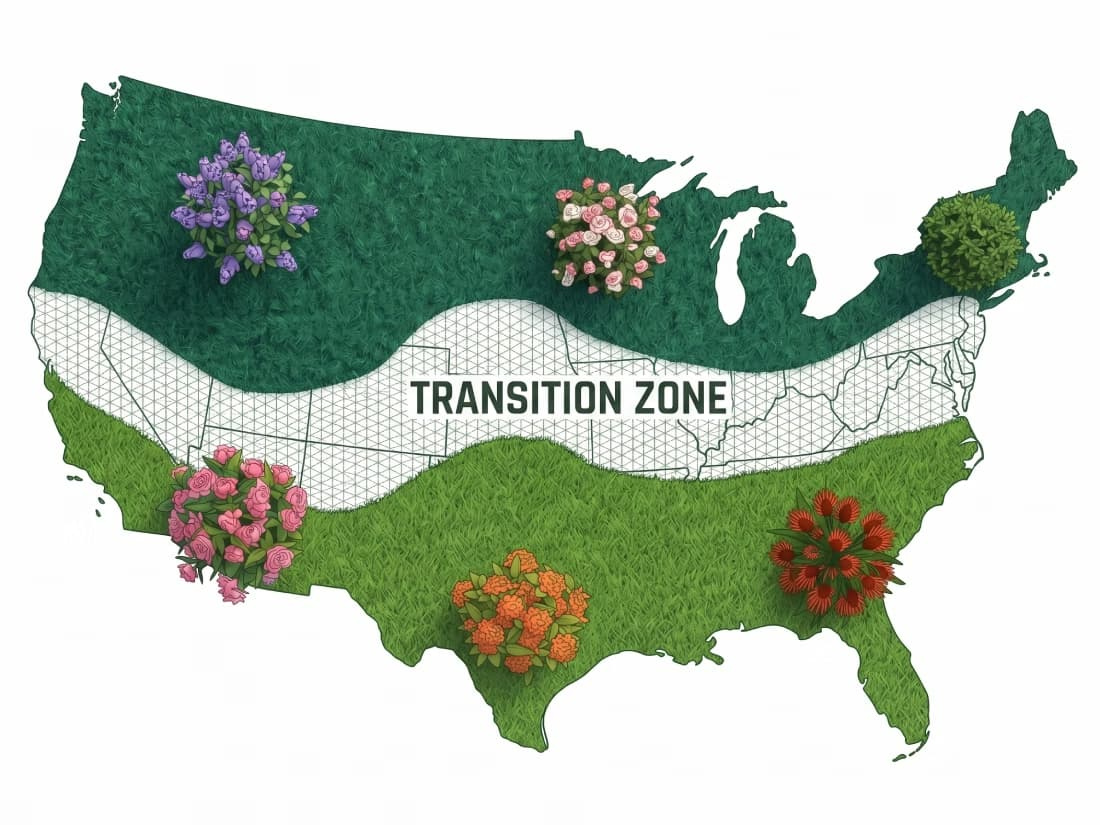
Living in the Middle: The Deep-Dive Guide to Transition Zone Lawns and Landscapes
The Transition Zone is a biological tug-of-war where neither northern nor southern species perfectly adapt. By using resilient "bridge" species and mastering maintenance levers like the Mowing Pivot, you can transform a struggling yard into a healthy landscape.
Read Article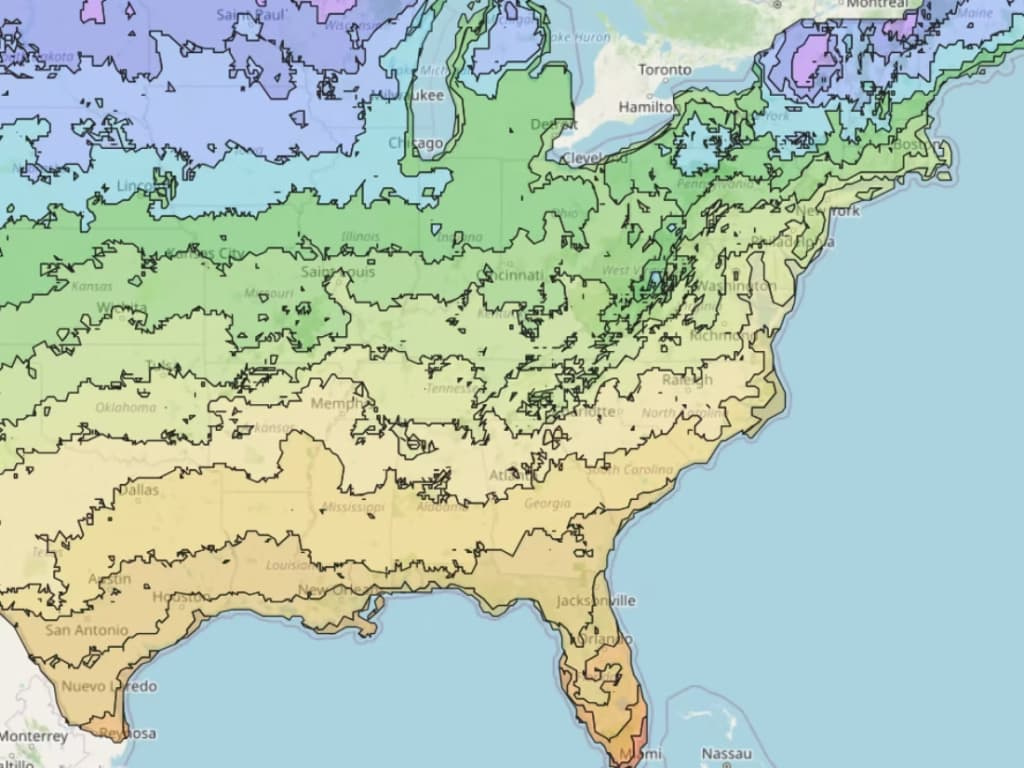
What Your Hardiness Zone Really Means for Your Lawn and Plants
Uncover the foundation of a resilient landscape by mastering the science of hardiness zones. Learn how these climate boundaries are calculated and why understanding your local temperature limits is the first step toward choosing plants that thrive year after year.
Read Article