
Tropical Carpetgrass for Deep Shade
Carpetgrass that holds a stand in deep shade the way St. Augustine does, and the only way to get it is to dig it up yourself.
Is Tropical Carpetgrass for Deep Shade Right For Your Yard?
Best For:
Tradeoff:
What Makes It Different
Two things, pulling in opposite directions.
Shade is the reason this page exists. This is the only carpetgrass that holds a stand under a heavy canopy — extension work puts it close to St. Augustinegrass, the benchmark warm-season shade grass. Common carpetgrass wants roughly half a day of direct sun and etiolates without it: the plant stretches upward, stops running sideways, and the stand thins from the inside out. Tropical carpetgrass does much less of that.
Frost is the price. This is the least cold-hardy grass on the whole roster. Zone 9b is a floor, not a stretch — South Florida, Hawaii, Puerto Rico and the tip of the Gulf. A freeze that common carpetgrass shrugs off will kill this one outright.
It is coarser as well: blades of 8 to 12+ mm against common’s 4 to 8. In a shaded, wet, low-traffic corner where the honest alternative is bare dirt, that is a fair trade. Across a front lawn it looks like what it is.
Who It’s For
- A South Florida lot with mature oak, ficus or palm canopy over damp, sour ground, where the shaded third of the yard has never held grass.
- A Puerto Rico or Gulf-tip property with the same problem.
- Anyone who has already seeded common carpetgrass into deep shade and watched it stretch, thin and fail.
- Anyone with naturalized patches within reach — roadside ditches, canal banks, damp pasture edges — and the patience to plug.
Why There Is Nothing To Buy
Common carpetgrass has no cultivars but does have a product. This one has neither, and the reason is biological: A. compressus does not reliably set viable seed under commercial cultivation. No seed means no cheap way to multiply and ship it, so no seed company carries it. And no sod farm, nursery or plug grower in South Florida, Hawaii or Puerto Rico produces a pure stand of it either.
That leaves two real routes:
| Route | What you get | What it costs | The catch |
| Hand-harvest wild plugs and stolons | Pure A. compressus, if you verify it correctly | Your labor | You have to identify it in the field yourself, and get the landowner’s permission |
| Wild-harvested mixed carpetgrass sod, Louisiana Sod Farms | Mostly common carpetgrass with tropical stolons running through it | $230–320 per pallet (~450 sq ft), 5–10 business days | Not a pure stand and not sold as one — the two species co-occur in the pastures it is cut from |
Verify it before you plant it. The definitive check is the stolon node — the joint where a runner roots into the soil. On common carpetgrass those nodes are smooth and hairless. On tropical carpetgrass they are visibly bearded with fine hairs. Blade width backs it up: 8 to 12+ mm against 4 to 8. If the nodes are bare, you have the common species and you are on the wrong page.
To plant it, cut plugs or pull long stolons and set them into prepared, continuously damp soil in the heat of summer. They root at the nodes. Plugs set a foot apart take one to two years to close in, with hand-weeding the whole way.
What Changes In Care
Mowing, feeding and disease management follow the type page. Three things are different:
- Establishment is slow. One to two years from plugs against about ten weeks from seed, and you weed by hand through all of it.
- Frost is a hard limit, not a setback. There is no recovering from a hard freeze here, so do not plant it at the edge of its range and hope.
- Shade makes the disease problem worse, not better. Large Patch runs on how long the leaves stay wet, and a shaded canopy dries slowly. Thin the canopy overhead where you can, water before dawn, and keep nitrogen off in spring and fall.
Before You Buy
- Buying seed means buying the wrong species. No compressus seed is sold in the United States. Every bag labeled carpetgrass is the common species. This is how most people fail with this grass — they read about the tropical species’ shade tolerance, buy the seed they can actually find, and put a half-sun grass under a dense canopy.
- Do not plant it in Hawaii. It is naturalized there as “Hilo grass” and treated as an aggressive environmental weed that invades lowland forest and pasture. University of Hawaii extension work on it is eradication, not culture. In Hawaii this is not a lawn option.
- Get permission before you harvest. Wild stands sit on land that belongs to someone. Do not collect from conservation land or protected natural areas.
- The same naming trap applies. “Carpet grass” gets used loosely across southern retail for St. Augustinegrass and hybrid bermuda. Ask by botanical name.
- Nobody certifies this for you. With no commercial source, identification is entirely your job. Check the stolon nodes.
- If you are clearing ground first, read the active-ingredient panel on any non-selective product — a familiar “Roundup” label no longer reliably means the non-selective ingredient, and carpetgrass is easily injured by the wrong spray.
Deep Dives & Practical Guides
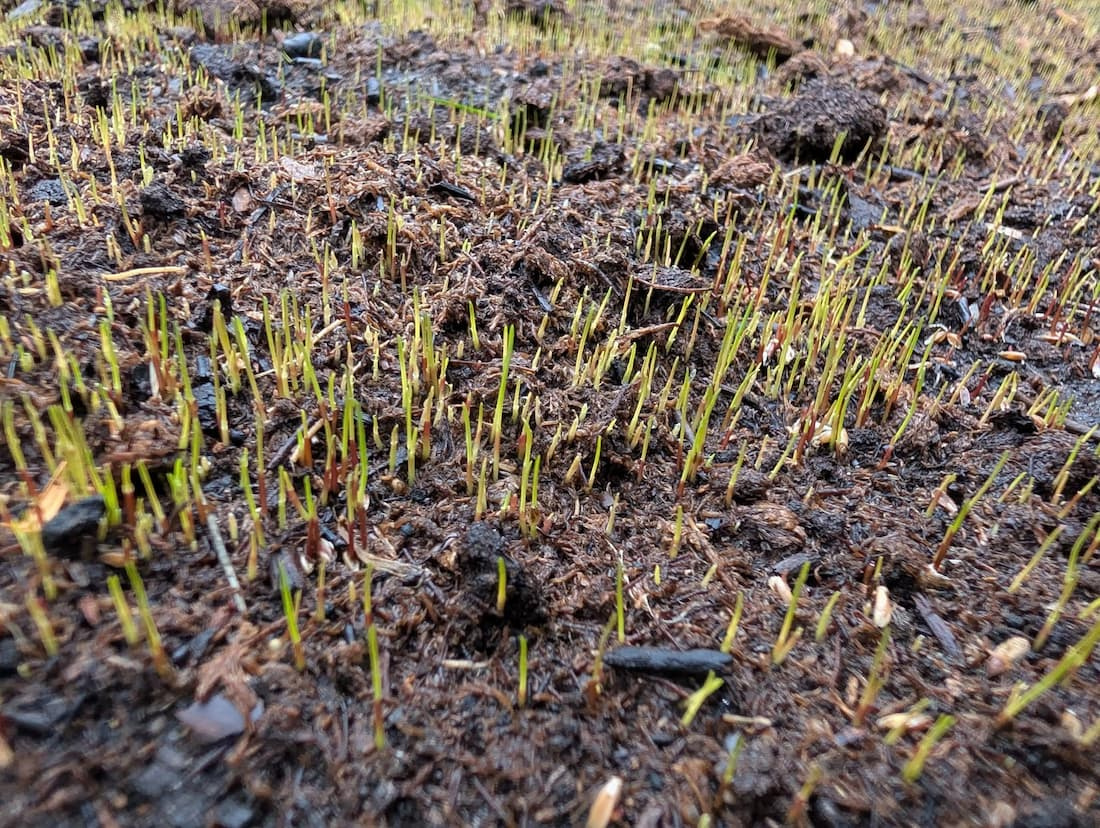
How to Establish a New Lawn From Bare Soil to First Mow
Bare soil doesn't turn into a lawn just because you scattered seed or rolled out sod — it becomes one based on a handful of specific steps done in the right order, matched to your specific grass. This guide walks through soil prep, seeding or planting method, starter fertilizer, watering as the grass grows, and knowing when it's actually safe to mow, for both cool-season and warm-season lawns.
Read Article
Cool Season vs Warm Season Lawn and Landscape Guide
Your lawn and your flower beds don't follow the same calendar — one runs on a cool-season engine, the other on a warm-season one, and using the wrong playbook on either can do real damage. This guide helps you figure out which system you actually have and how to care for it correctly, plus how the same cool/warm split applies to your ornamental beds.
Read Article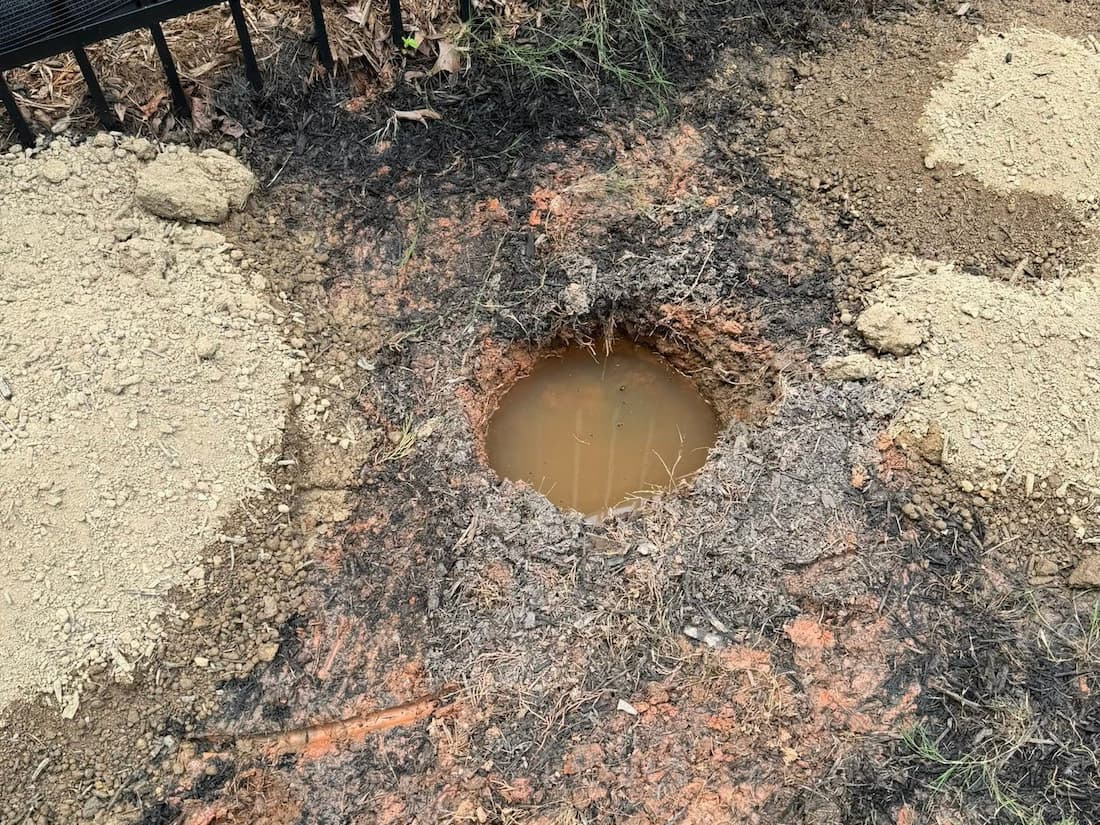
The Hole You Dug Is Killing Your New Plants
A shrub that looked fine all summer and stalled the next year usually didn't fail because of the plant, the weather, or the nursery. It failed because the hole it went into was a container — smooth-walled, water-holding, and impossible to root out of.
Read Article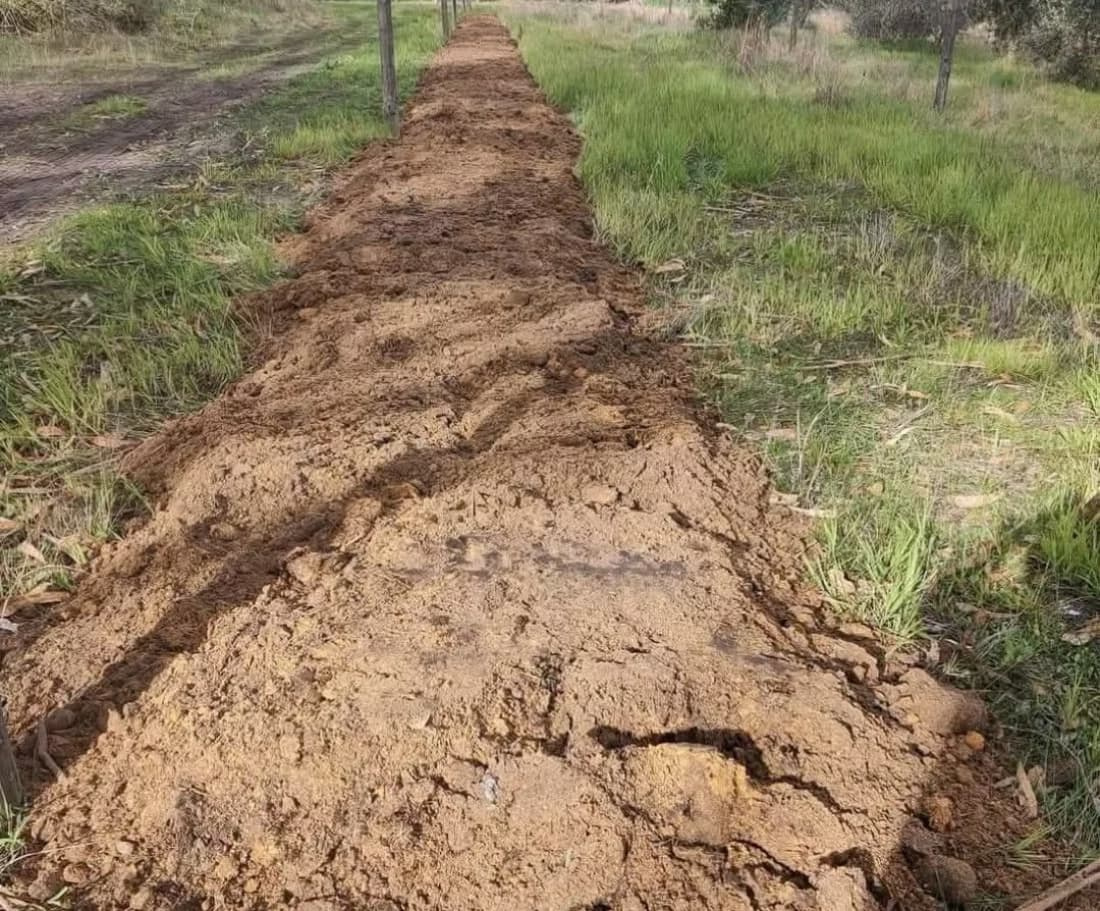
What You Can Actually Change About Bad Soil
Heavy clay and loose sand feel like permanent sentences, and half of that is true. What your soil is made of will not change. How those particles are arranged will — and that is the half that decides whether anything grows.
Read Article
Why Your Plants Survive Winter and Die in July
Your hardiness zone is built from one number — the coldest night of an average year. It says nothing about the hottest afternoon, which is what actually kills most plants people lose. Here's how to read the other half of the map.
Read Article
Why Poa Annua Keeps Coming Back — and the 3-Year Plan That Finally Ends the Cycle
You've pulled it. You've sprayed it. You've watched the little white seedheads mock you every single spring. And every fall, like clockwork, it's back — in the lawn, in the beds, in the cracks you didn't know you had. Here's the hard truth nobody at the big-box store will tell you: you're not losing because you're doing it wrong — you're losing because you're fighting the wrong enemy on the wrong timeline. Poa annua isn't a one-season problem, and once you understand why, the three-year plan below stops feeling like a chore and starts feeling like a countdown.
Read Article
How to Apply Herbicides Correctly in Your Lawn and Garden Beds
Getting real results from a weed product has almost nothing to do with the brand on the bottle and everything to do with matching the method to the moment — the right chemistry, in the right place, at the right time. Learn how to apply herbicides correctly across both your lawn and your garden beds, whether you’re stopping weeds before they sprout or killing the ones already growing, without wasting product or harming the plants you want to keep.
Read Article
How to Kill Weeds Where Two Lawns Meet Without Harming Your Neighbor’s Grass
Controlling weeds along a shared property line is where good intentions quietly backfire—the season that's safe for your own lawn is often the season the lawn next door is most easily harmed. Learn the seasonal timing collision behind most fence-line damage, and the two habits that prevent it—reading what's actually in the bottle and spraying directed instead of broadcast—so you can clear the weeds without hurting your grass, your neighbor's, or the peace between you.
Read Article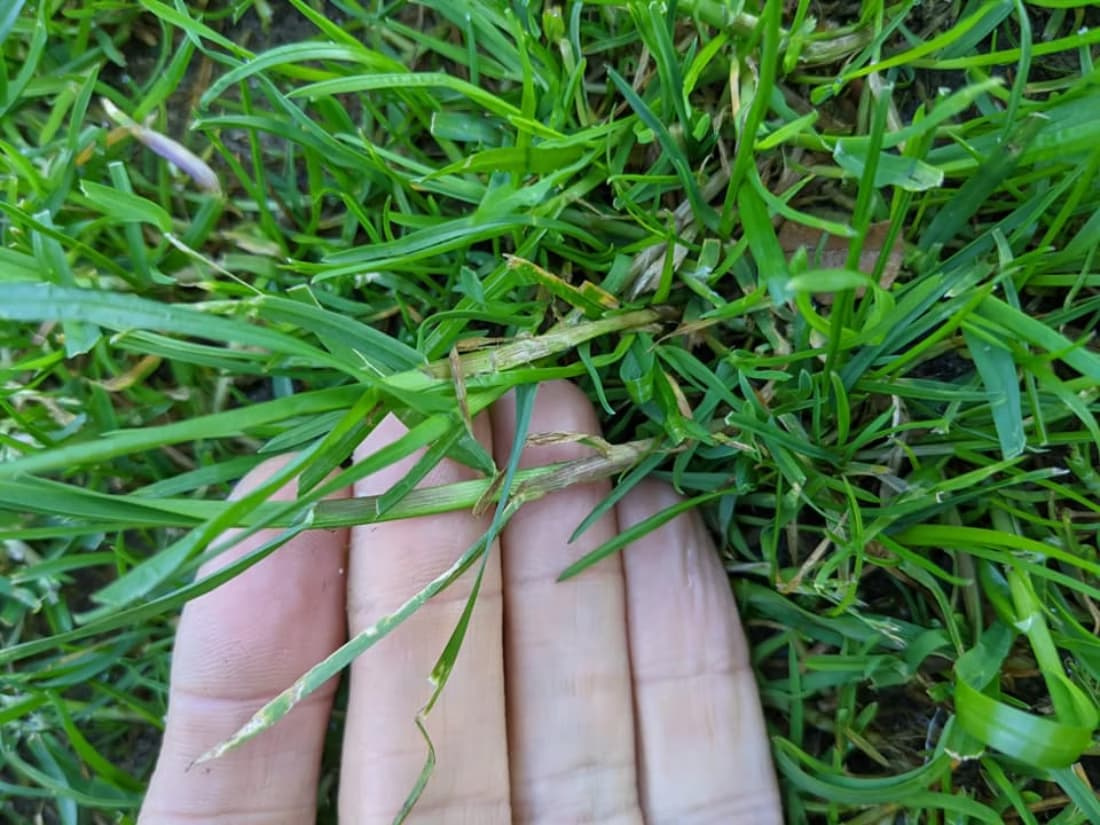
The Truth About One-and-Done Weed Control
Most homeowners lose the fight against weeds not because they work too little, but because they act before they understand. One-and-done weed control is real — but it only works when identification, timing, and the right tool all line up. This guide explains how that sequence works across your lawn and your ornamental beds, and how each weed page in the MFY hub puts it into practice for your specific invader.
Read Article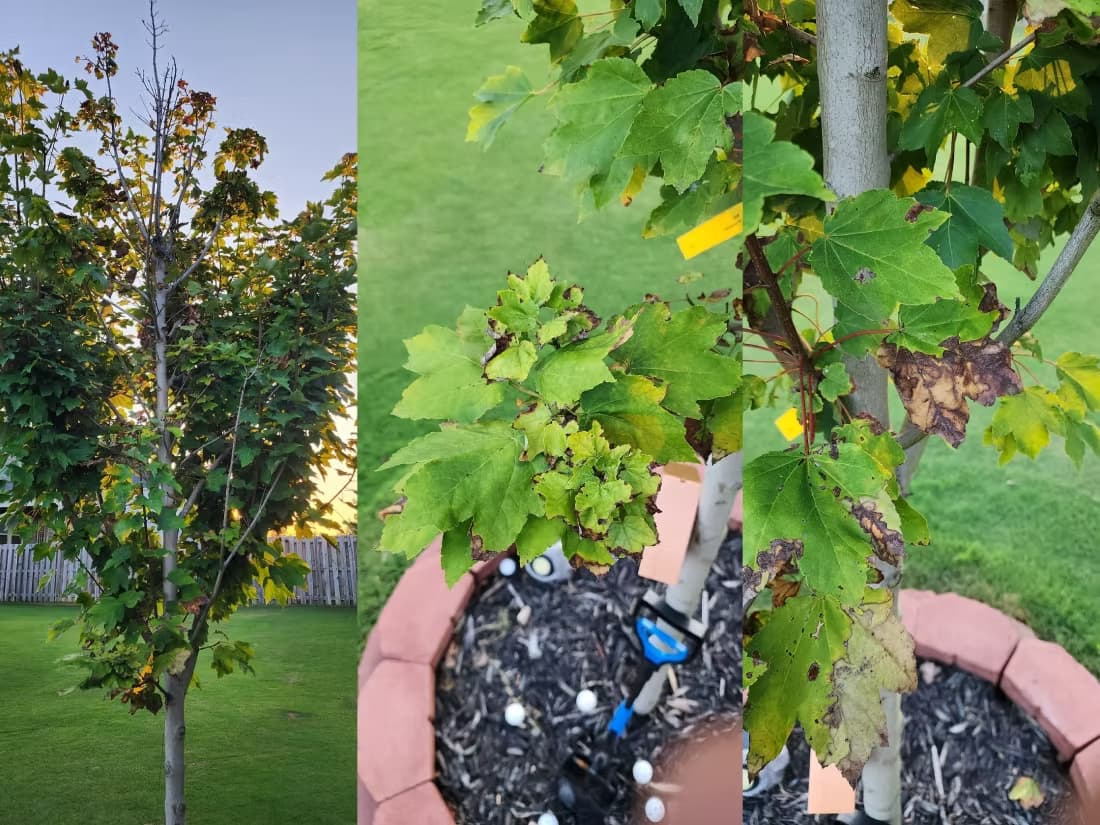
Solving the Mystery of the False Evidence in Your Lawn and Landscape
A brown leaf or a yellowing lawn is rarely what it seems. When symptoms act as decoys, a calm, forensic approach brings clarity to the confusion. Learn how to look past the surface to find the quiet truth of what your plants are truly asking for.
Read Article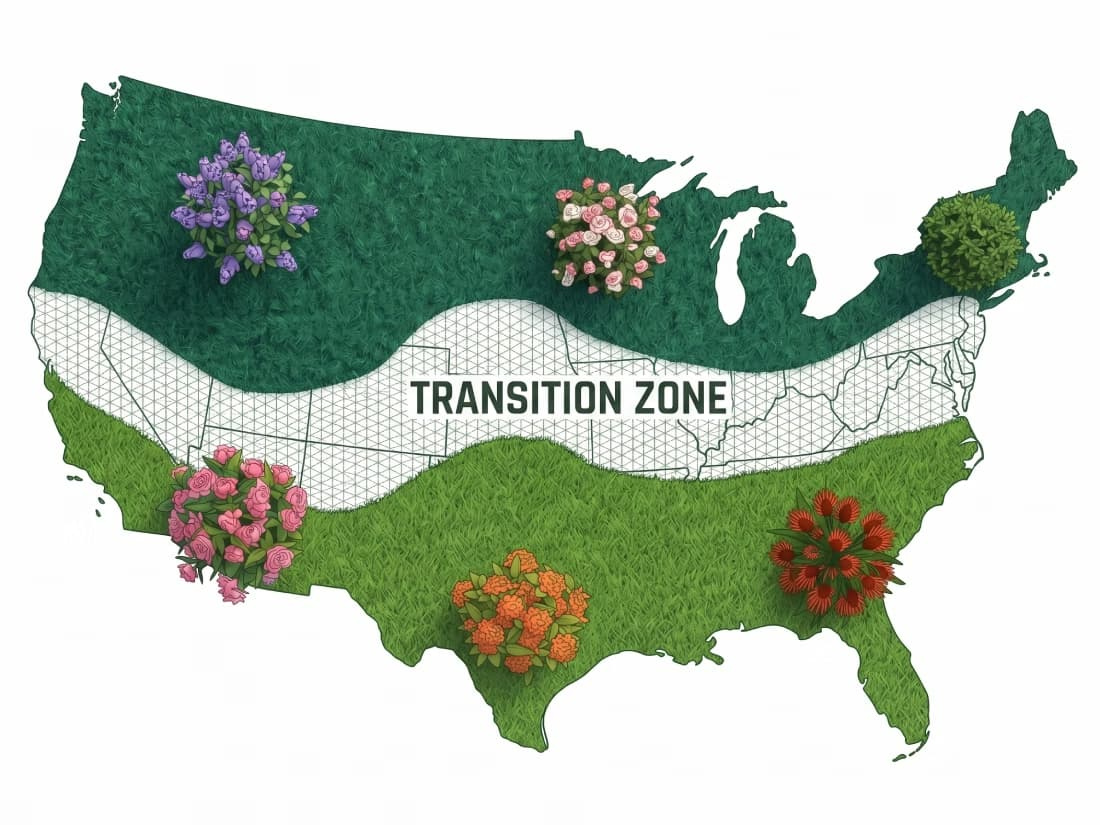
Living in the Middle: The Deep-Dive Guide to Transition Zone Lawns and Landscapes
The Transition Zone is a biological tug-of-war where neither northern nor southern species perfectly adapt. By using resilient "bridge" species and mastering maintenance levers like the Mowing Pivot, you can transform a struggling yard into a healthy landscape.
Read Article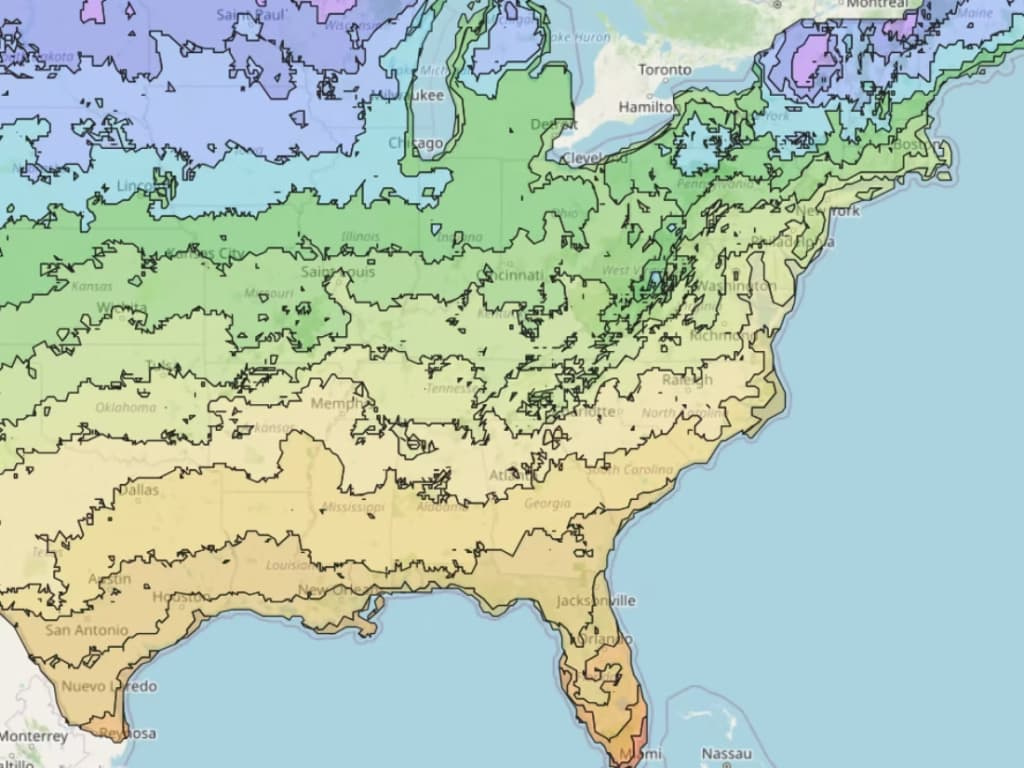
What Your Hardiness Zone Really Means for Your Lawn and Plants
Uncover the foundation of a resilient landscape by mastering the science of hardiness zones. Learn how these climate boundaries are calculated and why understanding your local temperature limits is the first step toward choosing plants that thrive year after year.
Read Article