
Which Bentgrass You Have
The putting-green grass that shows up uninvited — fine, off-color, and puffy, in a patch that scalps brown every time you mow.
Is Which Bentgrass You Have Right For Your Yard?
Best For:
Tradeoff:
What It Is And How To Tell It Apart
If a fine, off-color patch is spreading through your lawn, it is almost certainly creeping bentgrass. It is the aggressive one, it is the one that rides along in cheap seed, and it is the only one of the three that turns up as a lawn invader across most of the country. Confirm it is bentgrass at all using the checks on the main bentgrass page — rolled shoot, tall membranous ligule, no auricles, dull leaf underside. Then use the table to pin down which species you have.
| Species | How you’d know it | Where it turns up | What it means for you |
| Creeping bentgrass (A. stolonifera) | Blue-green to dull gray. Long runners lying on the soil surface, rooting wherever a node touches. Tall ligule, about 0.04–0.08 in — call it a sixteenth of an inch. No underground stems at all. | Northeast, Upper Midwest, Pacific Northwest. The default answer if you have not identified it yet. | The fastest spreader, and the one that multiplies if you rake or dethatch it. |
| Colonial bentgrass (A. capillaris) | Lighter yellow-green and more upright, with no obvious surface runners. Short, squared-off ligule under about 0.04 in — roughly half the height of creeping bentgrass, and the most reliable way to separate the two. | Mild coastal areas — the Pacific Northwest and coastal New England. Usually a leftover from old lawn or fairway seed. | Grows as a tight clump rather than a mat, so it stays put. Easier to contain, no easier to spray. |
| Velvet bentgrass (A. canina) | The finest and densest of the three, closer to carpet than lawn. Very slender runners. Long, sharply pointed ligule. Turns dark purple in cold weather. | A narrow range, mainly the Northeast and older New England properties. | Piles up thatch faster than the others, which changes how you treat it. Also the most shade-tolerant, so it reaches further under trees. |
How It Got Here
Nobody plants bentgrass in a lawn on purpose, so the species you have is a decent clue to how it arrived.
Creeping bentgrass arrives in a seed bag. Its seed is tiny and produced in huge numbers, so it rides along as a contaminant in cheap, uncertified bluegrass and fescue mixes — extension weed specialists name this the single most common route into a home lawn. After that it travels on mower decks as chopped runner fragments, moves in with bargain sod or topsoil, and creeps across a property line from a golf course or an older neighboring yard. Often it sits unnoticed for years and only explodes into visible patches once stress or injury thins the grass around it and hands it the opening.
Colonial and velvet are usually inherited, not imported. Both were once planted deliberately — colonial for coastal lawns and fairways, velvet as a component of the South German bentgrass seed mixes sold in the early 1900s. If you have either one, the odds are strong it came with the property rather than with anything you bought.
What To Do About It
The plan is the same for all three. No herbicide kills bentgrass and spares your lawn, so it is either a glyphosate spot-treatment and reseed, or a full fall mesotrione program — both are laid out on the main bentgrass page, including the warning that mesotrione is lethal to fine fescue. What the species changes is your margin for error.
- Spray past the edge. Creeping and velvet both send runners out unseen beneath healthy grass, so treat at least a foot past the visible patch. Colonial stays closer to its own edge because it clumps, but a buffer still pays.
- Do not rake first. Every runner fragment can root. Dethatching, slicing, or tilling a live creeping or velvet patch turns one patch into a dozen scattered across clean turf. Wait until it is straw-brown and dead. Colonial is the lower-risk one here, and it is still not worth the gamble.
- Account for thatch. Velvet builds a thatch layer faster than the other two. If you take the mesotrione route, raking out the dead bleached tissue between sprays matters more with velvet — otherwise the later applications never reach the runners underneath.
One buying note that catches people out: check the active-ingredient panel and confirm it actually says glyphosate. The “Roundup” name no longer reliably means glyphosate — several products now sold under that brand use different active ingredients that will not kill perennial grass runners. The front of the bottle does not tell you what is inside it; the ingredient panel does.
And set expectations honestly. Clearing a heavy bentgrass infestation usually takes more than one season of spot-treating and watching for return, whichever species you are dealing with.
Deep Dives & Practical Guides
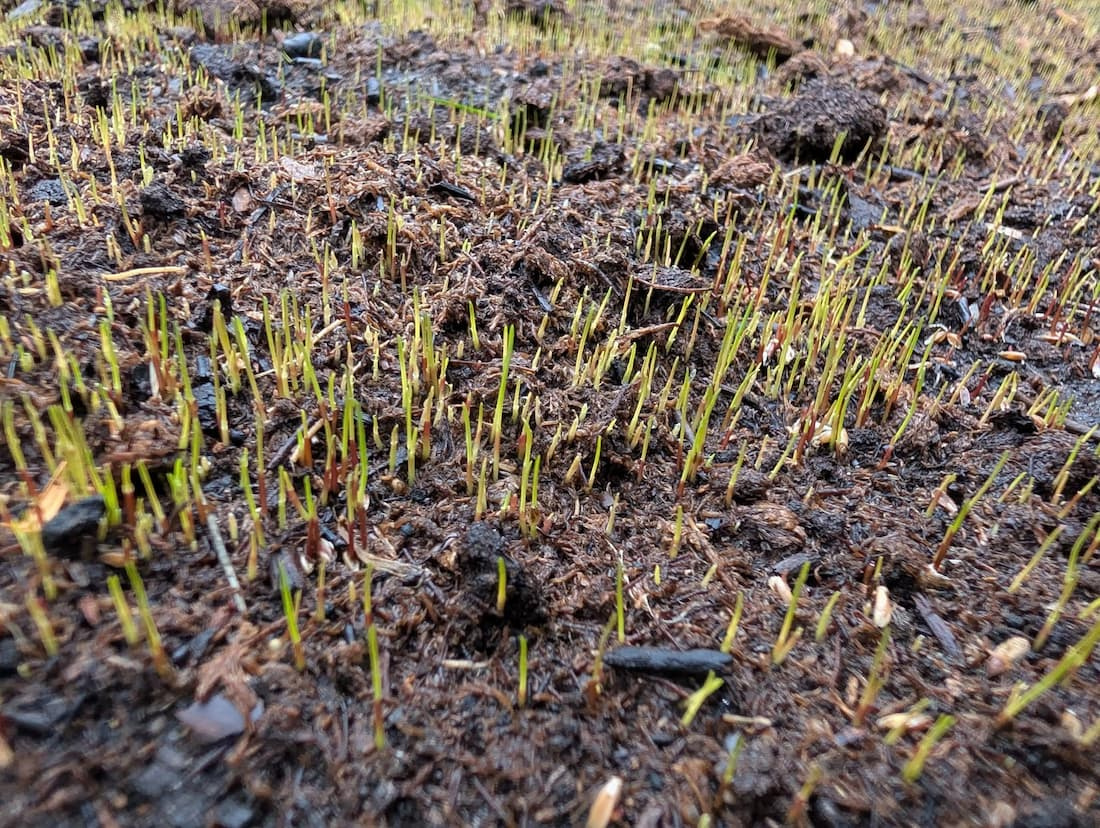
How to Establish a New Lawn From Bare Soil to First Mow
Bare soil doesn't turn into a lawn just because you scattered seed or rolled out sod — it becomes one based on a handful of specific steps done in the right order, matched to your specific grass. This guide walks through soil prep, seeding or planting method, starter fertilizer, watering as the grass grows, and knowing when it's actually safe to mow, for both cool-season and warm-season lawns.
Read Article
Cool Season vs Warm Season Lawn and Landscape Guide
Your lawn and your flower beds don't follow the same calendar — one runs on a cool-season engine, the other on a warm-season one, and using the wrong playbook on either can do real damage. This guide helps you figure out which system you actually have and how to care for it correctly, plus how the same cool/warm split applies to your ornamental beds.
Read Article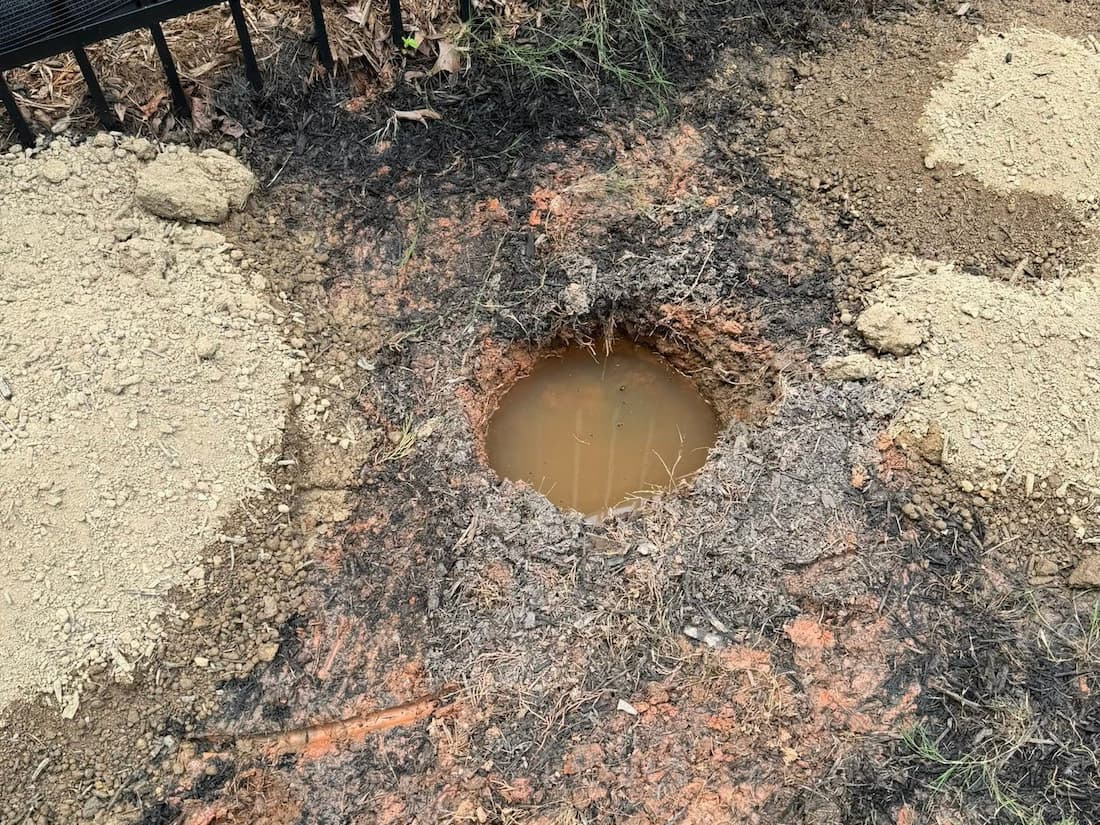
The Hole You Dug Is Killing Your New Plants
A shrub that looked fine all summer and stalled the next year usually didn't fail because of the plant, the weather, or the nursery. It failed because the hole it went into was a container — smooth-walled, water-holding, and impossible to root out of.
Read Article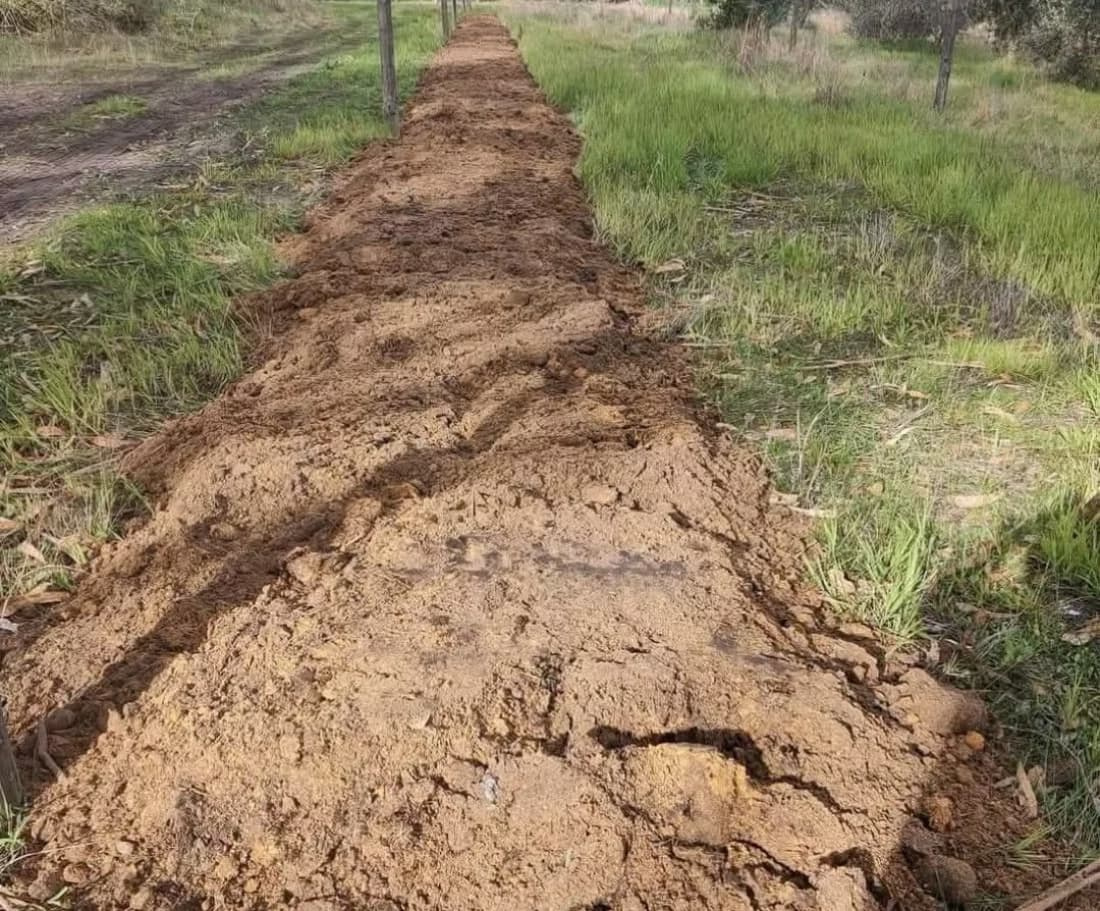
What You Can Actually Change About Bad Soil
Heavy clay and loose sand feel like permanent sentences, and half of that is true. What your soil is made of will not change. How those particles are arranged will — and that is the half that decides whether anything grows.
Read Article
Why Your Plants Survive Winter and Die in July
Your hardiness zone is built from one number — the coldest night of an average year. It says nothing about the hottest afternoon, which is what actually kills most plants people lose. Here's how to read the other half of the map.
Read Article
Why Poa Annua Keeps Coming Back — and the 3-Year Plan That Finally Ends the Cycle
You've pulled it. You've sprayed it. You've watched the little white seedheads mock you every single spring. And every fall, like clockwork, it's back — in the lawn, in the beds, in the cracks you didn't know you had. Here's the hard truth nobody at the big-box store will tell you: you're not losing because you're doing it wrong — you're losing because you're fighting the wrong enemy on the wrong timeline. Poa annua isn't a one-season problem, and once you understand why, the three-year plan below stops feeling like a chore and starts feeling like a countdown.
Read Article
How to Apply Herbicides Correctly in Your Lawn and Garden Beds
Getting real results from a weed product has almost nothing to do with the brand on the bottle and everything to do with matching the method to the moment — the right chemistry, in the right place, at the right time. Learn how to apply herbicides correctly across both your lawn and your garden beds, whether you’re stopping weeds before they sprout or killing the ones already growing, without wasting product or harming the plants you want to keep.
Read Article
How to Kill Weeds Where Two Lawns Meet Without Harming Your Neighbor’s Grass
Controlling weeds along a shared property line is where good intentions quietly backfire—the season that's safe for your own lawn is often the season the lawn next door is most easily harmed. Learn the seasonal timing collision behind most fence-line damage, and the two habits that prevent it—reading what's actually in the bottle and spraying directed instead of broadcast—so you can clear the weeds without hurting your grass, your neighbor's, or the peace between you.
Read Article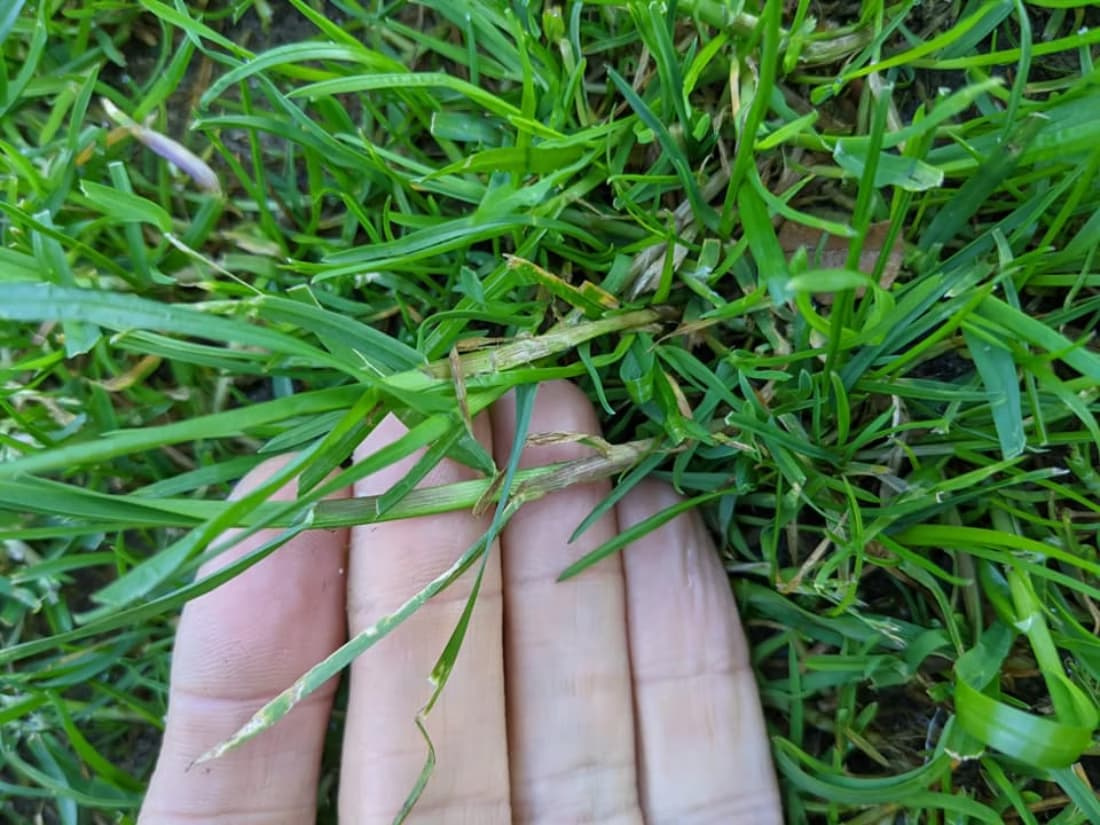
The Truth About One-and-Done Weed Control
Most homeowners lose the fight against weeds not because they work too little, but because they act before they understand. One-and-done weed control is real — but it only works when identification, timing, and the right tool all line up. This guide explains how that sequence works across your lawn and your ornamental beds, and how each weed page in the MFY hub puts it into practice for your specific invader.
Read Article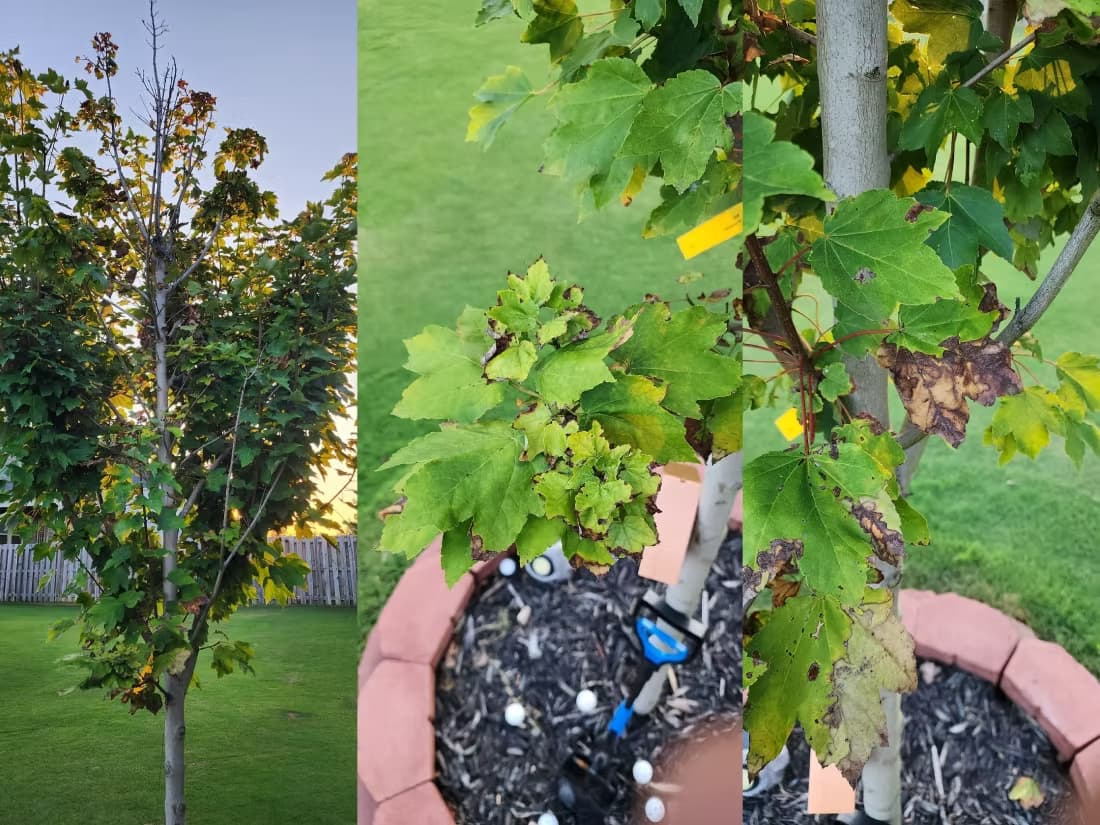
Solving the Mystery of the False Evidence in Your Lawn and Landscape
A brown leaf or a yellowing lawn is rarely what it seems. When symptoms act as decoys, a calm, forensic approach brings clarity to the confusion. Learn how to look past the surface to find the quiet truth of what your plants are truly asking for.
Read Article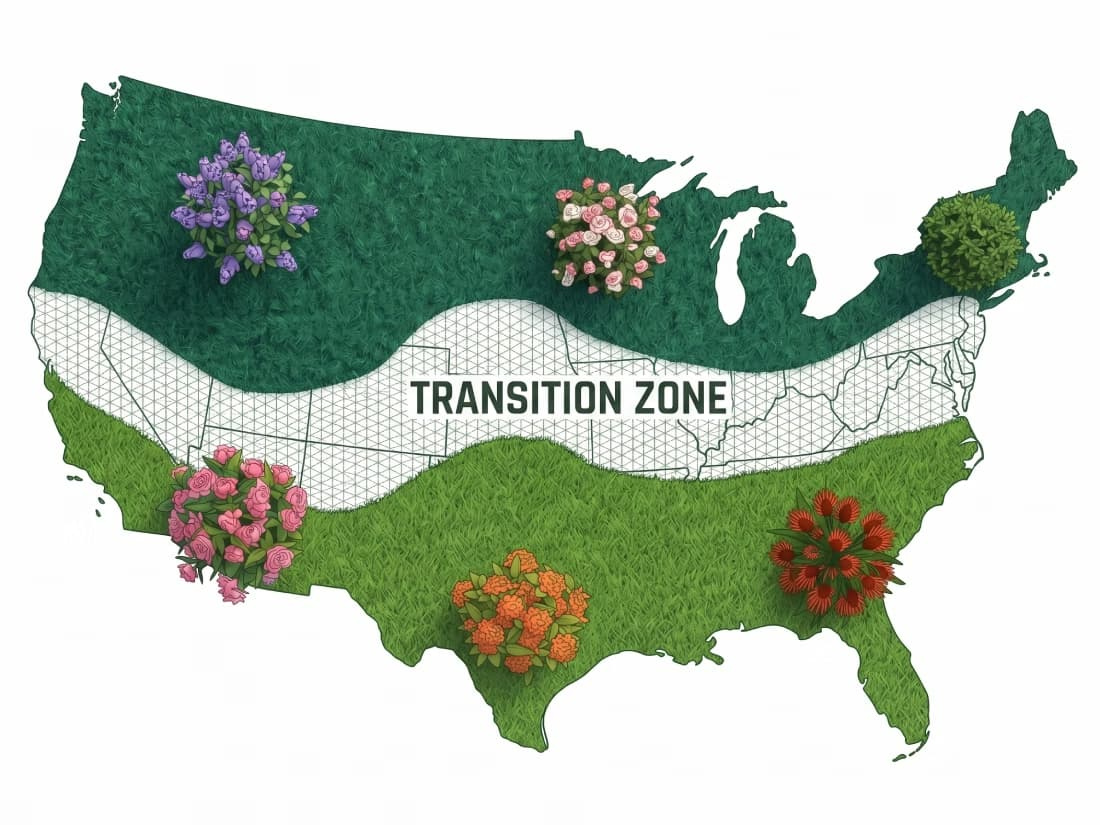
Living in the Middle: The Deep-Dive Guide to Transition Zone Lawns and Landscapes
The Transition Zone is a biological tug-of-war where neither northern nor southern species perfectly adapt. By using resilient "bridge" species and mastering maintenance levers like the Mowing Pivot, you can transform a struggling yard into a healthy landscape.
Read Article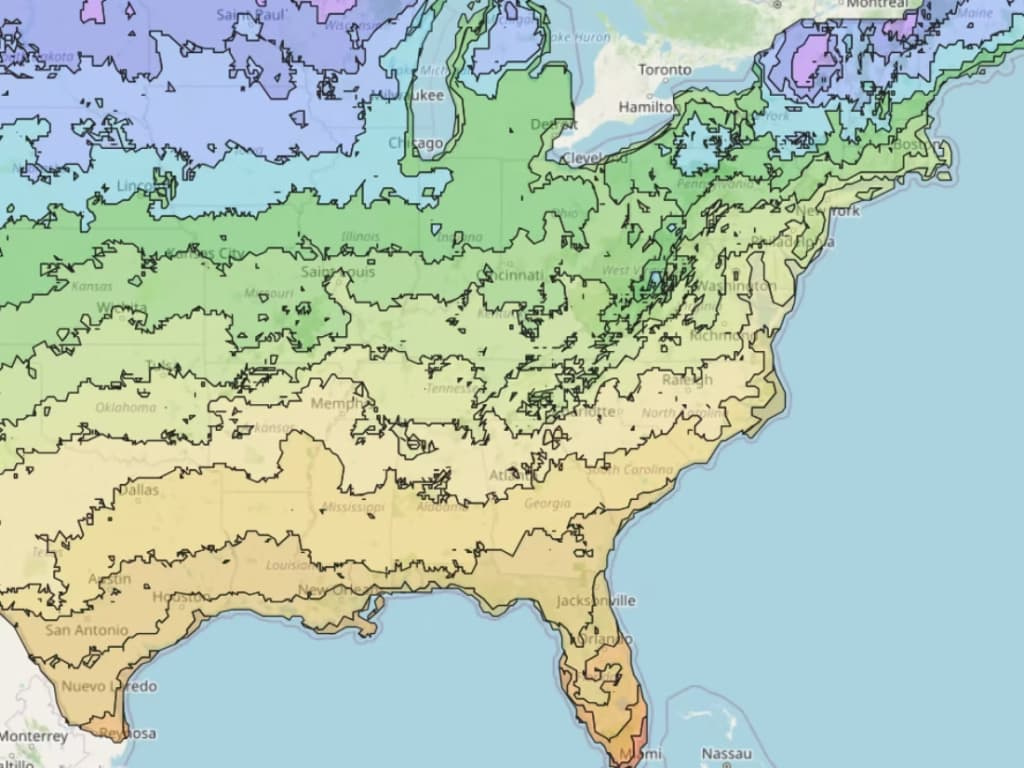
What Your Hardiness Zone Really Means for Your Lawn and Plants
Uncover the foundation of a resilient landscape by mastering the science of hardiness zones. Learn how these climate boundaries are calculated and why understanding your local temperature limits is the first step toward choosing plants that thrive year after year.
Read Article