
Parent Species:
Sheep Fescue
The stiff, powdery blue-green tussock in a no-mow, bee lawn or roadside planting — a meadow grass, not a lawn grass.
Is Sheep Fescue Right For Your Yard?
Best For:
Tradeoff:
What It Is And How To Tell It Apart
Sheep fescue is the blue one. Stiff, powdery blue-green to nearly silver, needle-fine, growing in tight rounded tussocks rather than spreading into a mat. Next to the other fine fescues it reads as bristly and distinctly cooler in color.
Working through it in a lawn:
- Dig for rhizomes. None means it is not one of the two creeping reds.
- Look at the leaf sheath. Sheep and hard fescue have an open, overlapping sheath; Chewings has a fused one.
- Then it is color and stiffness. Hard fescue is a darker gray-green and softer. Sheep is stiffer, bluer and more powdery.
- The leaf itself is mainly basal, very slender, rolled, rough along the margins, two to five inches long — less than half the height of the stem.
Now the part that actually matters: the naming is a mess. Historically almost every fine-leaved fescue without rhizomes was filed as Festuca ovina, and much of that material has since been reclassified. One long-standing review goes further, suggesting ‘Quatro’ may be the only true sheep fescue in commerce and the rest of the named cultivars are actually blue hard fescue.
You can watch it happen on a seed label. ‘Blue Hornet’ is listed by one seller as Festuca ovina var. glauca — an ornamental blue fescue. ‘Bighorn GT’ is filed under sheep fescue in some references but sold as hard fescue by its supplier and by state highway lists. ‘Covar’ may be false sheep fescue, Festuca valesiaca. And two look-alikes share the shelf: Festuca glauca, sold potted at garden centers, and Festuca filiformis — hair fescue — which behaves as a weed.
The practical upshot is simple. If a bag says “sheep fescue,” you cannot be certain which species is in it. Judge it by what it does on the ground, not by what the label calls it.
Who This Page Is For
Three situations. You have inherited or planted a meadow, no-mow area, roadside strip or pollinator lawn and want to know what the blue clumps are. You are reading a mix label, deciding whether a sheep fescue line matters. Or you are trying to turn a low-input planting into a lawn and cannot work out why it will not knit together.
If you want a lawn, the answer is on a sibling page — hard fescue for a dry sunny site, Chewings for shade, strong creeping red if the yard takes wear.
How It Got Here
Almost always deliberately — just not by you, or not for a lawn. The usual routes:
- No-mow and low-grow fine fescue mixes. Standard practice loads a sunny no-mow planting toward the bunch types, sheep included.
- Bee lawn and pollinator mixes. One widely sold bee lawn mix runs roughly 23% sheep fescue alongside creeping red, Chewings and hard fescue, with clover and self-heal.
- Salt-tolerant roadside mixes. Sheep fescue is moderately salt tolerant, and a University of Minnesota sheep fescue population ranked among the most salt tolerant of 75 cool-season entries at a Minnesota roadside site.
- Reclamation, erosion control, and native or prairie seedings. USDA plant materials programs treat it as a conservation species for dry, poor ground.
- Ornamental plantings. The blue-foliage types are sold as ornamental grasses and self-seed into surrounding turf.
And then it stays. On thin, dry, infertile ground almost nothing outcompetes it — it needs the lowest fertility of the five and has the lowest water use of any of them.
What To Do About It
In a meadow, slope, no-mow area or pollinator planting: leave it alone. It is doing the job it is good at, on ground where the alternatives fail. Feeding it, watering it or mowing it short all make it worse.
In something you want to look like a lawn: accept that it will not get there. Three reasons, none fixable by maintenance. It is a bunch grass, so the tussocks never knit and mowing does not flatten them. It survives heat by shutting down early into dormancy rather than staying green — 3 of 9 against hard fescue’s 7 — so it browns before the rest of the lawn does. And in hot, humid summers it is prone to leaf spot.
Overseeding around the clumps will not work, because the clumps persist. Converting means killing the stand and reseeding, not patching it — and if you go that route, read the active-ingredient panel first. Consumer “Roundup” no longer reliably means glyphosate, and your reseeding date depends on what is actually in the bottle: 7 to 14 days for true glyphosate, 28 for reformulated blends, months for imazapic.
And if you are choosing a mix right now: read the analysis label on the back, not the marketing on the front. For a mowed lawn, prefer little or no sheep fescue and let hard, Chewings and the creeping reds do the work. For a meadow or pollinator planting it earns its place — that is the whole distinction.
Deep Dives & Practical Guides
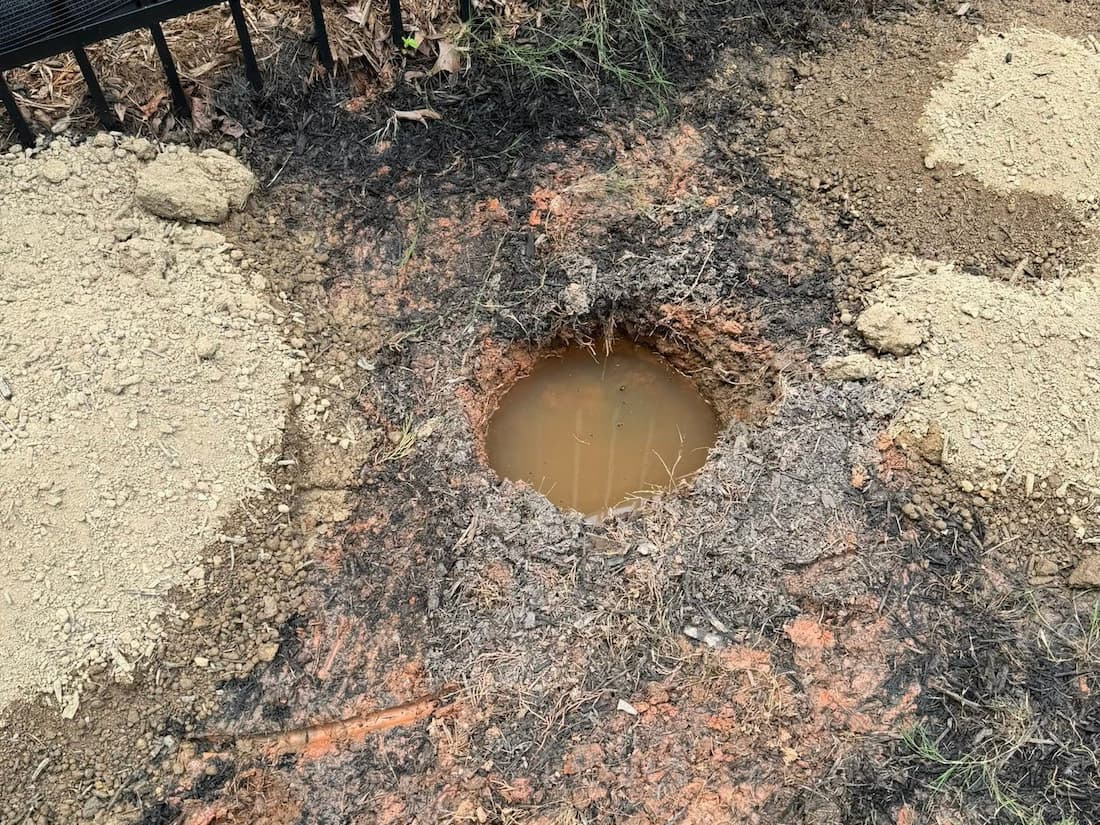
The Hole You Dug Is Killing Your New Plants
A shrub that looked fine all summer and stalled the next year usually didn't fail because of the plant, the weather, or the nursery. It failed because the hole it went into was a container — smooth-walled, water-holding, and impossible to root out of.
Read Article
What You Can Actually Change About Bad Soil
Heavy clay and loose sand feel like permanent sentences, and half of that is true. What your soil is made of will not change. How those particles are arranged will — and that is the half that decides whether anything grows.
Read Article
Why Your Plants Survive Winter and Die in July
Your hardiness zone is built from one number — the coldest night of an average year. It says nothing about the hottest afternoon, which is what actually kills most plants people lose. Here's how to read the other half of the map.
Read Article
Why Poa Annua Keeps Coming Back — and the 3-Year Plan That Finally Ends the Cycle
You've pulled it. You've sprayed it. You've watched the little white seedheads mock you every single spring. And every fall, like clockwork, it's back — in the lawn, in the beds, in the cracks you didn't know you had. Here's the hard truth nobody at the big-box store will tell you: you're not losing because you're doing it wrong — you're losing because you're fighting the wrong enemy on the wrong timeline. Poa annua isn't a one-season problem, and once you understand why, the three-year plan below stops feeling like a chore and starts feeling like a countdown.
Read Article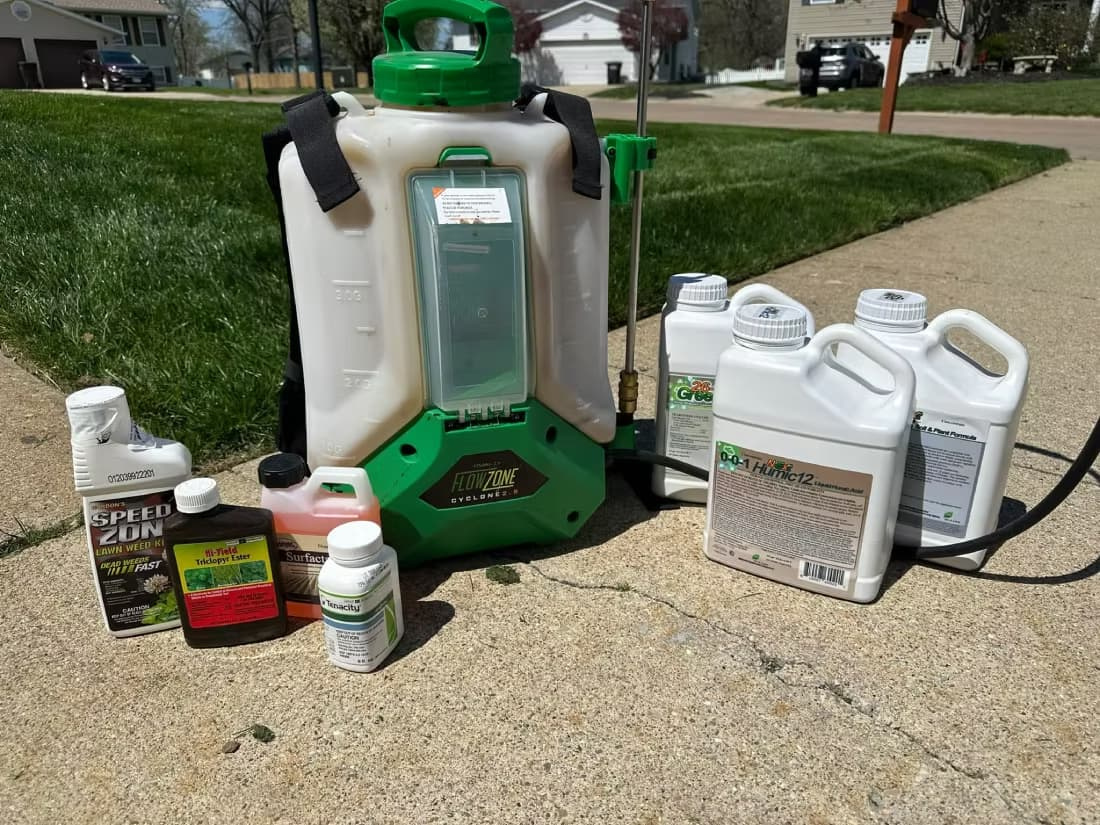
How to Apply Herbicides Correctly in Your Lawn and Garden Beds
Getting real results from a weed product has almost nothing to do with the brand on the bottle and everything to do with matching the method to the moment — the right chemistry, in the right place, at the right time. Learn how to apply herbicides correctly across both your lawn and your garden beds, whether you’re stopping weeds before they sprout or killing the ones already growing, without wasting product or harming the plants you want to keep.
Read Article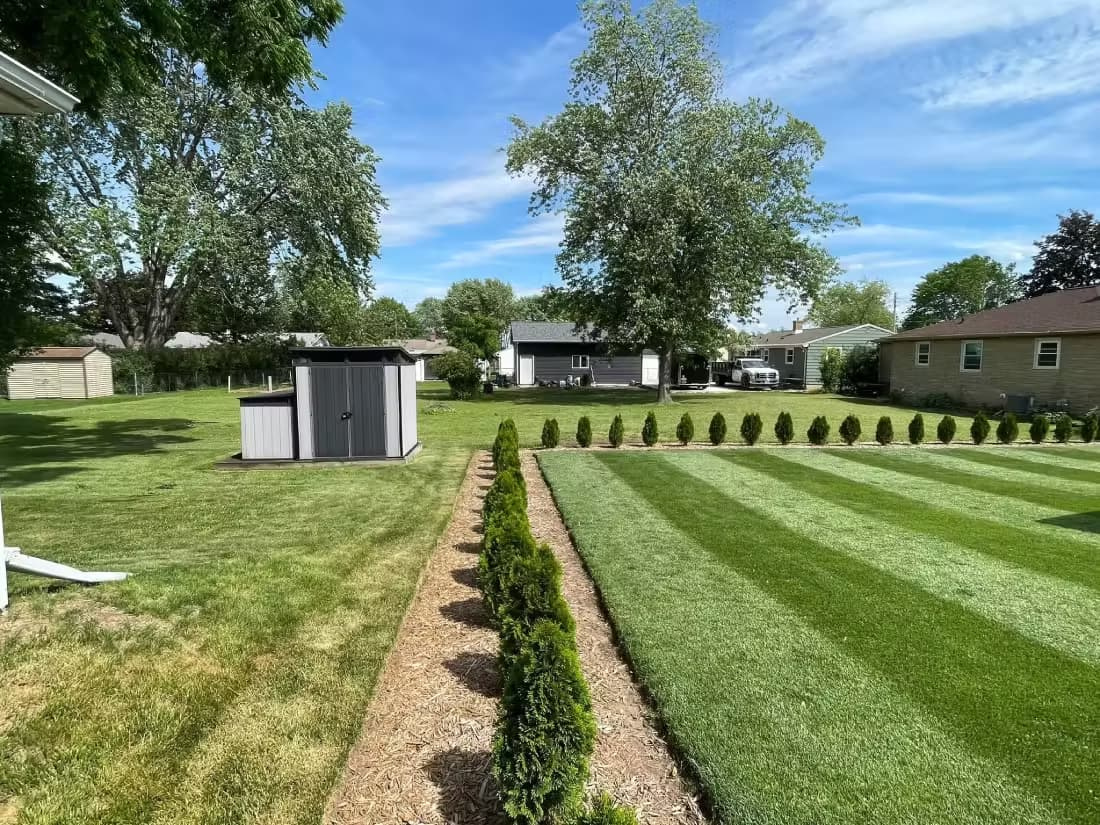
How to Kill Weeds Where Two Lawns Meet Without Harming Your Neighbor’s Grass
Controlling weeds along a shared property line is where good intentions quietly backfire—the season that's safe for your own lawn is often the season the lawn next door is most easily harmed. Learn the seasonal timing collision behind most fence-line damage, and the two habits that prevent it—reading what's actually in the bottle and spraying directed instead of broadcast—so you can clear the weeds without hurting your grass, your neighbor's, or the peace between you.
Read Article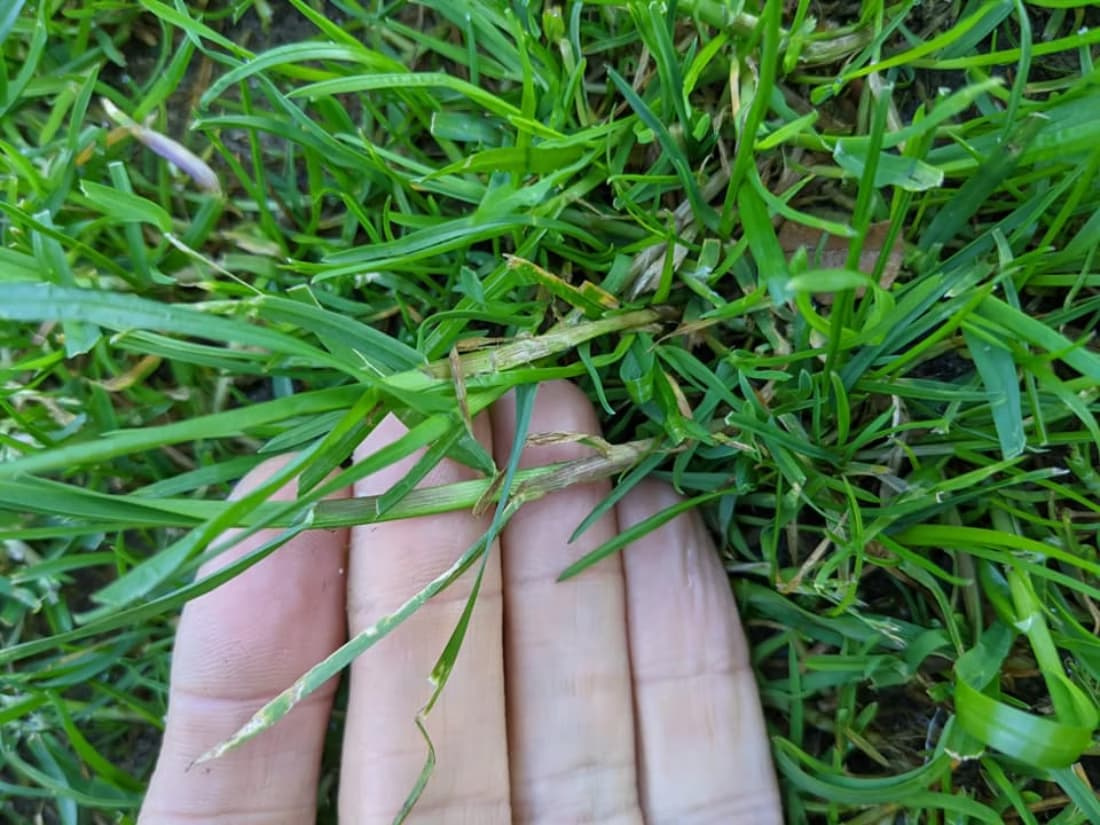
The Truth About One-and-Done Weed Control
Most homeowners lose the fight against weeds not because they work too little, but because they act before they understand. One-and-done weed control is real — but it only works when identification, timing, and the right tool all line up. This guide explains how that sequence works across your lawn and your ornamental beds, and how each weed page in the MFY hub puts it into practice for your specific invader.
Read Article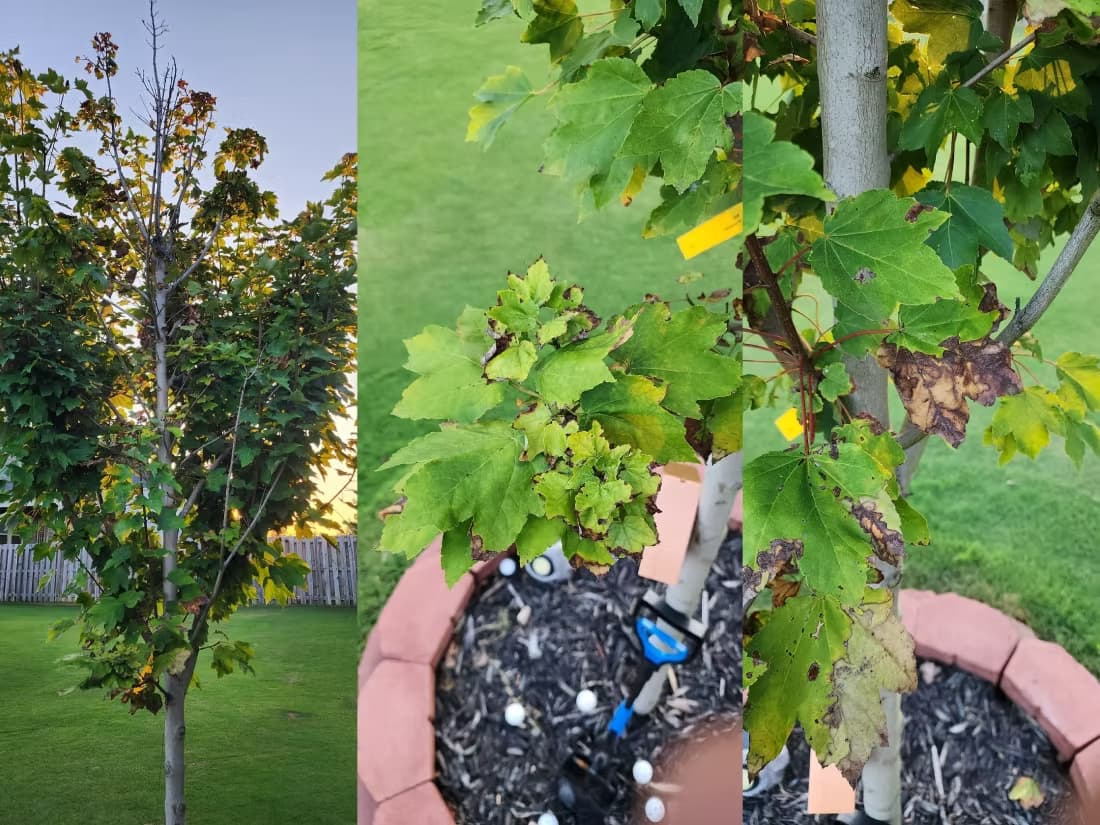
Solving the Mystery of the False Evidence in Your Lawn and Landscape
A brown leaf or a yellowing lawn is rarely what it seems. When symptoms act as decoys, a calm, forensic approach brings clarity to the confusion. Learn how to look past the surface to find the quiet truth of what your plants are truly asking for.
Read Article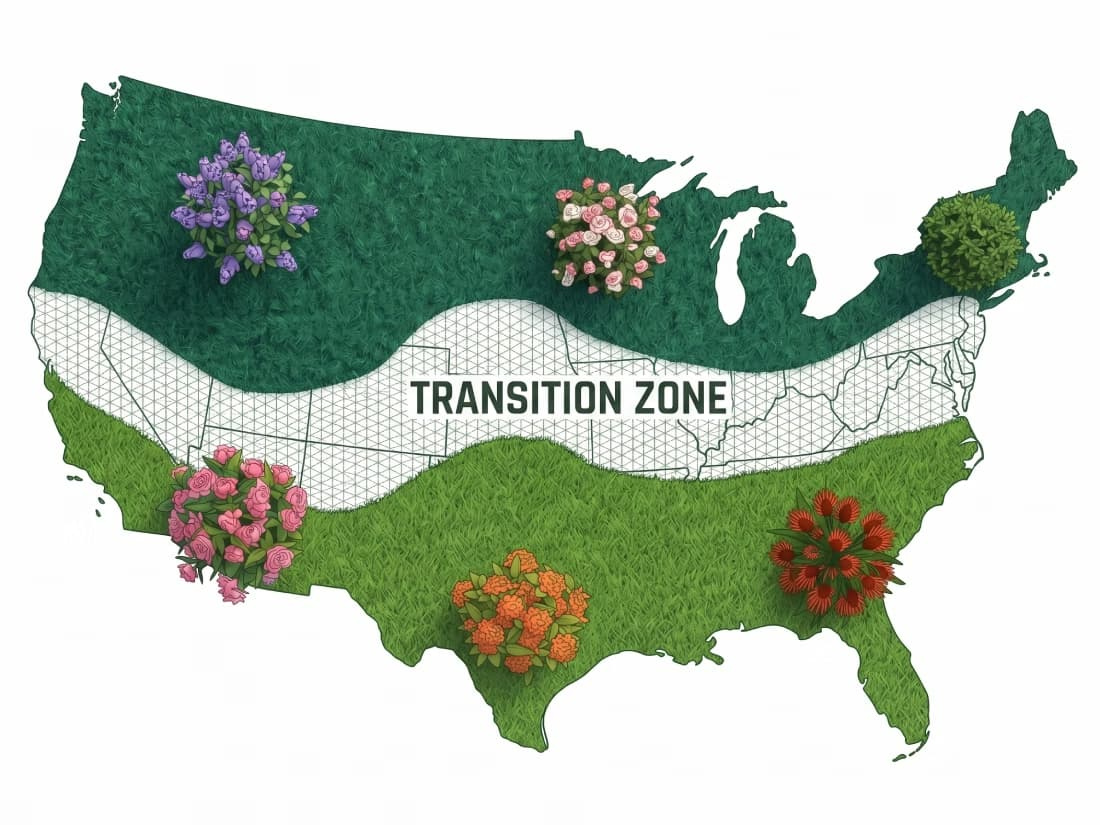
Living in the Middle: The Deep-Dive Guide to Transition Zone Lawns and Landscapes
The Transition Zone is a biological tug-of-war where neither northern nor southern species perfectly adapt. By using resilient "bridge" species and mastering maintenance levers like the Mowing Pivot, you can transform a struggling yard into a healthy landscape.
Read Article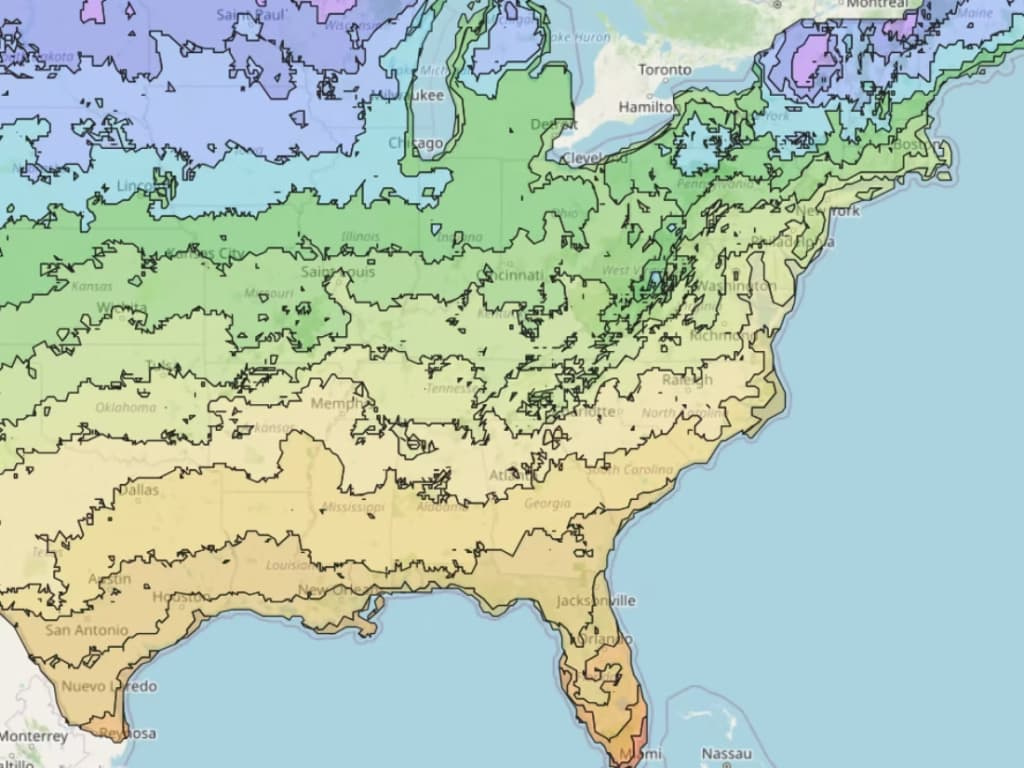
What Your Hardiness Zone Really Means for Your Lawn and Plants
Uncover the foundation of a resilient landscape by mastering the science of hardiness zones. Learn how these climate boundaries are calculated and why understanding your local temperature limits is the first step toward choosing plants that thrive year after year.
Read Article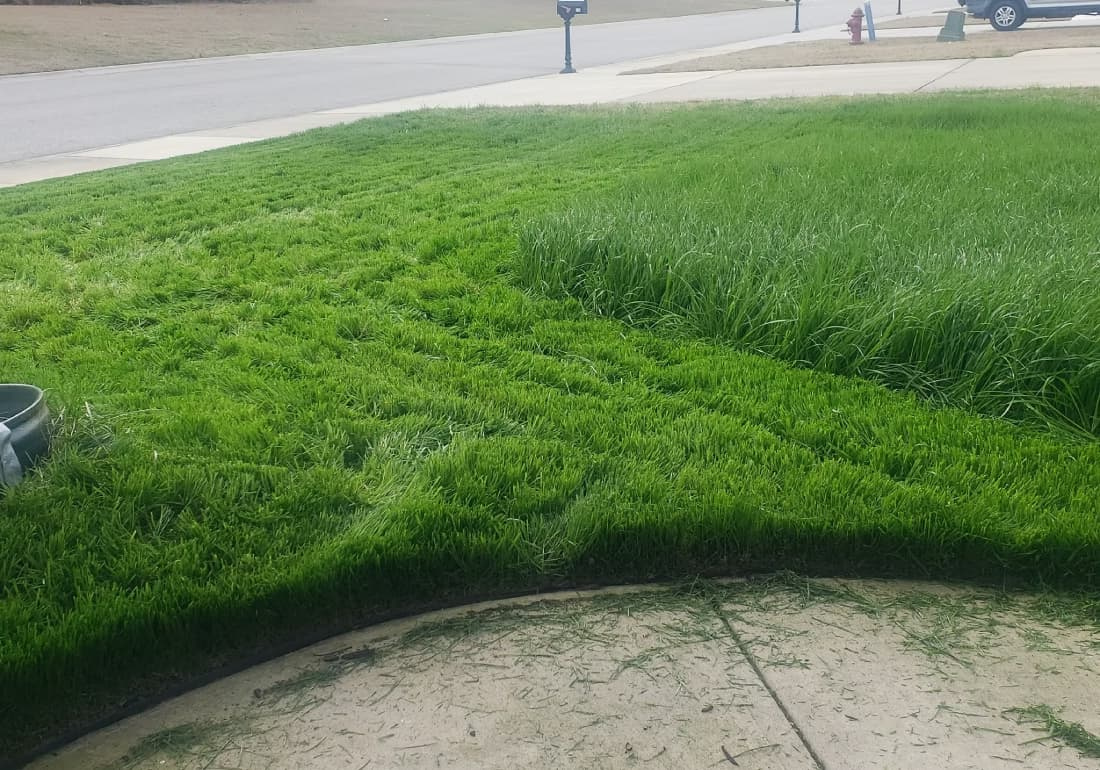
The One-Third Mowing Rule: A Species-Specific Guide to Mowing Heights
Stop guessing your lawn's health. While the one-third rule is the foundation, every grass species has its own threshold for stress. This guide provides exact 'mow-at' heights, seasonal frequency adjustments, and mower setting tips for over 12 grass types to ensure a professional-grade cut every time.
Read Article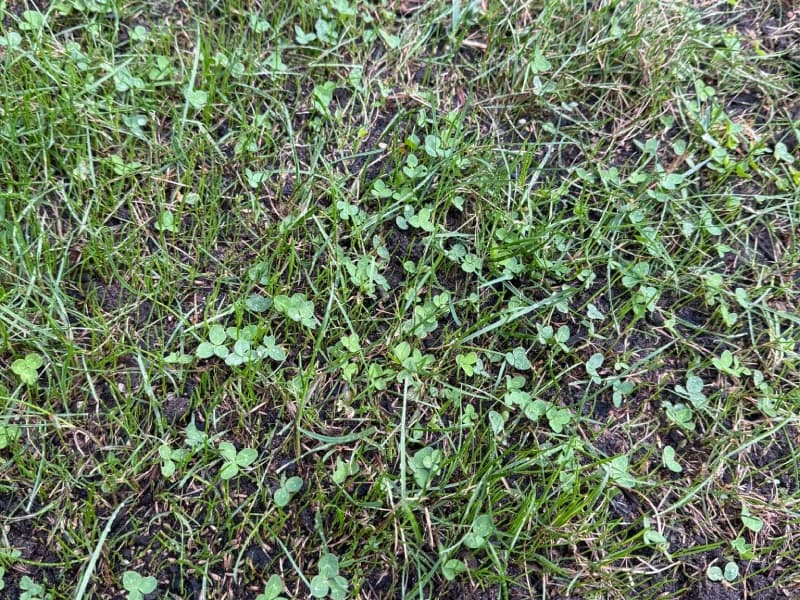
How to Kill Weeds in New Grass Without Killing the Grass
You spent weeks preparing the soil and watering your new seeds, only to see a "carpet of green" that looks more like a weed patch than a lawn. It is frustrating to watch weeds grow twice as fast as your tiny seedlings, leading to a "Panic Phase" where many homeowners make the mistake of spraying too early. Before you reach for the herbicide and risk killing your investment, you need to understand the precise timing required to save your new grass while clearing out the invaders.
Read Article