
Parent Species:
Fine-Textured Shade Zoysia
The needle-fine zoysia that holds density under trees and takes salt — the best-looking lawn in the family, and the least winter-hardy.
Is Fine-Textured Shade Zoysia Right For Your Yard?
Best For:
Tradeoff:
What Makes It Different
Two things separate Zoysia matrella from its coarse sibling, and both come from the same place: it builds many more, much finer shoots per square inch.
The first is texture. A 1 to 2 mm blade against 2 to 4 mm — close enough to bermudagrass in the hand that people mistake the two, and dense enough that a mature stand feels like carpet.
The second is shade. That density means more leaf surface for whatever light gets through, so matrella holds a stand at roughly 40% shade, or 4 to 5 hours of direct sun, where a coarse japonica wants 6 to 8 and thins under trees. It also carries the best salt tolerance in the genus, which is why it turns up on coastal lots.
The bill comes due in fall. Building fine shoots is not the same as packing carbohydrate into crowns for winter, and matrella is badly injured near 16.9°F, against roughly 11.3°F for japonica. In a Zone 6 winter that gap is not academic: a fine cultivar like Diamond can lose more than 88% of the lawn. There is also no seed — every cultivar here is a vegetative clone.
Who It Is For
Coastal Carolina, Georgia, Florida and the Gulf, where salt spray or brackish irrigation would thin most lawns. Yards with mature oaks or a north-facing side that never gets a full morning. Show lawns — around a pool deck, a small front panel, anywhere the surface is looked at closely rather than played on.
It also suits anyone already committed to a reel mower, because at that point the fine types cost no more work than the coarse ones and look considerably better.
If the yard is north of about Zone 7b, this is the wrong page — the hybrid zoysias were bred for exactly that problem.
The Cultivars
| Cultivar | How it is sold | What it is good at | Notes |
| Zeon | Sod, plugs. Patent expired, but distribution is still trademark-controlled through Bladerunner Farms and The Turfgrass Group — licensed growers only | The most widely sold fine zoysia. Dark green, good shade tolerance, holds quality from 0.5 to 2.0 inches | Premium tier at roughly $300–450 per pallet ($0.60–0.90/sq ft). Held only 72% through a severe Kansas winter — this is a southern grass. UF/IFAS notes it is not especially well adapted to Florida |
| Zorro | Sod, plugs. Texas A&M; patent expired | Same class as Zeon — fine, dark, shade-tolerant | Regional, strongest through Texas and the lower transition zone |
| Geo | Sod, plugs | Fine, dark green, good shade; extension groups it with Zeon and Zorro as effectively interchangeable | Sometimes marketed as a hybrid; UF/IFAS classifies it as Z. matrella |
| Cavalier | Sod, plugs. Texas A&M; patent expired | Good to excellent salt tolerance, resistant to fall armyworm and tropical sod webworm | The matrella parent of the Innovation hybrid. Localized availability in the transition zone |
| Royal | Sod, plugs. Texas A&M; patent expired | Mite-resistant — which counts, because the zoysiagrass mite is essentially untreatable once it is in a lawn | Regionalized; produced mainly by Georgia growers |
| Diamond | Sod only. Texas A&M, 1996 | The ultra-fine, putting-green class, with high salt tolerance | Specialty order at $350–500 per pallet ($0.80–1.20/sq ft). Reel-only at 0.25–0.5 inch, and the most freeze-sensitive grass on this page |
| Cashmere, Trinity, Toccoa Green | Sod. Toccoa Green is a University of Florida release | Same ultra-fine class as Diamond and extremely shade-tolerant; Toccoa Green recovers from scalping faster than the others | Limited availability, and aimed at golf and high-end landscape work rather than home lawns |
| Thrive | Sod | Resembles Geo, Zeon and Zorro; anecdotal reports of good drought tolerance | Very little published information about its origins or performance — buy on the strength of the grower, not the name |
What Changes In Care
Mowing is the commitment. Zeon, Zorro, Geo, Cavalier and Royal hold quality between 0.5 and 2.0 inches, so a sharp rotary at the top of that range is workable — you simply stop getting the surface you paid for. Diamond, Cashmere, Trinity and Toccoa Green are a different proposition: optimum height of cut is 0.25 inch, and that means a reel mower and more frequent passes. Mowing an ultra-fine cultivar high is the most common way to waste the money spent on it.
Thatch is heavier here than anywhere else in the genus. More shoots means more decay-resistant tissue piling up, so expect verticutting on a shorter cycle — and only in May and June, when the grass is growing hard enough to heal. Wounding zoysia in spring or fall spreads large patch.
One herbicide caution is specific to this group. Fine matrella cultivars tolerate the grassy-weed herbicides fluazifop and fenoxaprop less well than the coarse types. Use reduced rates and test-spray a small, out-of-the-way patch first.
Fertility, watering and the disease calendar are unchanged from the main zoysiagrass page. Establishment is slower than japonica‘s, with no seed shortcut to fall back on.
Before You Buy
- Check your zone before anything else. Zone 7b and south. North of that, winterkill is not a risk you manage, it is the outcome.
- Find out which mowing class you are actually buying. “Fine-bladed zoysia” covers both a 2-inch rotary lawn and a 0.25-inch reel lawn, and the difference is a mower purchase and a weekly habit.
- Buy from the licensed grower network. Zeon in particular is trademark-controlled even though the patent has lapsed, so a suspiciously cheap “Zeon” is a reason to ask questions.
- Certified blue-tag sod. Off-types in a fine lawn are far more visible than in a coarse one.
- Never blend. One cultivar, whole lawn — mixing leaf widths in a fine stand shows immediately.
- Budget for the disease pair. Large patch and dollar spot both turn up on this group, and recovery is slow because the grass itself is slow.
Deep Dives & Practical Guides
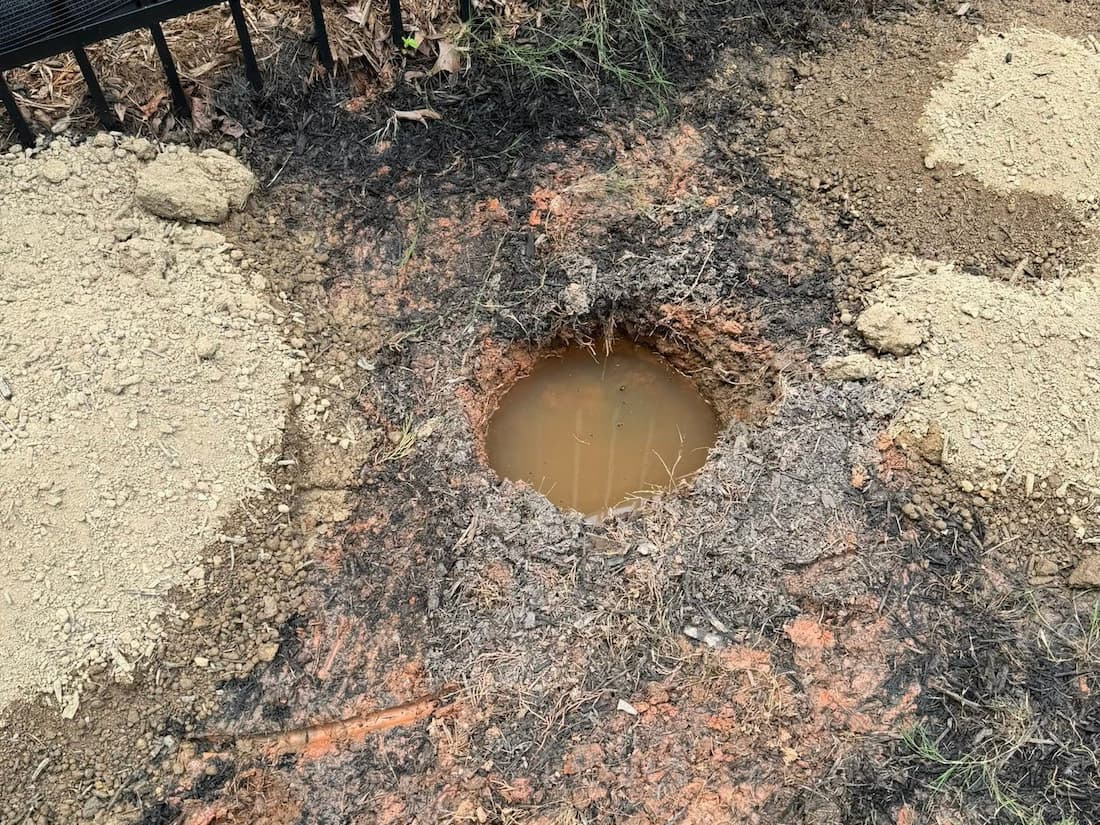
The Hole You Dug Is Killing Your New Plants
A shrub that looked fine all summer and stalled the next year usually didn't fail because of the plant, the weather, or the nursery. It failed because the hole it went into was a container — smooth-walled, water-holding, and impossible to root out of.
Read Article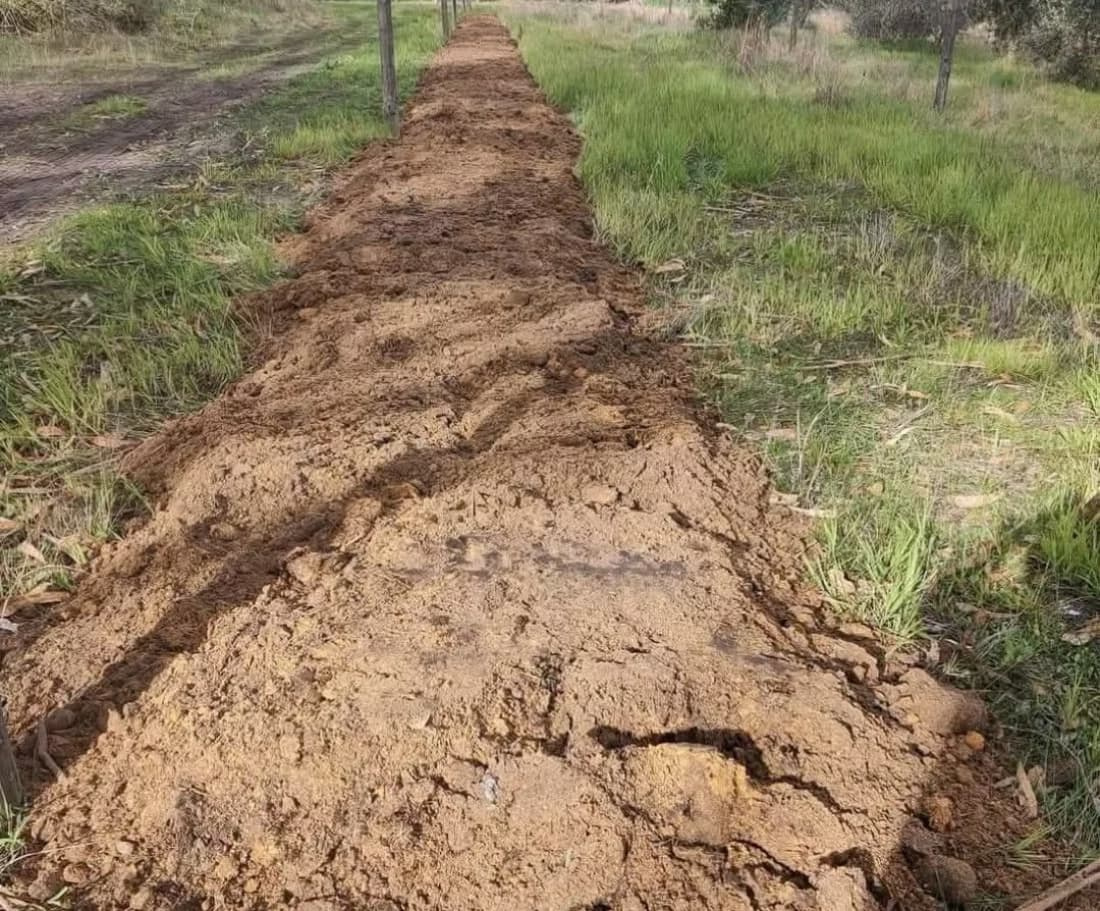
What You Can Actually Change About Bad Soil
Heavy clay and loose sand feel like permanent sentences, and half of that is true. What your soil is made of will not change. How those particles are arranged will — and that is the half that decides whether anything grows.
Read Article
Why Your Plants Survive Winter and Die in July
Your hardiness zone is built from one number — the coldest night of an average year. It says nothing about the hottest afternoon, which is what actually kills most plants people lose. Here's how to read the other half of the map.
Read Article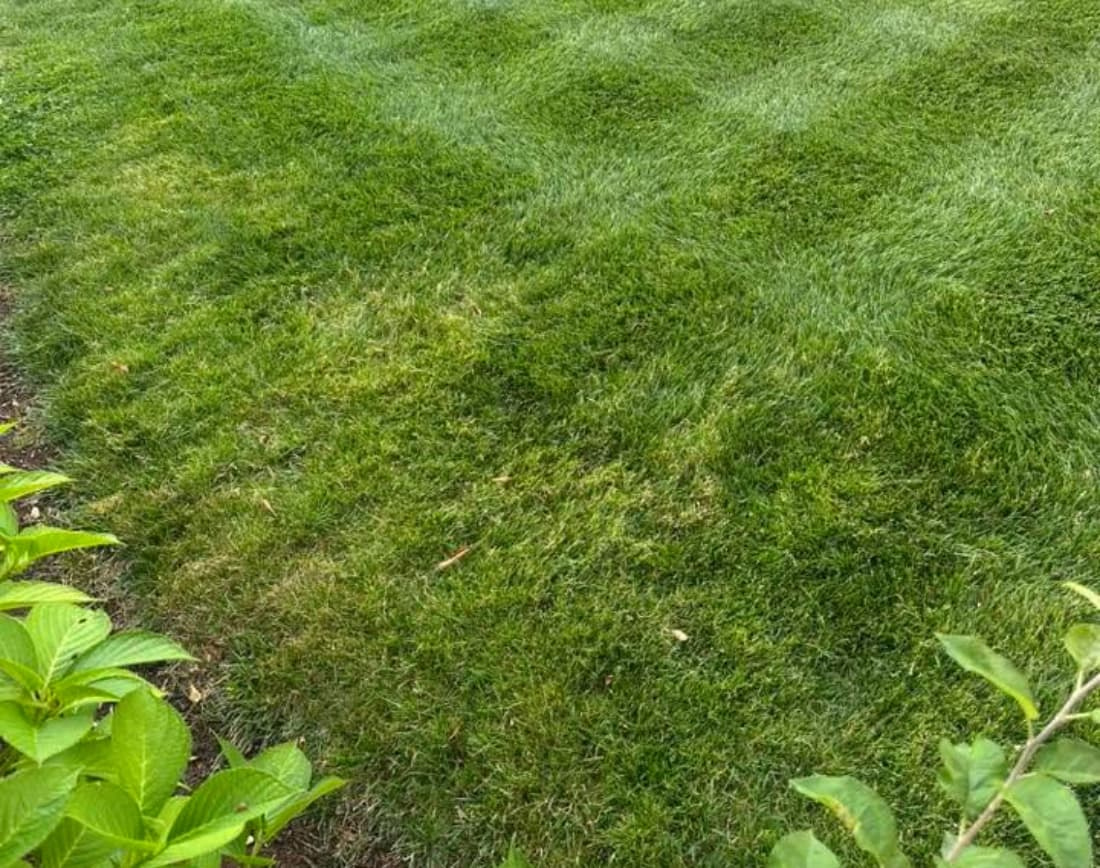
Why Poa Annua Keeps Coming Back — and the 3-Year Plan That Finally Ends the Cycle
You've pulled it. You've sprayed it. You've watched the little white seedheads mock you every single spring. And every fall, like clockwork, it's back — in the lawn, in the beds, in the cracks you didn't know you had. Here's the hard truth nobody at the big-box store will tell you: you're not losing because you're doing it wrong — you're losing because you're fighting the wrong enemy on the wrong timeline. Poa annua isn't a one-season problem, and once you understand why, the three-year plan below stops feeling like a chore and starts feeling like a countdown.
Read Article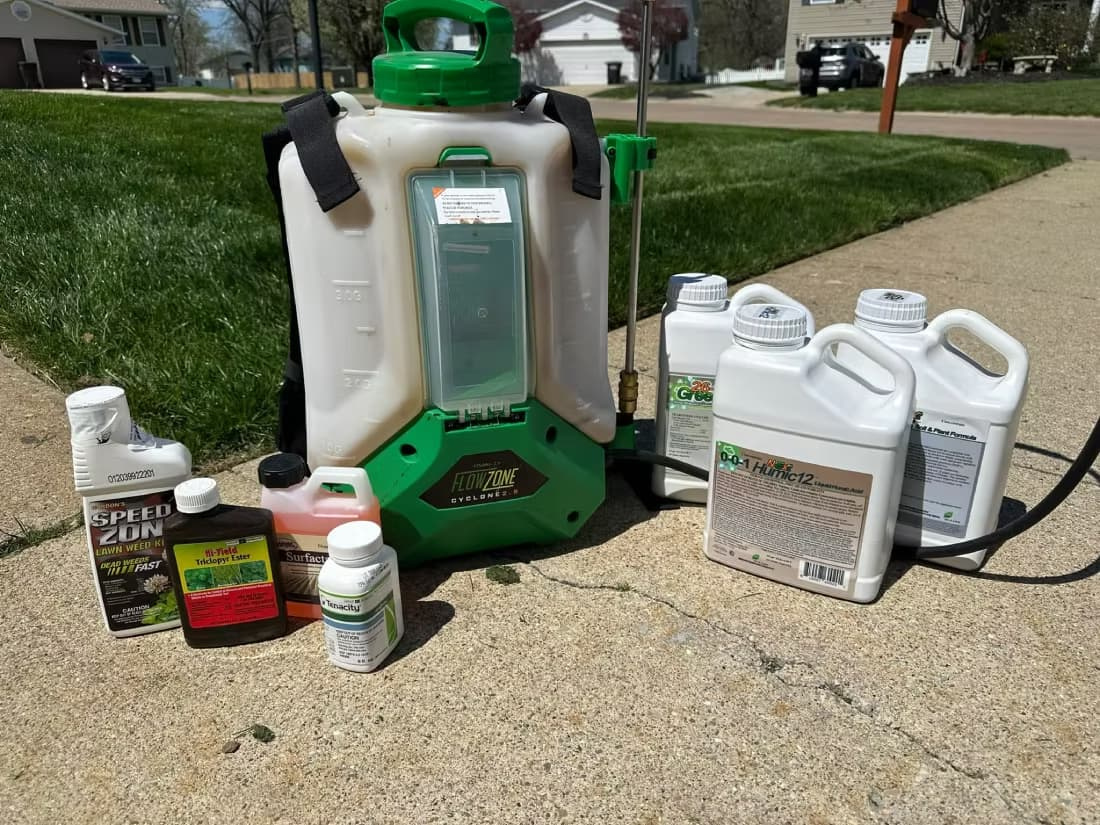
How to Apply Herbicides Correctly in Your Lawn and Garden Beds
Getting real results from a weed product has almost nothing to do with the brand on the bottle and everything to do with matching the method to the moment — the right chemistry, in the right place, at the right time. Learn how to apply herbicides correctly across both your lawn and your garden beds, whether you’re stopping weeds before they sprout or killing the ones already growing, without wasting product or harming the plants you want to keep.
Read Article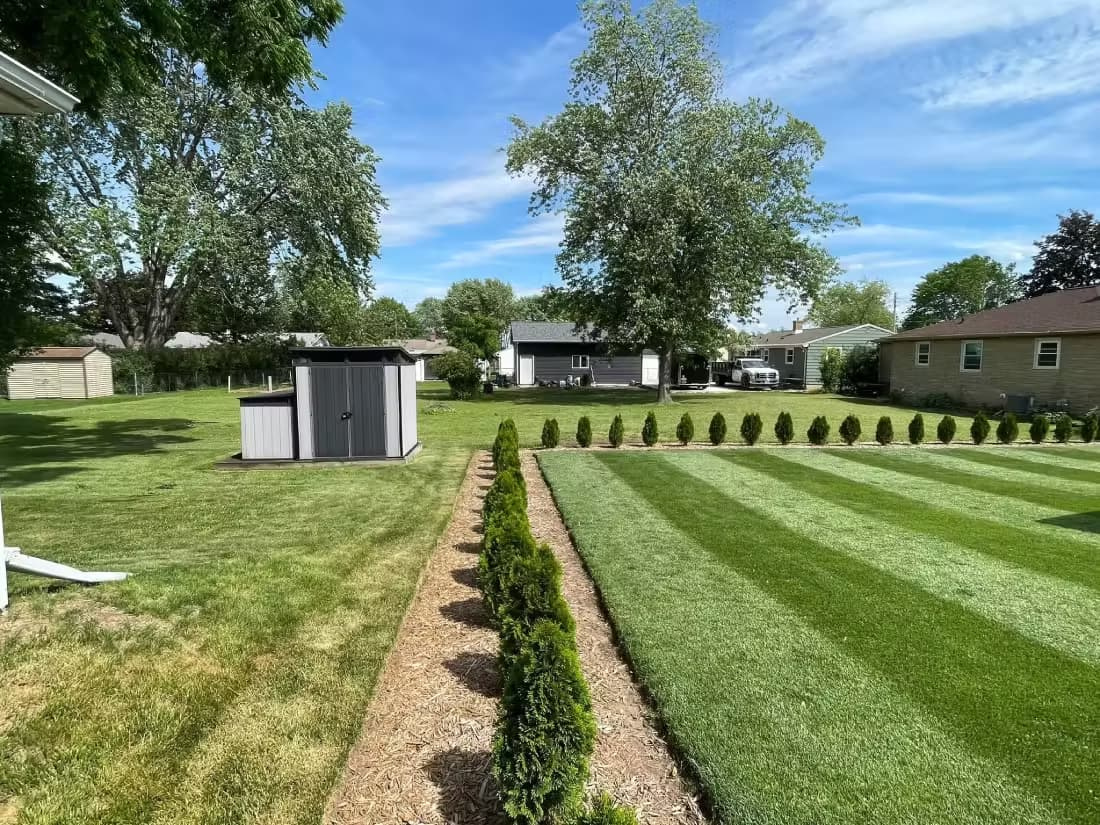
How to Kill Weeds Where Two Lawns Meet Without Harming Your Neighbor’s Grass
Controlling weeds along a shared property line is where good intentions quietly backfire—the season that's safe for your own lawn is often the season the lawn next door is most easily harmed. Learn the seasonal timing collision behind most fence-line damage, and the two habits that prevent it—reading what's actually in the bottle and spraying directed instead of broadcast—so you can clear the weeds without hurting your grass, your neighbor's, or the peace between you.
Read Article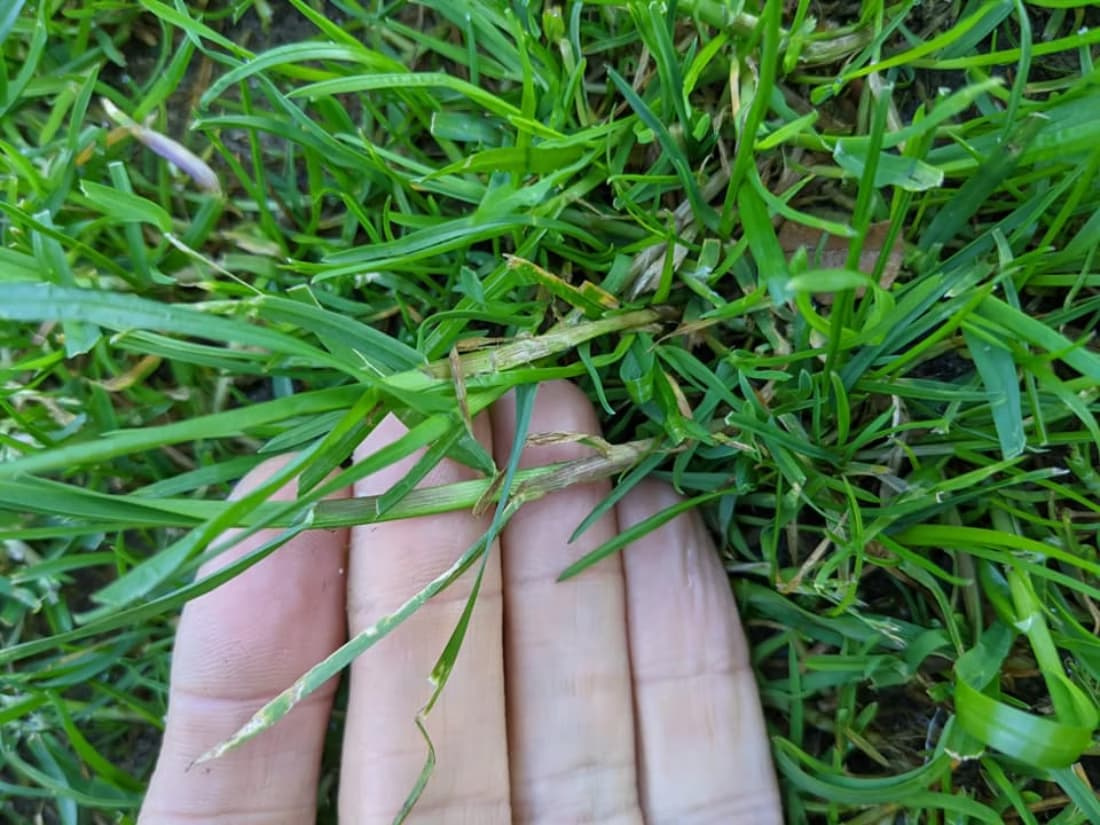
The Truth About One-and-Done Weed Control
Most homeowners lose the fight against weeds not because they work too little, but because they act before they understand. One-and-done weed control is real — but it only works when identification, timing, and the right tool all line up. This guide explains how that sequence works across your lawn and your ornamental beds, and how each weed page in the MFY hub puts it into practice for your specific invader.
Read Article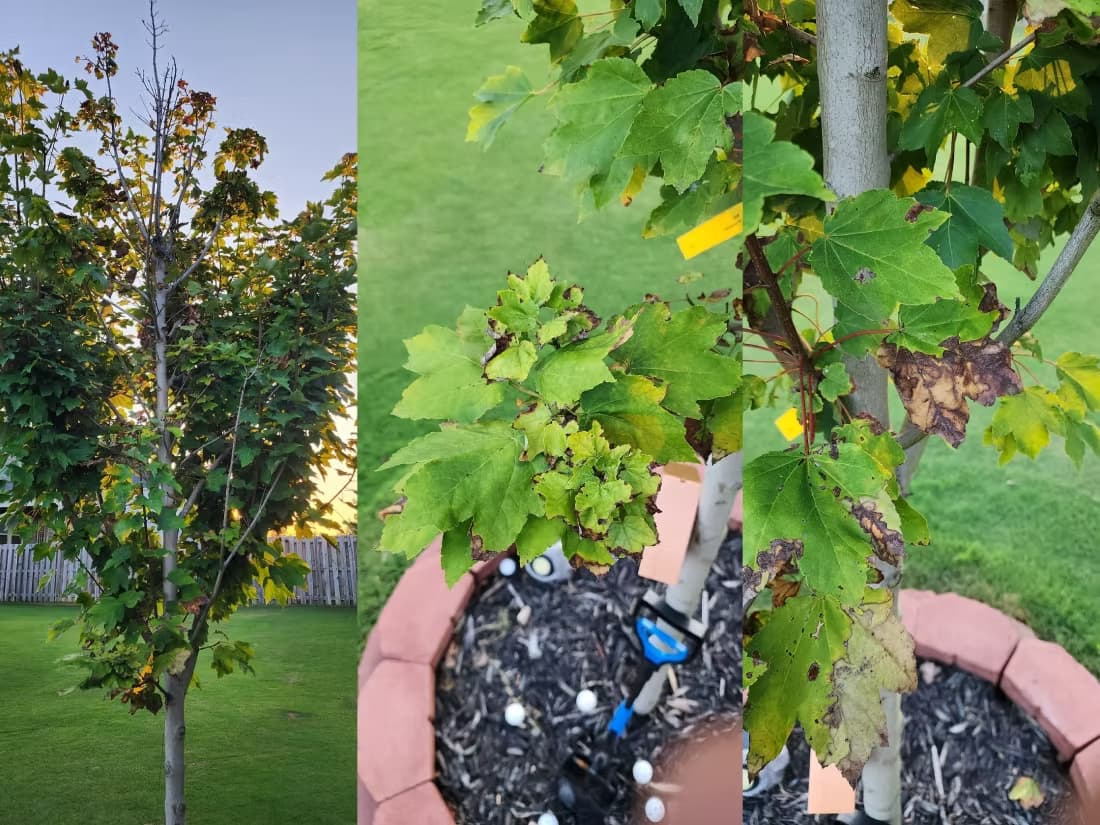
Solving the Mystery of the False Evidence in Your Lawn and Landscape
A brown leaf or a yellowing lawn is rarely what it seems. When symptoms act as decoys, a calm, forensic approach brings clarity to the confusion. Learn how to look past the surface to find the quiet truth of what your plants are truly asking for.
Read Article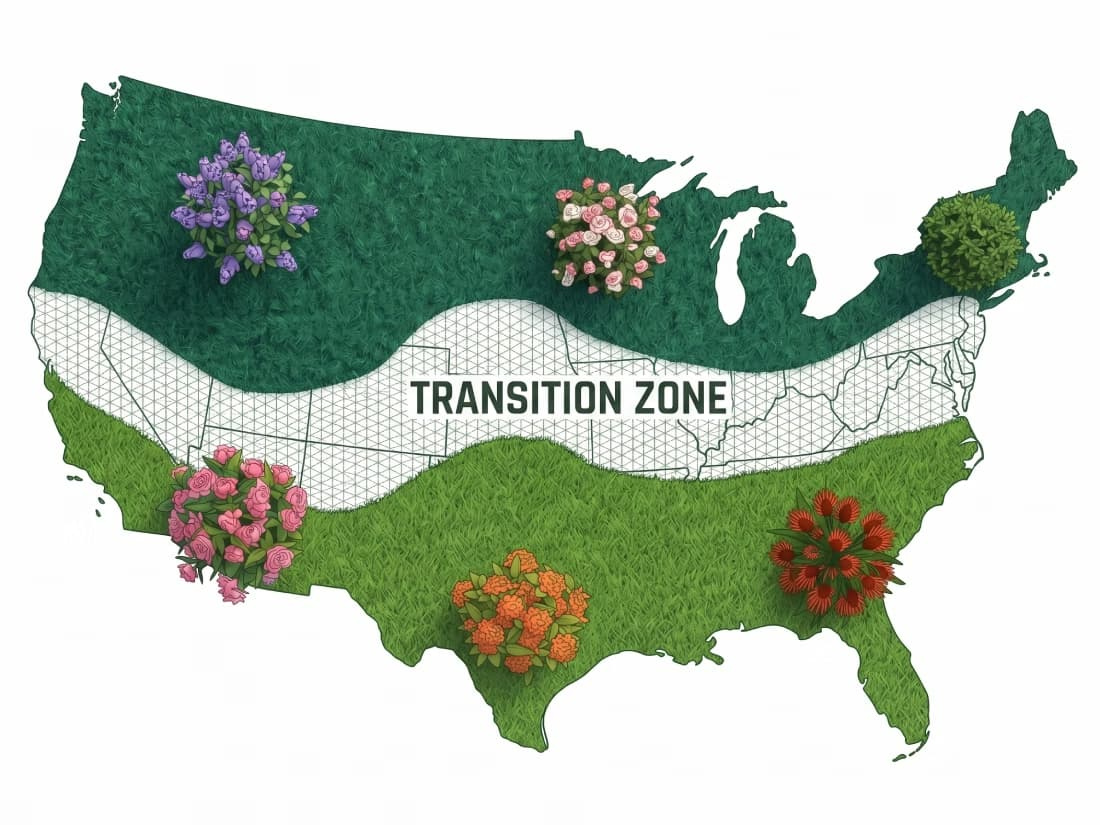
Living in the Middle: The Deep-Dive Guide to Transition Zone Lawns and Landscapes
The Transition Zone is a biological tug-of-war where neither northern nor southern species perfectly adapt. By using resilient "bridge" species and mastering maintenance levers like the Mowing Pivot, you can transform a struggling yard into a healthy landscape.
Read Article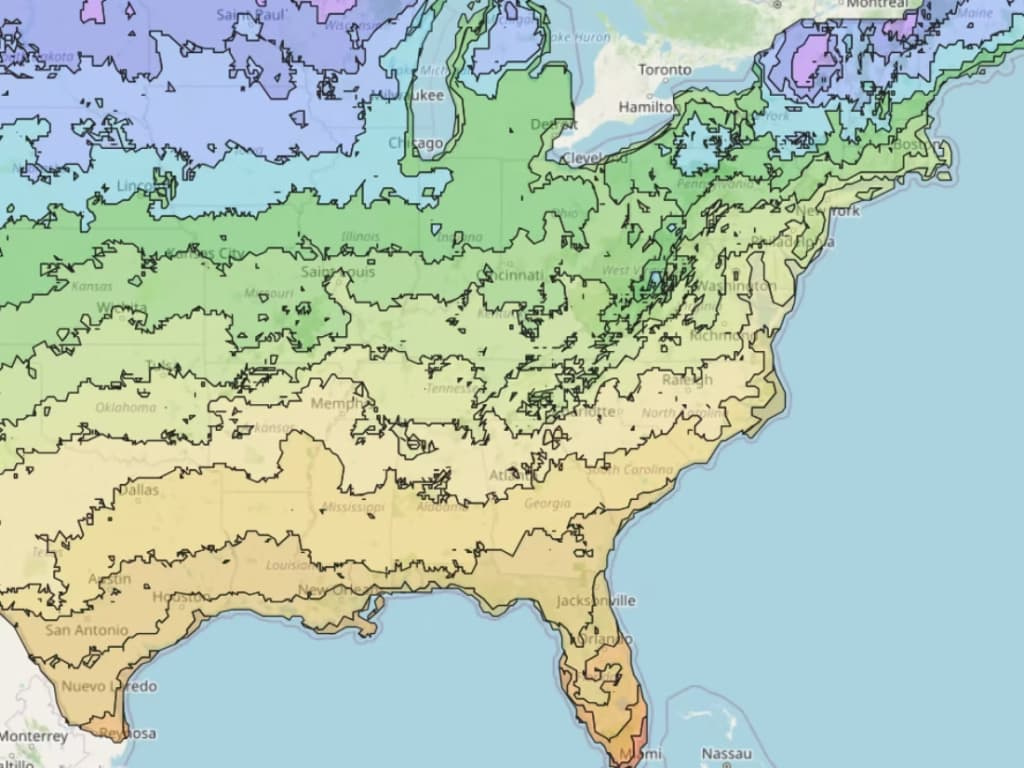
What Your Hardiness Zone Really Means for Your Lawn and Plants
Uncover the foundation of a resilient landscape by mastering the science of hardiness zones. Learn how these climate boundaries are calculated and why understanding your local temperature limits is the first step toward choosing plants that thrive year after year.
Read Article
The One-Third Mowing Rule: A Species-Specific Guide to Mowing Heights
Stop guessing your lawn's health. While the one-third rule is the foundation, every grass species has its own threshold for stress. This guide provides exact 'mow-at' heights, seasonal frequency adjustments, and mower setting tips for over 12 grass types to ensure a professional-grade cut every time.
Read Article
How to Kill Weeds in New Grass Without Killing the Grass
You spent weeks preparing the soil and watering your new seeds, only to see a "carpet of green" that looks more like a weed patch than a lawn. It is frustrating to watch weeds grow twice as fast as your tiny seedlings, leading to a "Panic Phase" where many homeowners make the mistake of spraying too early. Before you reach for the herbicide and risk killing your investment, you need to understand the precise timing required to save your new grass while clearing out the invaders.
Read Article