
Parent Species:
Endophyte-Enhanced Ryegrass
Ryegrass carrying a live fungus inside its leaves that makes them toxic to leaf-feeding insects — pest resistance with no insecticide.
Is Endophyte-Enhanced Ryegrass Right For Your Yard?
Best For:
Tradeoff:
What Makes It Different
An endophyte is a fungus that lives inside the grass plant without harming it. It grows in the leaves and leaf sheaths and produces alkaloids that are toxic or repellent to insects chewing on the plant above ground. An insect that starts feeding gets a bad meal and either leaves or dies. There is nothing to apply and nothing to reapply — the defense is part of the plant.
Two things follow from where the fungus lives. First, protection stops at the soil line: white grubs eat roots, and the endophyte never reaches them, so grub control is unchanged. Second, the fungus travels only in seed. It grows into the seed as it forms and germinates with it, which means it cannot spread into a neighboring lawn and cannot be added to a lawn you already have except by seeding.
It also drags a few secondary benefits along. UMass Extension reports that endophyte-carrying grasses root more deeply, and Ontario’s turf program documents better summer survival, better fall recovery from drought, and less weed invasion — while being honest that the reason is not fully understood. In practice that buys ryegrass one step of heat and drought tolerance and a slightly lower nitrogen appetite. One step. It does not give ryegrass a summer dormancy, and nothing does.
Who It’s For
The clearest case is a lawn that has already lost patches to surface feeders — irregular dead areas in mid to late summer, grass that pulls up easily at the crown, sawdust-like frass at the base of the stems from billbug larvae. If you have replaced that grass once, seed the replacement with endophyte.
It is also the low-input answer within ryegrass. If you want fewer sprays and a slightly smaller fertilizer bill on a lawn that still has to take traffic, this is the version of ryegrass to plant. And it is the wrong choice in exactly one situation: any lawn or paddock where horses or livestock graze. The same alkaloids that poison insects cause staggers and other toxicity in grazing animals.
The Cultivars
This is the page where the named-cultivar route has largely closed. Of the cultivars extension literature names for high endophyte, none currently sells as a standalone product to homeowners — they survive as blend components and professional contracts. So you are shopping for a label claim and a date, not a name.
| Cultivar | How it’s sold | What it’s good at | Notes |
| Manhattan 4 | No standalone retail found | The high-endophyte generation of the Manhattan line | Superseded; the line now sells as Manhattan 7 GLR, which is bred for gray leaf spot as well |
| Pennant II, Constitution, Justice, Tuxedo | No current retail listings or suppliers found | Named in extension literature for endophyte content | Discontinued for consumers, or restricted to sod-farm and professional contracts |
| Palmer V | Professional distributors; a component in retail blends | Endophyte plus heat and humidity tolerance | The distributor states over 92% endophyte — a seed-company figure, not a trial result. Also gray-leaf-spot-selected |
| SR 4650, SR 4660ST | Professional channel (DLF) and blends | Endophyte plus disease resistance; SR 4660ST is pitched for salt and drought | Breeder claims. SR 4650 rates 8.3 for gray leaf spot in NTEP |
| Consumer blends labeled “Endophyte-Enhanced” | Big-box and garden centers, in 3- to 7-lb bags | The realistic route for most buyers | Ingredient panels do name their ryegrass cultivars — read the back of the bag. The label claim is not required to state an endophyte percentage |
What Changes In Care
Feeding drops a notch. Aim at the lower end of the parent range — roughly 2 to 3 lb of nitrogen per 1,000 sq ft a year rather than 3 to 4 — still weighted to fall and still nothing in July and August.
Insect control changes shape rather than disappearing. Skip curative sprays for leaf and stem feeders and let the grass handle them, but keep whatever grub program your area needs, because the endophyte does not touch root feeders. Everything else — mowing height, sharp blade, water, overseeding — is unchanged from the parent grass.
One storage habit is worth adding: keep leftover seed cool and dry. UMass puts the target near 40°F. A bag left in a hot garage until next fall is ordinary ryegrass by then.
Before You Buy
- Check the seed test date first. Endophyte viability falls off after roughly nine months in normal warehouse storage. A bag without a visible test date is a bag you cannot verify.
- Expect a claim, not a number. State seed laws do not require an endophyte percentage on the label, so most bags just say “Endophyte-Enhanced.” Where a supplier publishes a figure, treat it as the seed company’s number.
- Content varies year to year. UMass notes the endophyte level in the same cultivar shifts with growing and harvest conditions, so two bags of one variety are not identical lots.
- Buy where the test date is printed. Specialist online suppliers show test date and sell-by date on the analysis label; the big-box channel generally does not, and shelf stock can sit through more than one season.
- Watch the dilution in a mix. Kentucky bluegrass and bentgrass carry no endophyte at all, so in a blend that is 20% ryegrass, only that 20% is protected. If insects are the reason you are buying, a higher ryegrass fraction or an endophyte-carrying fescue in the mix matters — inside the blend caps on the parent page.
- Never where animals graze. Not a lawn-quality issue but a genuine hazard: keep endophyte-enhanced seed off pasture, paddocks, and any yard a horse has access to.
Deep Dives & Practical Guides
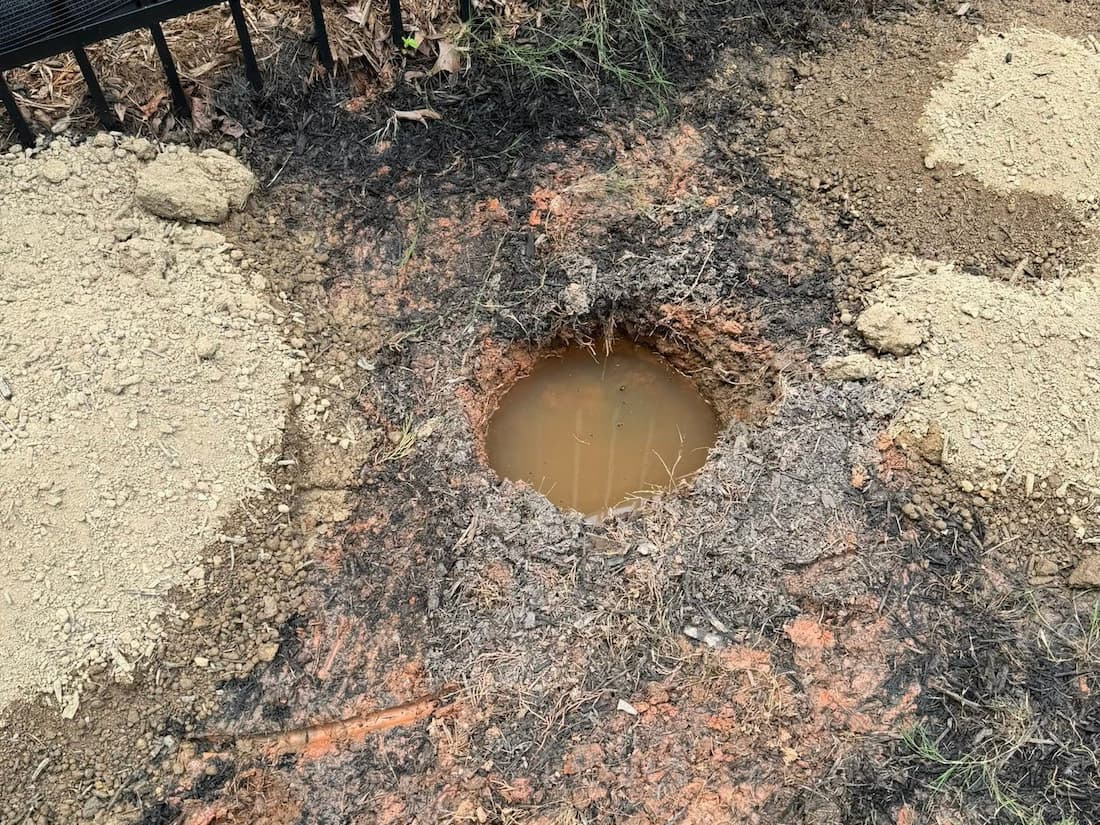
The Hole You Dug Is Killing Your New Plants
A shrub that looked fine all summer and stalled the next year usually didn't fail because of the plant, the weather, or the nursery. It failed because the hole it went into was a container — smooth-walled, water-holding, and impossible to root out of.
Read Article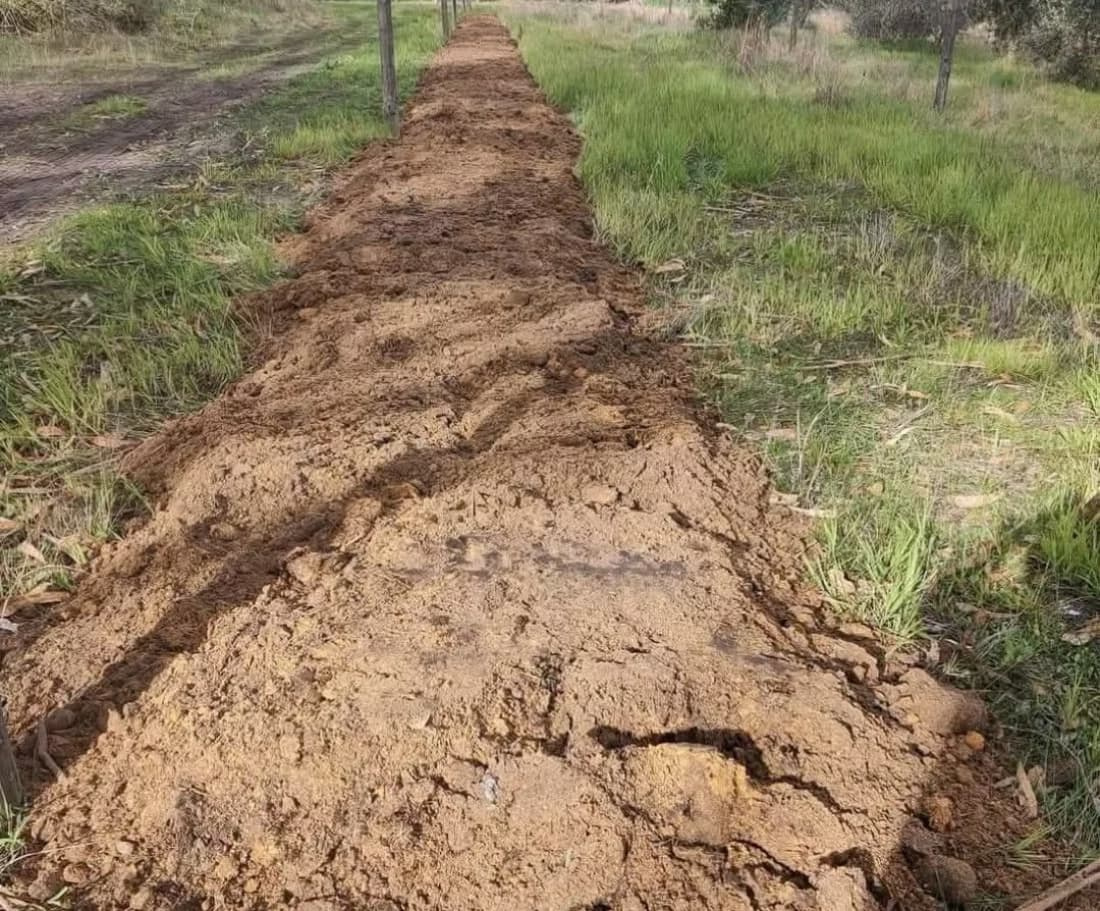
What You Can Actually Change About Bad Soil
Heavy clay and loose sand feel like permanent sentences, and half of that is true. What your soil is made of will not change. How those particles are arranged will — and that is the half that decides whether anything grows.
Read Article
Why Your Plants Survive Winter and Die in July
Your hardiness zone is built from one number — the coldest night of an average year. It says nothing about the hottest afternoon, which is what actually kills most plants people lose. Here's how to read the other half of the map.
Read Article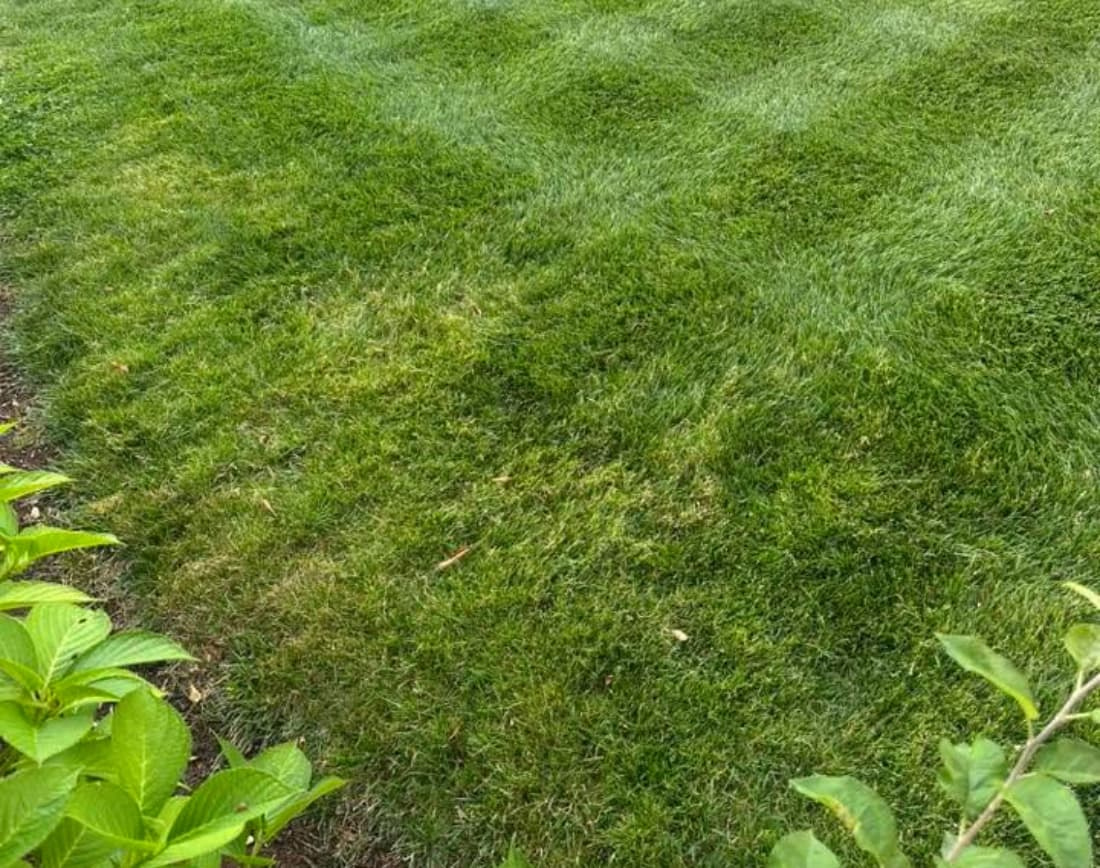
Why Poa Annua Keeps Coming Back — and the 3-Year Plan That Finally Ends the Cycle
You've pulled it. You've sprayed it. You've watched the little white seedheads mock you every single spring. And every fall, like clockwork, it's back — in the lawn, in the beds, in the cracks you didn't know you had. Here's the hard truth nobody at the big-box store will tell you: you're not losing because you're doing it wrong — you're losing because you're fighting the wrong enemy on the wrong timeline. Poa annua isn't a one-season problem, and once you understand why, the three-year plan below stops feeling like a chore and starts feeling like a countdown.
Read Article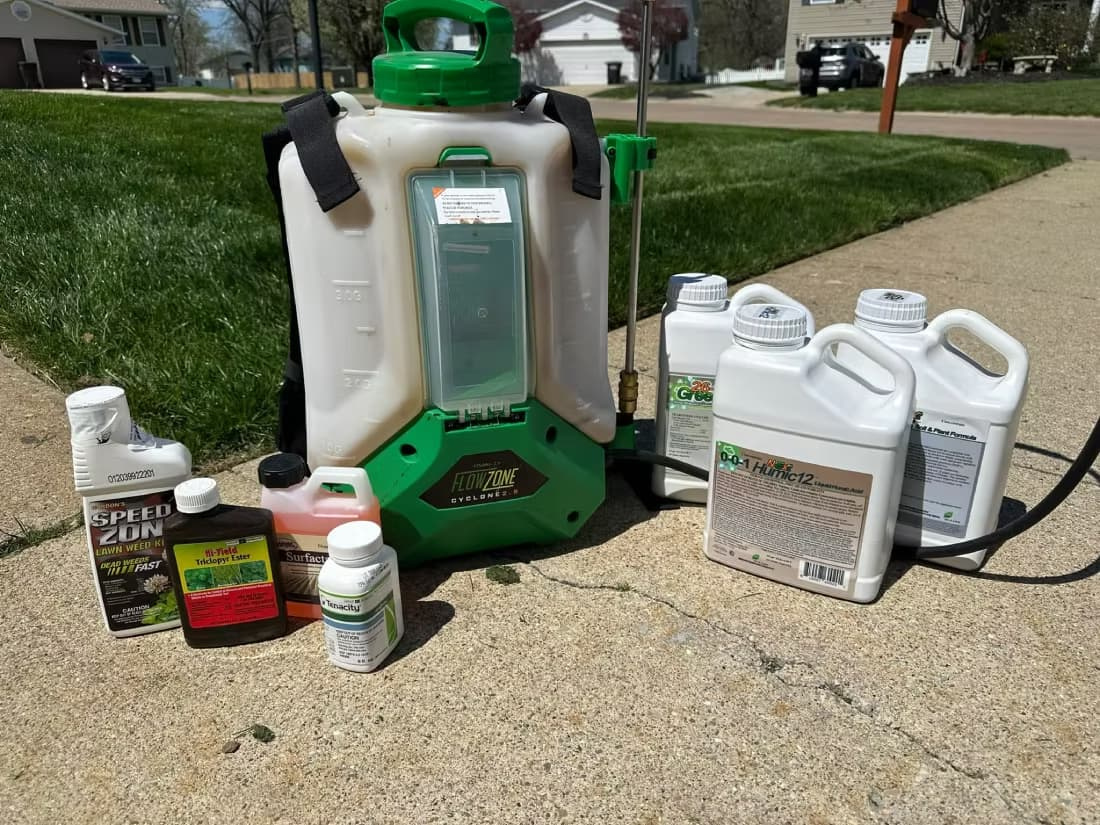
How to Apply Herbicides Correctly in Your Lawn and Garden Beds
Getting real results from a weed product has almost nothing to do with the brand on the bottle and everything to do with matching the method to the moment — the right chemistry, in the right place, at the right time. Learn how to apply herbicides correctly across both your lawn and your garden beds, whether you’re stopping weeds before they sprout or killing the ones already growing, without wasting product or harming the plants you want to keep.
Read Article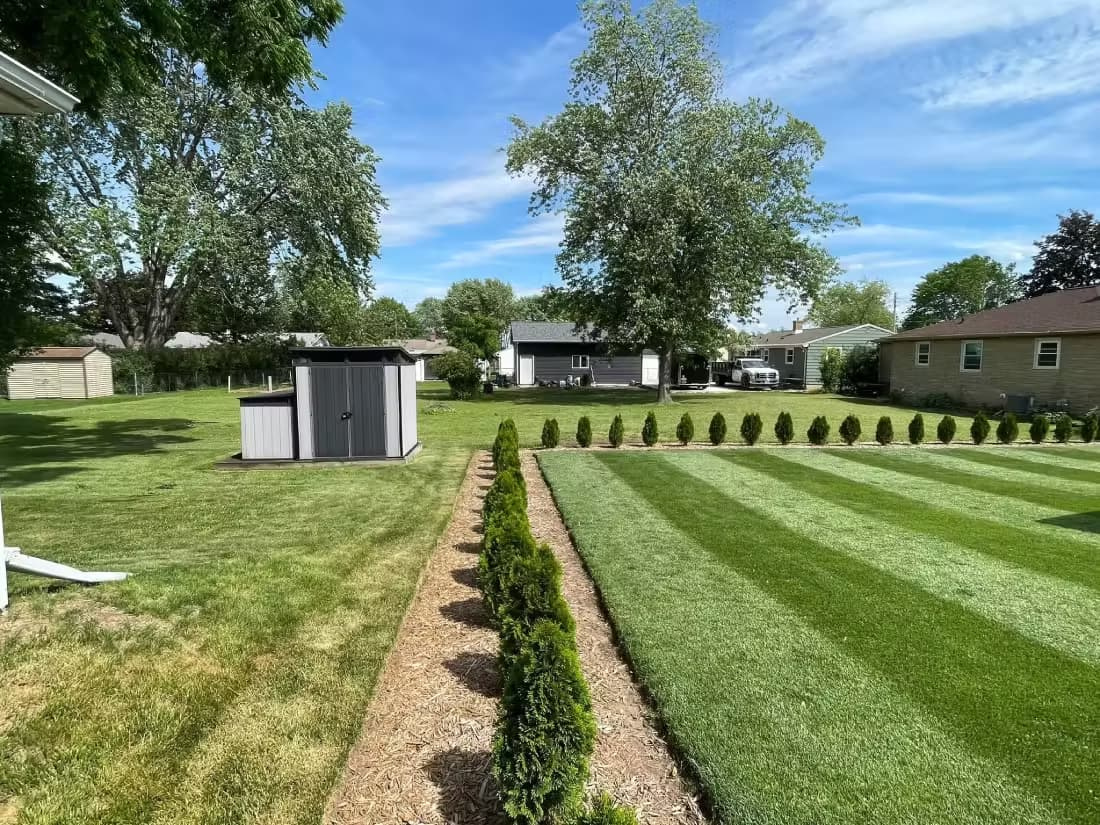
How to Kill Weeds Where Two Lawns Meet Without Harming Your Neighbor’s Grass
Controlling weeds along a shared property line is where good intentions quietly backfire—the season that's safe for your own lawn is often the season the lawn next door is most easily harmed. Learn the seasonal timing collision behind most fence-line damage, and the two habits that prevent it—reading what's actually in the bottle and spraying directed instead of broadcast—so you can clear the weeds without hurting your grass, your neighbor's, or the peace between you.
Read Article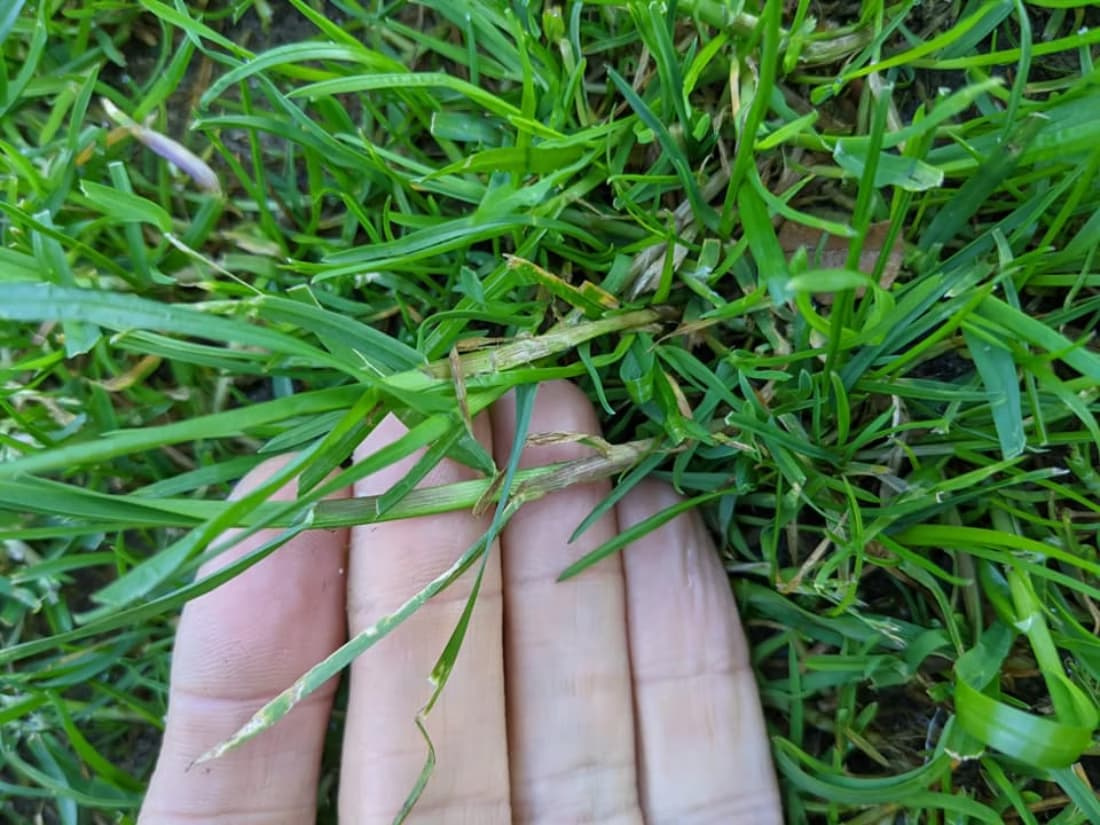
The Truth About One-and-Done Weed Control
Most homeowners lose the fight against weeds not because they work too little, but because they act before they understand. One-and-done weed control is real — but it only works when identification, timing, and the right tool all line up. This guide explains how that sequence works across your lawn and your ornamental beds, and how each weed page in the MFY hub puts it into practice for your specific invader.
Read Article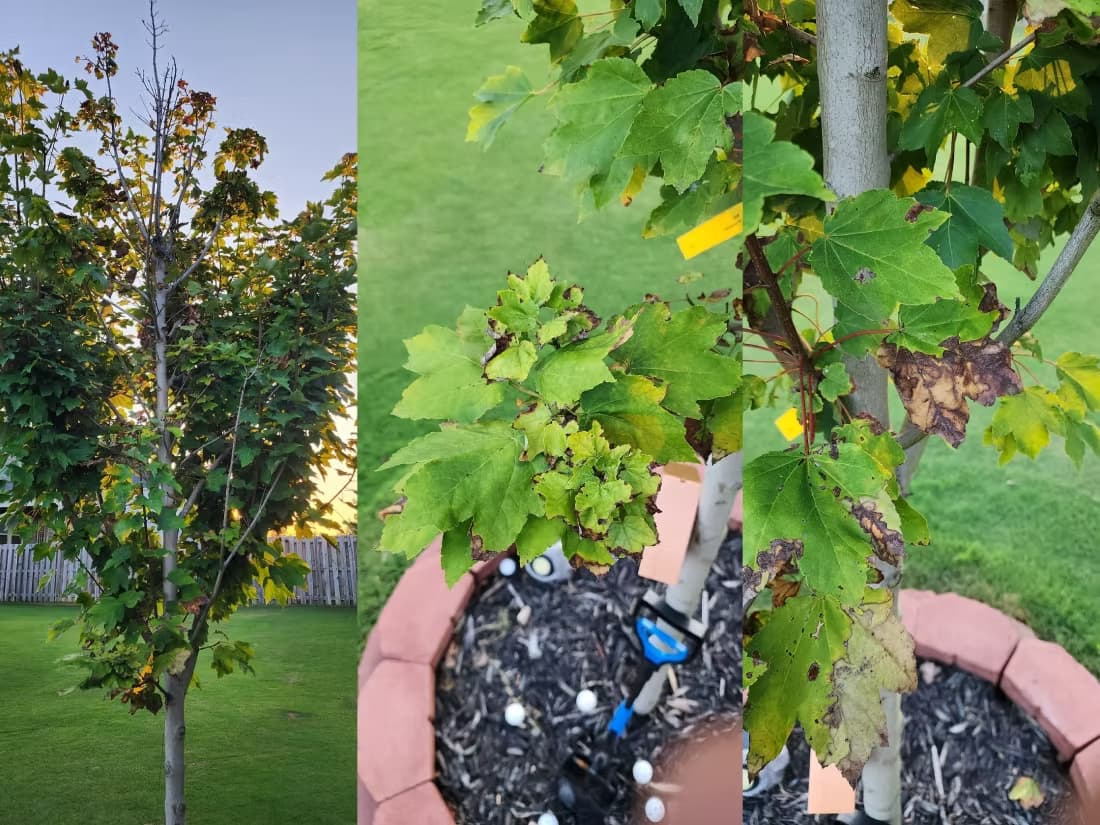
Solving the Mystery of the False Evidence in Your Lawn and Landscape
A brown leaf or a yellowing lawn is rarely what it seems. When symptoms act as decoys, a calm, forensic approach brings clarity to the confusion. Learn how to look past the surface to find the quiet truth of what your plants are truly asking for.
Read Article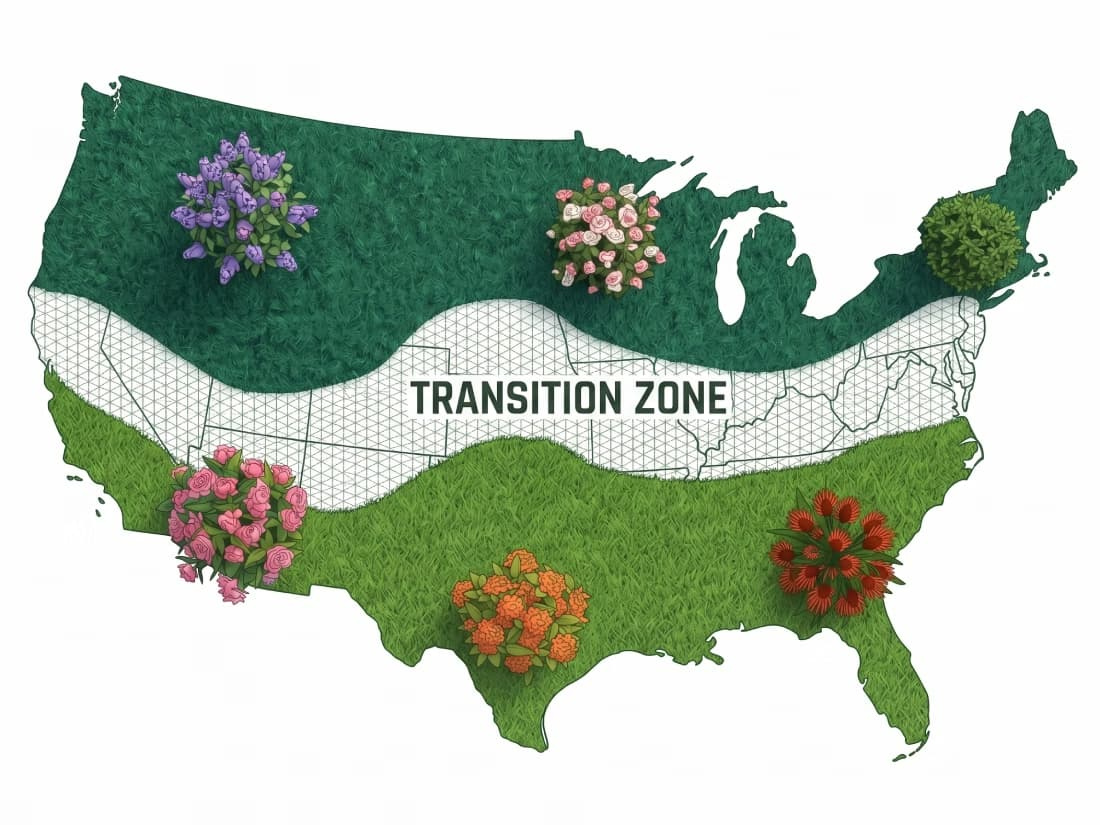
Living in the Middle: The Deep-Dive Guide to Transition Zone Lawns and Landscapes
The Transition Zone is a biological tug-of-war where neither northern nor southern species perfectly adapt. By using resilient "bridge" species and mastering maintenance levers like the Mowing Pivot, you can transform a struggling yard into a healthy landscape.
Read Article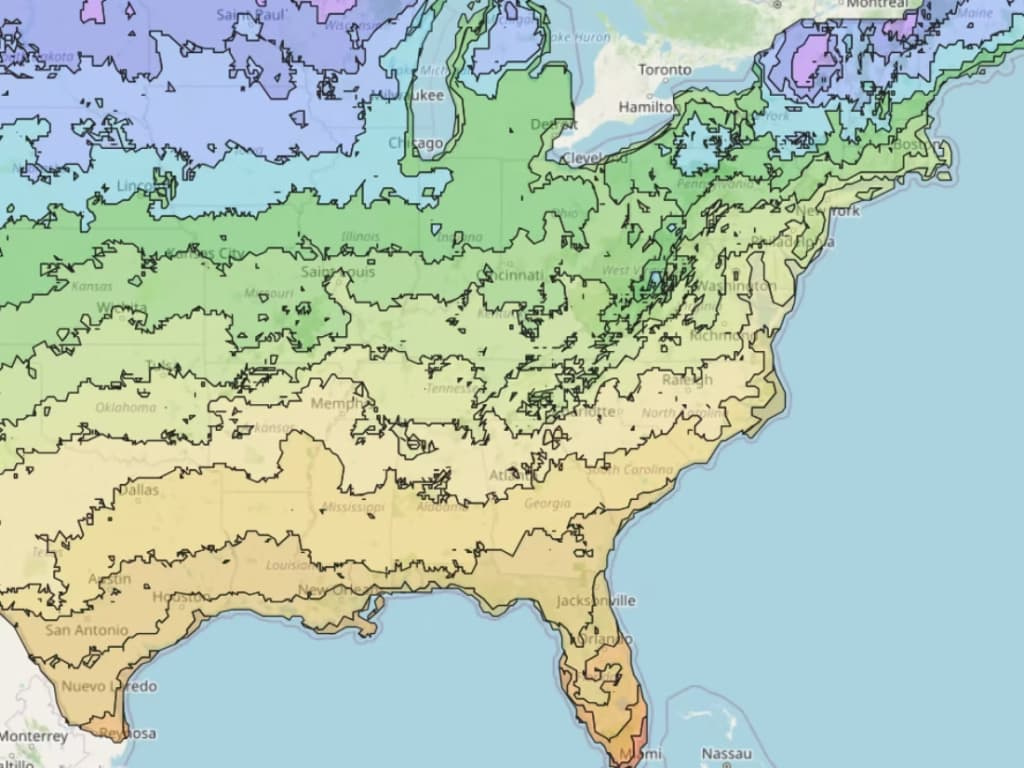
What Your Hardiness Zone Really Means for Your Lawn and Plants
Uncover the foundation of a resilient landscape by mastering the science of hardiness zones. Learn how these climate boundaries are calculated and why understanding your local temperature limits is the first step toward choosing plants that thrive year after year.
Read Article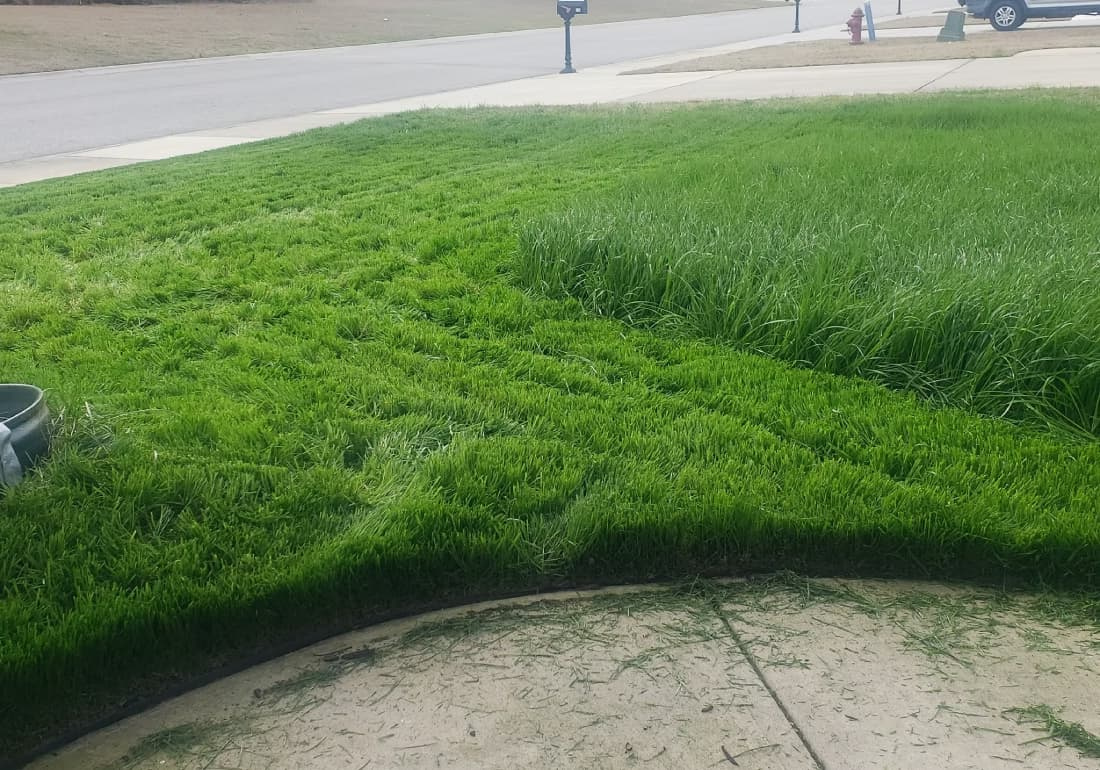
The One-Third Mowing Rule: A Species-Specific Guide to Mowing Heights
Stop guessing your lawn's health. While the one-third rule is the foundation, every grass species has its own threshold for stress. This guide provides exact 'mow-at' heights, seasonal frequency adjustments, and mower setting tips for over 12 grass types to ensure a professional-grade cut every time.
Read Article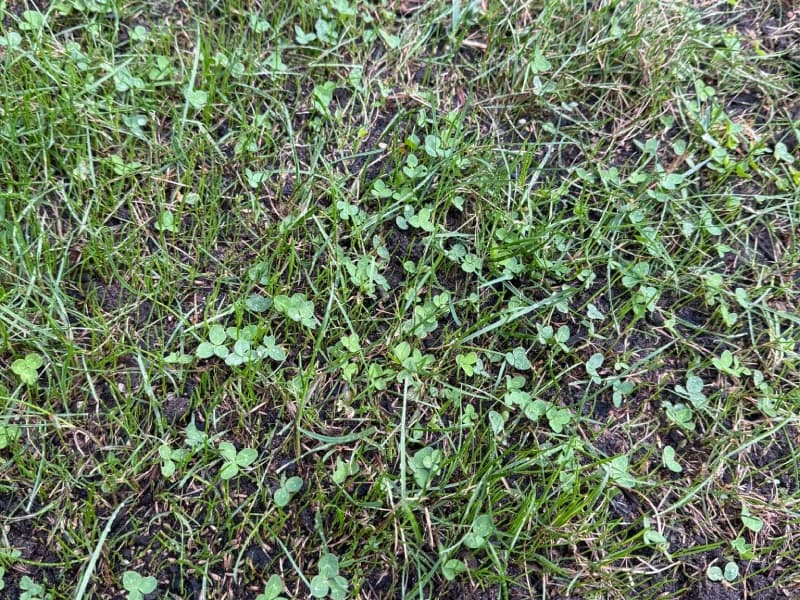
How to Kill Weeds in New Grass Without Killing the Grass
You spent weeks preparing the soil and watering your new seeds, only to see a "carpet of green" that looks more like a weed patch than a lawn. It is frustrating to watch weeds grow twice as fast as your tiny seedlings, leading to a "Panic Phase" where many homeowners make the mistake of spraying too early. Before you reach for the herbicide and risk killing your investment, you need to understand the precise timing required to save your new grass while clearing out the invaders.
Read Article