
Parent Species:
Aggressive-Type Kentucky Bluegrass
The fastest-healing Kentucky bluegrass — the group that closes a bare patch on its own instead of waiting for you to overseed.
Is Aggressive-Type Kentucky Bluegrass Right For Your Yard?
Best For:
Tradeoff:
What Makes It Different
Speed of repair, and nothing else reliably. This is the one group extension rates Excellent for wear where every other bluegrass type sits at Fair or Fair-to-Good.
The mechanism is rhizomes. All Kentucky bluegrass repairs itself by sending out underground stems that surface and root into new plants — that is the species’ single best trait. These cultivars simply produce more rhizome, faster, and hold a higher shoot density while doing it. A scar that would take a slow compact type most of a season to close can knit over in weeks. Extension type charts describe the group in exactly those terms: aggressive lateral growth, high shoot density, very wear tolerant, quick to knit sod and repair.
The cost sits in the same description. The same charts add that these cultivars may predominate in a blend — a plant that spreads faster than its neighbors will out-compete them. That undoes the reason bluegrass is blended in the first place. Because Kentucky bluegrass reproduces clonally, a blend of three to five unrelated cultivars is your only insurance against disease; let an aggressive cultivar erase the others and you are back to a single-cultivar lawn, and its strengths and weaknesses both show up fast.
The second thing to know is that this group is defined by one trait and variable in the rest. Spring green-up, disease susceptibility and winter color all differ widely inside it, and recovery from summer stress has been recorded as poor to moderate. Turf quality is not a group property either — ‘Limousine’, the type’s namesake, landed in the bottom quality tier in a University of Maine planting of the 2000 NTEP trial, alongside Kenblue. Cold hardiness is the one thing that does not vary: every Kentucky bluegrass type survives the same winters.
Who It’s For
The back lawn with a trampoline on it every June and a paddling pool in July. A dog run. The corner everyone cuts across. Any yard where the problem is not how the grass looks in May but whether it is still there in September.
It is also the group to use when you need cover fast — an aggressive type knits a new seeding into usable turf sooner, which matters because a young bluegrass lawn spends six to nine months open to weeds. It is the wrong pick for a showpiece front lawn, where color is lighter and quality is inconsistent, and it is the wrong pick if you were planning to build a careful four-cultivar blend, because it will not stay one.
The Cultivars
| Cultivar | How it’s sold | What it’s good at | Notes |
| A-34 (Bensun) | Seed. Professional and wholesale channels | Wear and recovery, plus the best-documented shade tolerance in the group | Purdue lists it among shade-tolerant bluegrass cultivars and Penn State rates it for light shade. A 1970s advertising claim of up to 65% shade circulates widely — that is vintage marketing, not evidence. |
| Touchdown | Seed. Professional channel; a long-standing sod-farm variety | Deep rhizomes and wear recovery; historically chosen for how fast it makes saleable sod | Also appears on Purdue’s shade-tolerant cultivar list. An old release, still catalogued. |
| Limousine | Seed. Professional channel | The reference cultivar the group is often named after | Scored in the lowest quality tier in the University of Maine NTEP planting. Aggressive is not the same as good — this is the clearest example. |
| Sombrero | Seed. Professional channel | Wear, plus heat and drought — the only member with a stated drought claim | Described by its breeder as an aggressive Limousine type with excellent wear, heat and drought tolerance. Breeder-reported, not trial data. |
| Northstar, Mystic, P-104, Cheetah, Brunswick, Bariris, Orfeo, Julius | Seed. Professional channel and blends | Filling the aggressive share of a sports-turf or sod blend | Most date from the 1970s to 1990s. Useful for recognizing the type on an analysis label. |
| Arcadia, Quantum Leap, SR 2150, Geisha, Jackrabbit | Seed. Professional channel | Aggressive growth carried into a better-quality genetic background | Not classed here, but this is where modern breeding put the trait. Arcadia and Quantum Leap are Midnight crossed with Limousine; SR 2150 is sold as an aggressive America type; Geisha as an aggressive BVMG. Worth considering instead of the old aggressive types. |
What Changes In Care
One rule changes, and it is the blending rule. Everywhere else in Kentucky bluegrass the advice is three to five unrelated cultivars in equal-ish shares. Here you either keep the aggressive cultivar to a minority share so it cannot erase its partners, or you accept that the lawn will end up close to a single-cultivar stand and pick one with no glaring weakness.
- Feed at the top of the range — 3 to 5 lb of nitrogen per 1,000 sq ft a year, fall-weighted. Growth that fast has to be paid for, and an underfed aggressive type thins like any other.
- Watch the thatch. Bluegrass thatch is largely rhizome and crown tissue that rots slowly, so the group that makes the most rhizome is the one to check first. Core-aerate or vertical-mow in early fall when the layer passes half an inch.
- Mowing does not change.5 to 2.5 inches in spring and fall, 3 to 4 inches through summer heat, never more than a third of the blade at once.
- Do not read fast repair as drought tolerance. They are unrelated traits, and this group’s drought behavior is genuinely undocumented. Water it like any other bluegrass.
Before You Buy
Most of this group is old. A-34, Touchdown, Limousine, P-104, Mystic and Northstar are releases from the 1970s through the 1990s, and modern breeding has largely folded aggressiveness into better genetic backgrounds rather than releasing new members here. So the practical route is to look for the word aggressive in a variety description rather than to hunt for the classification, which is never printed on a bag.
- Buy it for wear, not for shade. A-34 has a shade reputation, but the university rating is light shade only. A shaded lawn wants fine fescue, not this.
- Do not buy it for drought either. No group-level drought or heat rating exists. Sombrero’s drought claim is its breeder’s, and it stands alone.
- Buy certified, blue-tag seed and check the test date — bluegrass loses vigor fast in warm storage.
- Keep perennial ryegrass under 10% by weight. It matters more here than usual: ryegrass establishes fast, and putting two aggressive things in one bag gives the bluegrass no room at all.
Deep Dives & Practical Guides
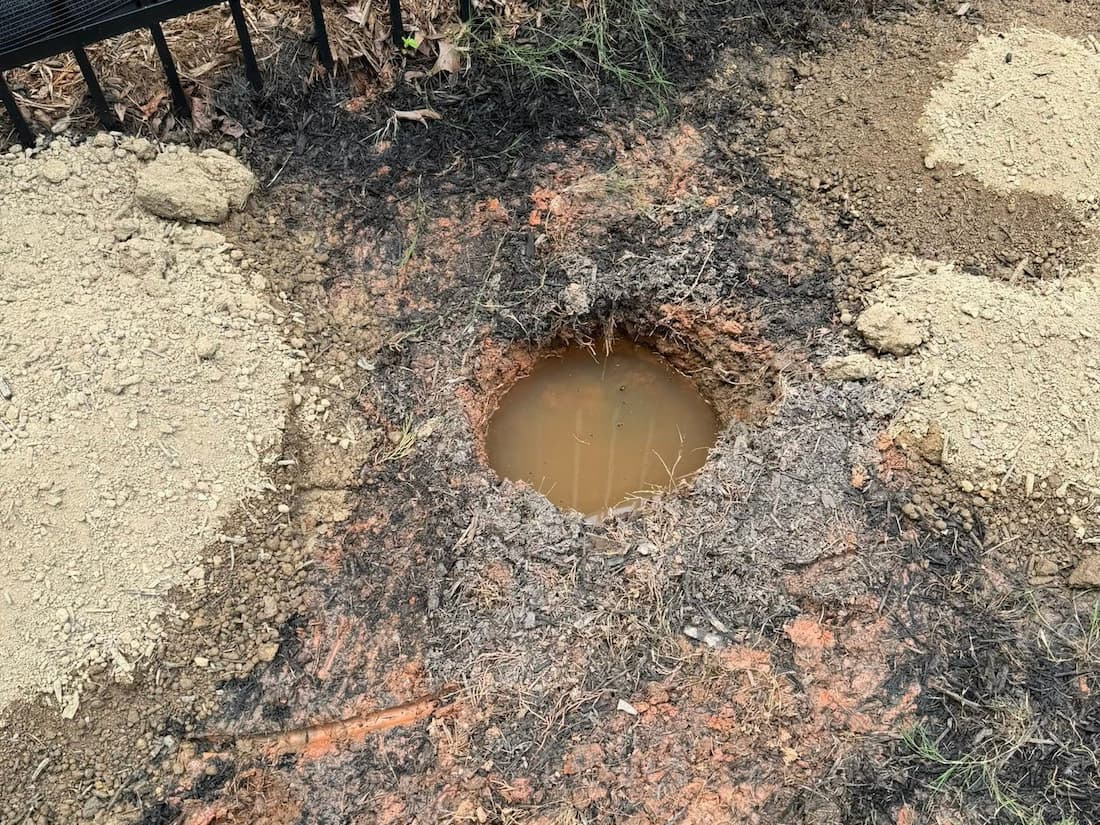
The Hole You Dug Is Killing Your New Plants
A shrub that looked fine all summer and stalled the next year usually didn't fail because of the plant, the weather, or the nursery. It failed because the hole it went into was a container — smooth-walled, water-holding, and impossible to root out of.
Read Article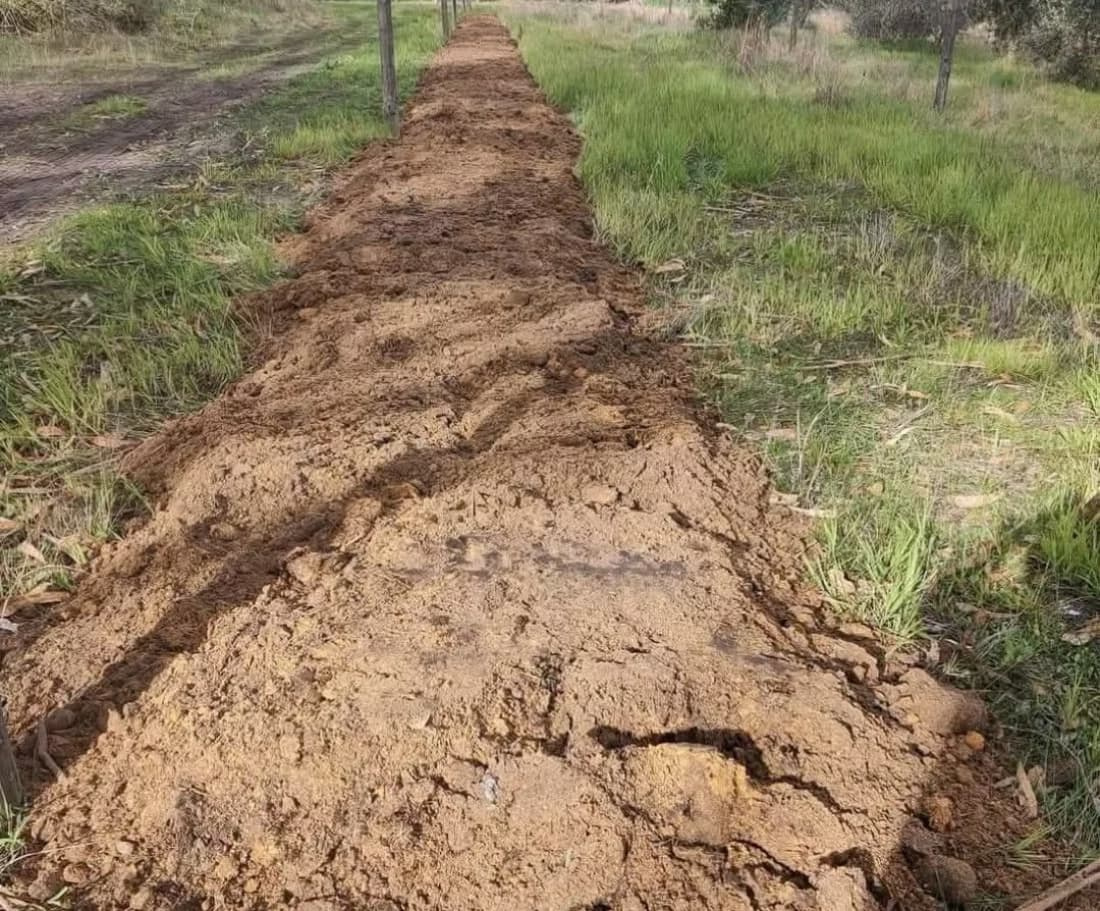
What You Can Actually Change About Bad Soil
Heavy clay and loose sand feel like permanent sentences, and half of that is true. What your soil is made of will not change. How those particles are arranged will — and that is the half that decides whether anything grows.
Read Article
Why Your Plants Survive Winter and Die in July
Your hardiness zone is built from one number — the coldest night of an average year. It says nothing about the hottest afternoon, which is what actually kills most plants people lose. Here's how to read the other half of the map.
Read Article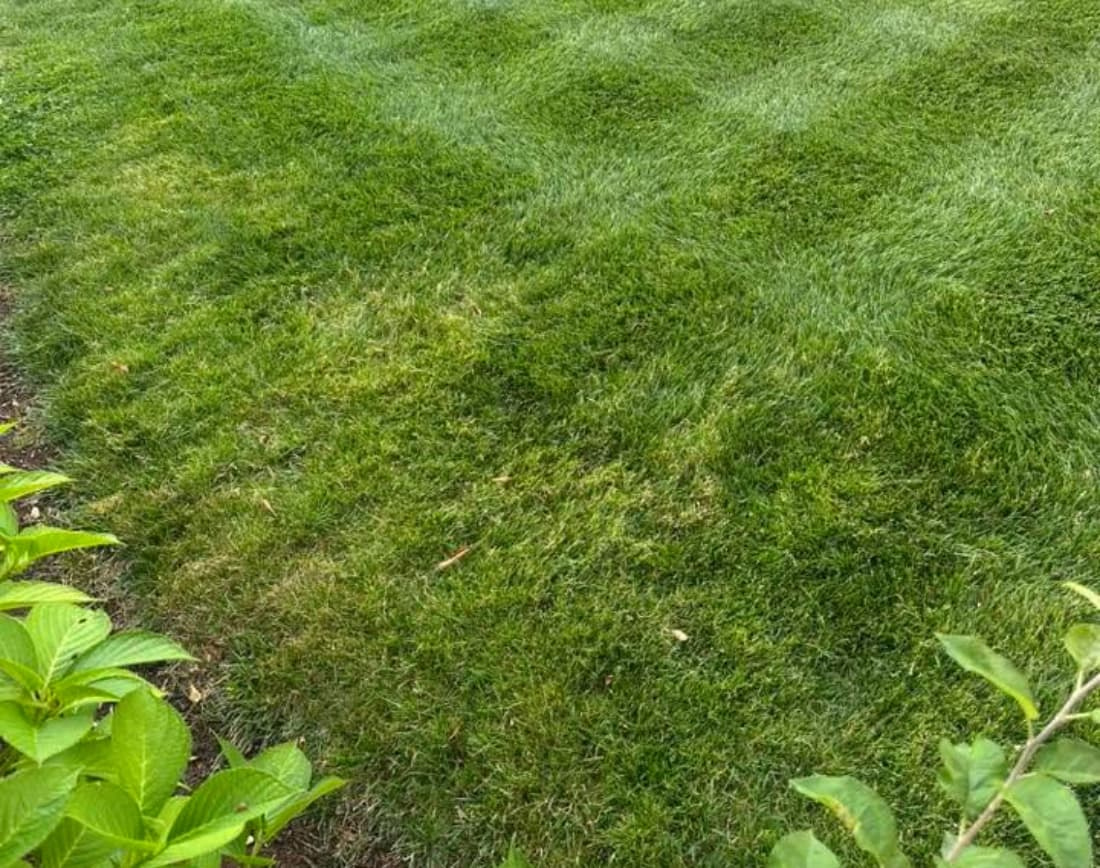
Why Poa Annua Keeps Coming Back — and the 3-Year Plan That Finally Ends the Cycle
You've pulled it. You've sprayed it. You've watched the little white seedheads mock you every single spring. And every fall, like clockwork, it's back — in the lawn, in the beds, in the cracks you didn't know you had. Here's the hard truth nobody at the big-box store will tell you: you're not losing because you're doing it wrong — you're losing because you're fighting the wrong enemy on the wrong timeline. Poa annua isn't a one-season problem, and once you understand why, the three-year plan below stops feeling like a chore and starts feeling like a countdown.
Read Article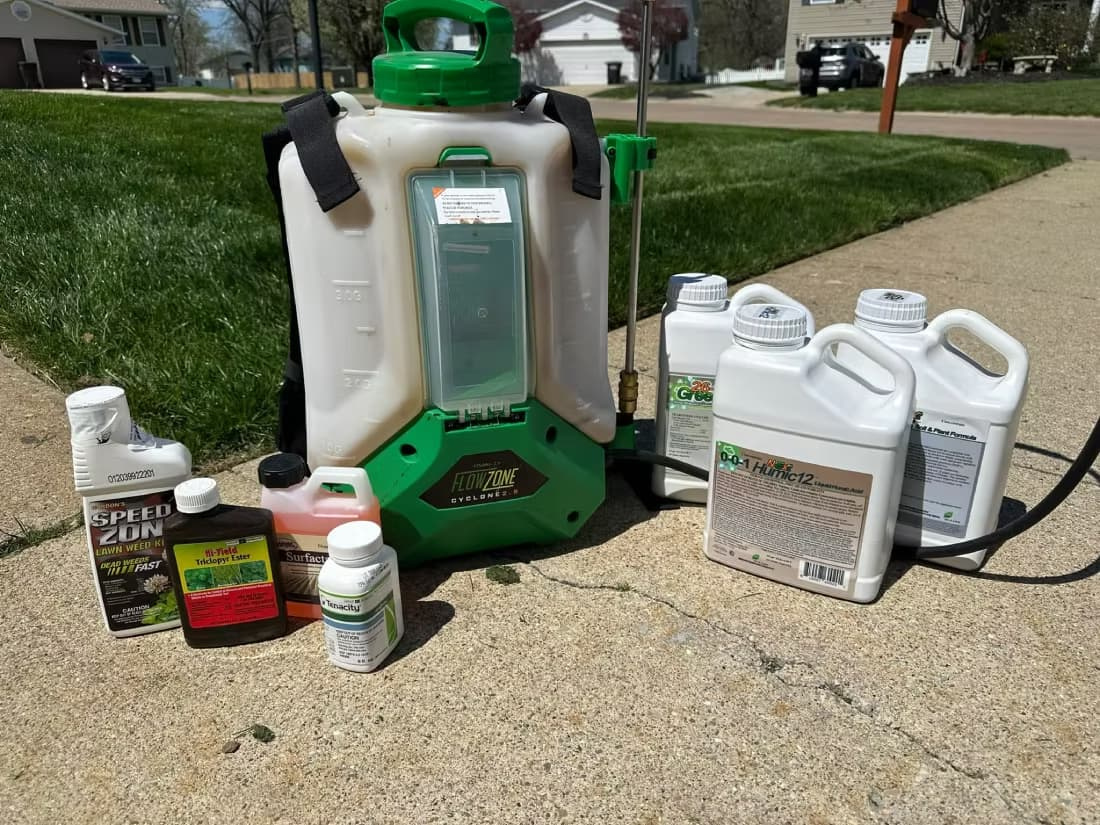
How to Apply Herbicides Correctly in Your Lawn and Garden Beds
Getting real results from a weed product has almost nothing to do with the brand on the bottle and everything to do with matching the method to the moment — the right chemistry, in the right place, at the right time. Learn how to apply herbicides correctly across both your lawn and your garden beds, whether you’re stopping weeds before they sprout or killing the ones already growing, without wasting product or harming the plants you want to keep.
Read Article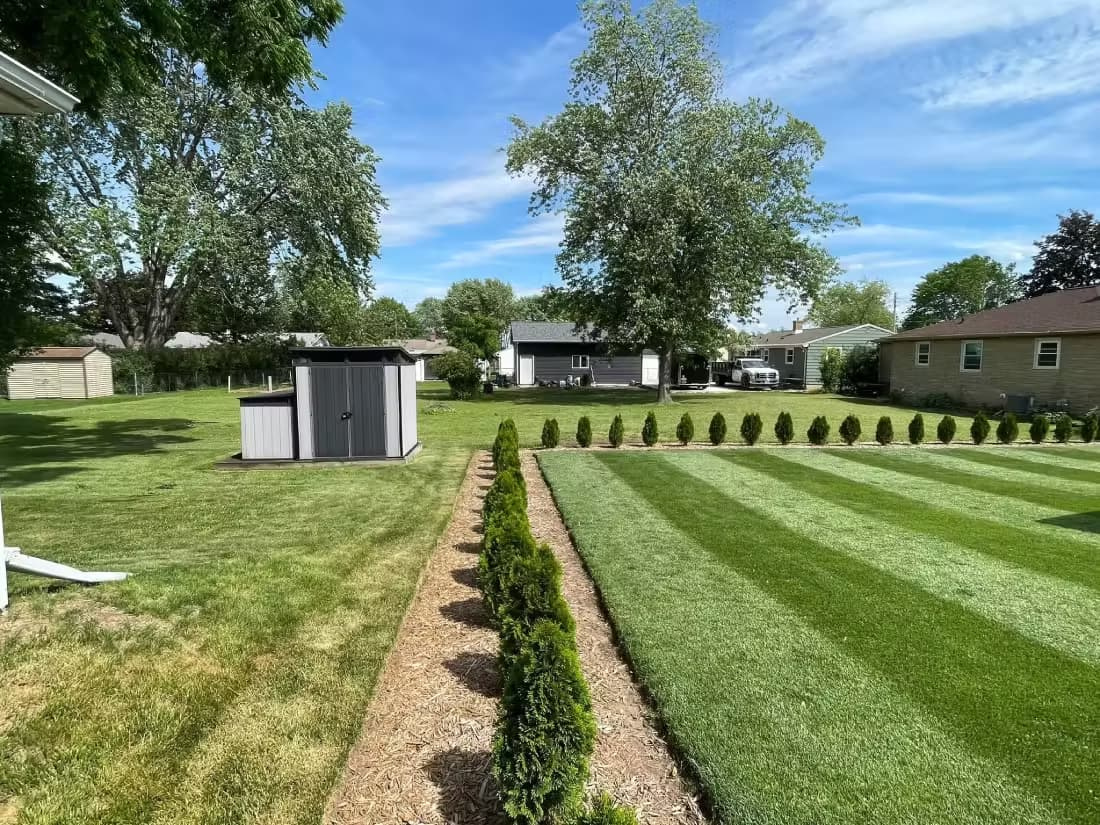
How to Kill Weeds Where Two Lawns Meet Without Harming Your Neighbor’s Grass
Controlling weeds along a shared property line is where good intentions quietly backfire—the season that's safe for your own lawn is often the season the lawn next door is most easily harmed. Learn the seasonal timing collision behind most fence-line damage, and the two habits that prevent it—reading what's actually in the bottle and spraying directed instead of broadcast—so you can clear the weeds without hurting your grass, your neighbor's, or the peace between you.
Read Article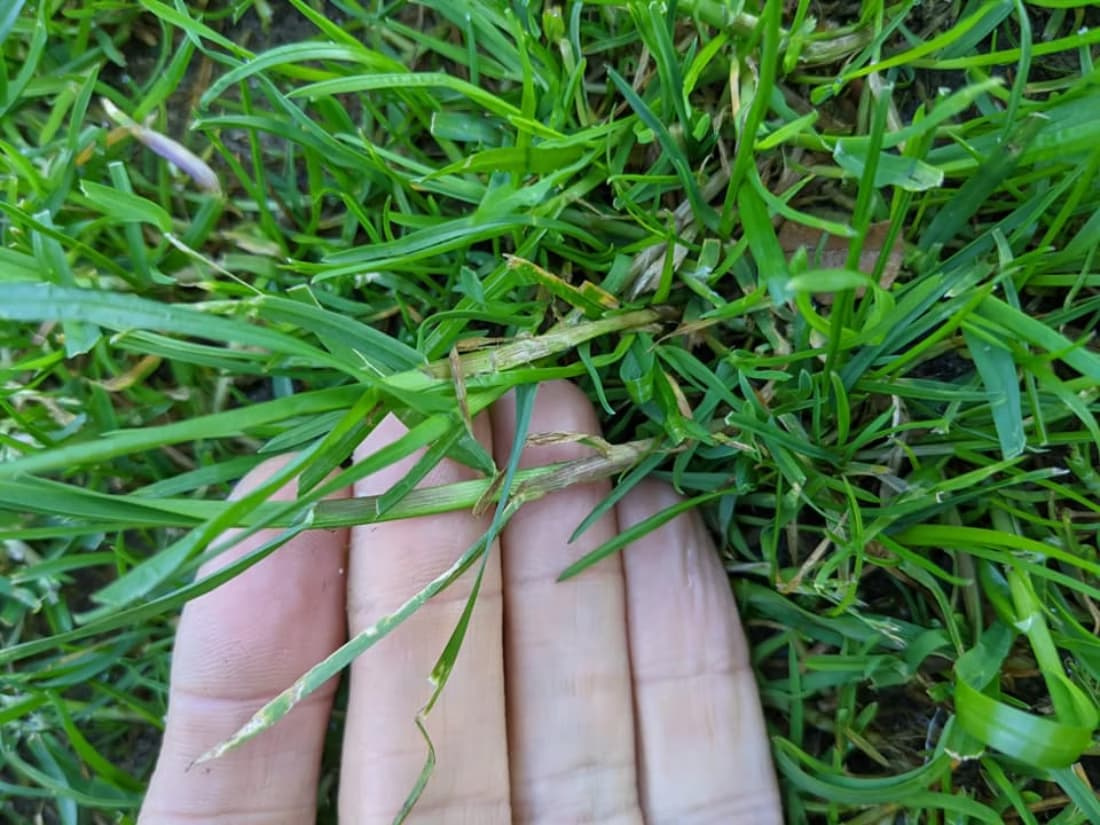
The Truth About One-and-Done Weed Control
Most homeowners lose the fight against weeds not because they work too little, but because they act before they understand. One-and-done weed control is real — but it only works when identification, timing, and the right tool all line up. This guide explains how that sequence works across your lawn and your ornamental beds, and how each weed page in the MFY hub puts it into practice for your specific invader.
Read Article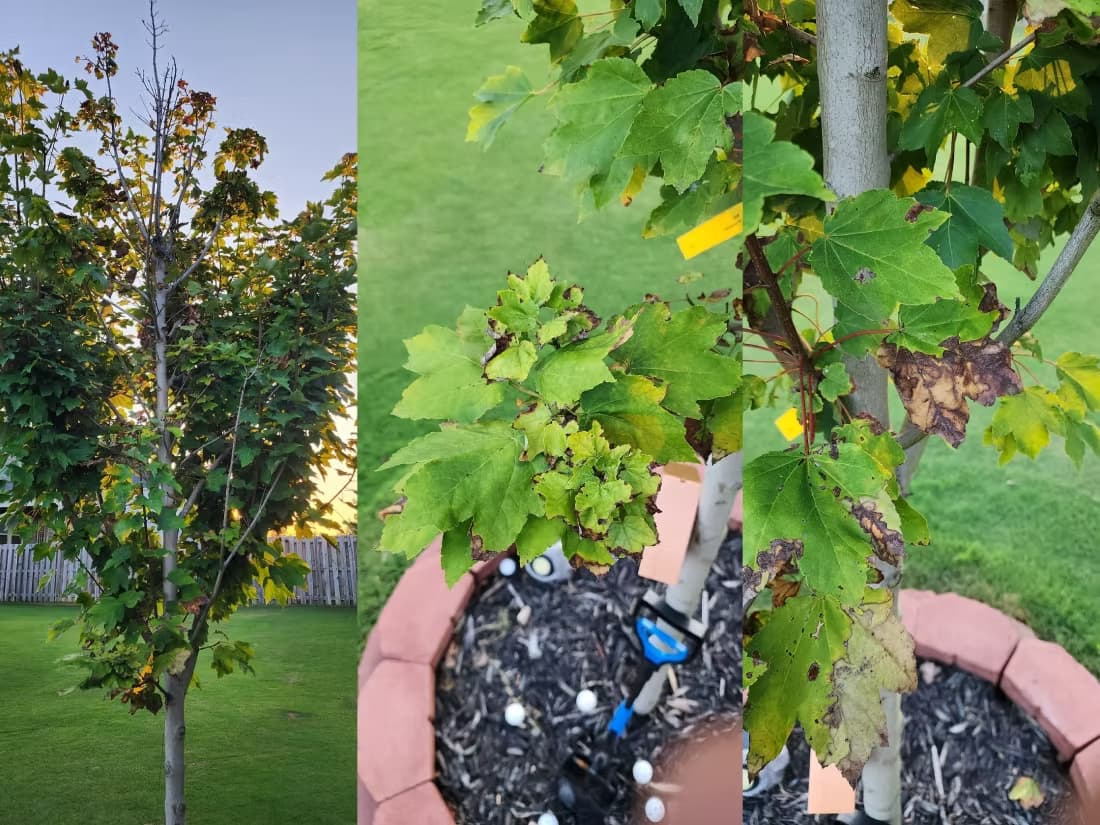
Solving the Mystery of the False Evidence in Your Lawn and Landscape
A brown leaf or a yellowing lawn is rarely what it seems. When symptoms act as decoys, a calm, forensic approach brings clarity to the confusion. Learn how to look past the surface to find the quiet truth of what your plants are truly asking for.
Read Article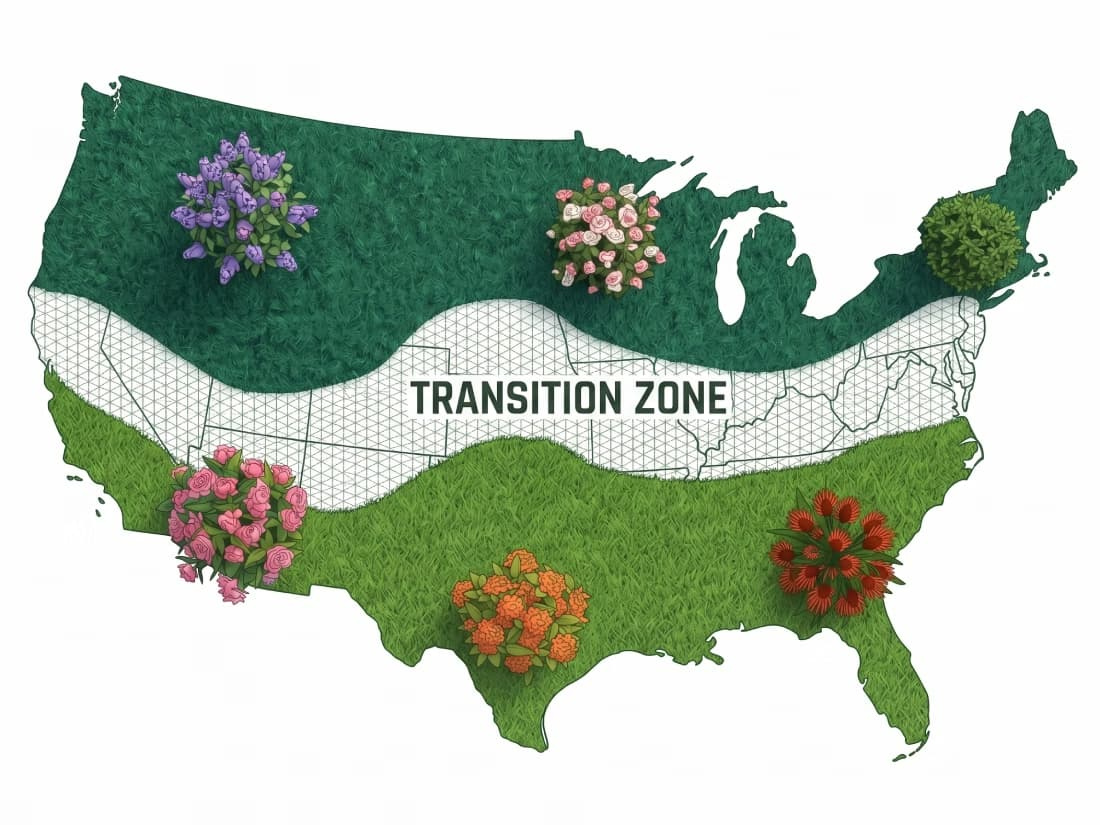
Living in the Middle: The Deep-Dive Guide to Transition Zone Lawns and Landscapes
The Transition Zone is a biological tug-of-war where neither northern nor southern species perfectly adapt. By using resilient "bridge" species and mastering maintenance levers like the Mowing Pivot, you can transform a struggling yard into a healthy landscape.
Read Article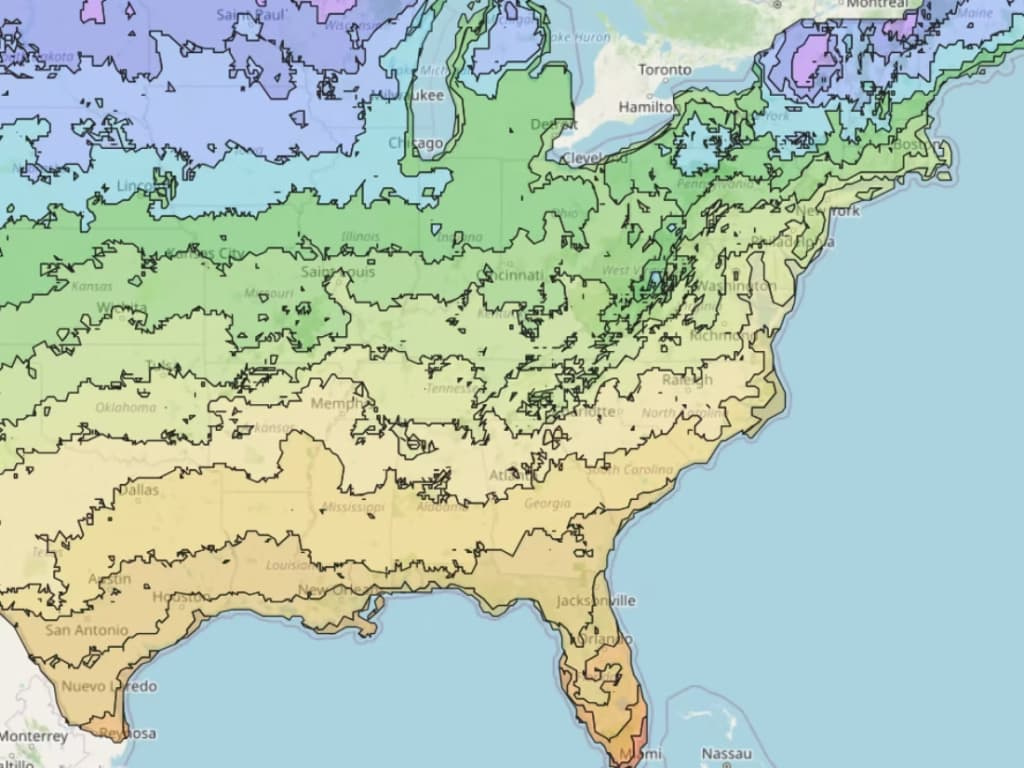
What Your Hardiness Zone Really Means for Your Lawn and Plants
Uncover the foundation of a resilient landscape by mastering the science of hardiness zones. Learn how these climate boundaries are calculated and why understanding your local temperature limits is the first step toward choosing plants that thrive year after year.
Read Article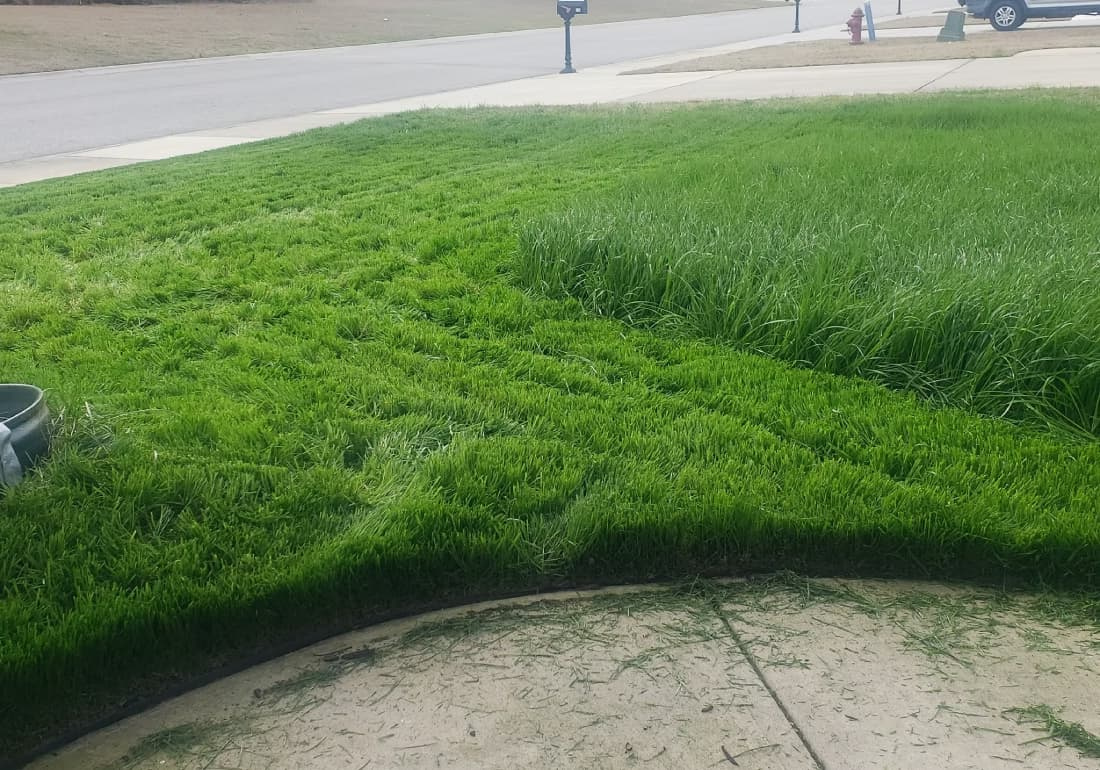
The One-Third Mowing Rule: A Species-Specific Guide to Mowing Heights
Stop guessing your lawn's health. While the one-third rule is the foundation, every grass species has its own threshold for stress. This guide provides exact 'mow-at' heights, seasonal frequency adjustments, and mower setting tips for over 12 grass types to ensure a professional-grade cut every time.
Read Article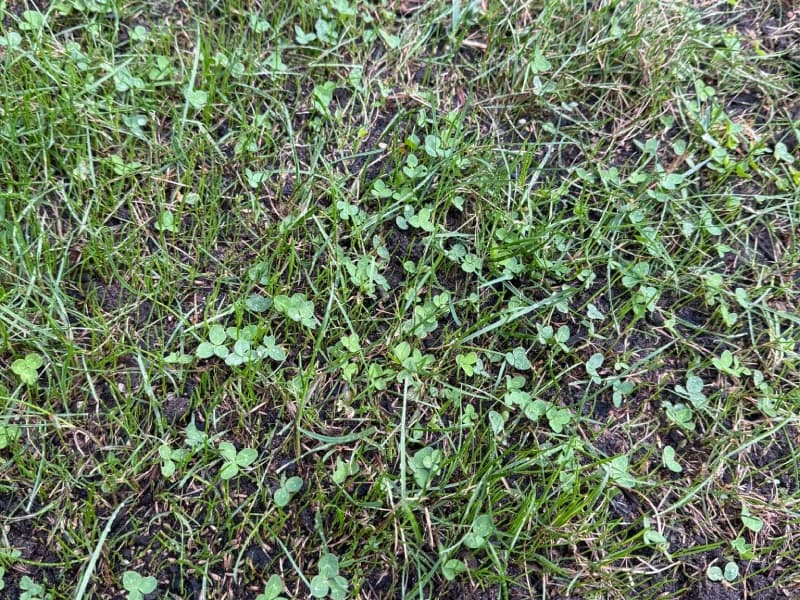
How to Kill Weeds in New Grass Without Killing the Grass
You spent weeks preparing the soil and watering your new seeds, only to see a "carpet of green" that looks more like a weed patch than a lawn. It is frustrating to watch weeds grow twice as fast as your tiny seedlings, leading to a "Panic Phase" where many homeowners make the mistake of spraying too early. Before you reach for the herbicide and risk killing your investment, you need to understand the precise timing required to save your new grass while clearing out the invaders.
Read Article