
Parent Species:
Drought-Tolerant St. Augustinegrass
The two that last longest without water, in a grass that dies rather than going dormant.
Is Drought-Tolerant St. Augustinegrass Right For Your Yard?
Best For:
Tradeoff:
What Makes It Different
Two cultivars, two reasons. Floratam is the drought pick you can buy almost anywhere for the least money; Cobalt is the one with the strongest recent trial record. Neither changes the fact that governs this page.
St. Augustinegrass has decent drought tolerance and poor drought survival, and the gap between those two words is what kills lawns. Bermudagrass and zoysia go dormant: they turn brown, shut down, wait out the dry spell and green up when rain returns. St. Augustinegrass has no safe dormancy. It hangs on through deep roots, and when those run out it wilts, browns and dies. There is no coming back — you resod. So a drought-tolerant St. Augustine lasts longer before the point of no return. It does not survive past it.
Which makes reading the lawn the real skill, because the warning signs arrive before the damage. Watch for a dull blue-gray cast where the color should be green, leaf blades folded lengthwise, and footprints that stay pressed in instead of springing back. Water when you see those. Once it browns, water will not bring it back.
Who It’s For
Open, full-sun yards on sandy soil across Florida and the Gulf South, particularly in counties that restrict which days you may irrigate. It is also the page for a plain lawn with nothing unusual about it: no heavy canopy, no hard freezes, no virus in the neighborhood.
Rule yourself out fast on any of three things, all of which point away from Floratam specifically: significant shade, where it is the least tolerant cultivar in the species; winters reaching the mid-teens, which injure it; or sugarcane mosaic virus in your area, since Floratam is the one cultivar it kills.
One geographic limit: across the humid part of the range this grass lives on rainfall alone in a normal year. At the arid western edge, central and west Texas, it will not — that is irrigated ground whatever you plant.
The Cultivars
| Cultivar | How it’s sold | What it’s good at | Notes |
| Floratam | Sod and plugs. Public and off-patent since its 1972 University of Florida and Texas A&M release, so it is grown and sold everywhere. About $180–220 a pallet — the cheapest band in the species. | The long-standing Gulf South default and the best drought performer among the older public cultivars. Coarse, vigorous, fast to cover, and mowed tall at 3.5 to 4 inches, which is itself part of how it holds moisture. | Three liabilities, any one of which should rule it out. Its original chinch bug resistance has largely been lost and chinch bugs are now a major pest of it. It is the least shade-tolerant cultivar in the species. And it is the only one killed by lethal viral necrosis. UF/IFAS adds a fourth, narrower one: it does not tolerate atrazine-containing herbicides applied above 85°F. |
| Cobalt | Sod and 72-count plug trays. Patented, licensed exclusively through Sod Solutions; grown in Texas, Florida, Alabama and Georgia. About $275–350 a pallet. | The strongest recent drought record in the species. Texas A&M AgriLife reports it ranked among the top entries for drought resistance in the 2015 USDA-SCRI warm-season group across five states, and that it was evaluated by seven universities in eight environments in the 2016 NTEP. It also carries Zone 8a cold hardiness and very good shade tolerance, so it does not force the usual trade-off. | Read the water-saving numbers by their source. The breeder reports 30 to 50 percent less water than traditional varieties under proper management; the licensee markets more than 6,000 gallons a year for an average home. Neither is an extension-published figure. The multi-state trial rankings are the solid part. |
One cultivar belongs in this conversation but lives on other pages: UF/IFAS rates CitraBlue as more drought tolerant than Floratam, Palmetto and Raleigh. It is covered on the shade-tolerant and virus-resistant pages because those are its headline claims — but if drought is your problem and CitraBlue is what your local farm grows, it is a legitimate answer.
What Changes In Care
Almost everything here is watering technique, which is where most drought damage is actually made.
- Deep and infrequent, never little and often. About 1.0 to 1.25 inches a week in summer, delivered in one or two soakings. Deep watering pulls roots downward; light daily sprinkling keeps them shallow and makes the lawn less drought-tolerant, not more.
- Sandy soil is the exception to that rule. Sand cannot hold a full inch — it drains straight past the root zone. Split it instead: roughly half an inch every third day.
- Mow at the top of the cultivar’s range. Floratam at 3.5 to 4 inches. More leaf shades the soil, keeps it cooler and holds moisture, and drives deeper rooting. Scalping a drought-stressed St. Augustine is how you lose it outright, since every growing point rides on the runners at the soil surface.
- Do not feed a lawn into a drought. Nitrogen produces soft growth that needs more water, not less. Stay at the low end of your region’s range and never exceed 1 pound per 1,000 square feet in one application.
- Water on the wilt signs, not on a calendar. That is also what makes restricted watering days workable — you irrigate to a threshold rather than a routine, so you spend your allowed days where they count.
- Learn to tell chinch bugs from drought, because they look identical. Irregular yellow-to-brown patches in the hottest, driest strips — beside sidewalks and driveways — are the classic chinch pattern, and Floratam’s full-sun preference overlaps exactly with chinch habitat. The tell: chinch-damaged turf stays firmly rooted, while drought browns broadly and evenly and recovers after watering.
Before You Buy
- Fix the soil before you blame the grass. This grass wants fertile, well-drained sandy loam. It tolerates wet feet poorly and compacts easily, and a compacted, shallow root zone makes any cultivar look drought-intolerant whatever you paid for it.
- Sod or plugs is a bigger decision here than usual. Sod roots in about two weeks; plugs need 45 to 90 days to close in and heavy watering throughout. Starting a drought-tolerant lawn from plugs during a watering restriction is a contradiction — new plantings need daily water for the first 10 to 14 days whatever the cultivar promises.
- Check your local watering rules before you choose the grass. Some restrictions are tight enough that no St. Augustinegrass is sensible, precisely because it cannot go dormant and ride out a ban. That is a real reason to look at bermuda or zoysia — better found now than after the sod is down.
- Price the gap honestly. Floratam runs $180–220 a pallet against Cobalt’s $275–350. The premium buys trial-backed drought performance plus cold hardiness and shade tolerance Floratam does not have — so if any of those matter even a little, the gap is smaller than it looks.
- Certified Blue Tag sod of a named cultivar, always. Uncertified common carries weeds, is not uniform, and is unusually sensitive to 2,4-D. There is no St. Augustine seed. If you are clearing an old lawn first, a non-selective herbicide with a 10 to 14 day wait before sodding is the standard route — and consumer “Roundup” no longer reliably contains glyphosate, so read the active-ingredient panel.
Deep Dives & Practical Guides
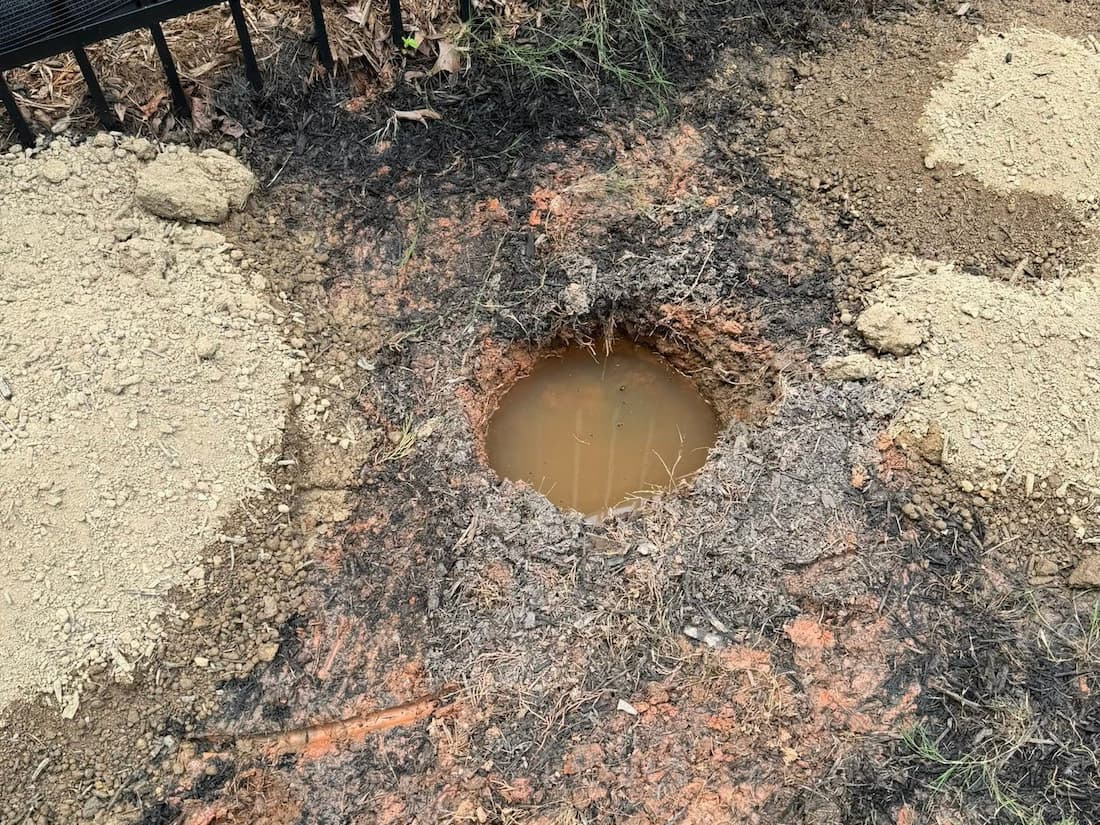
The Hole You Dug Is Killing Your New Plants
A shrub that looked fine all summer and stalled the next year usually didn't fail because of the plant, the weather, or the nursery. It failed because the hole it went into was a container — smooth-walled, water-holding, and impossible to root out of.
Read Article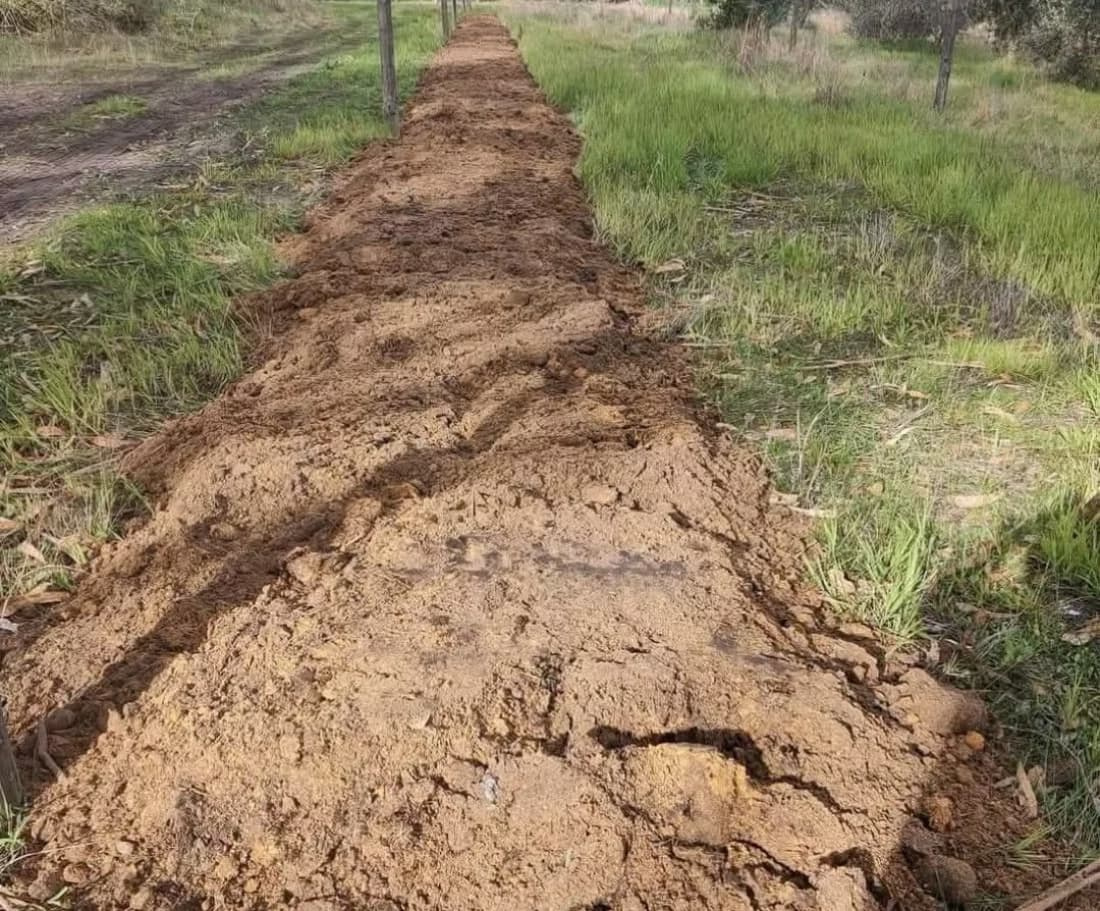
What You Can Actually Change About Bad Soil
Heavy clay and loose sand feel like permanent sentences, and half of that is true. What your soil is made of will not change. How those particles are arranged will — and that is the half that decides whether anything grows.
Read Article
Why Your Plants Survive Winter and Die in July
Your hardiness zone is built from one number — the coldest night of an average year. It says nothing about the hottest afternoon, which is what actually kills most plants people lose. Here's how to read the other half of the map.
Read Article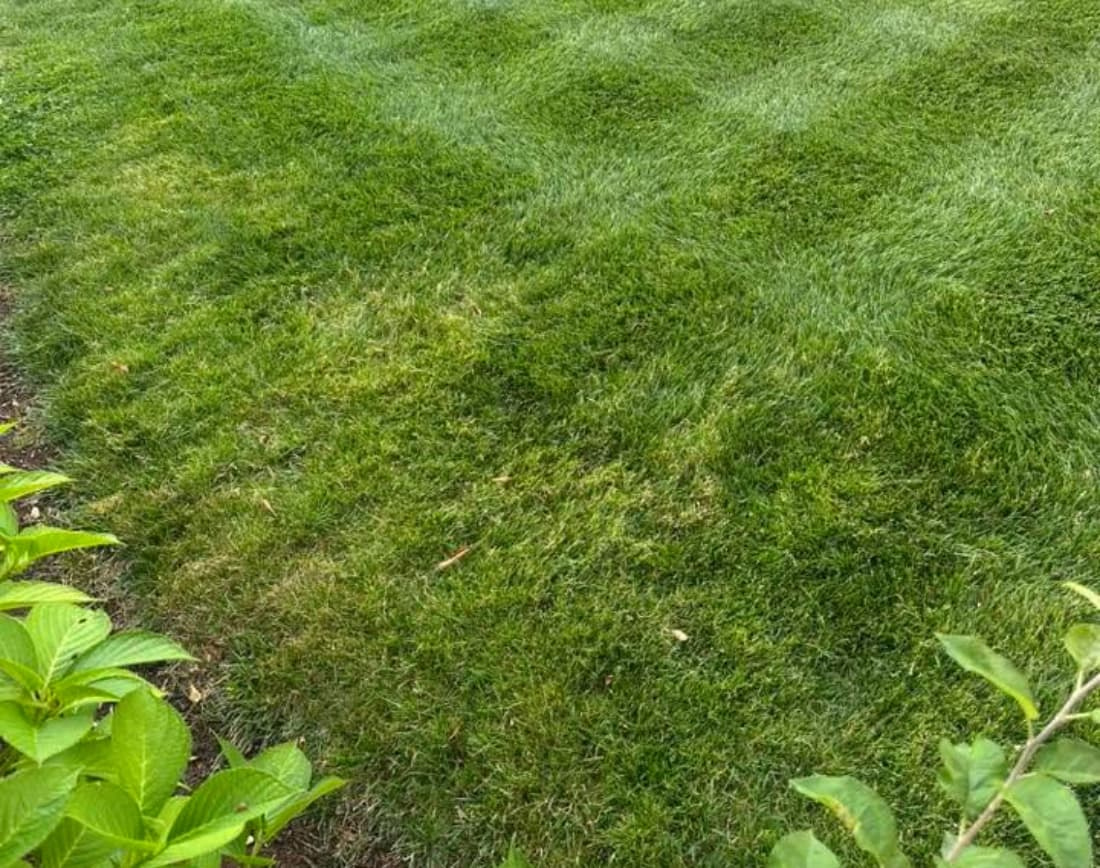
Why Poa Annua Keeps Coming Back — and the 3-Year Plan That Finally Ends the Cycle
You've pulled it. You've sprayed it. You've watched the little white seedheads mock you every single spring. And every fall, like clockwork, it's back — in the lawn, in the beds, in the cracks you didn't know you had. Here's the hard truth nobody at the big-box store will tell you: you're not losing because you're doing it wrong — you're losing because you're fighting the wrong enemy on the wrong timeline. Poa annua isn't a one-season problem, and once you understand why, the three-year plan below stops feeling like a chore and starts feeling like a countdown.
Read Article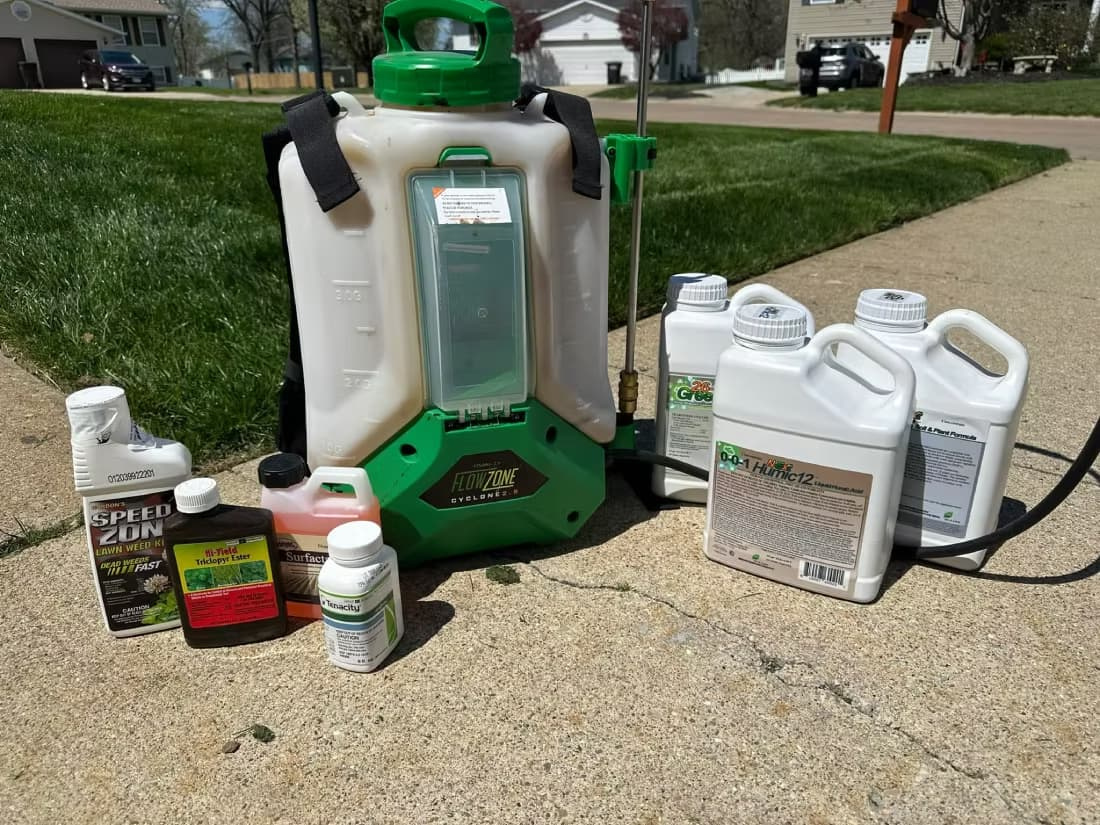
How to Apply Herbicides Correctly in Your Lawn and Garden Beds
Getting real results from a weed product has almost nothing to do with the brand on the bottle and everything to do with matching the method to the moment — the right chemistry, in the right place, at the right time. Learn how to apply herbicides correctly across both your lawn and your garden beds, whether you’re stopping weeds before they sprout or killing the ones already growing, without wasting product or harming the plants you want to keep.
Read Article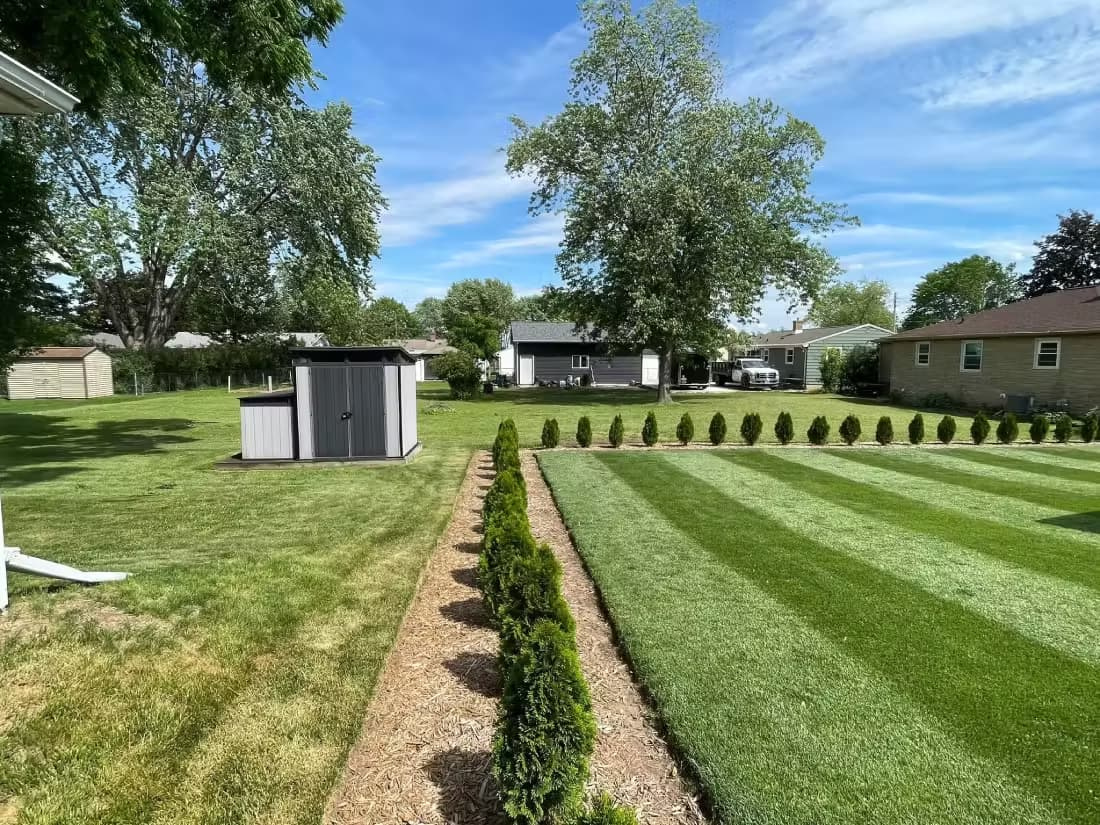
How to Kill Weeds Where Two Lawns Meet Without Harming Your Neighbor’s Grass
Controlling weeds along a shared property line is where good intentions quietly backfire—the season that's safe for your own lawn is often the season the lawn next door is most easily harmed. Learn the seasonal timing collision behind most fence-line damage, and the two habits that prevent it—reading what's actually in the bottle and spraying directed instead of broadcast—so you can clear the weeds without hurting your grass, your neighbor's, or the peace between you.
Read Article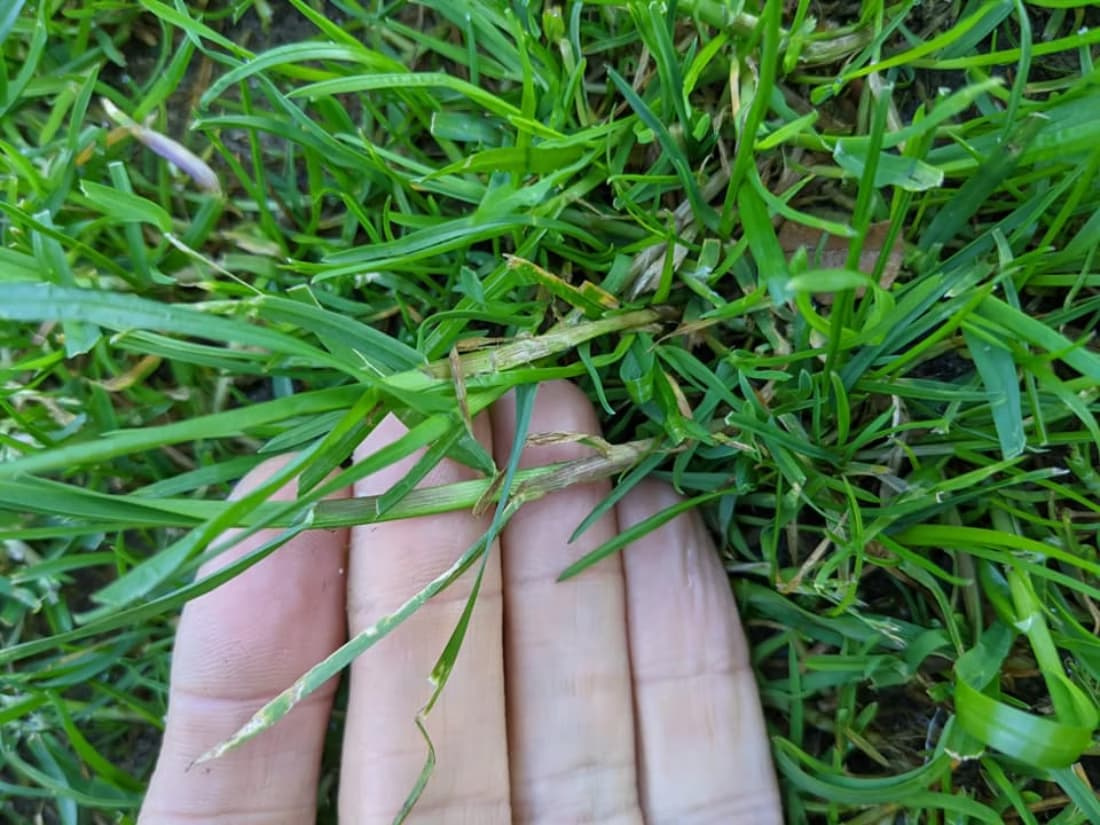
The Truth About One-and-Done Weed Control
Most homeowners lose the fight against weeds not because they work too little, but because they act before they understand. One-and-done weed control is real — but it only works when identification, timing, and the right tool all line up. This guide explains how that sequence works across your lawn and your ornamental beds, and how each weed page in the MFY hub puts it into practice for your specific invader.
Read Article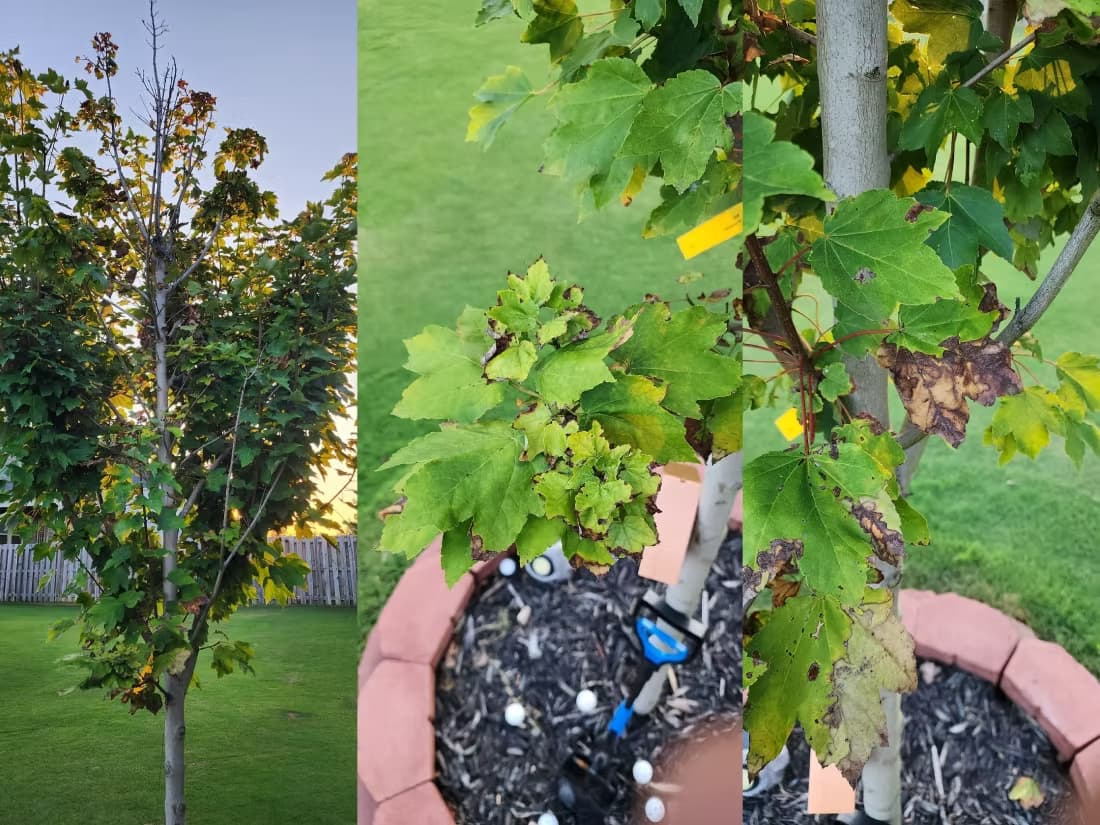
Solving the Mystery of the False Evidence in Your Lawn and Landscape
A brown leaf or a yellowing lawn is rarely what it seems. When symptoms act as decoys, a calm, forensic approach brings clarity to the confusion. Learn how to look past the surface to find the quiet truth of what your plants are truly asking for.
Read Article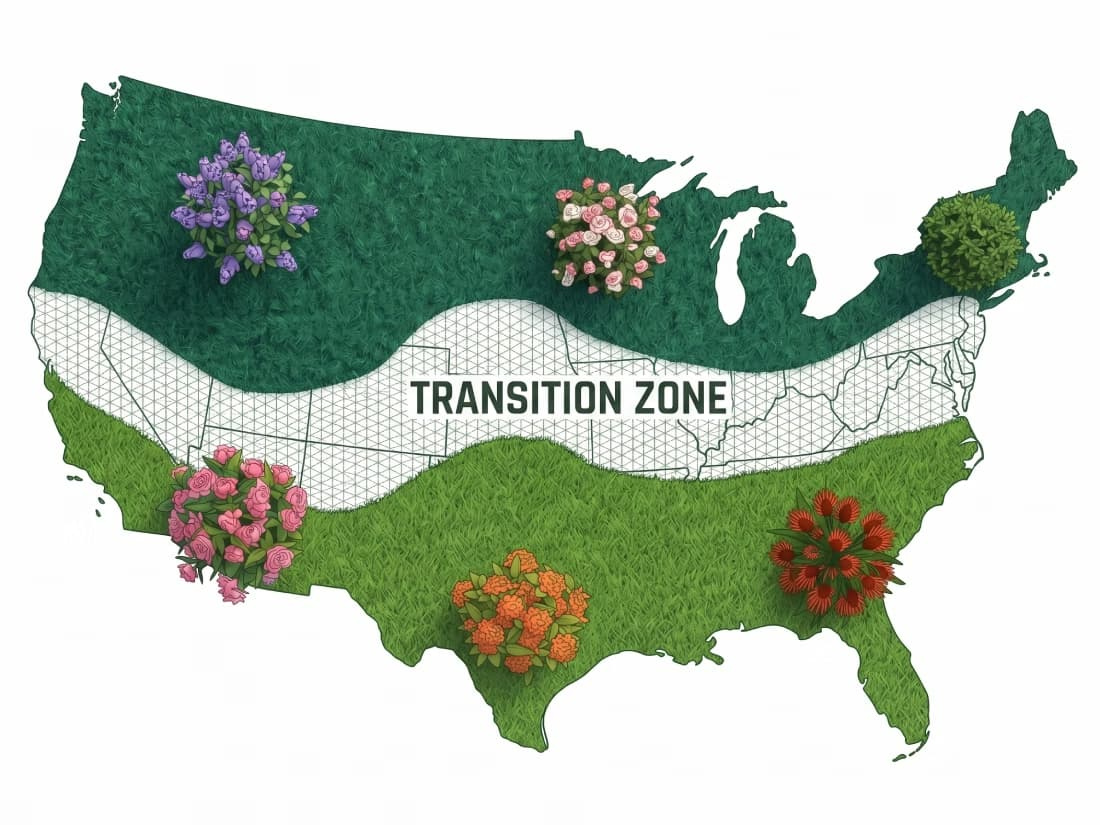
Living in the Middle: The Deep-Dive Guide to Transition Zone Lawns and Landscapes
The Transition Zone is a biological tug-of-war where neither northern nor southern species perfectly adapt. By using resilient "bridge" species and mastering maintenance levers like the Mowing Pivot, you can transform a struggling yard into a healthy landscape.
Read Article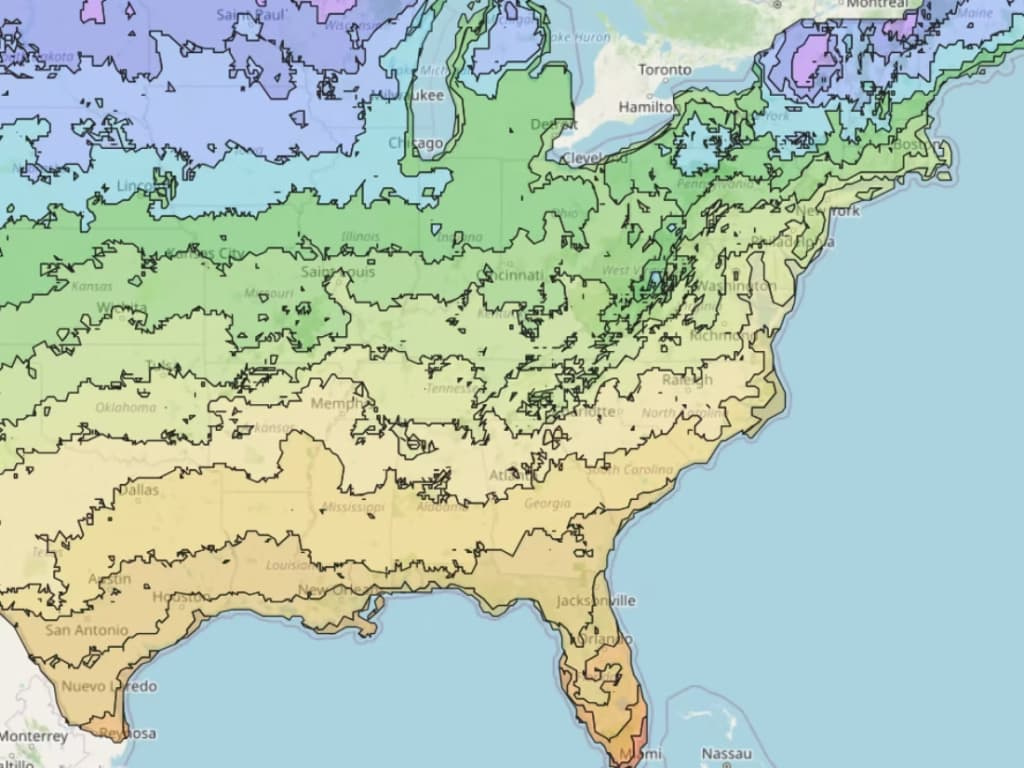
What Your Hardiness Zone Really Means for Your Lawn and Plants
Uncover the foundation of a resilient landscape by mastering the science of hardiness zones. Learn how these climate boundaries are calculated and why understanding your local temperature limits is the first step toward choosing plants that thrive year after year.
Read Article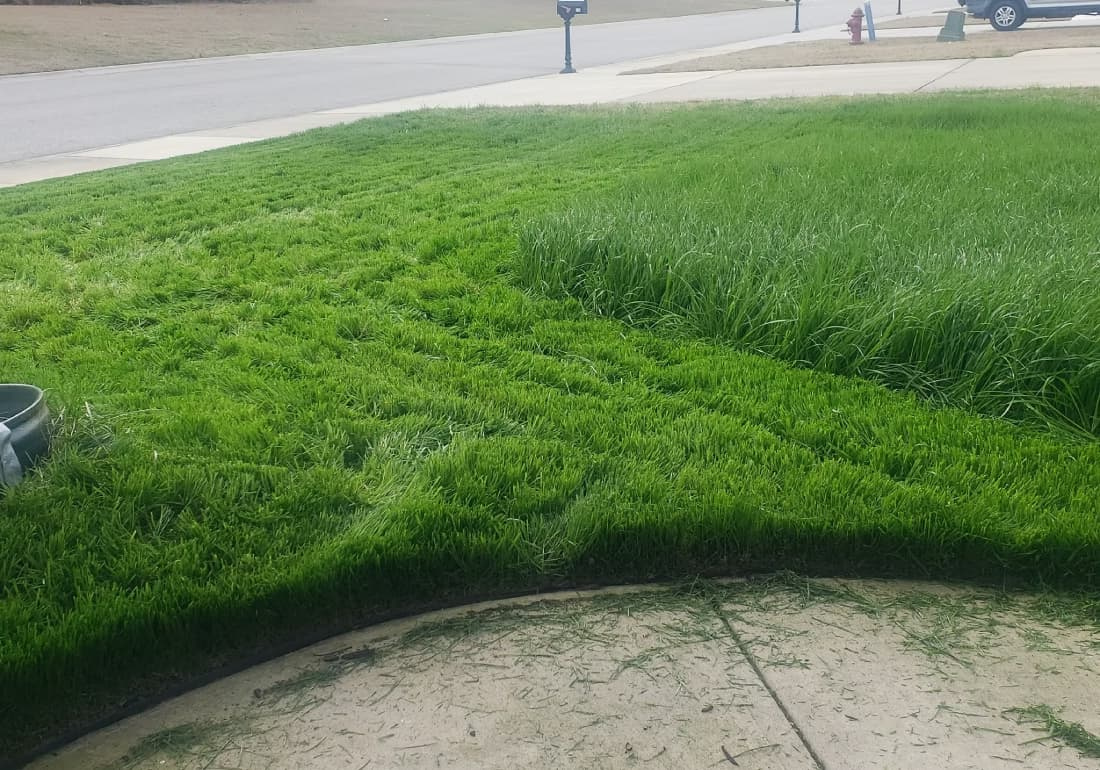
The One-Third Mowing Rule: A Species-Specific Guide to Mowing Heights
Stop guessing your lawn's health. While the one-third rule is the foundation, every grass species has its own threshold for stress. This guide provides exact 'mow-at' heights, seasonal frequency adjustments, and mower setting tips for over 12 grass types to ensure a professional-grade cut every time.
Read Article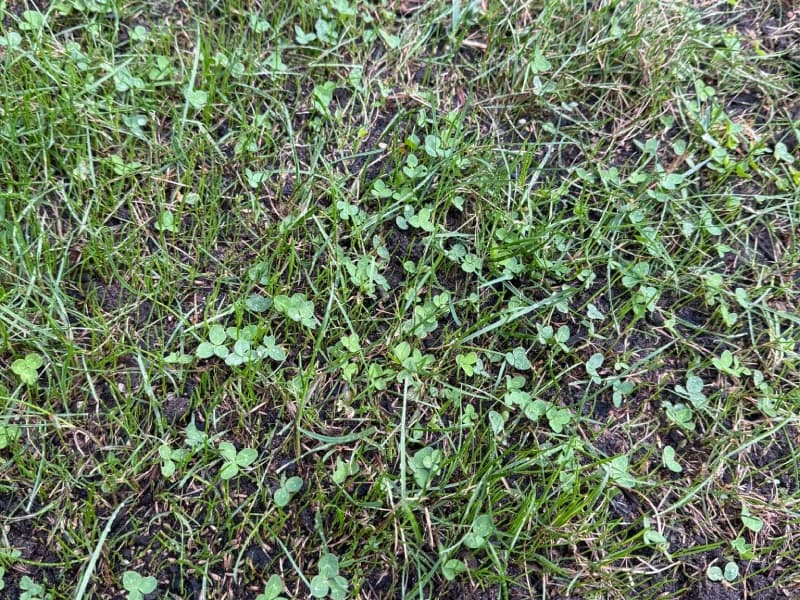
How to Kill Weeds in New Grass Without Killing the Grass
You spent weeks preparing the soil and watering your new seeds, only to see a "carpet of green" that looks more like a weed patch than a lawn. It is frustrating to watch weeds grow twice as fast as your tiny seedlings, leading to a "Panic Phase" where many homeowners make the mistake of spraying too early. Before you reach for the herbicide and risk killing your investment, you need to understand the precise timing required to save your new grass while clearing out the invaders.
Read Article