
Parent Species:
Gray-Leaf-Spot-Resistant Ryegrass
Ryegrass bred against the one disease that can take a healthy stand to bare ground in a matter of days.
Is Gray-Leaf-Spot-Resistant Ryegrass Right For Your Yard?
Best For:
Tradeoff:
What Makes It Different
This is the only ryegrass trait that comes with a number. NTEP scores gray leaf spot from 1 to 9, where 9 means no disease. In its 2010 trial, rated in Maryland, the bred-for-resistance cultivars clustered at 8.0 to 8.7 while susceptible entries fell to 4.7, 4.0, and 3.7 — and the forage cultivar Linn landed at 3.0. That spread is the difference between a lawn that thins in August and a lawn that is gone.
The mechanism explains both the strength and the limit. Resistance here is quantitative — several genes each contributing a share, mapped in USGA-funded work at Wisconsin and UMass — rather than one on-off switch. A resistant cultivar slows infection and buys the stand time; it does not block the fungus. Researchers flagged from the beginning that pathogen races could erode it, and Ohio State’s turf pathology program states it plainly: a resistance claim does not mean immunity, and susceptibility can shift over the years.
One more figure keeps you from over-reading the table. The least significant difference in that NTEP rating was 2.0, meaning gaps smaller than about two points are not statistically meaningful. An 8.7 and an 8.0 are the same tier. The real gap is between the 8s and the 4s.
Who It’s For
Gray leaf spot fires up around 82 to 90°F and needs only about nine hours of continuous leaf wetness to infect, which is why Penn State and Missouri put the danger zone roughly south of I-80 — anywhere summers are reliably hot and humid. If that is your climate and you are planting ryegrass in any amount, plant this version. There is no reason to choose the unimproved pool there.
It is also the sensible default for overseeding dormant bermudagrass in the South, where ryegrass sits on the ground through the exact conditions the disease likes on either side of winter.
What this page does not do is overturn the parent grass’s verdict. Removing the fastest executioner still leaves heat, humidity, brown patch, and Pythium. In the transition zone, resistant ryegrass is what makes ryegrass safe to include in a mix — capped under 20% by weight, with tall fescue or bluegrass carrying the lawn through summer. It is not a permanent stand-alone lawn there, and no cultivar on this page changes that.
The Cultivars
This group has the most active breeding of the three, and it is the one where buying a specific named cultivar is genuinely possible — through specialist online seed suppliers rather than big-box shelves.
| Cultivar | How it’s sold | What it’s good at | Notes |
| Pangea GLR | Blend component and specialist suppliers | NTEP 8.7 for gray leaf spot; top-tier turf quality | Among the highest-rated entries in the trial |
| Karma | Blend component and specialist suppliers | NTEP 8.7 | Same top tier as Pangea GLR |
| Paragon GLR and Paragon 2 GLR | Sold individually by Preferred Seed in 1, 3, 10, 25 and 50 lb bags | One of the first gray-leaf-spot-resistant releases; the newer version adds salt tolerance | Still commercially active decades on — the reference point for the whole category |
| Paradox GLR, Elektra GLR | Sold individually by Twin City Seed | Newer-generation resistance | The clearest sign the elite channel has opened to homeowners |
| Sideways, Stellar 3GL, Fiesta 4 | Blend components; professional channel | NTEP 8.3, 8.3 and 8.0 | Stellar has moved on to 4GL. No standalone consumer listings found for Fiesta 4 |
| Manhattan 5 GLR | Superseded — buy Manhattan 7 GLR instead | The line that carried the Manhattan name into resistance | No retail presence for Manhattan 5. Manhattan 6 GLR rates 8.0; Manhattan 7 GLR sells through Preferred Seed |
| Panther GLS, Repell GLS, Revenge GLX, Derby Xtreme | Blend components only | The 2004-era resistant generation | Still perfectly usable and still turn up inside retail blends, but newer releases rate higher |
Worth knowing: gray-leaf-spot resistance and endophyte are independent traits, and modern cultivars increasingly carry both. Palmer V and SR 4650 are examples. If insects and disease are both on your list, you do not have to choose between this page and the endophyte page — you have to read the tech sheet.
What Changes In Care
Nothing relaxes. Because the resistance is partial, the cultural controls still carry real weight — water before dawn so the canopy dries early, keep nitrogen at zero through July and August, keep the blade sharp so you are not opening wounds, and mow at the taller end of the range through summer.
What does change is your fungicide exposure. A resistant stand in a humid summer is far less likely to need a preventive spray program, which is the practical payoff of the whole category for a homeowner. If you do end up spraying, follow the label’s limits on repeat applications from the same chemical family — resistance in the fungus is a documented problem.
Before You Buy
- The big-box channel cannot confirm it. Generic bags do not name cultivars, so there is no way to verify resistance. Named cultivars come from specialist online suppliers, who ship nationally.
- GLR, GLS and GLX in a name all point the same way, but they are shorthand, not a standard. Where you can, check the cultivar’s NTEP gray leaf spot rating rather than trusting the letters.
- In a blend, check every component. One susceptible cultivar at 30% is a 30% hole in the lawn when conditions turn. Blends sold as resistant should list resistant components right through.
- Resistance can fade. It is partial, it is under pathogen pressure, and older releases were rated years ago. Prefer recent cultivars and recent trial data.
- The species rules still apply. Turf-type not forage, perennial not annual, certified seed with named cultivars, purity near 99%, germination 85% or better, and a test date inside the last year.
Deep Dives & Practical Guides
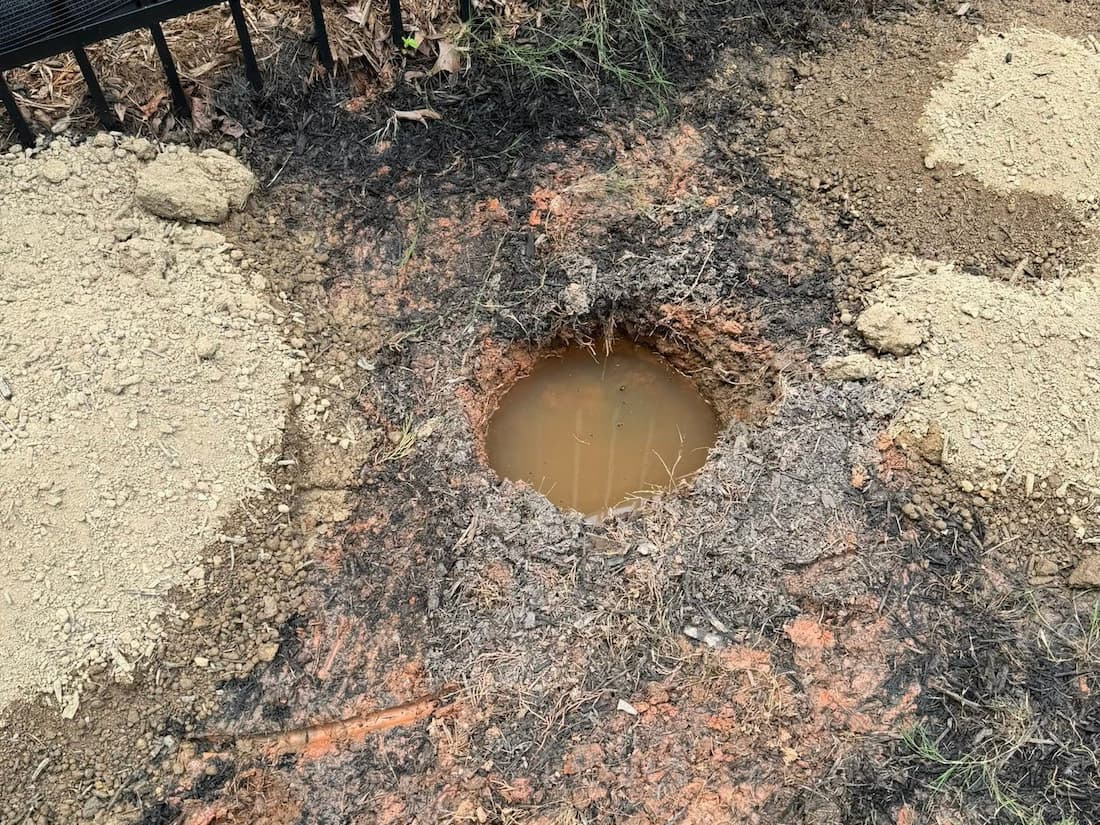
The Hole You Dug Is Killing Your New Plants
A shrub that looked fine all summer and stalled the next year usually didn't fail because of the plant, the weather, or the nursery. It failed because the hole it went into was a container — smooth-walled, water-holding, and impossible to root out of.
Read Article
What You Can Actually Change About Bad Soil
Heavy clay and loose sand feel like permanent sentences, and half of that is true. What your soil is made of will not change. How those particles are arranged will — and that is the half that decides whether anything grows.
Read Article
Why Your Plants Survive Winter and Die in July
Your hardiness zone is built from one number — the coldest night of an average year. It says nothing about the hottest afternoon, which is what actually kills most plants people lose. Here's how to read the other half of the map.
Read Article
Why Poa Annua Keeps Coming Back — and the 3-Year Plan That Finally Ends the Cycle
You've pulled it. You've sprayed it. You've watched the little white seedheads mock you every single spring. And every fall, like clockwork, it's back — in the lawn, in the beds, in the cracks you didn't know you had. Here's the hard truth nobody at the big-box store will tell you: you're not losing because you're doing it wrong — you're losing because you're fighting the wrong enemy on the wrong timeline. Poa annua isn't a one-season problem, and once you understand why, the three-year plan below stops feeling like a chore and starts feeling like a countdown.
Read Article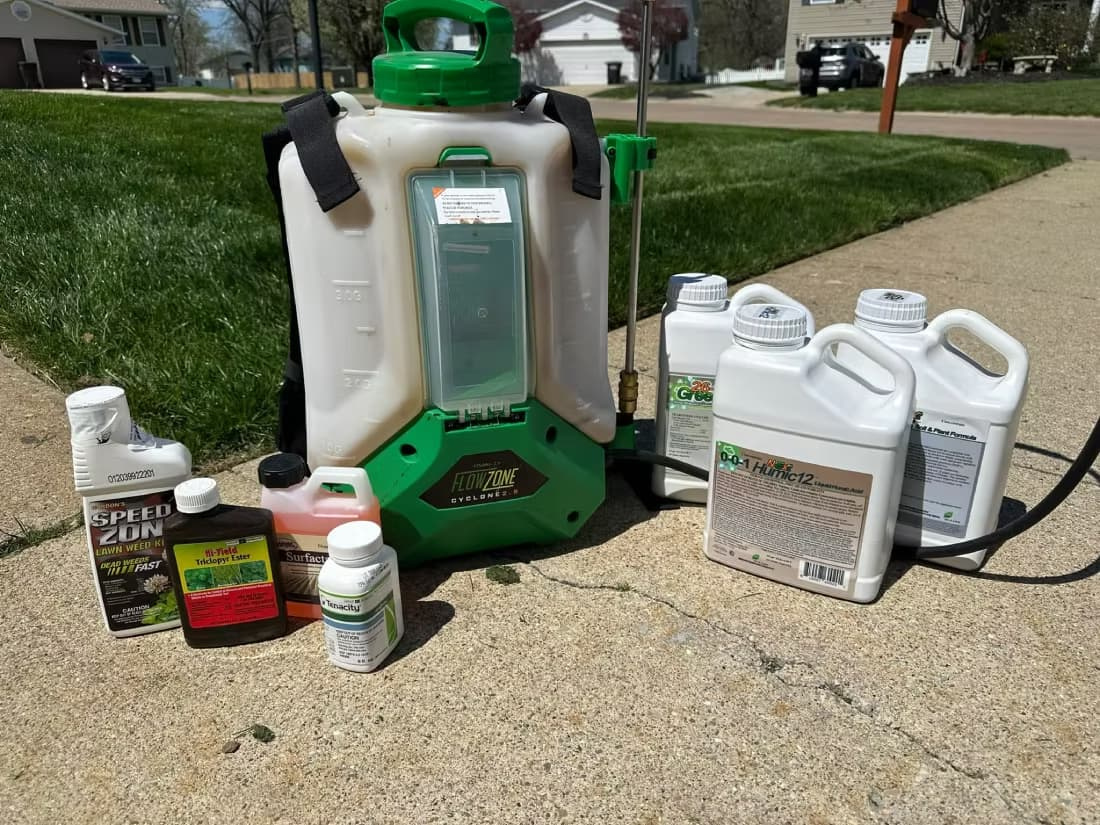
How to Apply Herbicides Correctly in Your Lawn and Garden Beds
Getting real results from a weed product has almost nothing to do with the brand on the bottle and everything to do with matching the method to the moment — the right chemistry, in the right place, at the right time. Learn how to apply herbicides correctly across both your lawn and your garden beds, whether you’re stopping weeds before they sprout or killing the ones already growing, without wasting product or harming the plants you want to keep.
Read Article
How to Kill Weeds Where Two Lawns Meet Without Harming Your Neighbor’s Grass
Controlling weeds along a shared property line is where good intentions quietly backfire—the season that's safe for your own lawn is often the season the lawn next door is most easily harmed. Learn the seasonal timing collision behind most fence-line damage, and the two habits that prevent it—reading what's actually in the bottle and spraying directed instead of broadcast—so you can clear the weeds without hurting your grass, your neighbor's, or the peace between you.
Read Article
The Truth About One-and-Done Weed Control
Most homeowners lose the fight against weeds not because they work too little, but because they act before they understand. One-and-done weed control is real — but it only works when identification, timing, and the right tool all line up. This guide explains how that sequence works across your lawn and your ornamental beds, and how each weed page in the MFY hub puts it into practice for your specific invader.
Read Article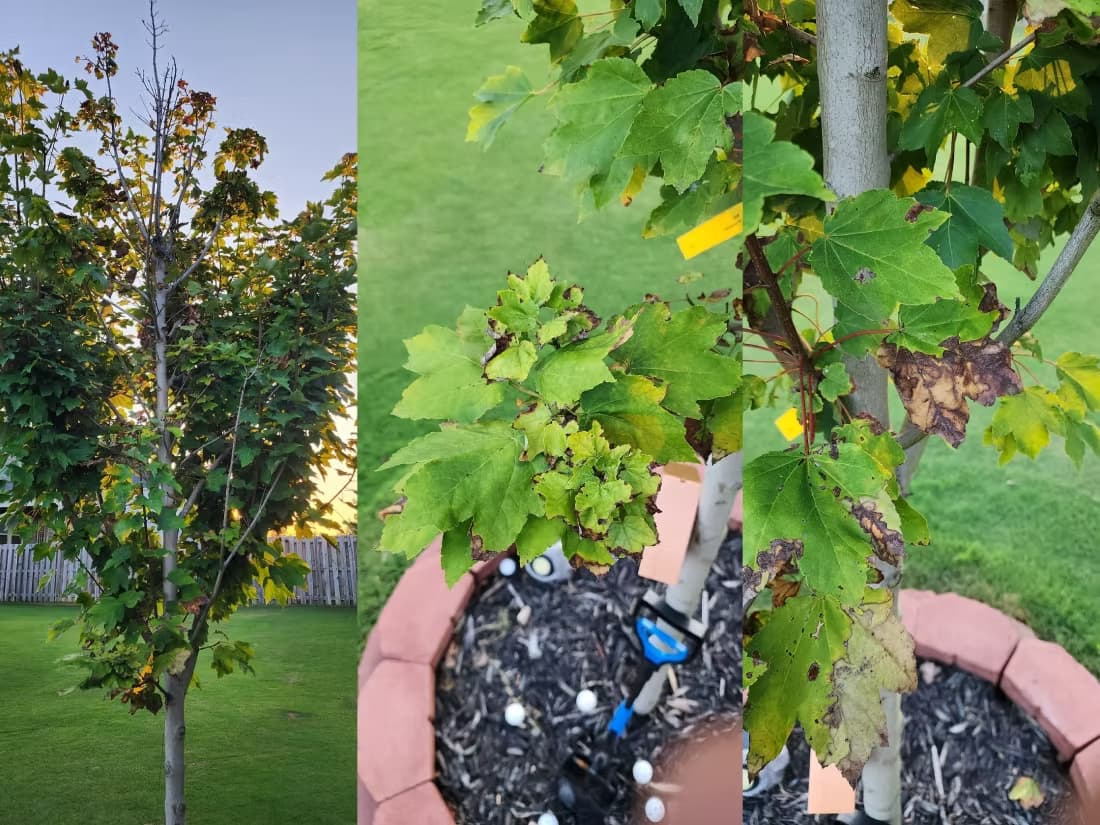
Solving the Mystery of the False Evidence in Your Lawn and Landscape
A brown leaf or a yellowing lawn is rarely what it seems. When symptoms act as decoys, a calm, forensic approach brings clarity to the confusion. Learn how to look past the surface to find the quiet truth of what your plants are truly asking for.
Read Article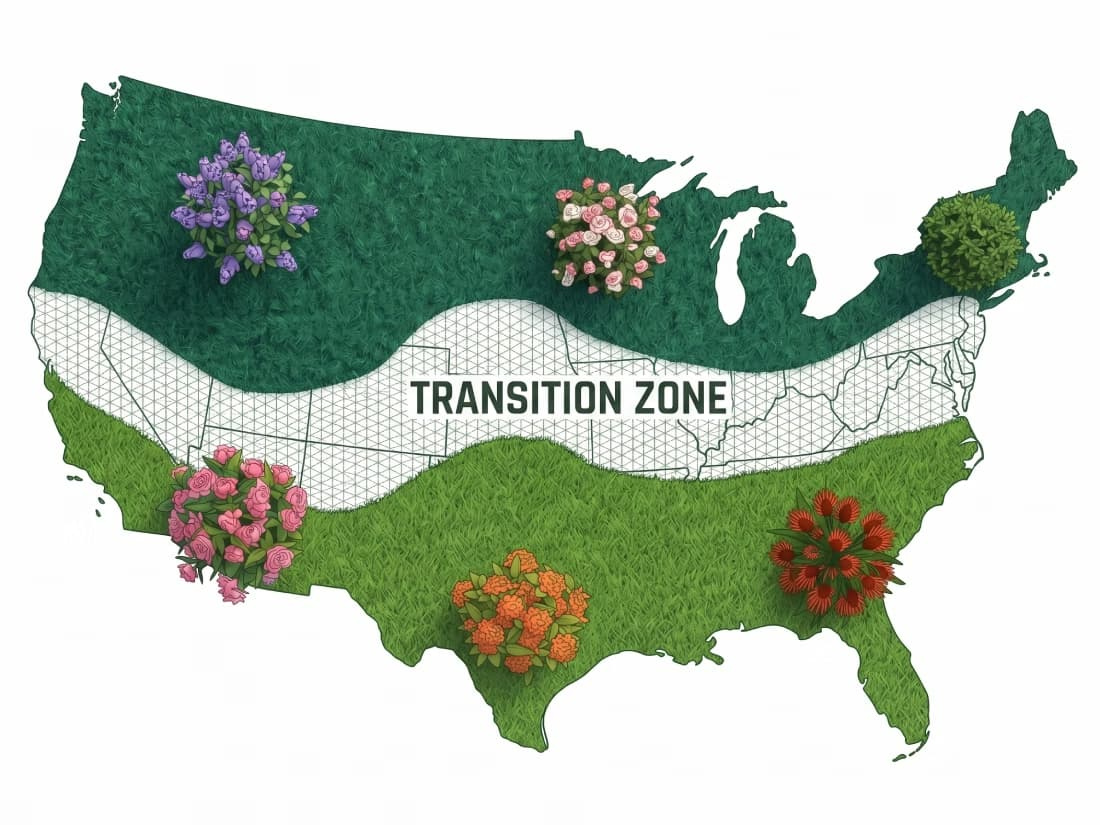
Living in the Middle: The Deep-Dive Guide to Transition Zone Lawns and Landscapes
The Transition Zone is a biological tug-of-war where neither northern nor southern species perfectly adapt. By using resilient "bridge" species and mastering maintenance levers like the Mowing Pivot, you can transform a struggling yard into a healthy landscape.
Read Article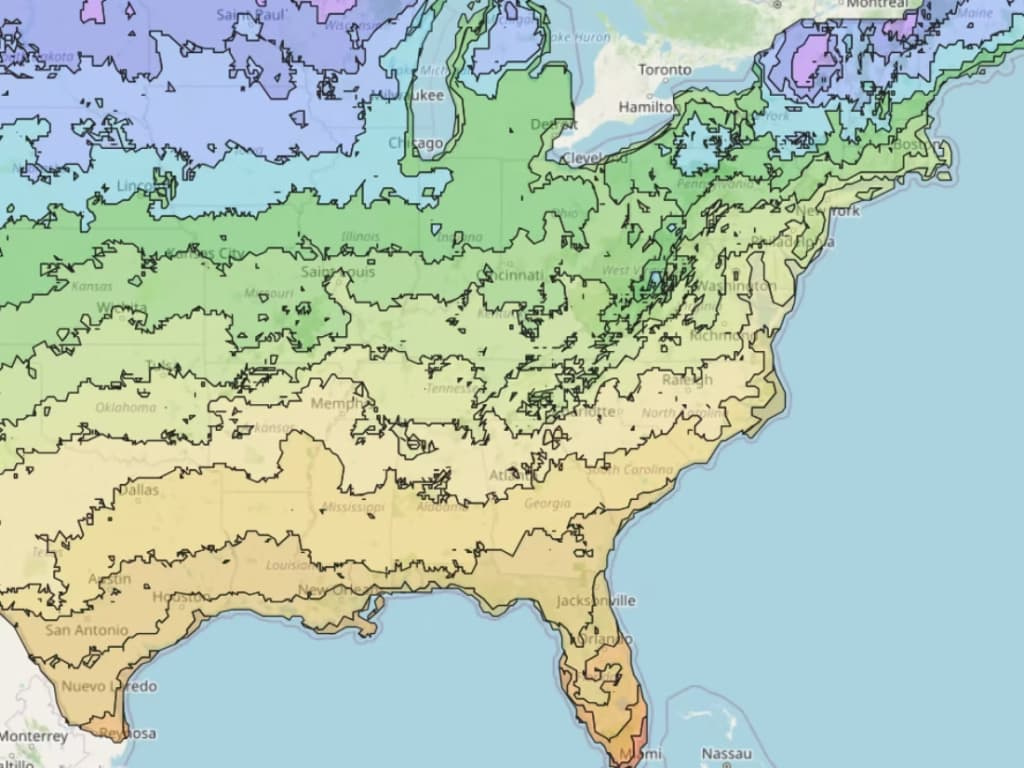
What Your Hardiness Zone Really Means for Your Lawn and Plants
Uncover the foundation of a resilient landscape by mastering the science of hardiness zones. Learn how these climate boundaries are calculated and why understanding your local temperature limits is the first step toward choosing plants that thrive year after year.
Read Article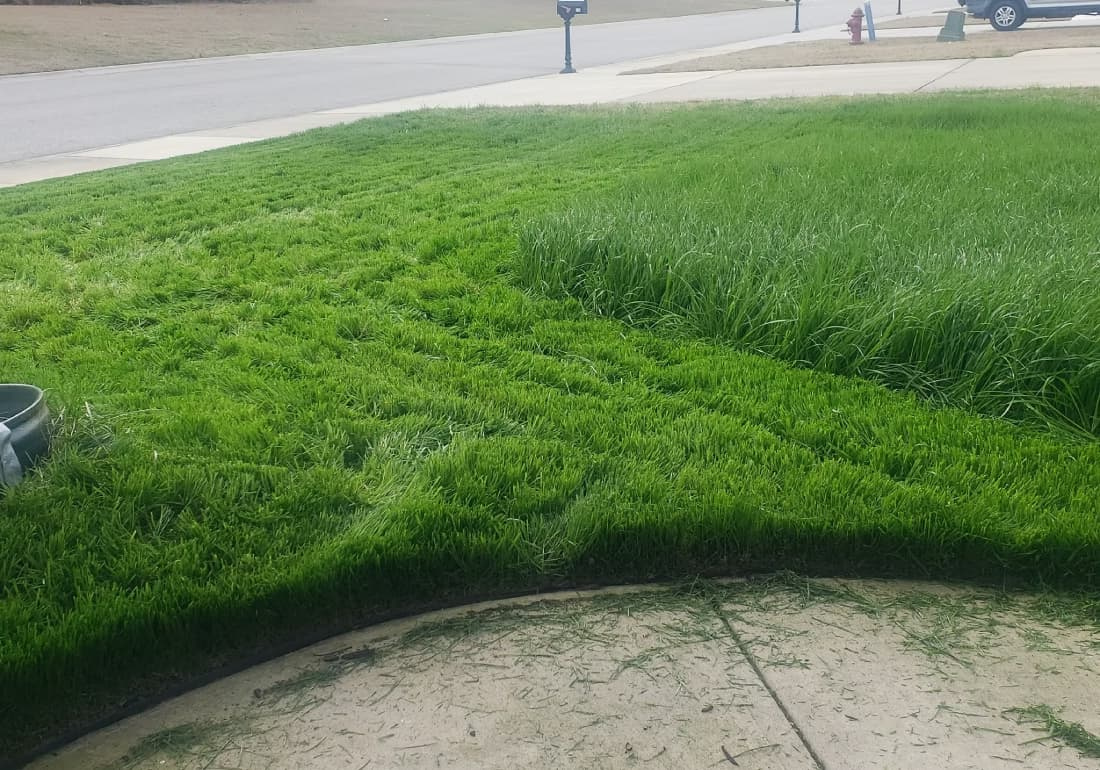
The One-Third Mowing Rule: A Species-Specific Guide to Mowing Heights
Stop guessing your lawn's health. While the one-third rule is the foundation, every grass species has its own threshold for stress. This guide provides exact 'mow-at' heights, seasonal frequency adjustments, and mower setting tips for over 12 grass types to ensure a professional-grade cut every time.
Read Article
How to Kill Weeds in New Grass Without Killing the Grass
You spent weeks preparing the soil and watering your new seeds, only to see a "carpet of green" that looks more like a weed patch than a lawn. It is frustrating to watch weeds grow twice as fast as your tiny seedlings, leading to a "Panic Phase" where many homeowners make the mistake of spraying too early. Before you reach for the herbicide and risk killing your investment, you need to understand the precise timing required to save your new grass while clearing out the invaders.
Read Article